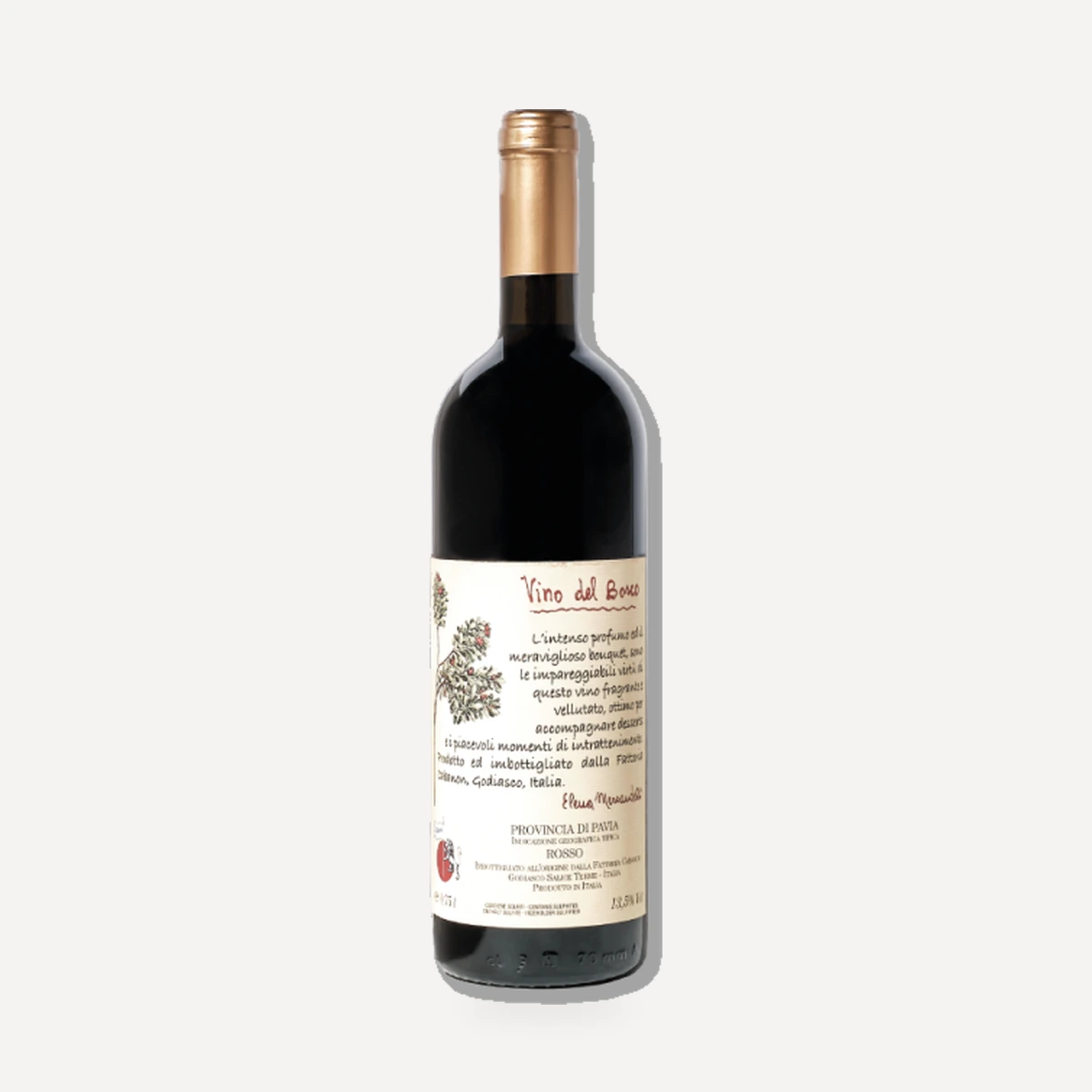
Storia
Family origins in 1909
Cabanon traces its agricultural and winegrowing history to 1909 in Godiasco, in Valle Staffora, on the southwestern edge of Lombardia near the border with Piemonte. The family's ancestors owned a small osteria where they served produce and wine made from their own vineyards.
A rustic building on their property served as a shed and hay barn. In the local dialect it was called “il Cabanon”, a name that later became the identity of the estate.
The foundation of Fattoria Cabanon
At the end of the 1960s, Giovanni Mercandelli transformed the inherited family tradition into an entrepreneurial winegrowing estate and named it Fattoria Cabanon after the old farm building. Giovanni had long wanted to move to the countryside and live from the products of the land and his own work. His agricultural vision emphasized practices that were as clean, healthy and responsible as possible.
Family continuity
Giovanni's daughter, Elena Mercandelli, inherited responsibility for his project and became a winegrower in her own right. She works with her husband, Giovanni Stefano, and their son Gregorio, who is presented as a central support of the estate and a guardian of its foundational values.
Diversification of the farm
In more recent years, Cabanon supplemented its vineyards with lavender, hyssop and Rosa Damascena. Three lavender fields were established on the hills surrounding the farm. These plantings were intended both to diversify a historically vine-dominated landscape and to strengthen the farm ecosystem. Lavender and roses also became the raw materials for essential oils, hydrolates, herbal preparations and the I Fiori di Cabanon cosmetic project developed by Elena Mercandelli.
The estate also integrated cattle into the agricultural cycle, using composted manure from its own semi-free-range herd to fertilize the vineyards. An on-site artisanal distillery completed the farm's vertically integrated production, allowing grapes and fresh pomace to be distilled shortly after vinification.
Terroir
Cabanon is based at Godiasco in Valle Staffora, on the southwestern edge of Lombardia near the Piemonte border. Its vineyards occupy hilly and high-hill positions, including steep, well-drained sites exposed to regular ventilation. One Cabernet site has an east–southeast exposure, while Sauvignon Blanc is grown at approximately 300 metres.
The recurring geological profile is clay and limestone, with varying quantities of stones. Individual descriptions range from moderately stony to very skeletal soils. Some Sauvignon sites are particularly lean, calcareous and steep; the Syrah ground is described as lean and exceptionally stony. Drainage and sustained air movement are defining characteristics across many parcels.
The surrounding landscape includes field margins, nearby woods and plantings of lavender, hyssop and Rosa Damascena. This botanical diversity interrupts the former uniformity of vine monoculture and creates a more varied farm ecosystem.
Vinificazione
Cabanon treats the farm as an interconnected agricultural organism and aims for practical self-sufficiency in essential vineyard care, including fertilization and plant protection.
Cattle are raised in semi-free-range conditions with access to broad grazing areas according to the season. Their manure is composted and returned to the vineyards as fertilizer, creating an internal nutrient cycle.
The vineyards are cultivated under organic principles, supplemented by ideas drawn from agro-homeopathy and herbal practice. Lavender, hyssop and Rosa Damascena were introduced alongside field borders and nearby woods to break up vine monoculture, diversify flowering periods, support insect populations and improve biological balance. Three lavender fields occupy hills around the farm.
Lavender has a direct role in plant protection. An infusion of lavender flowers is sprayed in the vineyards to help counter fungal pressure, particularly powdery mildew and botrytis. Cabanon characterizes this phytotherapeutic method as going beyond ordinary regulated organic practice.
Vineyard layouts commonly combine high planting density with low or very low yields. Spur cordon is the predominant training system, while simple Guyot is used in several old and traditional red-grape parcels. Harvest timing varies by intended production: grapes may be picked at full maturity, in late autumn or at very advanced ripeness. Certain lots are allowed a slight natural drying on the vine, while others are transferred to drying rooms. Grapes intended for carbonic maceration or bottle-refermented sparkling wine enter the cellar whole and healthy.
Cabanon's cellar work spans white, rosé and red vinification, late-harvest wines, passito production, carbonic maceration and natural bottle refermentation.
For whites, grapes may be chilled or briefly cold-macerated before the skins are separated from the free-run must in the press. The must undergoes cold static settling and temperature-controlled fermentation, generally in stainless steel. Bottling normally takes place in the spring or late spring following harvest.
Rosé production begins with a brief cold maceration in the press with skin contact, followed by a white-wine sequence: settling, temperature-controlled fermentation, stainless-steel maturation and spring bottling.
Red grapes are normally harvested fully mature or at advanced maturity. Alcoholic fermentation may take place in stainless steel, medium-sized vats, large wooden vessels or small barrels. Malolactic fermentation is conducted in stainless steel or oak, depending on the lot. Maturation options include stainless steel, large oak, barriques and transfers between vessels of different origins and toast levels. Oak-aged reds may mature for 18–24, 24–36 or 36–48 months, with additional bottle ageing where appropriate.
Late-harvest production includes grapes picked in advanced autumn, berries with limited natural drying, and selected bunches dried in fruit-drying rooms. One sweet white ferments slowly in 5-hL oak tonneaux and matures in wood for two to three years. Certain late-picked red musts ferment slowly into winter and stop spontaneously when alcohol and residual sugar reach equilibrium. Other dried red grapes complete malolactic fermentation in large wood before 24–36 months in stainless steel.
Carbonic maceration is conducted with whole, healthy grapes using only the carbon dioxide produced by the fruit. The grapes are then pressed, complete alcoholic and malolactic fermentation, and are bottled about two months after harvest.
Bottle-refermented wines are made without disgorgement. The sparkling white is produced from fully ripe, intact grapes, with no sucrose, cultured yeast or other additives introduced during primary vinification. A semi-sweet portion of base wine provides the sugar required for a slow secondary fermentation in temperature-controlled rooms. The finished wine remains on its natural lees. Other sparkling and frizzante wines likewise undergo natural bottle refermentation and retain their sediment rather than being processed in autoclave.
Filosofia
Cabanon understands the estate as a single organic whole that should draw essential resources from the natural systems within the farm. The goal is a harmonious degree of self-sufficiency in vineyard fertility and plant protection, supported by livestock, composting, medicinal plants and botanical diversity.
The family links wine quality and genuineness to sustained work, perseverance and a healthy agricultural environment. Giovanni Mercandelli's original vision emphasized living from the land while farming as cleanly and responsibly as possible. Elena, Giovanni Stefano and Gregorio frame their role as the continuation and protection of those values.
The phrase “Nature helps Nature” summarizes the ecological approach: companion plantings and varied flowering periods are used to enliven insect life and resist the imbalances associated with monoculture. The farm also takes inspiration from Virgil's presentation of agriculture as a pillar of society, particularly the ideals that arduous work overcomes adversity and that love is the force permeating the natural world.
Commercially, Cabanon chooses not to participate directly in large-scale retail distribution, favoring specialist retailers, traditional shops and selected restaurants.
Vini
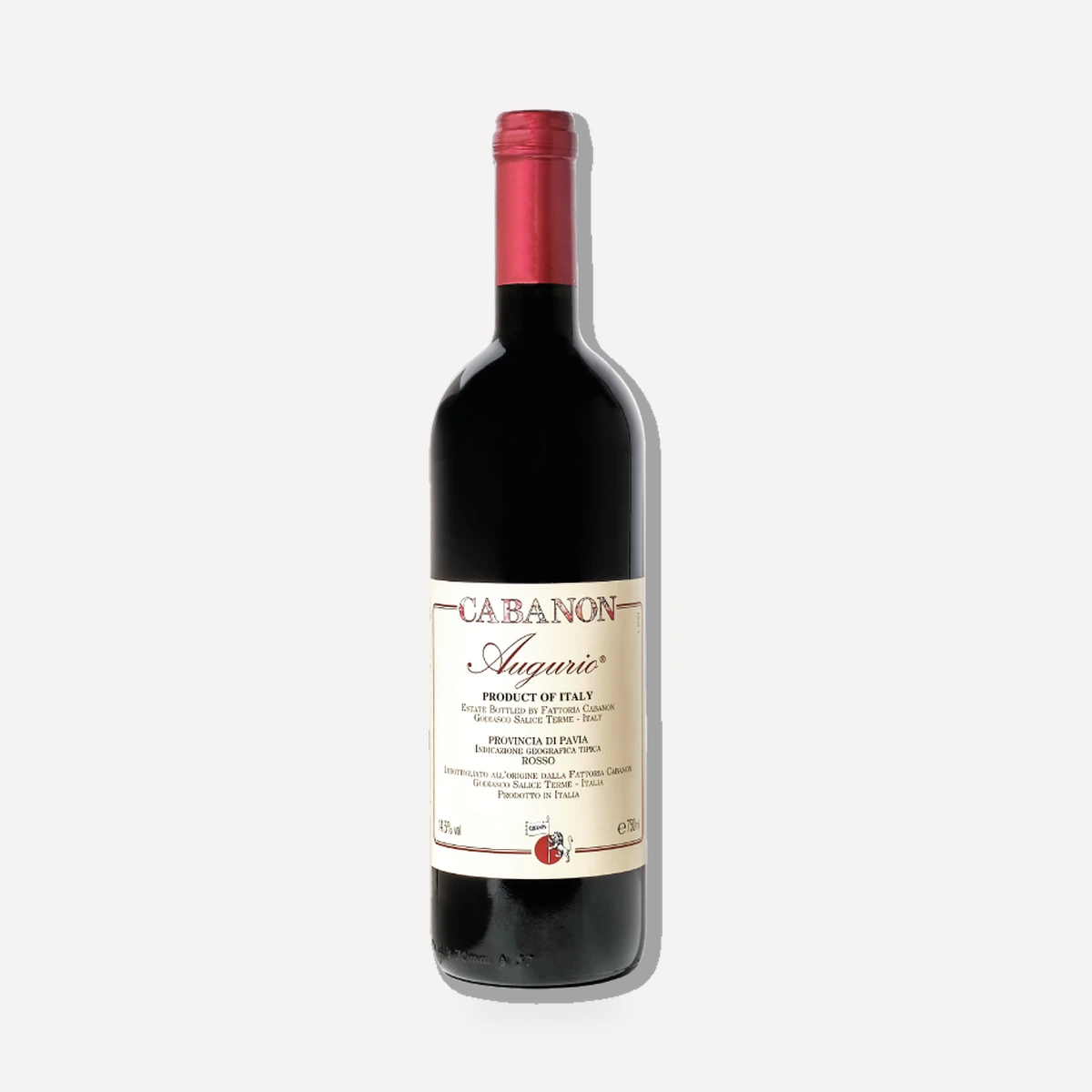
Augurio
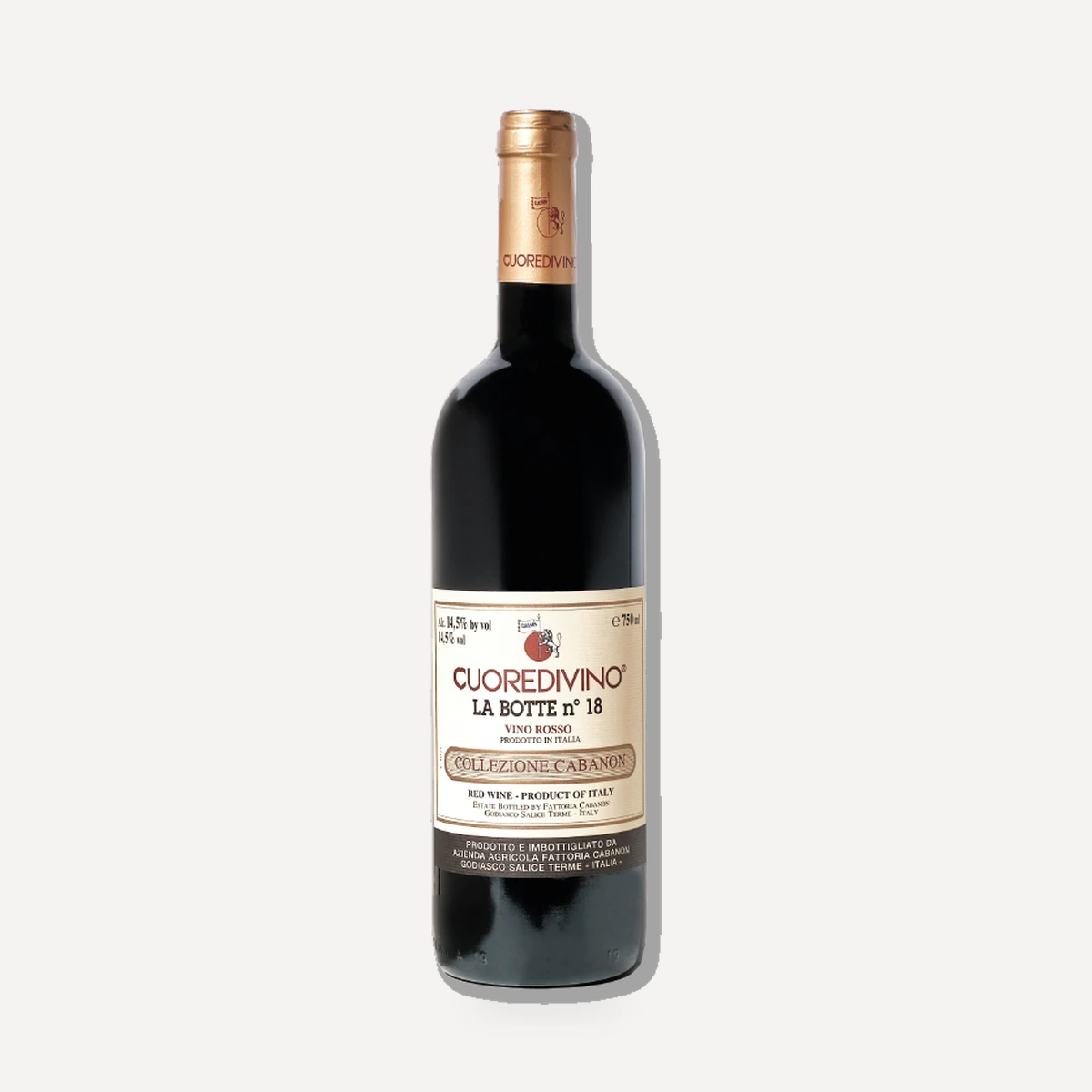
Cuore di Vino – La Botte n. 18 – Clou di Cabanon 2016
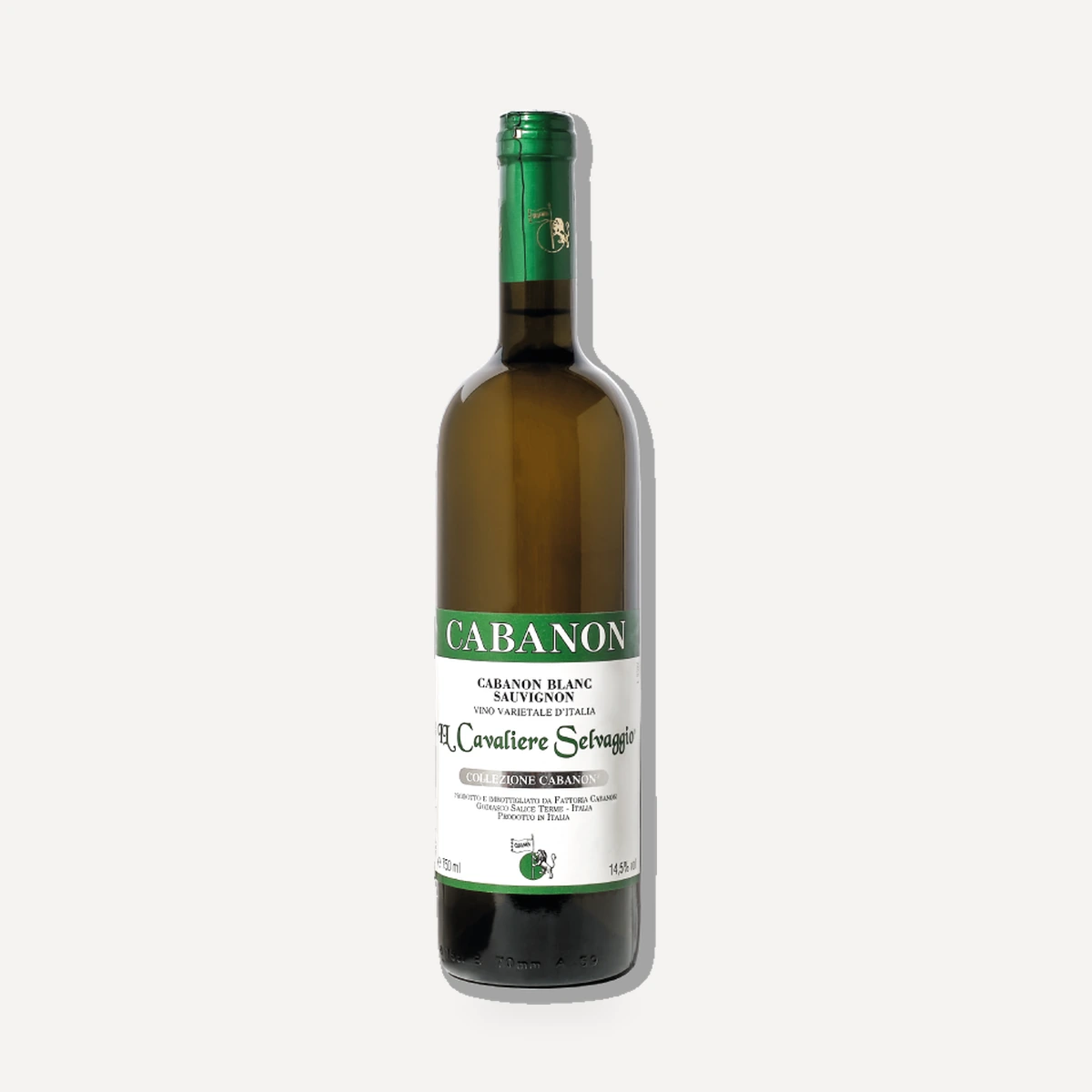
Cabanon Blanc – Cavaliere Selvaggio (Sauvignon Blanc)
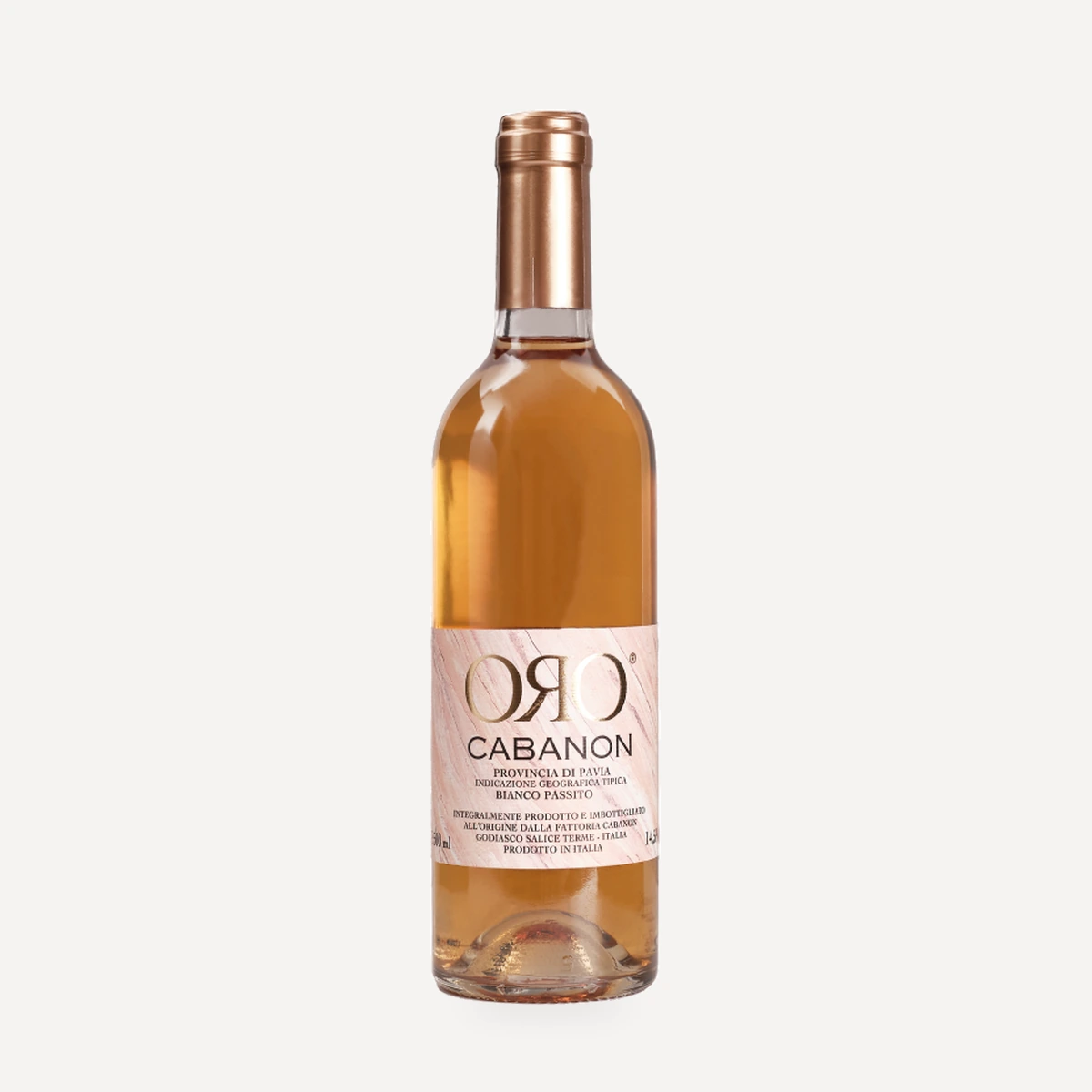
Cabanon Oro
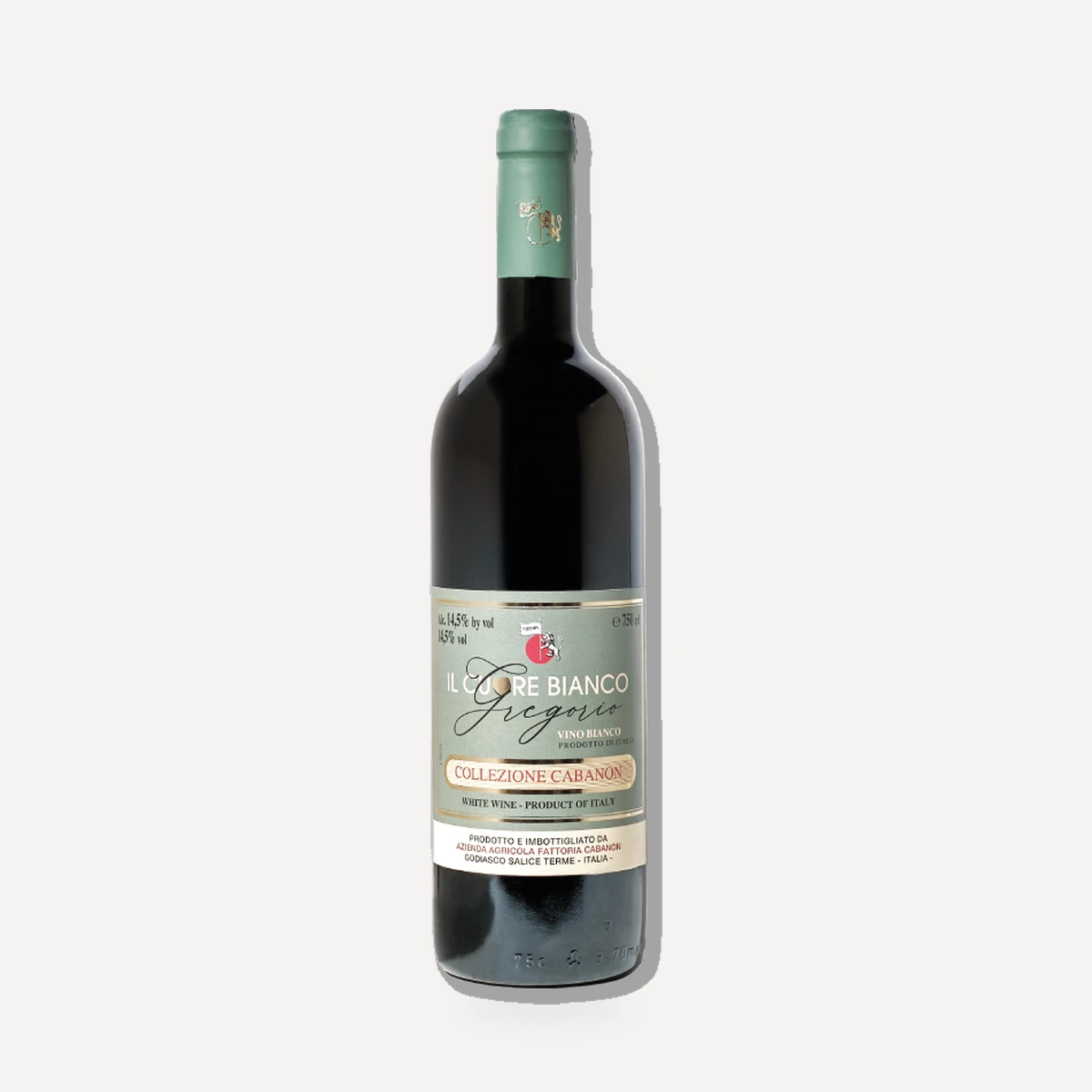
Cuore Bianco – Gregorio
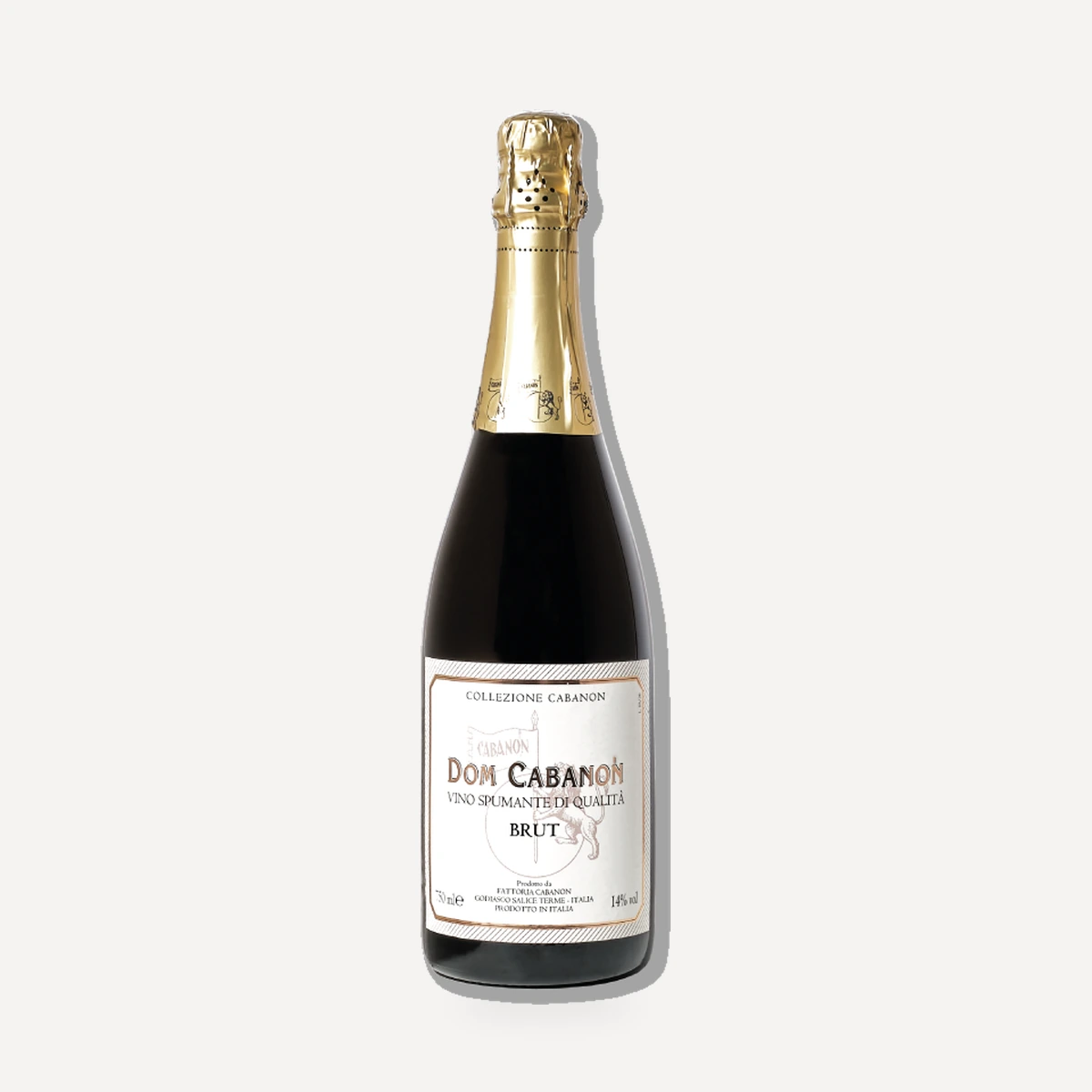
Dom Cabanon
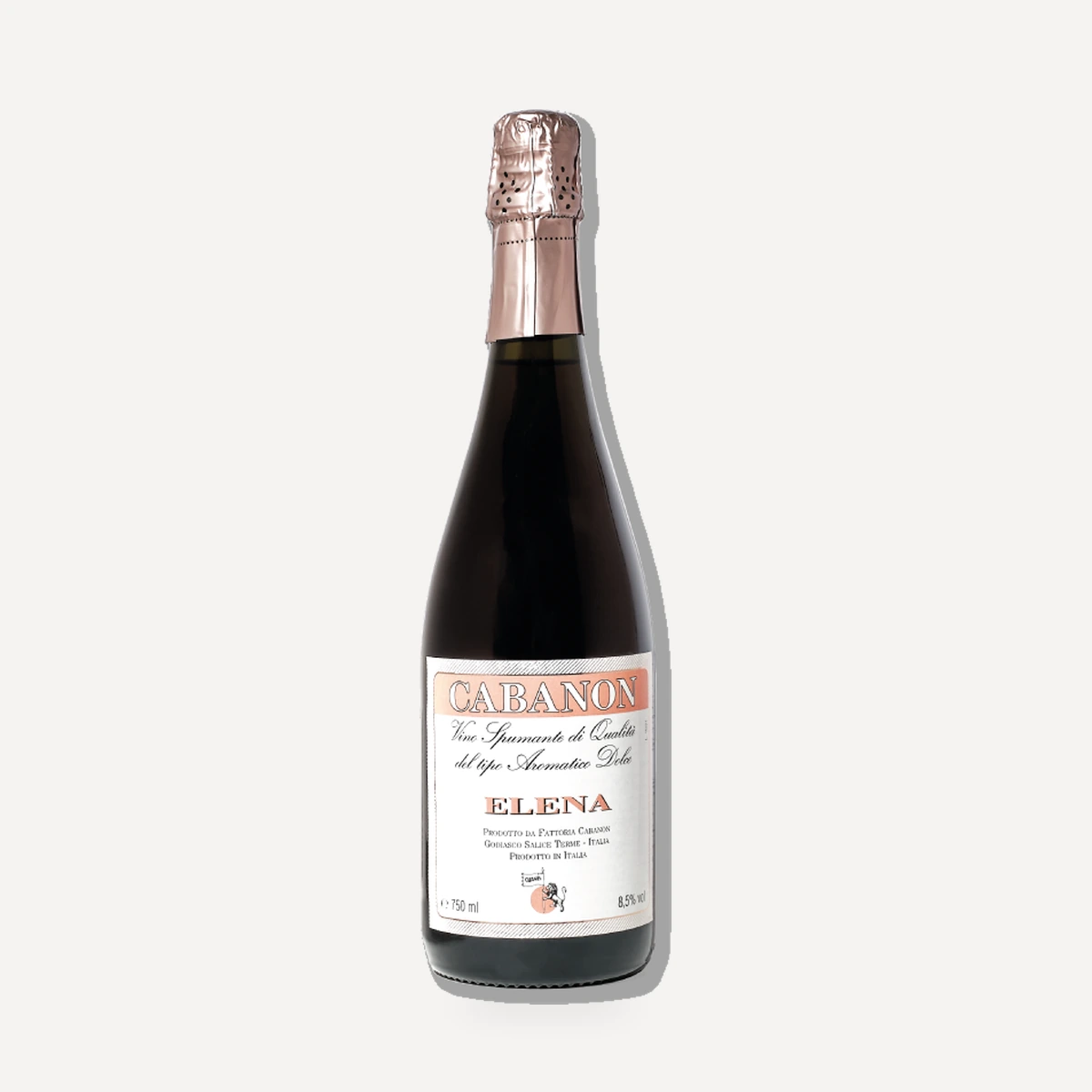
Elena – Moscato Rosa
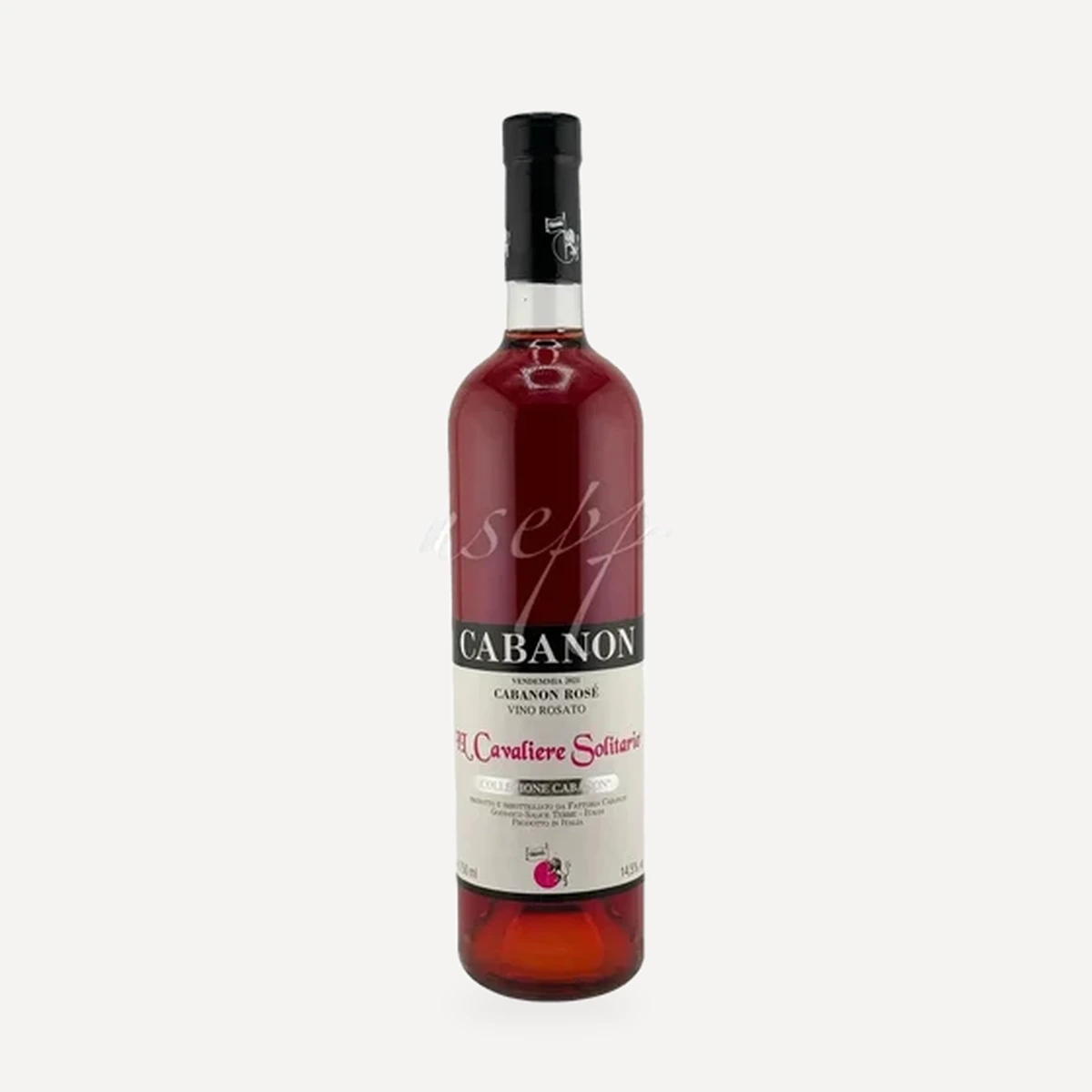
Il Cavaliere Solitario
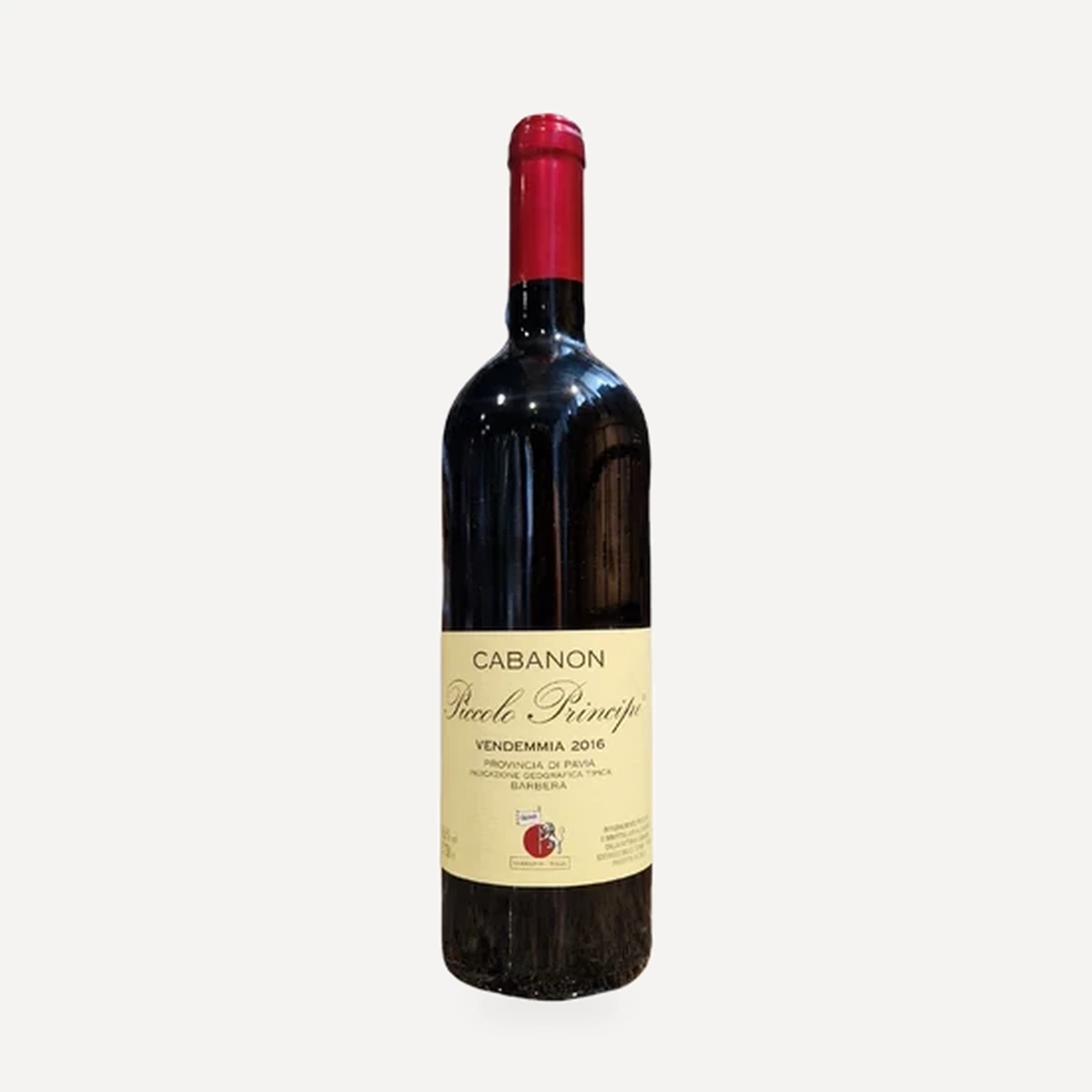
Piccolo Principe
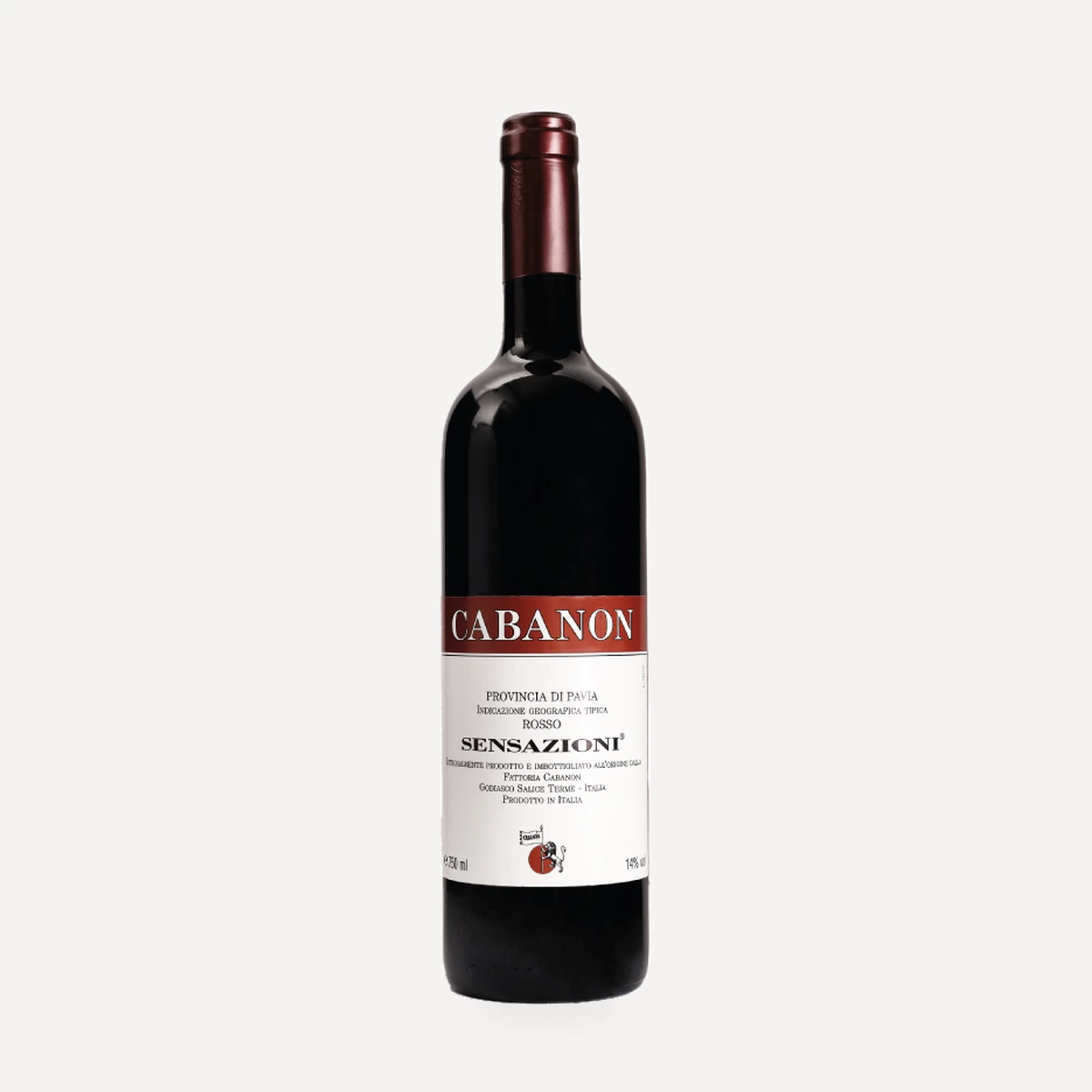
Sensazioni