Storia
Historical background
The land at Camigliano historically belonged to the Guinigi family. Camiliano preserves this connection in its visual identity: the estate logo depicts Paolo Guinigi, who ruled Lucca from 1400 to 1430.
The beginning of Camiliano
Camiliano began its activity in 2013, when the vineyards and cellar were leased. The project brought together Cipriano and Samuele. Cipriano contributed experience gained as a vine-grower in several parts of Toscana, formal expertise as an oenologist and knowledge of biodynamic methods. Samuele arrived with approximately twenty years of professional experience in the restaurant industry.
An evolving cellar
From the outset, Cipriano and Samuele conceived the cellar as an evolving research laboratory. Their accumulated experience supports an ongoing search for new approaches to wine production, while the methods are refined from one vintage to the next. The business and financial management of the agricultural company likewise follows an innovative approach, with particular attention to financial sustainability.
Camiliano is certified organic by ICEA. The date on which certification was obtained is not stated.
Terroir
Camiliano lies at Camigliano, within the municipality of Capannori in the province of Lucca, Toscana. Its approximately 8 hectares of vineyards form part of the Colline Lucchesi landscape.
The planted varieties are Sangiovese, Syrah, Merlot, Vermentino, Sauvignon Blanc and Chardonnay. Detailed information about elevations, exposures, vineyard geology, soil composition, rainfall, winds and individual microclimates is not given.
Vinificazione
Camiliano’s vineyards are managed under organic certification issued by ICEA. Cipriano also has knowledge of biodynamic methods, although the estate’s formal status is identified as certified organic rather than certified biodynamic.
No certification date or detailed account of soil cultivation, cover crops, plant protection, canopy management, yield control, water management, biodiversity measures, harvest procedures or grape selection is provided.
Cipriano and Samuele conceive the cellar as a continuously evolving research laboratory. Their approach is based on applying their respective experience, exploring new production methods and refining their work every year in response to the individual vintage.
Detailed winery-wide specifications for grape reception, sorting, pressing, fermentation, cellar vessels, maturation, blending, stabilization and bottling are not defined independently of the individual wines.
Filosofia
Camiliano defines its cellar as a research laboratory in continuous evolution. The working philosophy combines the partners’ previous experience with an active search for new production methods, rather than applying a completely fixed formula to every harvest. Each vintage becomes an opportunity to refine the approach.
This experimental outlook also extends to business management. Camiliano places particular emphasis on financial sustainability, regarding it as an essential but frequently overlooked aspect of the wine sector. Environmental responsibility is represented by ICEA organic certification, while Cipriano’s background also includes knowledge of biodynamic methods.
Vini
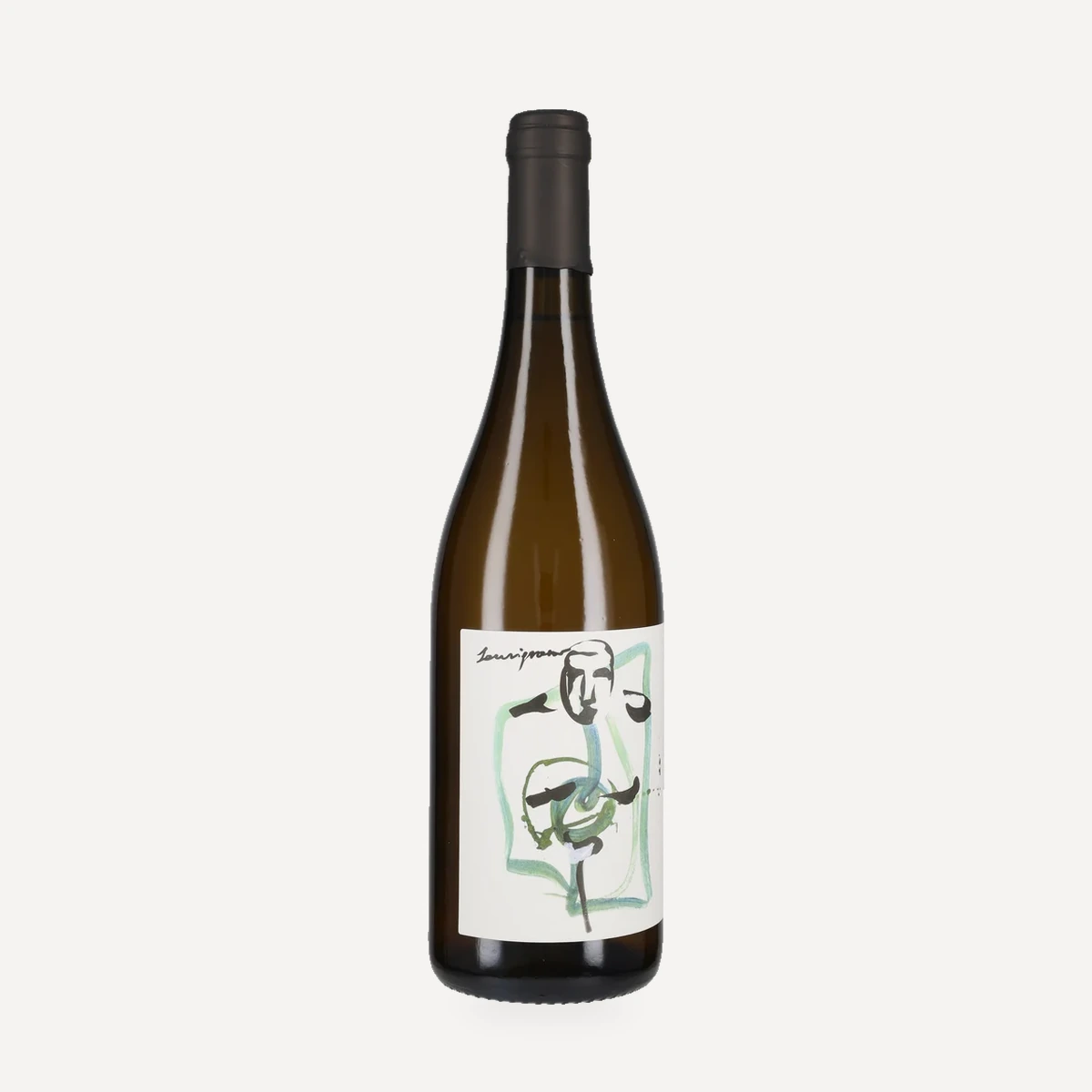
Sauvignon Blanc 2021 IGT Toscana
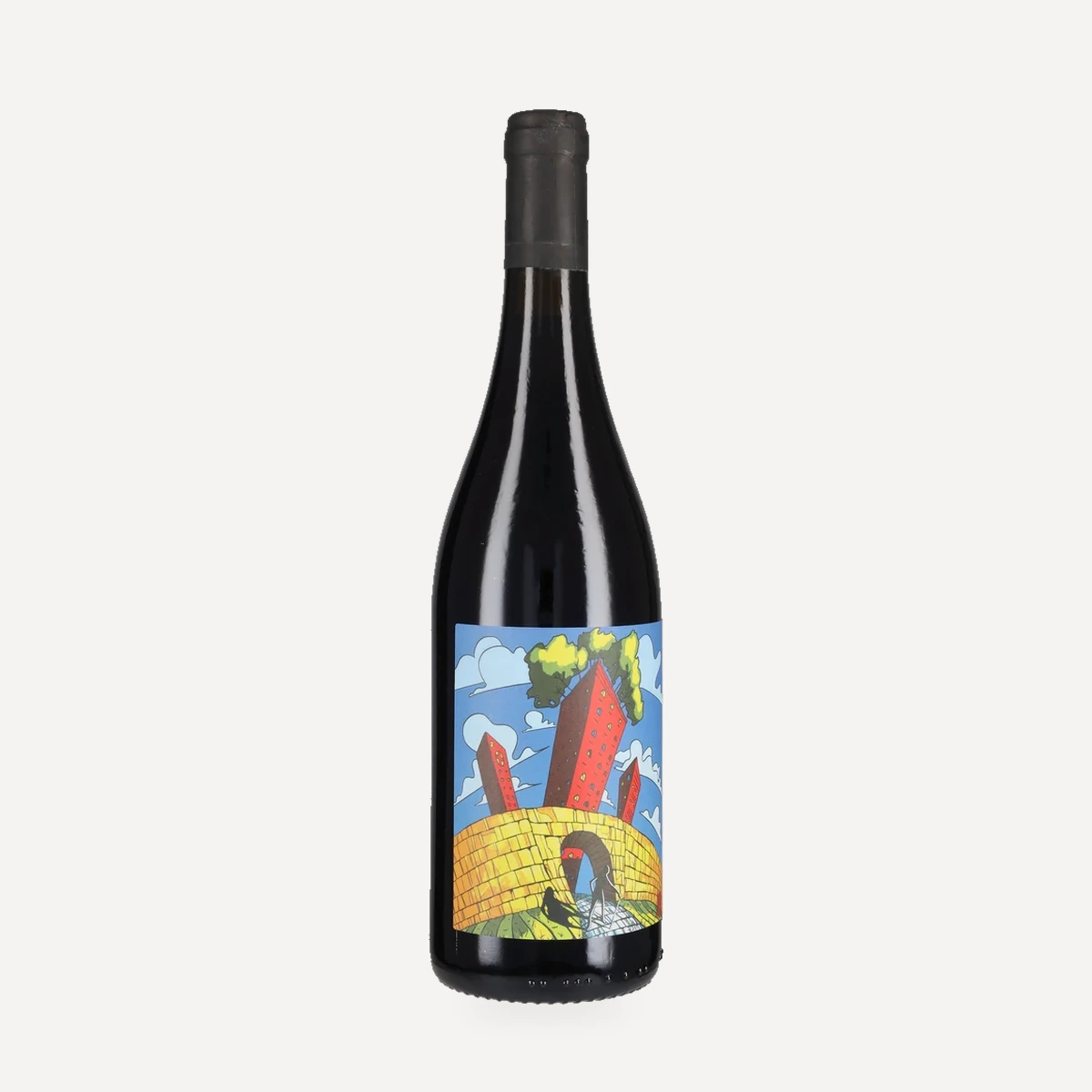
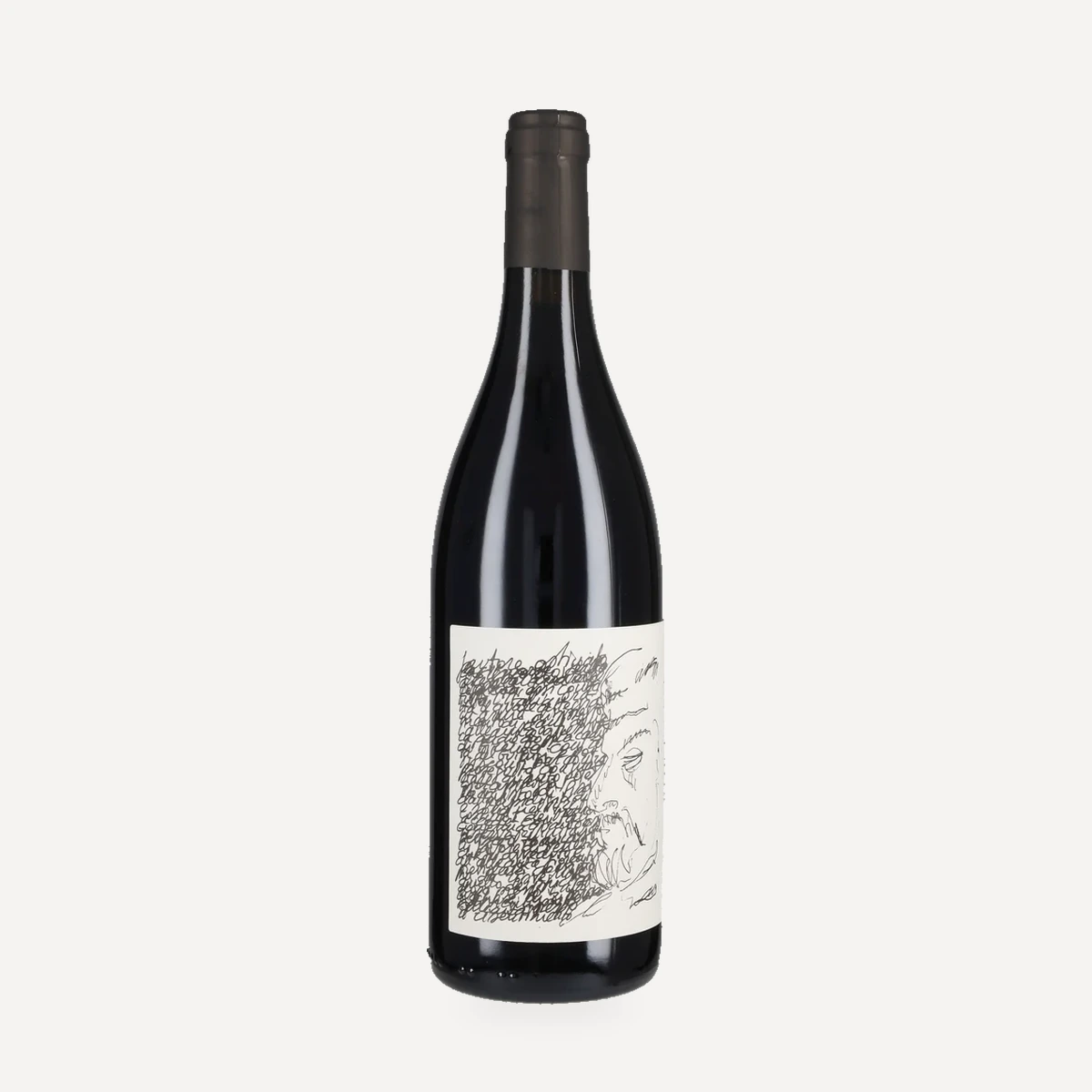
Nero del gobbo 2020