Storia
Research, acquisition and foundation — 2006
Campo al Pero grew from Maurizio and Doriana Cerbaro Piccoli’s shared interest in wine and Tuscany. The couple combined extensive research, site visits and analysis with specialist training in wine and oenology. Their search offered a marked contrast to the pace of their professional lives as lawyers in Trento: the new project represented a move toward viticulture, slower rhythms and continuity with tradition.
In 2006 they selected Bolgheri, between Livorno and Grosseto, and acquired approximately 4 hectares of vines that had already been established for several years. The vineyard stood in località Campo al Pero; its place-name was adopted for both the site and the new agricultural estate. This purchase established Azienda Agricola Campo al Pero on the gentle slopes of Bolgheri.
The setting was valued for its proximity to the sea and mild climate, as well as its place within Tuscany’s wine landscape. The old village of Bolgheri also formed part of the founders’ connection with the area; it had hosted the poet Giosuè Carducci for roughly a decade.
Gradual expansion
Beginning with the original 4-hectare Campo al Pero vineyard, the estate expanded progressively to 12 hectares. Its land is devoted to Bolgheri DOC production, and Campo al Pero became an active member of the Consorzio Bolgheri DOC. The holdings now encompass three named sites in different parts of Bolgheri: Campo al Pero, Nocino and Badie.
The family and professional team
Maurizio and Doriana subsequently brought their two daughters, Antonella Doriana and Giulia Doriana, into the business. The family works alongside a specialist team covering both cellar and vineyard responsibilities: senior oenologist Laura Zuddas, oenologist Carlotta Binda, agronomist Stefano Bartolomei and Riccardo Guarguaglini, supported by a wider vineyard crew.
Terroir
Campo al Pero lies on the gentle slopes of Bolgheri in coastal Tuscany, between Livorno and Grosseto. The estate is near the Tyrrhenian coast, and its generally mild conditions are linked to the proximity of the Ligurian Sea.
The holdings comprise three vineyard sites—Campo al Pero, Nocino and Badie—situated in different parts of Bolgheri and therefore subject to distinct pedoclimatic conditions. Soil variability is central to the estate’s understanding of the area: depending on location, Bolgheri’s soils may have fluvial, marine or volcanic origins. Across Campo al Pero’s sites, mineral-rich conglomerates, marine sands, deep silt and alluvial sand-and-silt deposits produce different maturation patterns and structural characteristics.
At Campo al Pero, sediments derived from the surrounding metalliferous hills combine with intrusions of marine sand. This composition supports gradual, even ripening and is associated with structure and longevity. Nocino’s sandy soils over deep, mineral-rich silt are associated with finesse and elegance. Badie’s mineral-rich alluvial sands and silts are associated with power and structure.
Vinificazione
Campo al Pero frames sustainability as both environmental and social responsibility, with biodiversity protection and the measured use of crop-protection products at the center of its vineyard approach.
Insecticides have been replaced over time by the release of beneficial insects, applying biological-control principles. Chemical under-vine weeding was abandoned several years ago; the strips beneath the vines are now managed mechanically. Fertilization and other interventions are targeted and carried out only when the vines require them.
Pruning is performed manually. The estate uses ramification pruning to preserve as much continuity as possible within each vine’s permanent structure. The vineyards are not irrigated, reflecting both the value placed on water conservation and confidence in the vine’s resilience.
Harvesting is manual, and grapes are selected either in the vineyard or before vinification. Timing is adapted to variety and intended wine style. A qualified field team is present for pruning, harvest and the other vineyard operations, working under the agronomic direction of Stefano Bartolomei with assistance from Riccardo Guarguaglini.
New-generation winery equipment is used to reduce waste in day-to-day cellar operations. Production encompasses red, white and rosé Bolgheri DOC wines, with both stainless steel and oak used within the range. Estate-level protocols for grape reception, fermentation, maturation, blending, stabilization, filtration and bottling are not defined as a single uniform process.
Filosofia
Campo al Pero was conceived as a return to slower rhythms and an engagement with viticultural tradition, contrasting with the founders’ demanding legal careers in Trento. Their approach combines that respect for tradition with formal wine education, continued oenological learning and specialist professional support.
The estate treats differences among its three sites as a defining part of production: distinct soils and pedoclimates are understood to transmit specific characteristics to the grapes and resulting wines. Vineyard and cellar work is therefore shared among the family, oenologists, agronomist and field team rather than presented as the work of a single individual.
Its sustainability philosophy emphasizes biodiversity, carefully targeted interventions, water conservation, reduced waste and incremental improvement. The approach is deliberately presented as ongoing rather than complete: further innovations are intended to be introduced over time. This extends beyond the vineyard to daily cellar activity and packaging, with a progressive move toward more sustainable materials and the elimination of unnecessary plastic.
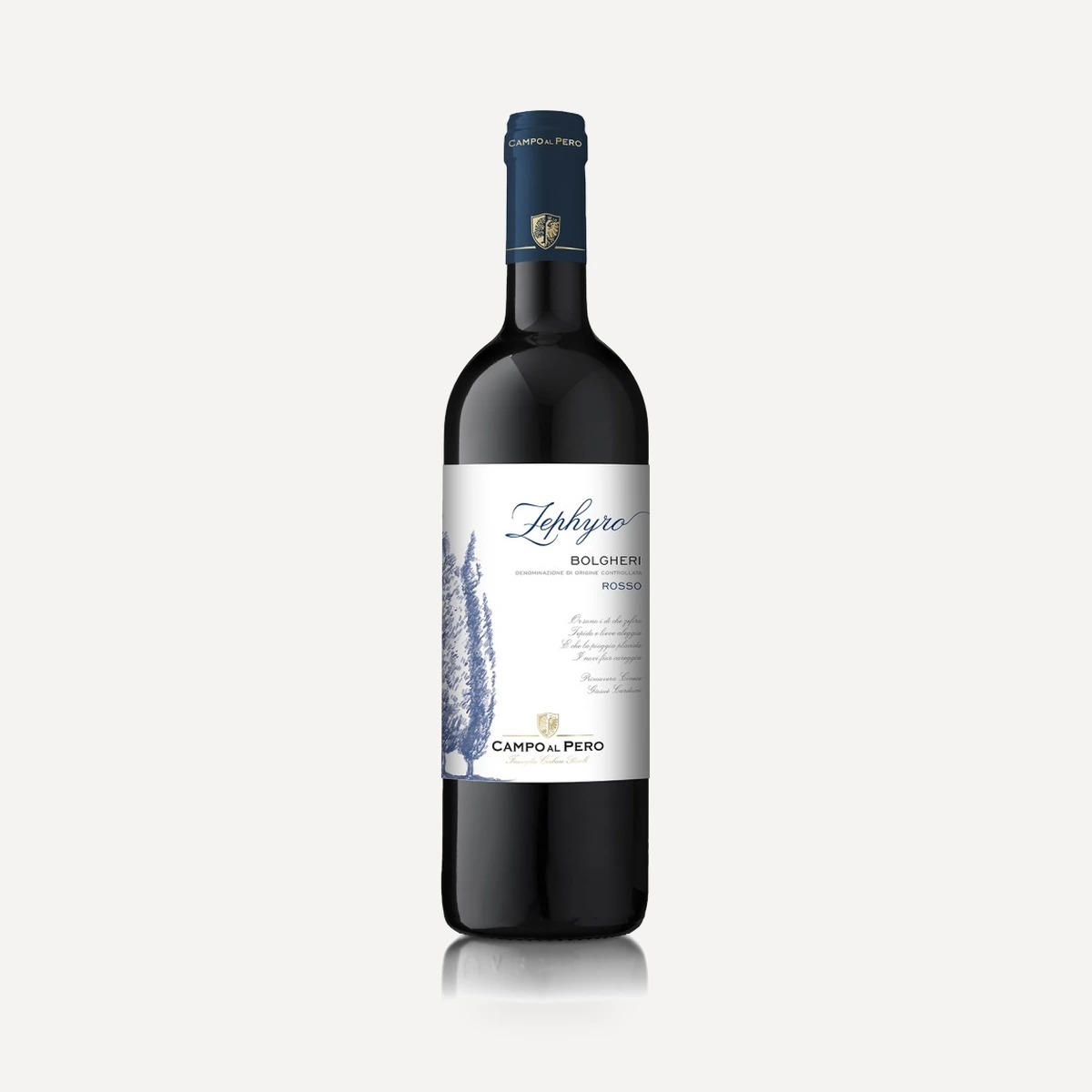
Vini
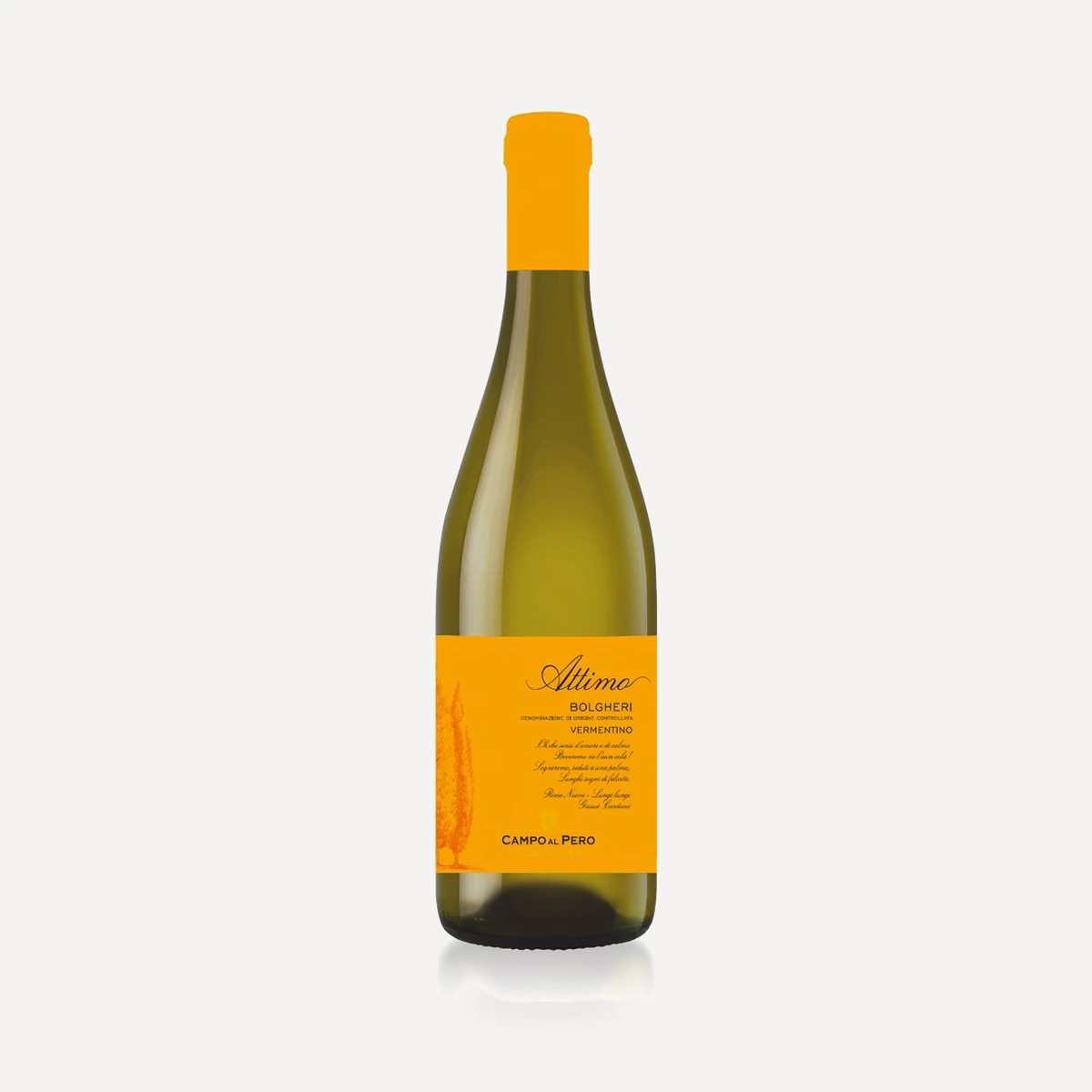
Attimo
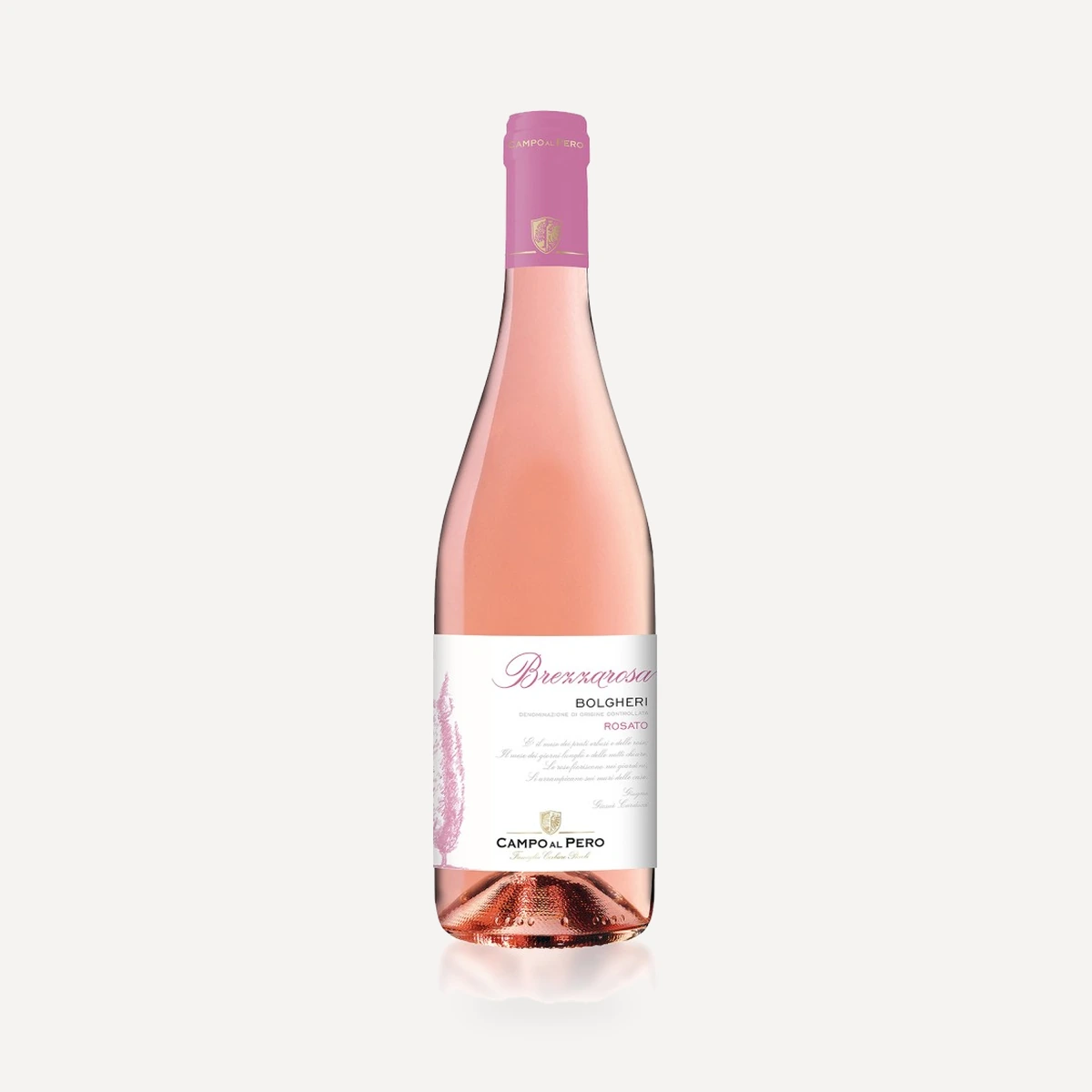
Brezzarosa
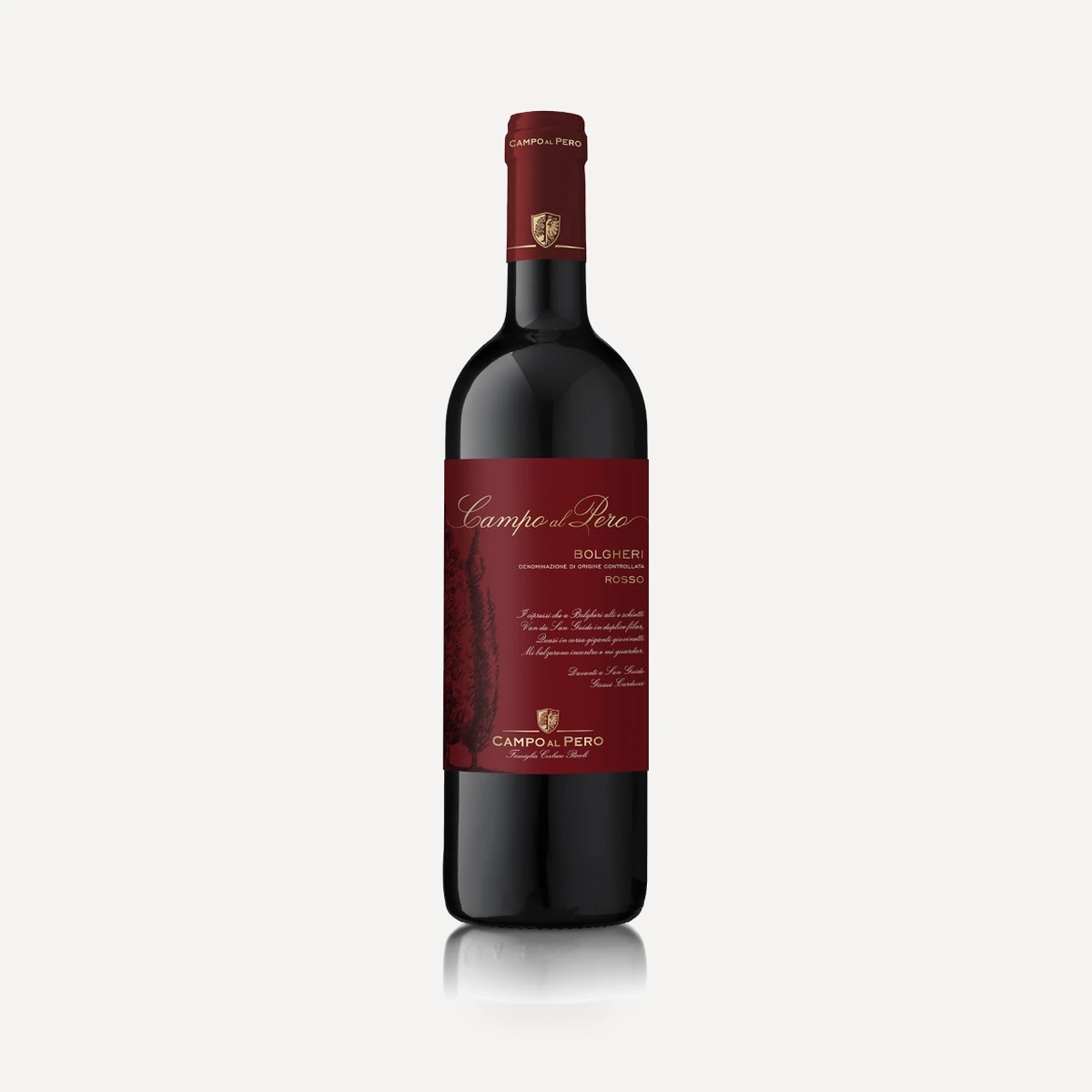
Campo al Pero
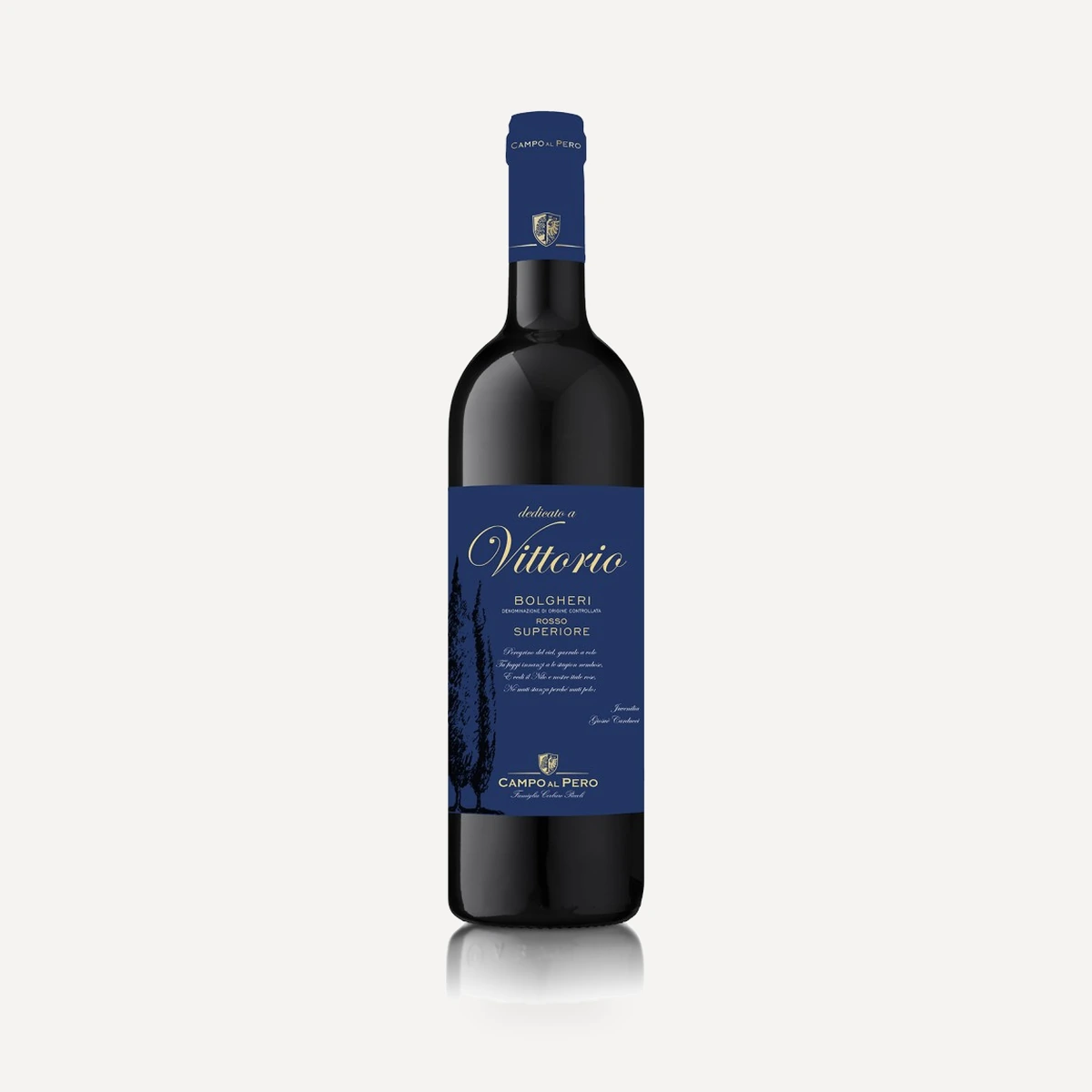
Dedicato a Vittorio
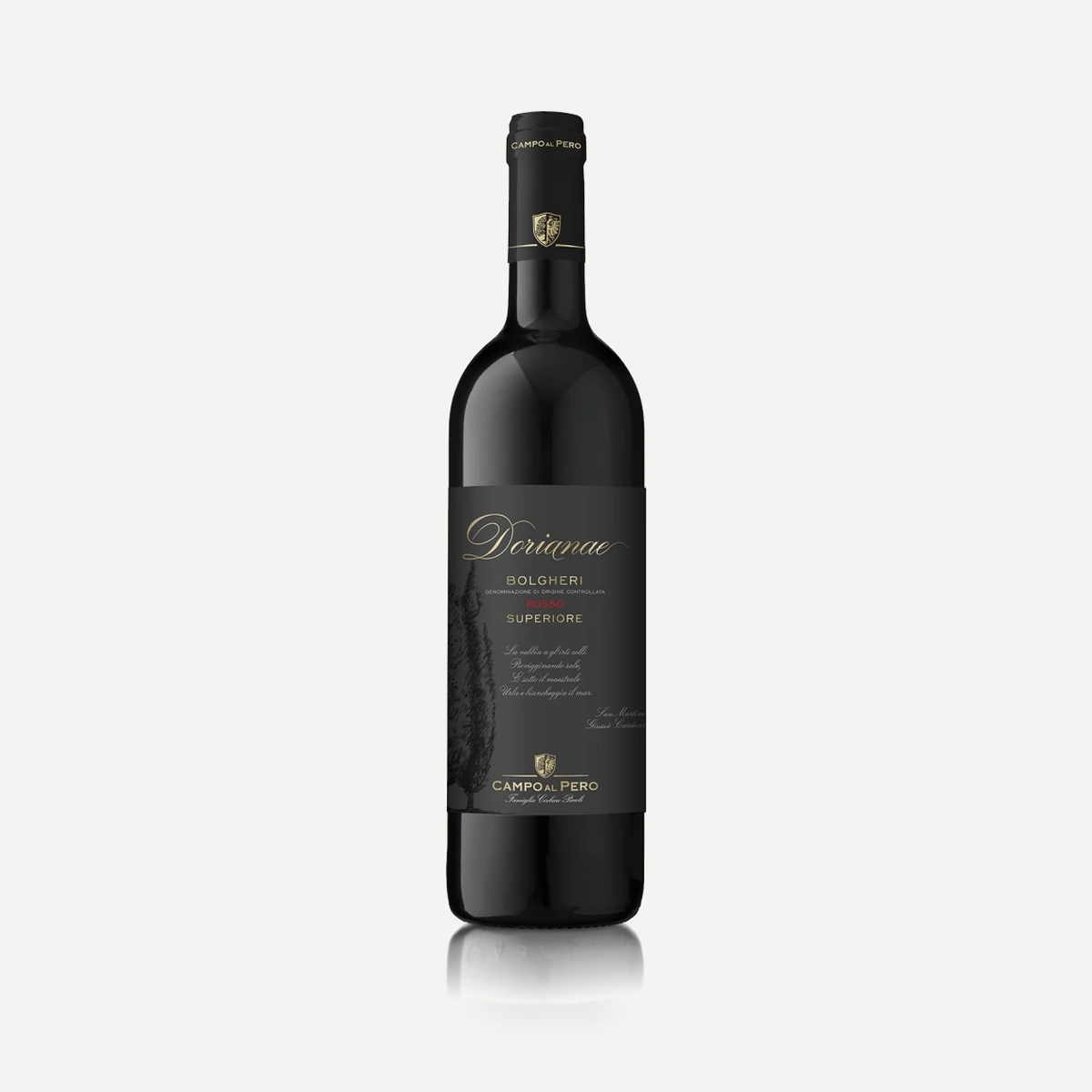
Dorianae
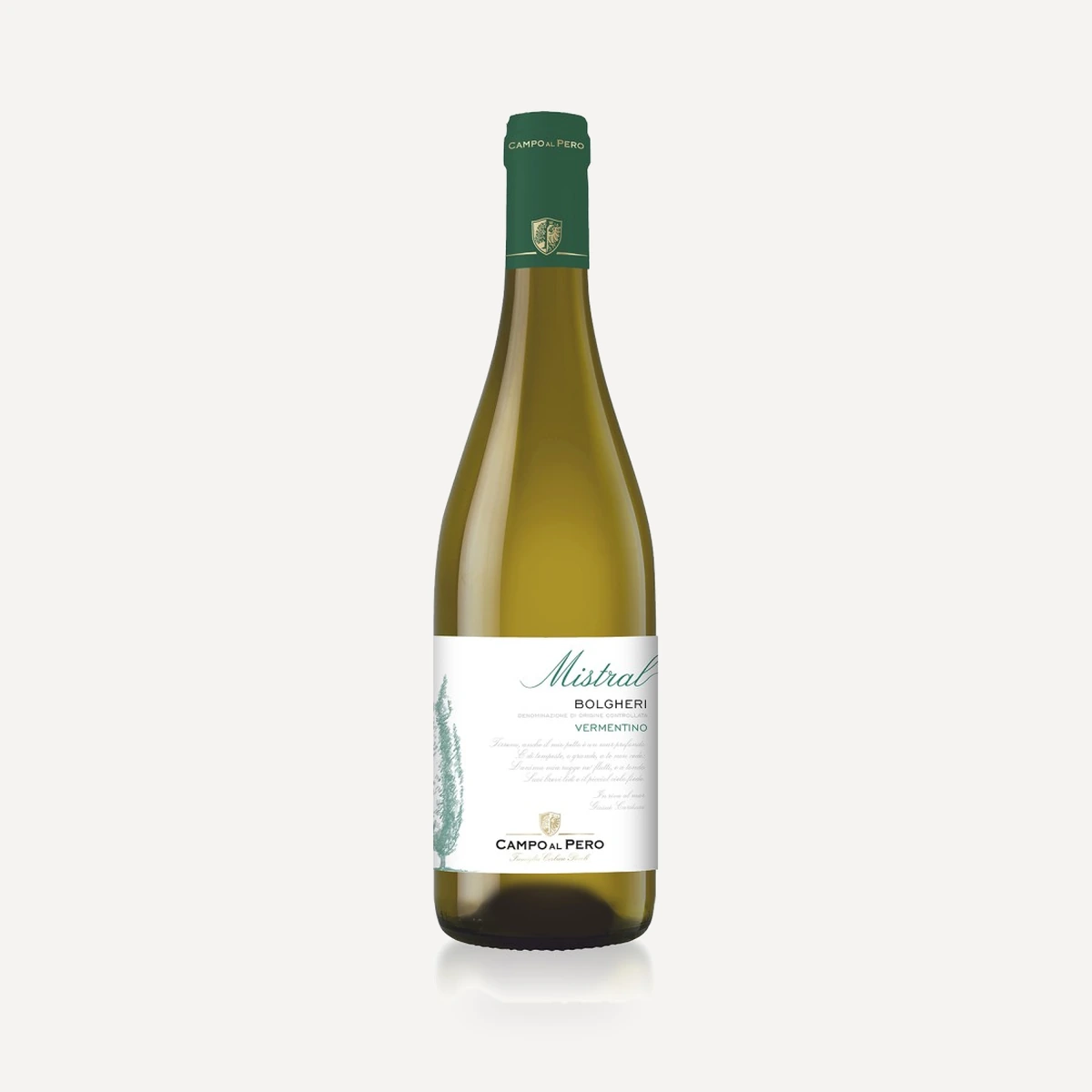
Mistral