Storia
A family’s land
The Sarno family has cultivated its land at Cesinali for more than a century. Its agricultural tradition encompasses the growing, care and vinification of Fiano as well as hazelnut groves, seasonal vegetable gardens, fruit trees and livestock maintained for the family and its guests.
From the baron’s estate to Cantina del Barone
In the mid-1990s, Antonio Sarno acquired the property from a baron who lived in Naples. The estate’s name preserves the memory of that former owner. A Campania regional register records the start of the winery’s activity in 1998.
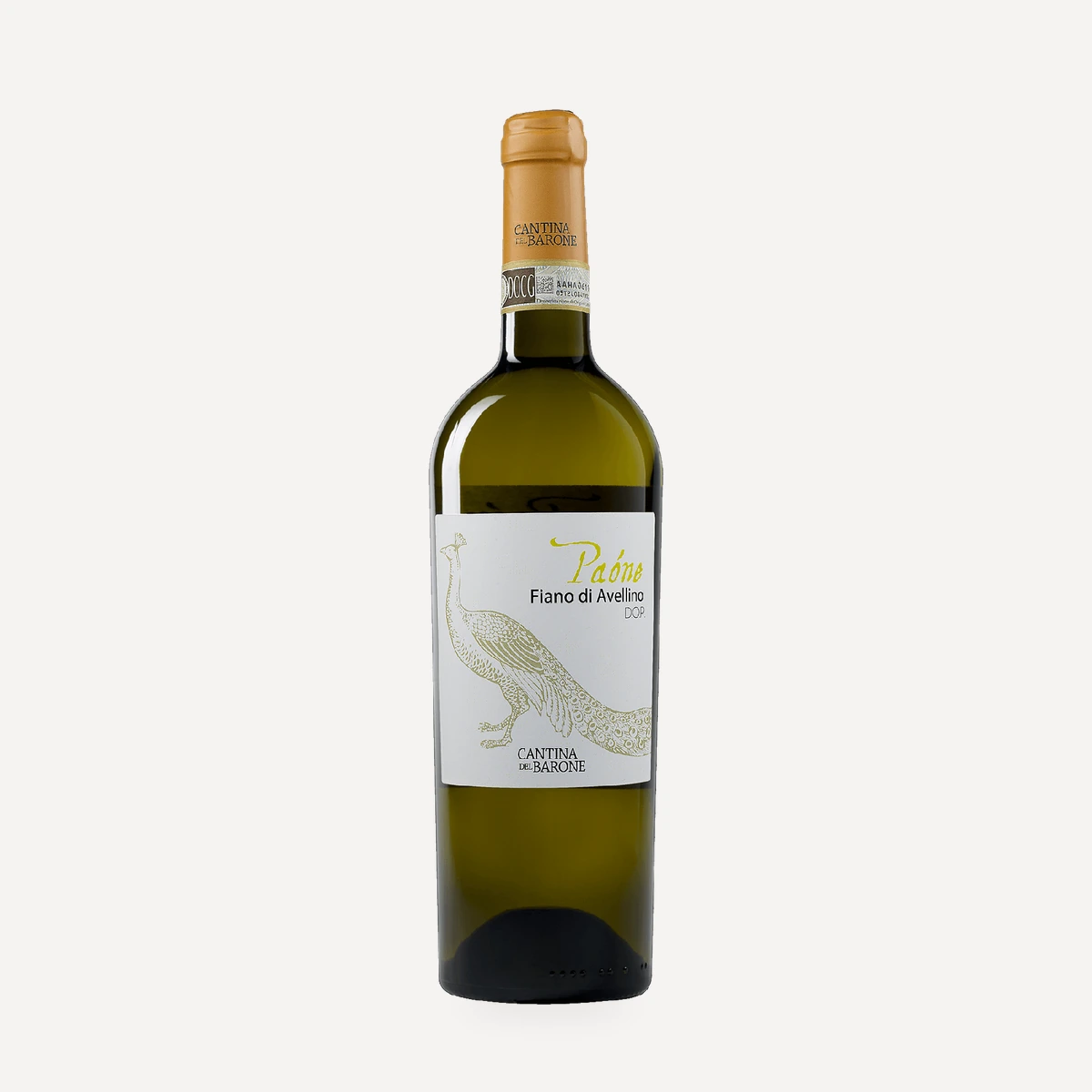
The former owner also kept peacocks on the property, following an aristocratic custom associated with ornamental aviaries. The Sarno family continues to keep peacocks on the land. This history inspired the name Paone, the family’s traditional Fiano.
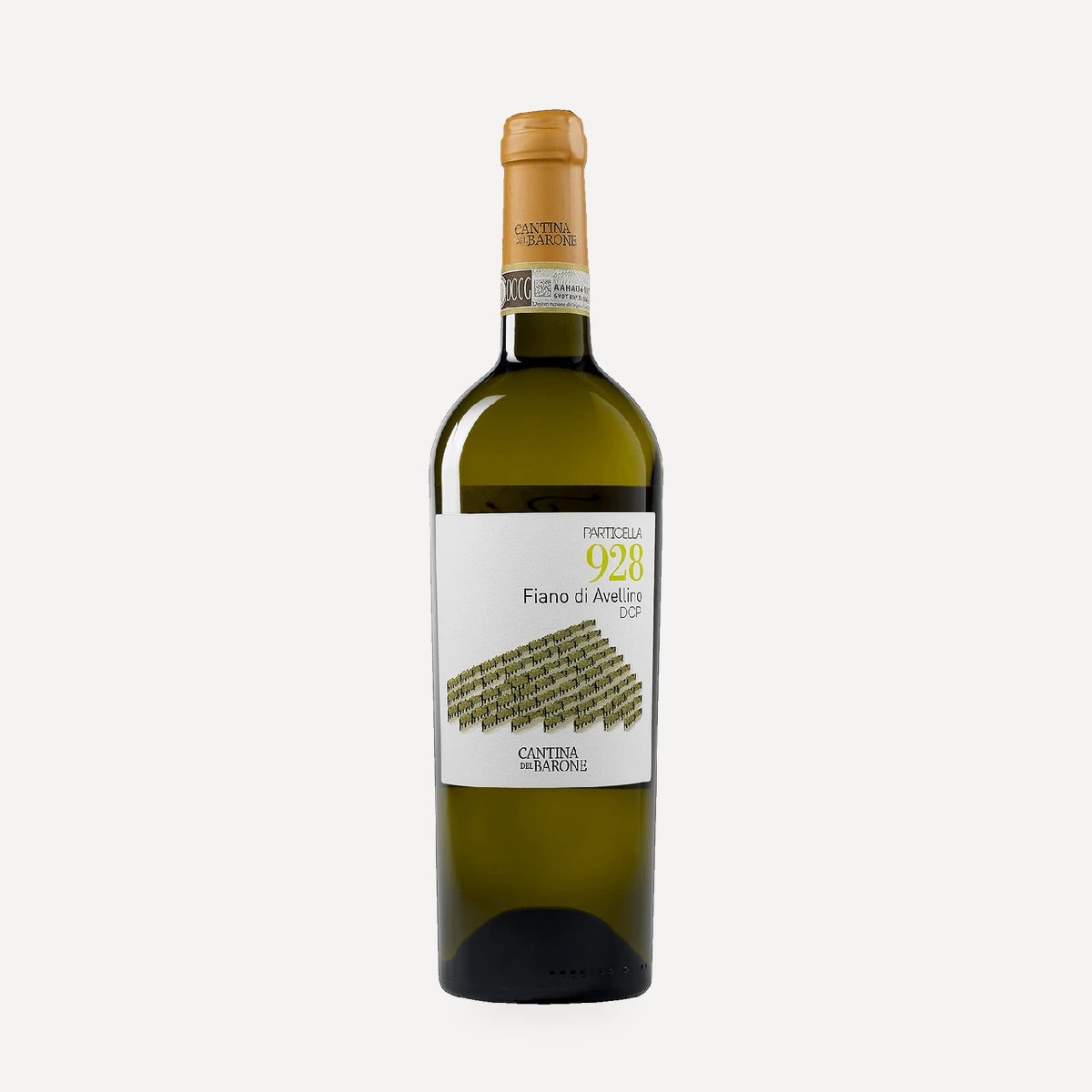
The Particella 928 project
In 2001, part of the Fiano vineyard known as Particella 928 was replanted. The work introduced new vine spacing and changed the orientation of the rows. Its 2,800 vines were arranged so that sunlight would reach the canopy evenly and support more uniform grape maturation. The project marked Luigi Sarno’s move from inherited family practice toward a distinct wine conceived around natural production.
In 2009, the fruit from Particella 928 was vinified separately for the first time. The initial protocol used fermentation without selected yeasts, approximately seven months on the lees and a further four months of bottle maturation.
A collaborative Irpinian network
Cantina del Barone subsequently became one of the founders of V.i.T.I. — Vignaioli in Terre d’Irpinia — with Cantine dell’Angelo of Tufo and Il Cancelliere of Montemarano. The three family-run, single-variety estates share an artisanal approach and avoid chemical substances in both vineyard and cellar. Together, they represent Irpinia’s three DOCG traditions.
Terroir
Cantina del Barone lies at Cesinali, on sunny hills at the foot of Monte Terminio in Irpinia. The vineyards have a southerly exposure, while Monte Terminio and Monte Partenio influence the local microclimate.
The soils are loose and volcanic in origin, with abundant minerals and a substantial stony fraction. Bedrock lies close to the surface. The estate connects this shallow mother rock with the smoky component found in its Fiano.
Vinificazione
Cantina del Barone describes itself as an organic, family-run, single-variety artisanal farm. It cultivates only Fiano and rejects synthetic chemical substances in both vineyard and cellar.
Harvesting is performed by hand. The bunches are placed in small, open crates holding approximately 20 kg and transported to the nearby cellar. The broader farm also maintains 4 ha of hazelnut groves, seasonal vegetables, fruit trees and animals for the family and its guests.
The hand-picked Fiano reaches the nearby cellar in open crates of approximately 20 kg. Whole bunches are gently pressed without destemming. About two hours of maceration take place directly in the press; retaining the stems is intended to contribute tannin and antioxidant compounds to the fermenting must.
Fermentation takes place in stainless steel without added yeast and lasts approximately two weeks. The wine then matures in stainless steel on its fine lees for about 8–12 months, depending on the vintage, followed by at least four months in bottle. Sulfur dioxide is introduced only at bottling, where it is used as an antiseptic.
The first separately vinified Particella 928, made in 2009, followed a parcel-specific account of fermentation without selected yeasts, approximately seven months on the lees and four months of bottle maturation.
Filosofia
Cantina del Barone defines its work through family stewardship, artisanal production and exclusive dedication to Fiano. Its stated agricultural aim is to respect both people and the environment, excluding synthetic chemical substances from vineyard and cellar.
The winemaking approach combines inherited practice with close attention to the raw material. Hand harvesting, whole-bunch pressing, fermentation without added yeast, long maturation on fine lees and sulfur addition only at bottling are intended to preserve the character of the fruit and site.
Luigi Sarno’s Particella 928 project represents the estate’s clearest transition from family tradition to an individually conceived wine, with the declared objective of creating a fully natural product. Through V.i.T.I., this philosophy is connected to two other artisanal, family-run, single-variety estates representing Irpinia’s DOCG traditions.
Vini
Fiano di Avellino Paone