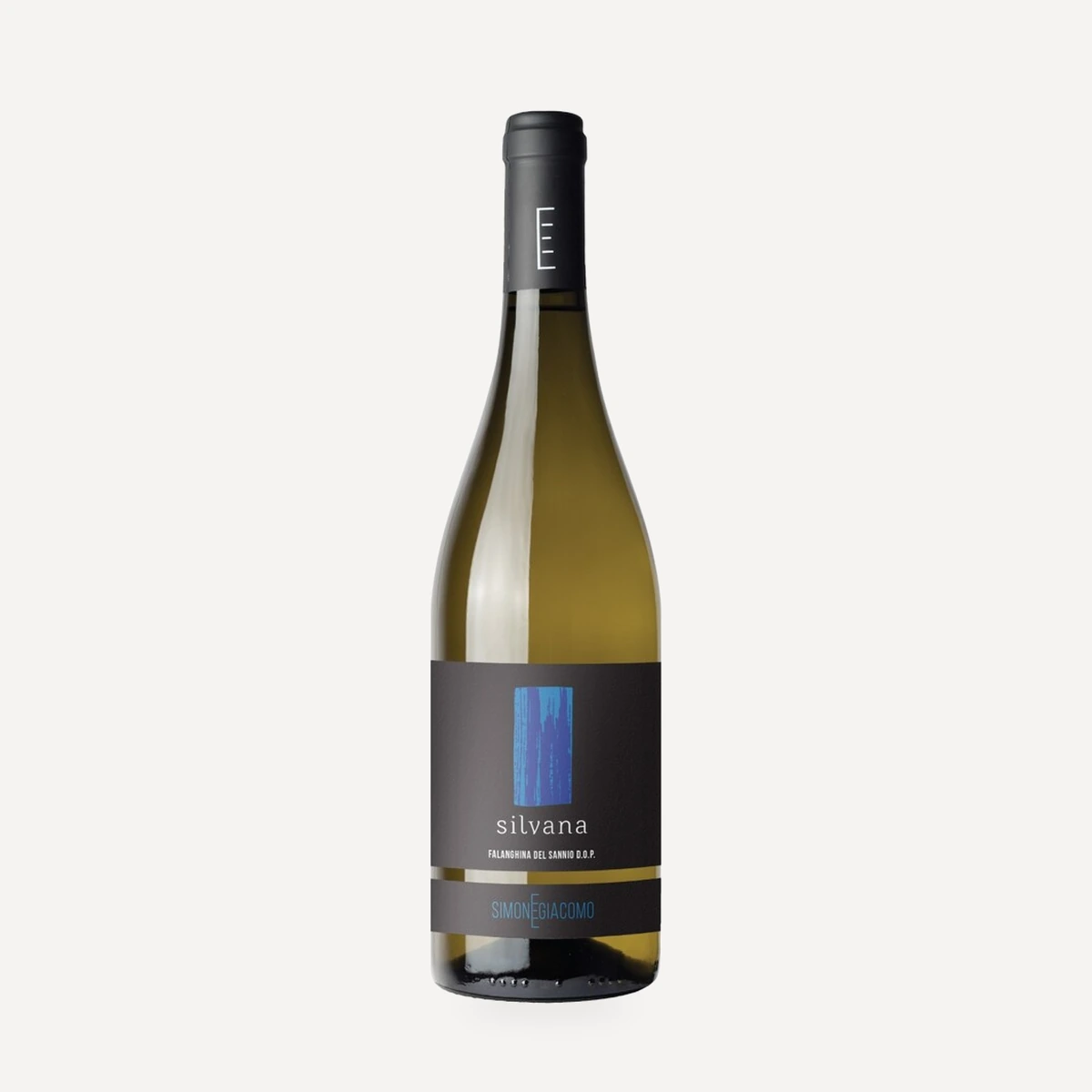
Storia
Roots in Castelvenere
Cantina Simone Giacomo was conceived in the spirit of Castelvenere’s historic underground cellars, known as grottole. Local winegrowing is documented from the Samnite period, while wine acquired sufficient commercial importance from the seventeenth century to require purpose-built production spaces. Cellars were excavated into the volcanic tuff along the defensive moat of the seventeenth-century village. Their upper oculo admitted air and light and allowed crushed grapes to fall into the room below.
The modern cellar reinterprets that heritage through an underground, three-level structure. Its design combines the local building and production tradition with contemporary technology and environmental measures. The natural slope enables must and wine to move downward between production levels, while the rock mass and garden roof provide substantial thermal inertia.
2016 — organic conversion
The estate began conversion to organic farming in 2016, framing the change as a route toward more sustainable, respectful and locally expressive wines. Current shop listings identify certified organic production under ICEA control code IT-BIO-006 and certificate reference T2227.
2020 — renewed digital presence
A redesigned website and direct online shop were launched in November 2020, reorganizing the estate’s material and creating a channel for direct sales and news.
Terroir
The winery stands at Via Curtole in Castelvenere, within Sannio and the Valle Telesina, at the foot of the Matese and Taburno regional parks. The surrounding landscape consists of gently rolling hills, small and shaded valleys, vineyards, olive groves, small streams and volcanic-tuff ridges.
Castelvenere is built over tuffs associated with recurring volcanic activity from Roccamonfina, the Campi Flegrei and the Somma–Vesuvio complex. The municipal territory covers approximately 15 km² northwest of Benevento and combines uneven plains, panoramic rises and valleys. Around 11 km² of that municipal area is planted to vines, making Castelvenere, by percentage of land under vine, the most extensively vine-covered municipality in Campania.
The estate’s own small plots are distributed between Castelvenere and Guardia Sanframondi. An older hillside source vineyard described for the estate’s mixed white wine is planted on clay soils.
Vinificazione
Organic conversion began in 2016, and current products carry ICEA organic certification under IT-BIO-006, T2227. Vineyard management follows a precision-agriculture approach intended to reduce copper use against diseases such as downy mildew and to avoid wasting water or treatment products. Low-volume-per-hectare spraying equipment is used to limit both water consumption and spray drift.
Soil regeneration is pursued through reduced cultivation and targeted mixtures of plant species used as cover crops and green manure, returning organic and mineral matter to the soil. Biofertilizers and compost are made from estate by-products including prunings, leaves, grape skins and stalks. Where conditions permit, broad buffer areas with spontaneous vegetation are maintained to support insects beneficial to vines and olive trees.
Harvesting is entirely manual. Grapes are placed in approximately 15 kg semi-open crates, work avoids the hottest hours of the day, and an initial selection is made in the vineyard. The fruit is transported to the cellar and processed immediately.
The underground cellar is arranged over three production levels, using the site’s natural gradient to move must and wine by gravity and thereby limit, or sometimes avoid, pumping during the early stages of vinification. The cellar is embedded in volcanic tuff and ventilated through a central courtyard; the rock mass and garden roof contribute high thermal inertia.
White grapes are pressed directly in a horizontal press. The must then travels by gravity to the ground floor, where slow fermentations take place under the cellar’s naturally near-optimal temperature conditions. Red grapes are destemmed and crushed on the garden roof, then pass through an opening in the floor into fermenters on the first level. After fermentation, the wines descend by gravity, without pumps, to ground-floor storage.
Healthy fruit from the estate’s agronomic programme allows the cellar to limit sulfur dioxide, enzymes and other additives intended to improve or accelerate vinification. Packaging also forms part of the environmental programme: the estate uses lighter glass bottles and fully recyclable closures made from renewable sugarcane-derived material.
Photovoltaic panels mounted on sculptural tree-like structures reduce external energy demand, while rainwater collection lowers water consumption.
Filosofia
The estate presents its work as a contemporary reinterpretation of Castelvenere’s wine culture rather than a nostalgic reconstruction. Its declared aim is to safeguard and enhance the territory while joining local construction and production traditions to modern technology.
Environmental compatibility runs through both vineyard and cellar decisions: organic farming, precision treatment, soil regeneration, biodiversity areas, gravity movement, photovoltaic power, rainwater recovery, lighter bottles and renewable-material closures. The production approach begins with healthy grapes so that intervention through sulfur dioxide, enzymes and other corrective or accelerating agents can be reduced.
Vini
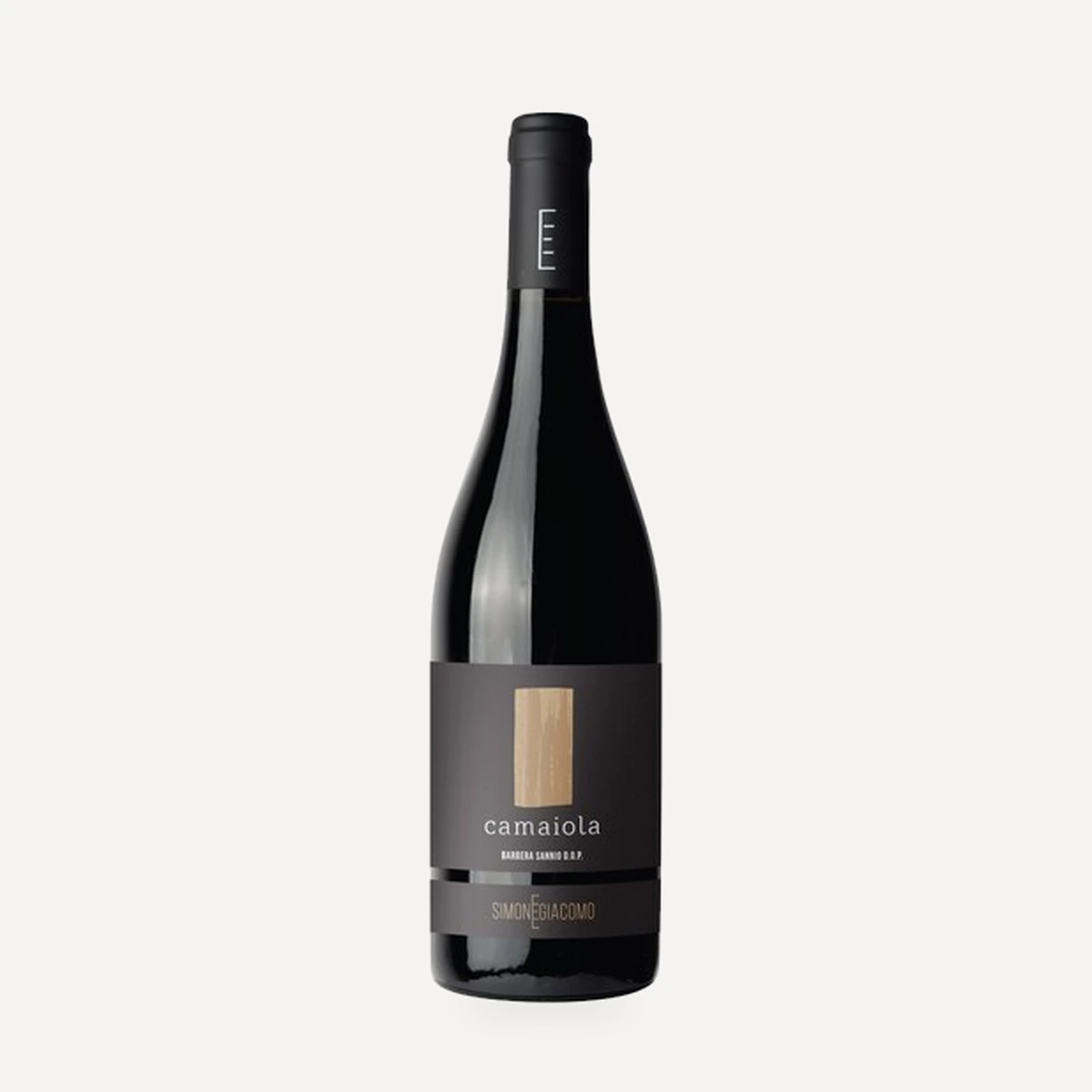
CAMAIOLA – Sannio Barbera DOP
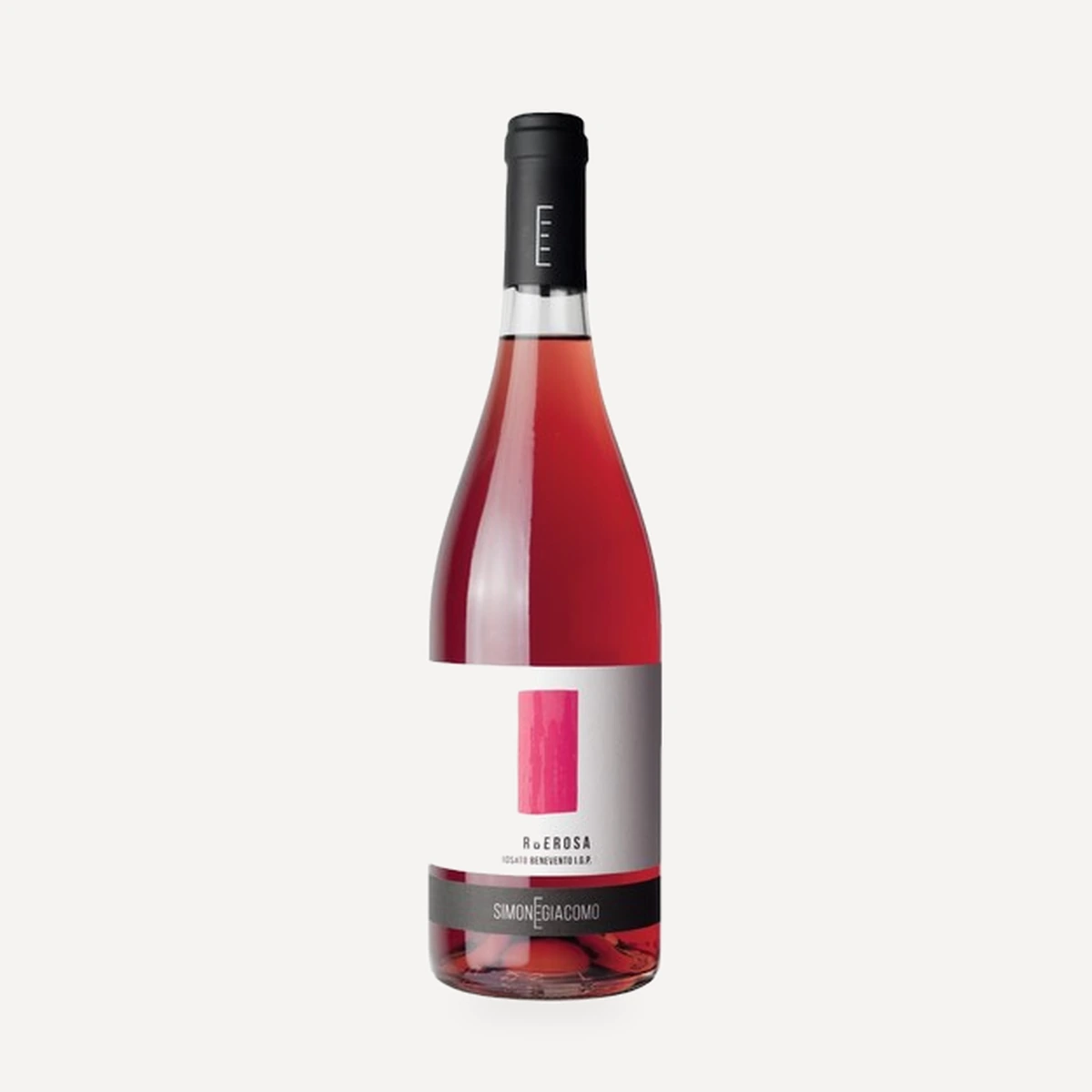
BARBEROSA – Benevento Rosato IGP