Storia
A multigenerational farming tradition
The family cultivated the land and made wine for its own table and for friends over several generations. Its present approach remains rooted in the practices remembered by Annibale and Anna and by the generations before them. For many years, grapes not needed for the family's own wine were delivered to a local winery.
1988: the family olive mill
In 1988, Annibale drew on experience inherited from his grandparents to acquire a 19th-century mill and establish a Pieralisi olive mill where the family's organically grown olives could be processed directly. The mill subsequently combined a traditional press system with continuous centrifugal extraction as its equipment evolved.
2005: Casa di Baal is created
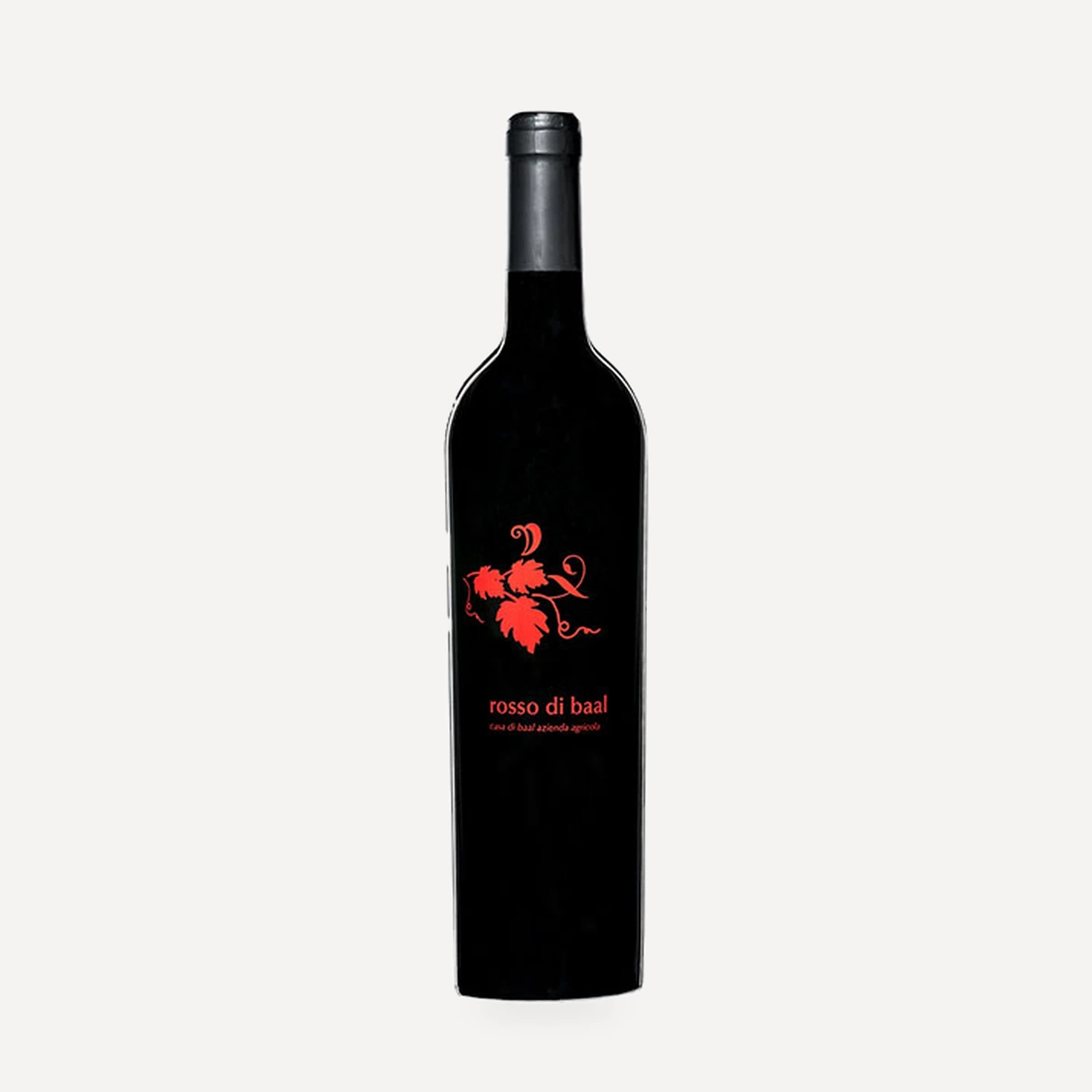
In 2005, Annibale and Anna stopped limiting their work to family wine and the delivery of surplus grapes. They decided to bottle independently, creating Casa di Baal. The first wine made by the estate was Bianco di Baal, based on Fiano, Moscato and Falanghina—the varieties traditionally present on the family's land.
The name means “House of Annibale” and honours the family's father. It expresses both attachment to family roots and an inclination toward innovation and resilience. The elephant in the emblem refers to the exploits of Hannibal, the Carthaginian general.
2008: investment in olive-oil technology
Mario Salerno continued the family's investment in the mill with a Multifase DMF8 continuous system. The equipment separates the phases by centrifugation below 27°C, works without adding water and substantially reduces energy consumption and environmental impact.
2010: organic certification
Casa di Baal obtained organic certification from ICEA under code IT BIO 006 in 2010. Certification formalised an agricultural philosophy already embedded in the family's way of life: sustaining biological soil vitality, rejecting herbicides and synthetic fertilisers, encouraging biodiversity and treating the farm as an interconnected agricultural organism.
2012: methodical biodynamic practice
In 2012, the family began applying biodynamic methods, including horn manure, in a more systematic and conscious manner. Annibale and Anna's memories revealed that comparable practices had already been familiar to their own grandparents. The work was therefore understood as both a recovery of inherited farming knowledge and a way to increase microbiological activity and soil fertility.
The estate today
Casa di Baal unites Annibale and Anna's experience with the energy of their children. The family works 30 hectares: 5 hectares of vineyards, planted principally to Aglianico and Fiano, and a larger area of olive groves and fruit orchards. The farm pursues self-sufficiency and a closed agricultural cycle in which human, animal, plant and mineral components are treated as interdependent. Annual wine production is approximately 25,000 bottles when seasonal conditions permit.
Terroir
Casa di Baal lies at approximately 150 metres above sea level in Montecorvino Rovella, in the Province of Salerno. The estate occupies a position between the Amalfi Coast to the west and the Cilento Coast to the east, facing the mountains of Parco Picentino and the uplands of the Avellino area. Paestum is only a few kilometres away, while the coastline is approximately 10 kilometres from the farm.
Marine breezes interact with the influence of the mountains behind the property. This combination is regarded as an important part of the character of the estate's fruit and wine.
The vineyard soils vary across the estate. Recorded profiles include loose sandy soils with veins or a small proportion of clay; sandy-clayey soils with a light stony component; calcareous sandy soils with light skeleton; clayey and silty soils with little or light skeleton; and loose, lightly clayey soils with a more evident skeletal component. Some sites have good organic-matter reserves. The broader farm's olive-growing soils are described as calcareous and clayey.
The family places the present landscape within a much longer agricultural history. Greeks and Romans selected the area for its position and fertile soils more than 2,000 years ago, and the Romans referred to the wider region as “Campania felix.” Casa di Baal approaches this inherited landscape as a temporary custodian, seeking to observe it closely and pass it on in a healthy, living condition.
Vinificazione
Organic and biodynamic farming
The farm has been certified organic by ICEA under code IT BIO 006 since 2010. It began applying biodynamic methods such as horn manure methodically in 2012, recognising these as practices already familiar to previous family generations.
The objective is to increase the soil's biological vitality, structural quality and mineral content, thereby encouraging a natural vineyard equilibrium. Fertile, biologically active soil is considered essential to balanced vines that can defend themselves and respond more effectively to increasingly extreme climatic conditions.
Soil care and cover crops
Synthetic fertilisers and herbicides are excluded. Vineyards, olive groves and orchards are sown with green manure to supply nutrients, improve soil structure and create habitat for beneficial insects. After harvest, the family prepares seedbeds between the rows and broadcasts protein pea, vetch, field bean, rye, oats, clover, buckwheat, barley and mustard.
Plant protection and biodiversity
Pesticides and synthetic fungicides are excluded. Parasites are addressed through organic methods; sulphur and minimal quantities of copper are used when necessary. Biodiversity is treated as fundamental to soil health and to the closed-cycle farm. Blackbirds, thrushes and finches nest among the vines, while butterflies, bees and other insects become active in spring.
Human, animal, plant and mineral components are regarded as synergistic and equally important. This diversified environment extends beyond the vineyards to fruit orchards, olive groves, beehives, vegetable plots and farm animals.
Harvest
The estate uses only its own grapes, harvested entirely by hand. More than one picking pass may be made through the same variety in a single year, allowing the family to wait for the maturity at which the fruit best expresses its varietal aromatic character. Depending on variety and intended use, picking runs from mid-August through the first week of October.
Casa di Baal describes its cellar work as natural vinification with rigorous restraint. Grapes are respected, followed and accompanied rather than forced through a predetermined recipe. Alcoholic fermentation is entrusted to indigenous yeasts, with the intention of preserving the fruit's natural aromatic and flavour components and producing wines faithful to the vintage, the land and the work performed in the vineyard.
The approach is simultaneously simple and demanding: intervention is limited to what is necessary, but the climatic conditions that shaped each crop also determine fermentation and subsequent cellar decisions. Listening, monitoring and responding to the individual vintage therefore take precedence over standardisation.
The cellar receives estate-grown, hand-harvested fruit and contains the facilities needed to transform the grapes, bottle the wines and hold them for ageing. Across the range, the estate works with stainless steel, oak vessels and handmade ceramic amphorae. Its production also encompasses traditional-method sparkling wine and bottle-refermented wines retained on their natural lees. These techniques are applied selectively rather than as a single formula for every wine.
Filosofia
Casa di Baal identifies first as a family of farmers and only then as wine and olive-oil producers. Its central values are respect for the land, attachment to inherited knowledge, biodiversity and the responsibility to leave healthy, living soil to the next generation.
The farm is conceived as a closed agricultural organism. Human beings, animals, plants and mineral elements are understood as interdependent participants rather than separate production inputs. Self-sufficiency is part of this model: the family seeks to produce on the farm what it consumes and to return fertility to the soil through organic matter, cover crops and biodynamic preparations.
Organic and biodynamic agriculture are treated as extensions of a longstanding way of life rather than isolated technical programmes. Certification formalised that commitment, while the recovery of practices remembered by earlier generations connects innovation with agricultural memory.
In the vineyard, quality begins with soil vitality and balanced vines. In the cellar, the corresponding principle is attentive restraint: native yeasts, minimal intervention and decisions responsive to the climatic character of each vintage. The goal is not uniformity but wines that carry the identity of the year, the farm and its territory.
The family describes itself as a discreet and respectful guest in an ancient agricultural landscape. Observation, patience and resilience therefore sit alongside tradition, while the estate name and elephant emblem deliberately join family roots to an openness to change.
Vini
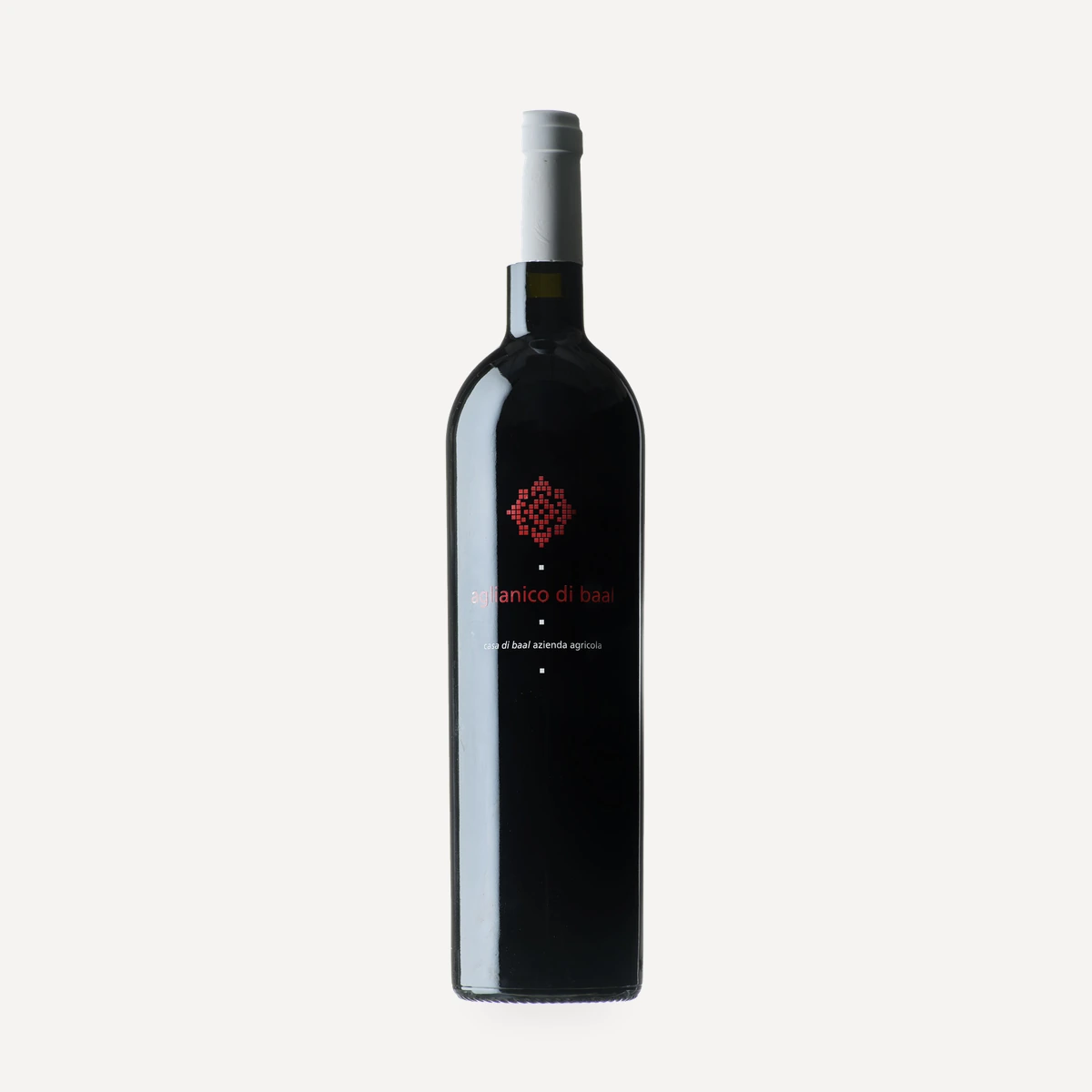
Aglianico di Baal
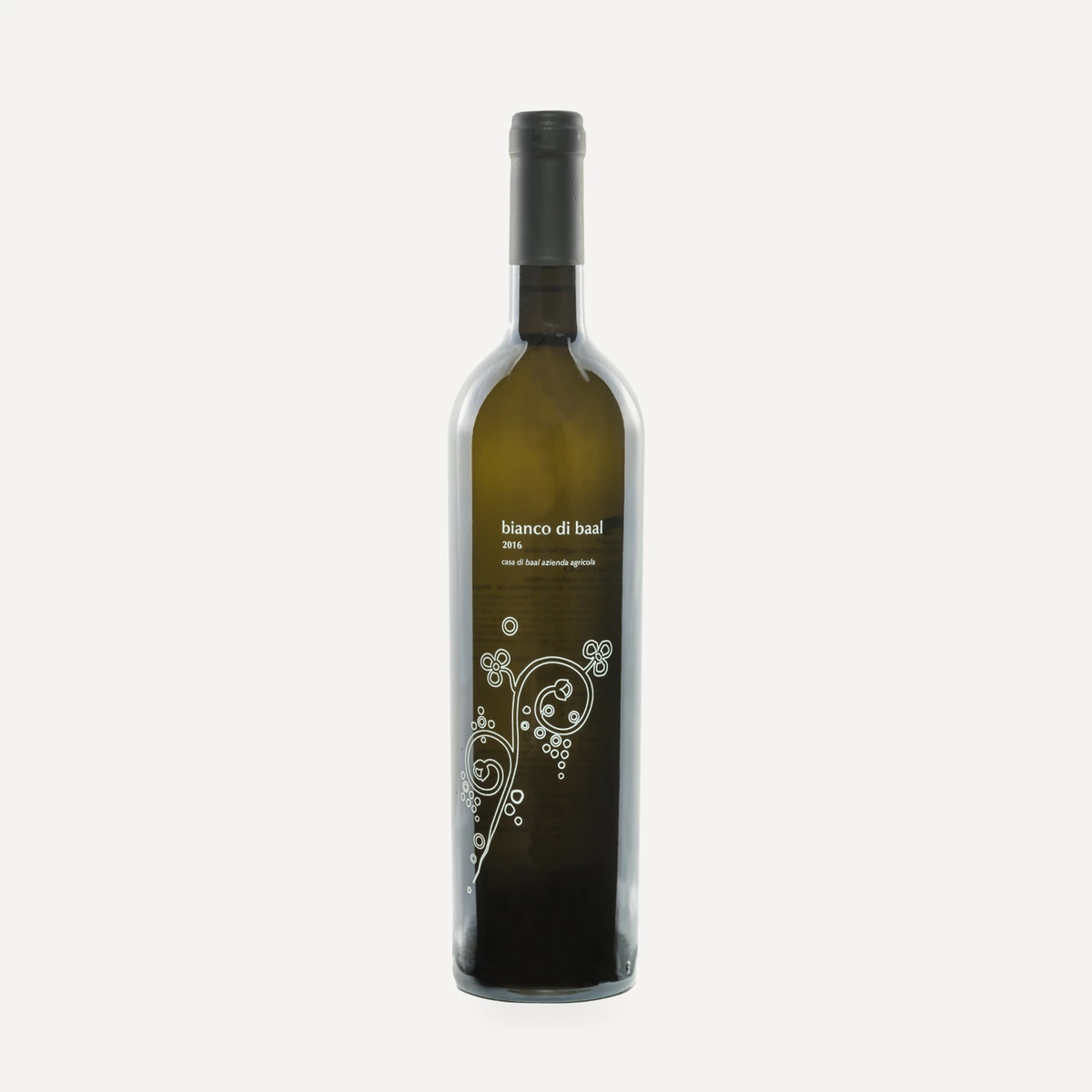
Bianco di Baal
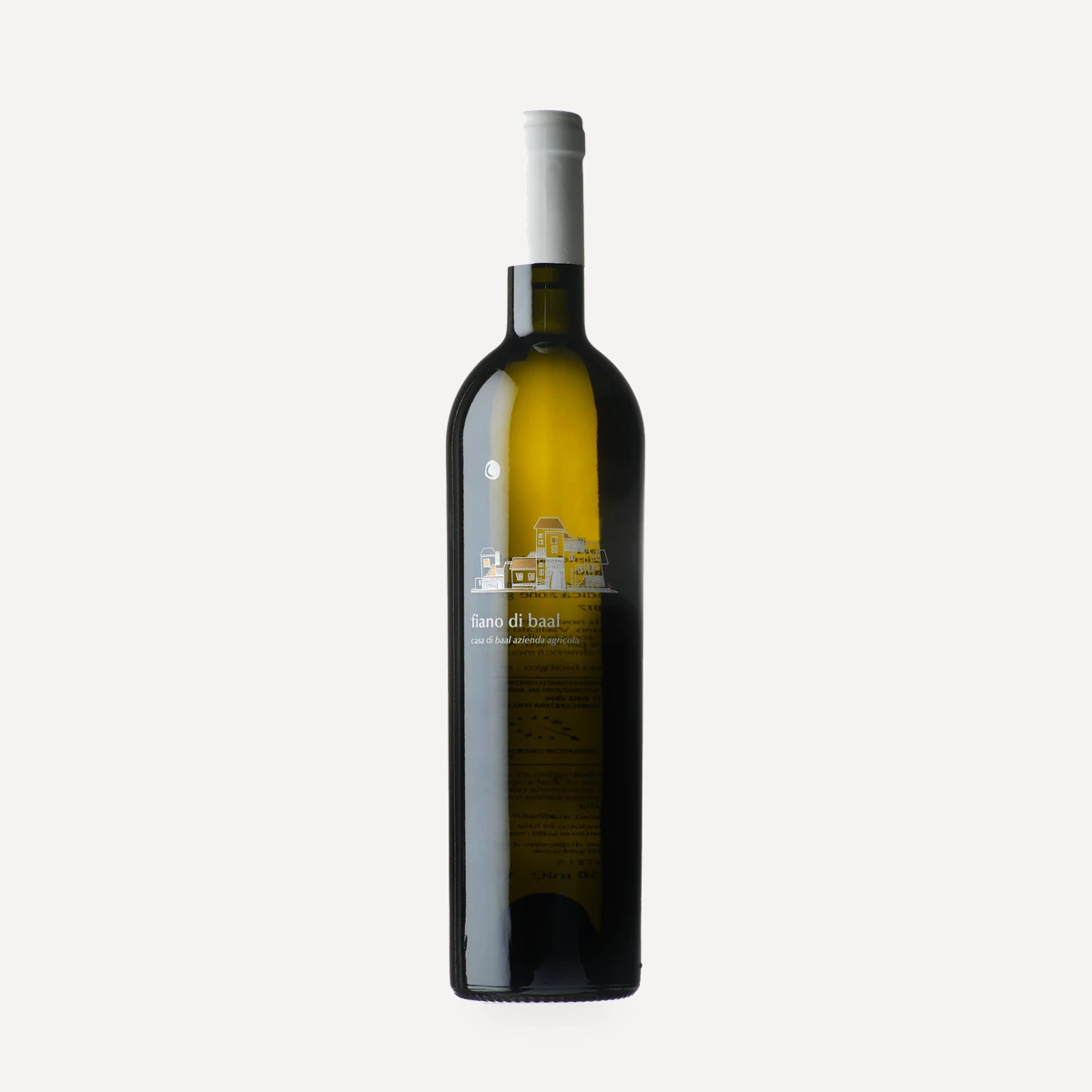
Fiano di Baal
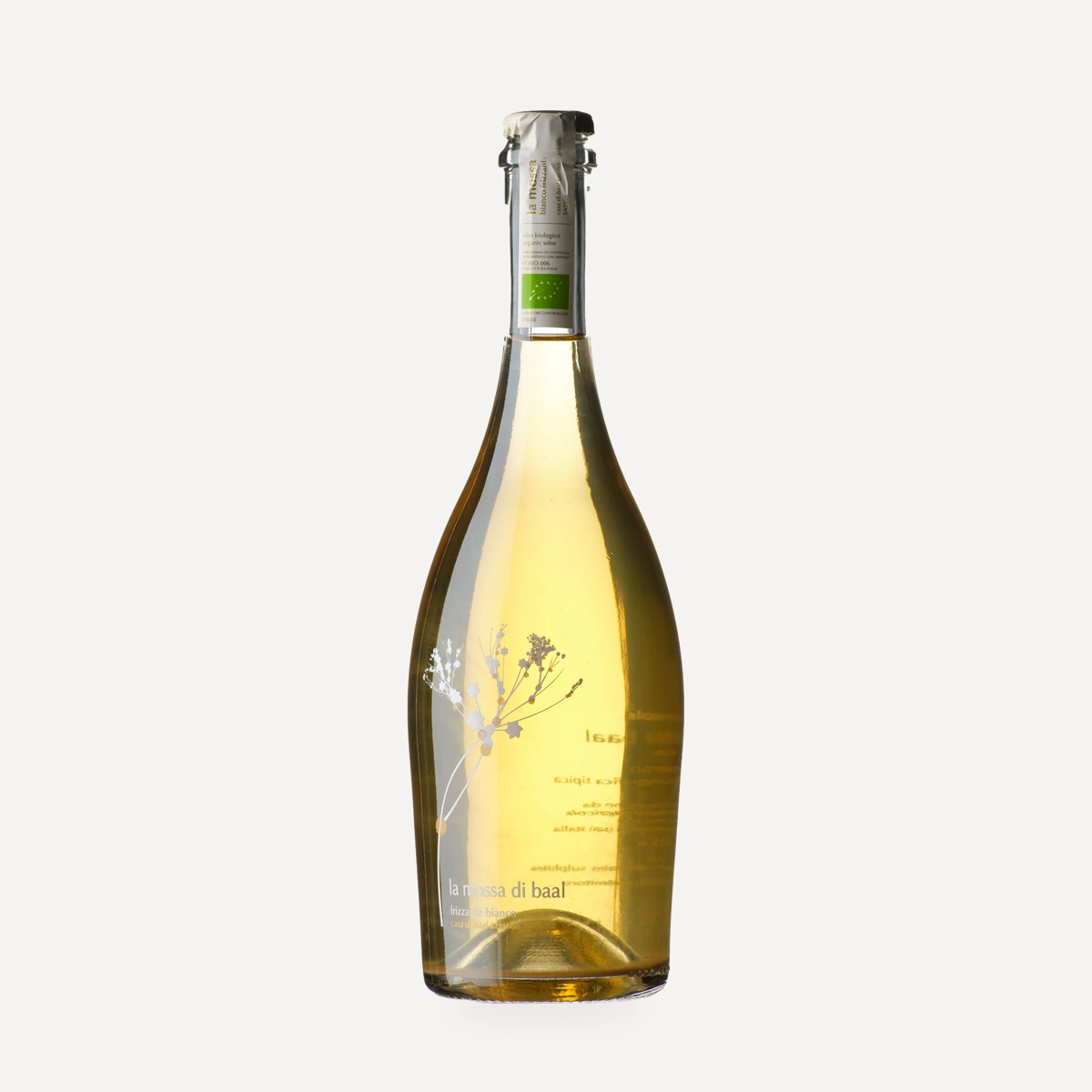
La Mossa di Baal
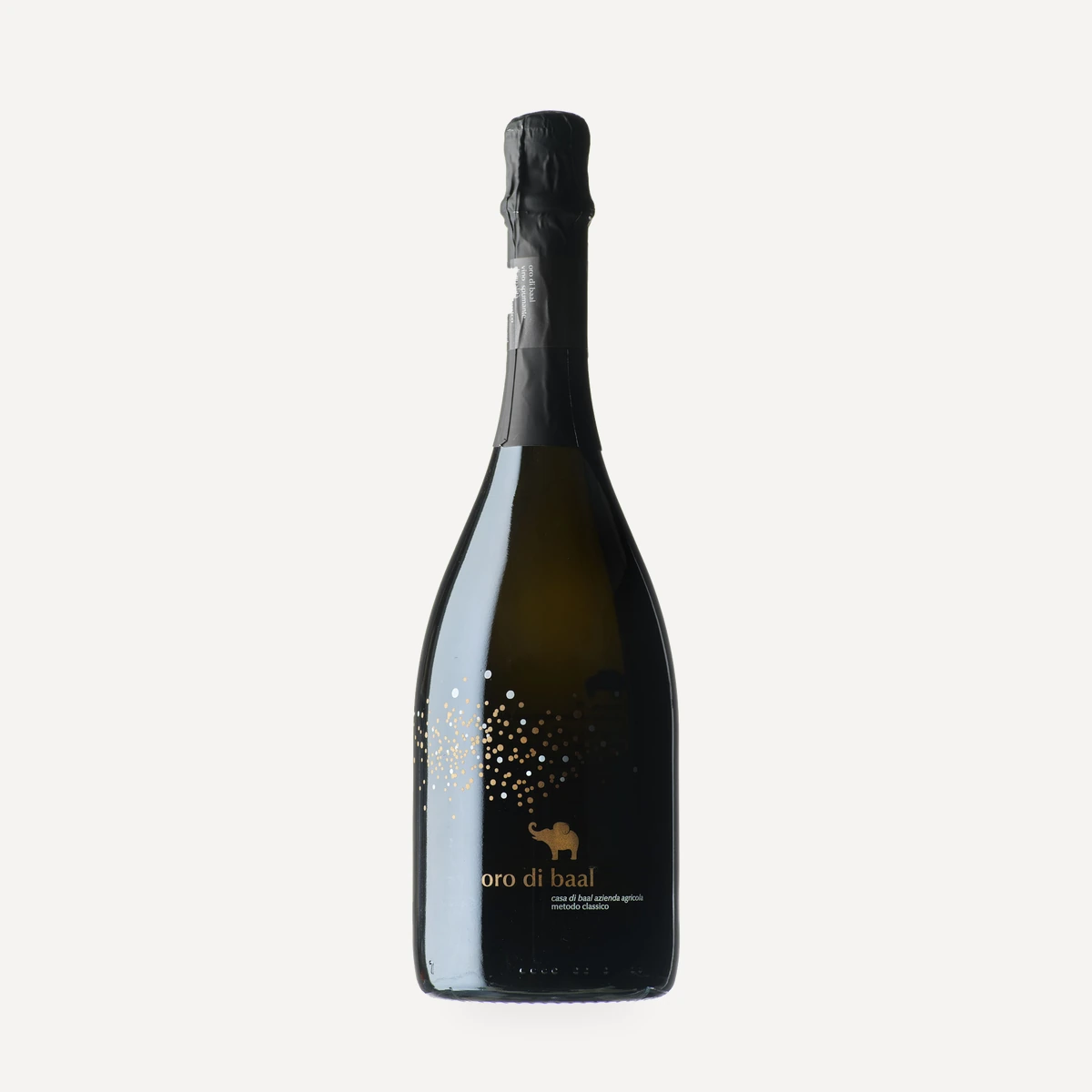
Oro di Baal