Storia
Entrepreneurial roots
Paolo Togni has led the family business since the early 1980s. After years devoted to Gruppo Togni and international markets, he turned his attention toward Marche and its principal local white-wine expression, Verdicchio. This became a second phase of his entrepreneurial career, applying knowledge acquired in international business to wine while maintaining a strong connection to regional identity.
1995: the beginning of CasalFarneto
CasalFarneto began in 1995, when four partners acquired the old farmhouse of an agricultural property together with its equipment and surrounding land. The estate was encircled by mature Farnetto oaks, which gave the winery its name.
Production began around three wines that remained central to the portfolio: Fontevecchia, Grancasale and Cimaio. The first vintages of Fontevecchia and Grancasale were harvested in 1995.
1996: the first Cimaio harvest
Cimaio followed with its first harvest in 1996, completing the original trio around which the early production was built.
2005: a new winery
Ten years after the first harvest, the small pink farmhouse used at the beginning gave way to a new production facility designed by architect Nazzareno Petrini. Conceived as a “technological farm,” the building combined operational requirements with a low-profile presence in the landscape. Stone and wood were used extensively, while the structure was set partly underground to preserve the visual continuity of the surrounding countryside.
2019: Casale Rita
In 2019, an old estate farmhouse was restored as Casale Rita, a new shop and reception centre for visits and tastings. Nazzareno Petrini also designed this project. Large windows and a terrace opened views across the vineyards and surrounding villages.
2021: a new sustainability programme
Collaboration with oenologist and agronomist Stefano Chioccioli began in 2021. His focus on environmental responsibility and organic vineyard management marked the start of a new programme of sustainability and development.
2023: investment in renewable energy
A substantial photovoltaic installation entered operation in April 2023. It was designed to bring the winery close to energy self-sufficiency, replace energy generated from fossil fuels and supply electricity for winery operations, including grape-cooling equipment.
2025: thirty years
CasalFarneto celebrated its thirtieth anniversary in 2025. By this point, the property comprised 60 hectares, with 35 hectares of vineyards, and the winery had evolved from its origins among three farmhouses into a purpose-designed production and hospitality complex.
Terroir
CasalFarneto lies at Serra de’ Conti in central Marche, among the hills of the province of Ancona and between the Adriatic Sea and the Apennines. The property stands at the boundary of two valleys, Valmisa and Vallesina. The latter is associated with the historic villages surrounding Jesi and with Verdicchio dei Castelli di Jesi.
The winery is positioned at 320 metres above sea level. Vineyards extend across the rolling landscape around the property, with views toward neighbouring hill towns. The estate covers 60 hectares; 35 hectares are under vine, and 28 hectares are dedicated to white wine from the Castelli di Jesi area.
Vinificazione
The estate’s grapes come from vineyards certified under SQNPI, the Italian National Quality System for Integrated Production, following the integrated-production rules established for Marche.
Integrated pest management is intended to protect the crop while avoiding excessive reliance on crop-protection products. Agronomic, production and plant-protection measures are combined to make vines less vulnerable to pests, minimize synthetic chemical inputs and rationalize fertilization according to ecological, economic and toxicological principles.
Organic cultivation is also practised in selected vineyards, including a certified-organic Passerina site. More broadly, vineyard management is described as low-impact and attentive to biodiversity. Wines are made in response to the characteristics of the harvested grapes rather than through a single predetermined model.
Closed reservoirs collect rainwater. Their capacity covers irrigation of the estate’s parks and the water required for the vineyards’ annual crop-protection treatments, reducing demand on local groundwater and the municipal supply.
Winery design and environmental control
The production building designed by Nazzareno Petrini is constructed predominantly from stone and wood and sits partly underground. A planted roof bearing vines integrates it into the landscape. This design holds the interior at approximately 18–20°C, limiting the energy and carbon emissions otherwise associated with heating and cooling.
Technology is combined with natural working methods as part of the estate’s “technological farm” concept. Grapes are cooled using machinery powered by electricity from the photovoltaic installation.
Energy, water and materials
The photovoltaic system installed in April 2023 produces electricity that is largely consumed directly by winery operations. Its calculated saving is 34,281 kg of CO₂, while the stated equivalent area of forest preserved is 377,091 m², approximately 50 football pitches.
Wastewater generated by winery operations is treated in a dedicated purification plant. Rainwater is retained in closed reservoirs for park irrigation and annual vineyard treatments.
Nomacorc closures are used as a low-emission, fully recyclable material, and recyclable products are placed on the market. Supplier traceability covers grapes, wine and materials, allowing individual lots to be connected with businesses and operators participating in the certification chain.
Filosofia
CasalFarneto defines territory, quality and innovation as its three guiding values. Continuous experimentation is intended to interpret Marche’s wine tradition in an increasingly modern and natural way rather than detach it from its origins.
The estate’s declared view is that wine should represent both its territory and its culture, carrying the imprint of land, tradition and work. Nature, patience and time are recurring elements of this approach: soil, vineyard and climate are treated as a relationship that must be cultivated over time, while each harvest is handled in accordance with the character of its grapes and with attention to biodiversity.
Sustainability is understood as a continuing commitment linking present activity to the welfare of future generations. Its stated objective is to make high-quality wine with trusted people while following nature’s rhythm. This interpretation covers environmental, economic and social responsibilities rather than vineyard practices alone.
Tradition and technology are treated as complementary. The “technological farm” model applies contemporary architecture, renewable energy and production equipment while maintaining low-impact vineyard management, natural working methods and respect for the surrounding landscape.
Vini
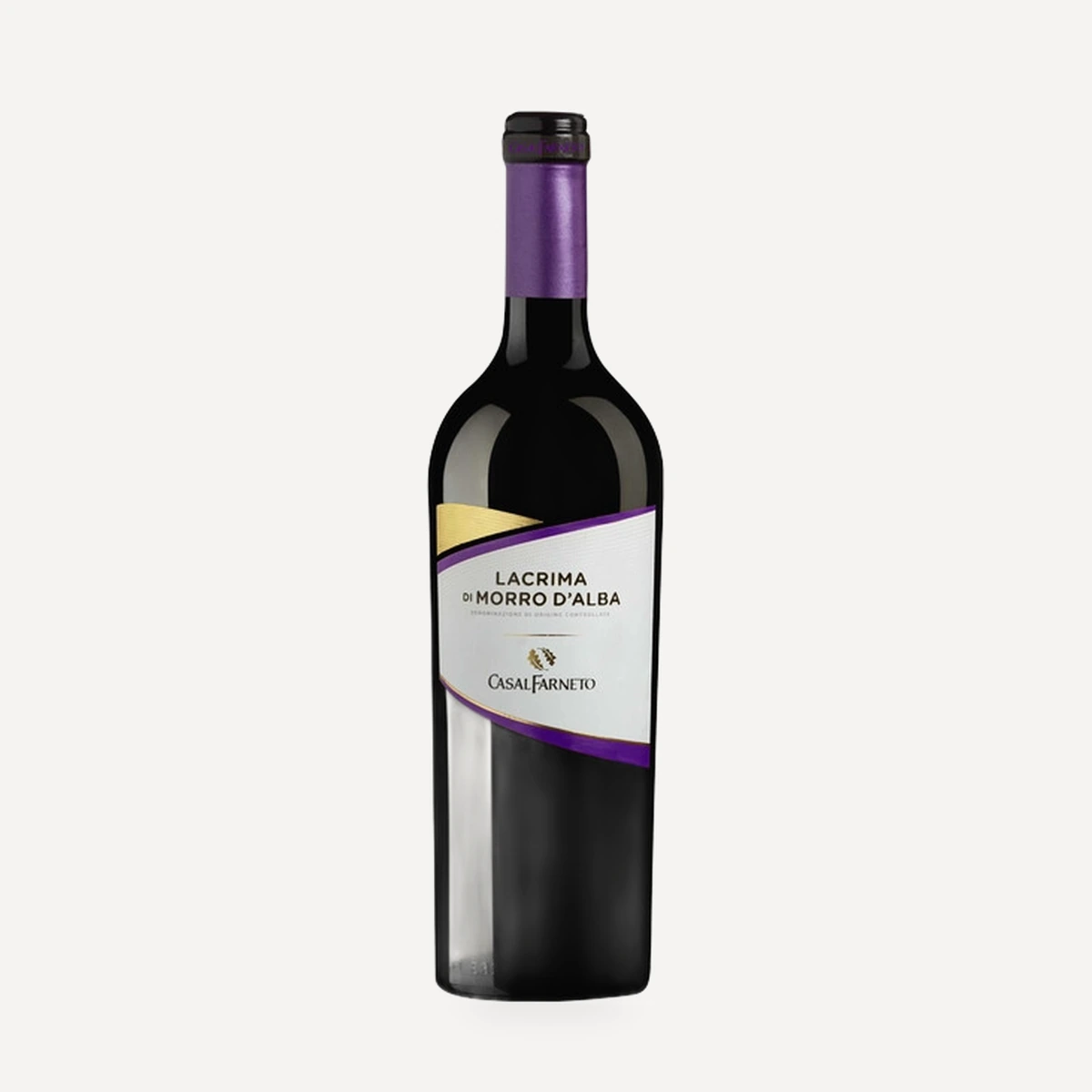
Lacrima di Morro d'Alba DOC
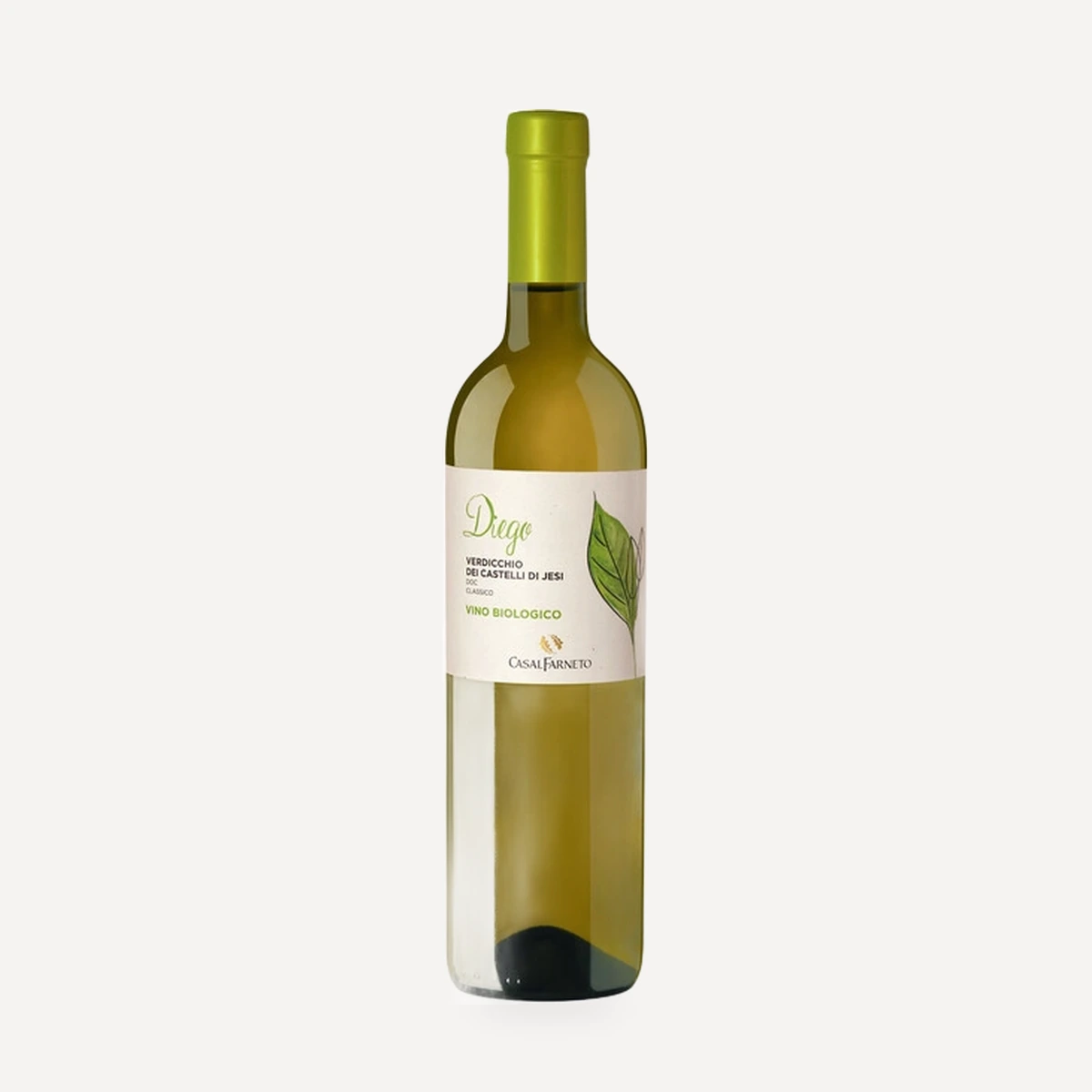
Diego Verdicchio dei Castelli di Jesi Classico DOC
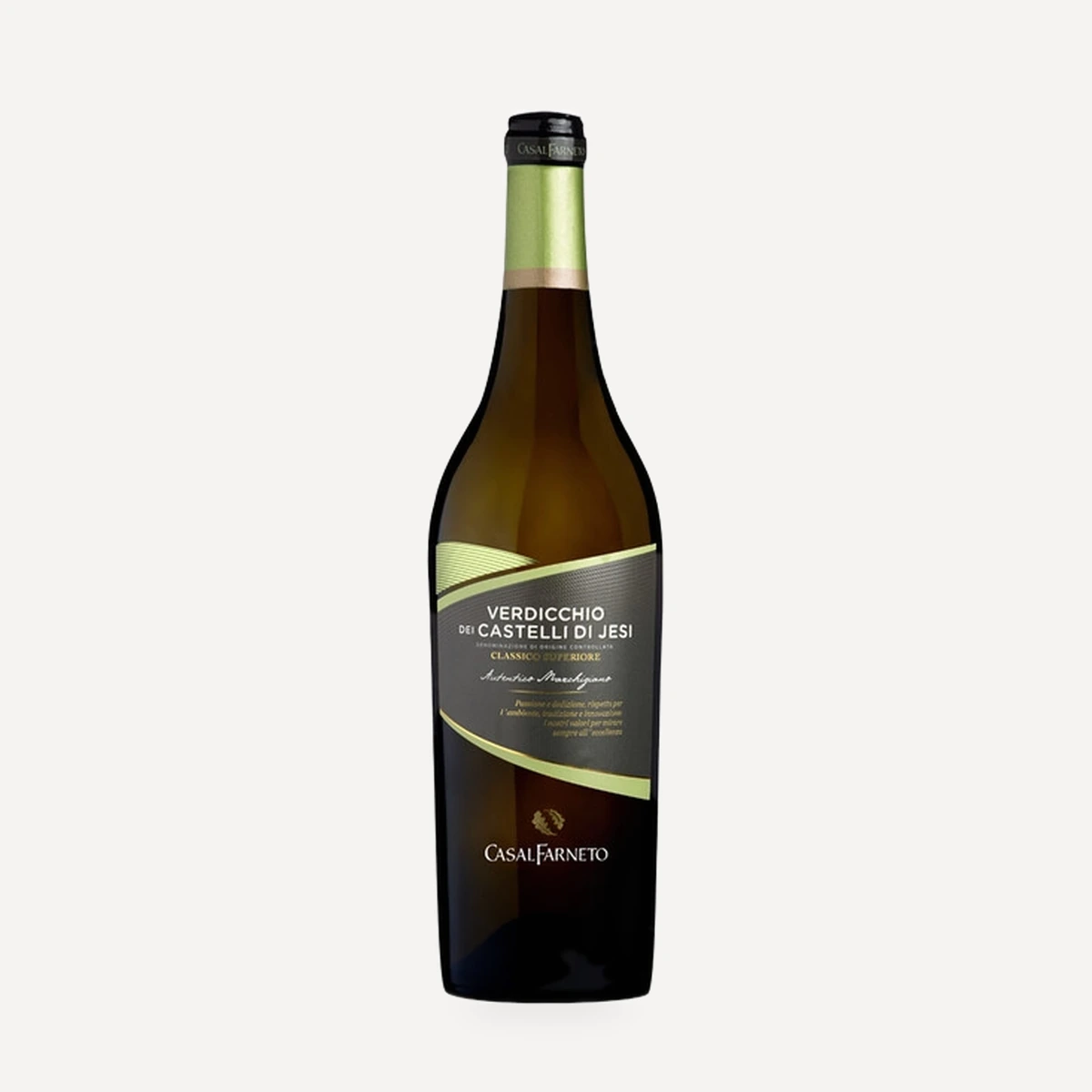
Verdicchio dei Castelli di Jesi Classico Superiore DOC
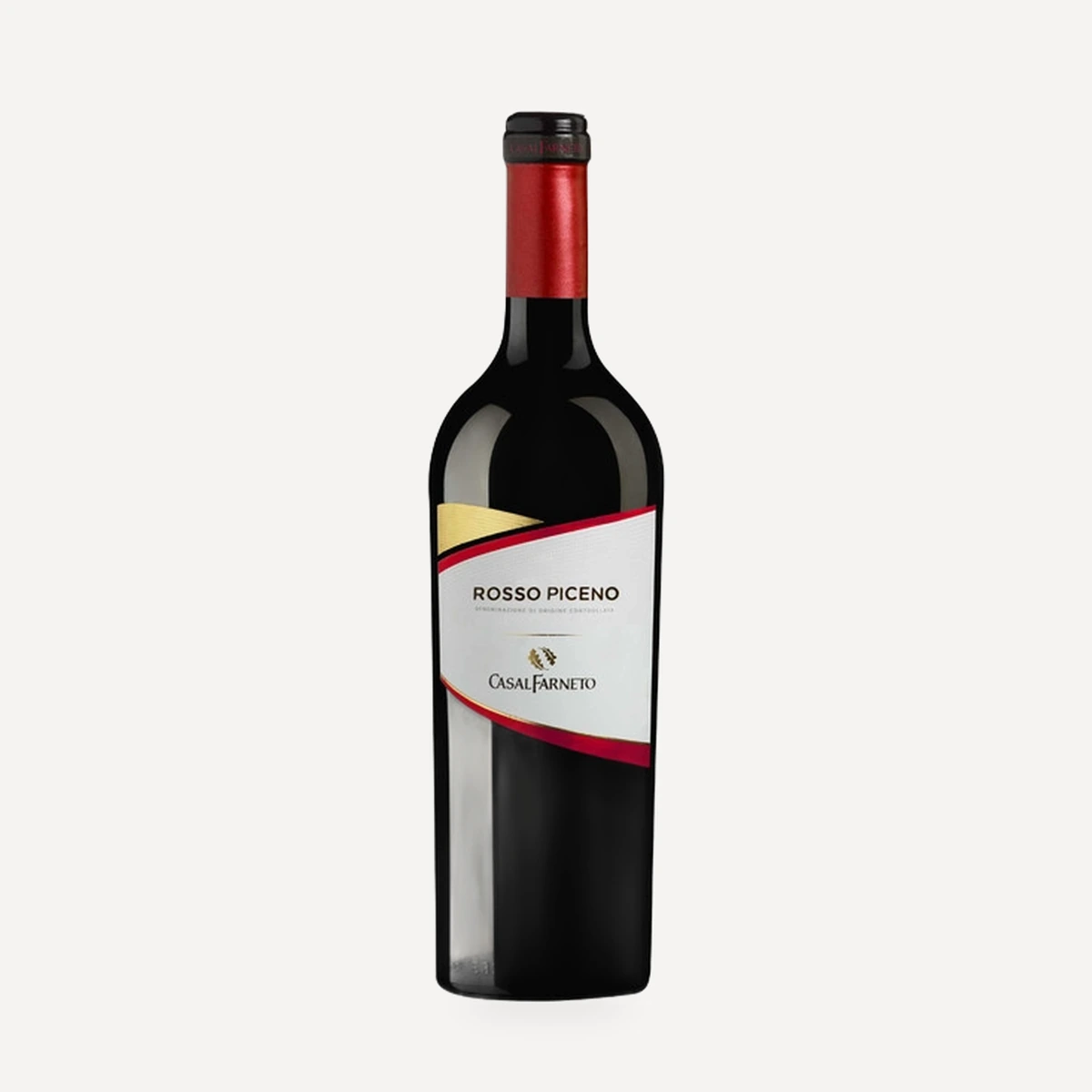
Rosso Piceno DOC
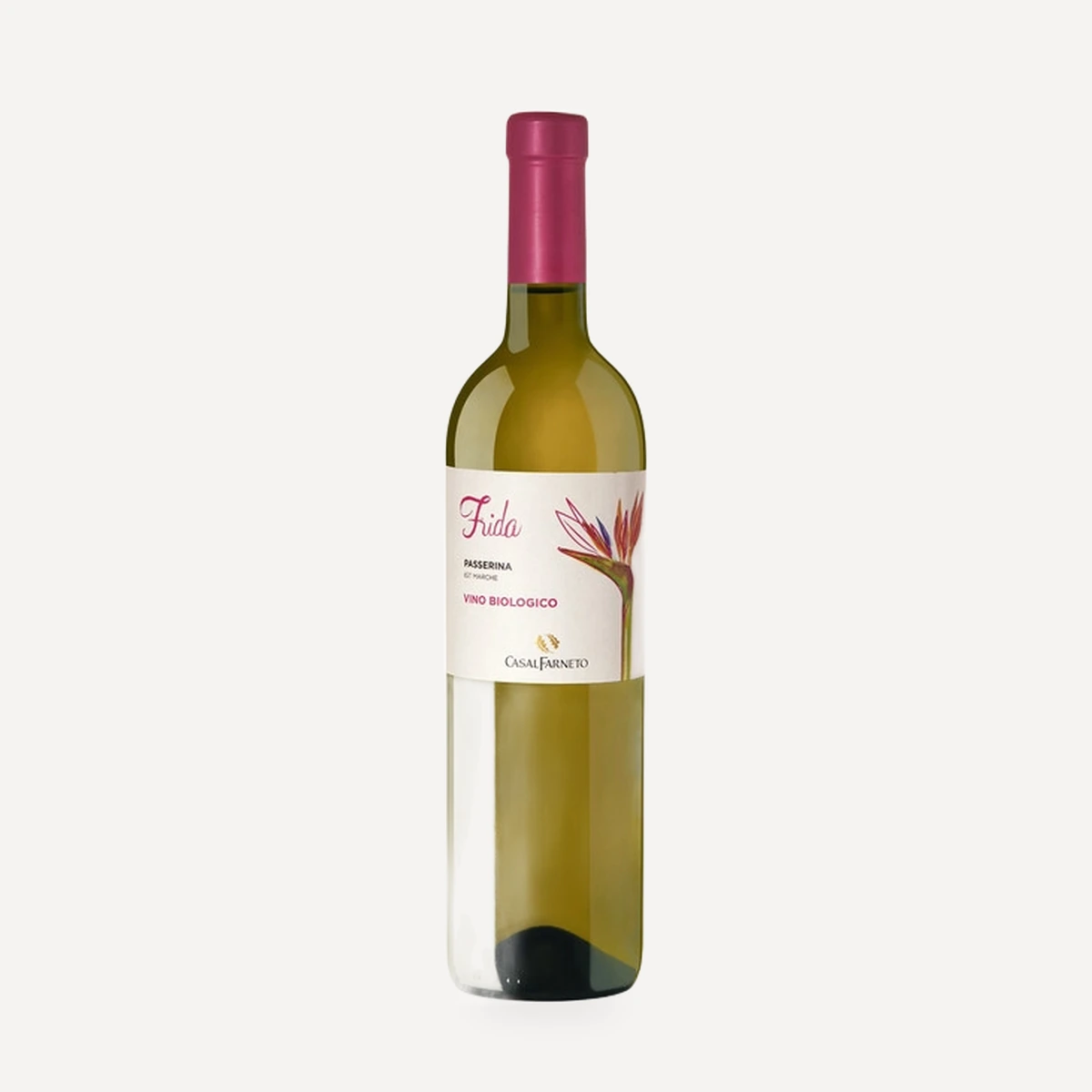
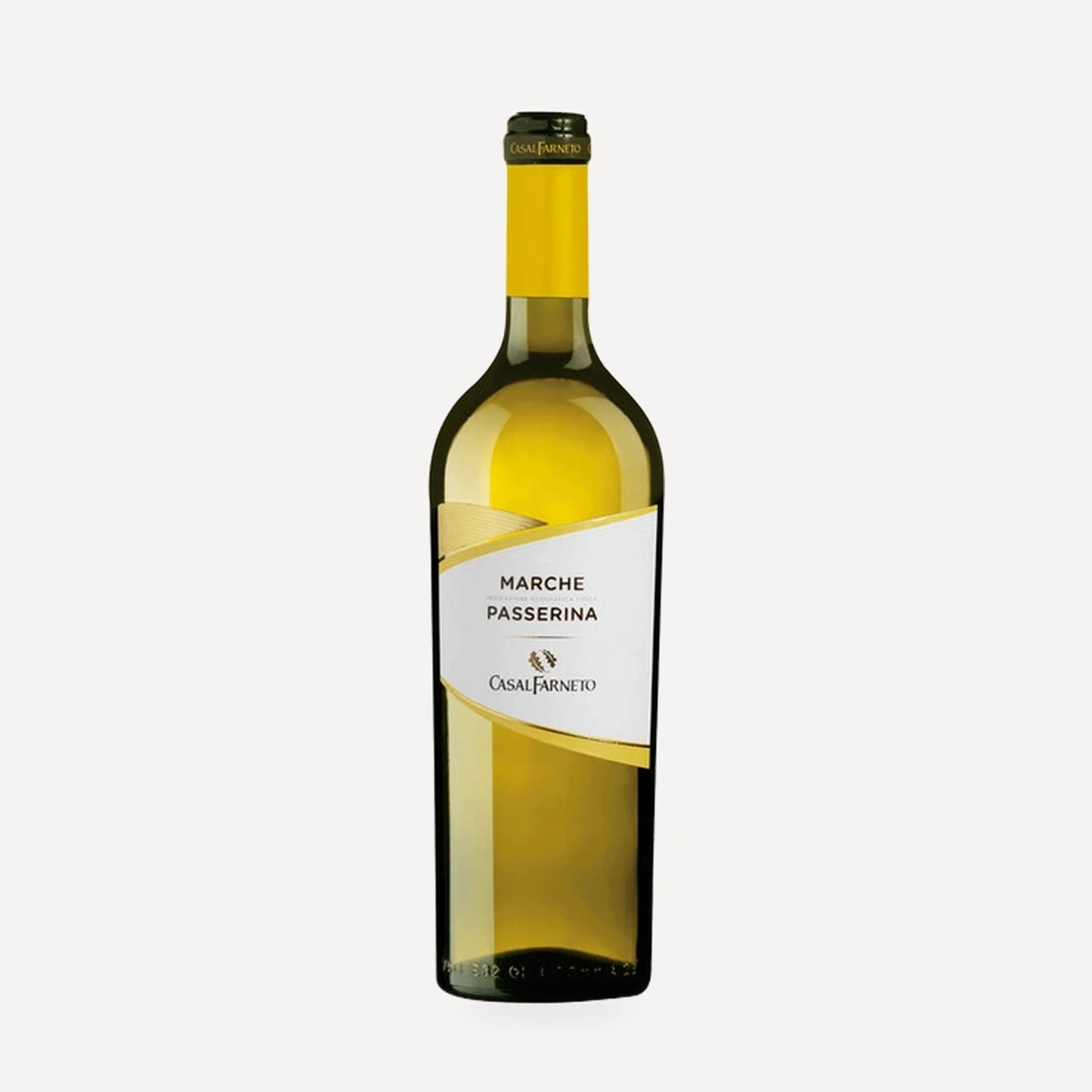
Frida Passerina Marche IGT