Storia
1957–1969: from Cupramontana to Osimo
Gino Umani Ronchi founded a small agricultural estate in Cupramontana in 1957, in the heart of the Verdicchio Classico production area. Roberto Bianchi, an Ancona building entrepreneur with a strong interest in agriculture, subsequently joined the venture together with his son-in-law Massimo Bernetti. Bernetti had recently graduated in Political Science and had initially expected to pursue a diplomatic career.
Roberto Bianchi and Massimo Bernetti acquired the property and brand in 1968, introducing new entrepreneurial momentum under the Bianchi-Bernetti family. The business was formally reconstituted as a wine-producing estate on 4 January 1968. In 1969, its registered and administrative headquarters moved to Osimo, where a cellar dedicated to Rosso Conero was opened. Capacity was expanded at the existing Castelbellino cellar, which remained devoted to Verdicchio.
1970s–1980s: vineyards, exports and a broader portfolio
Massimo Bernetti directed the company around three objectives: developing exports, especially to Germany and the United Kingdom; increasing production by placing Rosso Conero alongside Verdicchio; and expanding the family’s vineyard holdings. He began systematic foreign-market development in 1973.
The family accumulated and consolidated numerous small properties in the Verdicchio Hills. Vineyard development also extended through the Conero area, while work across the entire production chain sought to improve quality and broaden the range, particularly among red wines. Since the 1970s, the company has doubled its vineyard ownership and progressively replanted about 85% of its older vineyards.
San Lorenzo debuted with the 1982 vintage. Casal di Serra followed in 1983 as an early modern interpretation of Verdicchio, based on the identification of particularly suitable individual vineyards. In 1985, Cùmaro was introduced and the first Villa Bianchi Verdicchio harvest took place. These projects reflected parallel work on Rosso Conero, vineyard selections and reserve expressions of Verdicchio.
1990–1999: Michele Bernetti and technical research
Michele Bernetti joined in 1990 as General Sales Manager after graduating in Economics and Business in Ancona and gaining experience in the London sales department of the importer responsible for Umani Ronchi in the United Kingdom. Working alongside Massimo, he helped initiate research into more advanced agronomic and oenological techniques, including collaborations with specialists from university research centres.
Michele also brought in oenologist Giacomo Tachis. Their research examined international varieties and their integration into the local environment. It produced Pelago, whose first vintage was 1994. That vintage won three trophies at the 1997 International Wine Challenge in London, including Best Red Wine Overall, from a field of more than 7,000 wines. Wine Enthusiast subsequently included it among its Top 100 wines of 1998 with a score of 97/100.
The vineyard base continued to grow. Piantate Lunghe, a 9 ha Conero holding identified by the technical team for its viticultural potential, was acquired in 1998. Replanting programmes increasingly adopted denser layouts and more rational training systems.
2000–2015: cellar renewal, Abruzzo and organic conversion
La Bottaia opened in Osimo in 2000 as part of a broader renovation of the winery. Dug into a hill above a family vineyard, it combined an ageing cellar with an architectural project designed around environmental integration, natural humidity regulation and passive air exchange.
In 2001, the family began its Abruzzo project with the acquisition of 30 ha of organic vineyards near Roseto degli Abruzzi. The present Tenuta Centovie extends over approximately 35 ha between the Gran Sasso massif and the Adriatic. The same year, the family acquired the Torre vineyard at Cupramontana to strengthen its Verdicchio holdings.
Organic practices began in Abruzzo around the turn of the millennium and were later extended to the Verdicchio Hills and Conero. The Vecchie Vigne 2009 vintage was named Italian White Wine of the Year by Gambero Rosso in 2012. Organic protocols had also been introduced at San Sebastiano by that year.
In 2015, Michele Bernetti was appointed Marche Wine Ambassador to the world for Expo Milano. The 2015 vintage brought the organically certified Casal di Serra and marked a decisive stage in the conversion of the vineyard portfolio. Via Vigne was purchased in the same year and converted from Sylvoz to double Guyot to restrict yields naturally and improve quality.
2020–2026: certifications, national recognition and adaptation
Wine Spectator included Umani Ronchi among 34 leading Italian wineries in 2020. Equalitas Corporate certification followed in 2022, recognising environmental, economic and social sustainability. In 2023, Gambero Rosso conferred its special Winery of the Year 2024 award, the first such recognition for a winery from Marche.
In 2024, the Ministry of Enterprises and Made in Italy registered Umani Ronchi as a Historic Brand of National Interest in recognition of its contribution to Italy’s cultural and industrial heritage. In 2025, the company was included among the Top Performing businesses at the Sustainability Awards.
The vineyard programme continues to respond to changing climatic conditions. At Montecarotto, the 7 ha Fauda vineyard was planted in two stages—first in 2022 and then between 2023 and 2024—on a north-facing site at 380 m. Once considered too high and cool, those attributes are now regarded as assets for preserving the identity and balance of Verdicchio. In 2026, Umani Ronchi also received the Industria Felix – Italy That Competes award for a second consecutive year, recognising competitiveness and financial reliability.
Terroir
Three Adriatic territories
The 210 ha vineyard portfolio is distributed across three principal areas: the Verdicchio Hills, Conero and Abruzzo. Together they comprise approximately 185 km of vine rows. The two Marche territories lie relatively close to one another but differ in geography, climate and grape-growing conditions; Abruzzo begins roughly 100 km farther south.
Verdicchio Hills
The Verdicchio vineyards occupy both banks of the Esino river in and around Montecarotto, Serra de’ Conti, Maiolati Spontini, San Paolo di Jesi and Cupramontana. Their soils range from very deep clay and clay loam to calcareous clay-silt profiles and alluvial terraces with pebbles. Vineyard elevations range from about 100 m to 380 m.
Individual sites show marked contrasts. Villa Bianchi includes gravelly alluvial patches and a north-facing sector where dry weather through September and early October gives way to cold, damp conditions from mid-October, encouraging noble rot. Via Vigne retains acidity and freshness even in hot, dry years. Fauda occupies a north-facing slope at 380 m, where altitude and exposure now help respond to climate change. The surrounding mosaic of vineyards, olive groves, hedgerows and woodland supports ecological continuity and biodiversity.
Conero
Mount Conero rises above the Adriatic and shelters surrounding hills from cold north-easterly winds. Its coastal influence, long sunlight hours and cool nights create a mild but distinct environment. The vineyards contain deep clay-and-silt soils with substantial limestone; some sites also contain sand and pebbles. Montepulciano ripens here at the northern limit of its principal cultivation area, developing balanced acidity, sugar and phenolic maturity. Piantate Lunghe has a notably warm microclimate, while Campo San Giorgio combines sea, sunlight, air and soil in a small Osimo parcel.
Abruzzo
Tenuta Centovie lies near Roseto degli Abruzzi and Montipagano, between the Adriatic and the Gran Sasso d’Italia massif. Its south-facing hillside overlooks Gran Sasso. The soils are deep alluvial terraces: sandy clay loam or clay-rich medium-textured earth, with gravel emerging in places and a small proportion of calcareous alluvial pebbles. Winds from the Adriatic and proximity to Gran Sasso create significant day–night temperature changes that favour aromatic development. The sunny, ventilated setting and balanced subsoil are particularly compatible with organic farming.
Vinificazione
All vineyard holdings are now managed organically. The programme began in Abruzzo around 2000, expanded into the Verdicchio Hills from 2013 and into Conero from 2016. Soil health and respect for the vine are central to the approach.
Organic matter and soil biodiversity are conserved through cover crops and green manure. Approximately 85% of the agricultural land is occupied by vineyards, while the remaining 15% is retained as woodland, lakes and natural habitat for beneficial insects and native wildlife. Precision-viticulture methods guide treatments, vineyard management and organic fertilisation.
Emergency drip irrigation is restricted to approximately 7–8% of the vines. The system can reduce water consumption by 40–70%, while deficit or rescue irrigation is used in Abruzzo when required. Water recovered in the cellar is reused on landscaped areas.
The Go-Vitis research programme with the Polytechnic University of the Marche uses specialised sensors in selected organic vineyard parcels to monitor soil phenological status and develop intelligent, sustainable viticulture. Further research has examined water-resource optimisation and agronomic practices for mitigating climate change.
Heat- and drought-management measures have included retaining winter cover-crop vegetation, applying kaolin to reduce sunburn, using brown-algae preparations to improve resistance to abiotic stress and managing the canopy to shield bunches during the hottest part of the day. Copper and permitted organic preparations were used against severe downy mildew pressure in 2023.
Harvest timing is set through repeated assessment of maturity, elegance and freshness. In 2025, more than 100 people worked each day to complete picking within optimal windows. Light bunch thinning was reintroduced around veraison in selected vineyards. Hand harvesting in boxes is used for estate selections in Abruzzo and other designated parcels.
Three specialised cellars
Production is divided among Osimo, Castelbellino and Montipagano. Fresh grapes arrive in small cases or larger containers according to the selection and volume. Vinification begins at the appropriate regional cellar; wines produced at Castelbellino and Montipagano subsequently move to Osimo when required for maturation, bottling, labelling and packing.
The Osimo facility is the largest site and the principal cellar for Montepulciano and other red grapes. It contains stainless-steel tanks, concrete vats, tonneaux, large oval casks, small barrels and riddling racks. Fermentation, maturation and bottling can all take place here. A dedicated area handles bottling, labelling and final packaging.
Castelbellino is the long-established white-wine cellar. Verdicchio is pressed, fermented and matured there in concrete vats and large or medium-sized wooden vessels; bottling takes place at Osimo.
Montipagano handles Montepulciano d’Abruzzo-based reds. The grapes are vinified locally before transfer to Osimo for barrel maturation. A redevelopment project was designed to give Abruzzo production a more complete dedicated facility.
Laboratory and ageing
The Osimo laboratory is coordinated by Giacomo Mattioli with the support of Beppe Caviola. Grapes are tasted, monitored and analysed during harvest. Micro-analyses and inspections continue during maturation and after bottling, with emphasis on typicity and native varieties.
La Bottaia, opened in 2000, holds approximately 500 barriques. It is excavated into a hill and designed to provide stable conditions for wooden maturation. Brick-and-pebble internal walls buffer humidity, metal cladding shields the façade from solar radiation and passive channels circulate air through a chimney effect.
Metodo Classico
The limited Metodo Classico range comprises three wines. Verdicchio is the principal grape in the two Blanc de Blancs, accompanied by Chardonnay, while the rosé is based on Montepulciano. The wines remain on their lees for approximately 30–50 months. Production includes riddling facilities at Osimo and follows a small-scale, artisanal approach.
Filosofia
Umani Ronchi’s identity centres on the value of origin, human capital and the distinct pedoclimatic character of individual vineyards. Its declared objective is to allow each grape variety and cru to retain a recognisable connection to its place, while continually refining vineyard management and cellar technique.
Tradition and innovation are treated as complementary. Long-established native grapes—particularly Verdicchio and Montepulciano—remain central, while research, university partnerships, precision viticulture, laboratory control and architectural design provide tools for interpreting them. Lesser-known Adriatic varieties such as Pecorino, Lacrima di Morro d’Alba, Bianchello and Passerina are developed as part of the same territorial focus.
The sustainability model encompasses environmental, economic and social responsibilities. Its environmental component includes organic farming, biodiversity conservation, renewable power, water recovery and reduced-impact packaging. Its social component stresses stable employment, training, equal opportunity, long-term working relationships and value creation for the local community. Economic sustainability is understood as responsible long-term planning, credible appellations and a balance between production, quality and demand.
Family management emphasises continuity between Massimo and Michele Bernetti, shared objectives and the importance of the people who work in the vineyards, cellar, laboratory, administration and commercial network. The company’s stated long-term direction links wine quality with protection of the land, cultural communication and hospitality in Marche.
Vini
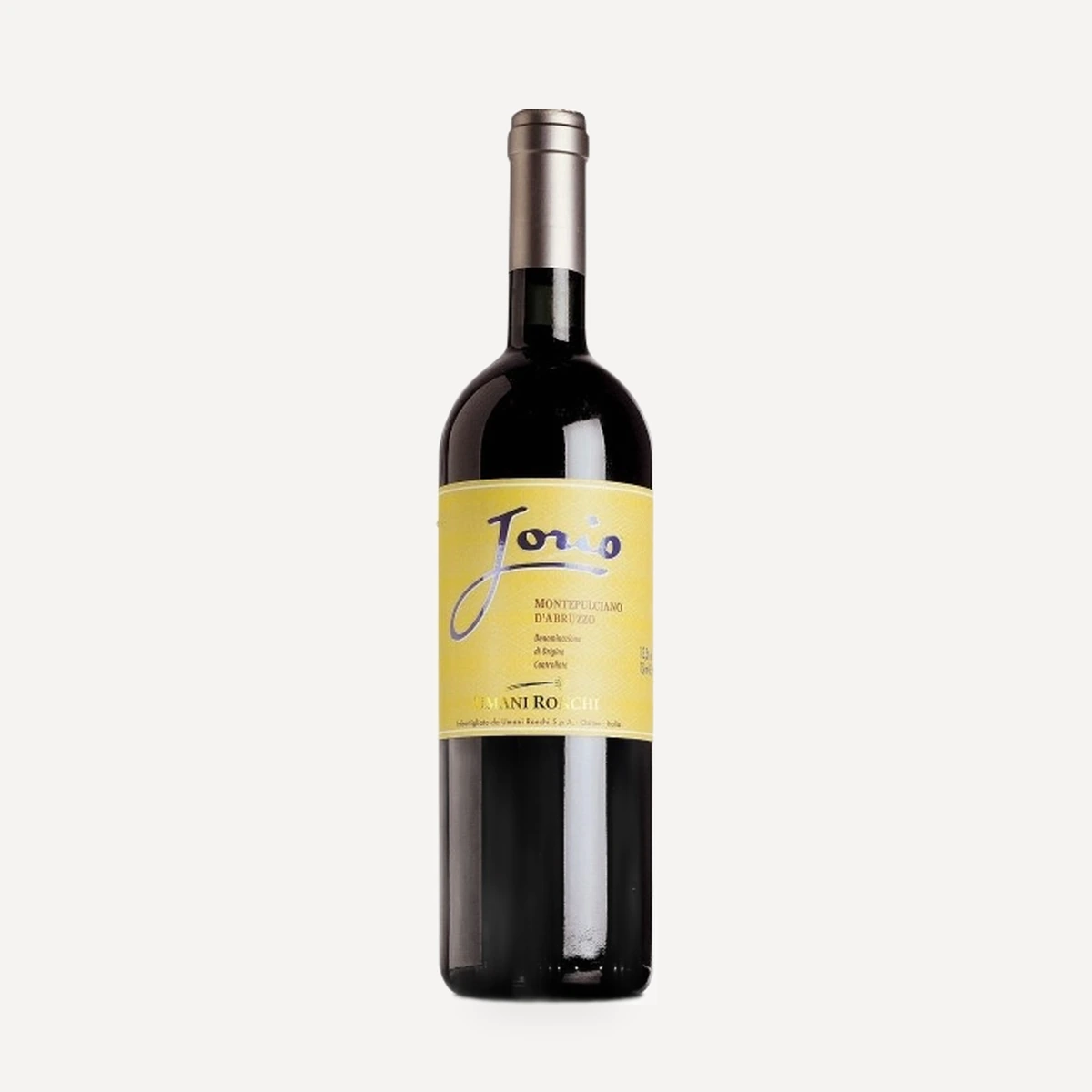
Montepulciano d'Abruzzo Jorio DOC
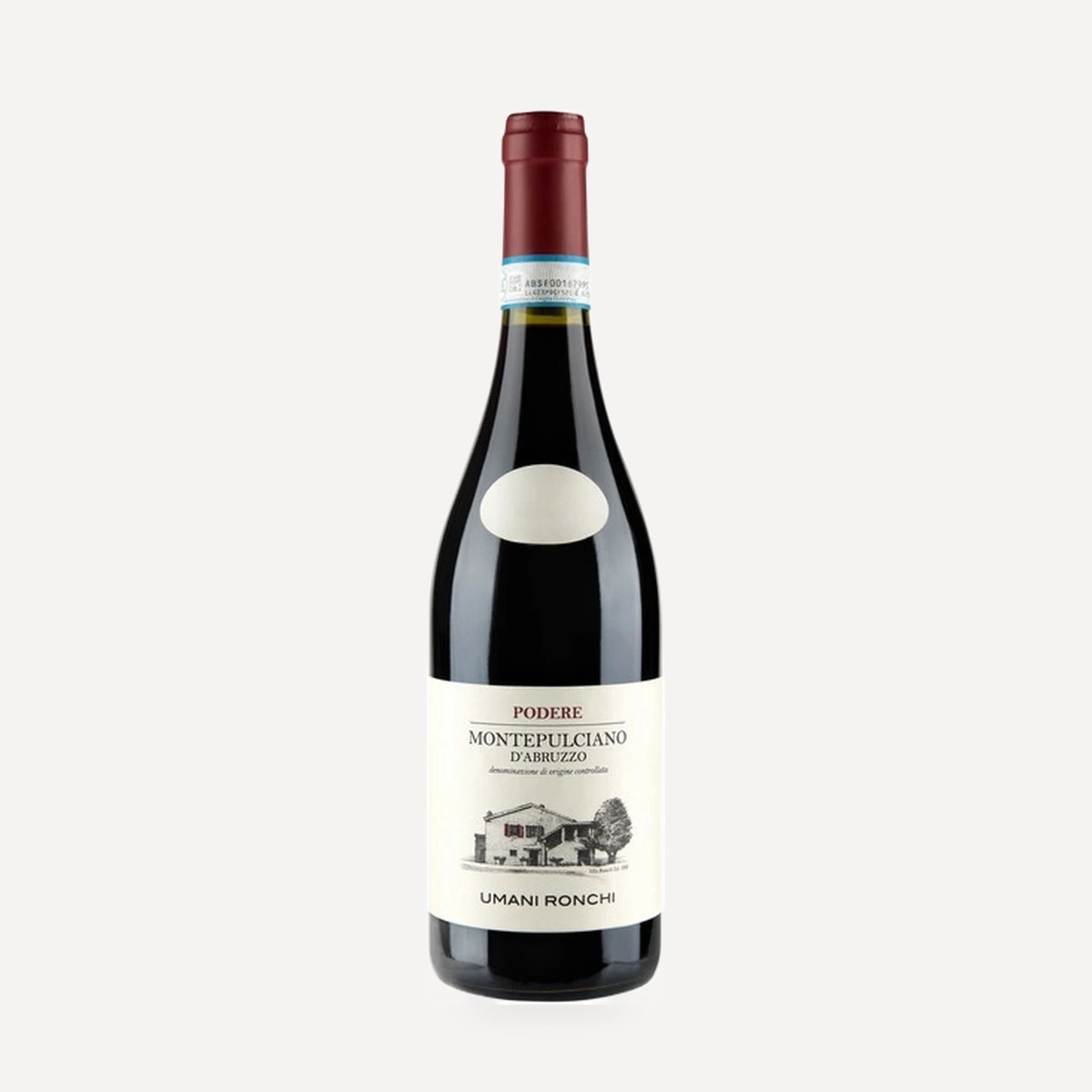
Podere Montepulciano d'Abruzzo
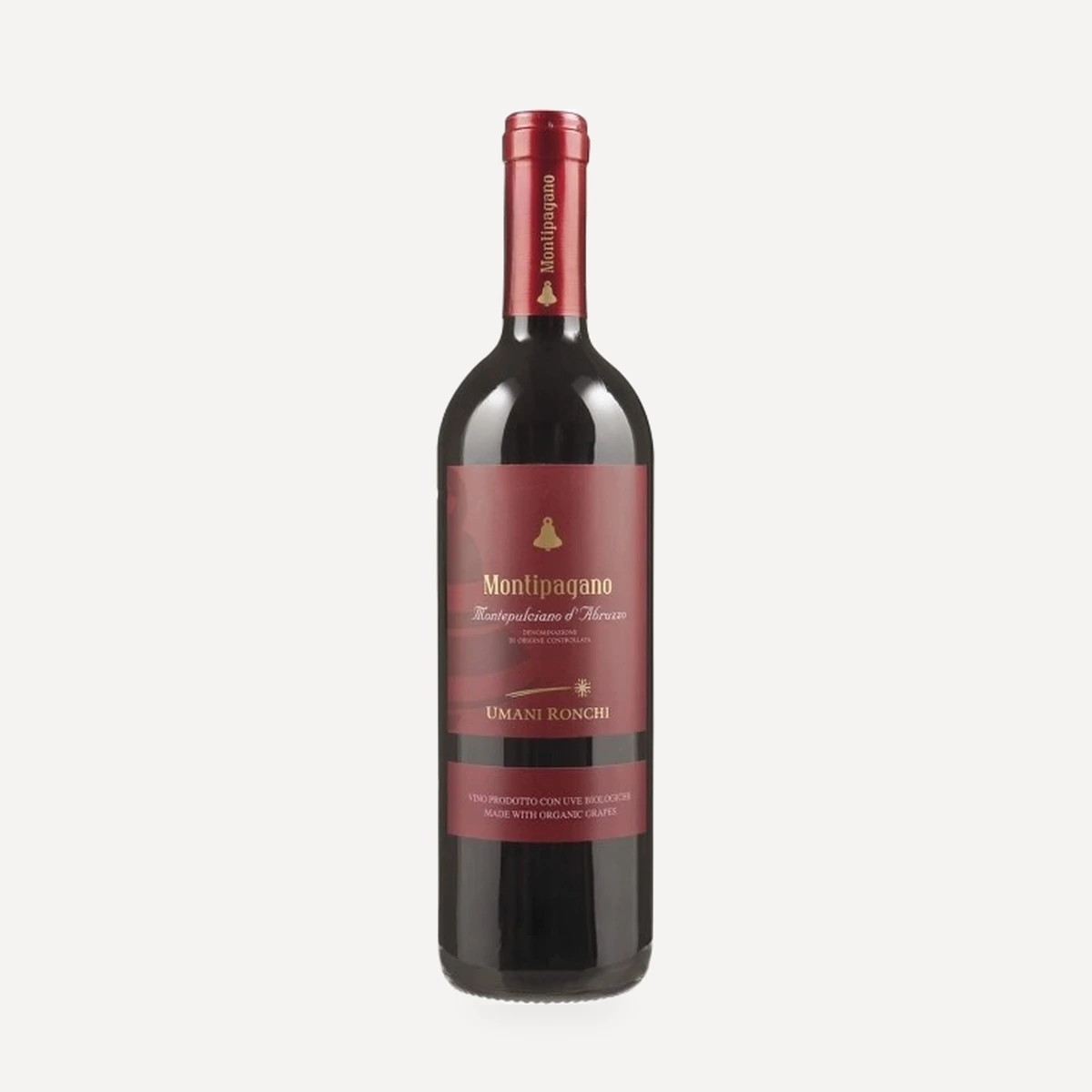
Umani Ronchi Montepulciano d'Abruzzo
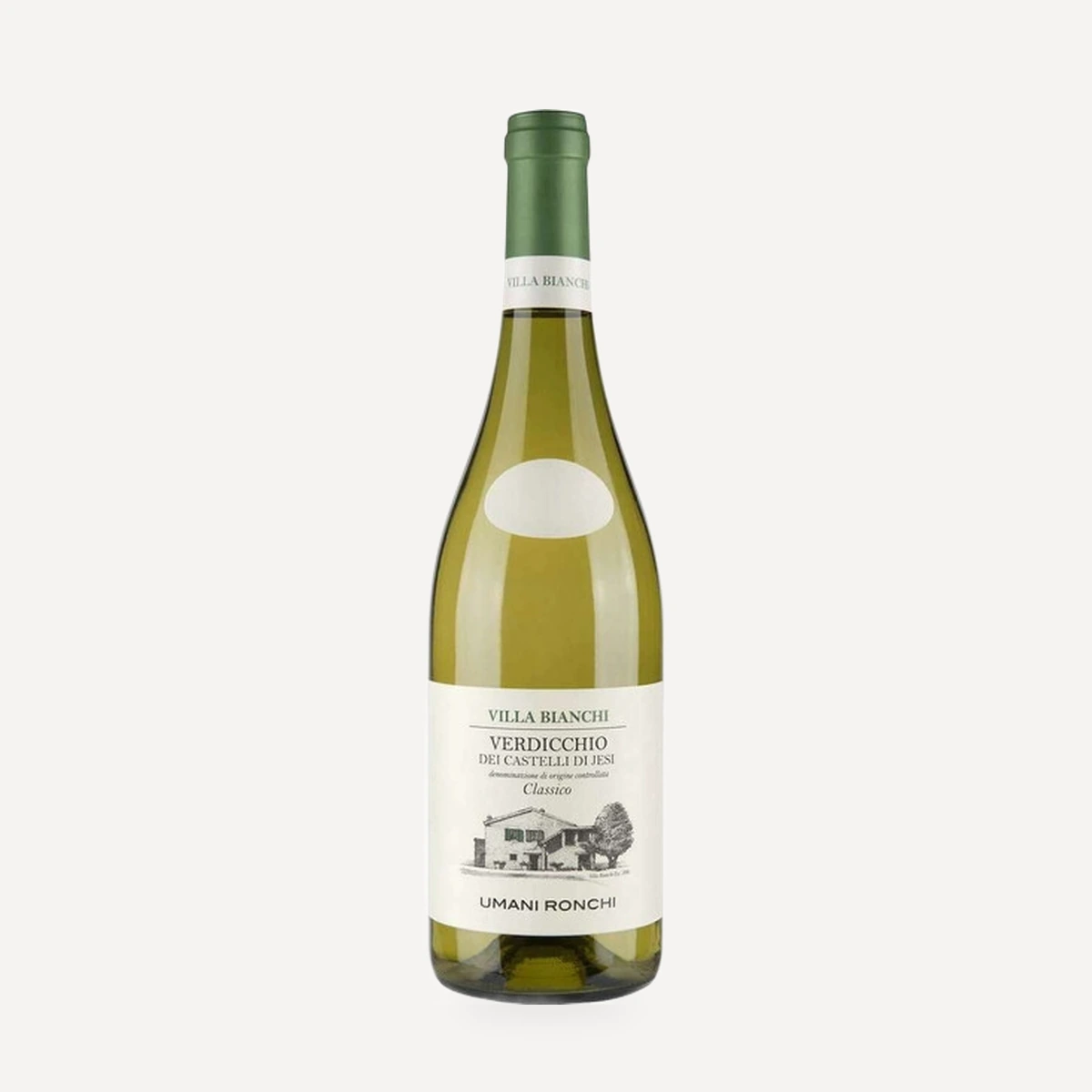
Villa Bianchi Verdicchio Classico dei Castelli di Jesi DOC
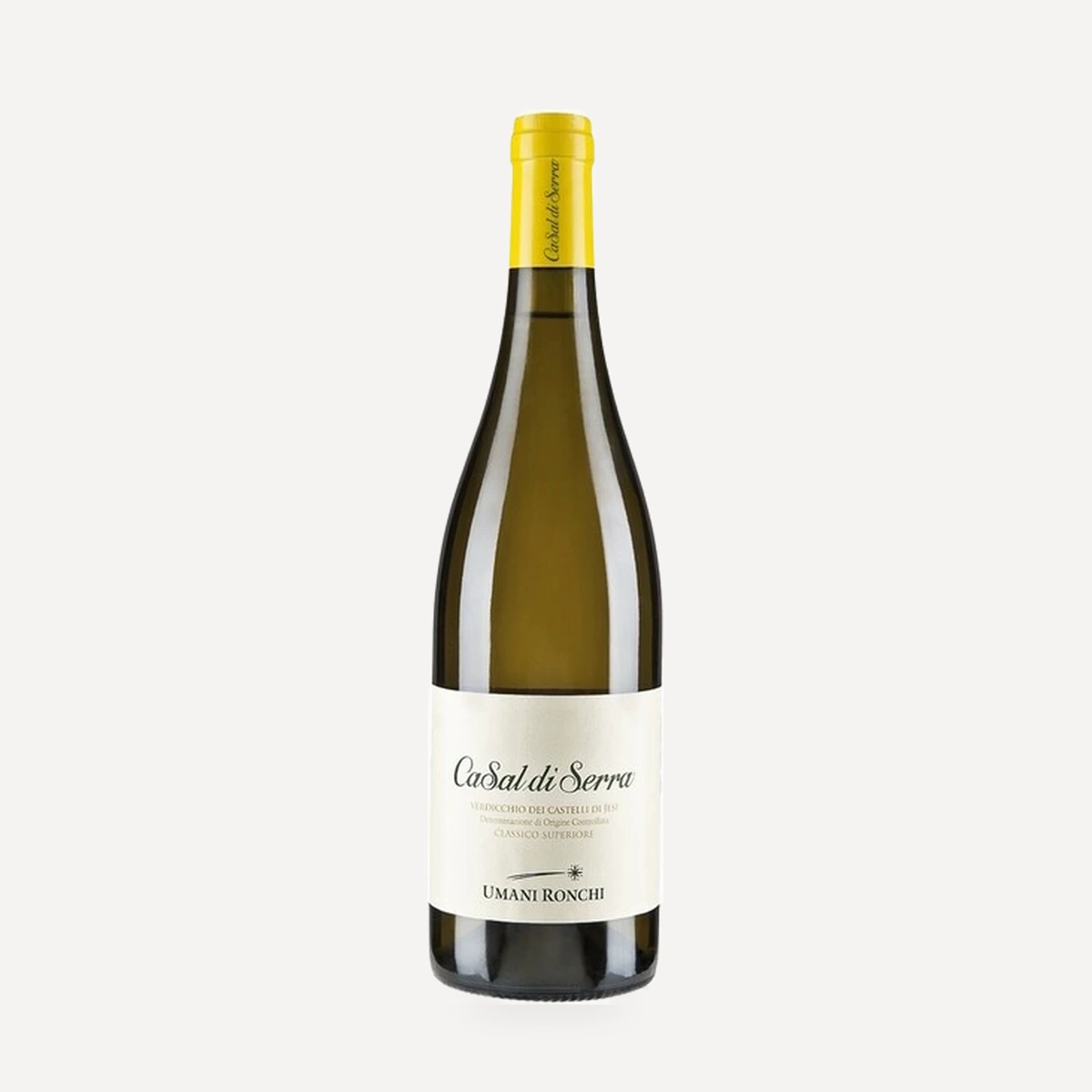
Casal di Serra Verdicchio dei Castelli di Jesi Classico Superiore DOC
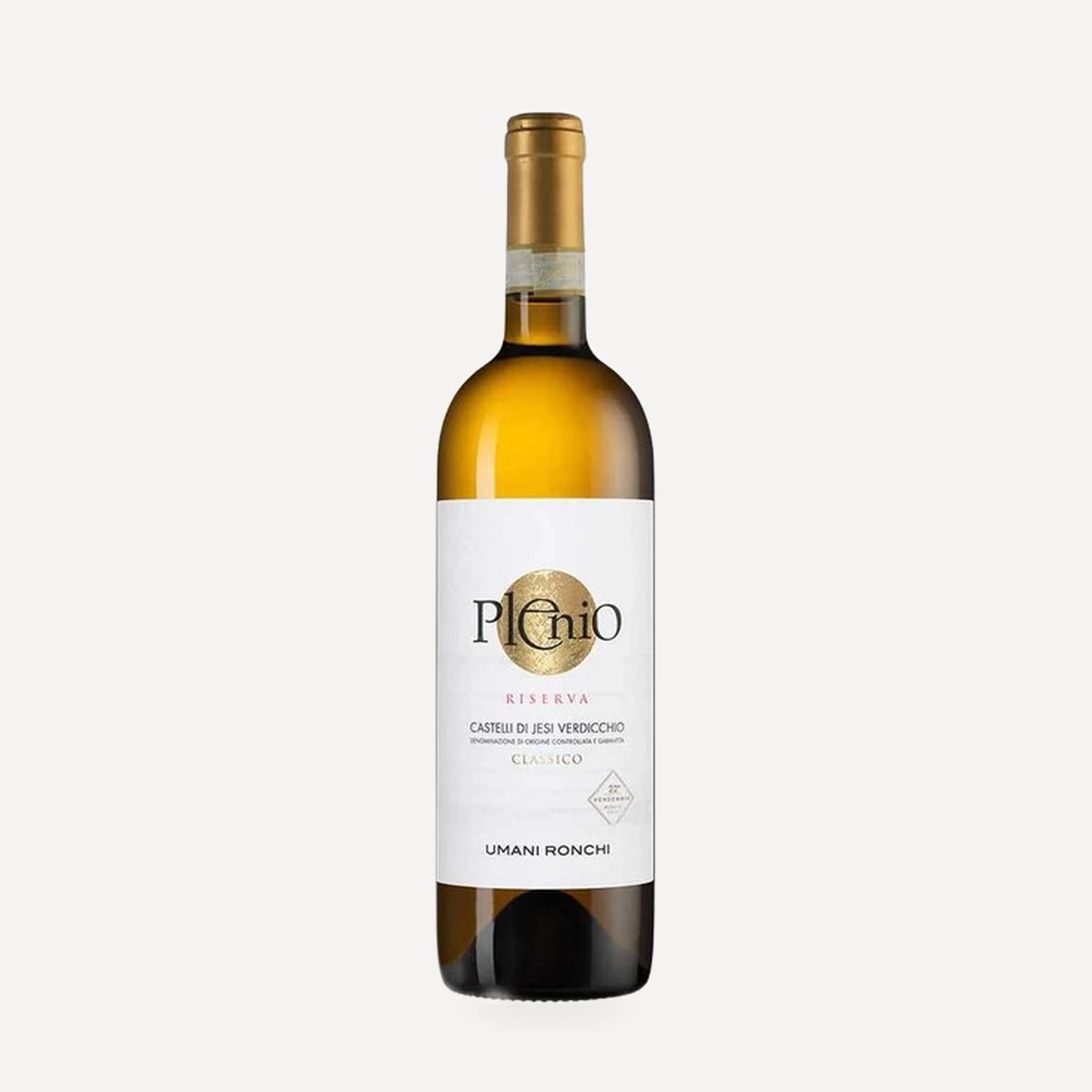
Plenio Verdicchio dei Castelli di Jesi Classico Riserva DOC
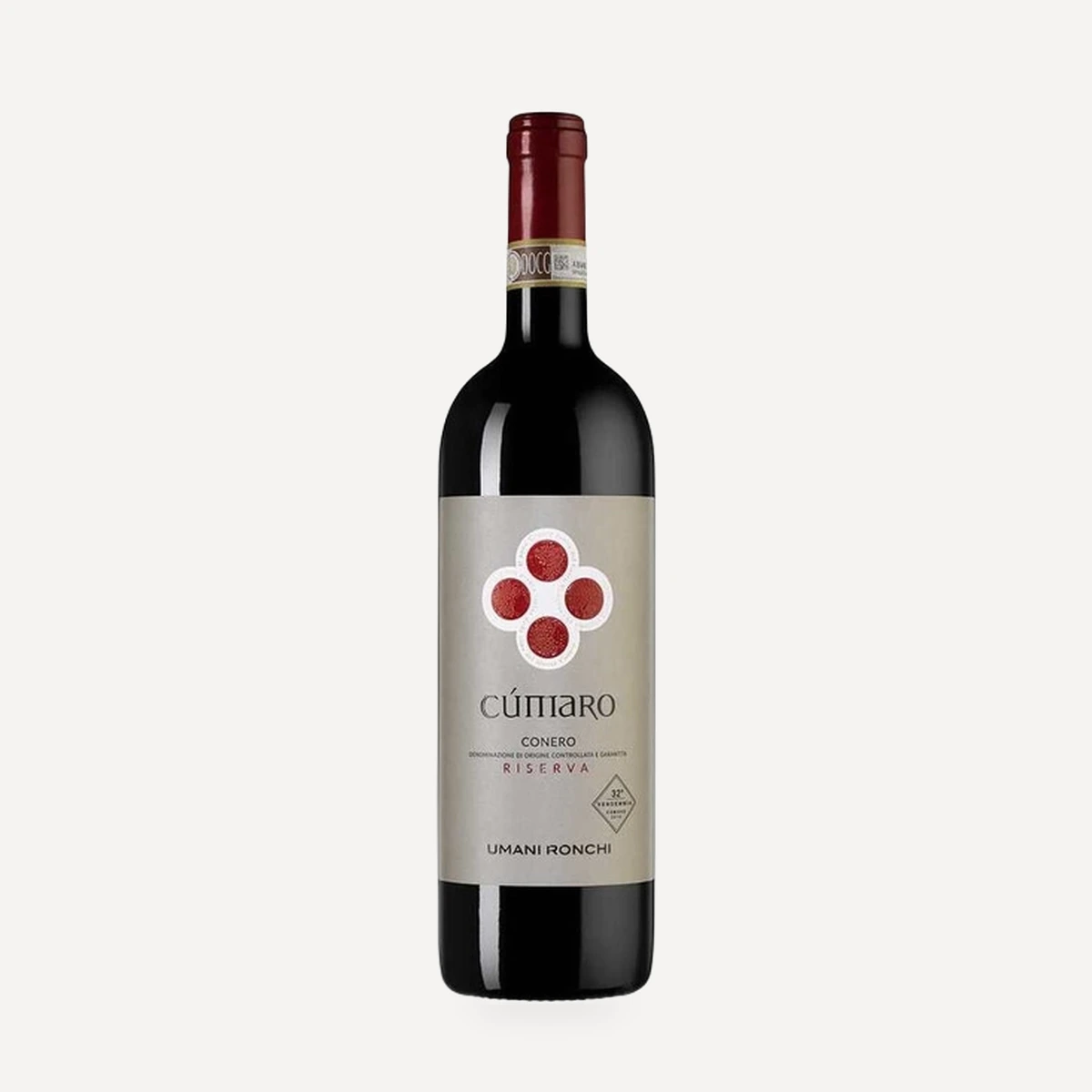
Cumaro Conero Riserva DOC
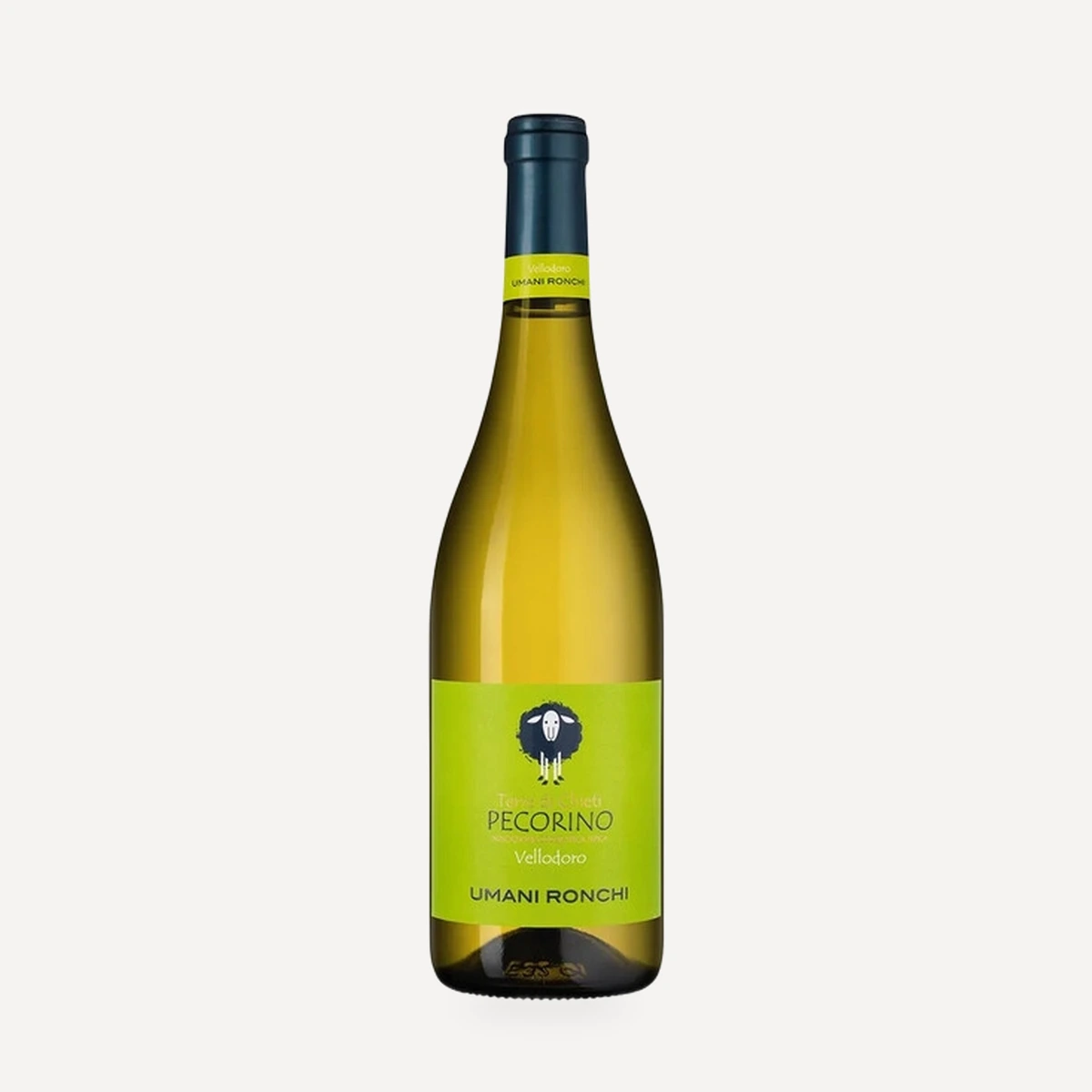
Vellodoro Pecorino Terre di Chieti IGT
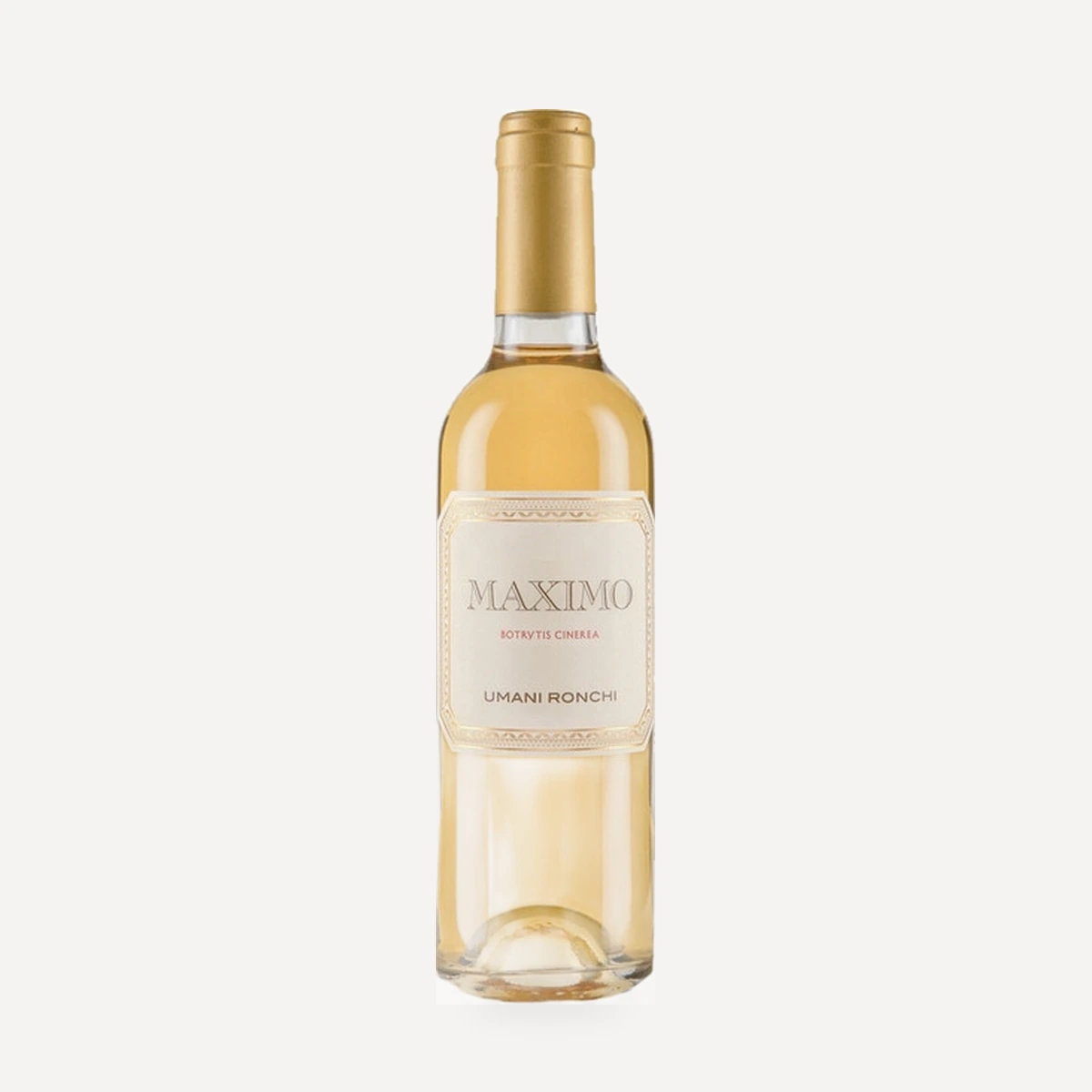
Maximo Marche IGT
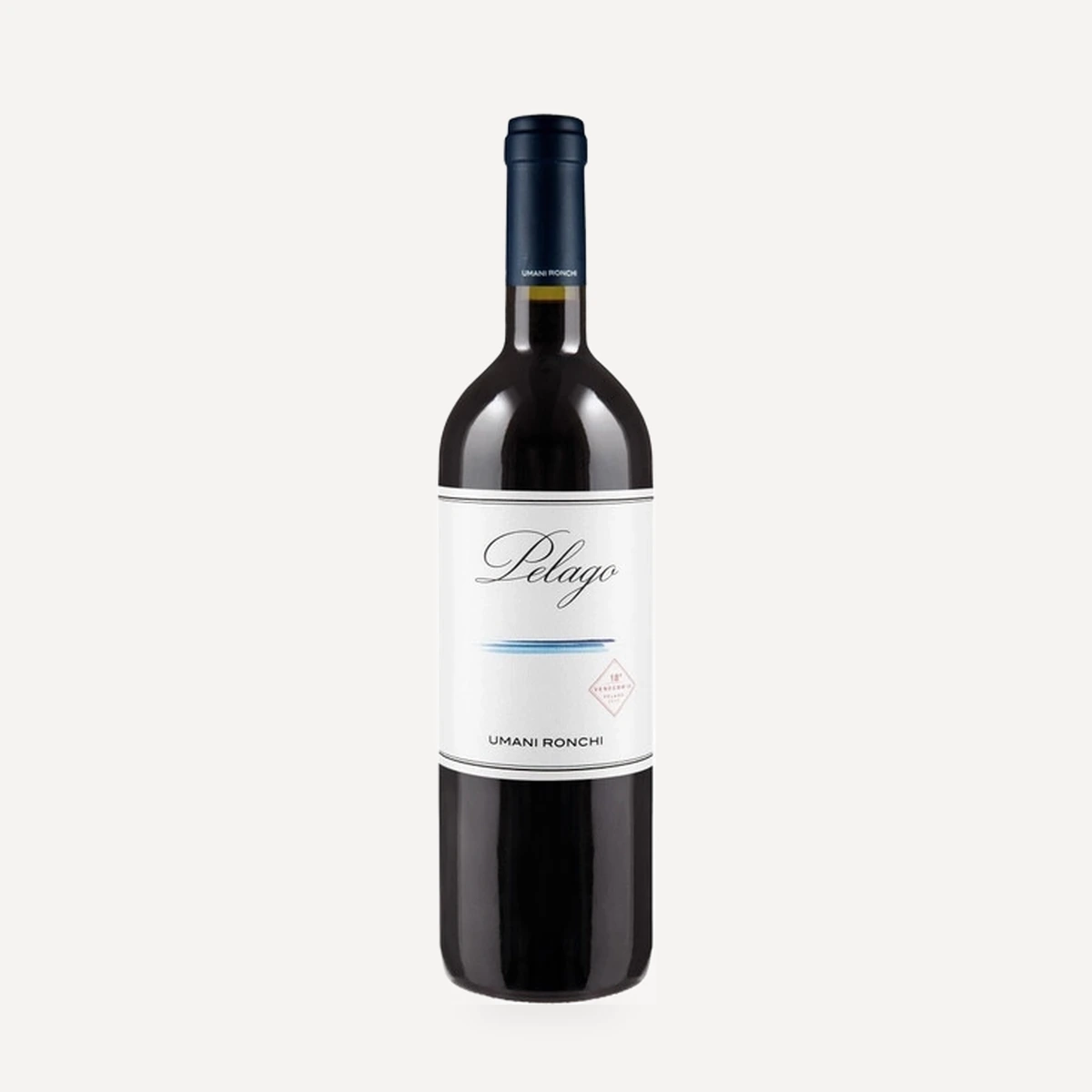
Pelago Marche Rosso IGT
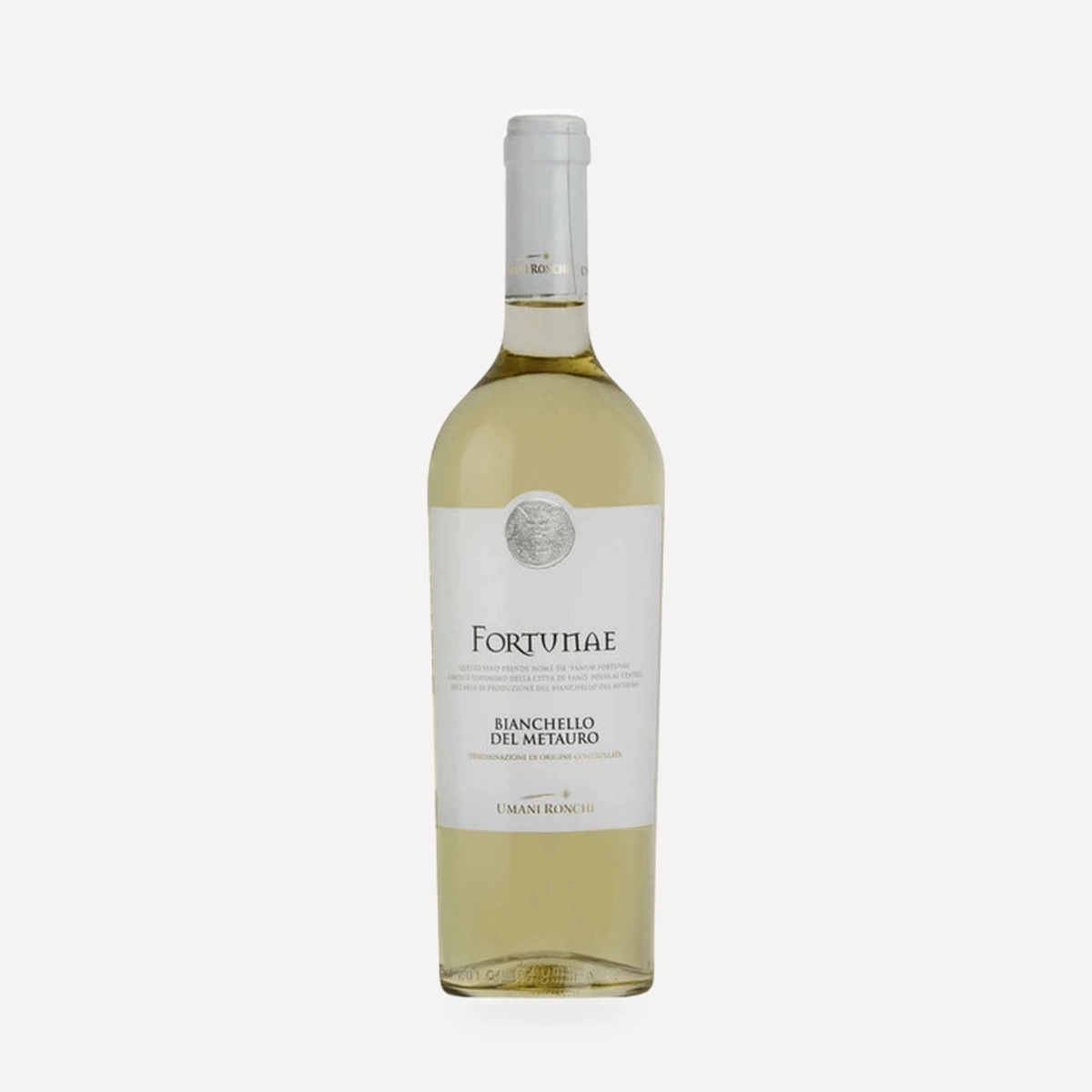
Fortunae Bianchello del Metauro DOC
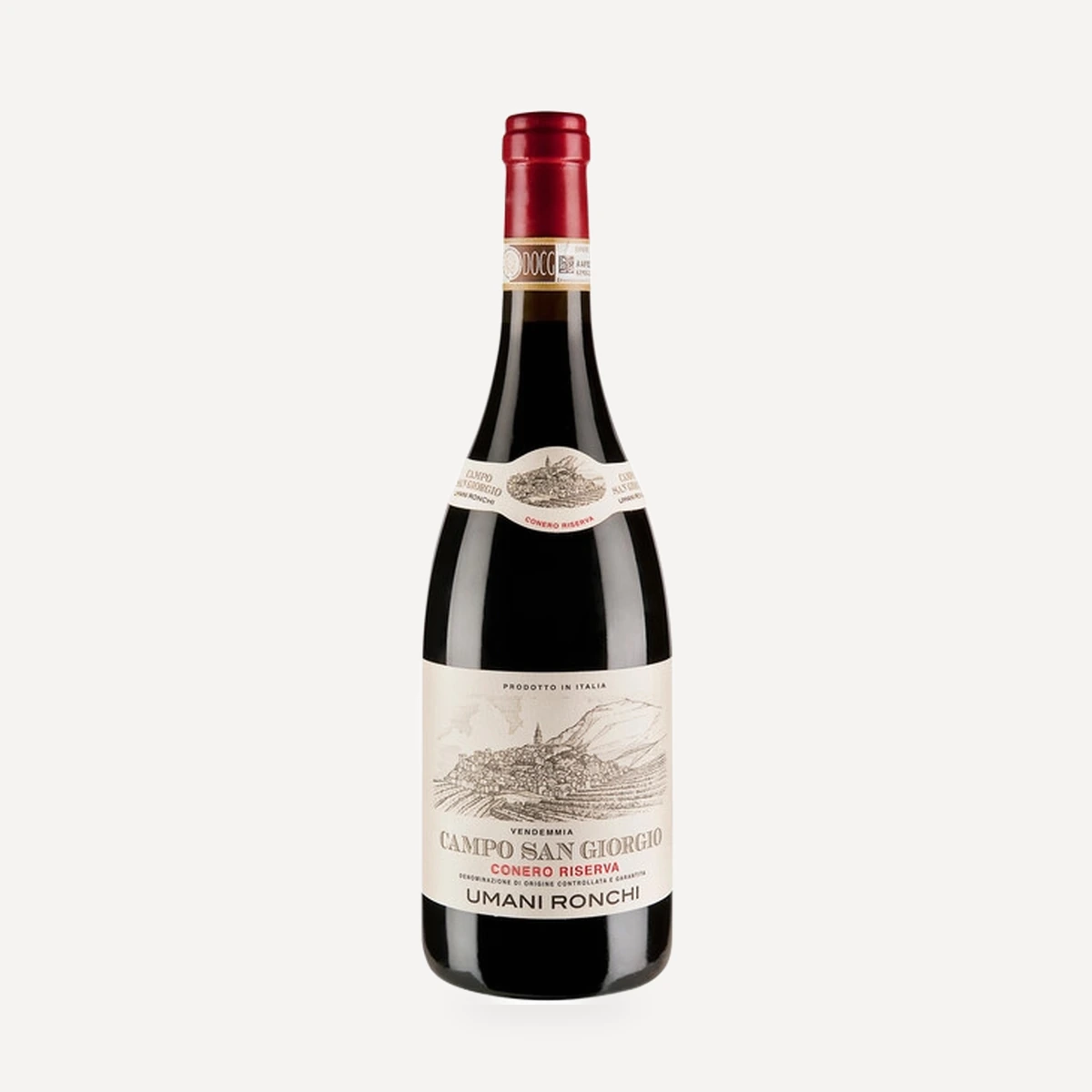
Campo San Giorgio Conero Riserva DOCG
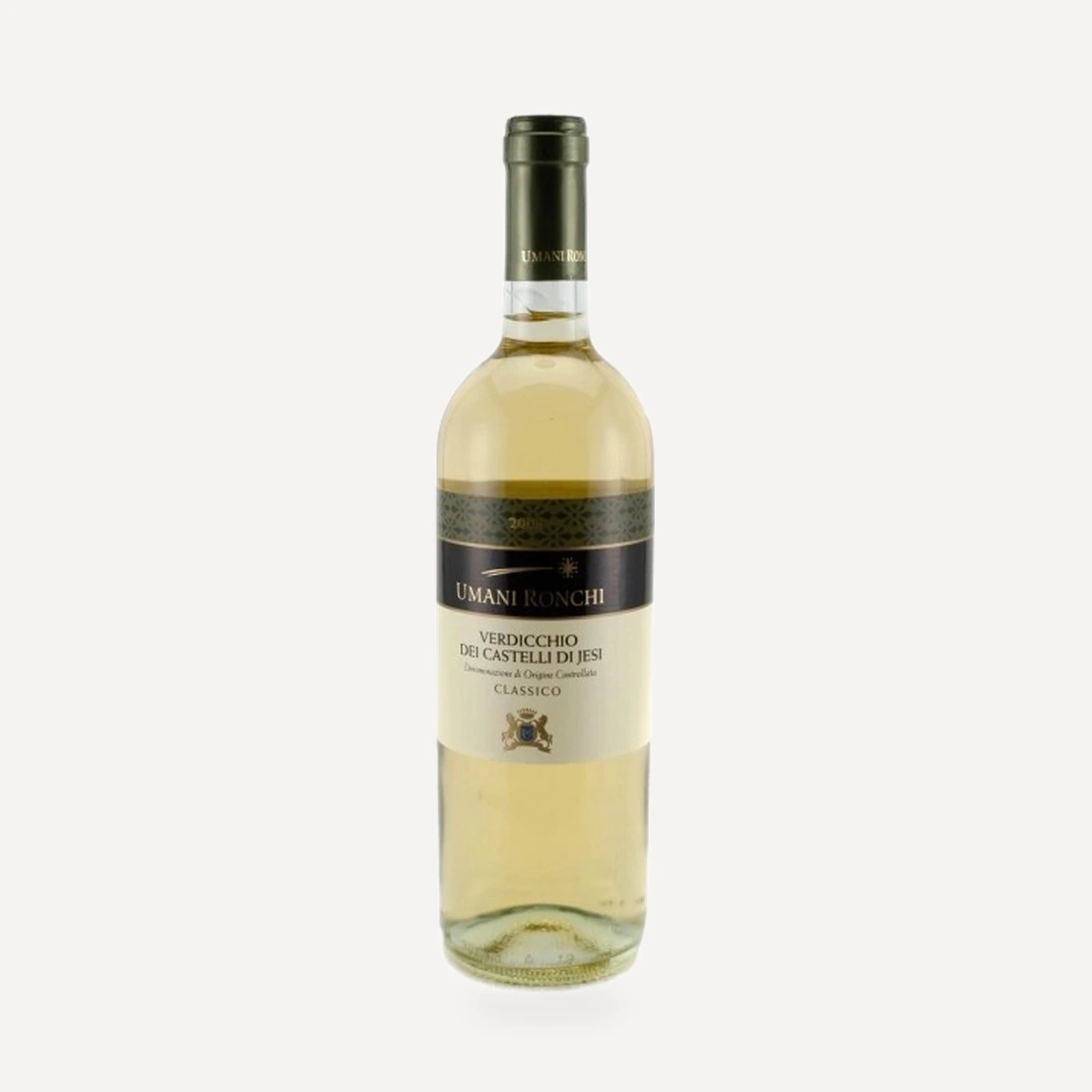
Casal dei Cavalieri Verdicchio dei Castelli di Jesi DOC
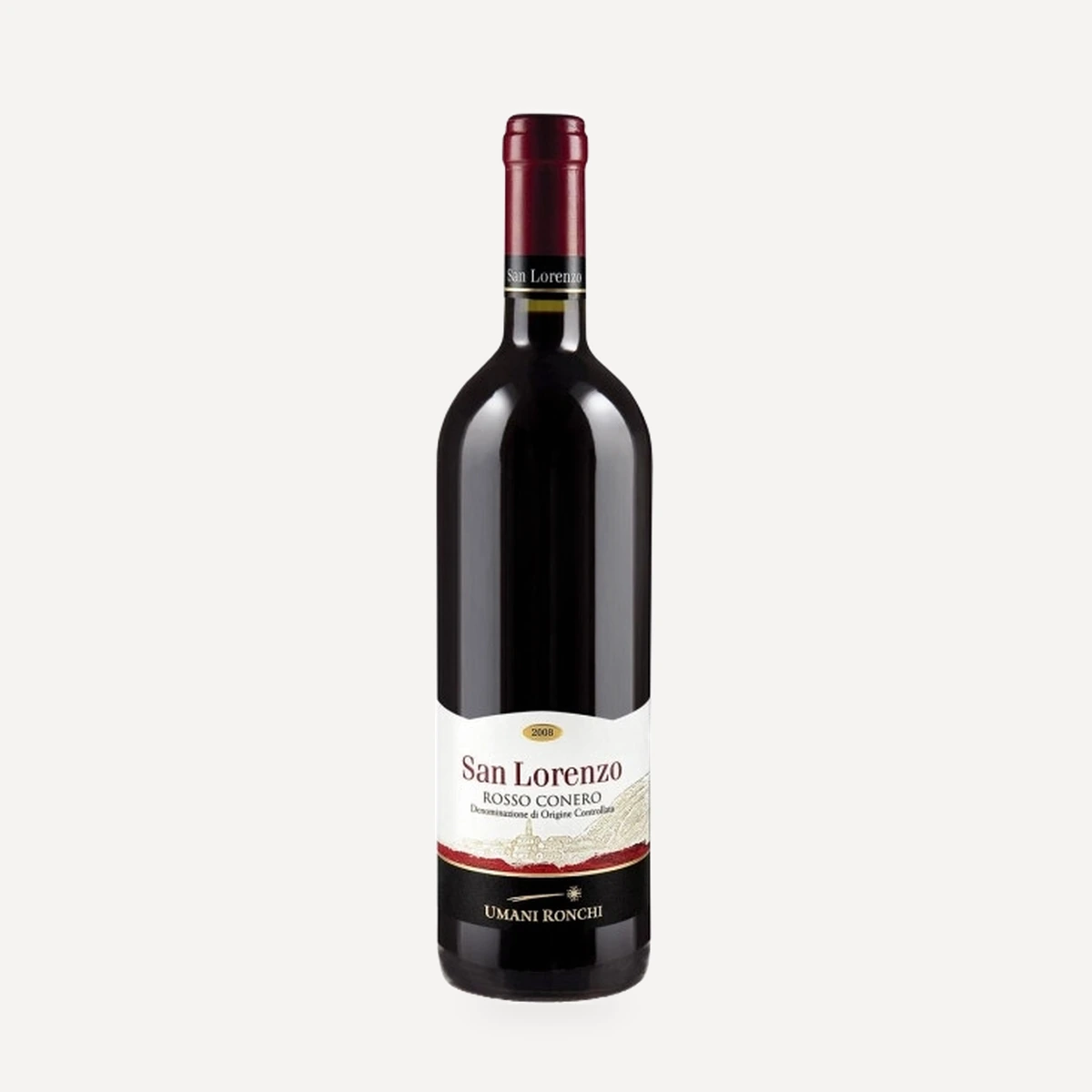
Rosso Conero San Lorenzo DOC
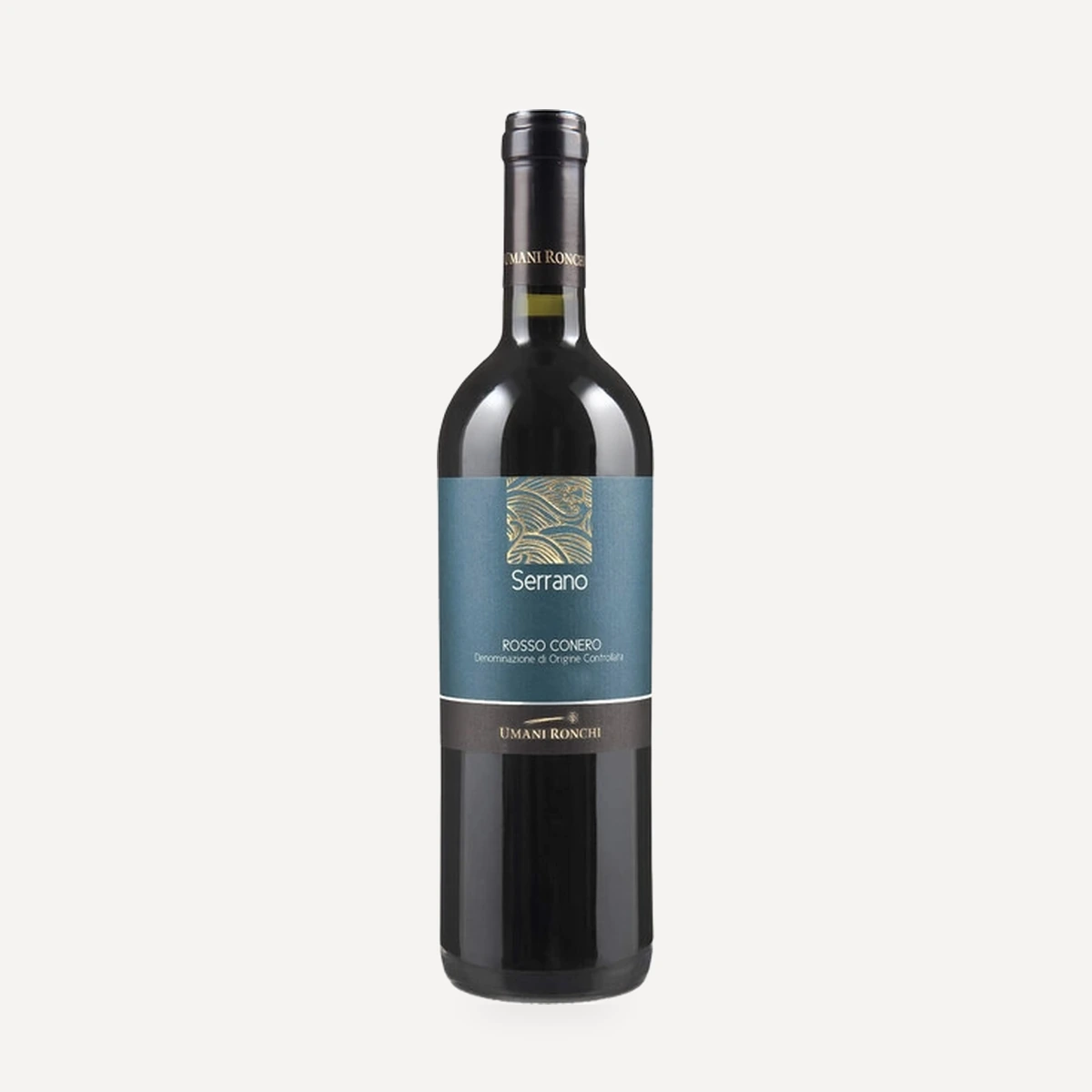
Serrano Rosso Conero DOC
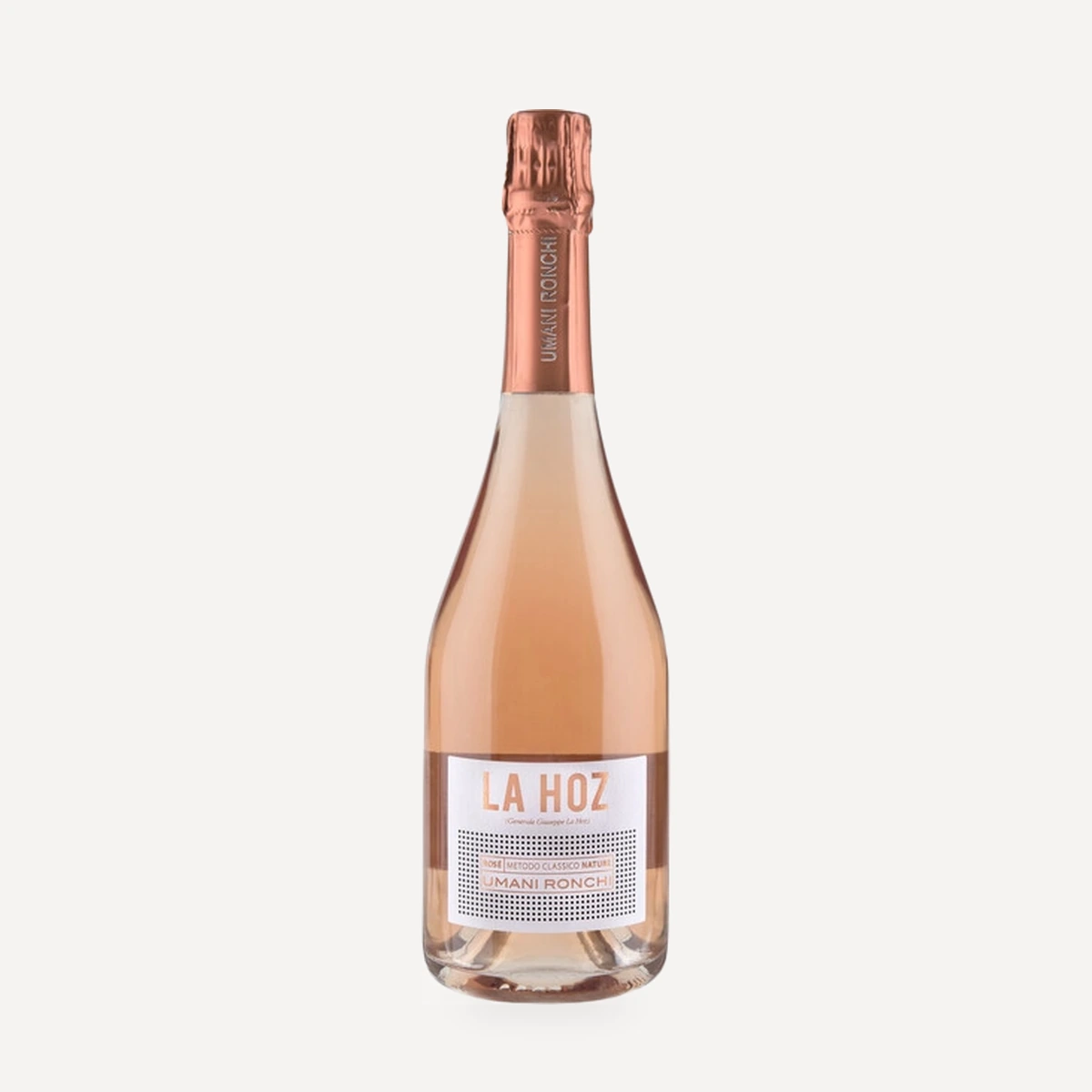
La Hoz Rosé
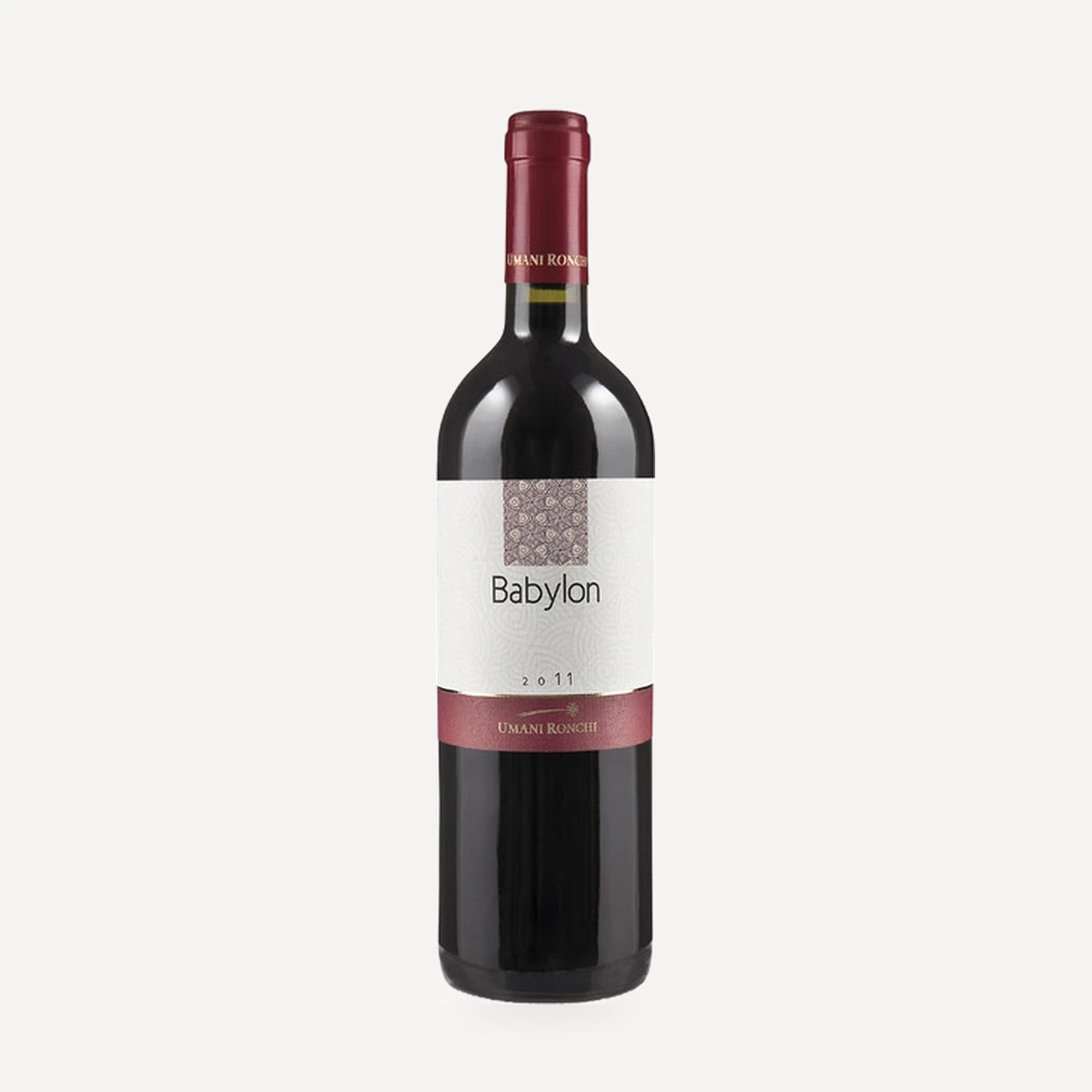
Babylon Marche IGT