Storia
A historic family property
The family has cultivated this land for generations. The estate’s oldest cellar was built more than 150 years ago, with stone walls and naturally cool conditions for storing and ageing wine.
The 1950s: Celso and the concrete vats
During the 1950s, Celso—identified as the family’s great-great-great-grandfather—purchased the enamel-lined concrete vats that remain in the underground cellar. The 3,000-litre vessels provide considerable thermal inertia and allow wine to mature in bulk under stable conditions.
Renewal of the cellar
Approximately two decades ago, the historic concrete vats were restored by the father of the family member recounting their history. A separate vinification cellar, also approximately 20 years old, brought contemporary technology into the estate’s production while the older underground spaces continued to provide naturally stable temperature and humidity.
Cascina Boccaccio today
Cascina Boccaccio now comprises 6 ha, including 4 ha of vines. The remaining land includes woodland and uncultivated ground maintained as habitat for biodiversity. Organic farming, soil vitality, natural vinification and a close connection between the vineyard and cellar define the present approach.
Roberto Porciello works as the estate’s winemaker and vine grower. Ileana Boccaccio is a co-founder and operational manager, overseeing fiscal administration, events and hosted tastings. The current family operation produces and bottles its wines at Località Pianomoglia 21 in Tagliolo Monferrato.
Terroir
Cascina Boccaccio lies at Località Pianomoglia in Tagliolo Monferrato, on the old boundary between the far edge of Monferrato and the Ligurian mountains. Its vineyards occupy a hilly landscape in the Ovada area.
The hills are exposed to the Marin wind, a defining local influence on the landscape. The vineyard description also identifies areas of “bianca terra”, or white earth, without providing a more detailed geological or mineral analysis. Each plot is worked individually and shaped gently to express its site.
Of the estate’s 6 ha, 4 ha are planted to vines. Woodland and uncultivated areas occupy part of the remaining land, creating a mixed agricultural and natural setting rather than a continuous vineyard monoculture.
Vinificazione
The vineyards are managed according to organic-farming principles, with environmental respect and soil vitality presented as central priorities. Agricultural work is intended to revitalize the ground and maintain its vigour so that it can continue to nourish the grapes, particularly Dolcetto, within their local environment.
Each plot is treated individually and worked gently to preserve its relationship with the surrounding hills. The estate deliberately leaves part of its 6 ha property as woodland or uncultivated ground; with 4 ha under vine, these non-vineyard areas form an integral part of its biodiversity strategy.
Manual harvesting in perforated crates is documented for the four-variety white cuvée. The available viticultural material does not identify a certifying organization, certification date, soil-management equipment, cover-crop regime, pruning system, disease-control products, irrigation practice, yield limits or a general sorting protocol.
Cascina Boccaccio works with two complementary cellar environments. The stone-walled historic cellar was built more than 150 years ago and provides naturally cool conditions. The vinification cellar is approximately 20 years old and introduces more recent technology into production.
The underground cellar maintains temperature and humidity naturally and is used for maturation. Its equipment includes enamel-lined concrete vats purchased by Celso in the 1950s and restored approximately two decades ago. The vats are described as 3,000-litre vessels whose concrete mass limits abrupt temperature changes. Stainless steel is also used for fermentation, while concrete serves for maturation on fine lees in at least part of the range.
The cellar’s documented techniques include skin maceration, spontaneous fermentation with indigenous yeasts, carbonic maceration, maturation on fine lees, bottle refermentation and production without filtration or clarification. These methods are applied selectively rather than presented as a single universal protocol for every wine. One red is made without added sulphites, retaining only sulphites formed naturally during fermentation.
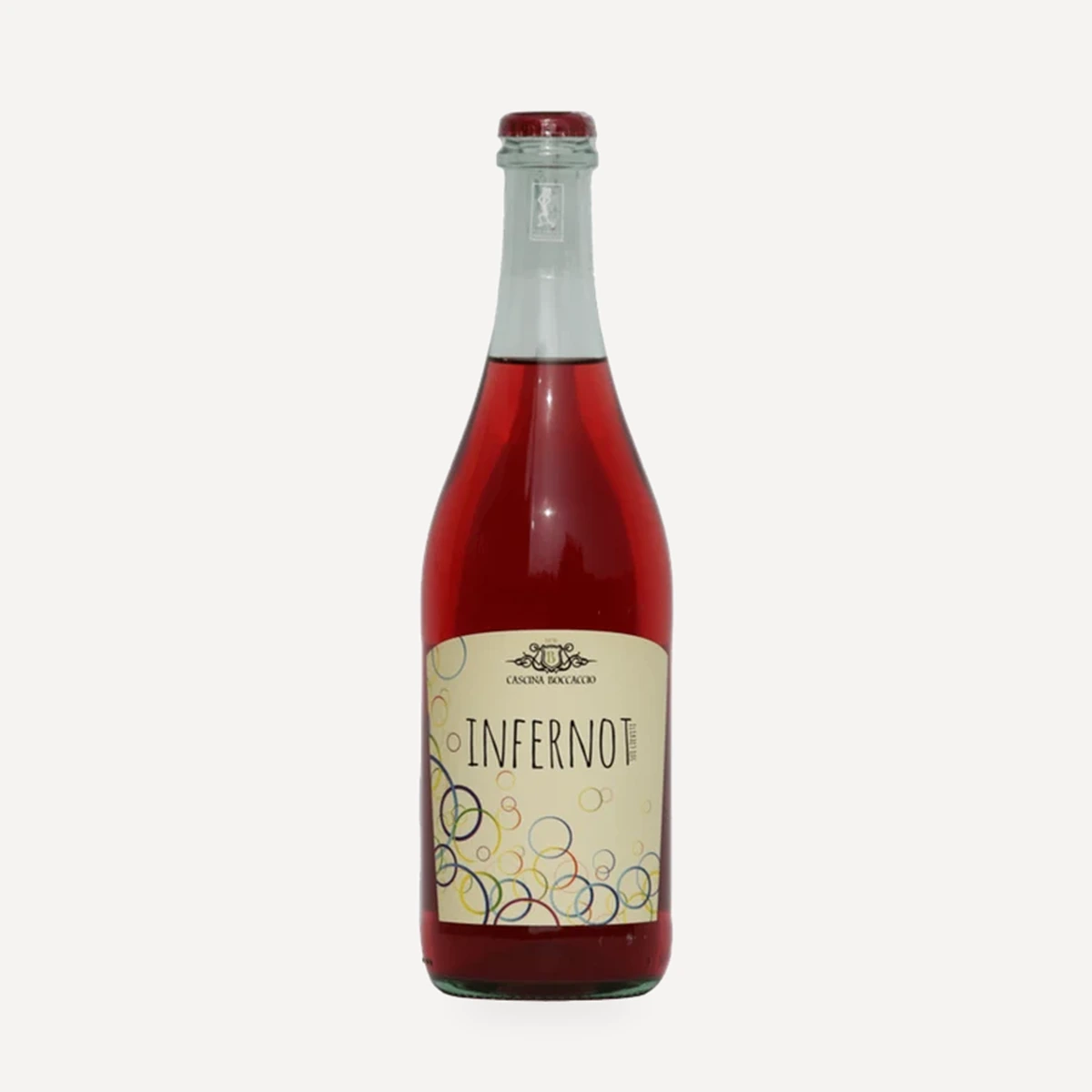
For bottling, the estate uses heavy, dark Burgundy-shaped bottles where extended ageing is intended. It has adopted Nomacork closures made from plant-derived, fully recyclable plastic. The closure’s controlled oxygen-transfer rate is used to manage bottle development; after adopting it, the estate discontinued capsules on the relevant bottlings. Bottle ageing can take place in the naturally stable underground infernot.
Filosofia
Cascina Boccaccio’s philosophy links wine quality to the continuing vitality of the soil. The ground is understood as the quiet custodian of the nourishment available to each bunch, and vineyard work is directed toward restoring rather than exhausting it.
Organic agriculture provides the practical foundation of this approach. Individual plots are handled with respect and shaped gently, while woodland and uncultivated areas are preserved as part of the farm rather than treated as unproductive space. This creates room for biodiversity within the 6 ha property.
In the cellar, the stated aim is to let the fruit and its place remain recognizable through natural vinification. Historic underground spaces and mid-20th-century concrete vats are retained alongside a more recent vinification cellar, presenting tradition and technology as complementary tools. Methods vary by cuvée and include indigenous fermentation, skin contact, concrete and fine-lees ageing, carbonic maceration, bottle refermentation, unfiltered bottling and, in one case, no added sulphites.
Vini
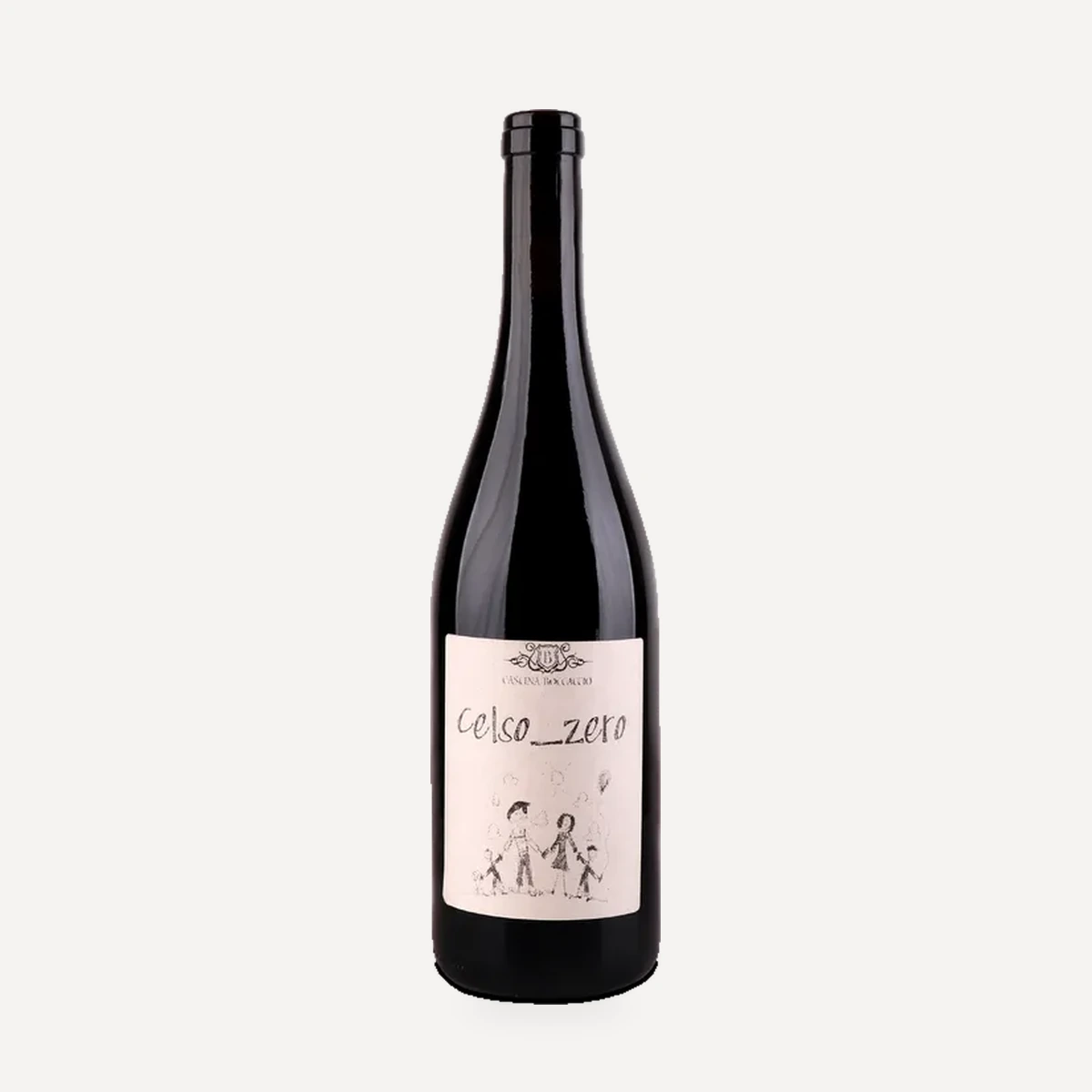
Celso_Zero
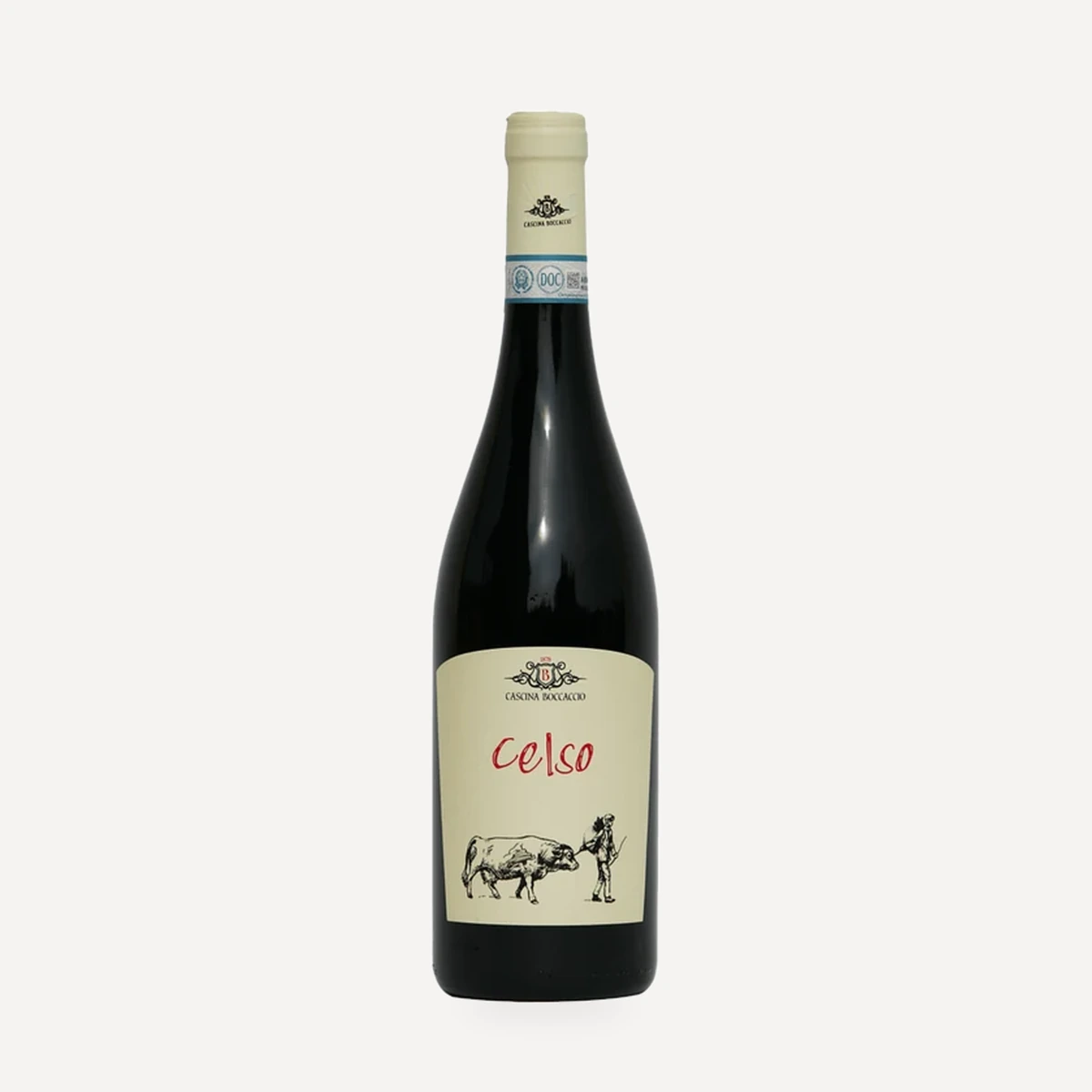
Celso 2023
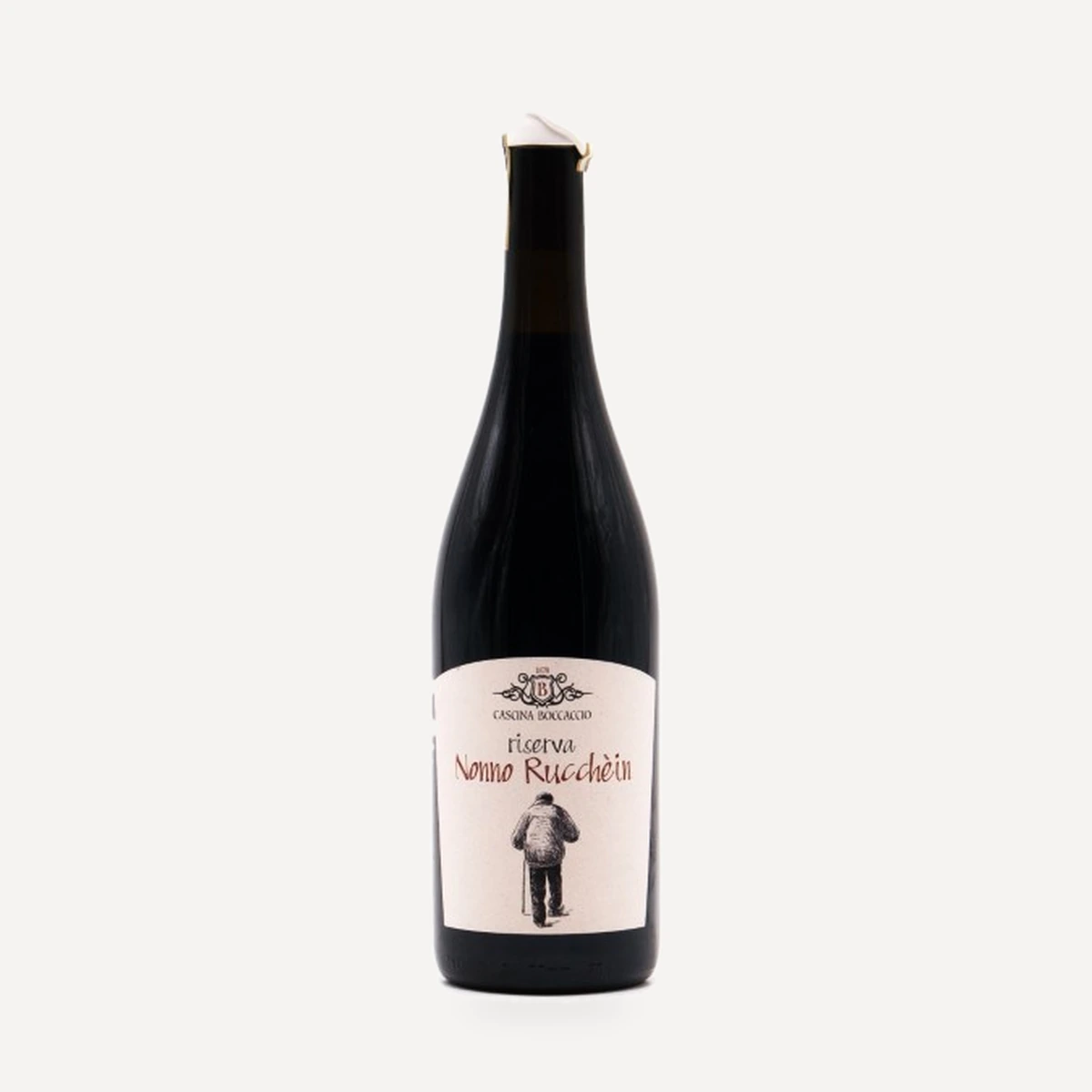
Nonno Rucchèin 2016
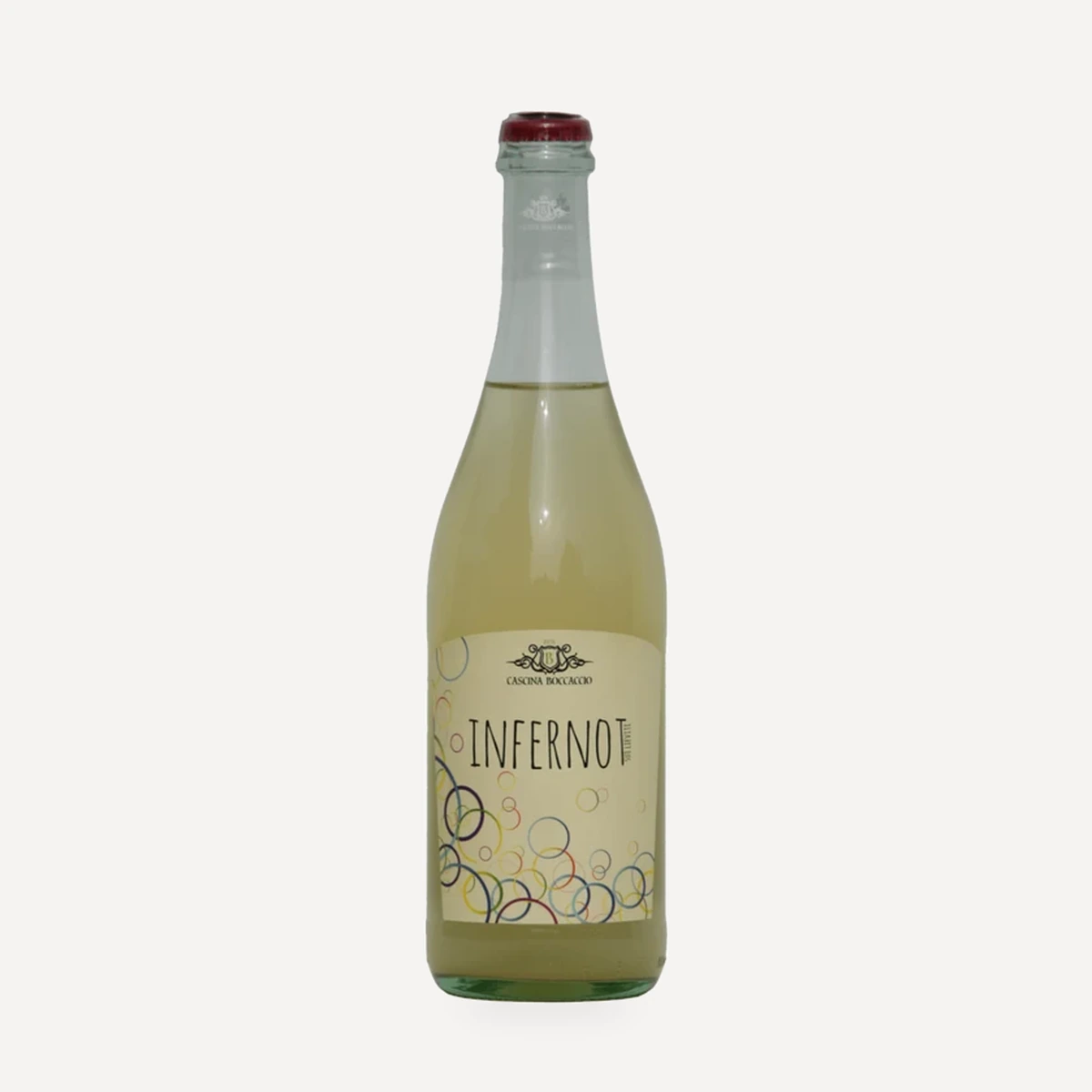
Infernot Bianco