Storia
The paths to Alta Langa
The three founders arrived in Alta Langa by different routes. Filippo is from Rome and brought previous winemaking experience acquired in the Tuscan hills. Peter and Elaine came from New York. They found a shared home in this quiet, rural setting and joined forces to create the estate.
2020 — The creation of Cascina Elena
Filippo, Peter and Elaine established Cascina Elena together in 2020. The project combined winegrowing with the recovery of an existing agricultural landscape: small vineyard plots, surrounding woodland and old dry-stone walls. The founders worked to retain and restore the walls rather than replace a feature already embedded in the hillside.
Establishing the winery
The purpose-built winery was designed by BRH+ and constructed by a network of local companies. Its prefabricated, fully recyclable steel structure shortened the construction schedule, allowing the building to be completed in eight months. Simple geometric forms and an absence of superfluous decoration were chosen to keep attention on wine and agricultural work.
The building was conceived around local and environmentally responsible materials, low maintenance and eventual recoverability or recycling. Its light-brown terracotta façade uses a horizontal pattern recalling the layered appearance of sedimentary rock. Wood fibre, hemp and cork panels provide natural insulation. Photovoltaic panels supply renewable energy, while rainwater is recovered to reduce water consumption. A large window in the tasting room visually connects the interior with the vineyards and surrounding terrain.
A broader cultural and hospitality project
Cascina Elena subsequently developed activities beyond wine production. Vinaccia, a cultural association based in the Alta Langa woods, was formed to connect local places with the people who live in them. An abandoned, bramble-covered terrace in the estate's woodland was cleared during an unusually warm winter; its underlying form became a natural amphitheatre and a stage intended for young artists, encounters and exchange between different arts and territories.
The estate also opened its house to guests and developed vineyard and cellar visits, regional food tastings, woodland picnics, truffle hunting and other experiences rooted in the surrounding landscape.
Terroir
Cascina Elena lies in Alta Langa, with vineyards at elevations above 500 metres. The vines occupy small pockets of cultivable land within a landscape of woodland and old dry-stone walls.
The soils contain marl and limestone. More clay-rich brown veins run perpendicularly across the hillside, while sand dominates in some sections, preserving evidence of the land's submerged geological past. White soils rich in sand and limestone are associated with some of the Moscato plantings. A Freisa vineyard in the territory of Camo lies at approximately 500 metres.
Woodland encircles the vineyards, providing physical protection and reinforcing biodiversity. The dry-stone walls are both a distinctive landscape feature and part of the inherited structure of the hillside; they have been preserved through restoration.
Vinificazione
Cascina Elena follows the principles of organic farming. Its approach centres on learning how to farm in the specific conditions of Alta Langa, respecting the site and avoiding disruption of the inherited landscape.
The vineyards occupy small, discontinuous pockets of land, making predominantly manual work a practical necessity. Existing dry-stone walls have been retained and restored. The surrounding woods are treated as part of the agricultural ecosystem: they shelter the vineyard area and act as a reservoir and amplifier of biodiversity.
Cascina Elena's production is directed toward carrying the character of its terroir into the bottle without corrective manipulation. The wines are presented as unfiltered and as transparent expressions of individual vintages, including each year's strengths and difficulties.
Methods used across the range include spontaneous fermentation, destemming, white-wine vinification and extended skin contact. Steel is employed for fermentation and maturation; concrete tanks are used for red-wine fermentation and ageing; terracotta amphorae permit long maceration under a submerged cap followed by maturation in the same vessels; and wood includes third-use barriques. Some wines are assembled after separate maturation in concrete, steel and wood.
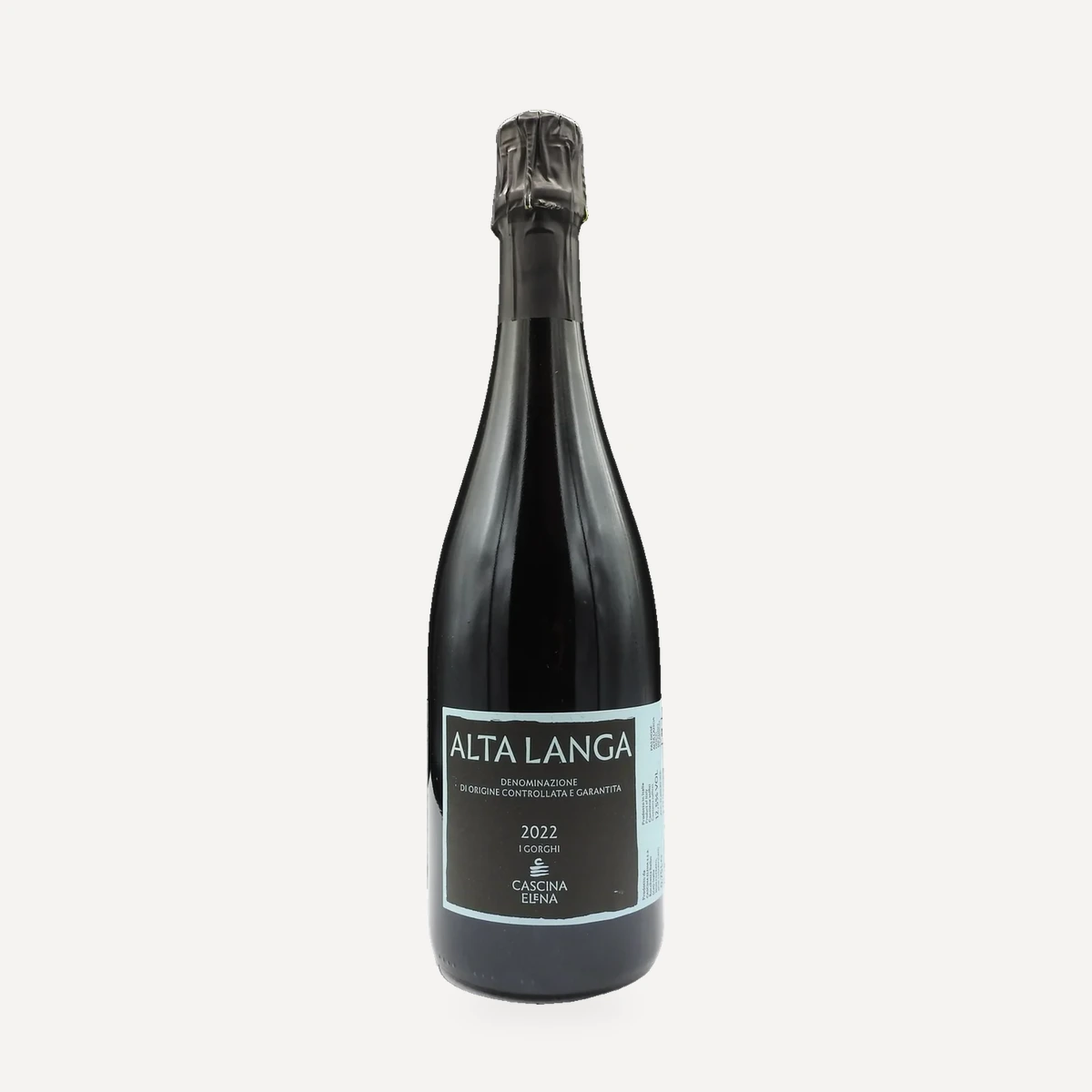
Naturally refermented sparkling wines undergo spontaneous primary fermentation and rest in steel through winter. Fermenting Chardonnay must is added in late April before bottling for the prise de mousse. Other cellar practices include a 15-day skin maceration followed by 12 months in steel, a 90-day amphora maceration under a submerged cap followed by one year in amphora, and sequential maturation in third-use barriques and steel. The Alta Langa DOCG is made without dosage.
Filosofia
Cascina Elena's stated aim is to place terroir in the bottle without faults or corrections. The wines are intended to remain direct, truthful and unfiltered, with each vintage retaining its own balance of favourable and difficult conditions.
In the vineyard, this translates into organic farming, close observation and a deliberately modest posture toward the land. The founders seek to understand how agriculture should be practised in this particular place and time, without presuming to impose a fixed model or overturn the original landscape. Restored dry-stone walls, predominantly manual work and the preservation of surrounding woodland reflect that principle.
The same outlook shaped the winery building. Simple architecture, local and environmentally responsible materials, renewable energy, water recovery and visual continuity between tasting room and vineyard make the building part of the agricultural setting rather than a separate monument.
Vini