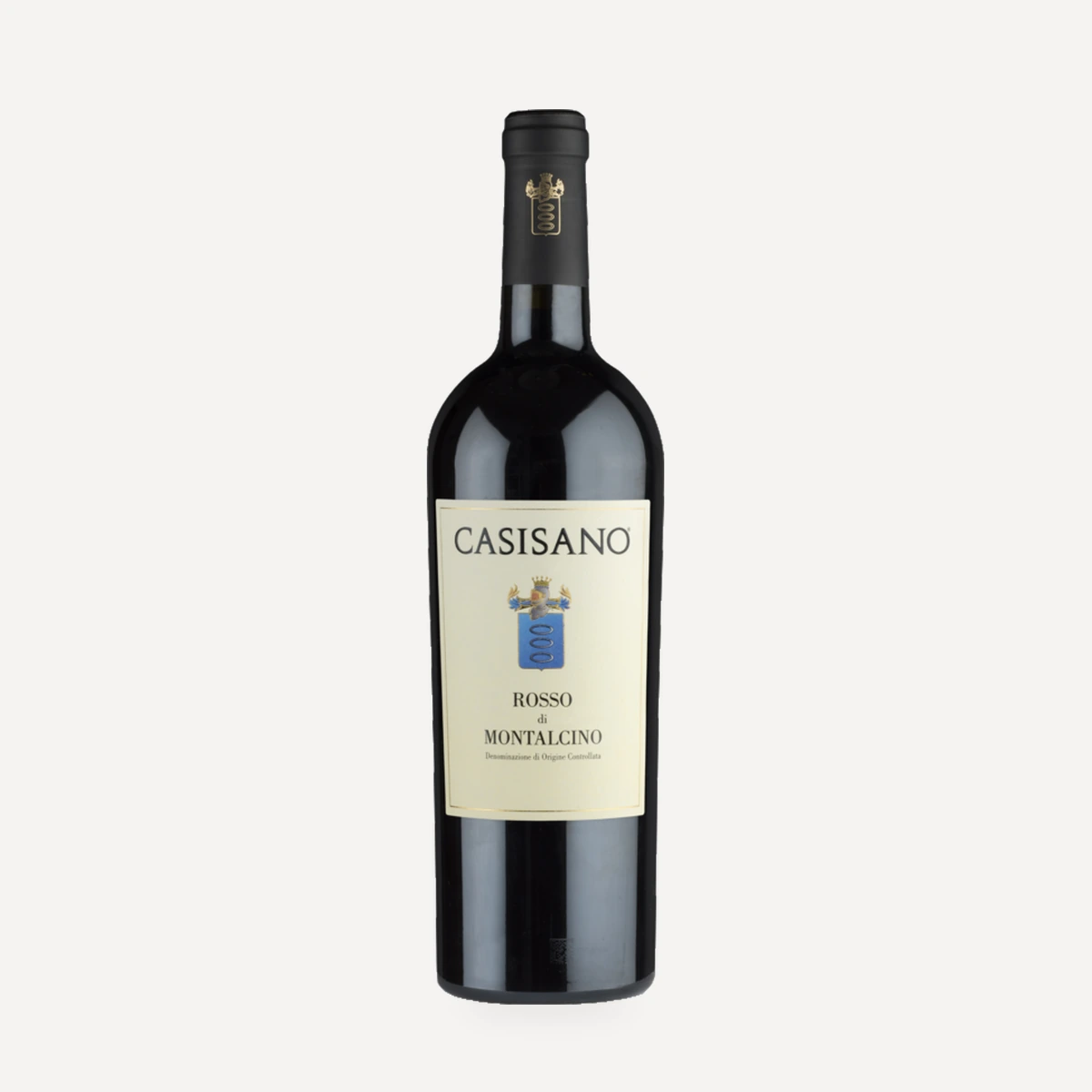
Storia
Foundation
Casisano was founded in 1990 in the hills southeast of Montalcino. The estate occupies an elevated natural terrace surrounded by vineyards, olive groves and old woodland.
The Tommasi Family Estates project
In 1997, the fourth generation entered the Tommasi family business, whose origins are in Valpolicella Classica near Verona. This marked the beginning of the wider Tommasi Family Estates project.
After a prolonged search among the Tuscan hills for a property suitable for a quality-focused Montalcino venture, the Tommasi family entered Casisano in 2015. The acquisition was presented as the culmination of the family’s multi-estate project.
Development under the Tommasi family
The new phase concentrated on detailed vineyard management and close technical collaboration between consultant oenologist Emiliano Falsini and technical director Giancarlo Tommasi. Their work extended from choices in vinification to the selection of maturation woods. New vineyards were also planted with selected Sangiovese clones.
The estate’s direction has been to preserve Montalcino’s identity while developing the particular potential of Casisano’s altitude and geographical position. Finesse, elegance and freshness form the stylistic objectives of the project.
Terroir
Position and elevation
Casisano lies on a natural terrace at 480 metres above sea level in the hills southeast of Montalcino, facing Sant’Angelo in Colle and the Abbey of Sant’Antimo. The property is surrounded by vineyards, olive groves and century-old woodland. The broader estate is described as having a favorable southwest exposure, while the nine hectares dedicated to Brunello include south-east-facing vines.
Elevation extends the growing season, giving Sangiovese Grosso time to develop aromatic complexity without overripening. Casisano is among the later properties to harvest in Montalcino. Differences in elevation, soils and vine age broaden the range of aromatic expressions across the estate.
Winds and microclimate
Cool northerly winds meet mild maritime breezes from the southwest, producing pronounced day-to-night temperature variation. The microclimate is dry and well ventilated. Constant air movement supports acidity and structure while naturally reducing the pressure from mould and grape pests. Within southeastern Montalcino, the proximity of Mount Amiata also brings a refreshing influence that offsets warm daytime conditions with substantially cooler nights.
Soils and drainage
Galestro is a defining component of the soils, accompanied by schistous clay, lime and abundant stones. The generally clay-rich composition and the slopes provide natural drainage. Vine roots can descend approximately 3.0–4.6 metres below the surface, drawing additional aromatic character from the galestro. These soil and climatic conditions are associated with minerality, salinity, freshness and an interplay of fruit structure and acidity.
Vinificazione
Casisano’s vineyard work is organized parcel by parcel. Soil characteristics, exposure and the intended wine determine how each site is monitored and managed. Targeted agronomic work seeks a balanced relationship between vegetative growth and fruit, full grape ripeness and strong aromatic, color, sugar and overall organoleptic development while maintaining harmony with the local ecosystem.
The entire vineyard area is planted to Sangiovese Grosso and trained to cordon spur. New vineyards have been established with selected Sangiovese clones. Average yields are 7,000 kg/ha, and planting density ranges from 4,000 vines/ha to 5,000 vines/ha in the oldest sites.
The elevated position lengthens the ripening season and makes Casisano one of the later estates to harvest in Montalcino. Persistent winds generate marked temperature variation and help limit mould and grape pests naturally. Grapes are selected and harvested by hand.
Vinification takes place in stainless-steel tanks and truncated-conical wooden vats. Fermentations use the native yeasts present on the grapes and are conducted under temperature control. Long contact with the skins is favored to extract the grapes’ desirable components while retaining the identity of Sangiovese.
The wines mature in large Slavonian oak casks. This choice anchors the cellar’s work in the classical tradition of Montalcino while supporting a contemporary interpretation centered on finesse, freshness and the natural character of the fruit. Emiliano Falsini and Giancarlo Tommasi evaluate vinification choices and maturation woods through continuing tastings and technical comparisons.
Filosofia
Casisano’s philosophy is to safeguard the prestige and identity of Montalcino while expressing the full potential of the estate’s particular altitude and position. The intended stylistic common ground is finesse, elegance and freshness.
In the vineyard, quality is understood to begin with excellent fruit. Management is therefore adapted to each parcel, with the aim of balancing vegetation and production while keeping the vines in harmony with the surrounding ecosystem.
Emiliano Falsini’s stated approach respects the raw material, the distinguishing features of the territory and the estate’s identity. He interprets traditional oenology through a modern, non-invasive perspective, placing the vine and its territory at the center and seeking elegant, fresh and highly drinkable wines. Large Slavonian oak casks embody the same balance between Montalcino tradition and a contemporary vision.
Vini
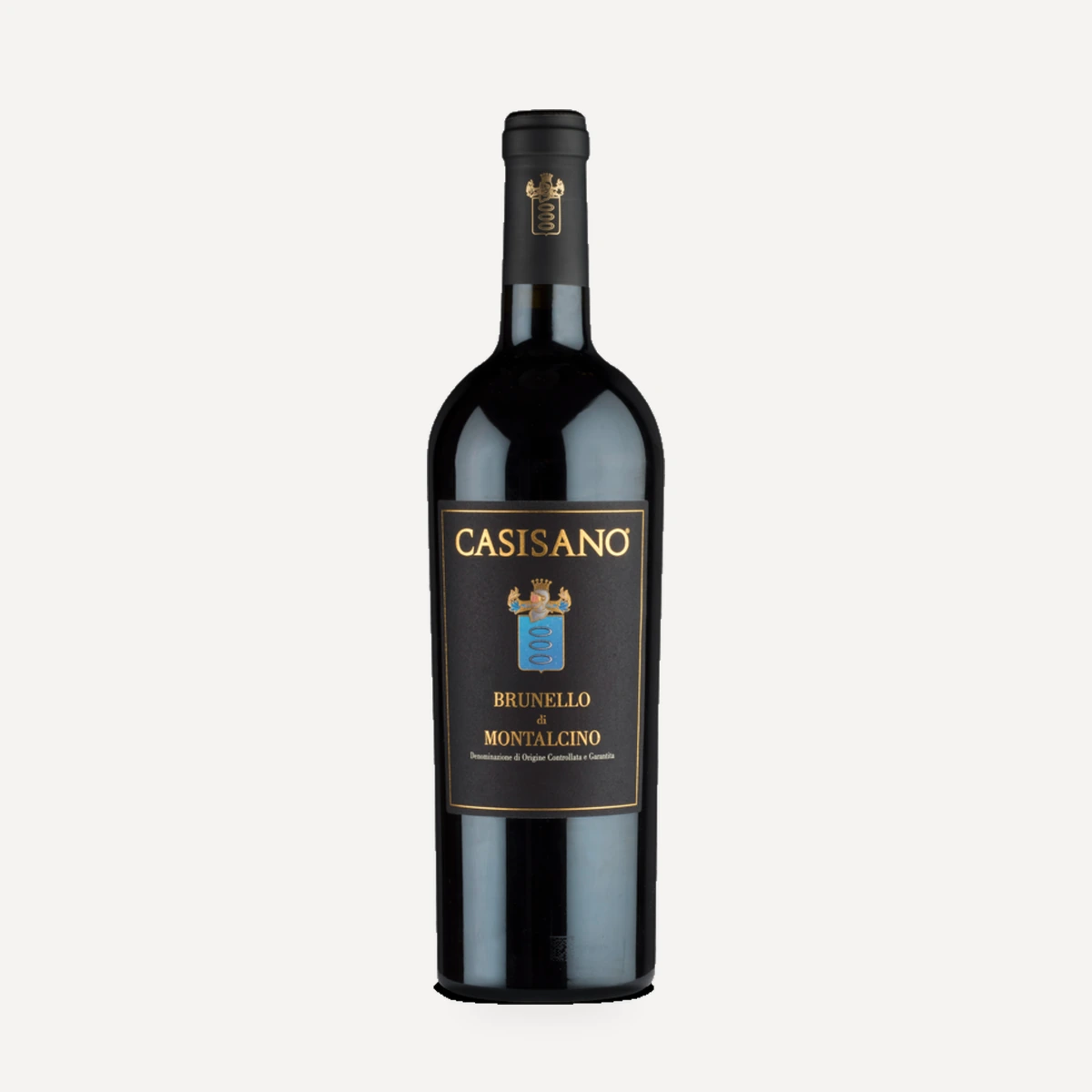
Brunello di Montalcino DOCG
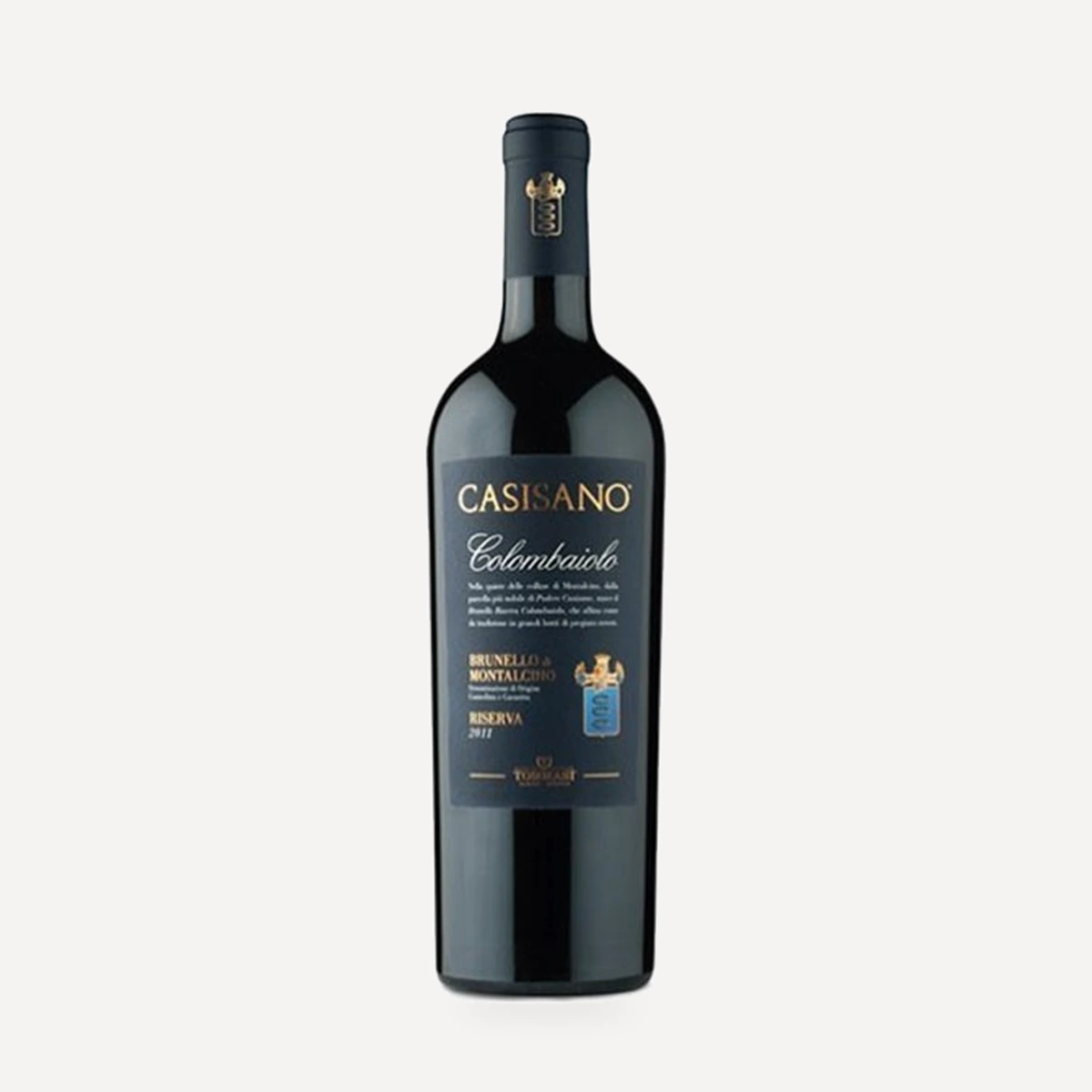
Colombaiolo Brunello di Montalcino DOCG Riserva