Storia
Origins in the 16th century
The estate’s agricultural history dates to 1500, when its oldest surviving olive trees were planted. From that century onward, the land surrounding Castelluccio Amerino passed through the hands of several local patrician families as a feudal property. Farming, pruning, harvesting and processing have therefore shaped the landscape for roughly five centuries.
Castelluccio Amerino formed part of a chain of fortifications built at strategic points to control the Umbrian valleys crossed by routes leading south to Rome. The fortification overlooks the valley historically known as the Valle delle Regine, between Narni and Amelia; this landscape gave the estate its present name.
Merlot and the historic vineyards
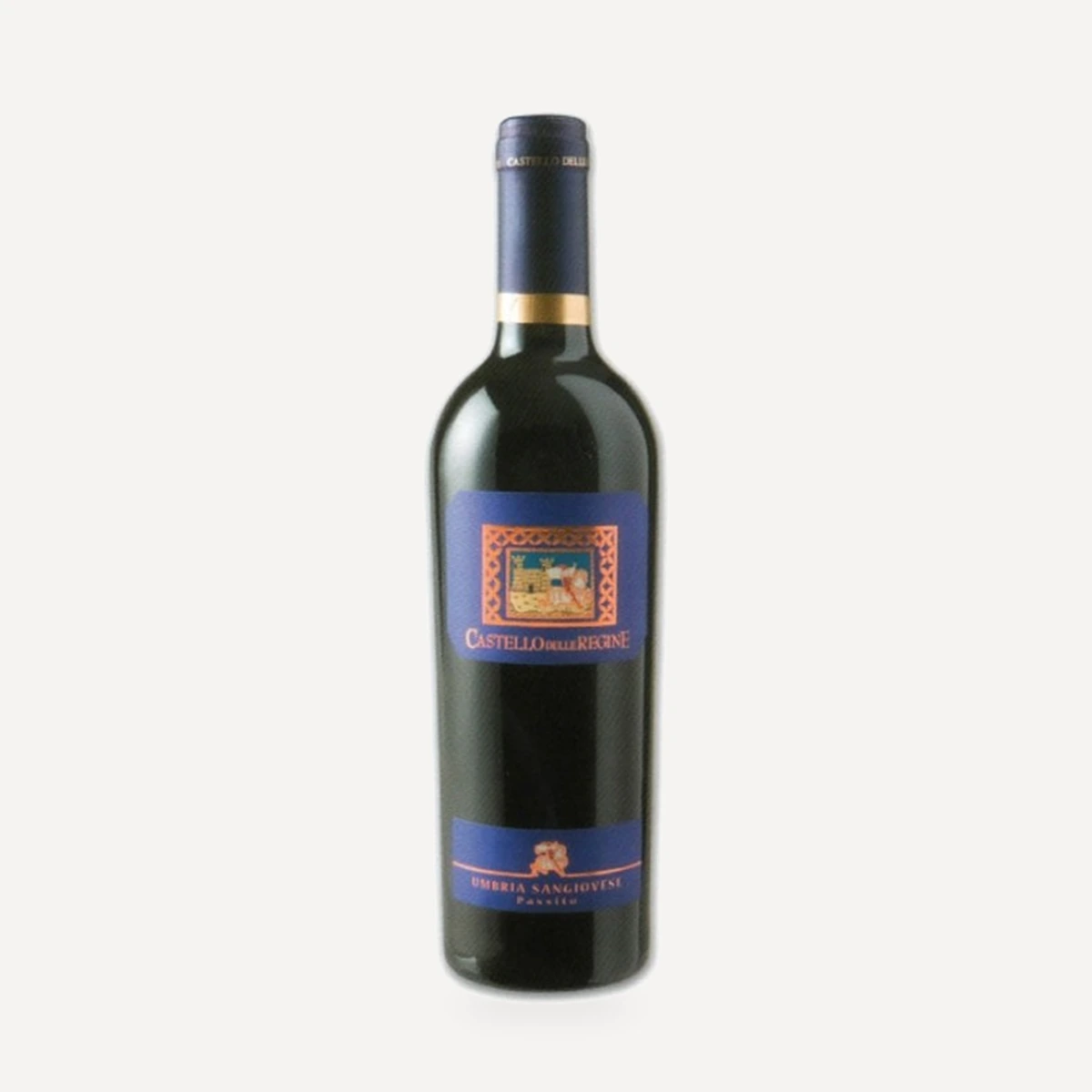
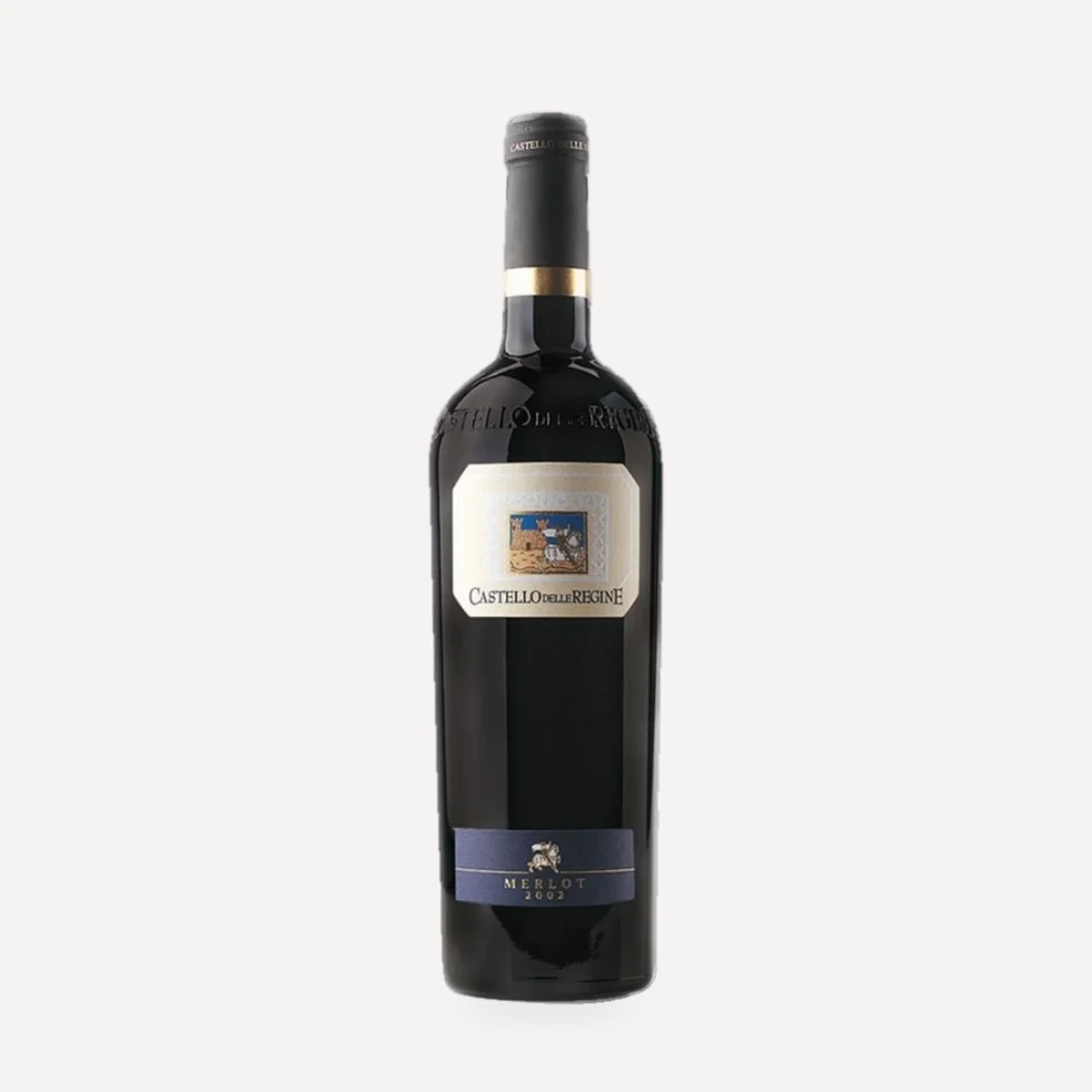
Merlot was planted on the present estate in the early 20th century. Alongside Sangiovese Grosso, it formed the core of approximately 20 hectares of historic vineyards. Some of the older Sangiovese vines were subsequently described as 40–50 years old, while the established Merlot became closely associated with the estate’s clay-rich hills between Narni and Amelia.
Reconstruction of the estate
The modern property began with the acquisition of several hectares of woodland formerly belonging to the Marchesi Patrizi. The present ownership then reassembled, restored and enlarged the agricultural holding around Castelluccio Amerino, reviving its historic cultivation of vines and olives. Further land acquisitions brought the estate to 400 hectares.
Vineyard renewal in the early 1990s
The most extensive part of the reconstruction concerned the vineyards. Before renewal began in the early 1990s, the soils and microclimates were studied in detail. The historic Sangiovese Grosso and Merlot material was propagated, while Cabernet Sauvignon, Montepulciano and Syrah were introduced following soil assessment and clonal selection supervised by Dr Franco Bernabei.
The planted surface consequently expanded from 20 hectares of historic vineyards to 80 hectares. New vineyards were established at approximately 5,800 vines per hectare, with rows spaced 2.2 × 0.8 metres and vines trained to spur-pruned cordon. The reconstructed estate also developed a 2,000 m² barrel cellar for maturation in French and Slavonian oak.
The diversified estate
Castello delle Regine now combines vineyards with approximately 200 hectares of woodland, 30 hectares of olive groves, livestock pastures, vegetable gardens, hospitality and a restaurant. Ancient farmhouses were restored as guest accommodation. Wine production reached approximately 450,000 bottles annually, while the surrounding woods, grazing land and mixed farming remained integral to the environmental and agricultural model.
Terroir
Castello delle Regine occupies rolling Umbrian hills around Castelluccio Amerino, overlooking the Valle delle Regine between Narni and Amelia. Its vineyards extend through the inland hills and the Colli Amerini at elevations ranging from approximately 80 to 300 metres above sea level.
Soils are predominantly clay and sand, with mixed-texture areas. Individual sectors differ: the Merlot vineyards are particularly clay-rich; other vineyards alternate between clay, sand and mixed formations. The estate’s olive-growing hills also include mixed clay–silt soils with a slightly alkaline pH.
Exposure varies with the site and wine. The general vineyard layout is described as north–south, while important red-wine sectors face south-west or south-south-west. Historic Sangiovese Grosso grows at approximately 280 metres with a south-south-west exposure. Merlot lies between 150 and 280 metres on south-west-facing hills. Sangiovese, Montepulciano and Syrah sectors extend from about 90 to 280 metres, while Montepulciano sites are described between 150 and 280 metres. White varieties in the Colli Amerini reach approximately 200–300 metres.
Approximately 200 hectares of oak- and holm-oak-dominated woodland surround the vineyards and olive groves. The forest moderates the vineyard environment and contributes to pronounced temperature differences between warm days and cool nights, supporting grape ripening and aromatic development. Particular vineyard sectors have their own distinct microclimatic conditions.
Vinificazione
Viticulture follows a sustainable, low-environmental-impact model based on natural fertilizers. The approximately 200 hectares of woodland surrounding the vines form part of this approach, protecting the vineyard environment and contributing to the estate’s marked day–night temperature variation.
New vineyards are trained to spur-pruned cordon at approximately 5,800 plants per hectare, with 2.2 metres between rows and 0.8 metres between vines. Pruning is deliberately short, leaving 8–10 buds per plant. Canopy and crop management include rigorous shoot selection, spring tying to maintain upright growth, green harvesting, bunch thinning and bunch selection.
Yields are kept low and adjusted to the requirements of each variety. The estate summarizes its general target as approximately one bottle from each vine. Some Cabernet Sauvignon vineyards are limited to 40–50 quintals per hectare.
Harvesting is manual throughout the documented range. Depending on variety and site, picking begins in mid-August for early white grapes, continues from late August through mid-September for other whites, begins in early September for Merlot and runs from mid-September through October for the principal red varieties. Selected wines involve an additional careful selection of bunches before processing.
The estate’s 2,000 m² barrel cellar contains French oak barriques and tonneaux made from Allier forest oak, together with Slavonian oak casks holding 15–25 hl. Selected Merlot, Sangiovese Grosso and Cabernet Sauvignon mature in Allier oak, while the larger Slavonian vessels are used for medium-bodied wines.
Red-wine fermentations take place in temperature-controlled stainless-steel tanks ranging from 50 to 110 hl. Depending on the selection, fermentation and maceration last approximately 10–20 days, with daily punch-downs. Carefully selected Cabernet Sauvignon, Sangiovese and Merlot components may be vinified separately before blending. Malolactic fermentation and maturation practices vary: structured selections complete malolactic fermentation and age in Allier barriques, while other reds are divided between stainless steel and medium-sized oak or mature in Allier tonneaux and 15–25 hl casks.
The documented maturation programmes include 12 months in Allier barriques followed by 24 months in bottle for Merlot; 12–14 months in Allier barriques and at least 36 months in bottle for historic Sangiovese Grosso; and approximately 12 months in Allier barriques followed by more than 24 months in bottle for the Cabernet-led selection. Other estate reds receive approximately 10 months in a combination of stainless steel and medium-sized oak, or further bottle maturation exceeding eight months after tonneaux and larger-cask ageing.
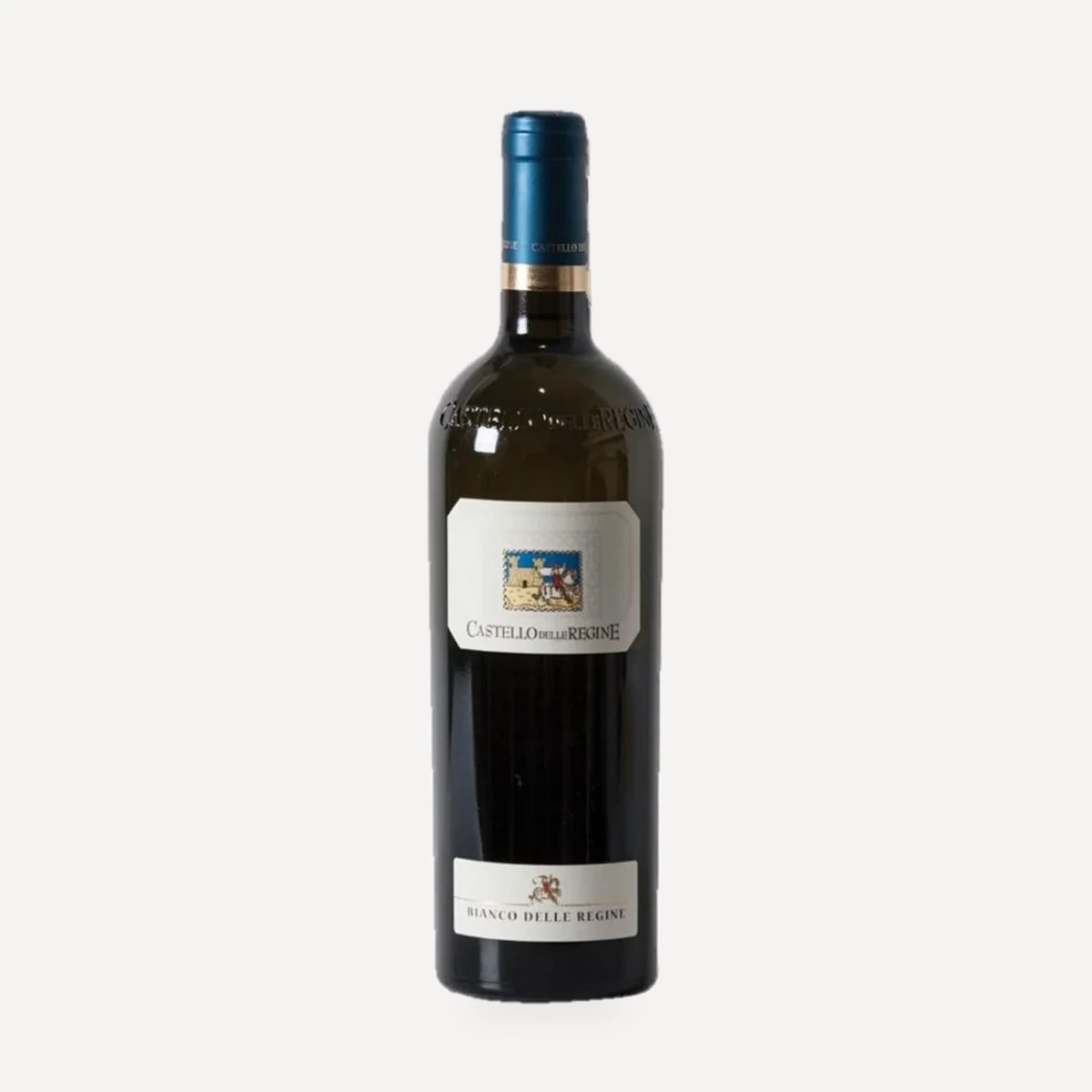
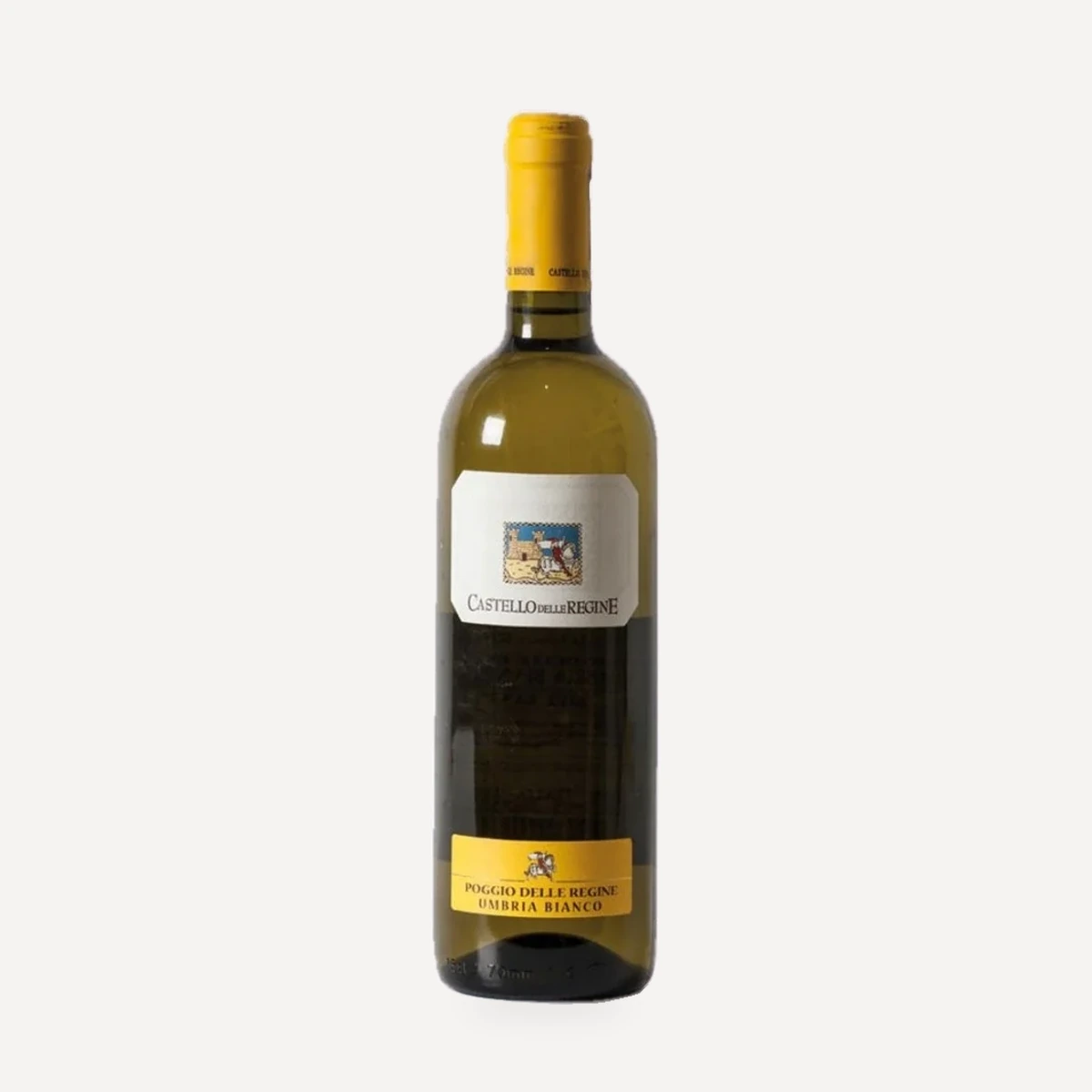
White grapes are processed separately in 50- and 75-hl stainless-steel tanks. Cold maceration and temperature-controlled fermentation preserve freshness and aromatic character. Components of the principal white blend remain separate until immediately before bottling and do not undergo malolactic fermentation or oak ageing.
Rosé is produced by the saignée method. After approximately 36 hours of partial cold maceration, the must is separated from the skins and completes about 25 days of alcoholic fermentation in 75–110 hl stainless-steel tanks. It does not undergo malolactic fermentation and remains in temperature-controlled stainless steel for maturation.
Filosofia
The estate expresses its guiding principle as “the best wine from the best land.” Its aim is to preserve the identity of its Umbrian hills through natural vineyard techniques, careful control from grape production through vinification and manual harvesting.
Wine quality is pursued through detailed study of soils and microclimates, propagation of historic vine material, considered clonal selection, dense plantings and deliberately low yields. Tradition is maintained through old Sangiovese Grosso and Merlot vineyards and long-established olive trees, while renewed vineyards and modern temperature-controlled vinification provide technical precision.
The wines are intended to express the territory with a recognizable identity, aromatic character and substantial structure. Longer bottle maturation is used to integrate that structure and develop elegance and longevity. Environmental stewardship extends beyond the vines to the surrounding forest, mixed farming, natural fertilizers and projects protecting both the vineyards and the broader landscape.
Vini
Bianco delle Regine
Merlot
Poggio delle Regine Bianco
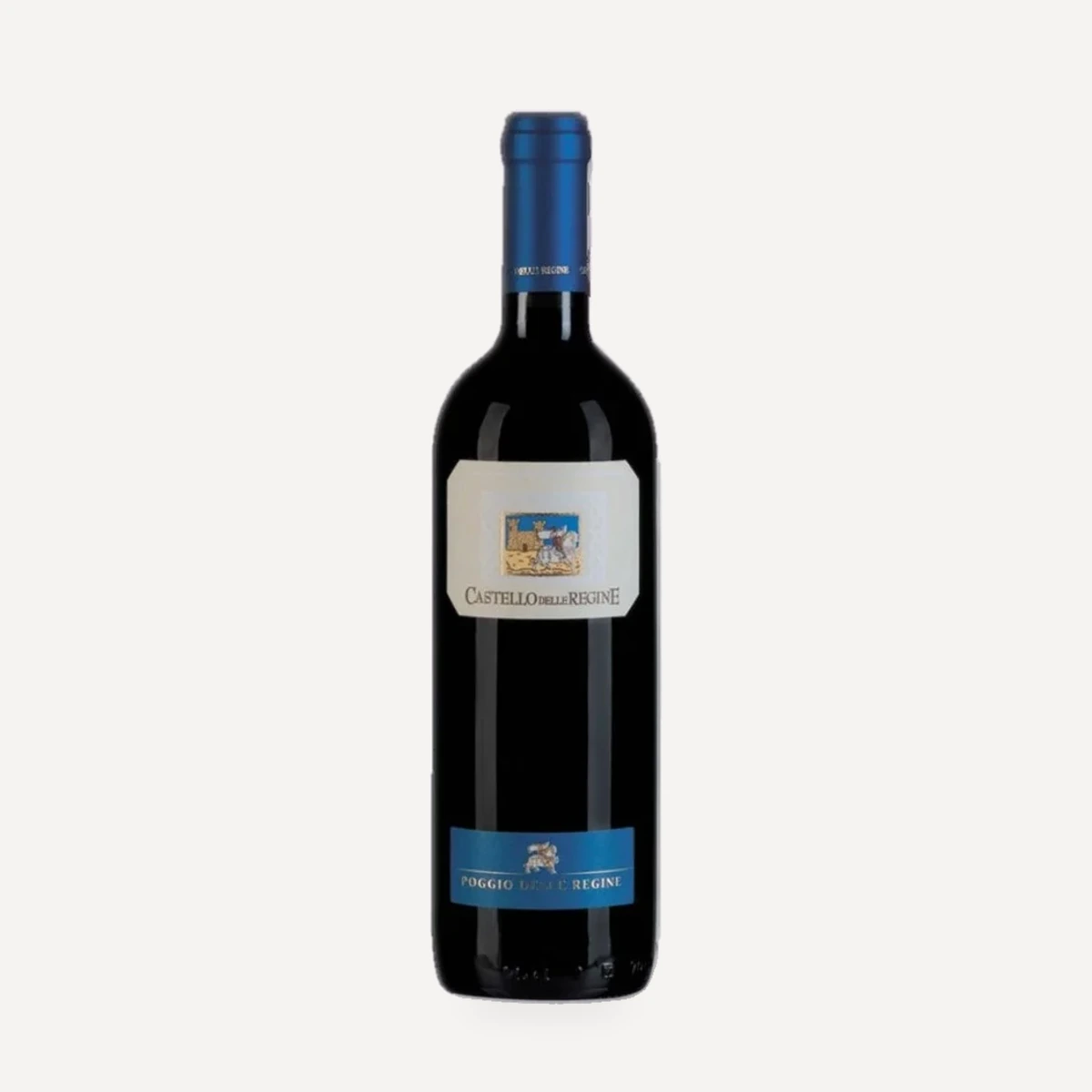
Poggio delle Regine Rosso
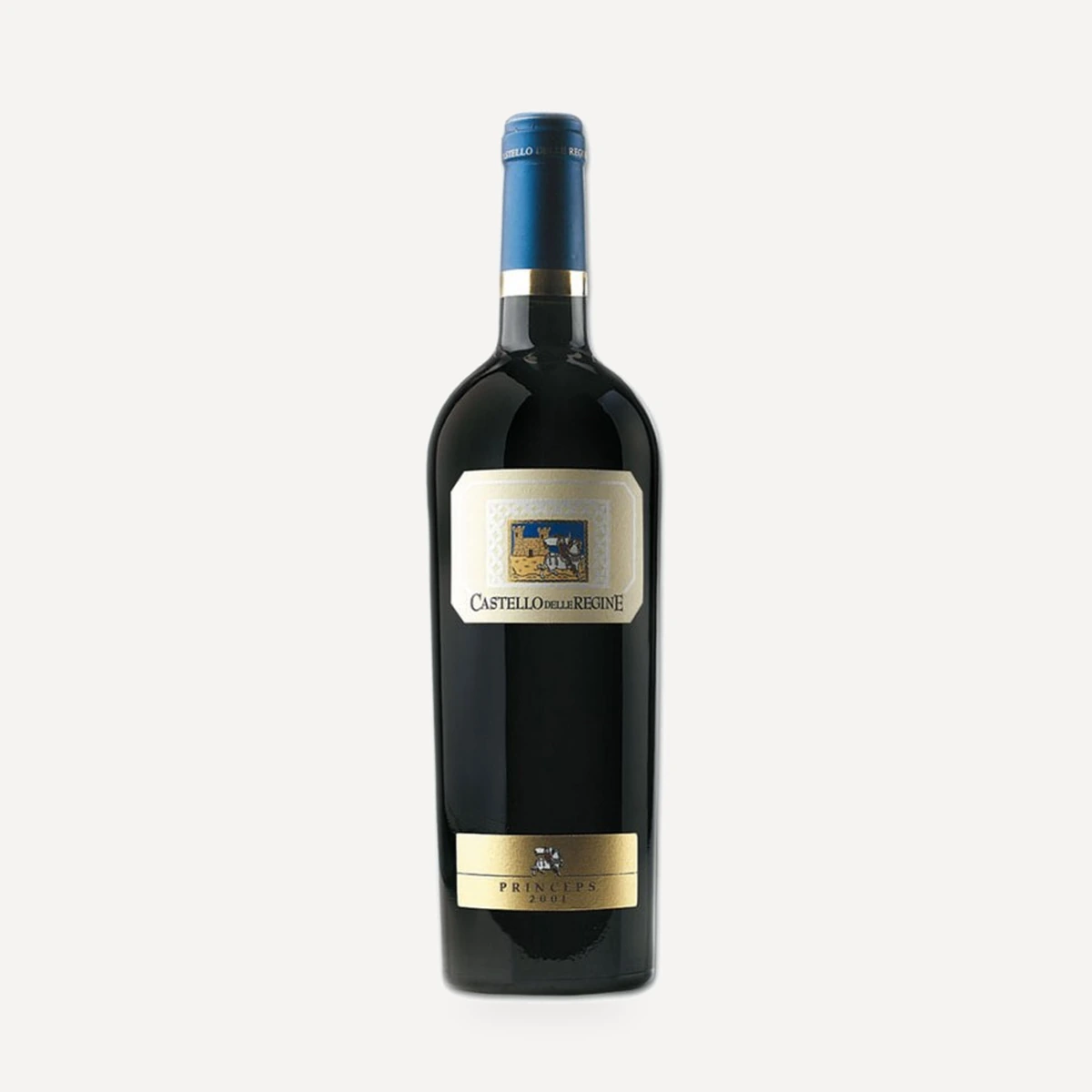
Princeps
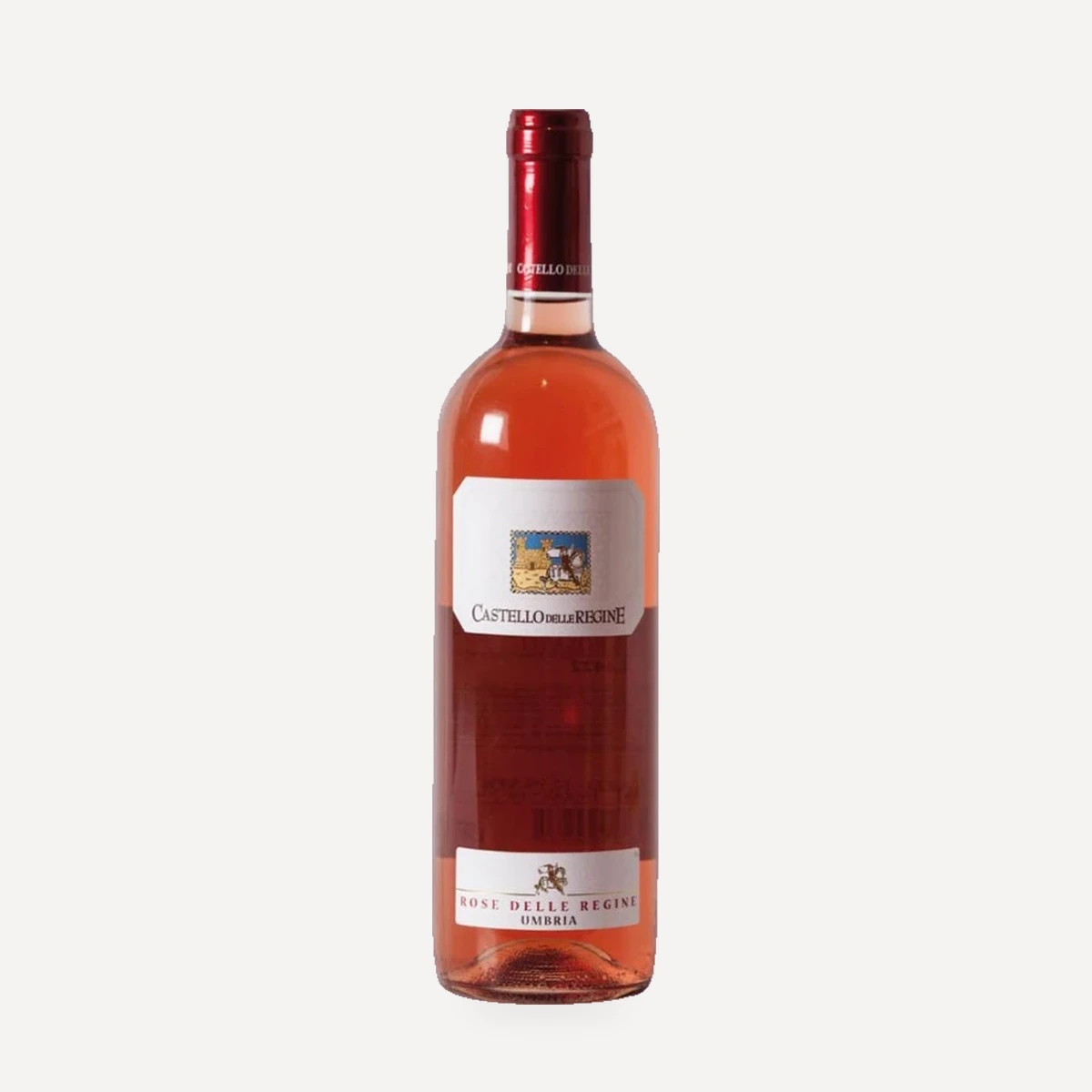
Rose delle Regine
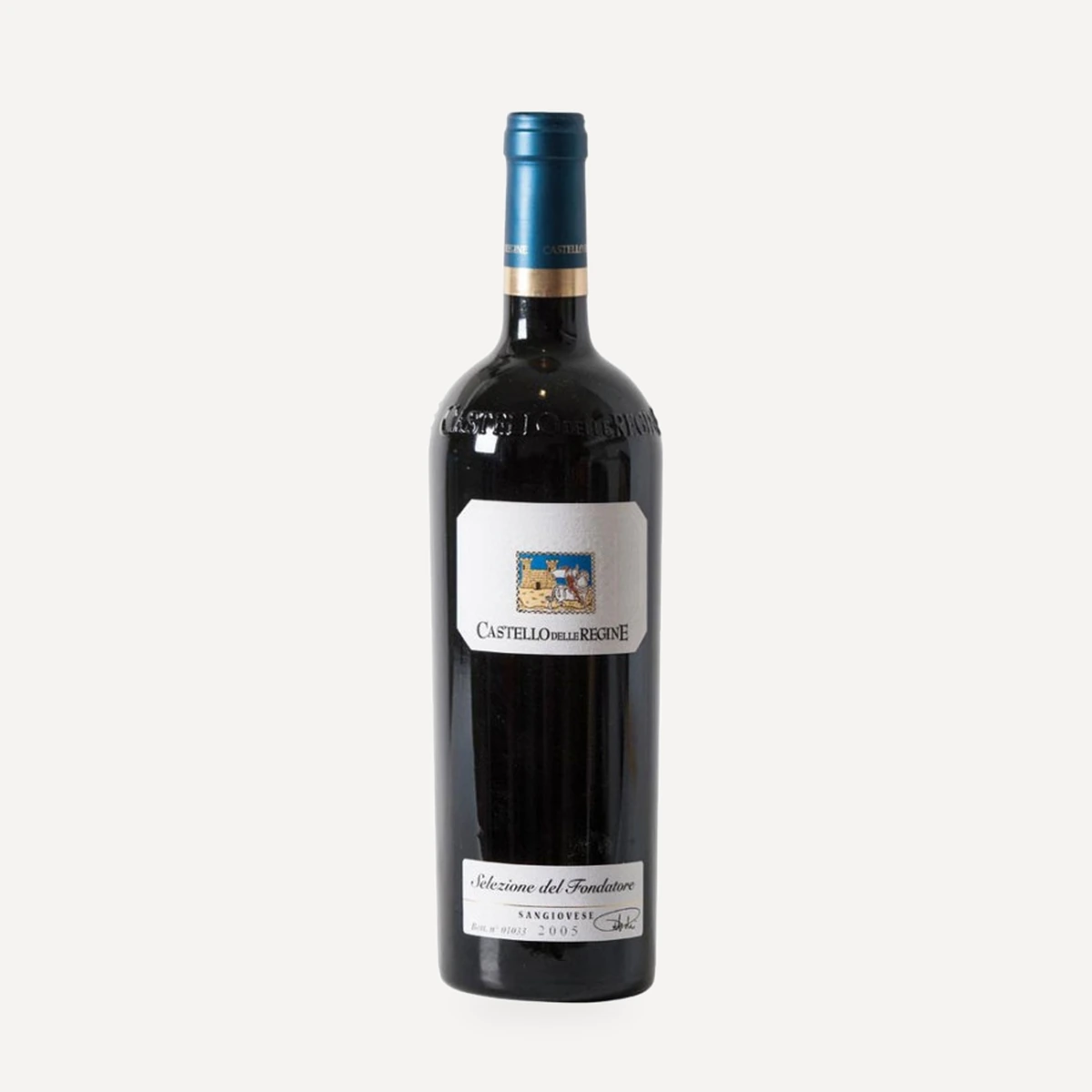
Selezione del Fondatore