Storia
The castle’s earlier life
Castello di Vicarello is a medieval castle in the Maremma countryside. It once served as a fortress of the Republic of Siena and had fallen into ruins before its acquisition and restoration by the Baccheschi Berti family.
The Baccheschi Berti family arrives in the 1980s
During the 1980s, Carlo and Aurora Baccheschi Berti divided their time between Bali and Milan, working within the worlds of fashion, textiles and furniture design. After discovering the ruined castle, they moved to Maremma with their three young sons—Brando, Neri and Corso—to begin a new phase of family life.
Carlo and Aurora devoted more than 12 years to restoring the property. Their work was guided by an interest in craftsmanship and close attention to architectural details. Carlo personally supervised the masonry and finishes, while the couple developed the interiors by combining the castle’s surviving stone and brick fabric with furniture, art and objects gathered during their international travels.
Wine and the estate
Carlo’s interest in wine led the family to establish vineyards around the castle. Inspired by Bordeaux, he pursued a Tuscan wine shaped by the estate’s own land and climate. The vineyards were planted at high densities and developed through a combination of cordon training and alberello, or head-trained spur pruning.
The wine project now spans two generations. Carlo remains involved, while his eldest son Brando oversees wine production and cares for the vineyards. Brando grew up in the countryside and learned viticulture and winemaking from an early age within the family enterprise.
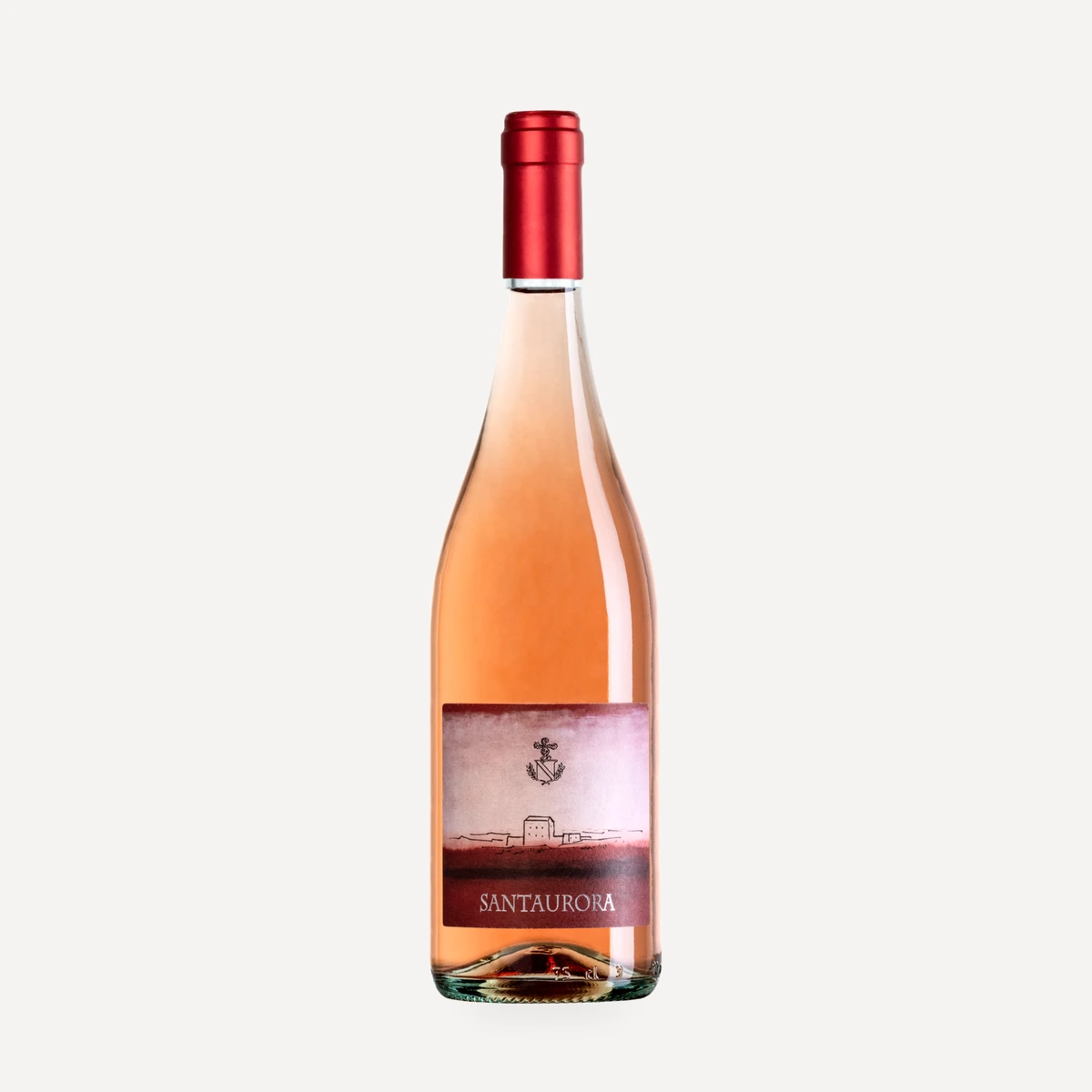
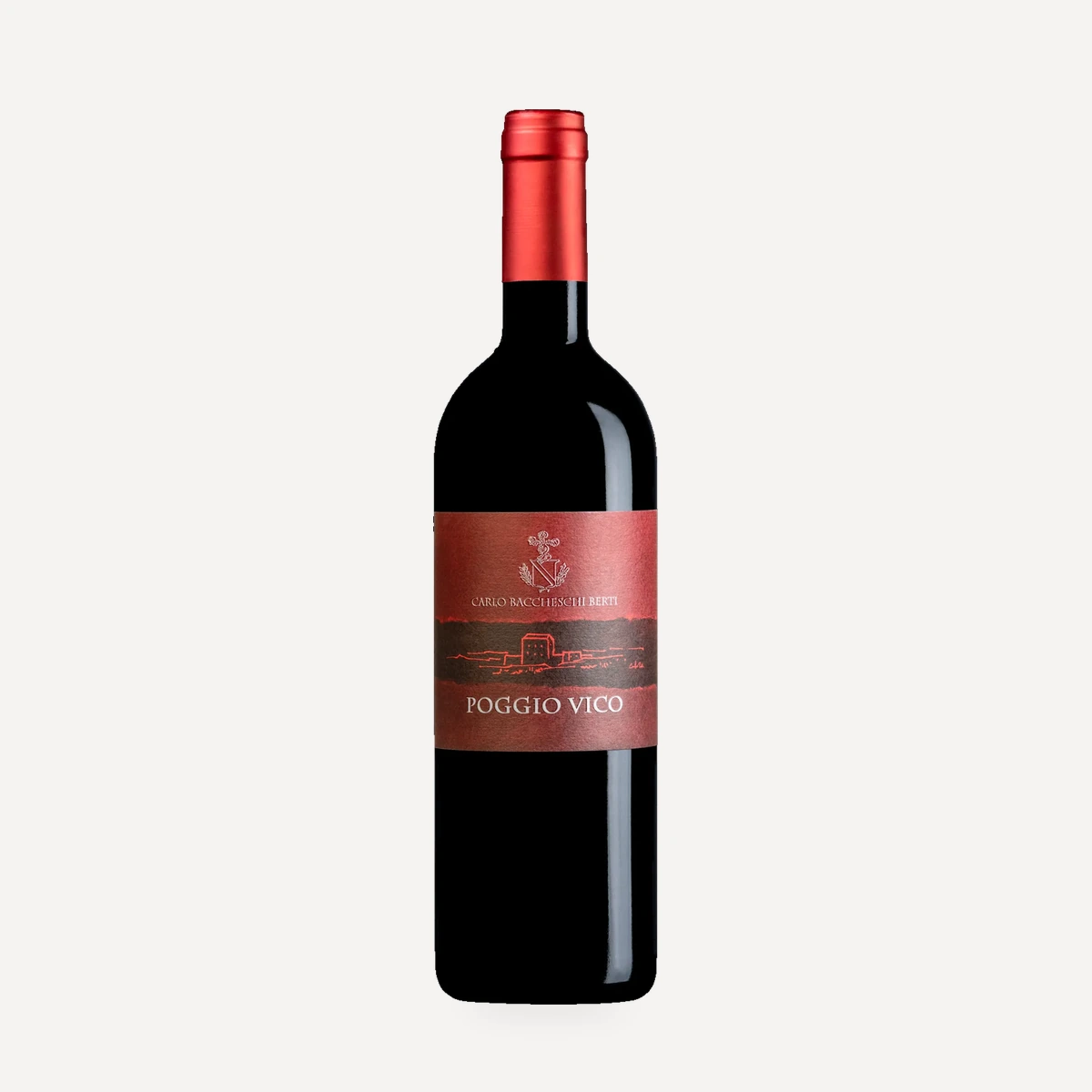
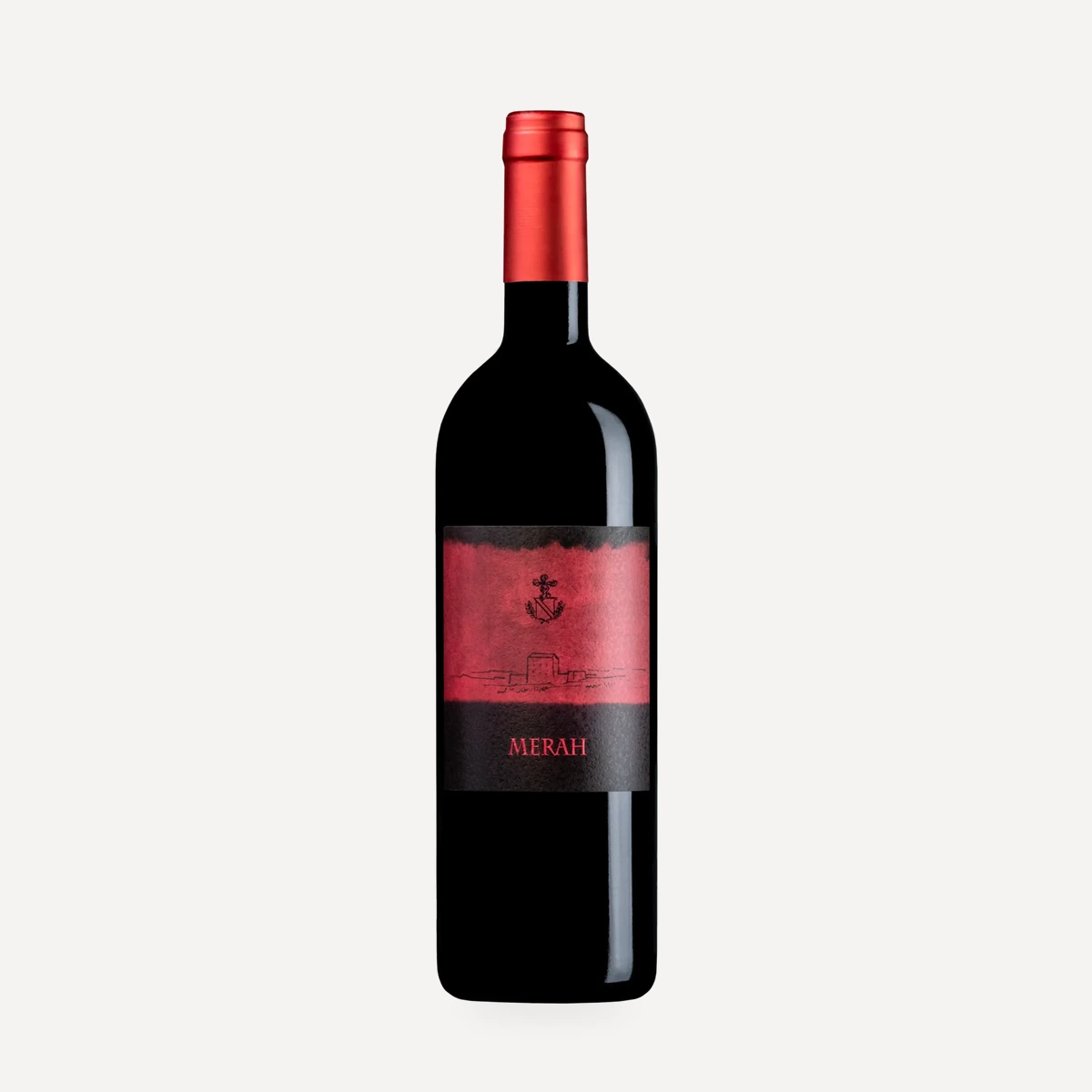
Merah reached its first bottled vintage in 2014. Poggio Vico followed with its first vintage in 2019, produced from a Malbec parcel planted in 2004.
Hospitality and continuing restoration
In 2003, Carlo and Aurora opened Castello di Vicarello as a boutique hotel, integrating the restored castle, family-designed interiors, estate-grown food and wine into a single hospitality project. Restoration and expansion have continued, including new suites and villas, while preserving the castle’s historic character.
The next generation has taken on distinct responsibilities. Brando directs the wine activity; Corso joined the family business in 2021 and supervises hotel operations and guest experiences; Neri contributed to commercial development, strategy and expansion projects before turning his attention to a personal project in Milan. Carlo and Aurora remain involved in the estate’s design, hospitality, cuisine and future development.
Terroir
The vineyards surround the castle at Poggi del Sasso in Tuscany’s Maremma, amid Mediterranean scrub, centuries-old olive trees, forests and rolling hills. Individual vineyard elevations documented across the range extend from approximately 300 to 500 m above sea level. The Poggio Vico Malbec parcel lies at 300 m with a south-west exposure; another Malbec planting used for Santaurora is recorded at 350 m, while the Sangiovese for Merah reaches 500 m.
The Tyrrhenian Sea lies to the west and supplies cooling breezes during late spring and summer. Monte Amiata, to the southeast, protects the vineyards from stronger winds. Forests and the Ombrone River below the estate contribute to temperature variation between the surrounding slopes and valley.
The broader soil profile is ancient and contains clay minerals, marine deposits, calcium and micronutrients. The Poggio Vico Malbec parcel is described more precisely as Eocene alberese and slate with a loamy-clay texture rich in active limestone. Proximity to the sea also influences the estate’s fertile soils.
Vinificazione
The seven hectares of estate vines are cultivated organically. Vineyard protection is restricted to natural sulfur and copper.
High-density planting is central to the family’s approach. Most of the vineyards contain between 11,000 and 14,000 plants per hectare, although the high-altitude Sangiovese vineyard used for Merah is planted at 6,250 vines per hectare. Training systems combine cordon pruning with alberello. Vigna del Castello uses head-trained spurs and iron stakes, while Vigna Poggio Vico uses head-trained spurs with flexible fiberglass supports.
Harvesting protocols include picking by hand into small crates. Grapes for the principal Cabernet-based red and Terre di Vico receive a second manual selection upon arrival at the winery. For the 2019 Poggio Vico harvest, picking took place in the second week of September and fruit passed through a double sorting table at the cellar entrance.
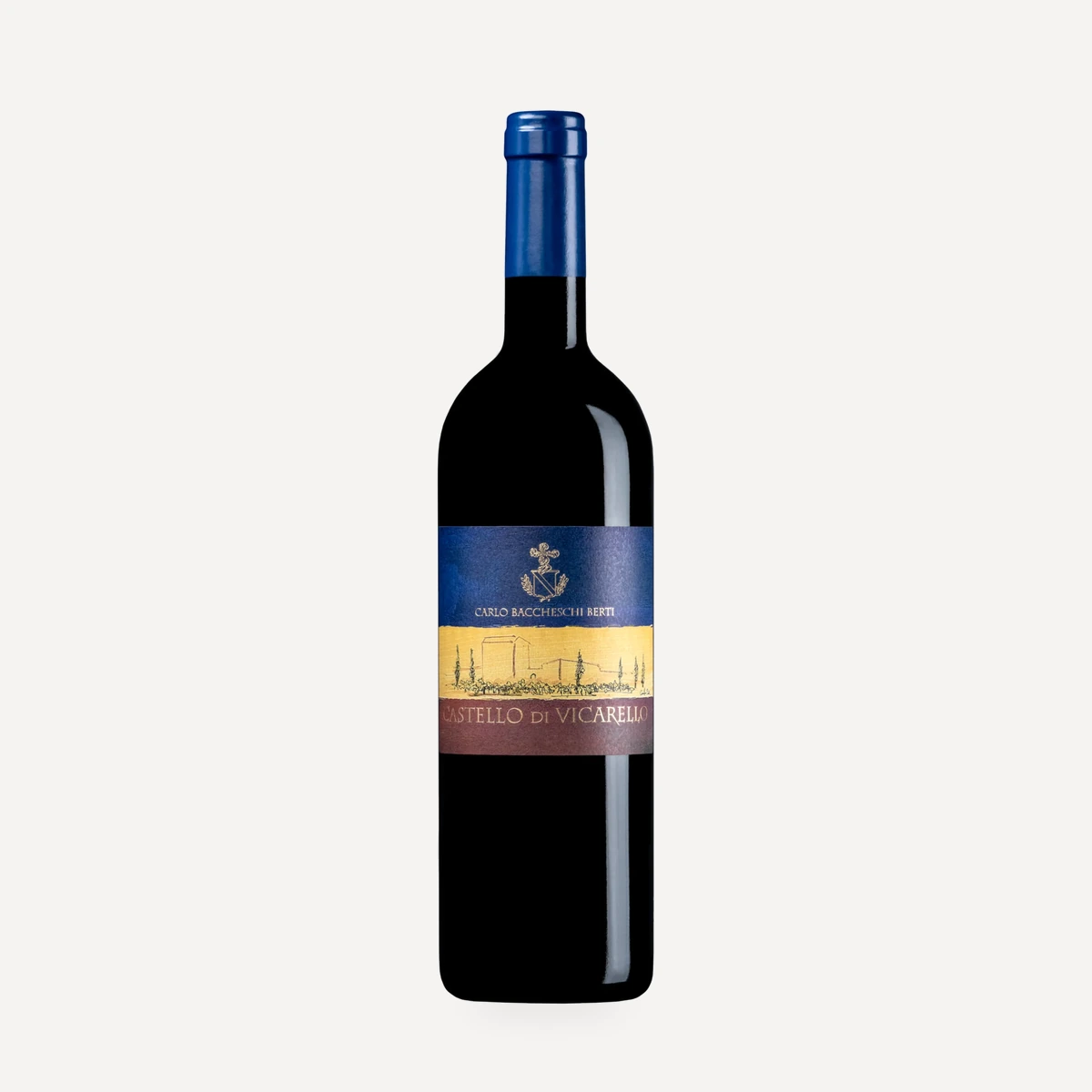
Documented yields vary by planting: 350–400 g per vine and 4,000 kg/ha for the Cabernet Franc, Cabernet Sauvignon and Petit Verdot used in Castello di Vicarello; 950 g per vine and 6,000 kg/ha for the Sangiovese in Terre di Vico; 850 g per vine and 5,500 kg/ha for its Merlot; and 6,000 kg/ha for the Malbec used in Santaurora and the Sangiovese used in Merah.
Wine production is overseen by Brando Baccheschi Berti in collaboration with Carlo, linking the family’s first and second generations. All wines are made from grapes grown and harvested on the estate.
The cellar works with both wood and stainless steel. Its fermentation vessels include 3,000-litre conical Slavonian-oak vats and temperature-controlled stainless-steel tanks. Red-wine fermentation may last two to four weeks, while another protocol keeps fermentation below 28°C and adjusts its duration to the condition of each vintage. Malolactic fermentation can take place in French-oak barrels.
Maturation vessels include stainless steel, French-oak tonneaux and French-oak barrels in 160-, 225-, 300- and 500-litre formats. Documented maturation periods range from 10–12 months to 24 months. The Poggio Vico 2019 protocol used French-oak barriques, 30% new, for 18 months. Bottle maturation ranges from six months for the rosato to 12, 18 or 24 months for the reds.
The estate produces five wines: four reds and one rosato. The principal cellar protocols include manual harvest, small harvest crates, manual or double-table sorting, controlled-temperature fermentation where required, vessel choices adapted to grape variety and extended bottle maturation.
Filosofia
The family’s wine project began with Carlo Baccheschi Berti’s admiration for Bordeaux and his ambition to create a Tuscan wine of comparable character while expressing Vicarello’s own land and climate.
Its viticultural philosophy combines tradition and innovation: ancient alberello training stands beside cordon-pruned vineyards, while unusually high planting densities are intended to build richness, complexity and intensity. Wines are conceived both for immediate enjoyment and for development with age.
The choice of Cabernet Franc, Cabernet Sauvignon and Petit Verdot reflects Carlo’s Bordeaux inspiration and the family’s interpretation of Tuscan wine heritage. Sangiovese and Merlot offer another reading of Maremma, while Malbec has become the basis of both a red and a rosato. Organic cultivation, estate-grown fruit, natural sulfur and copper treatments, hand harvesting and careful selection express the family’s stated respect for the land.
Wine is also integrated into the wider family estate rather than treated as an isolated activity. Vineyard work, restored architecture, organic gardens, food and hospitality are presented as interconnected expressions of place, craftsmanship and continuity between generations.
Vini
Poggio Vico
Castello di Vicarello
Merah
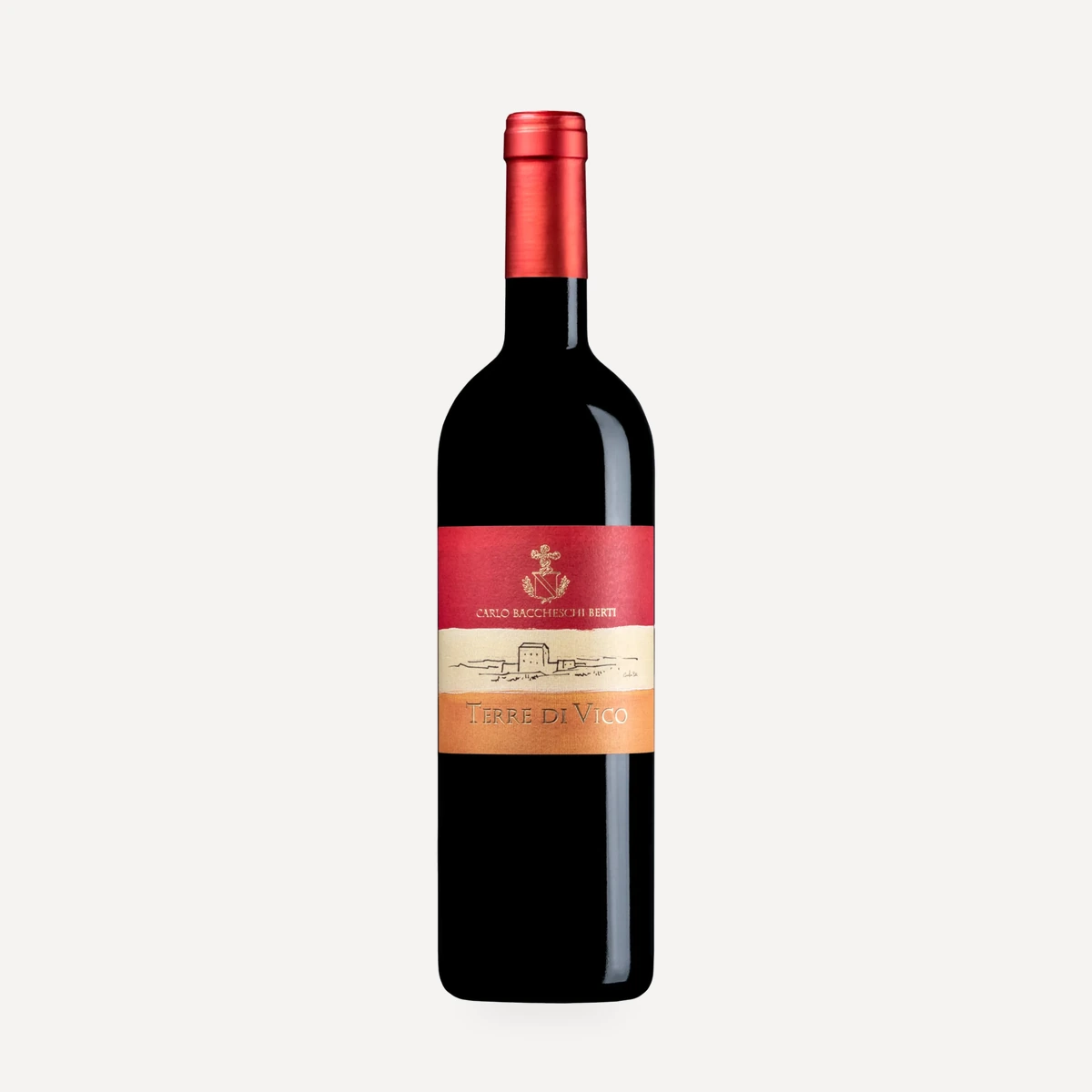
Terre di Vico