Storia
Foundation in Trento
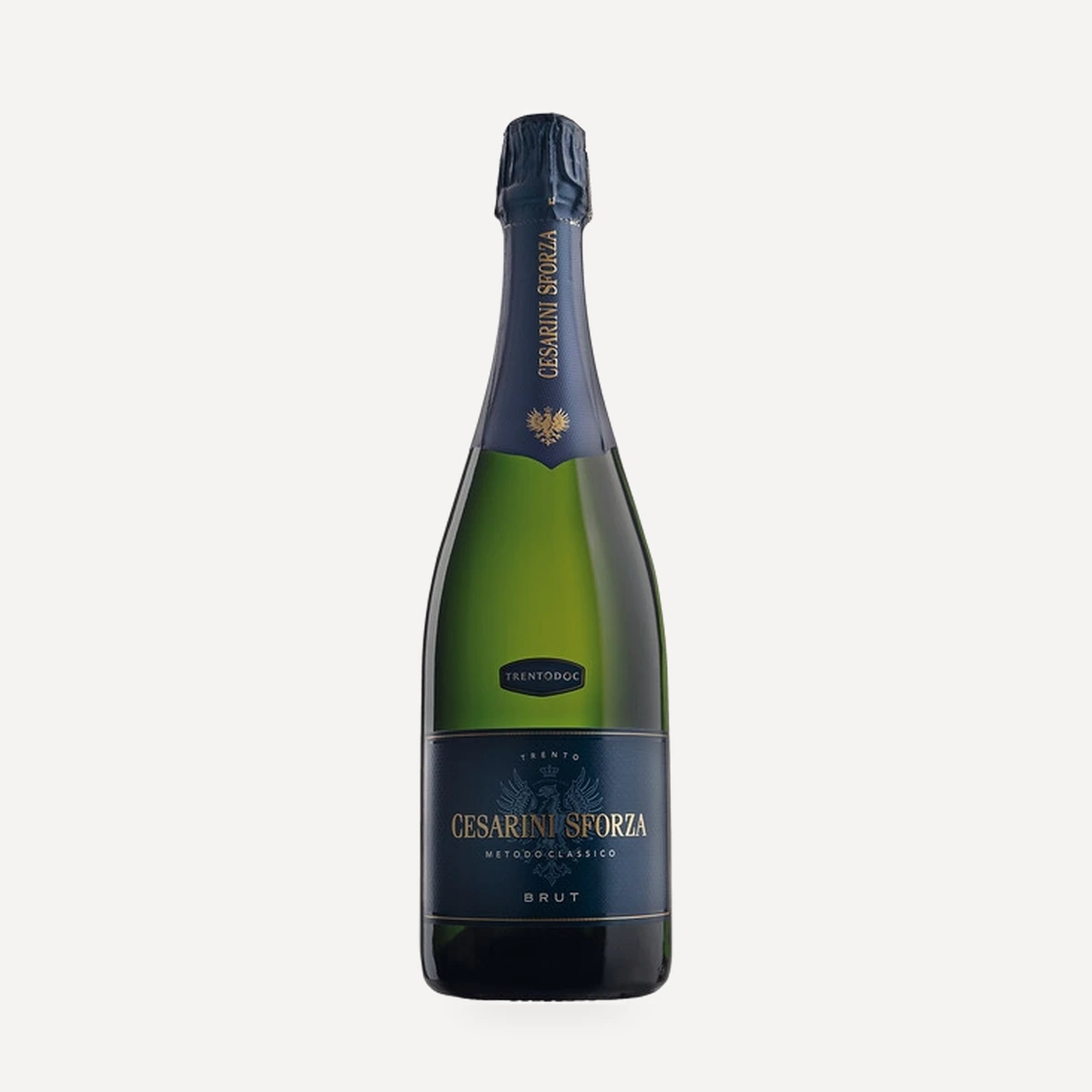
Cantina Cesarini Sforza was founded in Trento in 1974 by Lamberto Cesarini Sforza as a specialist sparkling-wine house. Its identity developed around sparkling wines made from Trentino-grown grapes and, in its current form, exclusively around Metodo Classico Trentodoc.
Acquisition by Cavit
In 2019, Cavit expanded its group through the acquisition of the Cesarini Sforza sparkling-wine house and GLV. Cesarini Sforza was consolidated as a company wholly owned by Cavit from January 2020.
Proposed corporate integration
On 28 September 2023, the boards of Cavit sc and Cesarini Sforza Spumanti approved the opening of a merger process under which the sparkling-wine company was to be incorporated into its parent. The stated objectives were to simplify the ownership structure, improve managerial and economic efficiency, reduce governance and administrative costs, shorten decision-making chains, and generate operational synergies.
The proposed integration was designed to preserve the house’s identity. Cesarini Sforza continued to operate in a production facility separate from Cavit, with distinct oenology and cellar teams. Its stylistic profile was to remain intact, while the Chardonnay and Pinot Nero base wines retained separate traceability by variety and geographic origin.
Continued separate company status
For the 2024/2025 financial year, Cesarini Sforza Spumanti SpA was still recorded as a wholly owned Cavit company. Its contemporary focus was defined as the exclusive production of Metodo Classico Trento DOC sparkling-wine ranges, differentiated for the HoReCa and large-scale retail channels and supported by traceability of the grapes’ areas of origin.
Terroir
Cesarini Sforza draws its Chardonnay and Pinot Nero sparkling-wine bases from a mosaic of selected Trentino vineyards between 300 and 600 m above sea level. The sourcing areas differ in elevation, steepness, microclimate, and vine-training systems, allowing fruit with complementary characteristics to be combined while preserving geographic traceability.
The mosaic brings together the elegance of grapes from the upper Valle di Cembra; the more complex structure associated with Meano and Cortesano; the balanced production of Sorni and the hills of Pressano; characteristic vineyards above the city of Trento; and vineyards on the hills of Besagno.
The broader Trentodoc selection is rooted in high-altitude Trentino vineyards with distinctive microclimates and calcareous and siliceous soils. Altitude, exposure, climate, and local microclimatic variation contribute to the freshness, elegance, and complexity sought in the finished sparkling wines.
Vinificazione
Grapes for the Metodo Classico Trentodoc range come exclusively from Trentino and are grown in high-altitude vineyards. Harvesting is carried out strictly by hand.
Chardonnay and Pinot Nero are selected across vineyard areas that differ in elevation, slope, microclimate, soil, and training system. The resulting base wines retain traceability by grape variety and area of origin, allowing the individual contributions of the Trentino sourcing mosaic to remain identifiable through production.
Cesarini Sforza’s current production is devoted exclusively to Metodo Classico Trento DOC sparkling wine. The production model maintains separate traceability for Chardonnay and Pinot Nero base wines and uses a dedicated facility with its own oenology and cellar teams.
Base wine
Hand-harvested Chardonnay and Pinot Nero are pressed gently to preserve their characteristic aromas. The resulting must undergoes its first fermentation at a controlled temperature.
Tirage and second fermentation
In the spring following harvest, the base wine is bottled for tirage. A liqueur de tirage composed of yeasts and sugars is added to initiate the second fermentation. The bottles are sealed with crown caps and rested in the cellar while the yeasts carry out the secondary fermentation. The carbon dioxide produced during this stage creates the wine’s perlage.
Lees ageing
After the second fermentation, the sparkling wine begins an extended period of maturation in contact with the lees. Trentodoc regulations prescribe minimum maturation periods of 15 months for non-vintage wines, 24 months for vintage wines, and 36 months for Riserva wines.
Remuage
The bottles are placed either on traditional wooden pupitres or in modern mechanical gyropalettes. They are rotated regularly and gradually inclined into the vertical, neck-down position so that the fermentation sediment collects in the bottle neck.
Disgorgement and dosage
Disgorgement removes the accumulated sediment. The final balance can be adjusted with liqueur d’expédition, described as a combination of sugar and fine wines matured in barrique. For Dosaggio Zero, the bottle is topped with the same wine without added sugar.
Filosofia
The house’s production philosophy combines history and tradition with innovation. Its central aim is to express Trentino’s suitability for Metodo Classico sparkling wine through high-altitude vineyards, differentiated microclimates, carefully selected base wines, and prolonged maturation in bottle.
Continuity of identity is supported by a dedicated production facility, separate oenology and cellar teams, independent traceability for the Chardonnay and Pinot Nero bases, and the preservation of a distinct house style. Careful control from grape origin through ageing is intended to translate the differing elevations and vineyard environments of Trentino into freshness, elegance, complexity, and a recognizable stylistic character.
Vini
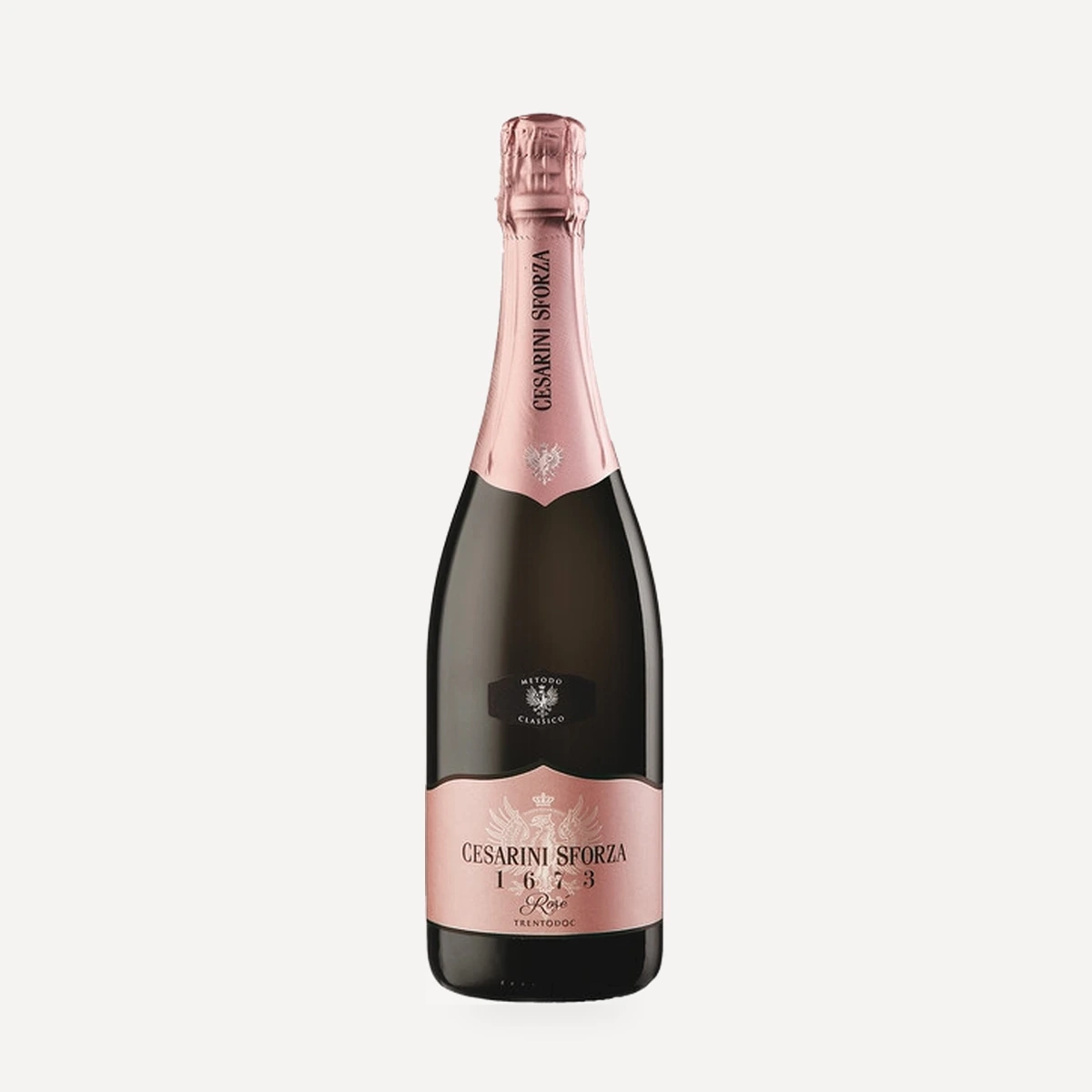
1673 Brut Rose Trento DOC
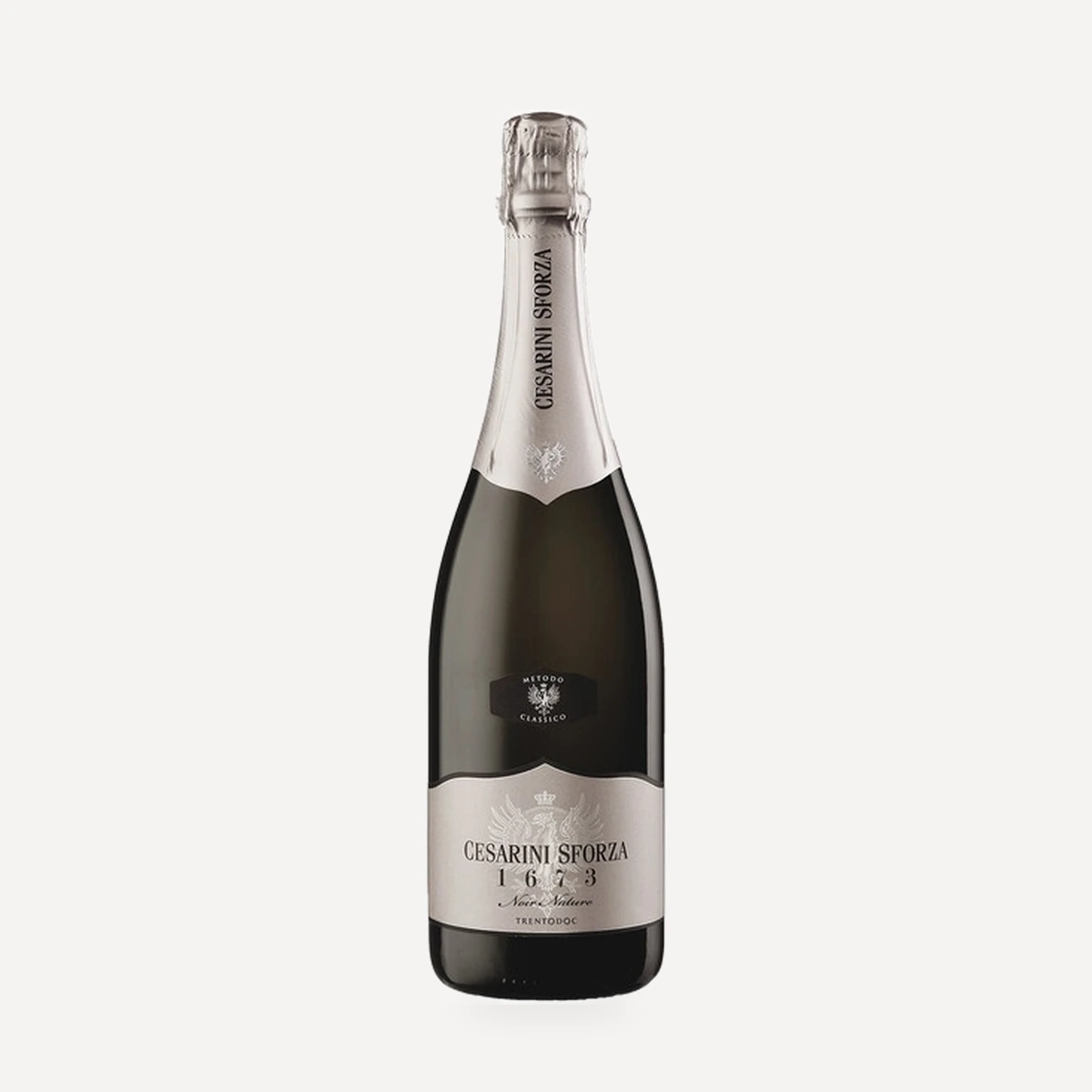
1673 Noir Nature Trento DOC
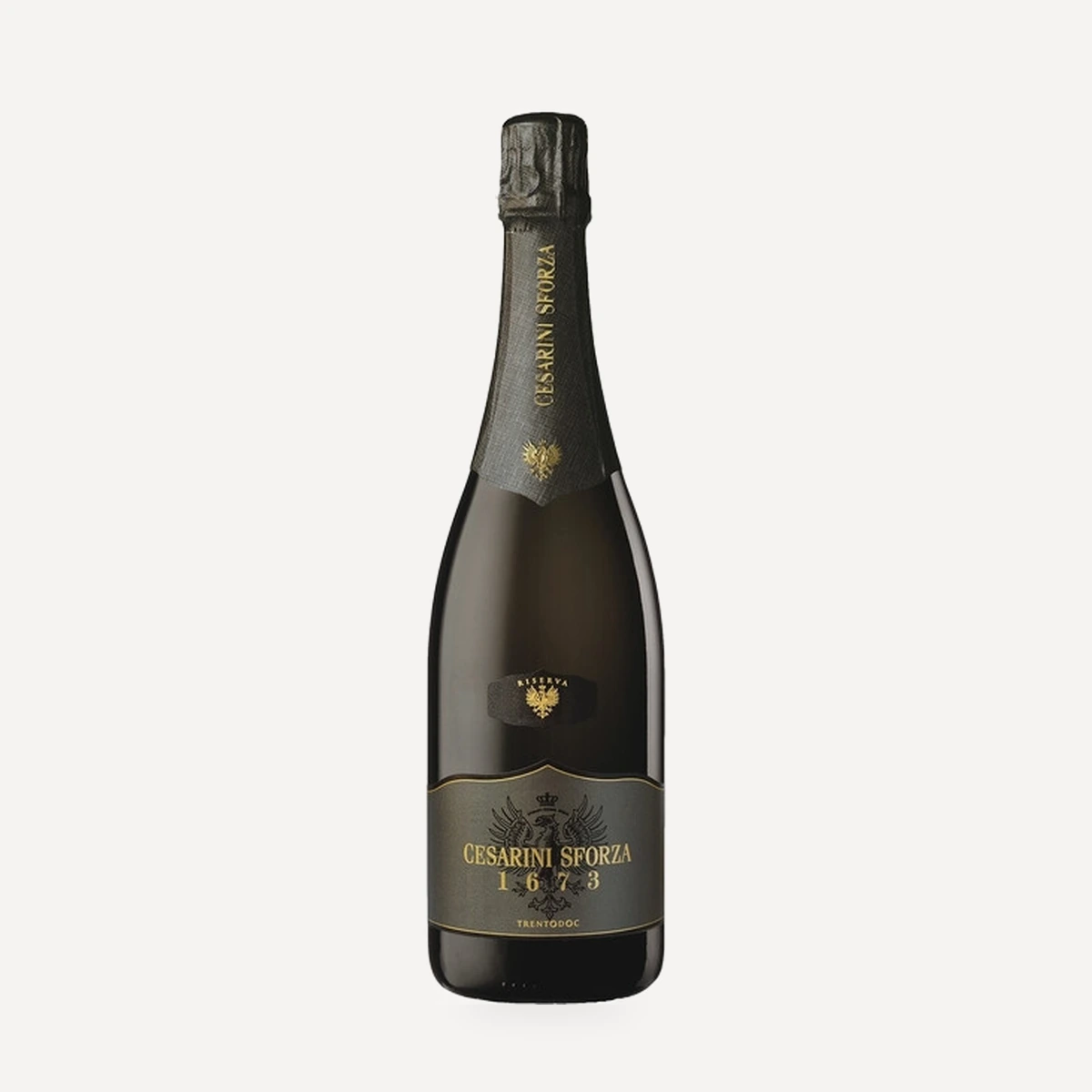
1673 Riserva Trento DOC