Storia
Origins and the first generation
The family's wine story reaches back into the 19th century. At the beginning of the 20th century, Josef Hofstätter began vinifying grapes. In 1907, Josef, a blacksmith, and Maria Hofstätter, an innkeeper, founded their winery in Tramin. Their undertaking combined an interest in viticulture with the conviction that wine could become the basis of a new family enterprise.
The second generation: estate bottling and site identity
The winery passed to Maria Hofstätter's niece, Luise Haller, and Luise's husband, Konrad Oberhofer. Konrad departed from the prevailing practice of selling wine in barrels and began bottling the family's wine, an unusual innovation in Alto Adige at the time.
During the 1950s, Konrad vinified Kolbenhof Vernatsch separately according to its specific place of origin. This early emphasis on an individual site anticipated the estate's later single-vineyard philosophy.
Paolo Foradori and Sieglinde Oberhofer
In 1959, Konrad and Luise's daughter Sieglinde married winemaker Paolo Foradori. Paolo subsequently shaped the third generation of the estate. He helped establish the reputation of Mazon and Alto Adige Pinot Nero beyond the region, while also contributing to the wider acceptance of dry Gewürztraminer.
The old-vine history of Barthenau developed alongside this work. Vigna Roccolo had been cultivated under pergola since 1942 and became the oldest Pinot Nero vineyard in Alto Adige. One of the two parcels that now form Vigna San Urbano was planted under pergola in 1962.
In 1987, Paolo became the first producer in Alto Adige to place the term Vigna on a label. Barthenau Vigna S. Urbano Pinot Nero thereby became the region's first officially designated Vigna single-vineyard wine. The term identified wine whose grapes came from one precisely delimited parcel and established the model that remains central to the estate.
Martin and Beatrix Foradori Hofstätter
Martin Foradori Hofstätter took over from his parents, Sieglinde and Paolo, in 1992. That year, the second Vigna San Urbano parcel was also converted to Guyot training. Under Martin and Beatrix Foradori Hofstätter, the family continued to focus on terroir and individually identified vineyards while combining the historic cellar with new architecture, vessels and sorting technology.
In 1997, Martin inaugurated a modern architectural phase with construction of the Wine Tower in central Tramin. Its contemporary form was conceived as a counterpoint to the village's church tower, which dates from 1492, expressing the estate's intended balance between inherited tradition and continuing renewal.
The estate subsequently extended its viticultural activity beyond its historic sites on both sides of the Adige Valley. Maso Michei in the Piccole Dolomiti of southern Trentino added vineyards at high elevation. In 2014, Martin's interest in Riesling also led the family to revive Weingut Dr. Fischer in Germany's Mosel region as a separate wine project.
Further parcel differentiation
From 2006, the historic Pirchschrait parcel within Vigna Kolbenhof was vinified separately. Its shaded position and slow development prompted an unusually long maturation programme of ten years on fine lees.
Vigna Castel Rechtenthal Gewürztraminer has been vinified separately since 2022, adding another precisely delimited Tramin-Söll site to the Vigna collection. Vigna Herbsthöfl, at the highest and northernmost point of the Barthenau estate, was established from selected genetic material taken from the old Vigna Roccolo vines.
Fourth and fifth generations
Martin and Beatrix continue to lead Tenuta J. Hofstätter. The fifth generation is already involved: Niklas Foradori Hofstätter contributes training and experience in oenology and viticulture, while Emma Foradori Hofstätter combines her studies with responsibility for winery communications. The present family structure therefore joins fourth-generation management with the developing work of the next generation.
Terroir
A cross-valley estate
The historic Alto Adige vineyards occupy both sides of the Adige Valley in the southern part of the region, around Tramin/Termeno, Söll/Sella, Mazon/Mazzon and Buchholz/Pochi. Their different elevations and the meeting of Alpine and Mediterranean influences produce sharply differentiated microclimates. Across the wider estate presentation, sites range from approximately 250 m in the valley environment to the high vineyards of southern Trentino.
The estate matches varieties to the sites where they are considered best adapted. Pinot Nero, Gewürztraminer, Pinot Bianco, Lagrein and Sauvignon are associated with distinct elevations, exposures and geological settings rather than treated as products of a uniform estate terroir.
Mazon and the Werfen Formation
Mazon lies on a plateau on the opposite side of the Adige Valley from Tramin. The defining geology is the Werfen Formation, more than 250 million years old: coloured sedimentary rock deposited in a prehistoric lagoon and forming part of the geological foundation of the Dolomites. Unlike vineyards whose soils were determined principally by glacial transport, parts of Mazon sit directly over this exposed bedrock.
Clay minerals are an important component of these soils. Vigna Roccolo contains an elevated proportion of vermiculite, described as an especially rare biostimulating clay mineral. Vigna San Urbano combines clay-rich Werfen sedimentary layers with natural fertility, while Vigna San Michele has a glacial layer barely 1 m deep over compact, impenetrable bedrock. The geological differences remain perceptible even between neighbouring parcels.
Mazon's climate combines balanced sun exposure with generally cool conditions. Northwest-facing sites receive the summer Ora wind from Lake Garda, which helps keep grapes dry and healthy. At the northern, elevated Herbsthöfl parcel, proximity to forest, reduced solar exposure and lower temperatures slow ripening and preserve natural acidity.
Tramin-Söll
Söll lies above Tramin where several geological zones meet. Its glacial deposits combine dolomitic limestone, volcanic porphyry and sandstone and contain fine clay minerals. These components affect rooting depth, water retention and the pace and complexity of ripening.
Cool evening downslope winds arrive from Mount Roen, which rises to 2,116 m. Together with elevation and morning light, these winds support slow aromatic development in Gewürztraminer. Individual sites vary substantially: Kolbenhof combines three micro-terroirs, while the north-oriented Pirchschrait sector receives the least sunlight in the vineyard. Castel Rechtenthal occupies a steep, well-drained dolomitic alluvial cone formed by glacial activity around 32,000 years ago.
Buchholz and Putznai
At Buchholz, Vigna Oberkerschbaum occupies a high volcanic-porphyry site at 770–800 m. Southwest exposure, strong solar radiation and altitude combine to moderate Sauvignon's vigour while supporting balanced growth.
Vigna Steinraffler, identified with the Putznai UGA, is markedly lower at 280–300 m. Its dry, well-aerated sandy soil has volcanic chemical and mineral origins with moderate limestone and dolomite. Warmth supports ripening, while reduced direct solar exposure helps retain balance.
Maso Michei and Ala–Valle dei Ronchi
The Trentino vineyards lie in the Piccole Dolomiti above the historic trading town of Ala, near the Veneto border. The detailed Ala–Valle dei Ronchi profiles place them between 600 and 860 m, with southwest exposure and gradients reaching 40%. Southern slopes consist of light, loose dolomitic gravel derived from limestone and dolomite. Sunlight, altitude and clear mountain air define the growing conditions for Pinot Nero and Chardonnay.
Parcel-scale terroir research
The estate has analysed its vineyards parcel by parcel, documenting soil structure, parent rock, water retention and drainage, heat regulation, nutrient supply, microclimate, exposure, gradient, elevation and air circulation. These factors are related to root development, vine stress, ripening dates and grape quality.
Solar exposure is evaluated through an SRI value, or Solar Radiation Identity, calculated from slope, aspect, altitude and shading. It is used to match grape varieties to parcels, anticipate ripening and harvest windows, identify climate-related risks and create traceable geological and climatic profiles for individual plots.
This work takes place within a region where more than 250 volcanic, magmatic, sedimentary and metamorphic rock types occur. Glaciers, rivers and landslides have further divided them into a mosaic of soils.
Vinificazione
Viticulture is organised around individually defined origins. Each variety is planted where the estate's geological and climatic work indicates that it is best suited, and the resulting parcels are kept separate in the cellar.
Vine care includes gentle pruning and cover cropping intended to strengthen the plants. Compost, organic fertilizers and maintained hedges form part of an incremental environmental programme. The hedges provide a managed element of the vineyard landscape, while cover vegetation and compost contribute to soil care.
The estate's parcel research measures soil structure, parent rock, drainage and water-holding ability, thermal behaviour, nutrients, elevation, slope, exposure, shading and air movement. Solar Radiation Identity values help determine varietal placement, expected ripening phases and harvest timing and allow climate-related risks to be identified and mitigated.
Several vineyard-specific adaptations are retained. Vigna Roccolo has remained under pergola since 1942, and its old vines give naturally low yields. One Vigna San Urbano parcel retains a pergola planting from 1962, while its companion parcel has used Guyot since 1992. At Vigna Oberkerschbaum, high-altitude conditions naturally moderate Sauvignon vigour. Low-fertility Herbsthöfl soils encourage deep rooting, while the shallow, compact substrate at San Michele limits rooting depth and imposes a different form of vine stress.
No estate-wide organic, biodynamic or sustainability certification is identified for Tenuta J. Hofstätter.
The cellar remains in the centre of Tramin, where the family's wines have matured for more than a century. Its production model combines a historic cellar with contemporary technology and a range of traditional and experimental vessels.
Grapes and wines are handled separately according to origin so that individual vineyards retain distinct identities. A precision optical sorting system inspects the grapes and provides a technological quality-control stage at reception.
Traditional wooden barrels remain part of maturation, including the ageing of white wines. Modern concrete tanks are used for energy-efficient maceration and ageing, while fine-lees maturation is also carried out in stainless-steel tanks. The cellar additionally explores concrete barrels and terracotta vessels.
For Vigna Pirchschrait, the documented parcel-specific regime illustrates the estate's capacity for extended maturation: hand-picked grapes are fermented and matured in stainless steel, followed by ten years on fine lees in 500 L stainless-steel vessels with bâtonnage. This is a specialised treatment for that parcel rather than an estate-wide protocol.
The Trentino sparkling-wine programme uses traditional bottle fermentation. MICHEI is retained on yeast for at least 48 months, while MICHEI Riserva 823 spends 60 months on fine lees. These durations belong to the respective cuvées and do not represent a universal cellar schedule.
Filosofia
The estate's central principle is that a more precisely defined origin produces a more distinctive wine. Vigna expresses that idea through grapes from one exactly delimited parcel. Origin, character and continuity therefore take precedence over a uniform house style, and neighbouring vineyards are expected to retain their differences.
The family frames terroir as the interaction of soil, climate, sunlight, elevation, slope and air circulation rather than as an abstract concept. Parcel-scale research is used to make those relationships measurable and to guide varietal placement, vineyard decisions and the preservation of site identity through separate vinification.
Martin Foradori Hofstätter places development and renewal alongside continuity. The Wine Tower, optical sorting, concrete and terracotta vessels coexist with the historic Tramin cellar, pergola-trained old vines and traditional wooden barrels. Innovation is treated as part of the family's inheritance rather than as a rejection of it.
Environmental responsibility is pursued through cumulative measures: gentler pruning, cover crops, compost, organic fertilization, hedge care, lighter bottles, biodegradable packaging, heat recovery and electricity generated by the estate's photovoltaic system. The family presents sustainability as an ongoing programme of concrete improvements and continually revised goals.
The winery also emphasises collective work. Family members, employees and vineyard sites are treated as interconnected parts of the estate, with ideas and practical contributions from the team informing its development. The stated ambition is to tell the story of Alto Adige through wines that embody their places of origin and the Dolomite environment.
Vini
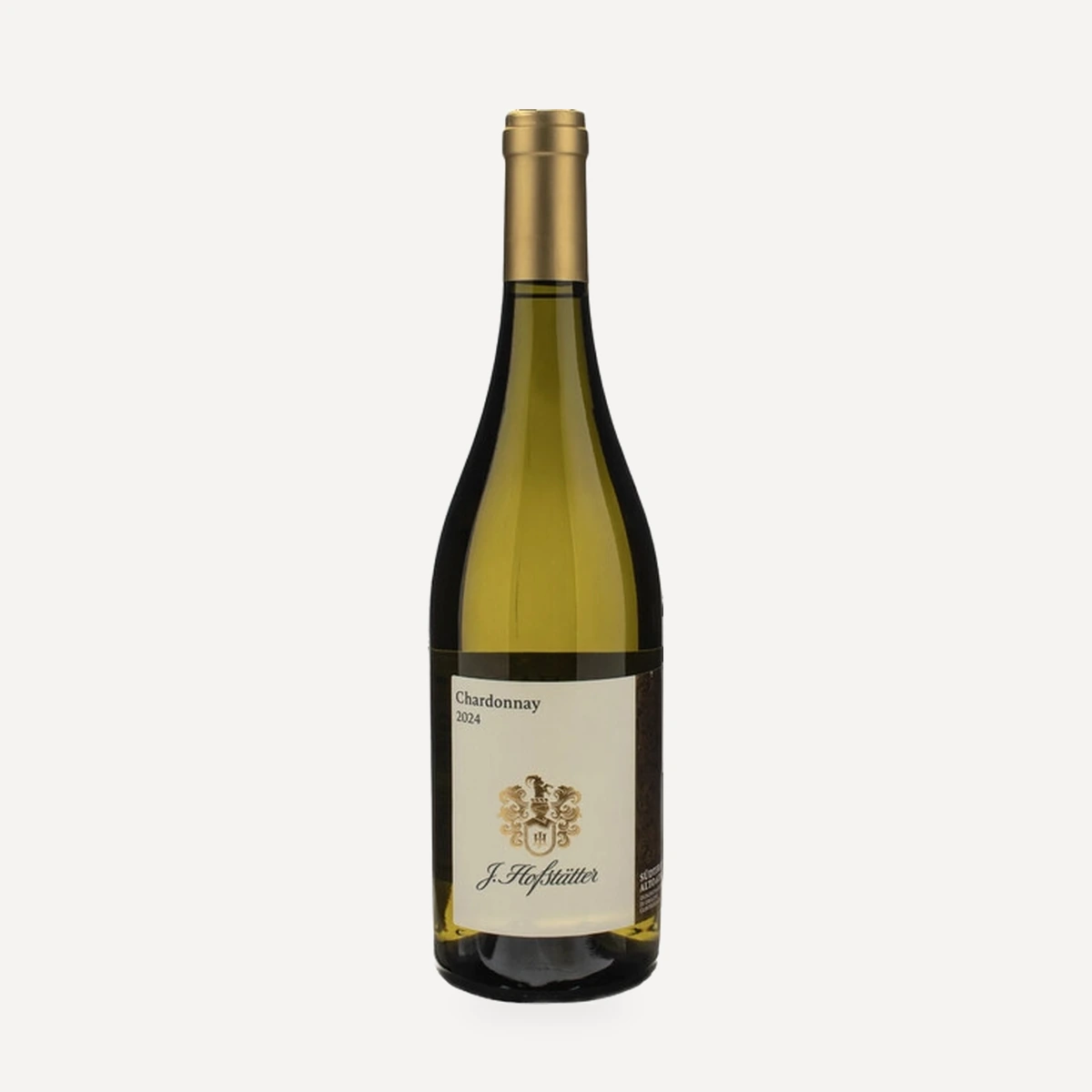
Chardonnay
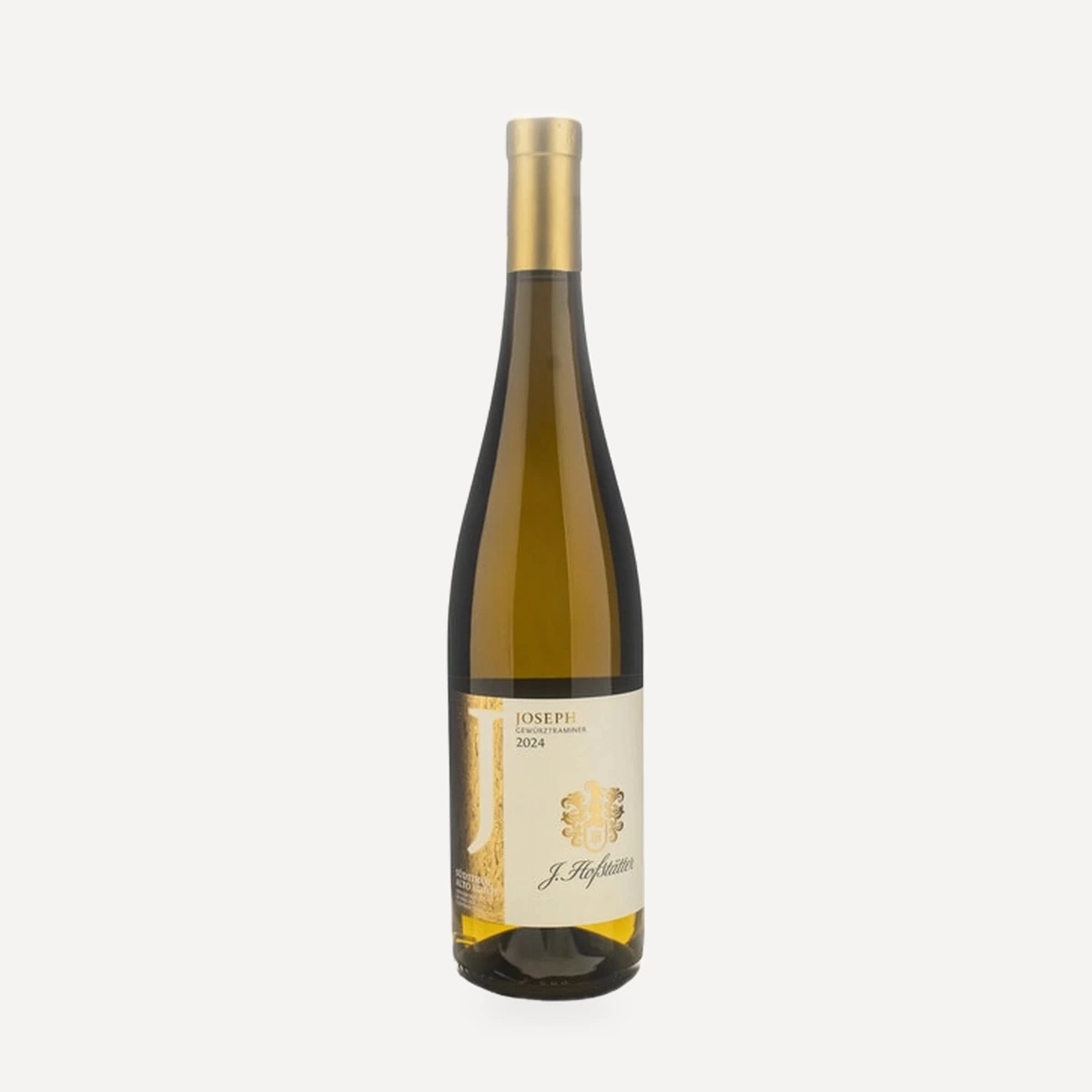
JOSEPH Gewürztraminer
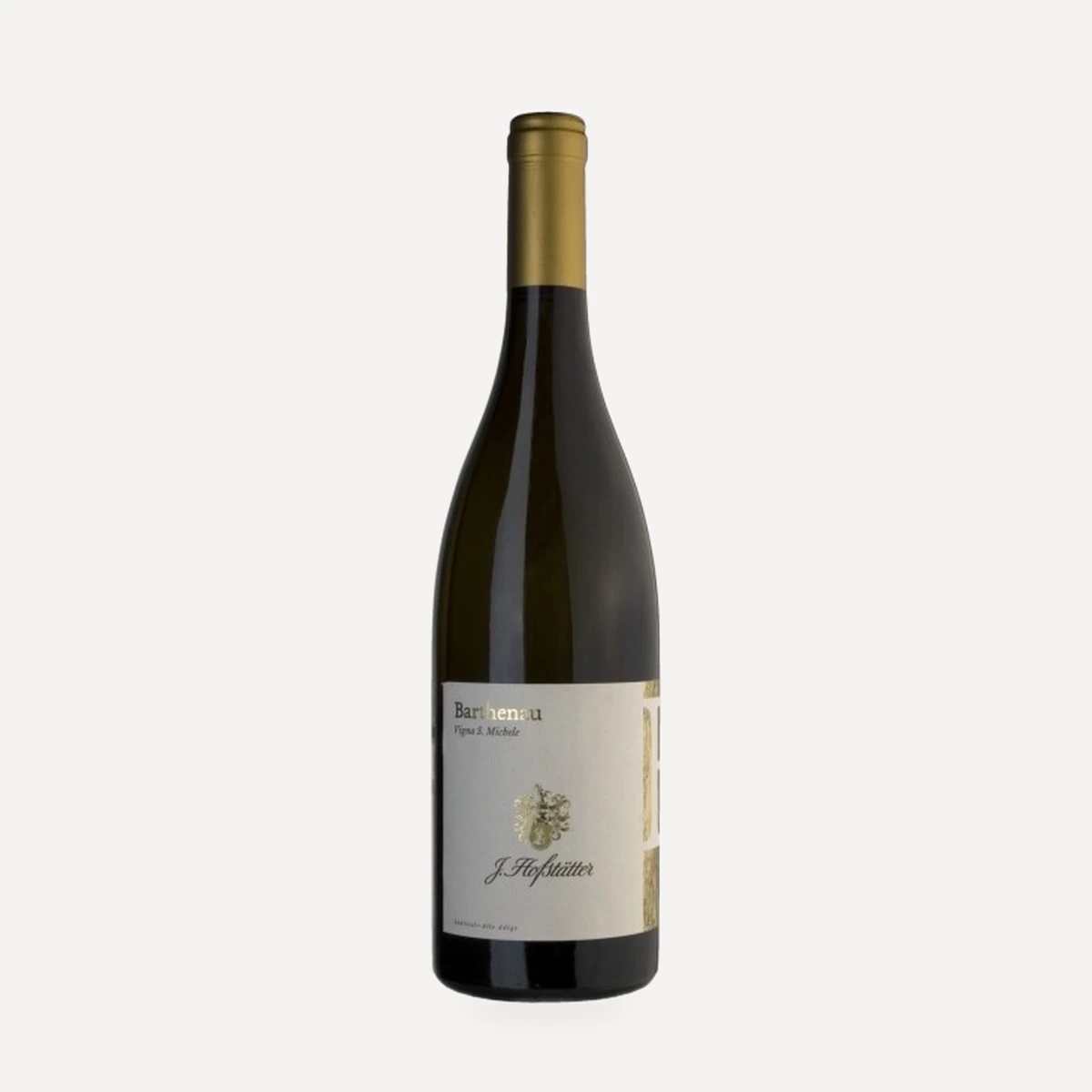
Vigna SAN MICHELE BARTHENAU Pinot Bianco
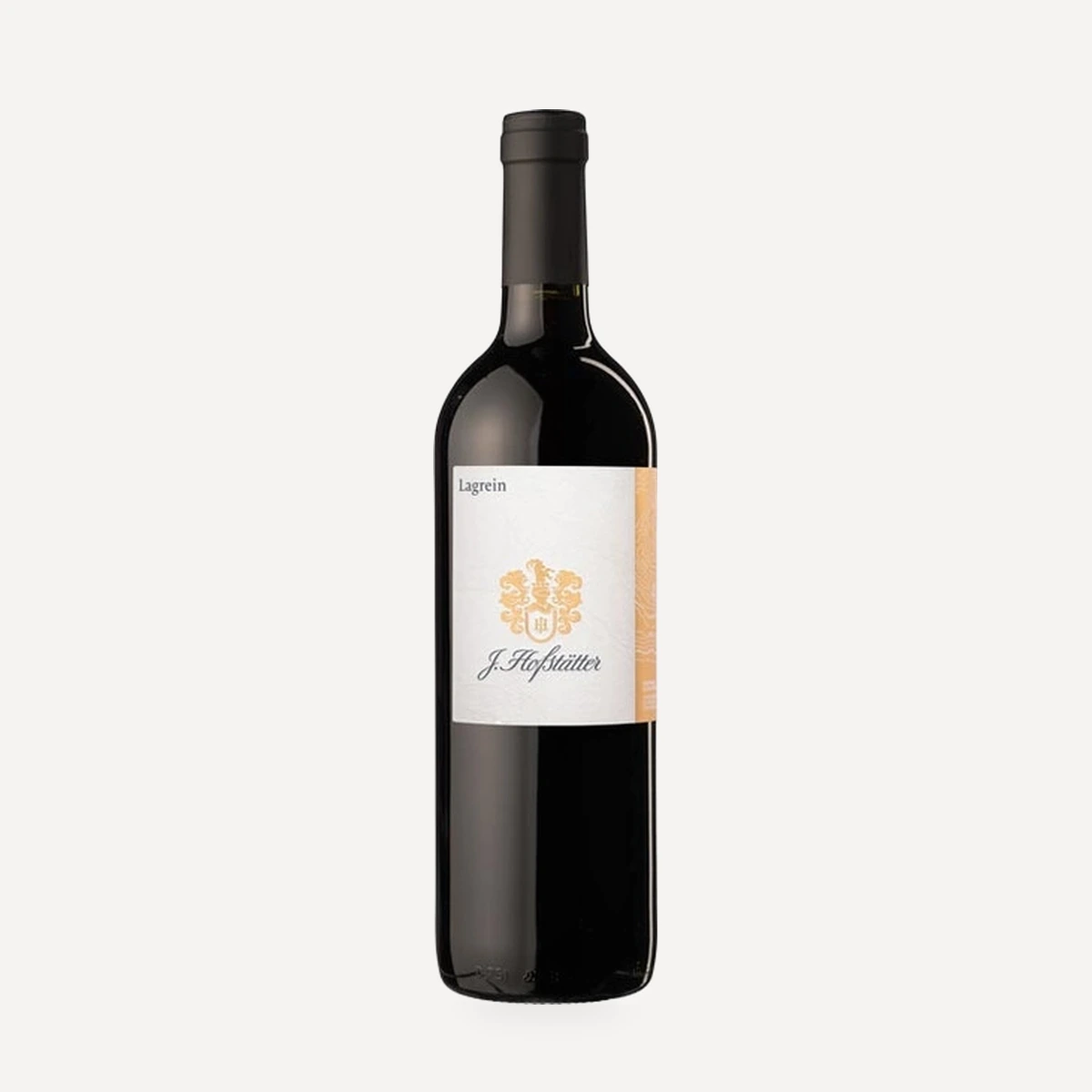
Lagrein
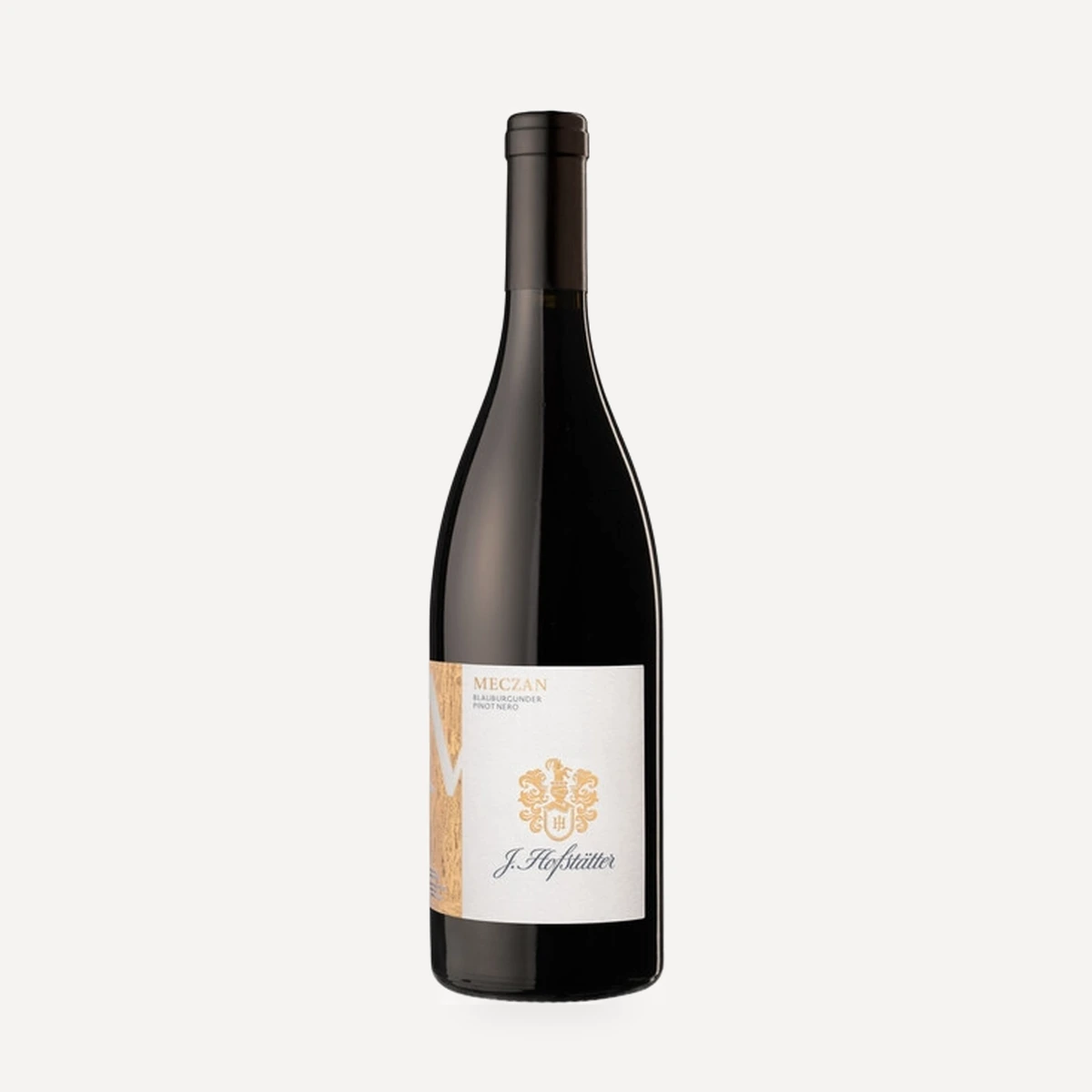
MECZAN Pinot Nero
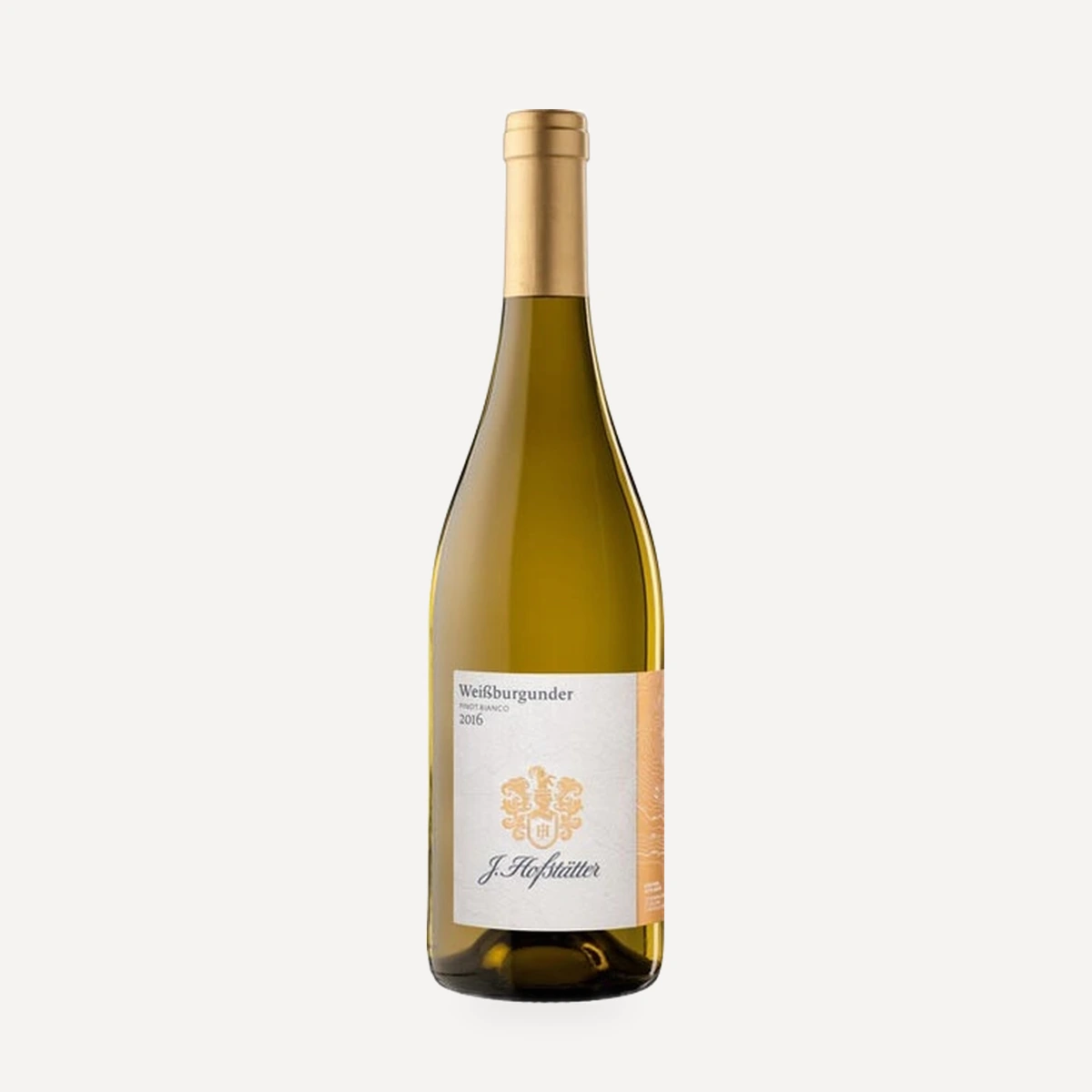
Pinot Bianco
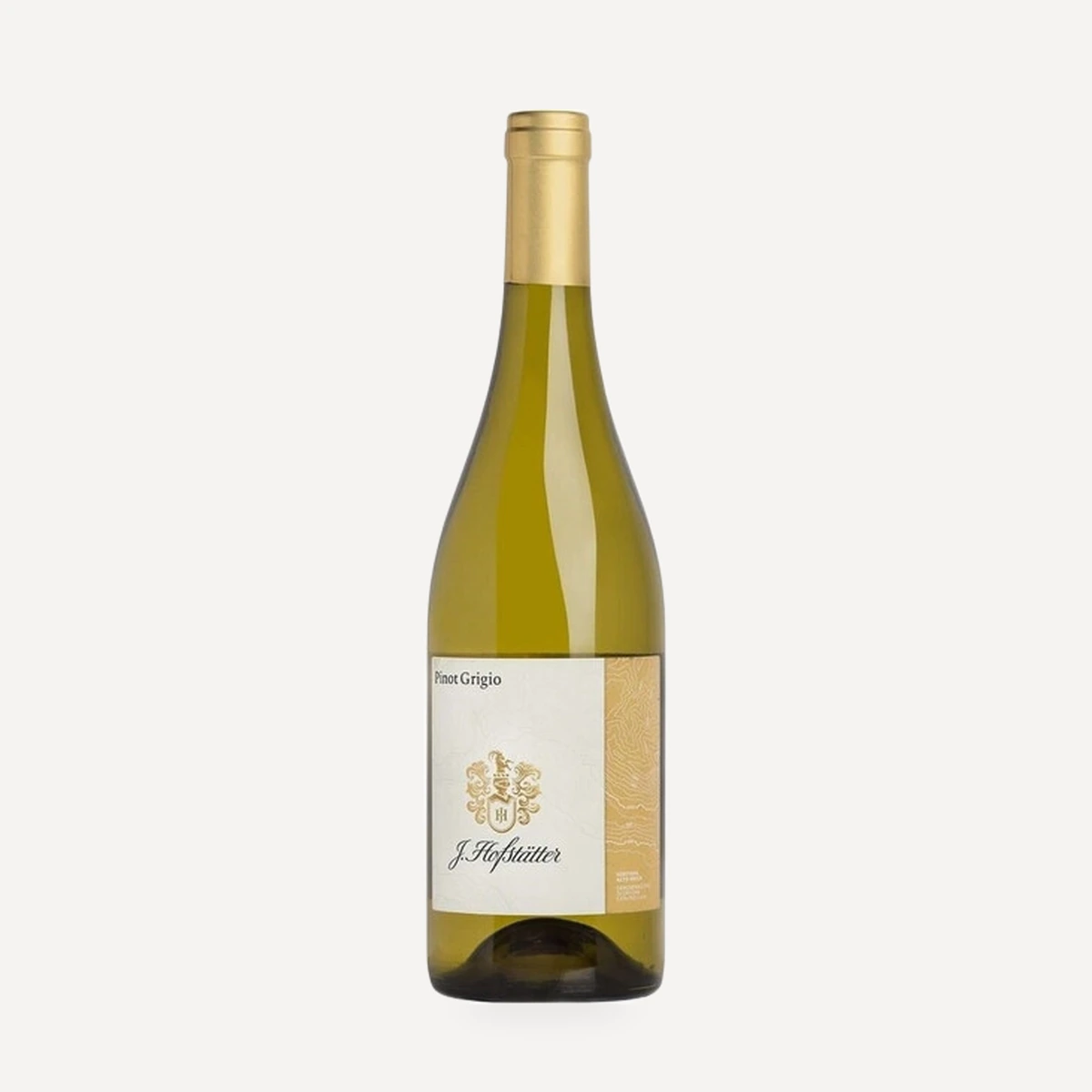
Pinot Grigio
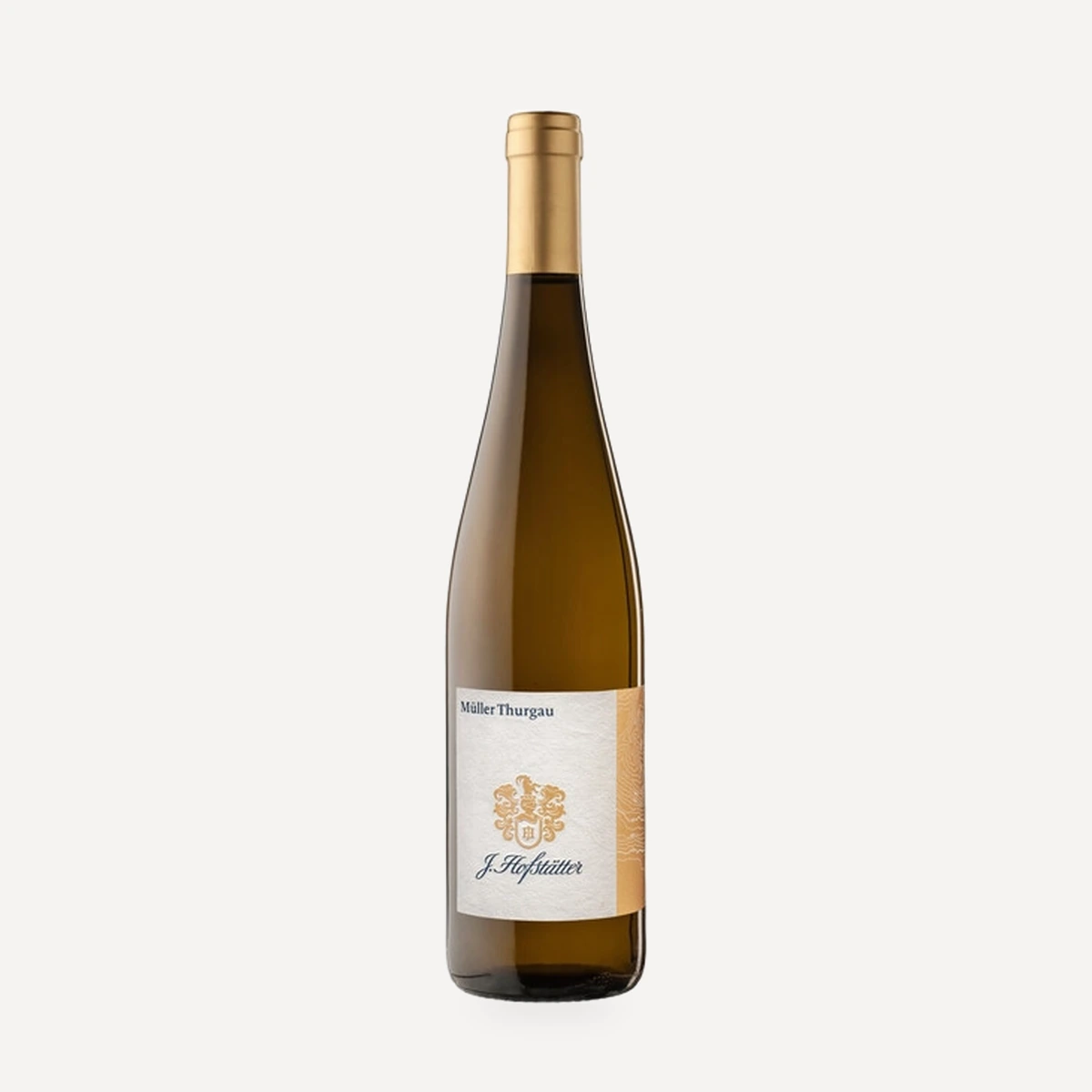
Müller-Thurgau
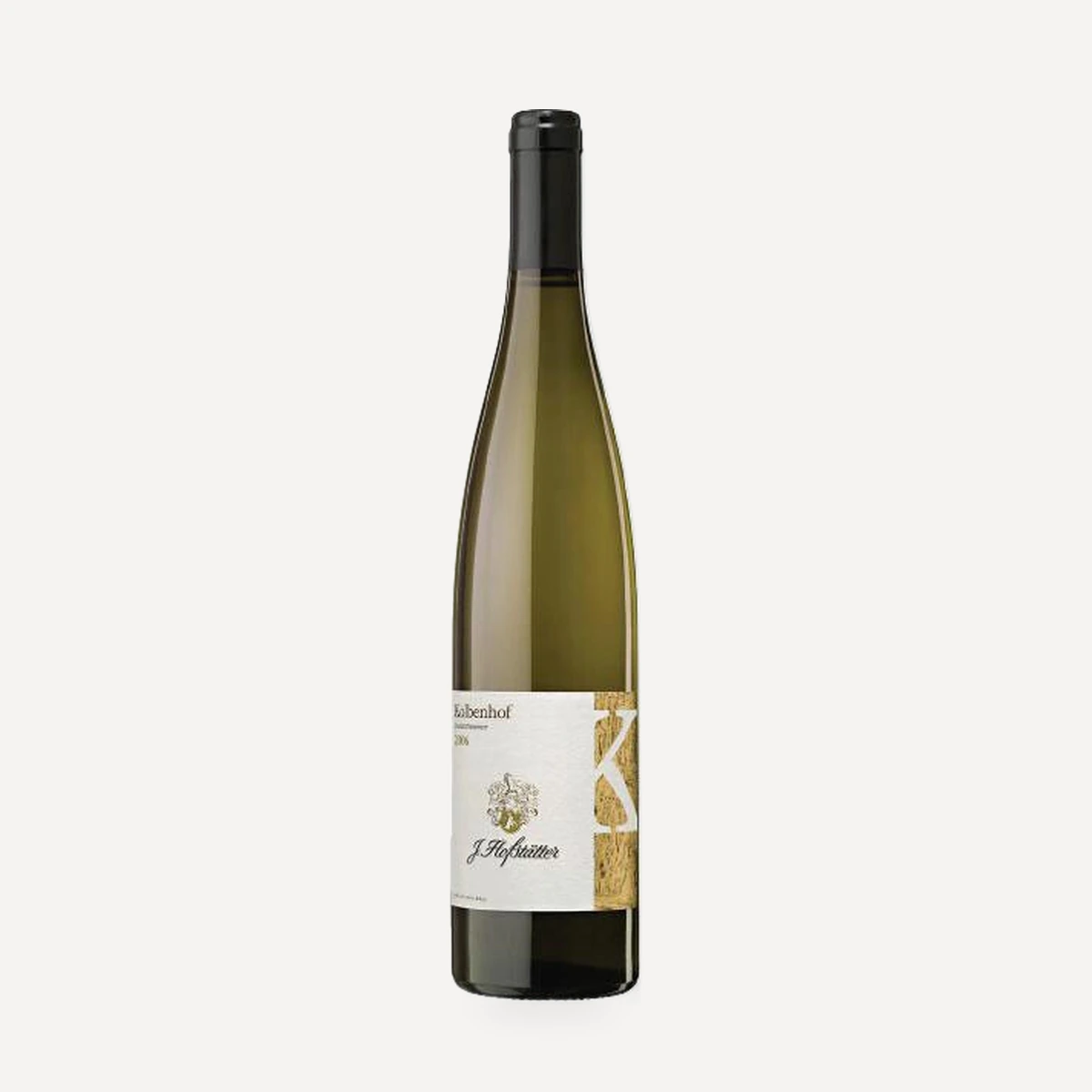
Vigna KOLBENHOF Gewürztraminer
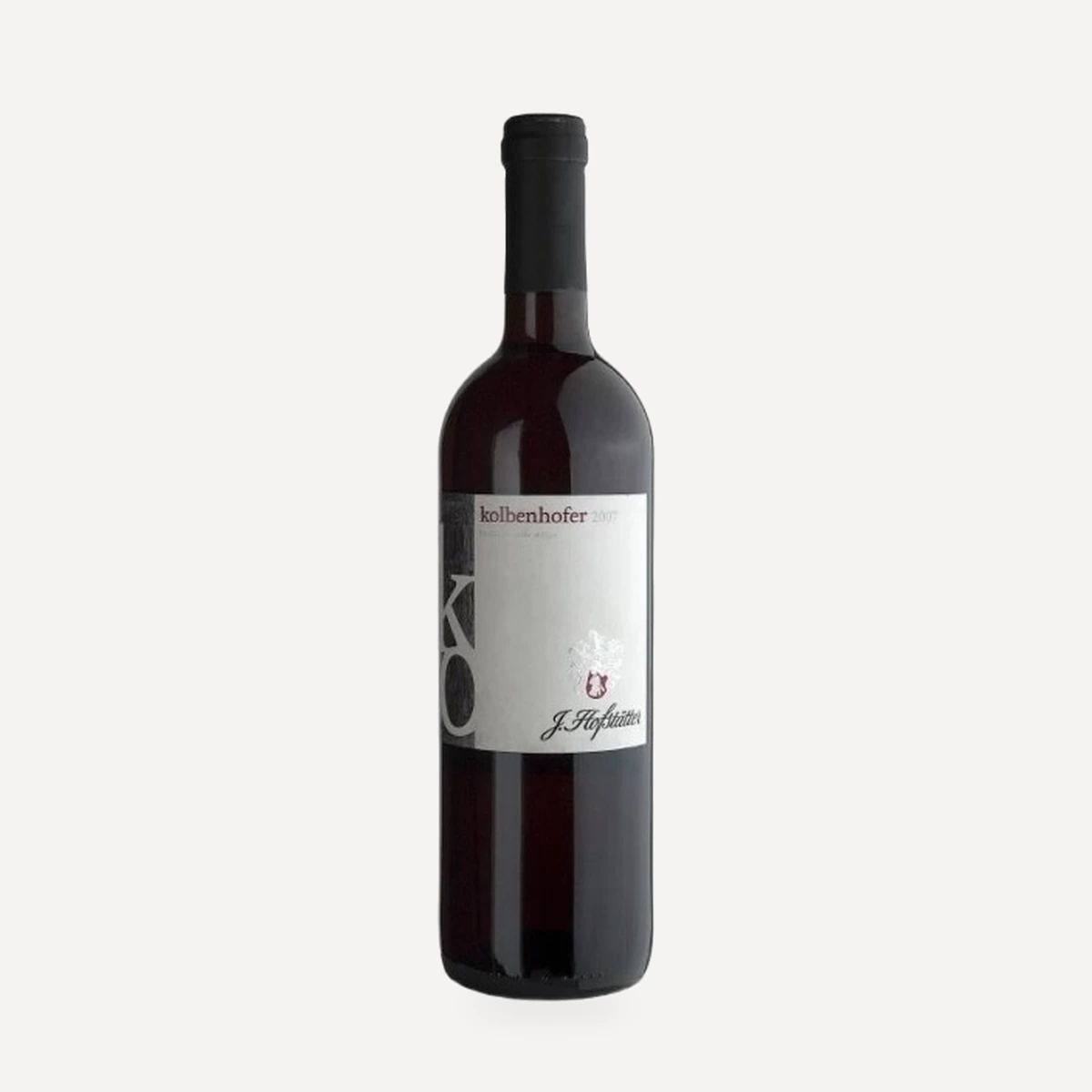
KOLBENHOFER Schiava
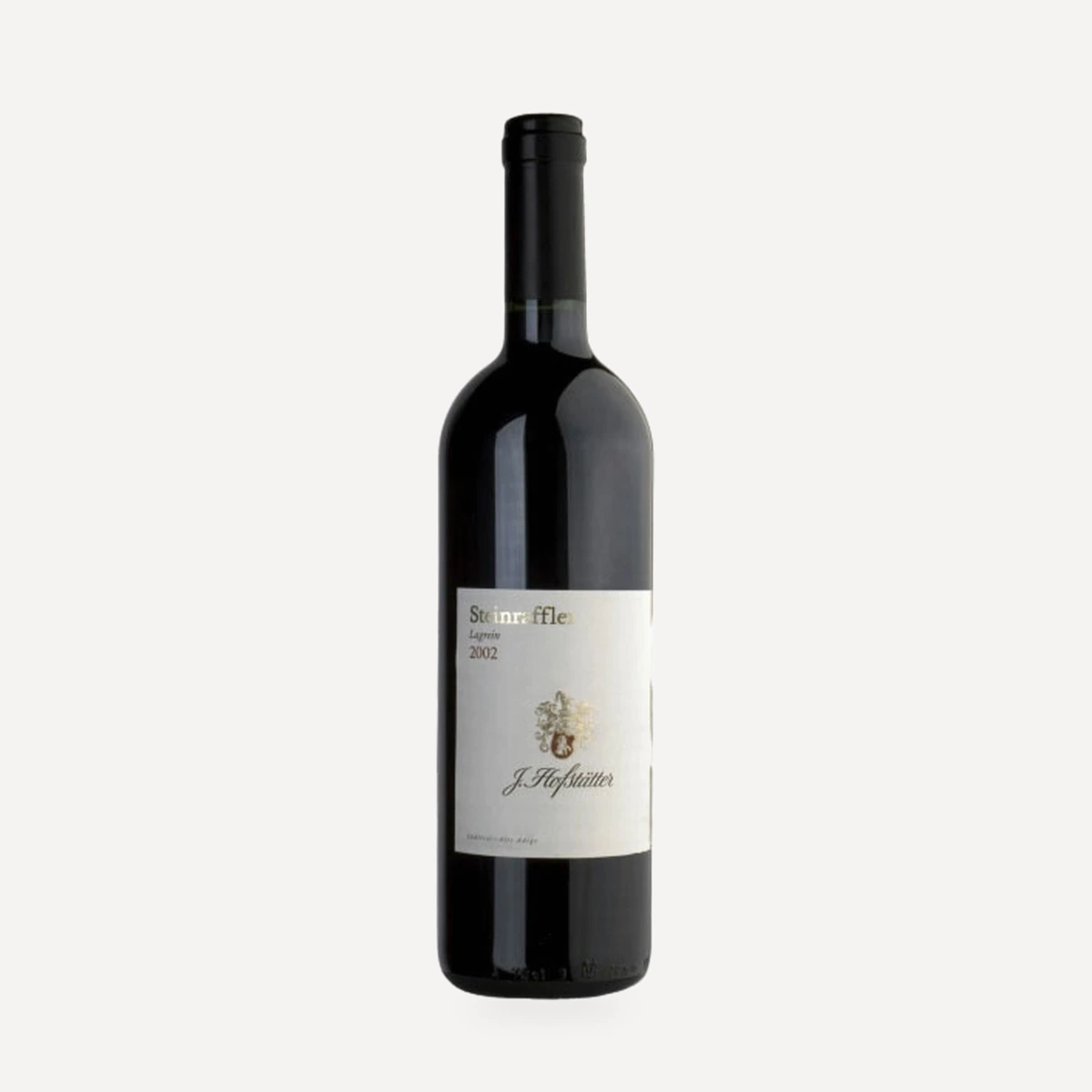
Vigna STEINRAFFLER Lagrein
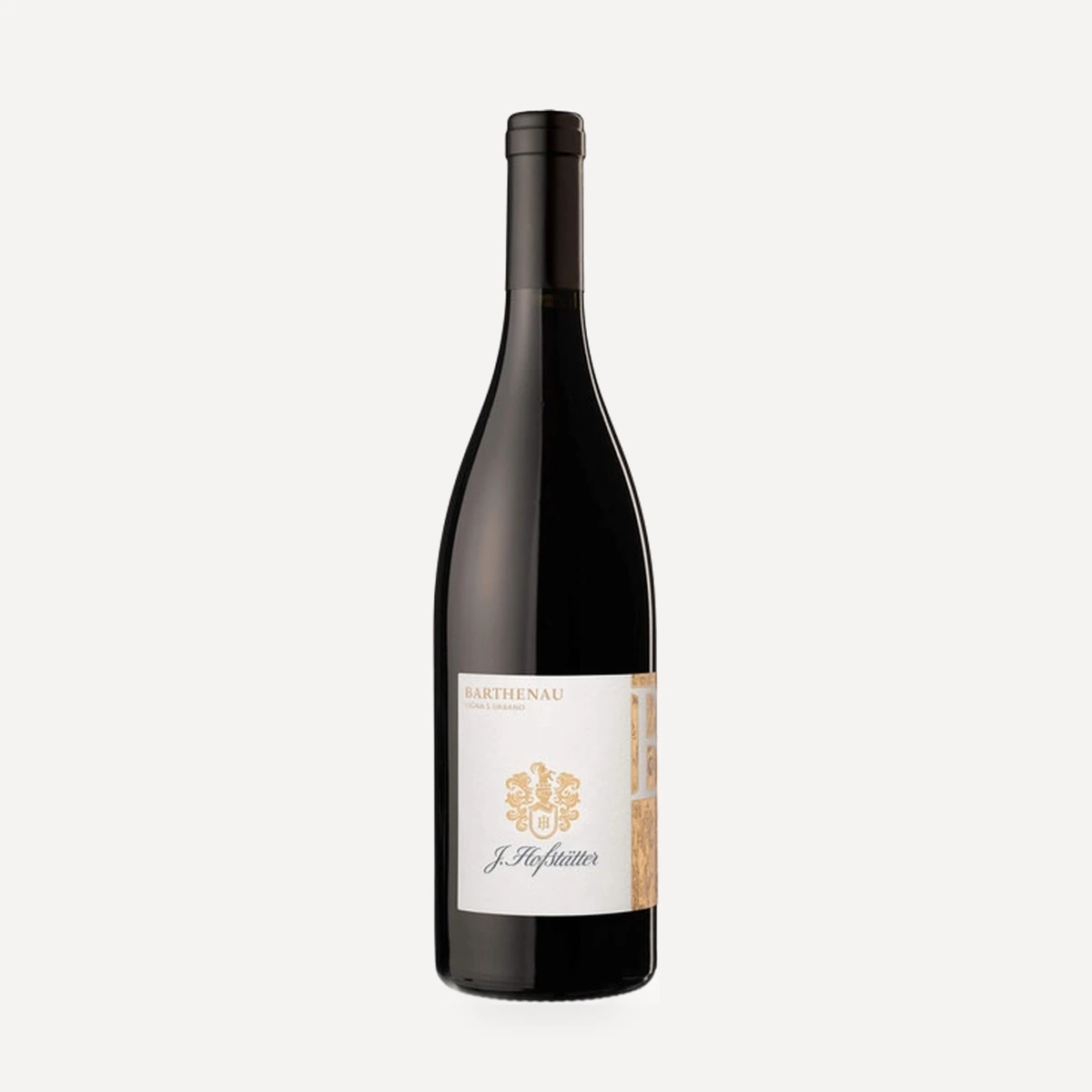
Vigna SAN URBANO BARTHENAU Pinot Nero