Storia
The beginnings in the 1940s
Germano Togn worked as a produce broker before beginning to vinify grapes obtained from local farmers in the 1940s. He sold the resulting bulk wine throughout Trentino-Alto Adige and in territories that had belonged to the Austro-Hungarian Empire. Over the following 15 years, Germano acquired four winemaking operations in the region. He processed selected batches of grapes from Roverè della Luna and nearby municipalities while also buying wine from small producers to use in his bulk-wine blends. The Togn family winery in Roverè della Luna became the centre of these activities.
Grape juice, financial difficulty and technical renewal
In the late 1950s, Germano expanded into grape-juice production with a German partner. The venture failed to produce the anticipated results, leaving him in a difficult financial position and ultimately forcing him to relinquish a substantial portion of his properties.
Luigi Togn nevertheless managed to preserve the winery. Working with German wine-production specialist Berthold Smitt, he imported the first specialised equipment used locally for processing white grapes, including horizontal presses. This introduced techniques considered innovative in Trentino at the time.
The foundation of Gaierhof in 1976
Germano died suddenly in 1976, after which Luigi assumed control of the family business. The bulk-wine market was flourishing, allowing him to continue investing in equipment, but demand was shifting away from demijohns and towards bottled wine. Luigi responded by founding Gaierhof in 1976 to market his Trentino wines in bottle. His cousin Adriano Dalpiaz helped build the commercial network, initially in Trentino and subsequently throughout Italy.
Maso Poli and the first exports
In 1978, Luigi purchased Maso Poli. It subsequently developed as a separate agricultural producer aimed at a more specialised niche market.
In the early 1980s, Luigi met Fabrizio Pedrolli, a Trento hospitality entrepreneur and sommelier. Pedrolli appreciated the direct, readily recognisable flavours and aromas of Gaierhof wines and involved Luigi in a project for distributing Italian wines in the United States, opening the way for Gaierhof’s first American exports.
The daughters of Luigi Togn enter the business
Romina, Luigi’s eldest daughter, joined the company in 1991. She initially managed group finances, then took responsibility for marketing and sales in Italy and foreign markets.
Valentina, Luigi’s second daughter, entered the business in the late 1990s. Trained in agriculture, she concentrated on production. During the same period, Goffredo Pasolli joined as a wine-production specialist after professional experience in Friuli-Venezia Giulia and Tuscany. Valentina and Goffredo married in 2000.
In 2001, Luigi’s third daughter, Martina, joined the company. Her work covered administration and logistics, as well as collaboration with Romina in sales.
Gaierhof in 2019
By 2019, the Togn family represented one of the relatively few family-run wine businesses in the region. Gaierhof employed 12 people and reported annual production of 800,000 bottles. The family’s wider holdings also included Azienda Vinicola Valdadige, Lechthaler and the separately operated Maso Poli estate.
Terroir
Gaierhof sources grapes between the Province of Trento and South Tyrol, across a landscape of Alpine peaks, hills and individual valleys. The Dolomites dominate Trentino, while Lake Garda moderates the climate of the region’s southern sector.
Roverè della Luna, Gaierhof’s home since the beginning of the business, is the northernmost municipality in the Province of Trento. Its distinctive microclimate is particularly suited to white varieties such as Pinot Grigio and Traminer.
The vineyards used by the company occupy sites selected according to variety, soil, microclimate and exposure. Trentino’s growing conditions are characterised by mineral-rich soils, sunny days and cooler evenings. These conditions allow later harvesting than in warmer areas and support the development of aroma and flavour while retaining freshness.
The sourcing network extends through several contrasting zones: Valle di Cembra, Piana Rotaliana, Roverè della Luna, Colline Avisiane and Vallagarina. Within the Teroldego Rotaliano denomination, the permitted area lies north of Trento between Mezzocorona, Mezzolombardo and San Michele all’Adige. The Adige and Noce rivers formed its predominantly gravelly and sandy soils.
Vinificazione
Gaierhof’s viticultural model is based on longstanding relationships with independent growers rather than estate-owned vines. Many suppliers are descendants of the families who began working with Germano Togn, and the company has continued purchasing grapes from the same growers over many years.
Varieties are planted and sourced according to soil type, microclimate and exposure. Harvesting is carried out by hand. The winemaker authorises the beginning of picking only when three indicators have reached the desired balance: sugar concentration, tannin maturity and acidity. Grapes are transported to the winery immediately after picking to reduce oxidation.
Fruit from each vineyard is processed separately so that the characteristics of its individual terroir can be retained. In the two selected Teroldego sites, Morei and San Marco, viticulture includes pre-harvest bunch-tip cutting approximately one month before picking, a second manual selection during harvest, pergola trentina training and yields of about 80 quintals per hectare for Riserva production.
Gaierhof’s cellar is equipped to process selected grape lots from across Trentino and South Tyrol. The production approach focuses on preserving and developing the grapes’ aromas and mineral character. Fruit arrives immediately after manual harvesting to limit oxidation, and grapes from each vineyard are vinified separately to retain the distinctions among individual sites.
The company presents its winemaking as compliant with the requirements governing DOC and IGT wines and excludes added colourants, sugar and other substances described as detrimental to wine quality. Its historical technical development began when Luigi Togn and Berthold Smitt imported horizontal presses and other specialised machinery for processing white grapes, introducing new methods to Trentino at the time.
The broader production model combines selected raw material from a large grower network with cellar technology intended to protect freshness, varietal aroma and territorial character.
Filosofia
Gaierhof defines its longstanding model as that of a “négociant of grapes”: a family wine business built around trusted relationships with local growers rather than ownership of vineyards. Whole families have supplied the company across generations, and these relationships are treated as an essential part of the production system.
The traditional arrangement was based on a pledge of honour. Payment for delivered grapes was deferred and completed on San Martino, 11 November, by which time most wine from the preceding vintage had been sold.
Stylistically, Gaierhof pursues drinkability, freshness, a recognisable expression of both grape variety and the Trentino growing area, and consistency over time. Its wines are intended to be smooth, fruit-led, approachable and never excessively heavy. Grape selection and cellar technology are directed towards preserving aroma, minerality and the distinctions among vineyard sites.
Vini
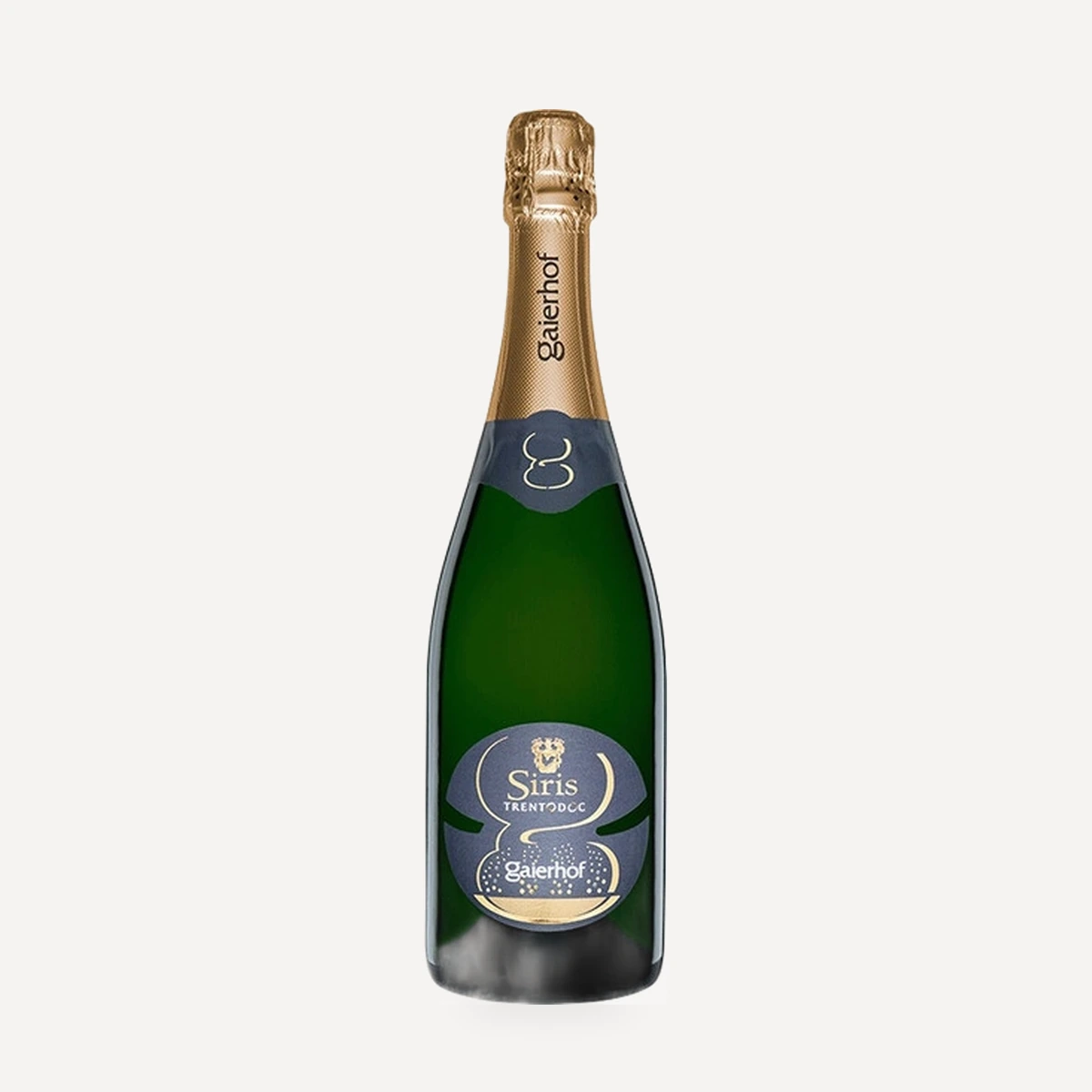
Siris Trento DOC
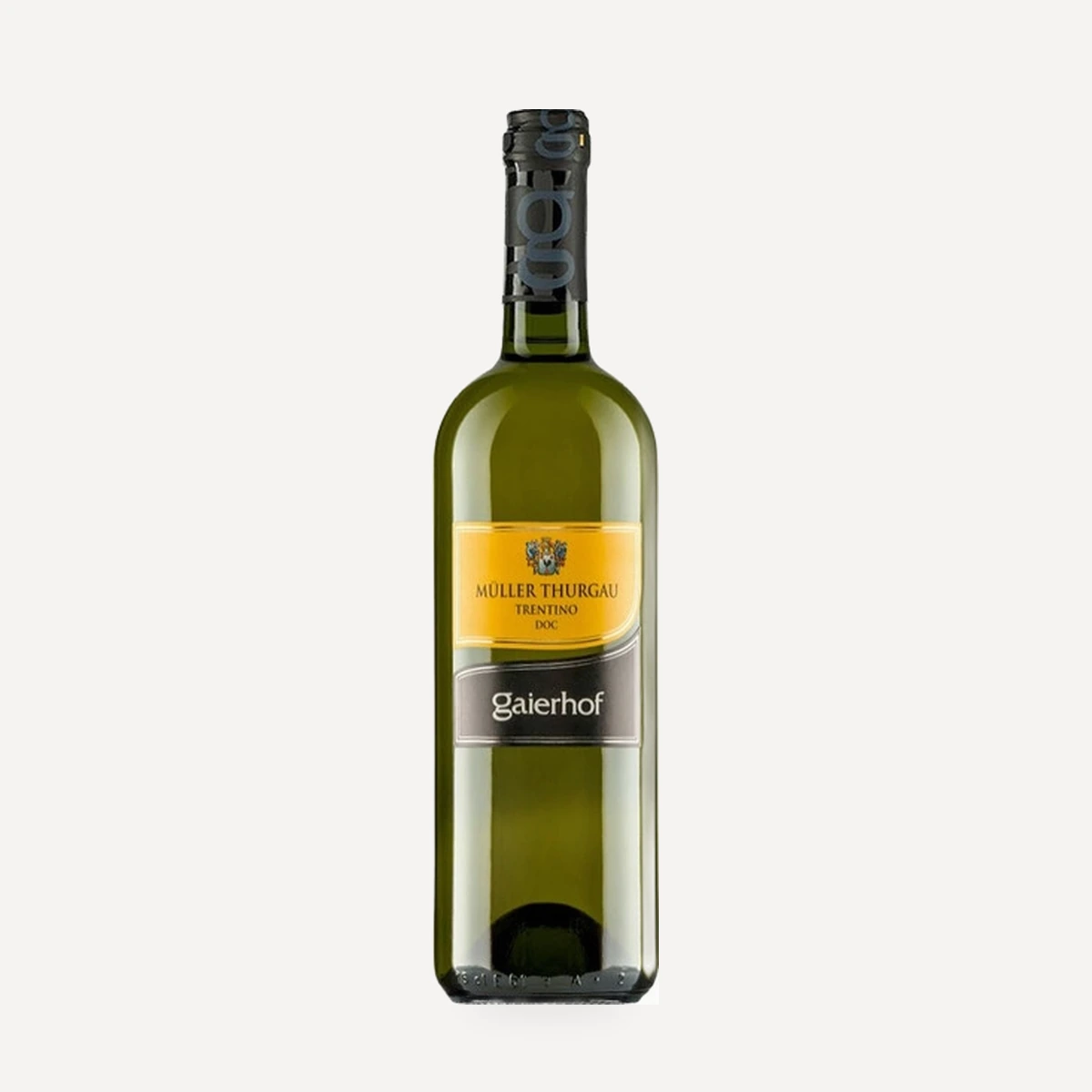
Müller Thurgau Trentino DOC
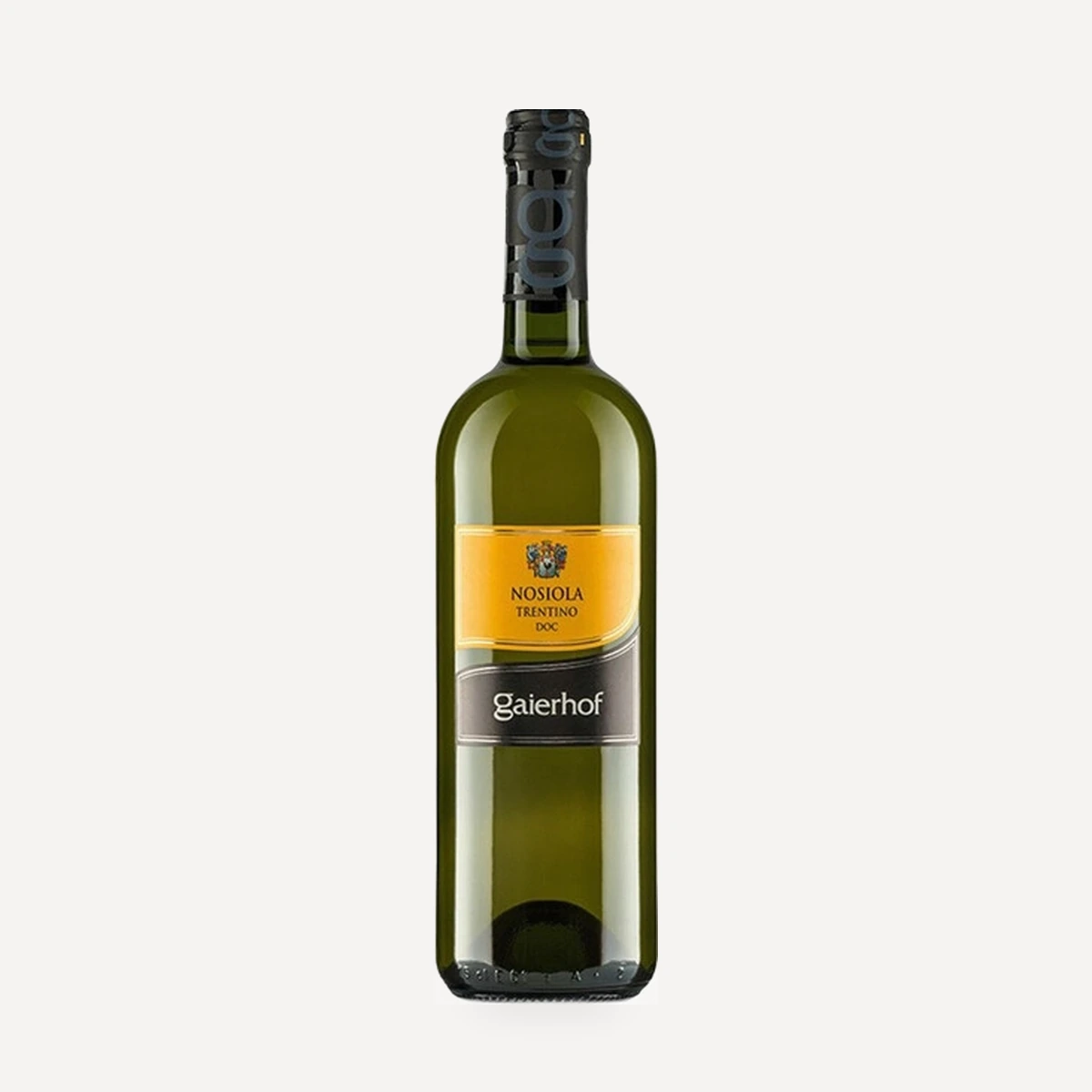
Nosiola Trentino DOC
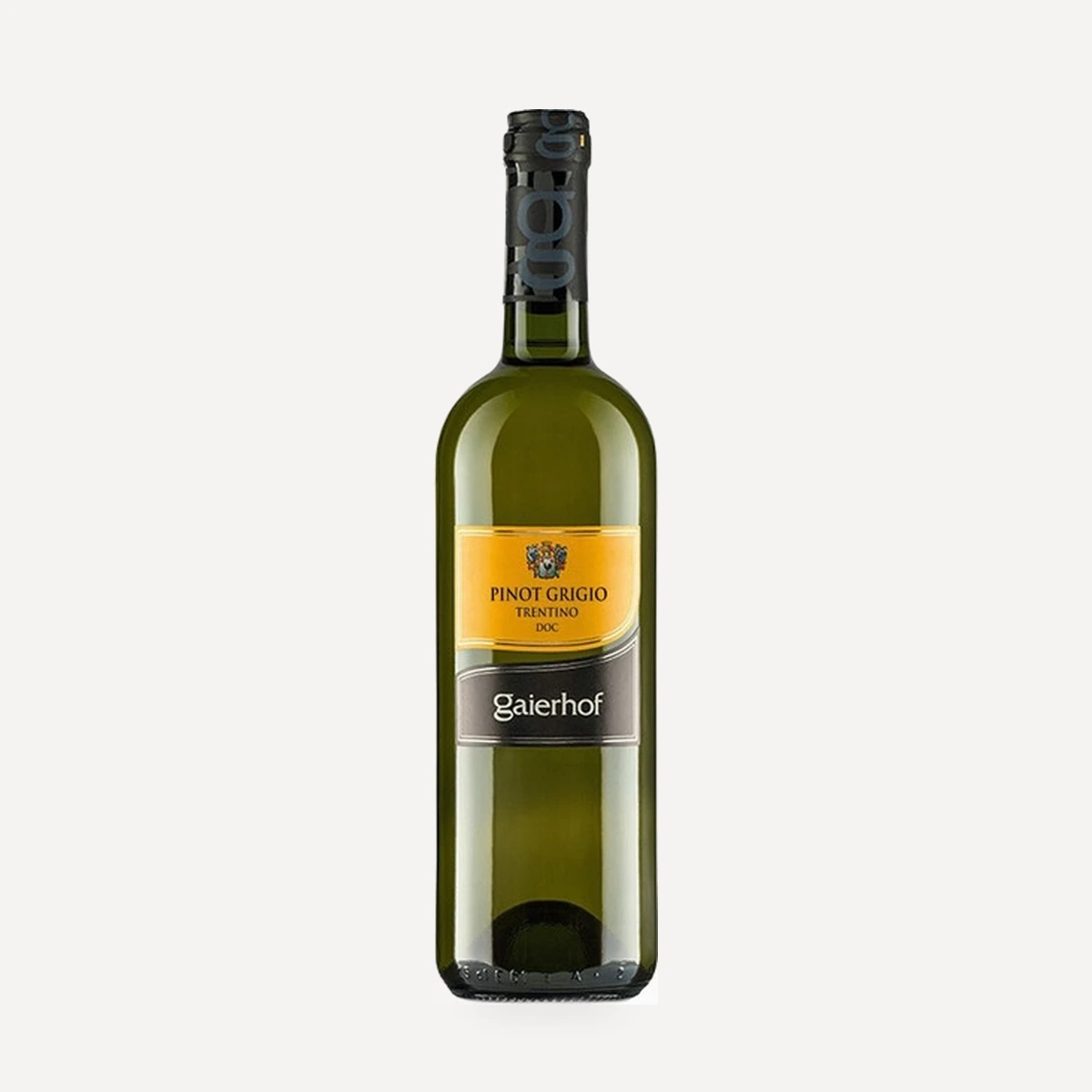
Pinot Grigio Trentino DOC
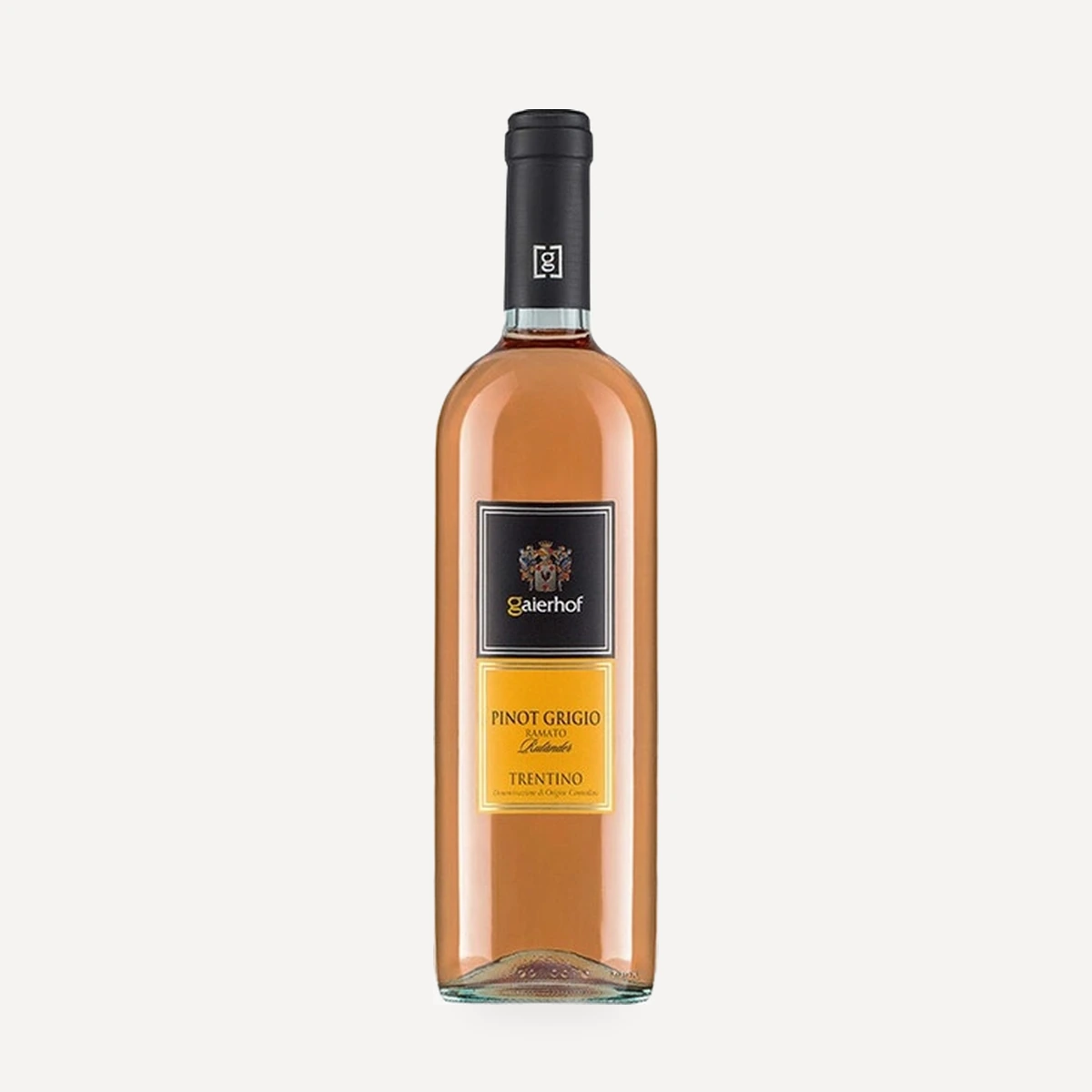
Pinot Grigio Ramato Trentino DOC
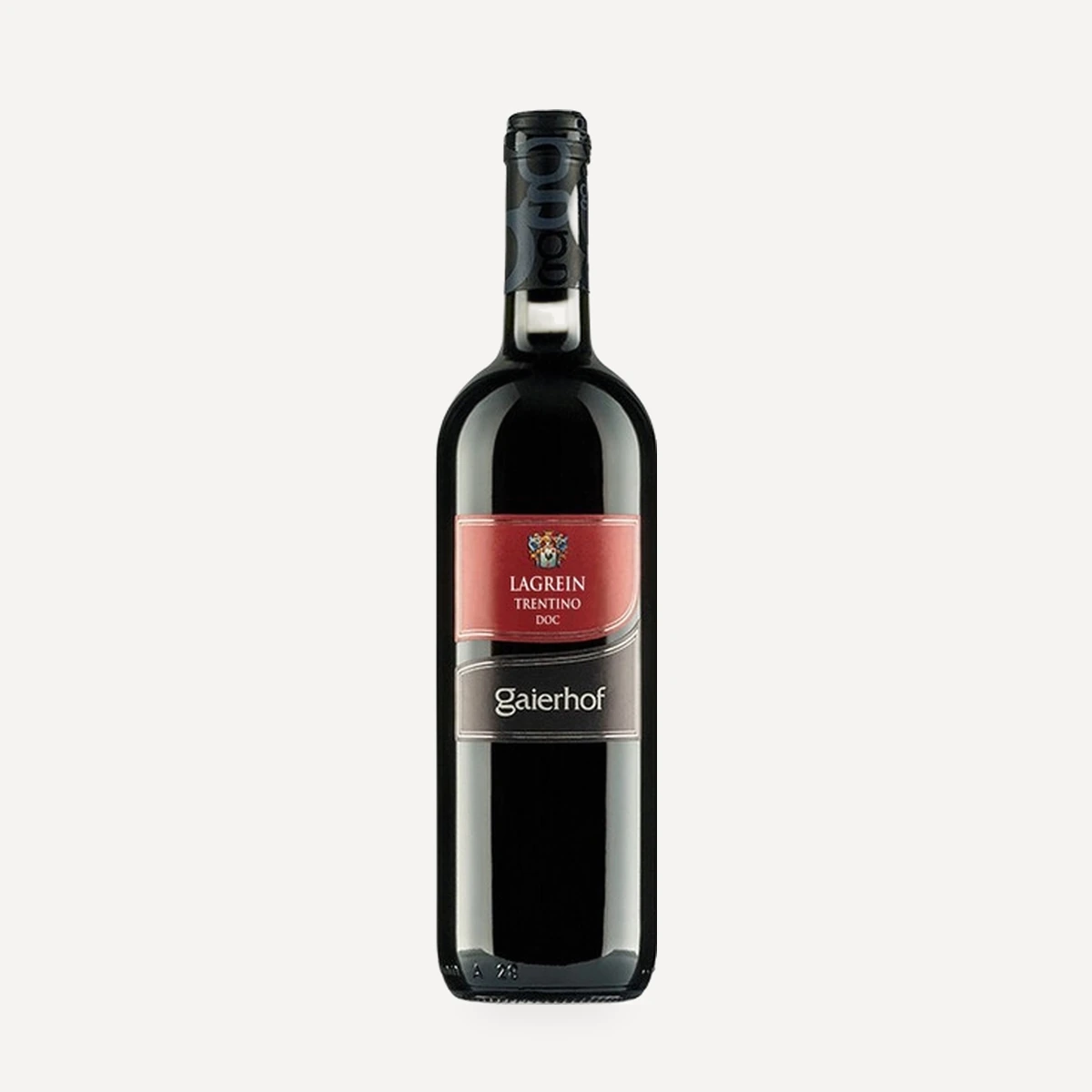
Lagrein Trentino DOC
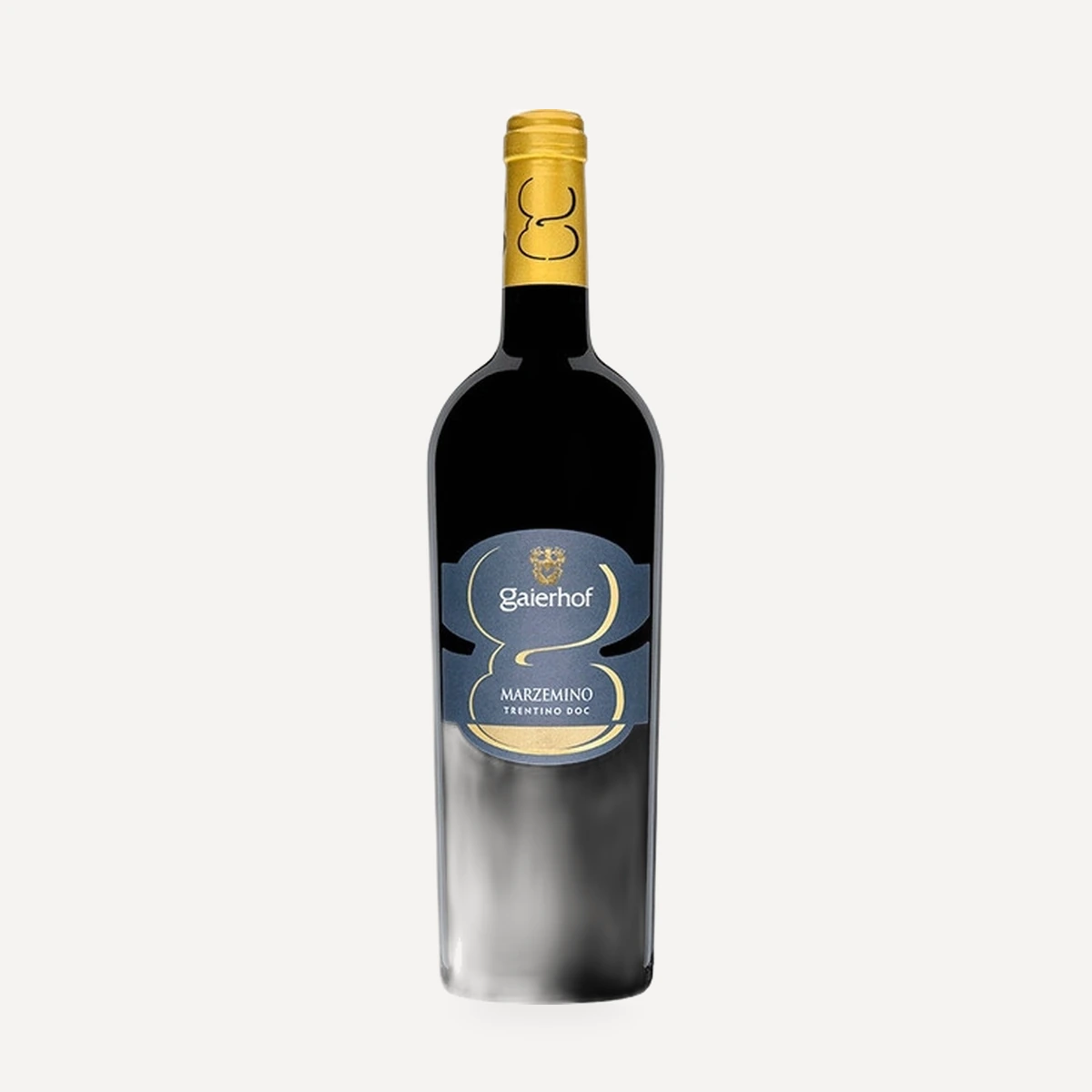
Marzemino Trentino DOC
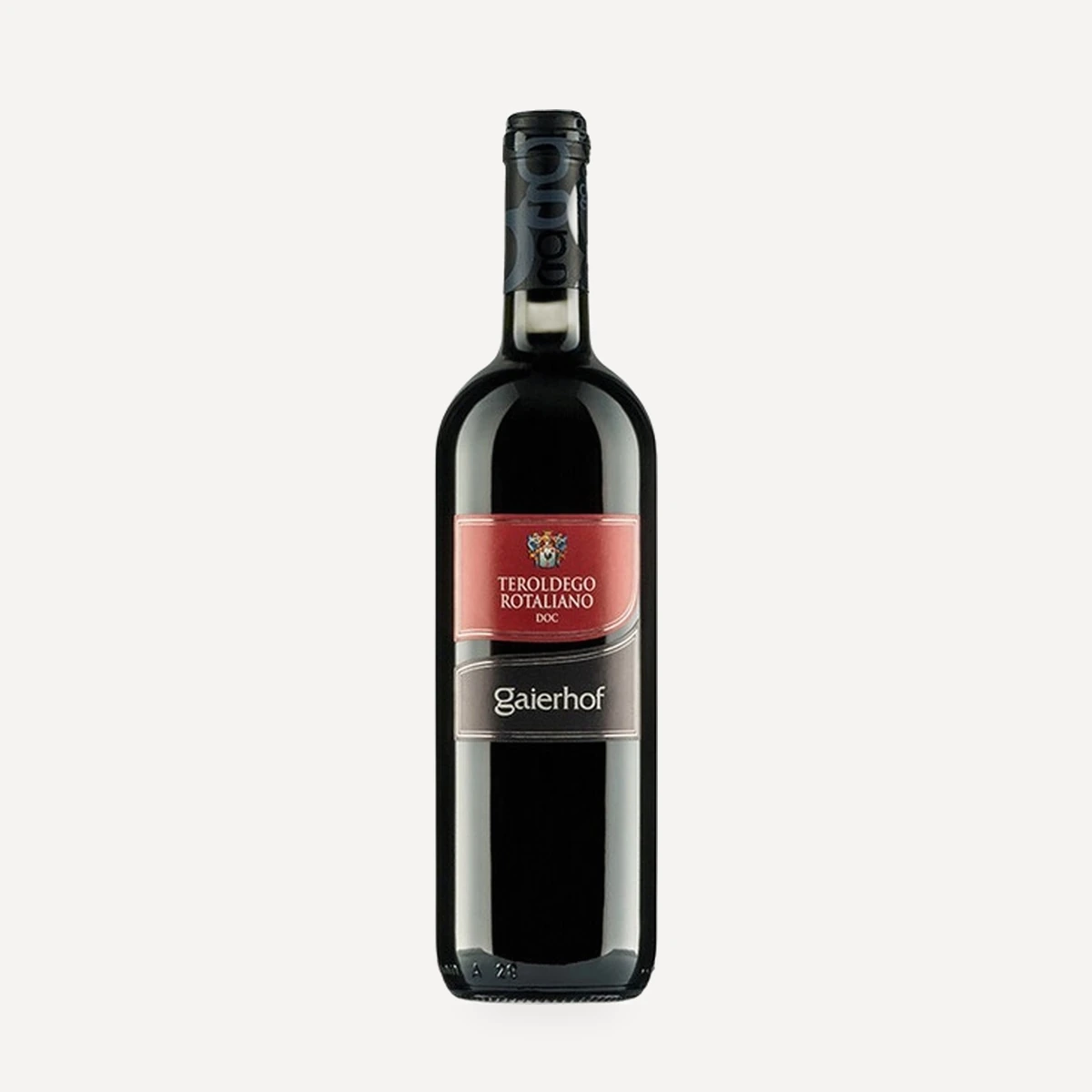
Teroldego Rotaliano DOC
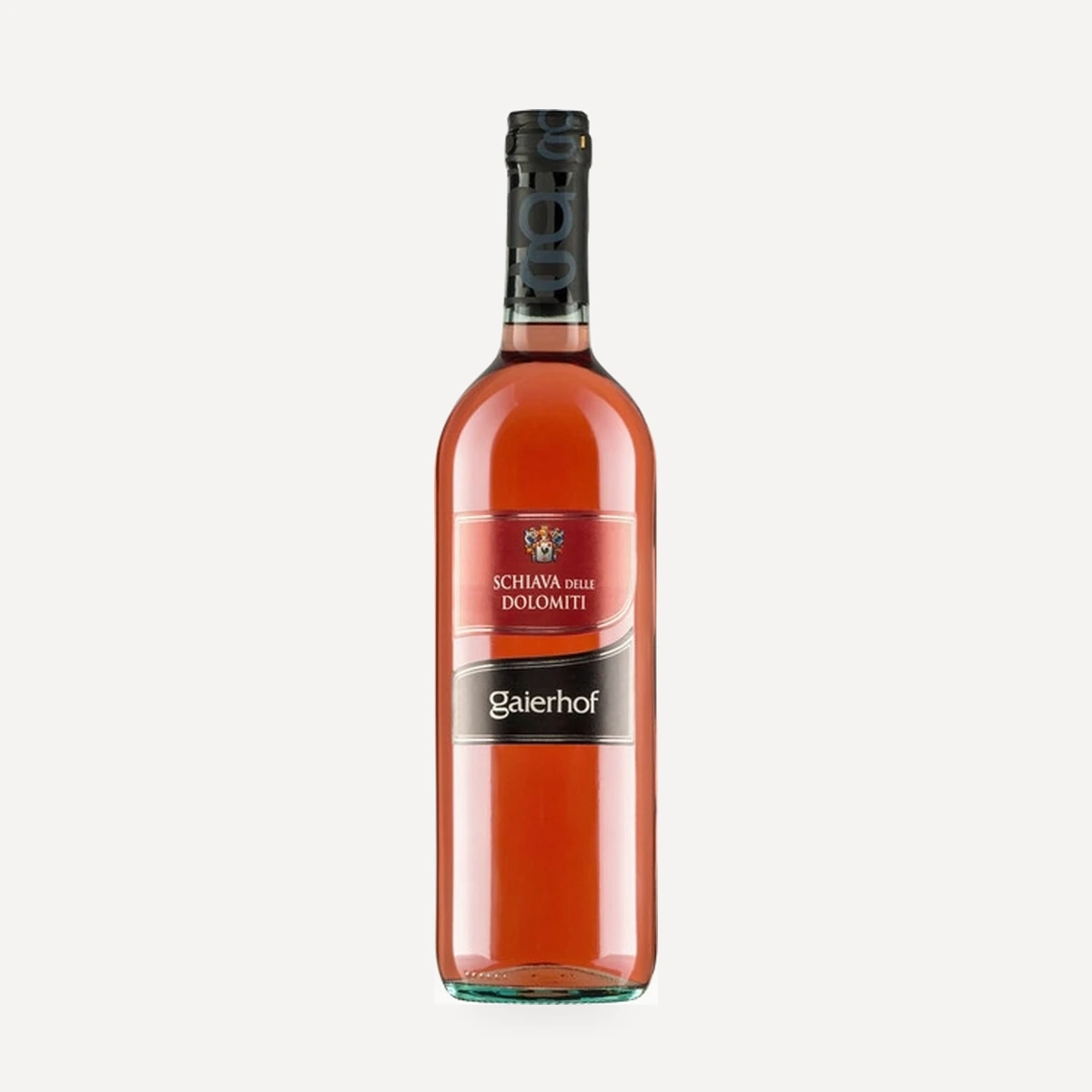
Schiava Vigneti delle Dolomiti IGT