Storia
1950: a consortium for Trentino wine
Cavit began in 1950 when a group of winegrowers, conscious of the character and potential of their territory, joined together to improve the promotion of traditional Trentino wines. They created a consortium of cooperative wineries that became the nucleus of Cavit. Its original responsibilities were technical rather than commercial: supporting the member wineries, promoting a culture of quality wine in Trentino, training growers and guiding them towards more advanced cultivation methods.
1957: from technical assistance to commerce
In 1957, Cavit added a commercial function to its technical work. The consortium established a winery capable of meeting the expanding and increasingly varied needs of its members and began developing the marketing of their wines.
1964–1977: the Ravina headquarters
The present headquarters and winery at Ravina di Trento were built in 1964. Expansion began in 1977 and continued over subsequent years, eventually bringing the site to 80,000 m². The complex developed into a technologically equipped production centre with internal analytical and quality-control laboratories, approximately 300,000 hectolitres of storage capacity, six mechanised bottling lines and an automated, robot-managed finished-goods warehouse.
1978: entry into the United States
The first bottle of Cavit wine was exported to the United States in 1978. This shipment established the foundation for the company’s subsequent presence in the American market.
1993: a dedicated sparkling-wine winery
Cavit inaugurated its sparkling-wine winery in 1993. Designed as a highly technological and functional facility, it became the production centre for Cavit Charmat sparkling wines and Altemasi Trentodoc made by the Classic Method.
2010: the PICA platform
In 2010, Cavit began developing PICA—Piattaforma Integrata Cartografica Agriviticola—with Fondazione Edmund Mach and Fondazione Bruno Kessler. The project connected vineyard mapping, geo-climatic analysis, field sensors and production-management tools to guide growers towards precise, efficient and environmentally sustainable cultivation. It subsequently became an everyday operating system for the cooperative’s growers, agronomists and oenologists.
2014: formation of the Cavit Group
The acquisition of a 50.10% interest in the German sparkling-wine house Kessler Sekt & Co. KG in 2014 marked Cavit’s transition into a group structure.
2019: further expansion
In December 2019, the group expanded through the acquisition of an 80% interest in GLV and full ownership of the Cesarini Sforza sparkling-wine house. These additions consolidated Cavit’s position across still and sparkling wine.
2021: recognition for vineyard innovation
PICA received the SMAU Innovation Award in October 2021. The award recognised the platform’s integration of previously separate software and its management of the production chain from grape growing through the final stages of vinification.
Cavit today
Cavit operates as a second-tier cooperative consortium uniting 5,250 winegrowers through 11 member wineries. Together they cultivate 6,250 hectares—more than 60% of Trentino’s vineyard area. Cavit receives, examines and selects the raw materials supplied by the associated wineries and supervises the chain from viticulture to production and marketing. The cooperative model combines small, individually tended vineyards with shared agronomic, technical and commercial resources.
Terroir
Trentino at Alpine scale
Cavit’s members cultivate vineyards across Trentino, from the valley floor to 850 metres above sea level. Conditions range from the Mediterranean influence surrounding Lake Garda to the Alpine climate of the Dolomites. Five principal winegrowing areas, numerous microclimates and more than 170 soil types derived from five geological formations support a broad range of native and international varieties.
Campo Rotaliano
Campo Rotaliano has a continental climate and highly permeable soils of gravel and pebbles, rich in coarse mineral material and covered by a thin layer of alluvial sand and silt. It is the principal territory of Teroldego Rotaliano and also supports Chardonnay, Pinot Grigio and Lagrein.
Valle di Cembra
Valle di Cembra has an Alpine climate and a combination of volcanic and glacial soils. Shallow, siliceous porphyry soils favour delicately aromatic white varieties. Deeper, structured glacial deposits with abundant coarse material are suited to sparkling-wine base grapes. The identified varieties are Müller Thurgau, Chardonnay, Nosiola, Gewürztraminer and Pinot Nero.
Valle dell’Adige
The alluvial valley floor is dominated by silt and sand. Along the mountain flanks, dolomitic limestone soils formed from material transported by rivers and glaciers support Chardonnay for both still wines and sparkling bases. Near the mountains, sedimentary soils rich in siltstone suit aromatic whites and reds. The area grows Pinot Grigio, Chardonnay, Nosiola, Pinot Bianco, Gewürztraminer, Schiava, Lagrein, Pinot Nero, Merlot and Cabernet Sauvignon.
Vallagarina
Vallagarina has a moderate continental climate and varied geology. Sandy and silty alluvial soils on the valley floor favour early-drinking whites. Hilly sites with glacial, dolomitic and calcareous soils produce whites intended for ageing. Isera and Brentonico contain structured basaltic soils suitable for sparkling bases and red wines. Varieties include Pinot Grigio, Chardonnay, Müller Thurgau, Moscato Giallo, Marzemino, Lagrein, Merlot and Cabernet Sauvignon.
Valle dei Laghi
Valle dei Laghi combines loose, sandy alluvial soils with marly and sometimes clay-rich glacial soils. Its sub-Mediterranean climate supports reds, dry and fruit-driven whites and Vino Santo Trentino. Cooler vineyards at higher altitude provide bases for sparkling wines intended for long ageing. The area grows Nosiola, Müller Thurgau, Pinot Grigio, Gewürztraminer, Sauvignon Blanc, Chardonnay, Pinot Nero, Schiava, Lagrein and Merlot.
Maso Toresella
Maso Toresella lies beside Lake Toblino in the Valle dei Laghi, within the commune of Calavino, at approximately 250 metres above sea level. The historic residence is surrounded by 6.5 hectares of vineyards used for the white wines of the Il Maso line.
Vinificazione
Cavit’s 5,250 members cultivate approximately 6,250 hectares, more than 60% of Trentino’s vineyard surface. The average member tends about 1.2 hectares, a scale that permits close, artisanal attention to individual vineyards. Harvesting is carried out by hand.
PICA precision viticulture
PICA—Piattaforma Integrata Cartografica Agriviticola—was created in 2010 with Fondazione Edmund Mach and Fondazione Bruno Kessler. It combines complete soil mapping, advanced geo-climatic analysis, field sensors and a digital communication platform. Vineyard data are processed in real time and returned to individual growers as personalised notifications accessible during their daily work.
The system identifies the varieties best suited to each parcel from technical and environmental parameters. It supports rigorous checks and selection throughout the agronomic cycle, follows grape ripening to optimise harvest timing, rationalises phytosanitary treatments, strengthens targeted defence against pathogens, adapts inputs to individual vineyards and improves water-use efficiency. Cavit’s specialist agronomists use it daily to assist members with vineyard monitoring, protection and harvest outcomes.
Soil, biodiversity and landscape
Cavit has followed the Protocollo per una produzione viticola di qualità in Trentino for more than 30 years. Every member has obtained SQNPI certification under Italy’s national integrated-production quality system. Promoted practices include green manure, preservation of dry-stone walls and insect mating disruption. These measures are directed towards soil health, biodiversity and protection of the Trentino landscape.
The vineyards collectively contain more than 20 native and international varieties. Sixteen are individually identified: Chardonnay, Gewürztraminer, Moscato Giallo, Müller Thurgau, Nosiola, Pinot Bianco, Pinot Grigio, Sauvignon Blanc, Cabernet Sauvignon, Cabernet Franc, Lagrein, Marzemino, Merlot, Pinot Nero, Schiava and Teroldego Rotaliano.
Cavit receives, examines and selects the raw materials supplied by its 11 associated wineries, overseeing the chain from vineyard management to production and marketing. Specialist personnel are supported by computers and internal analytical and quality-control laboratories.
The Ravina di Trento production site extends across 80,000 m². It has approximately 300,000 hectolitres of storage capacity, six dedicated mechanised bottling lines and an automated finished-product warehouse operated by robots. The site produces Cavit’s still, semi-sparkling and sparkling wines, while the dedicated sparkling-wine facility inaugurated in 1993 is the centre for Charmat wines and Altemasi Trentodoc.
Cuvée and barrel selection is carried out by the oenology team of Andrea Faustini, Fabrizio Marinconz and Guido Mattiello. Their work combines accumulated sensory memory, experience and detailed knowledge of Trentino’s varieties and growing areas. The objective is to express each variety while maintaining recognisable and consistent organoleptic standards across substantial production volumes and successive harvests.
Trentodoc Classic Method
Chardonnay and Pinot Nero are harvested by hand and gently pressed to preserve their aromas. The resulting must undergoes a first fermentation at controlled temperature. In the spring after harvest, the base wine is bottled for tirage with a liqueur de tirage of yeasts and sugar, then sealed with a crown cap.
The second fermentation takes place in bottle, producing the carbon dioxide that forms the perlage. The wine then remains on its lees. Trentodoc rules require minimum maturation of 15 months for non-vintage wine, 24 months for a vintage wine and 36 months for a Riserva.
For remuage, bottles are placed either on traditional wooden pupitres or in mechanised gyropalettes. They are progressively rotated and inclined until they stand neck-down, concentrating the yeast sediment in the neck. During dégorgement the sediment is removed. A liqueur d’expédition blending sugar with wines matured in barrique may then be added; Dosaggio Zero is finished with the same wine and no added sugar.
Filosofia
Cavit defines cooperation as the basis of its approach. Thousands of small vineyards are coordinated through shared agronomic knowledge, technology and commercial resources, while the identity of individual territories remains central. Broad territorial coverage allows grapes to be directed towards the most appropriate ranges and helps balance local seasonal and climatic variation from one harvest to the next.
Its declared quality objective is to unite artisanal vineyard care with technological precision, producing wines of high, consistent and accessible quality. Tradition and advanced technology are treated as complementary: manual work and growers’ familiarity with their sites are supported by soil studies, sensors, analytical control and specialised oenology.
Environmental, social and economic sustainability are presented as interconnected responsibilities. Vineyard practices are intended to protect soil, biodiversity and landscape; investments target reduced resource consumption and renewable energy; and the cooperative structure redistributes value among member families and the wider Trentino community. Cavit also promotes moderate, informed wine consumption through Wine in Moderation.
Vini
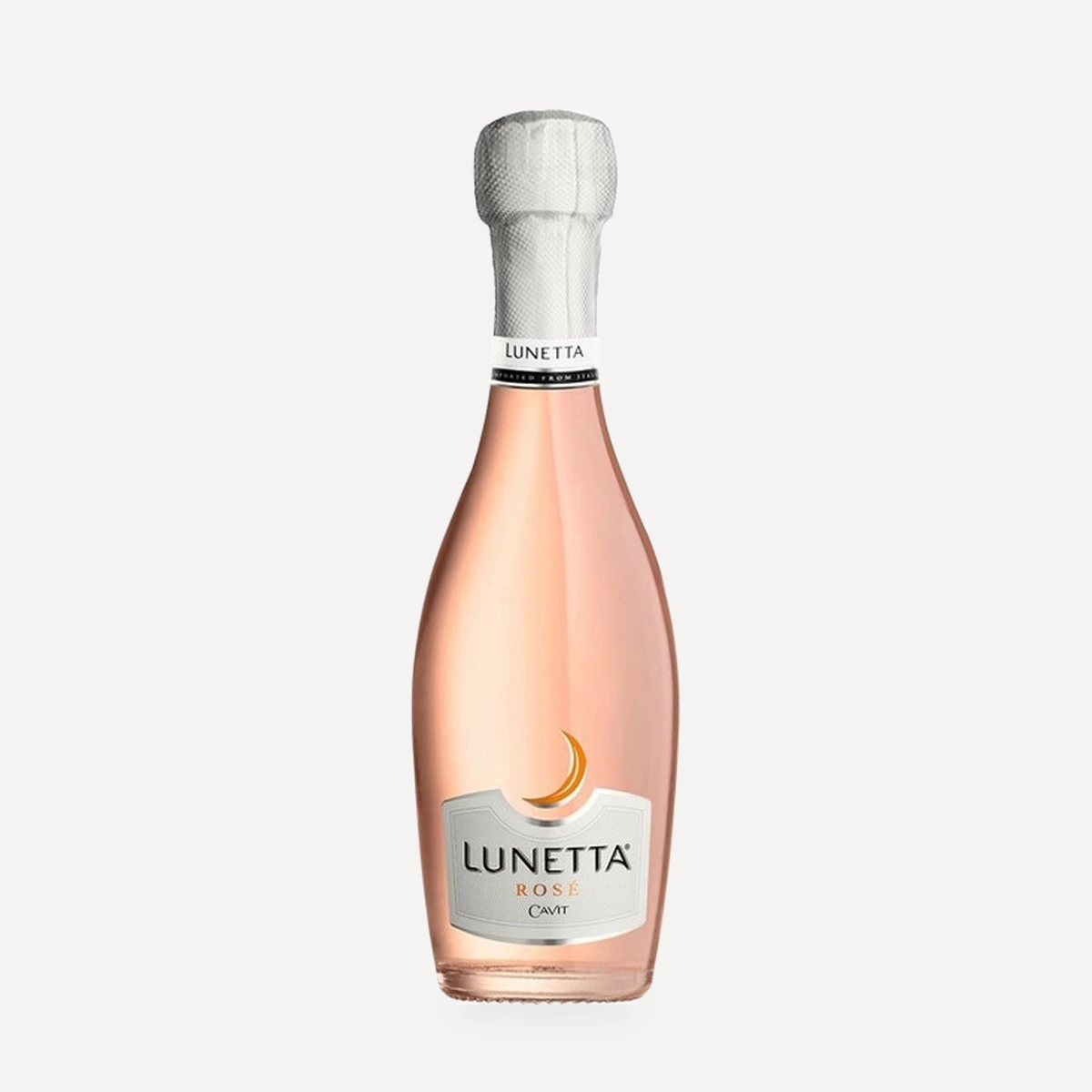
Lunetta Prosecco Rose Extra Dry DOC
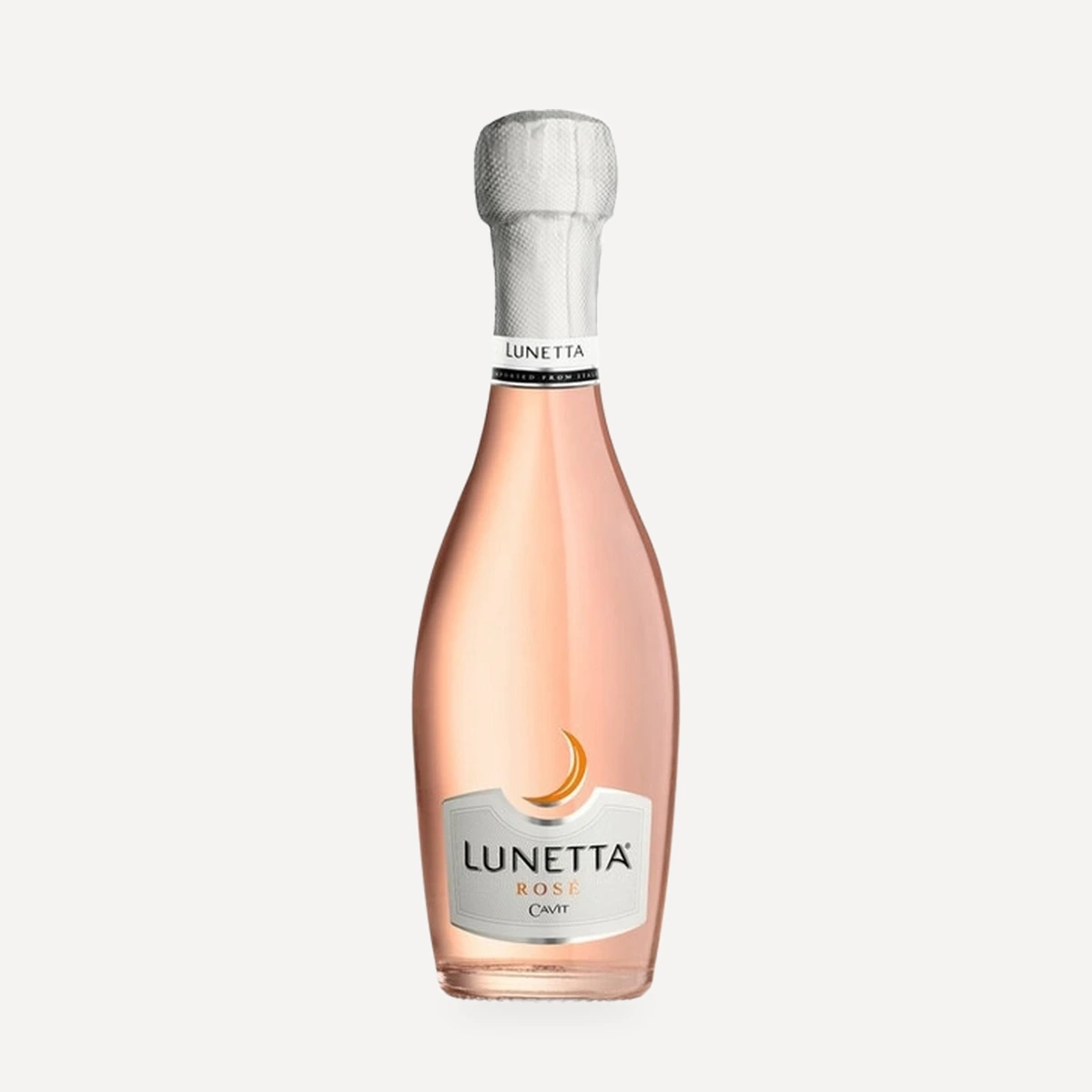
Lunetta Prosecco Rose Millesimato DOC
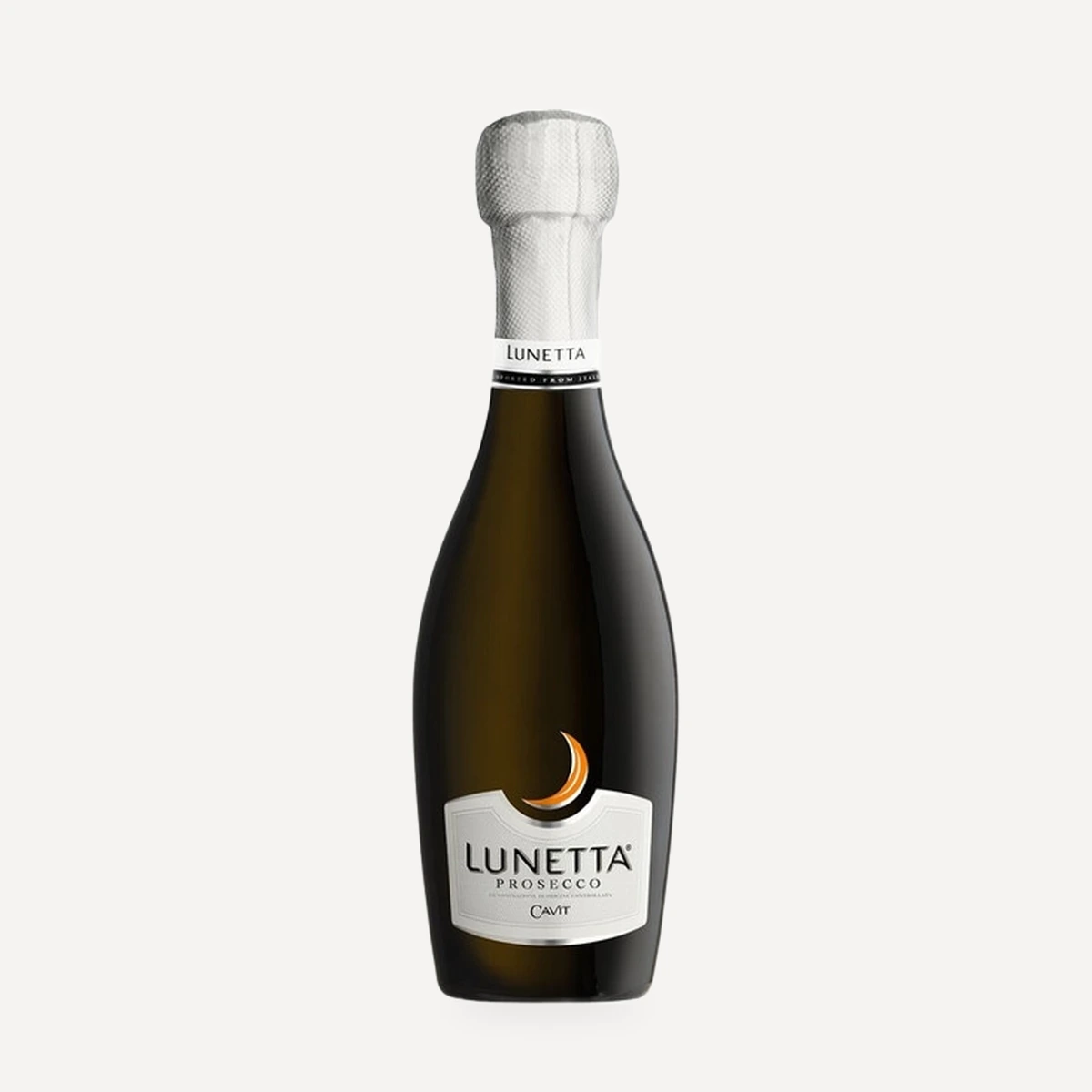
Lunetta Prosecco DOC
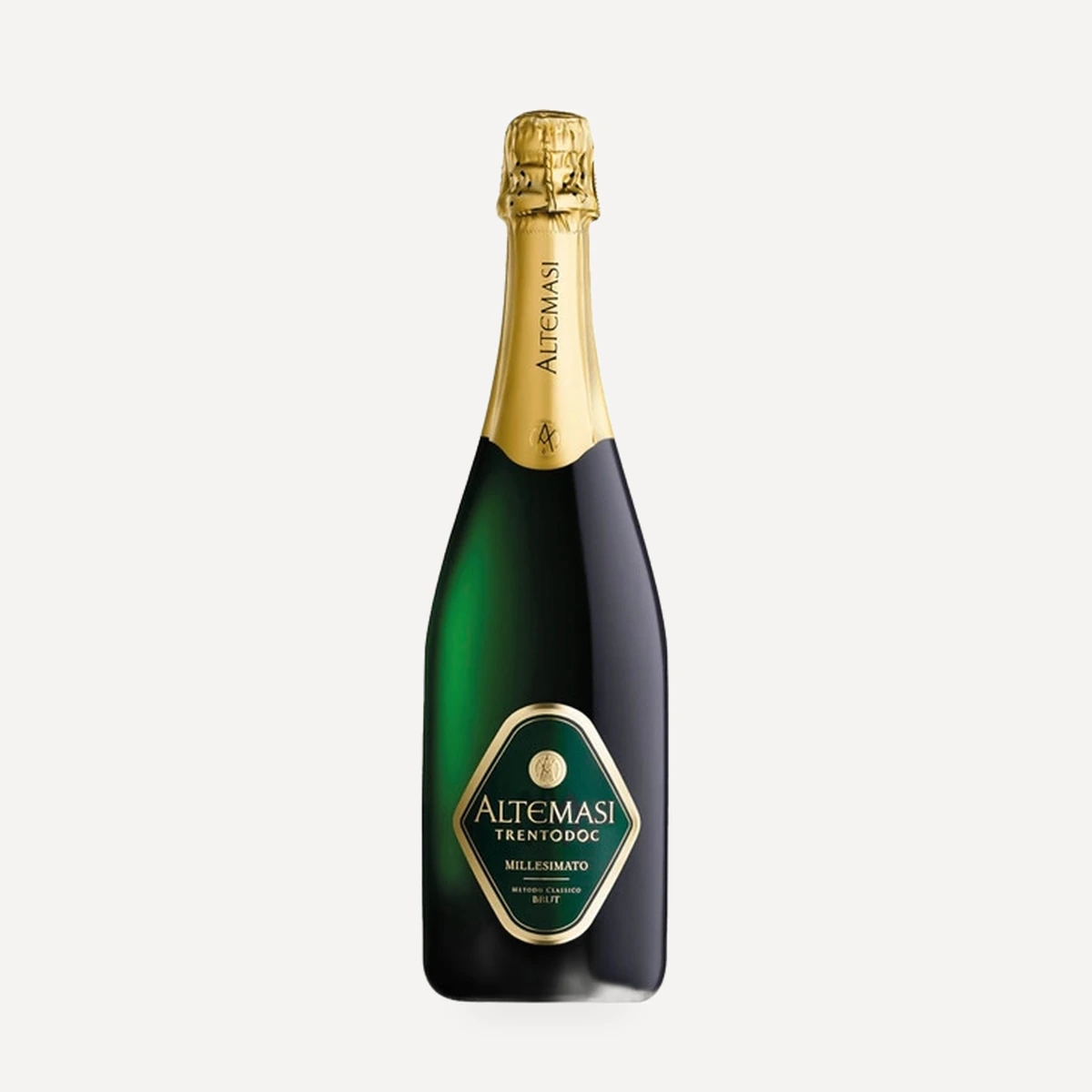
Altemasi Millesimato Brut Trento DOC
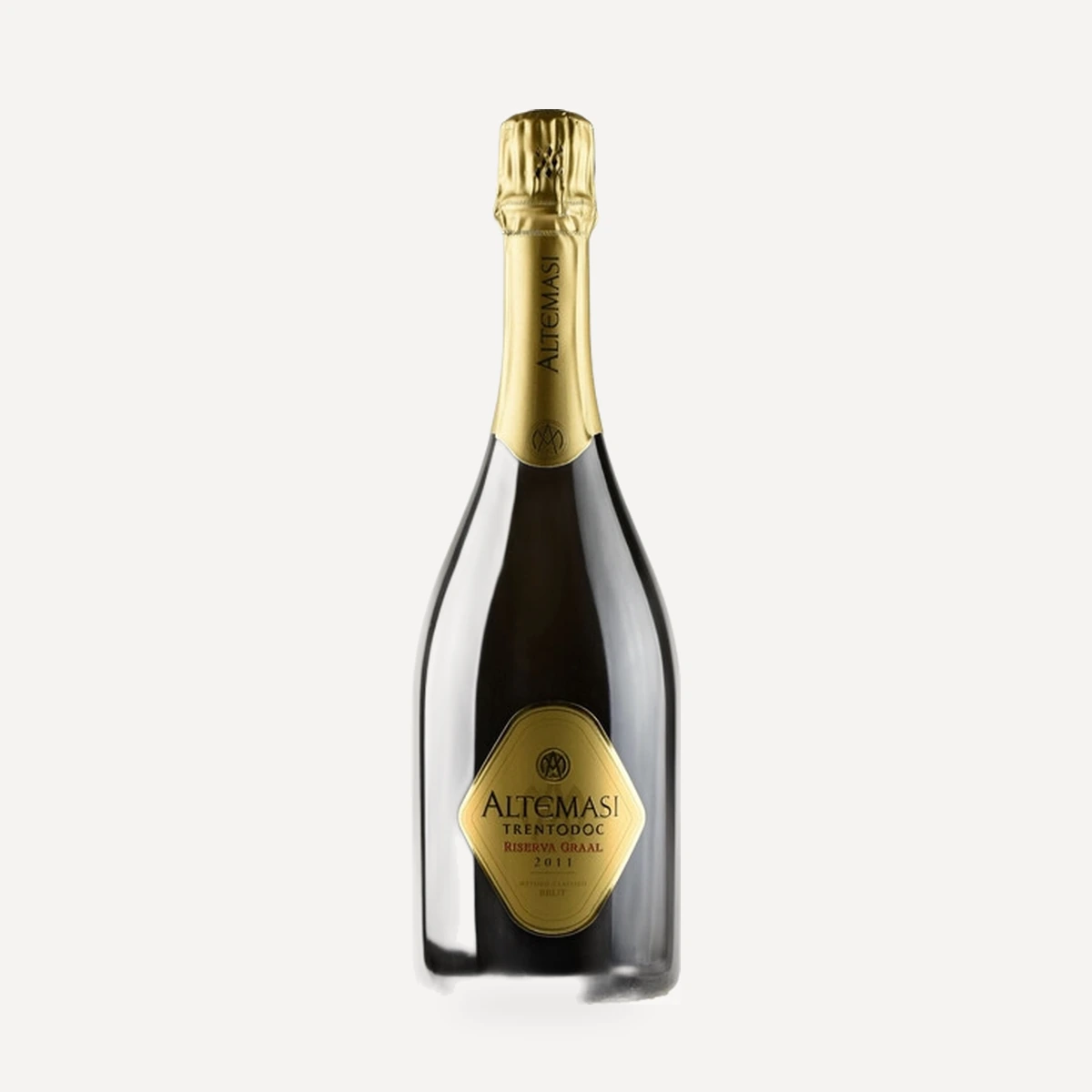
Altemasi Riserva Graal Trento DOC
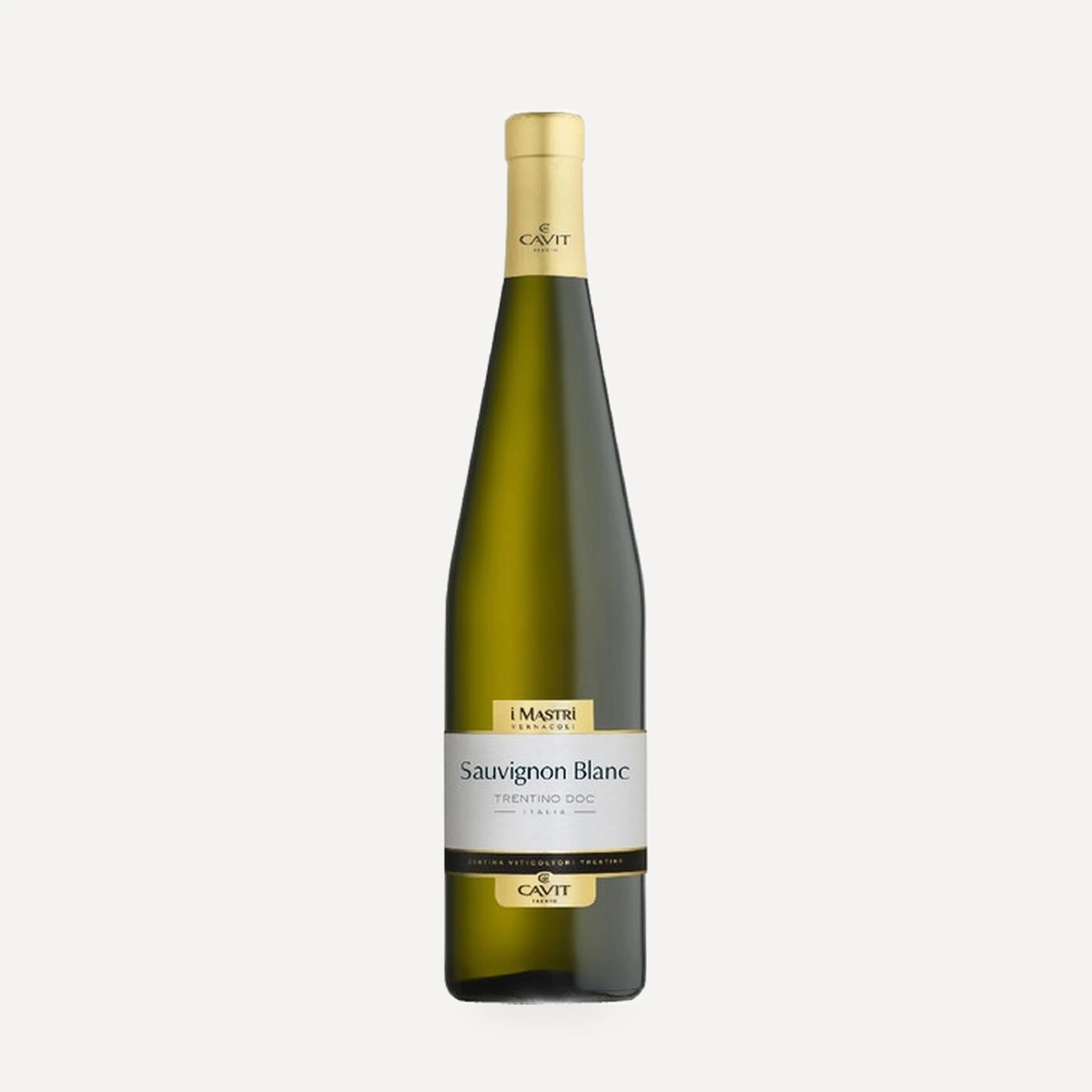
Mastri Vernacoli Sauvignon Blanc Trentino DOC
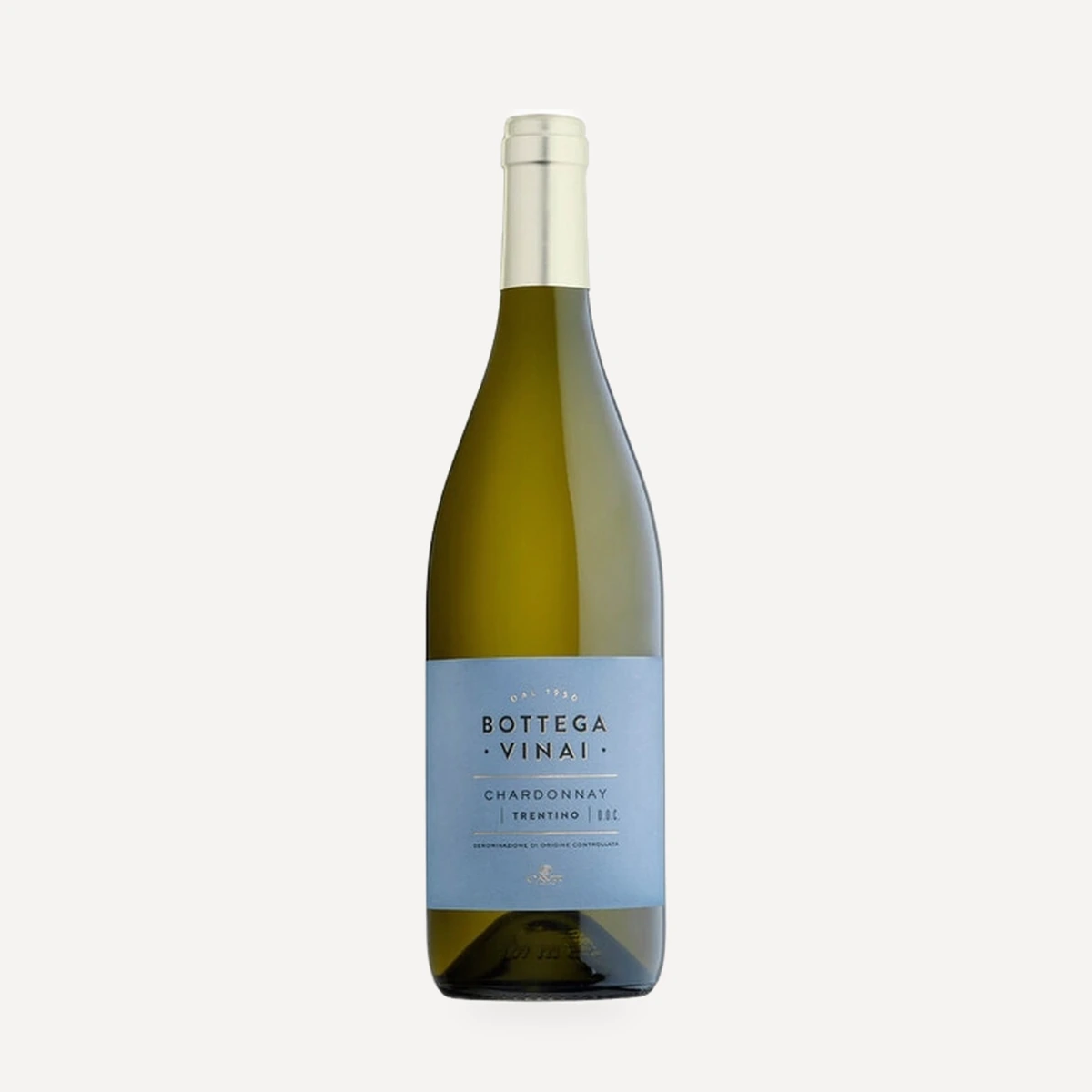
Bottega Vinai Chardonnay Trentino DOC
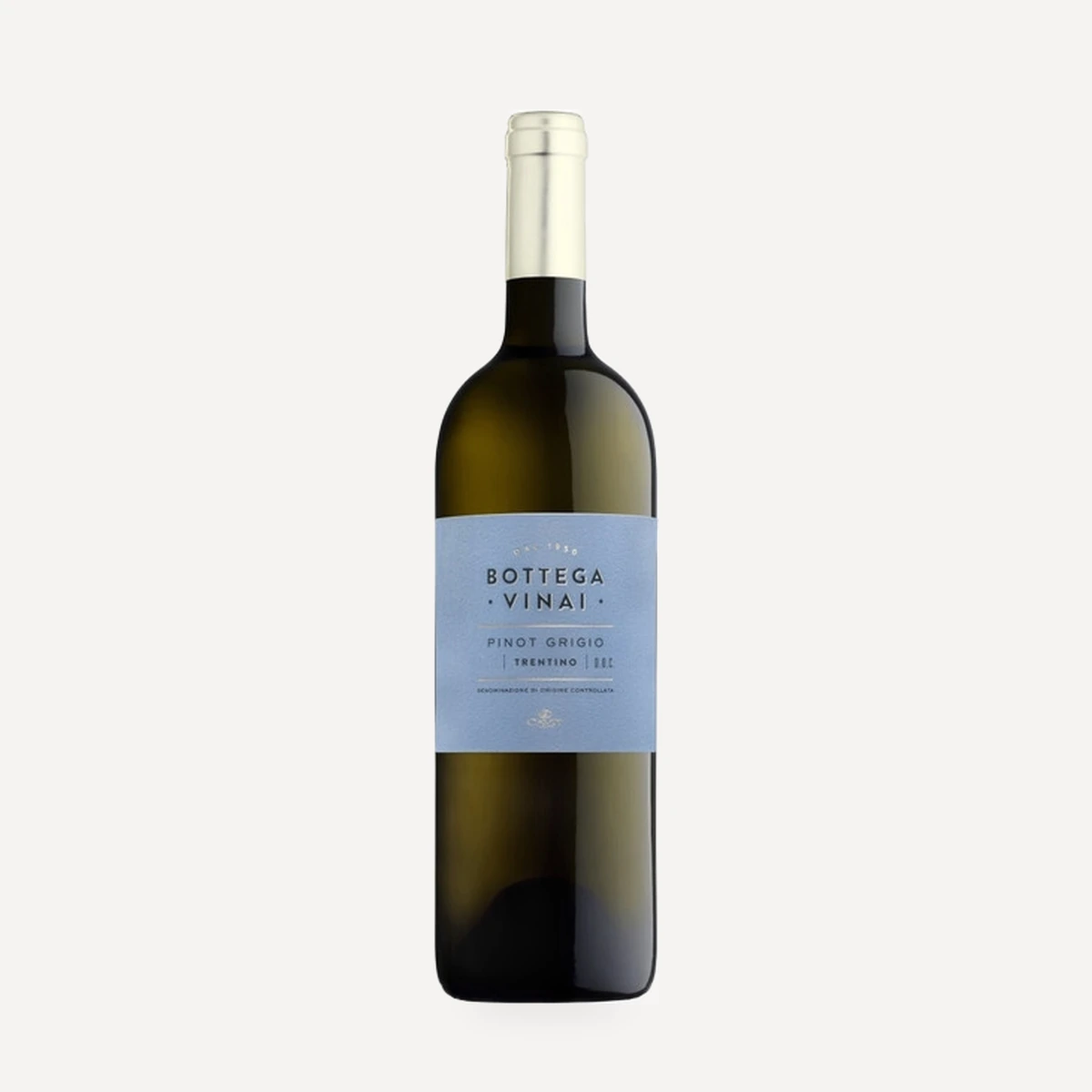
Bottega Vinai Pinot Grigio Trentino DOC
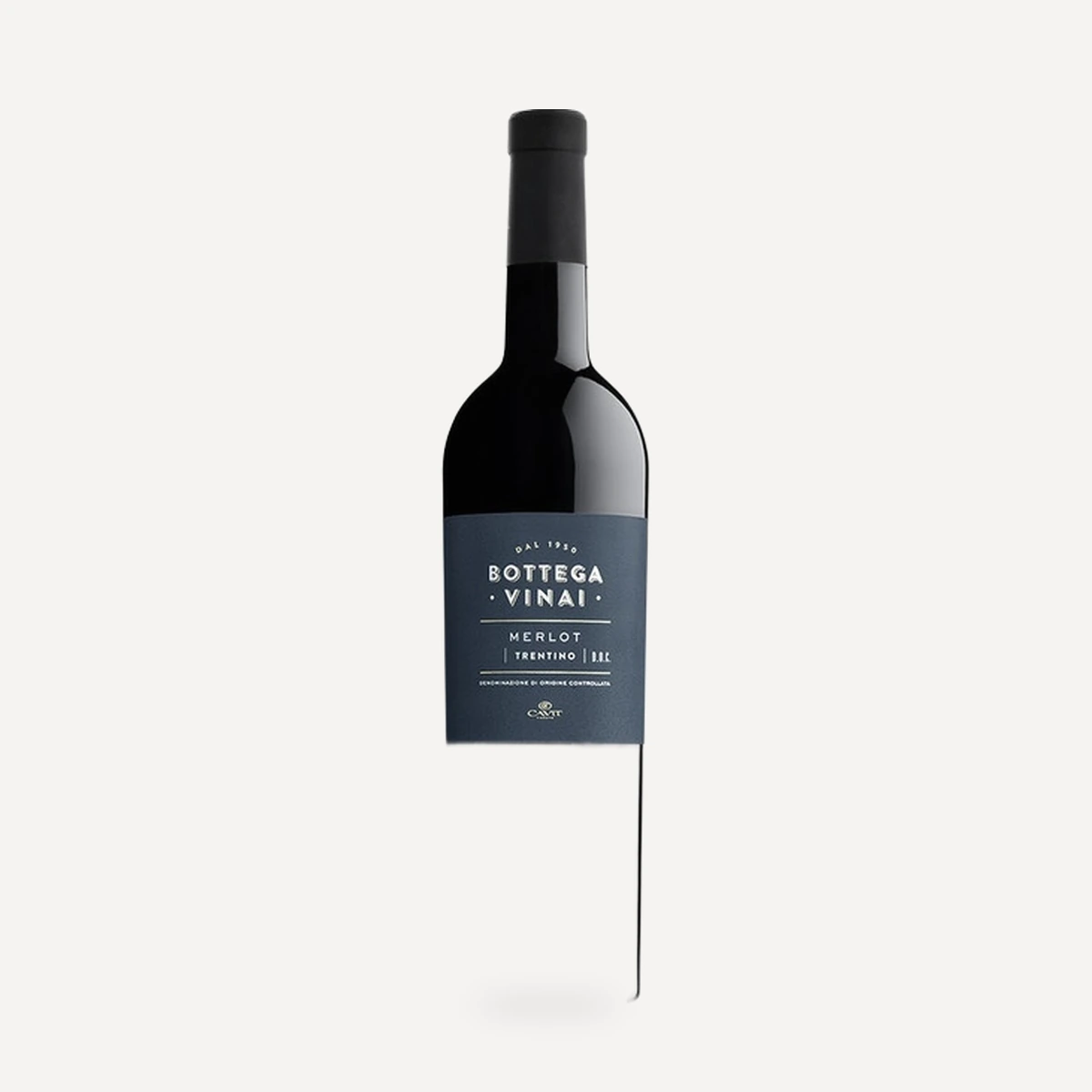
Bottega Vinai Merlot Trentino DOC
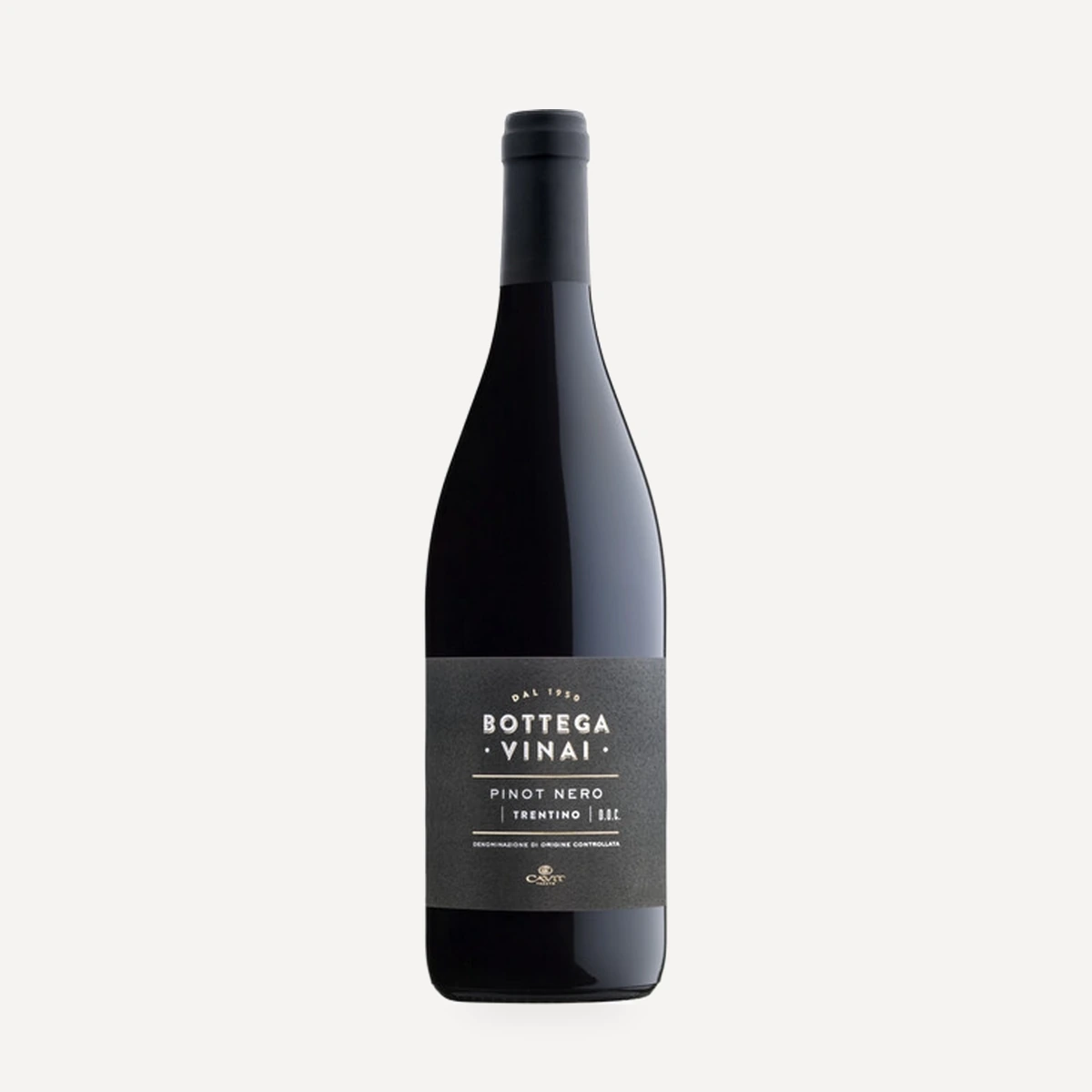
Bottega Vinai Pinot Nero Trentino DOC
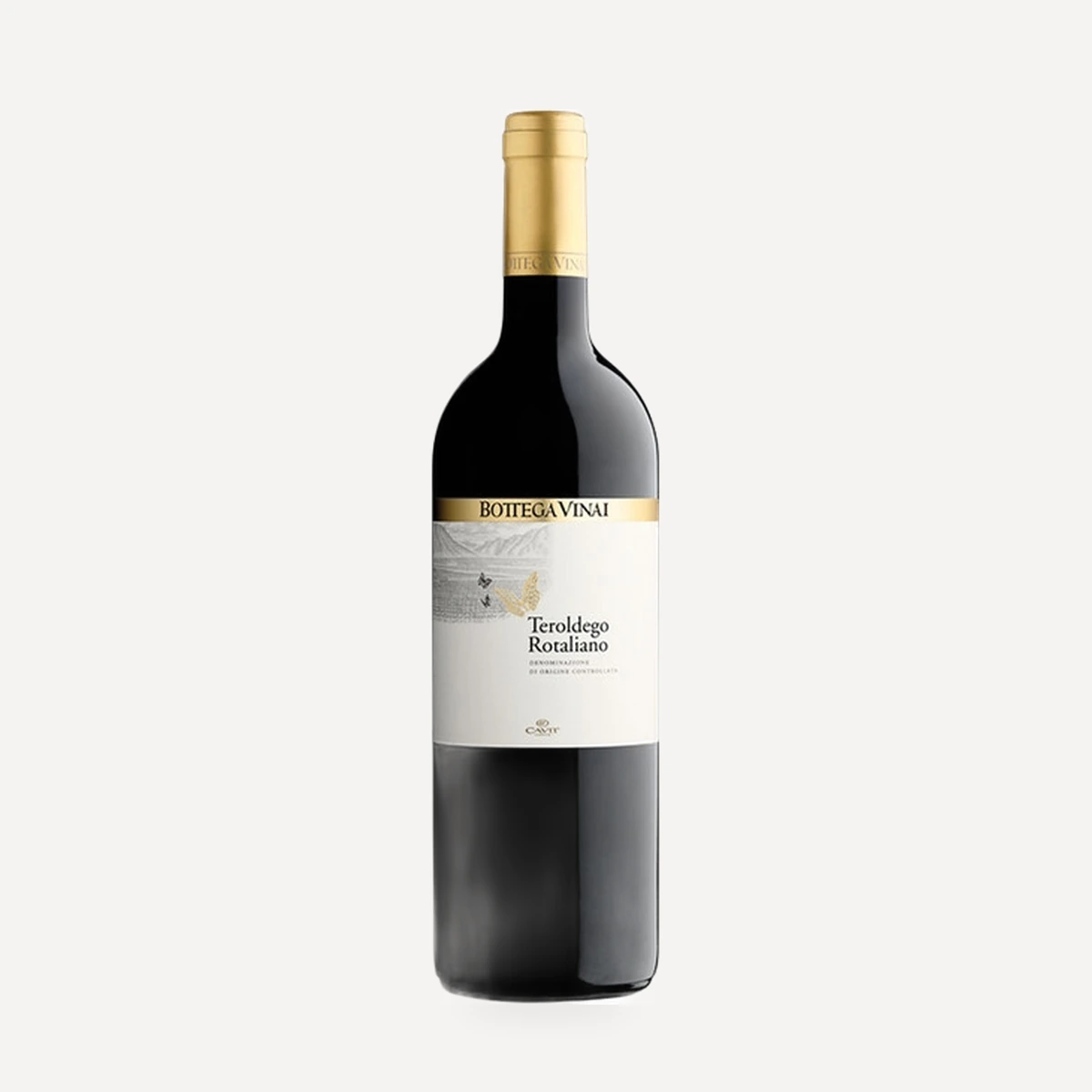
Bottega Vinai Teroldego Rotaliano DOC
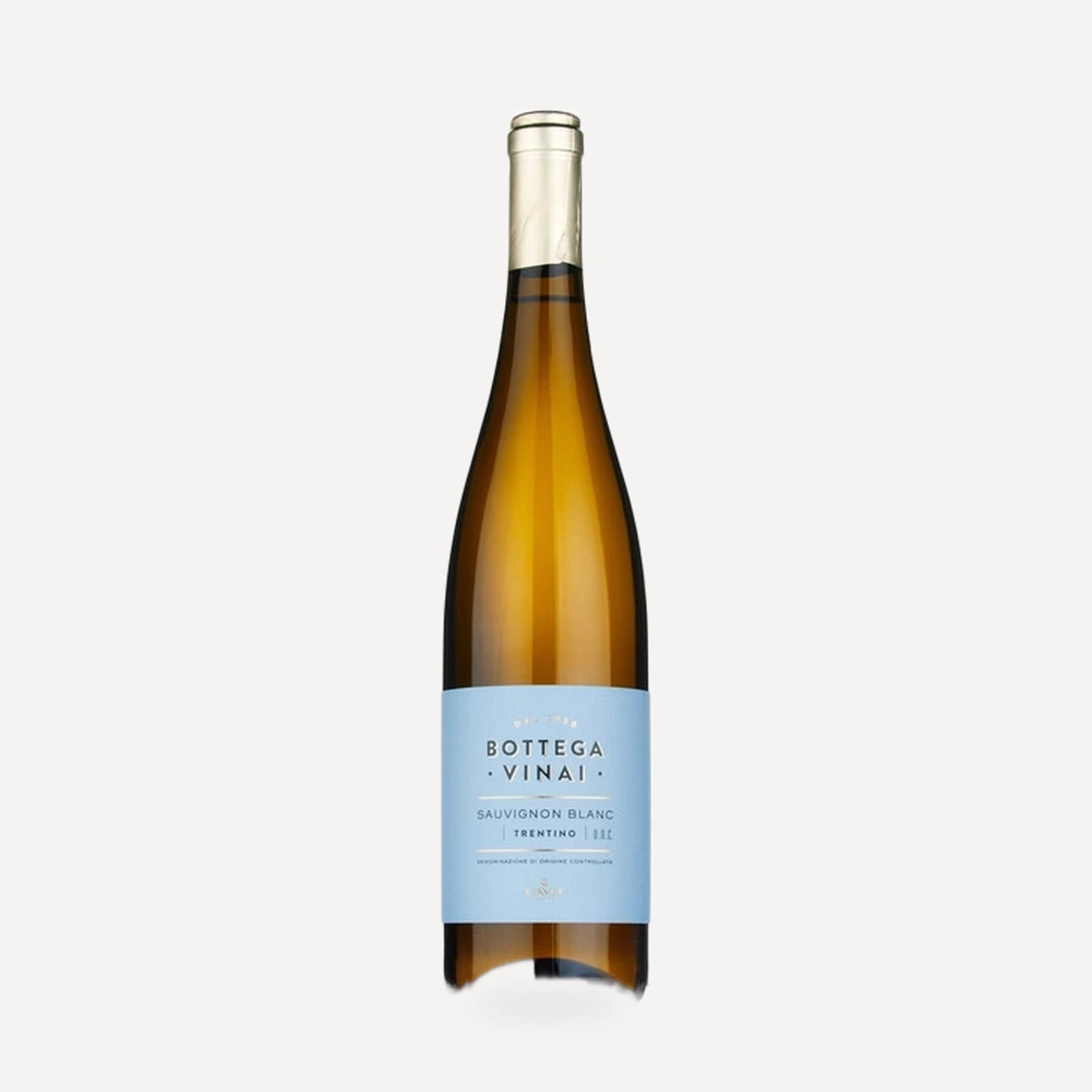
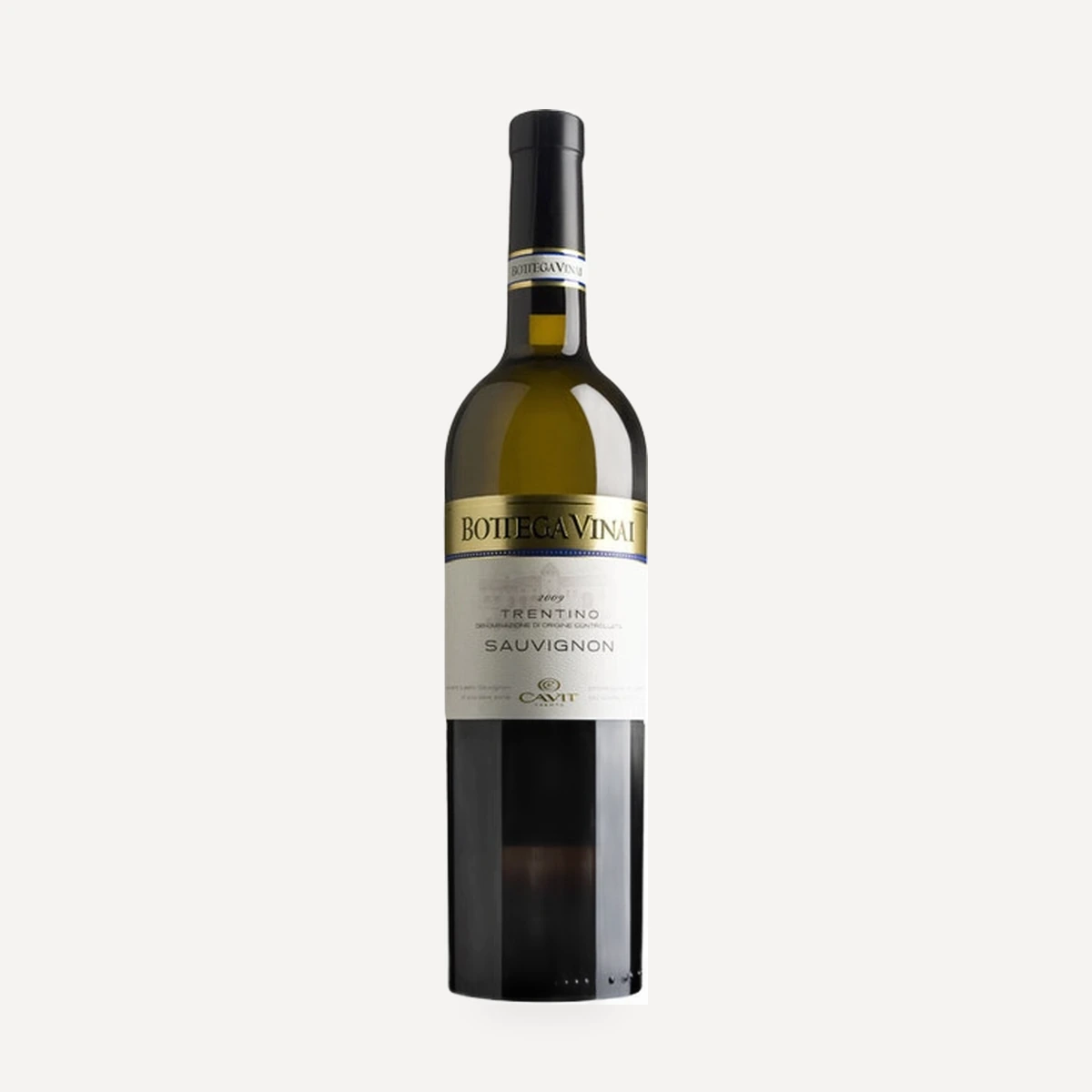
Bottega Vinai Sauvignon Trentino DOC
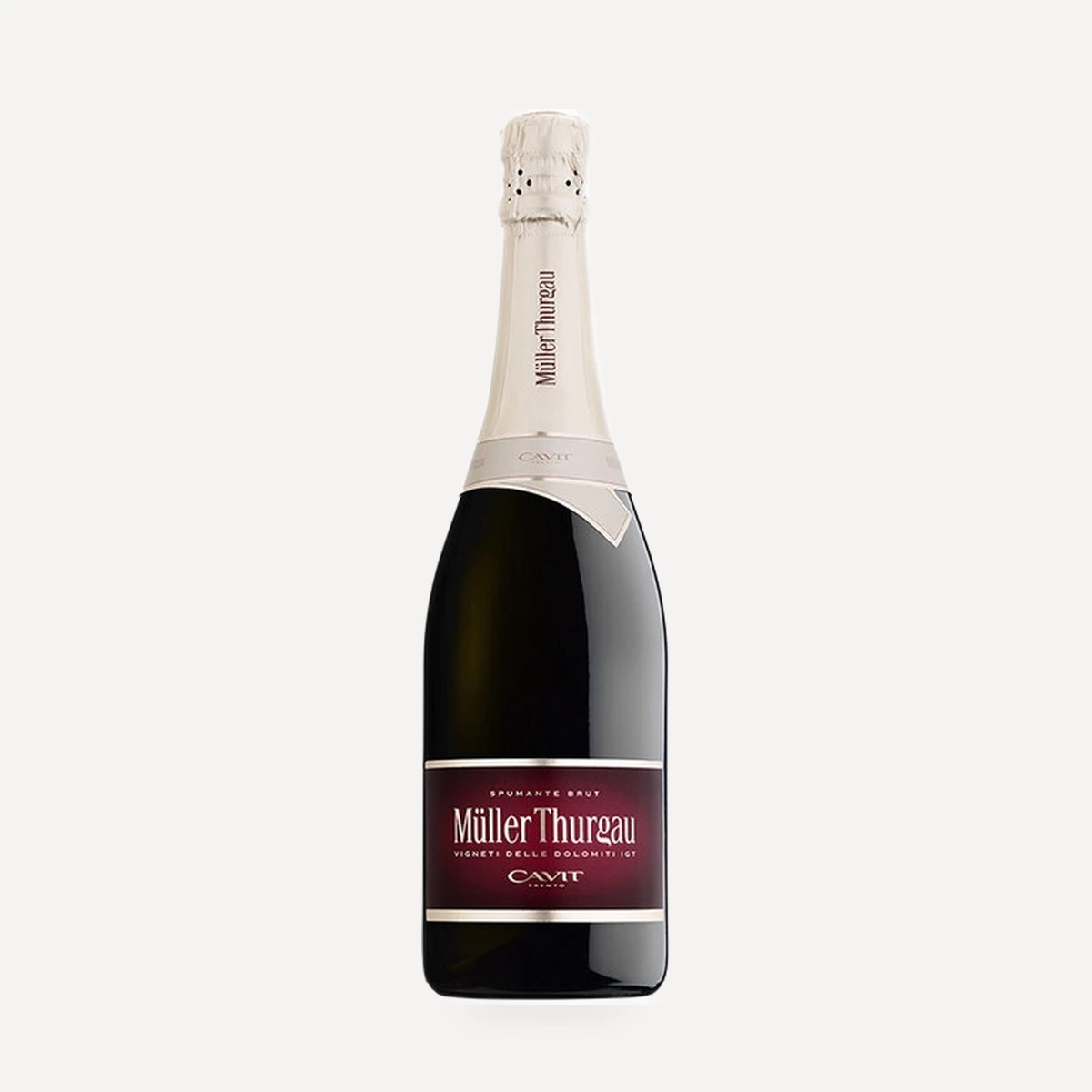
Muller Thurgau Spumante Brut Vigneti delle Dolomiti IGT
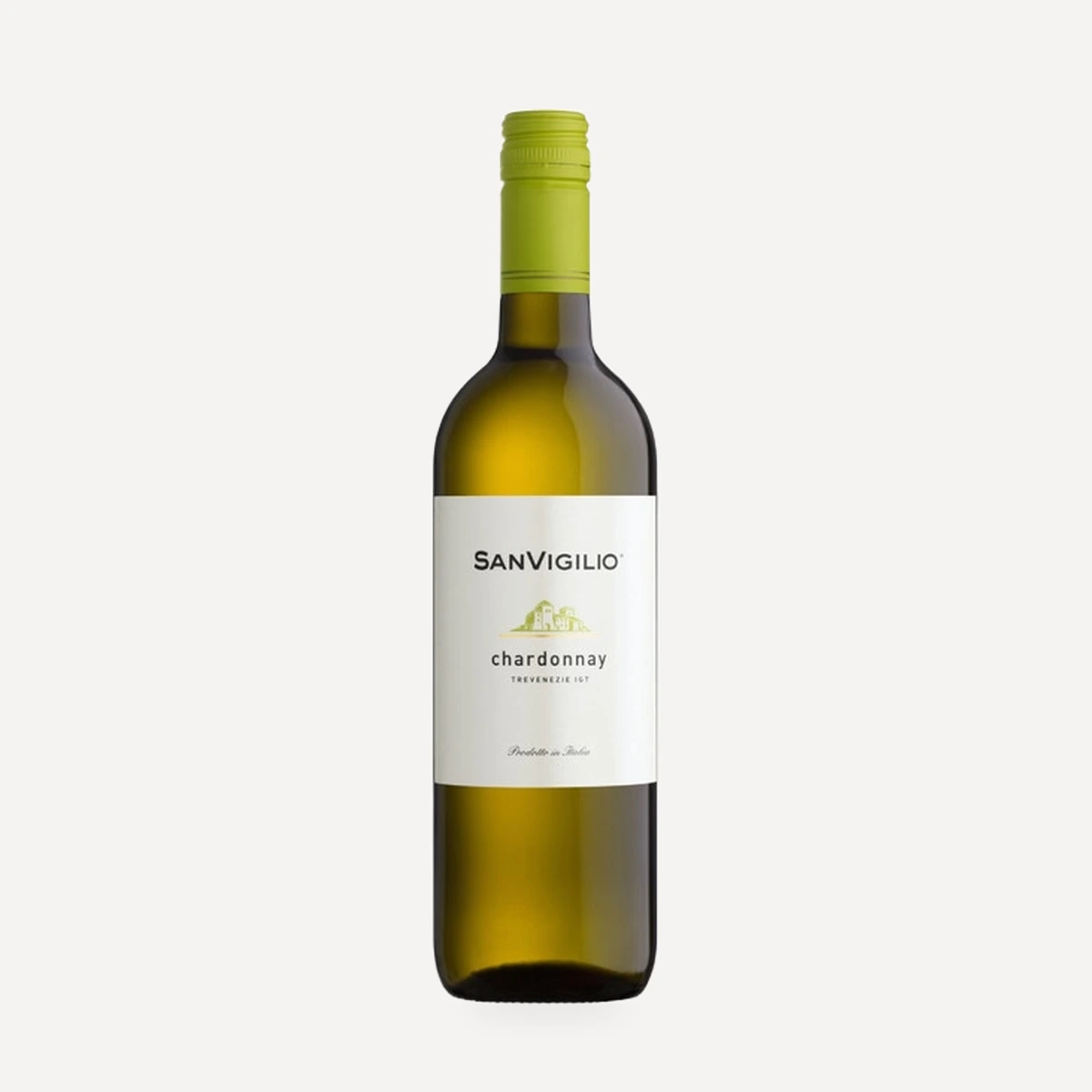
SanVigilio Chardonnay Trevenezie IGT
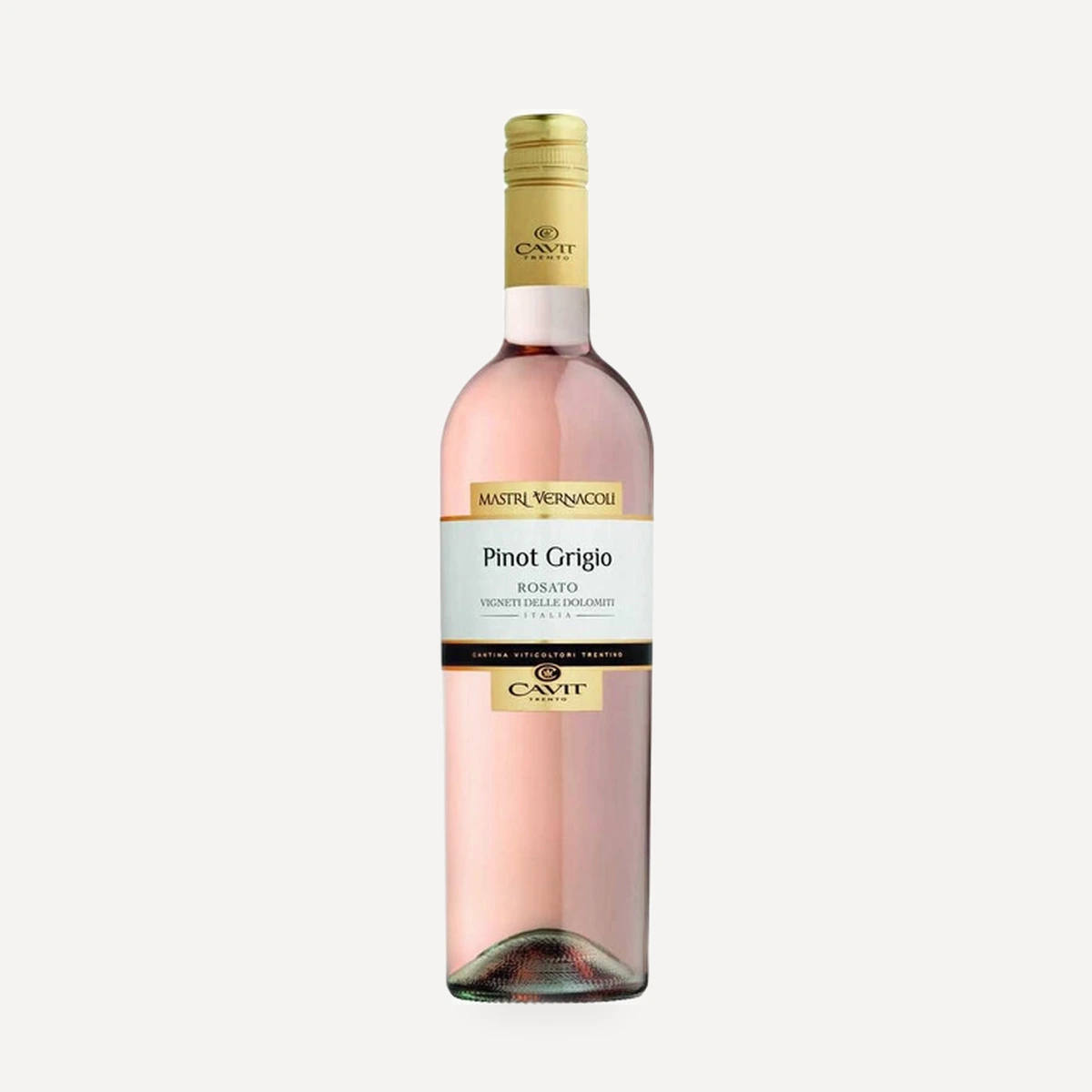
Mastri Vernacoli Pinot Grigio Rosato Vigneti delle Dolomiti IGT
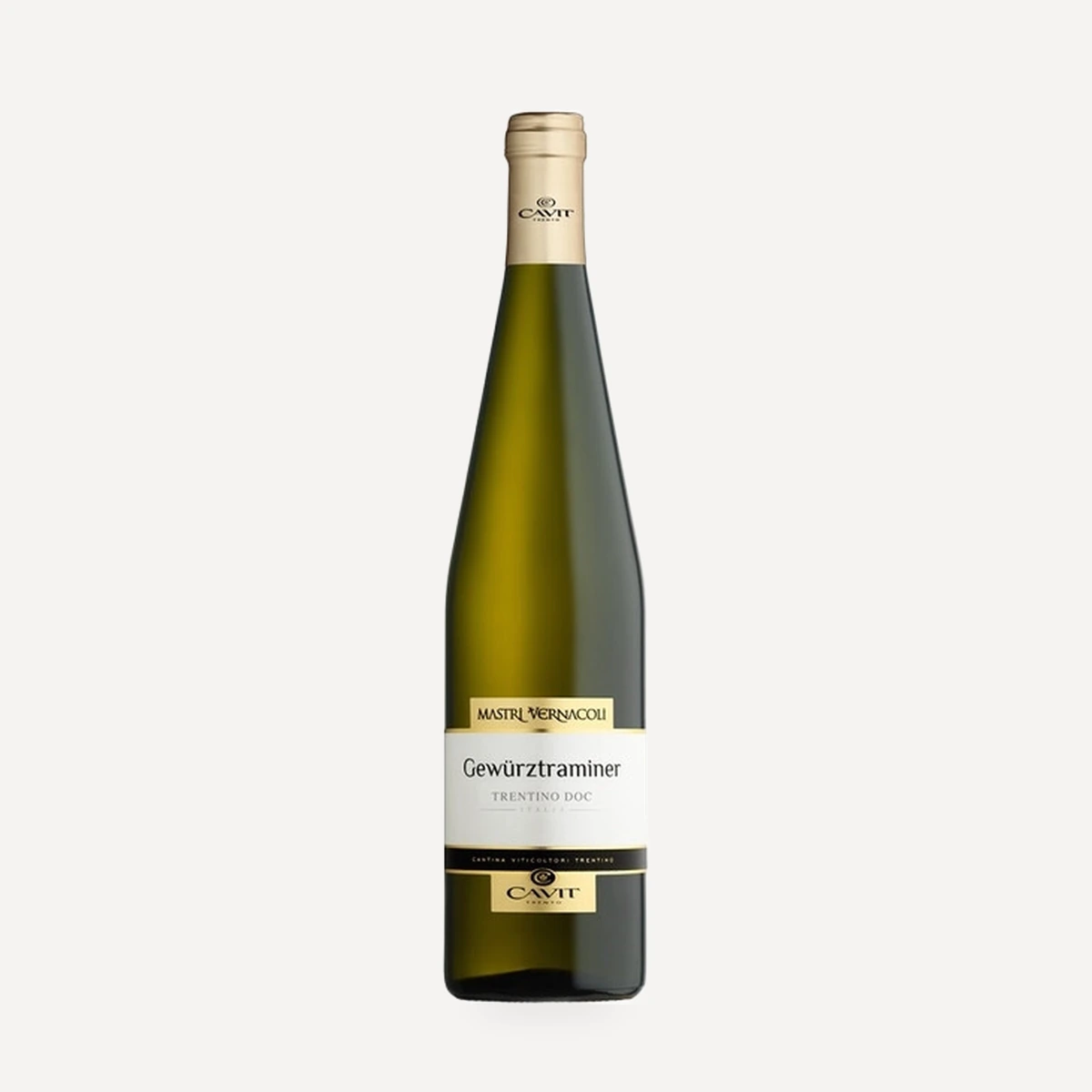
Mastri Vernacoli Gewurztraminer Trentino DOC
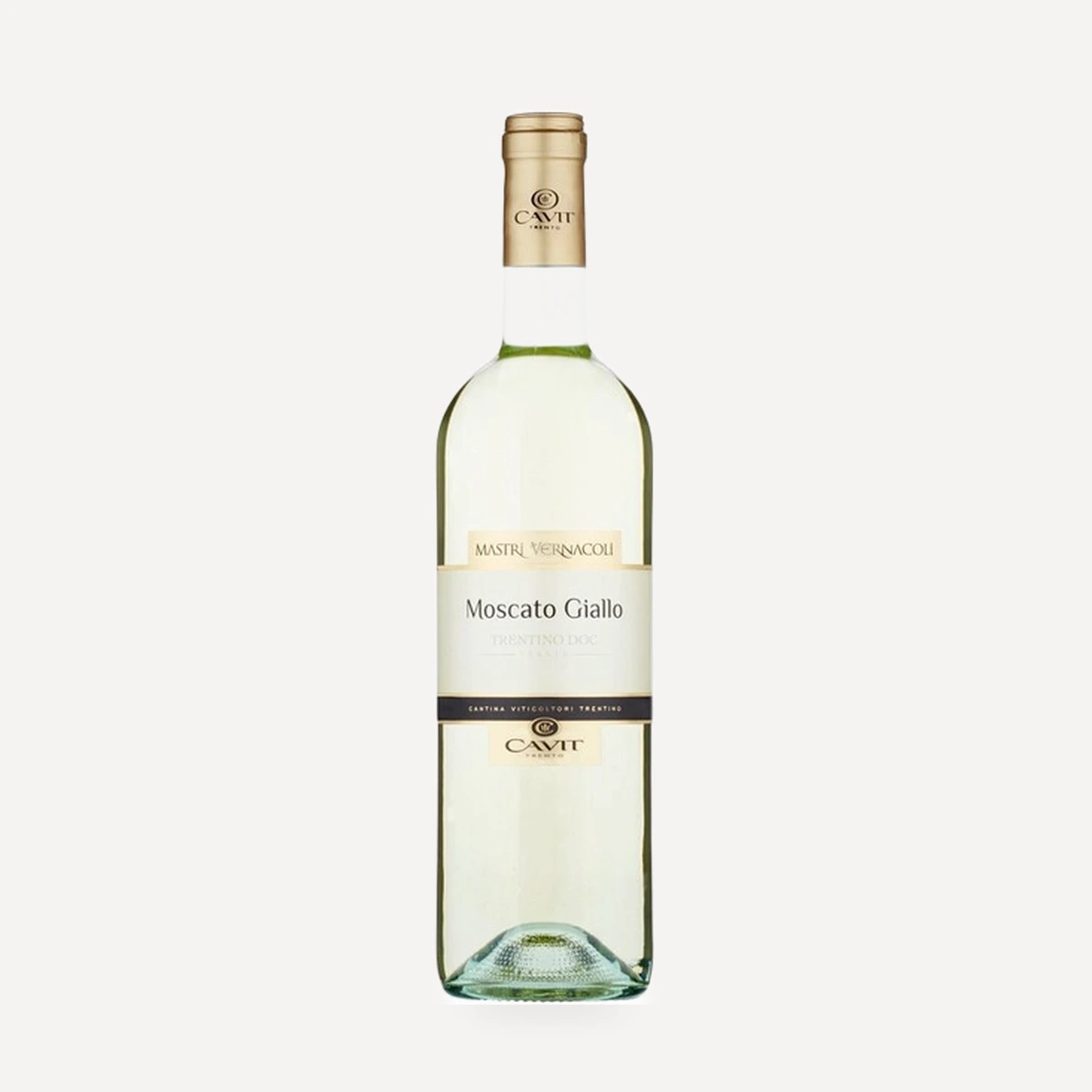
Mastri Vernacoli Moscato Giallo Trentino DOC
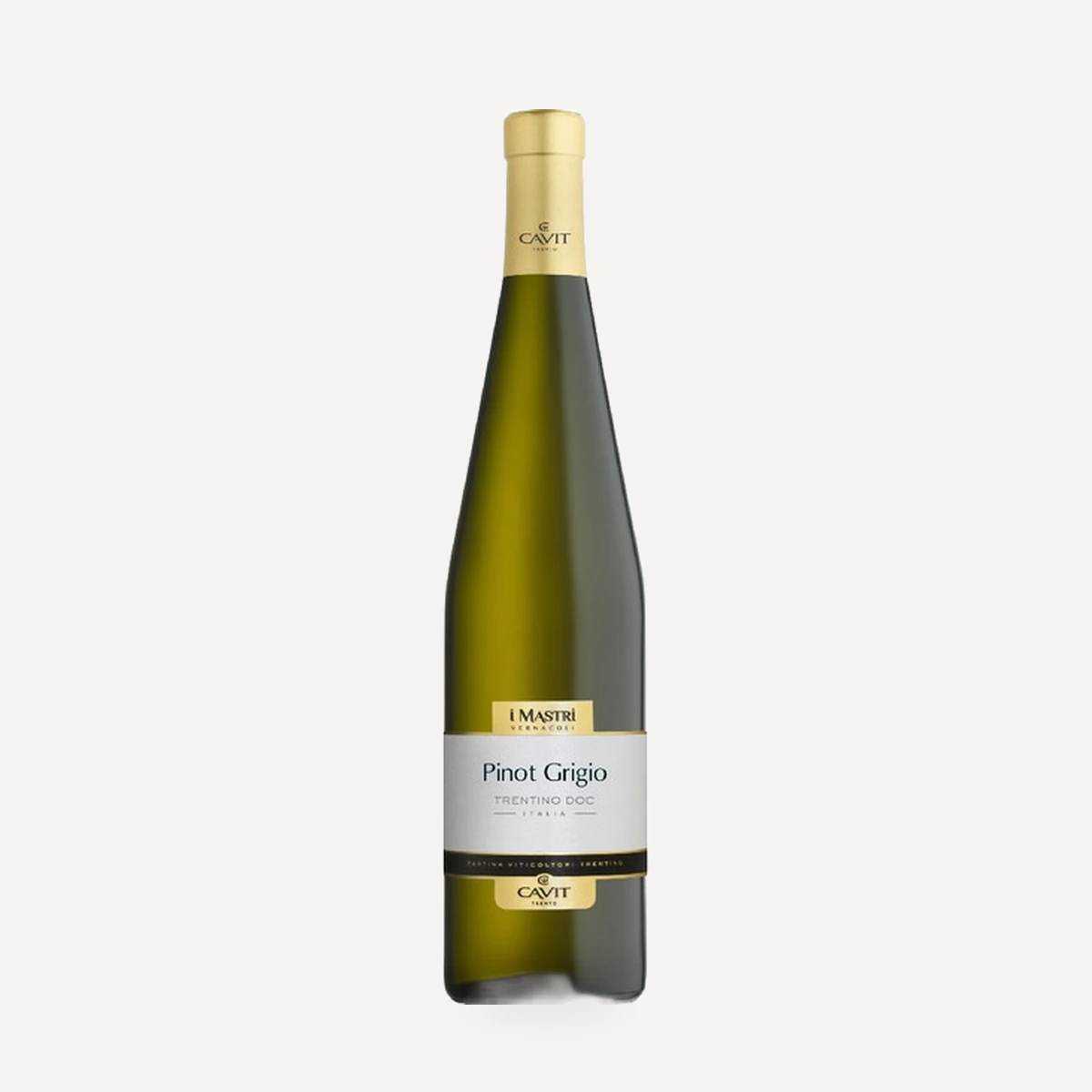
Mastri Vernacoli Pinot Grigio Trentino DOC
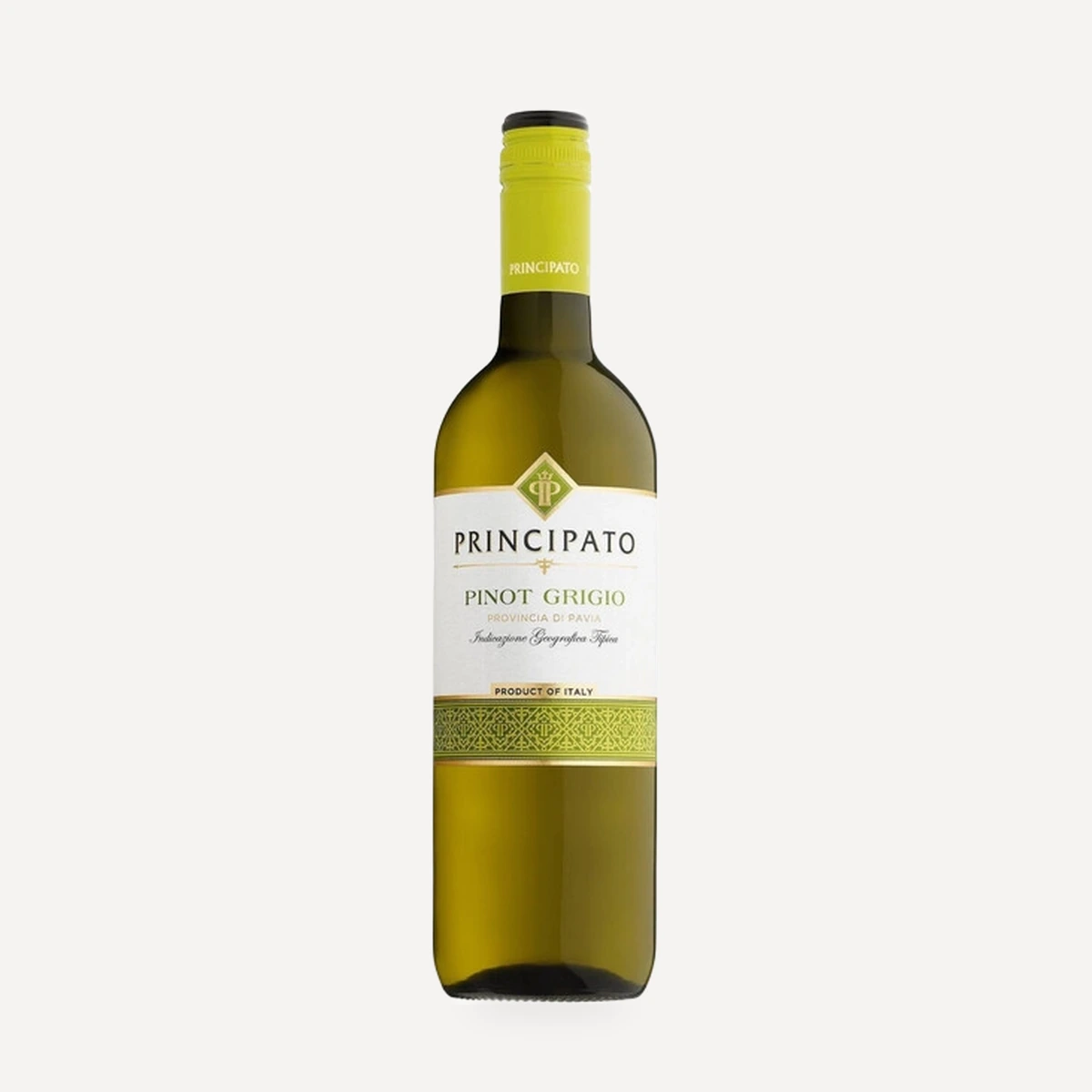
Principato Pinot Grigio Provincia di Pavia IGT
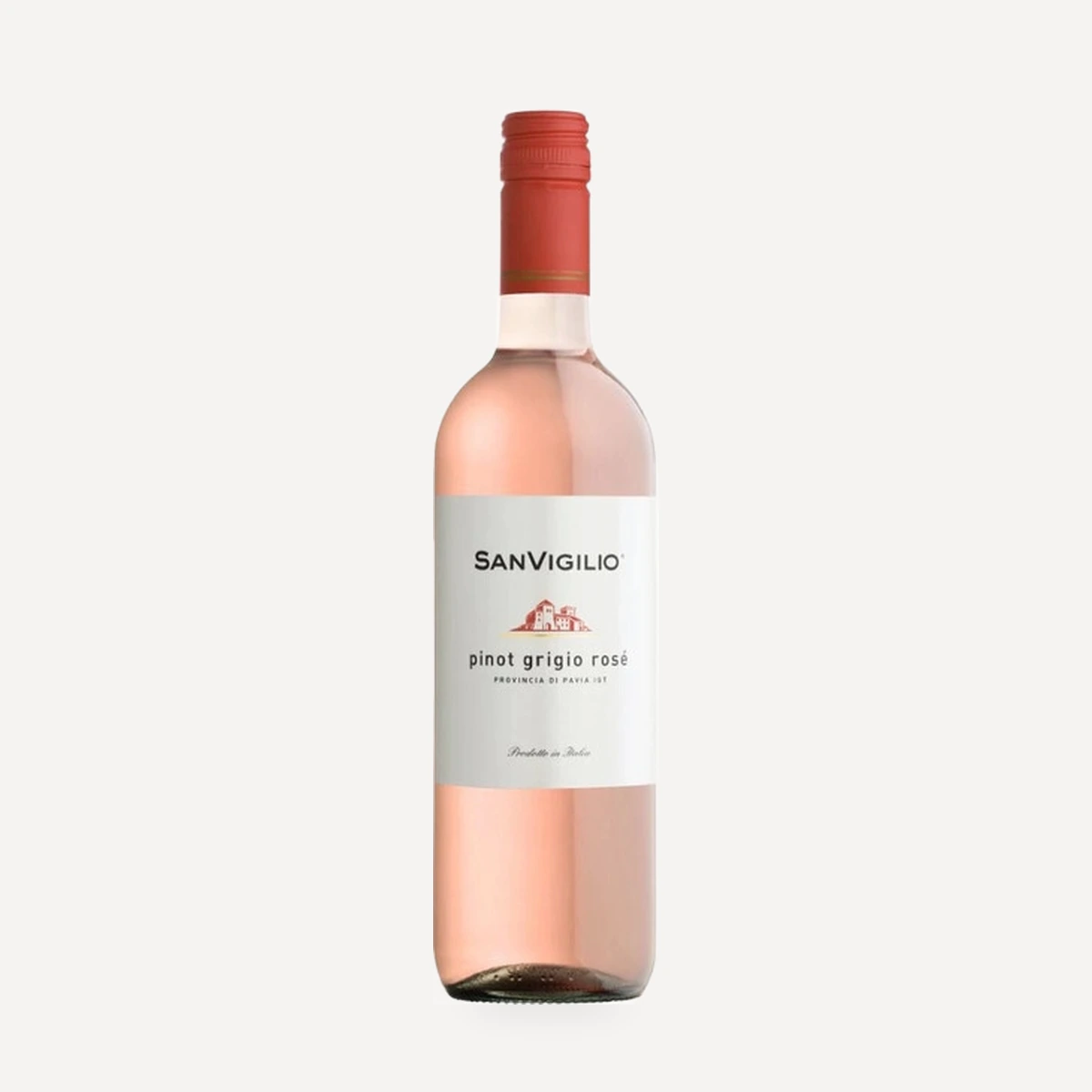
Sanvigilio Pinot Grigio Rose Provincia di Pavia IGT
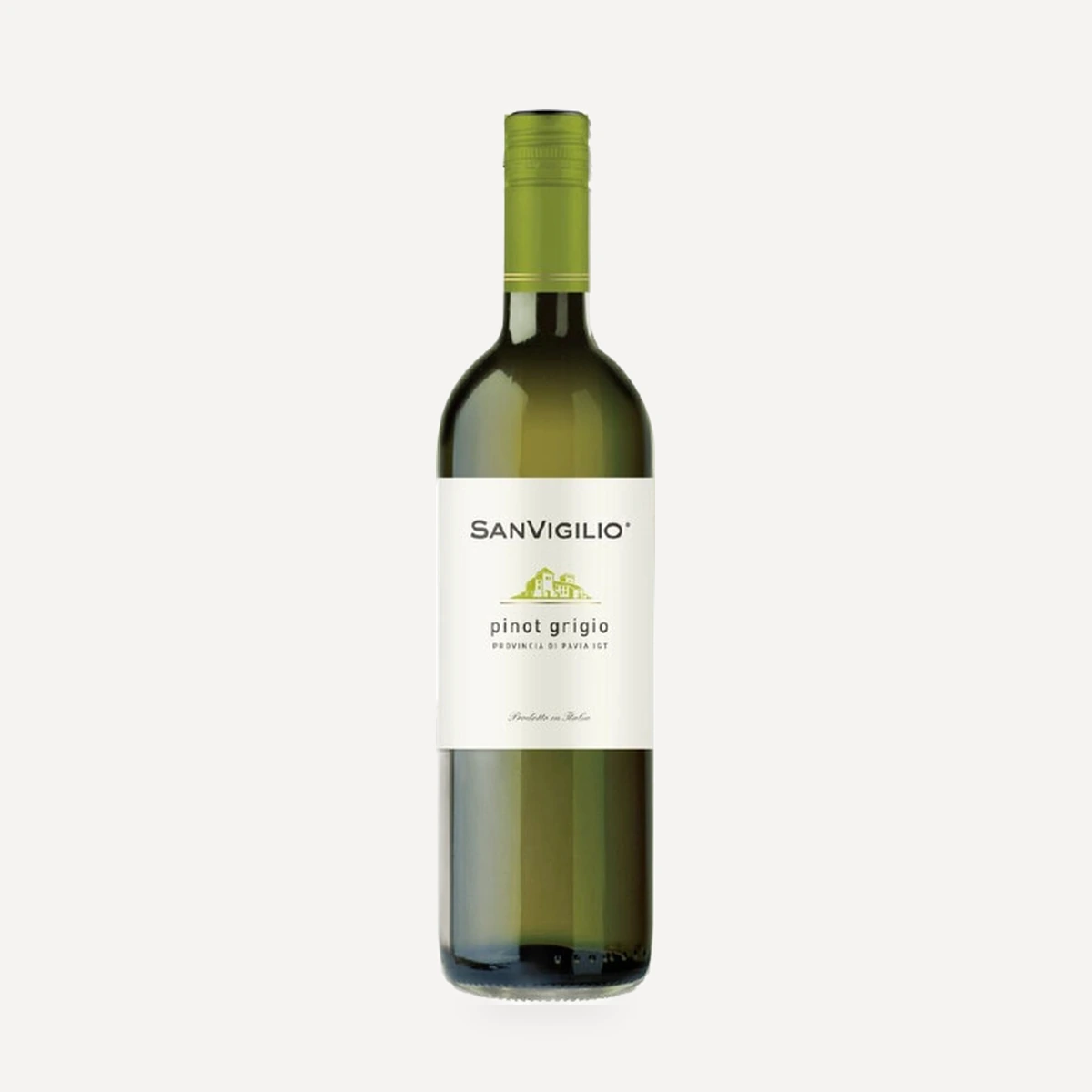
Sanvigilio Pinot Grigio Provincia di Pavia IGT
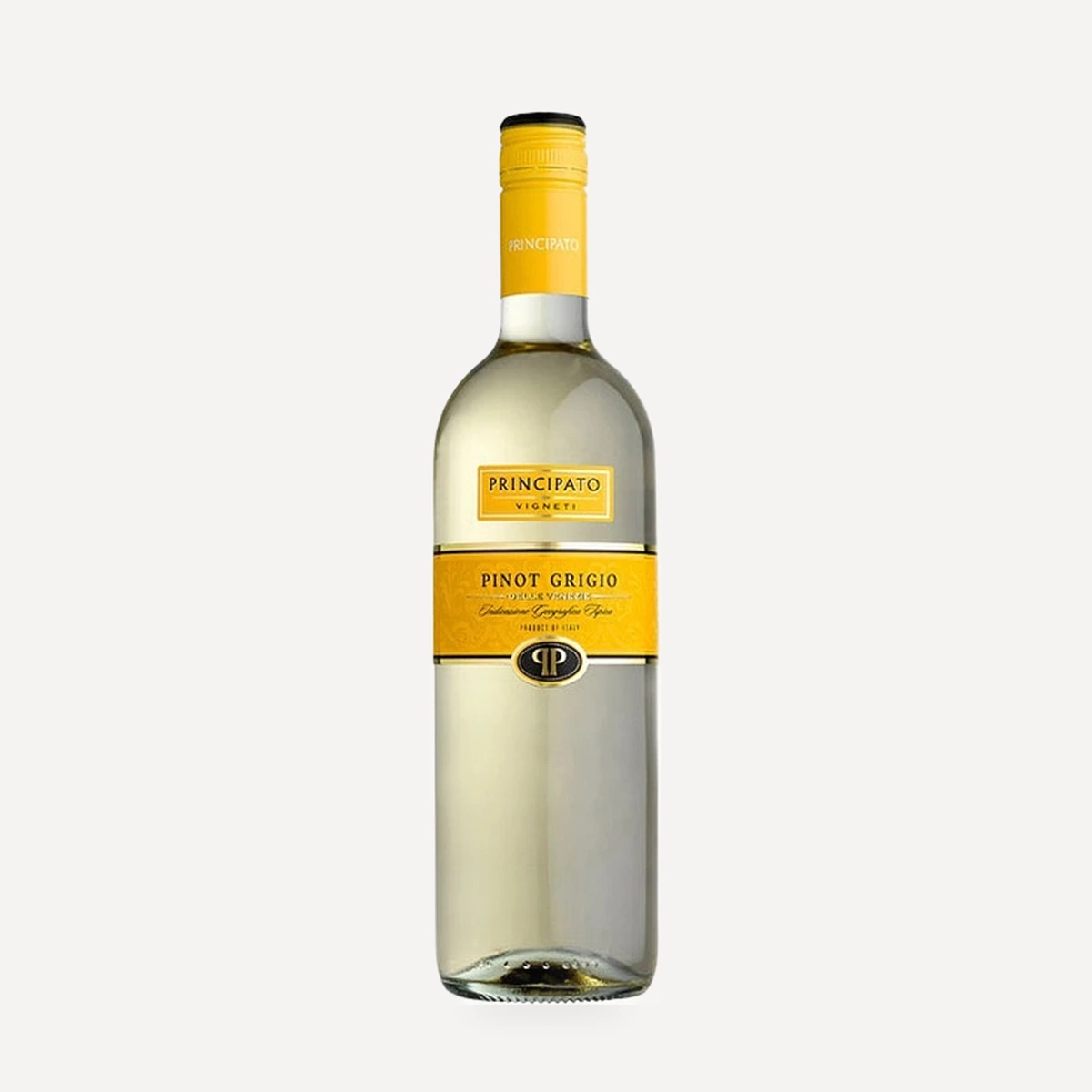
Principato Pinot Grigio delle Venezie IGT
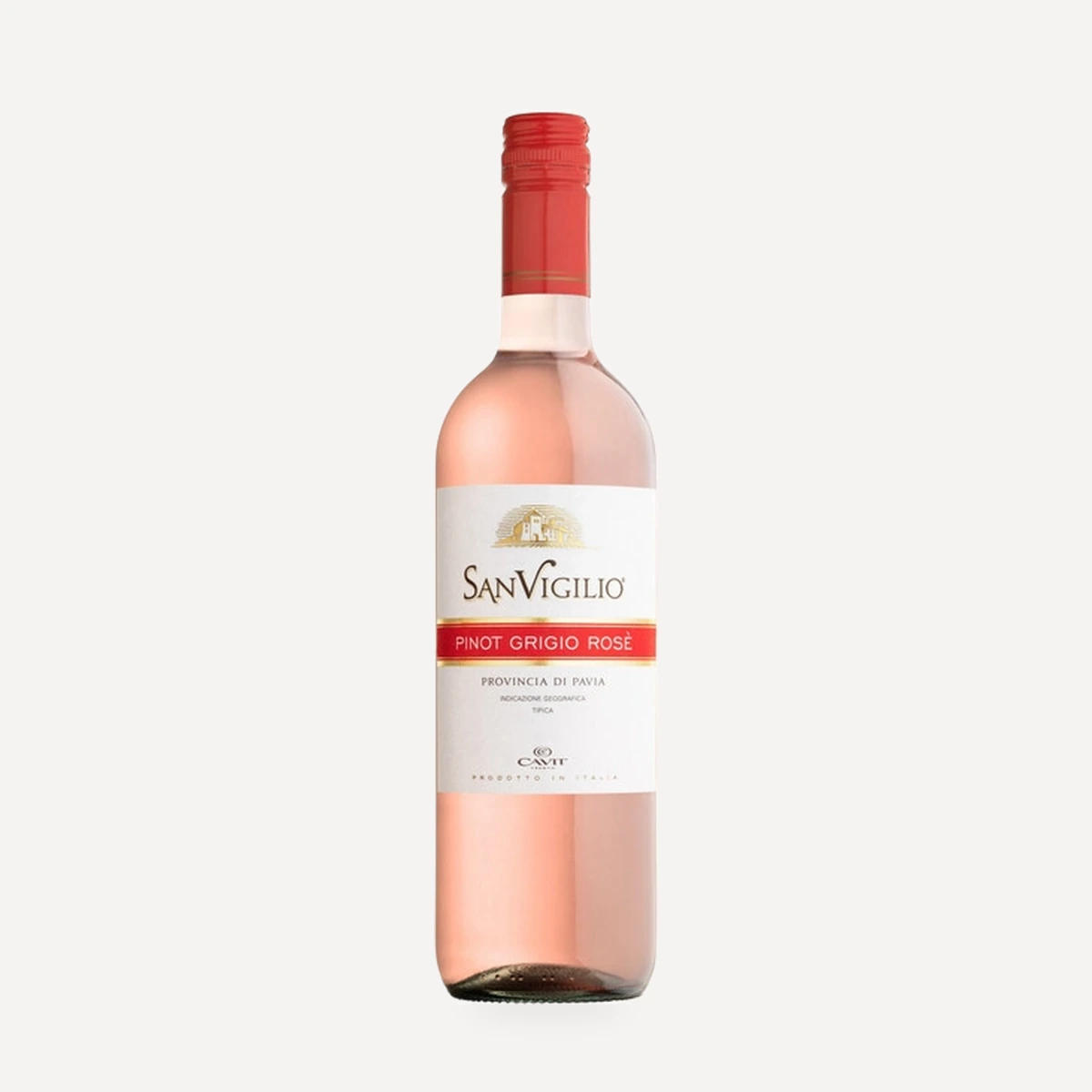
Sanvigilio Pinot Grigio Rose Venezie IGT
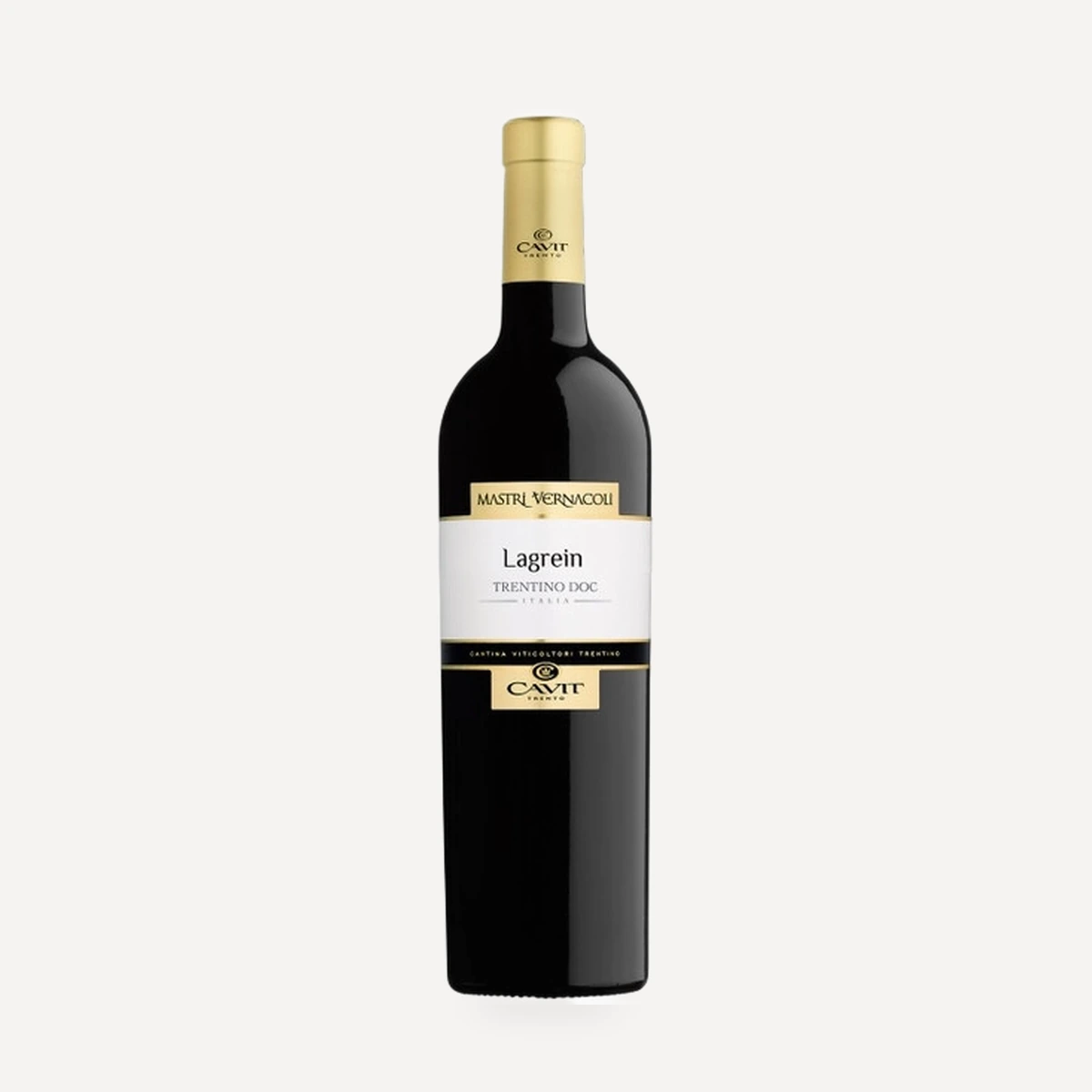
Mastri Vernacoli Lagrein Trentino DOC
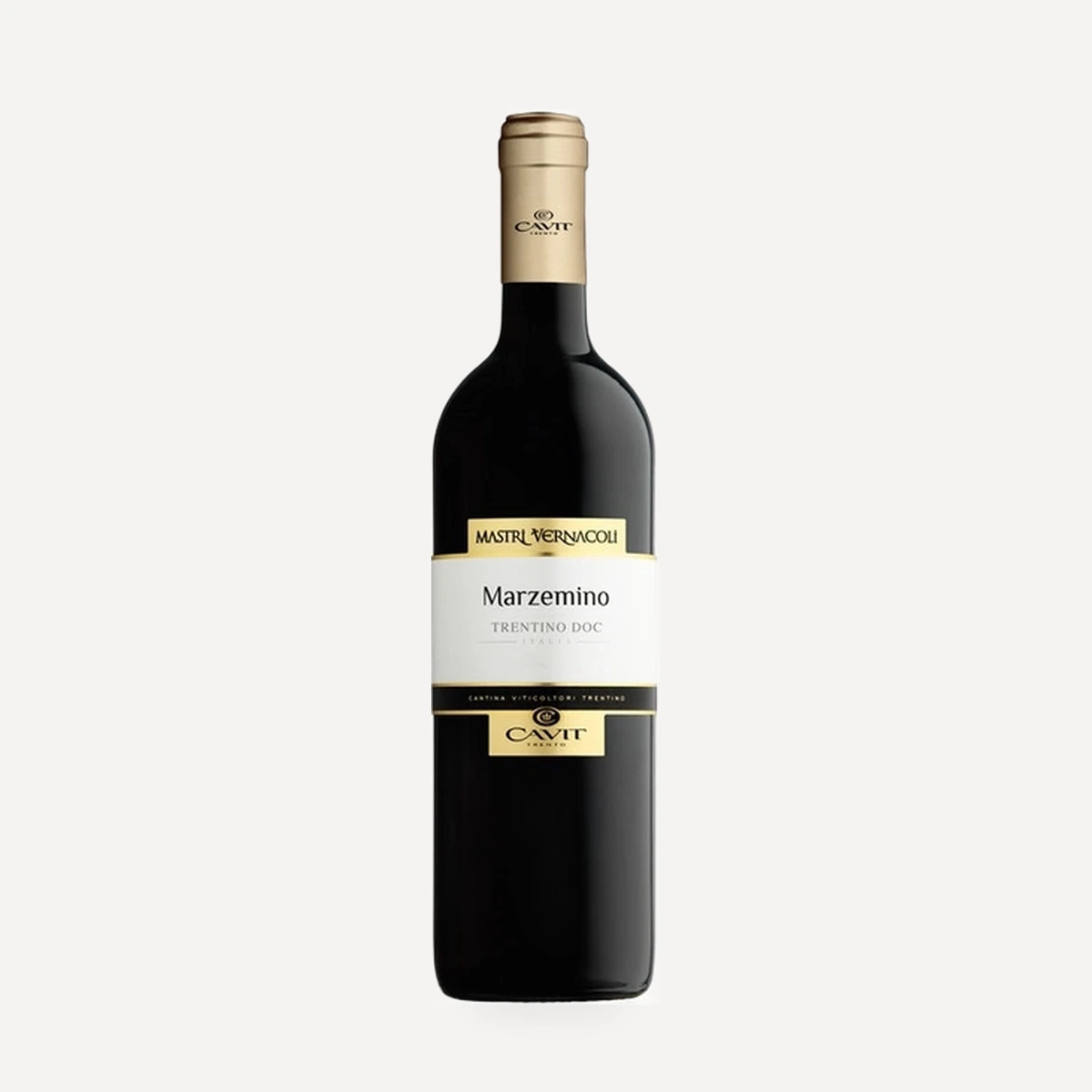
Mastri Vernacoli Marzemino Trentino DOC
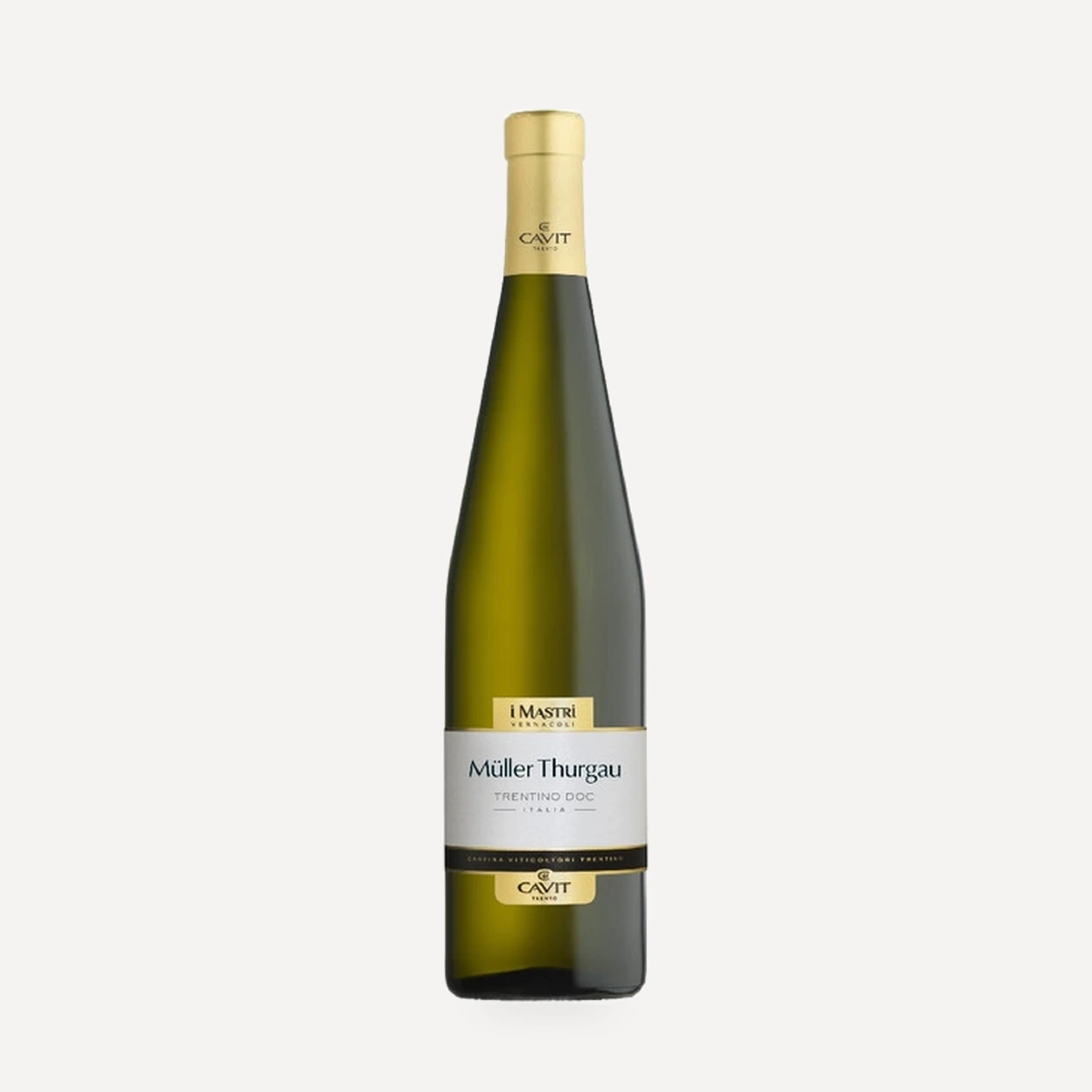
Mastri Vernacoli Muller Thurgau Trentino DOC
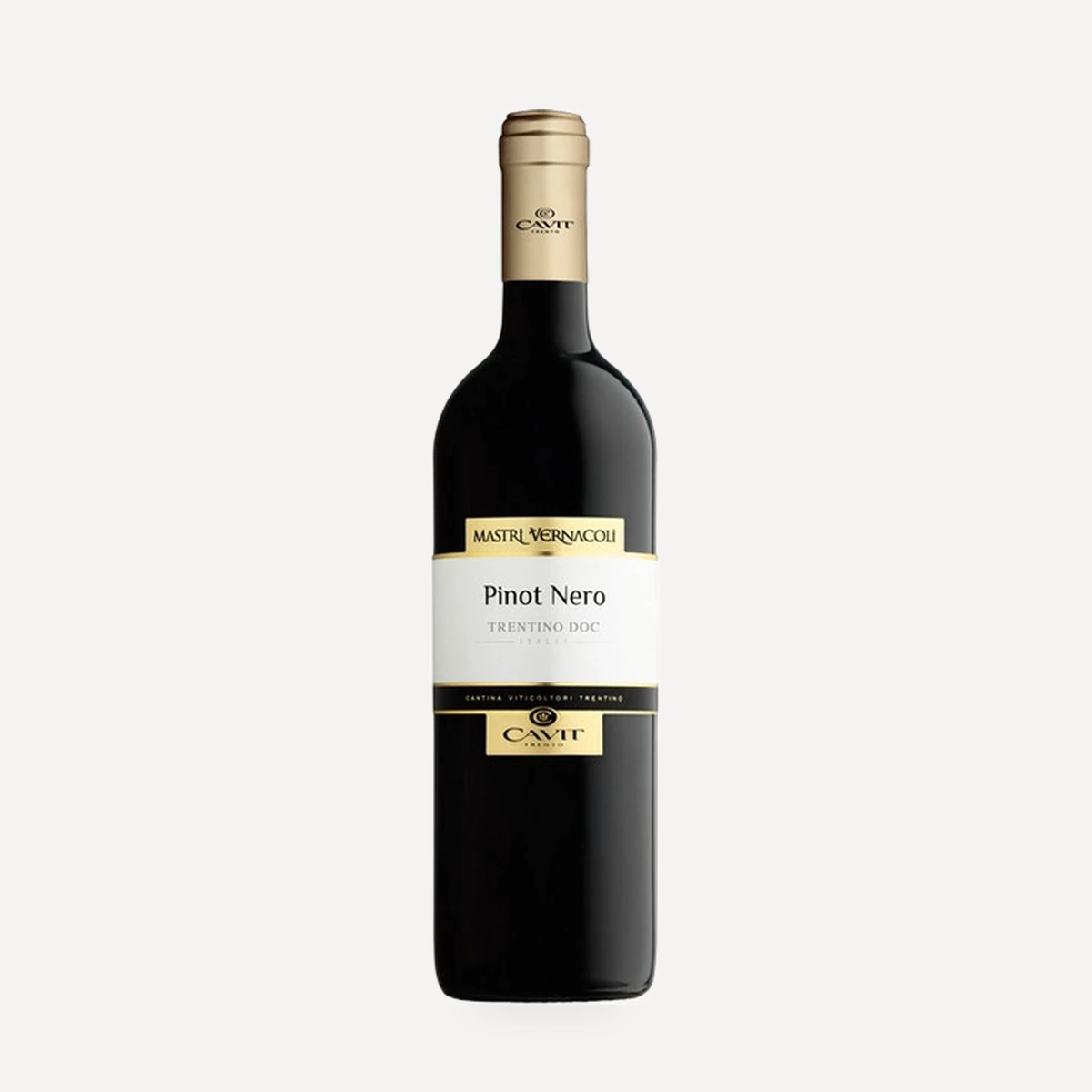
Mastri Vernacoli Pinot Nero Trentino DOC
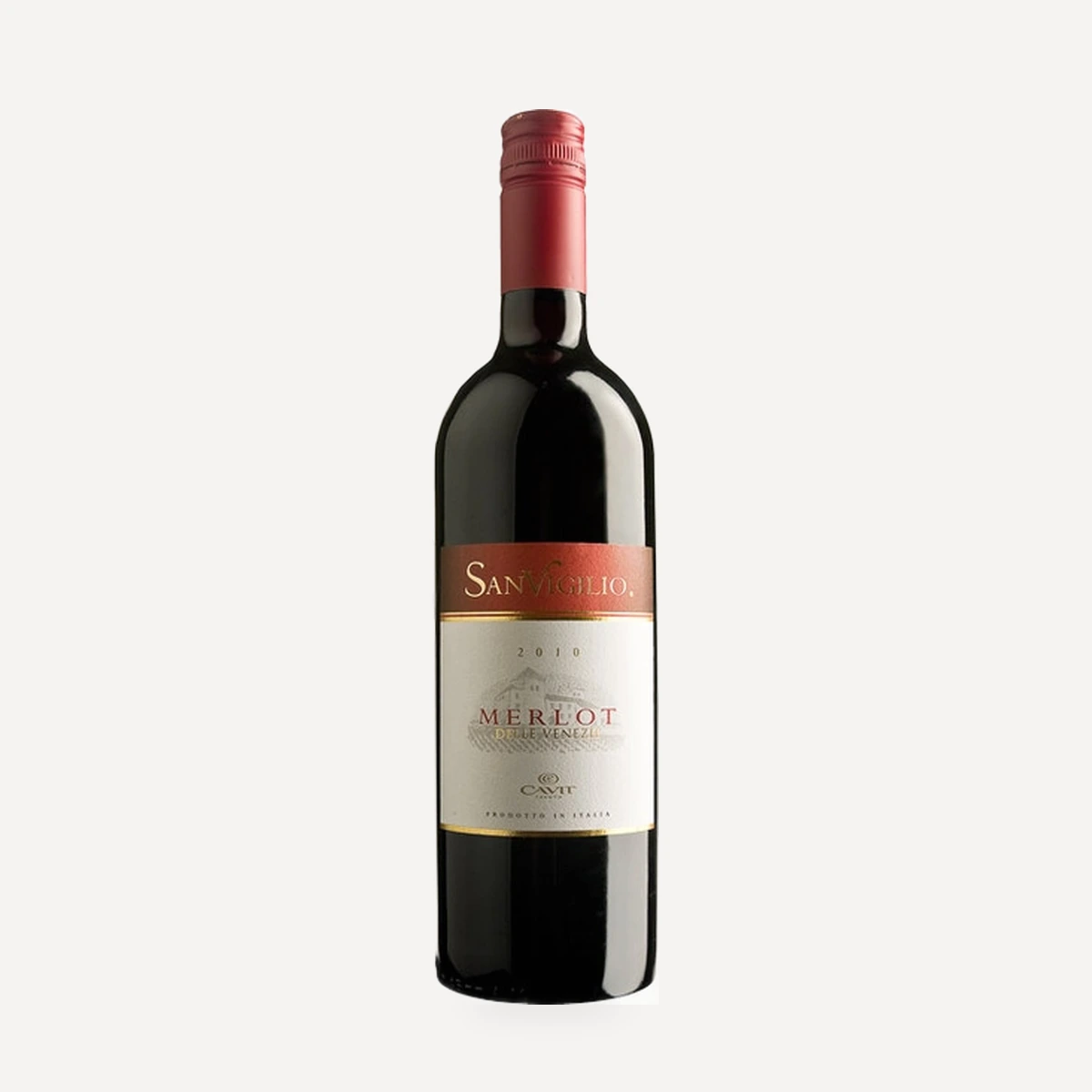
Sanvigilio Merlot delle Venezie IGT
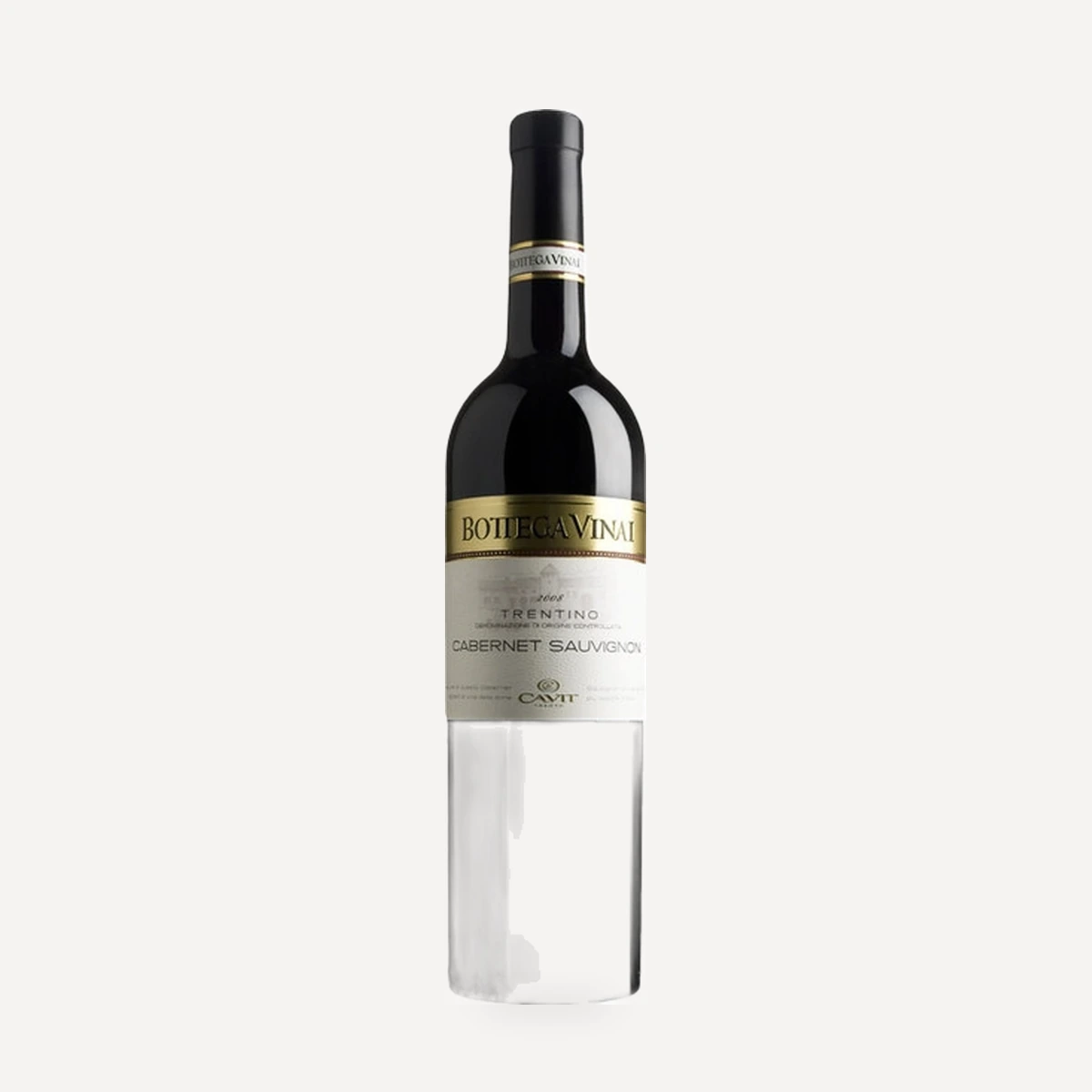
Bottega Vinai Cabernet Sauvignon
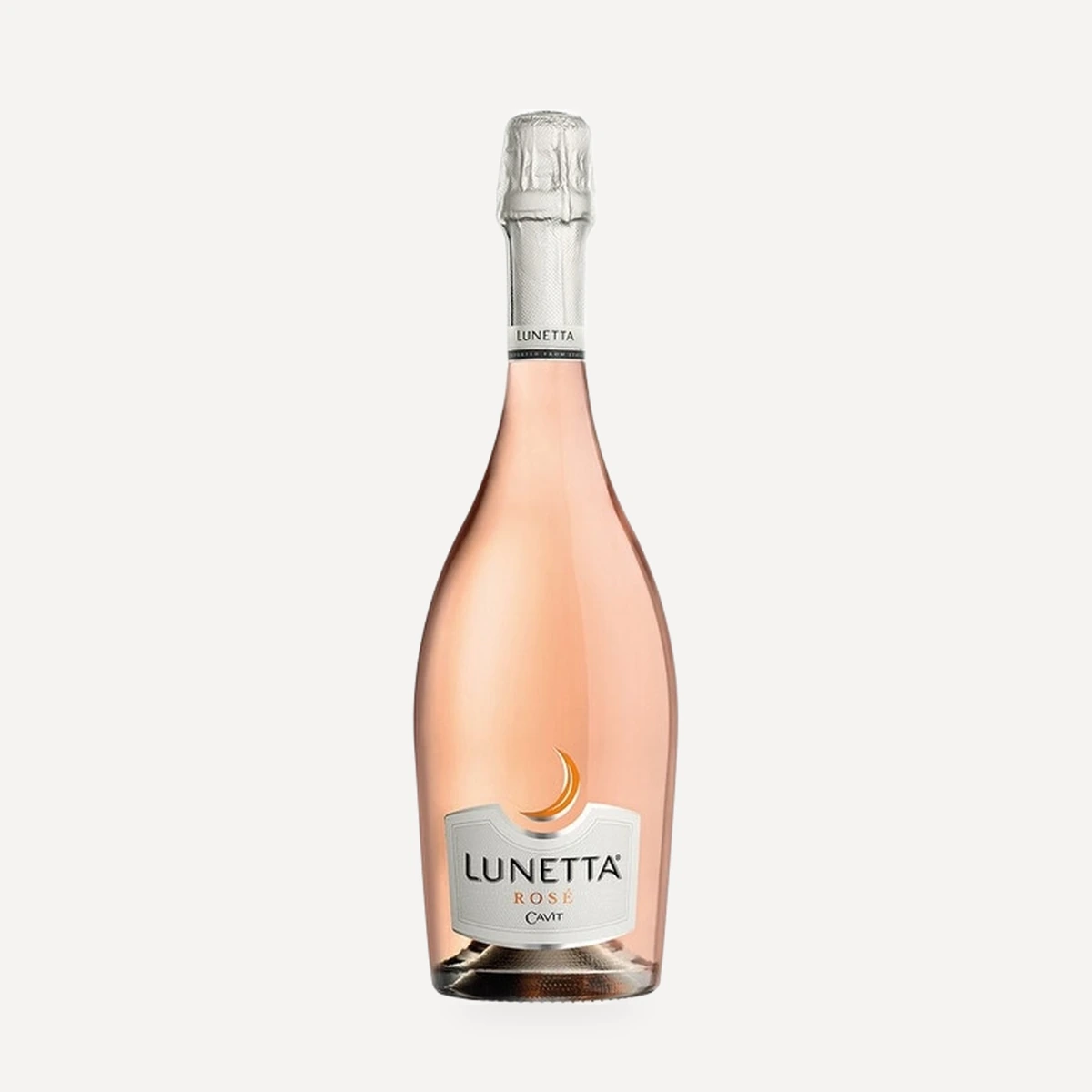
Lunetta Rose
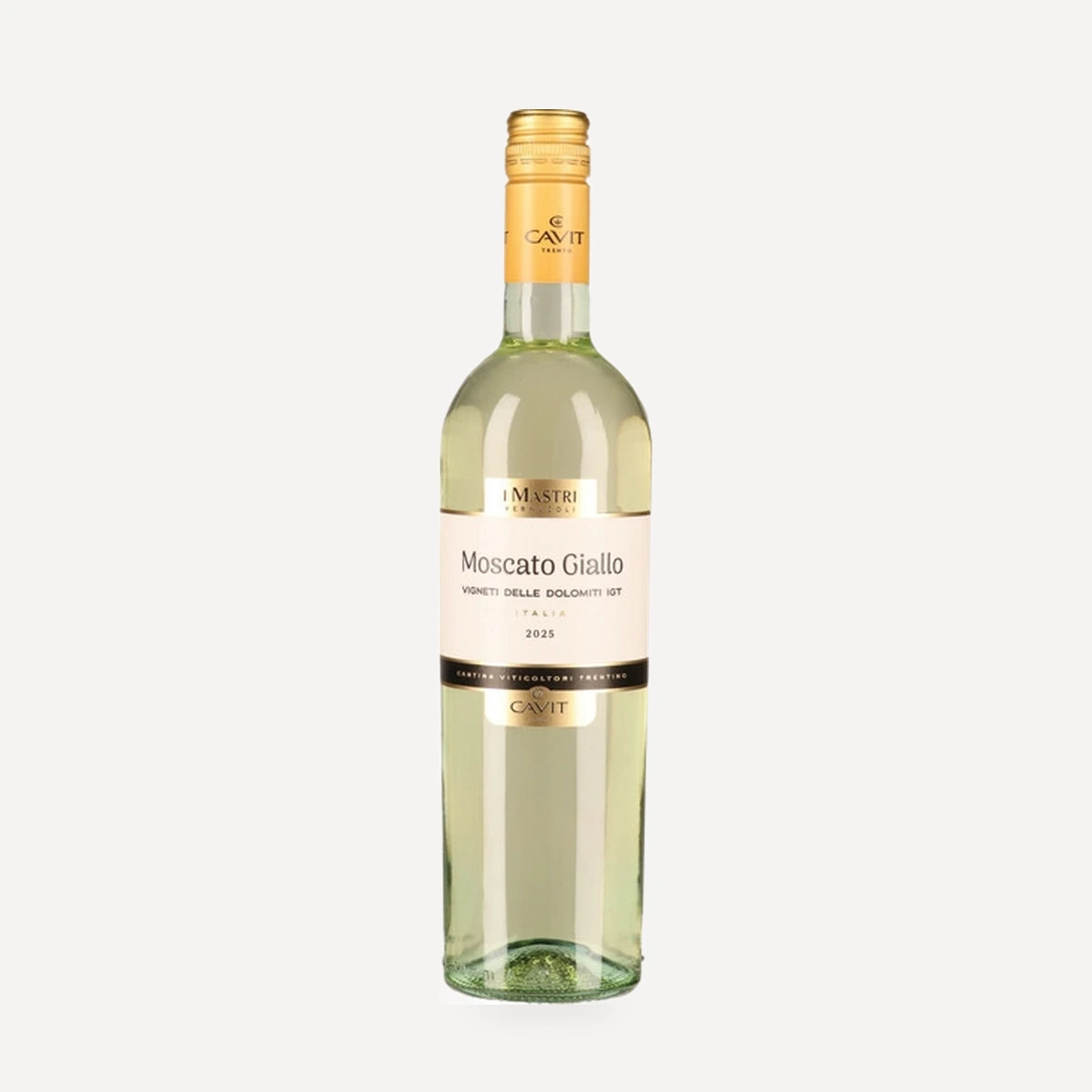
Mastri Vernacoli Moscato Giallo Vigneti delle Dolomiti IGT
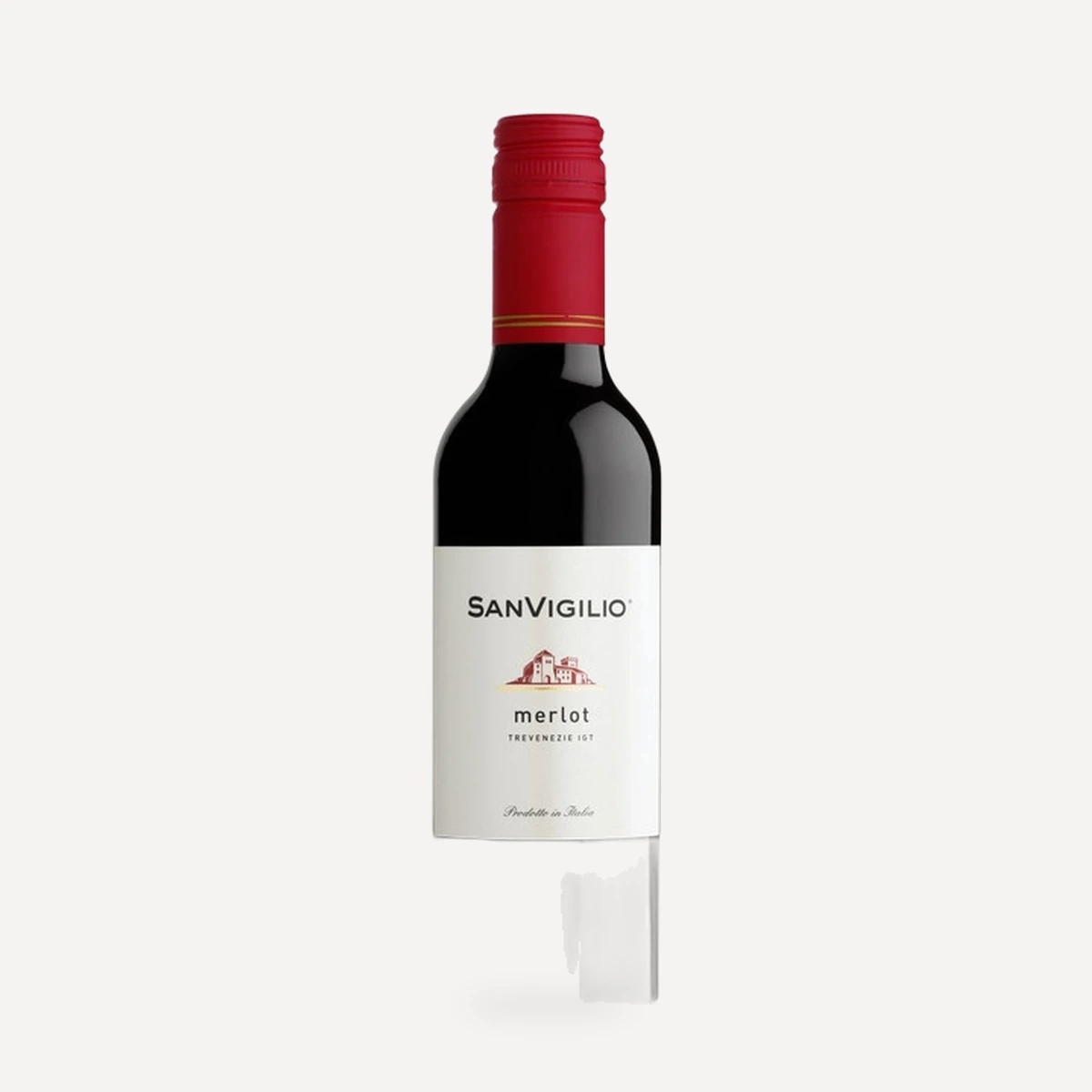
SanVigilio Merlot Trevenezie IGT
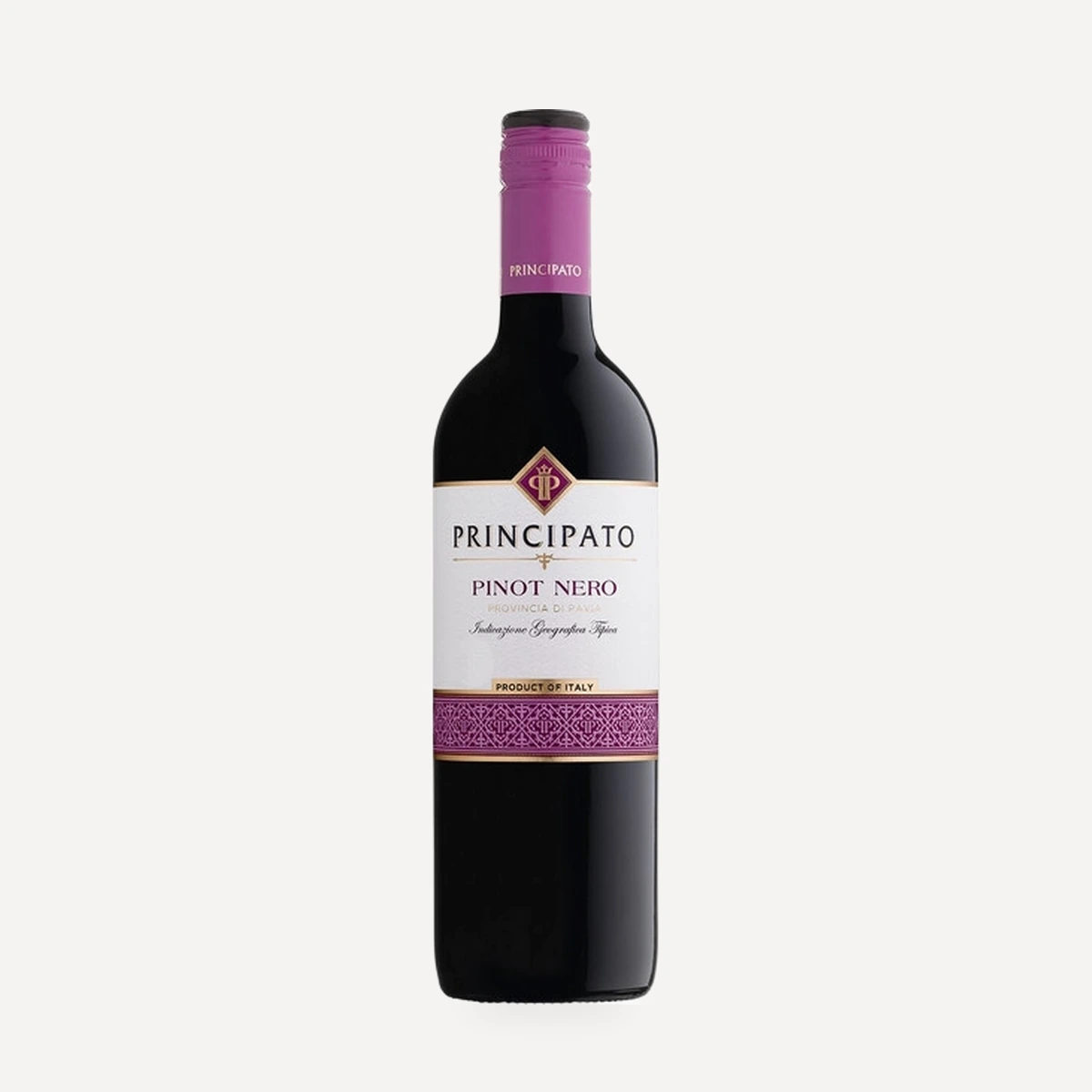
Principato Pinot Nero Provincia di Pavia IGT
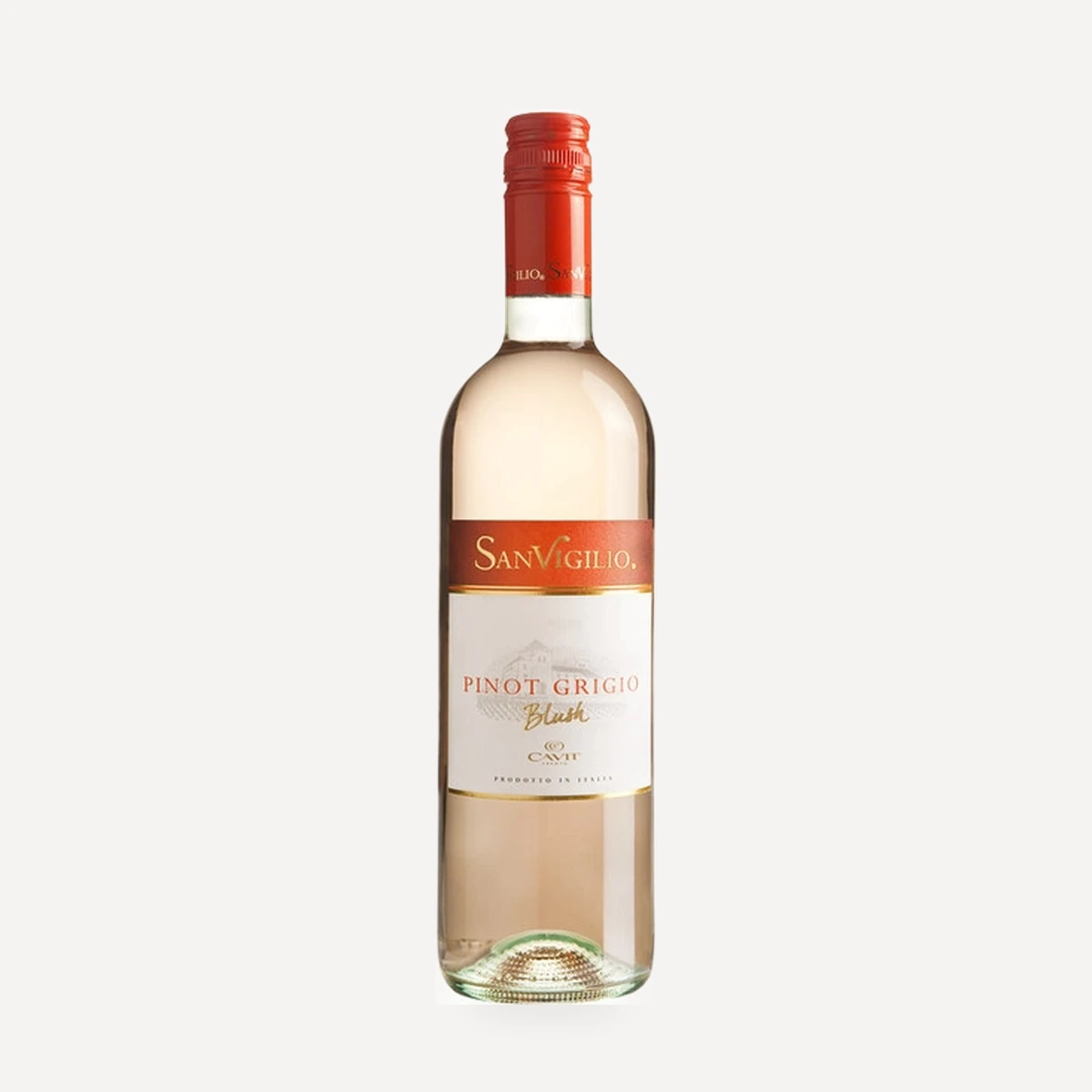
Sanvigilio Pinot Grigio Blush Venezie IGT
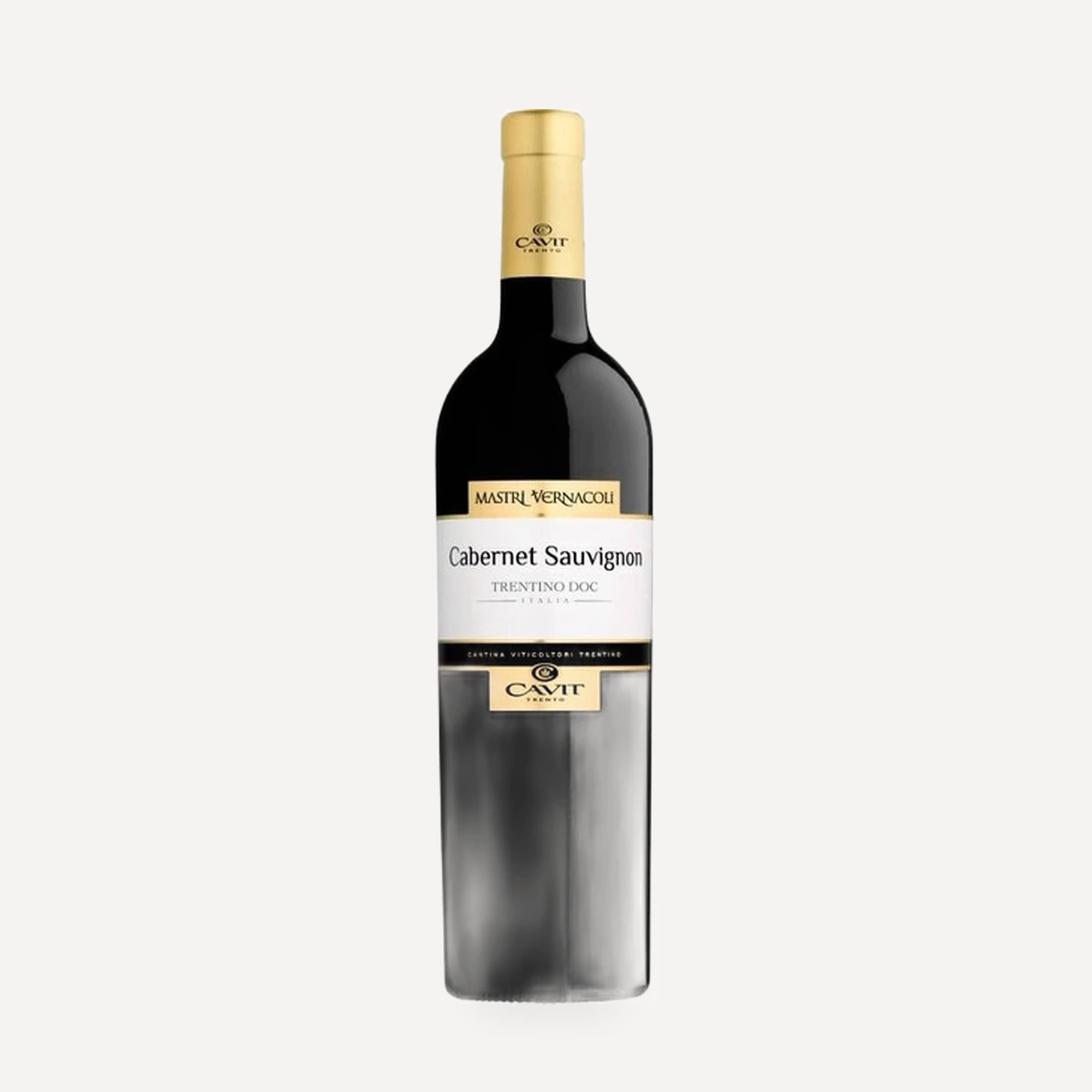
Mastri Vernacoli Cabernet Sauvignon Trentino DOC
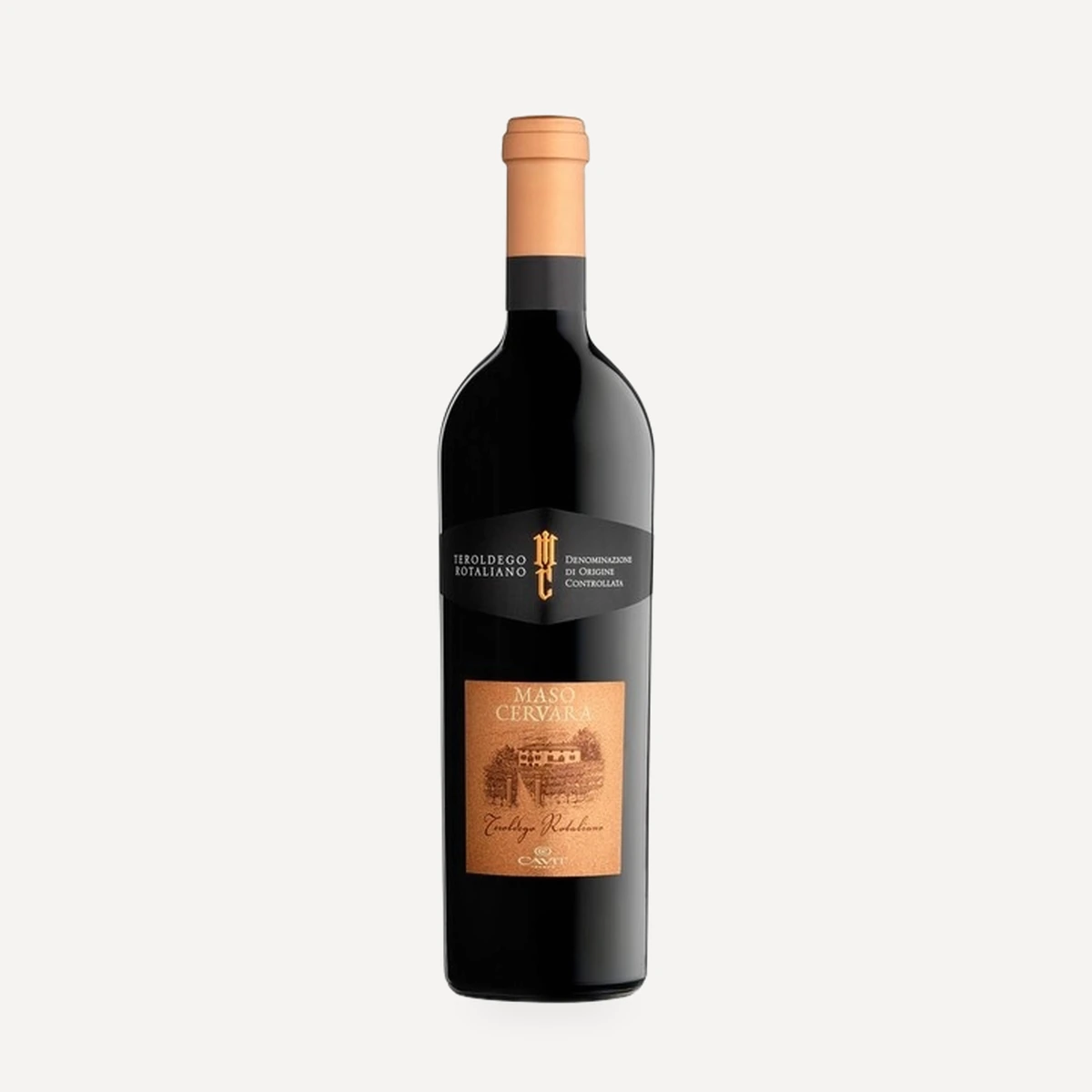
Maso Cervara Teroldego Rotaliano DOC
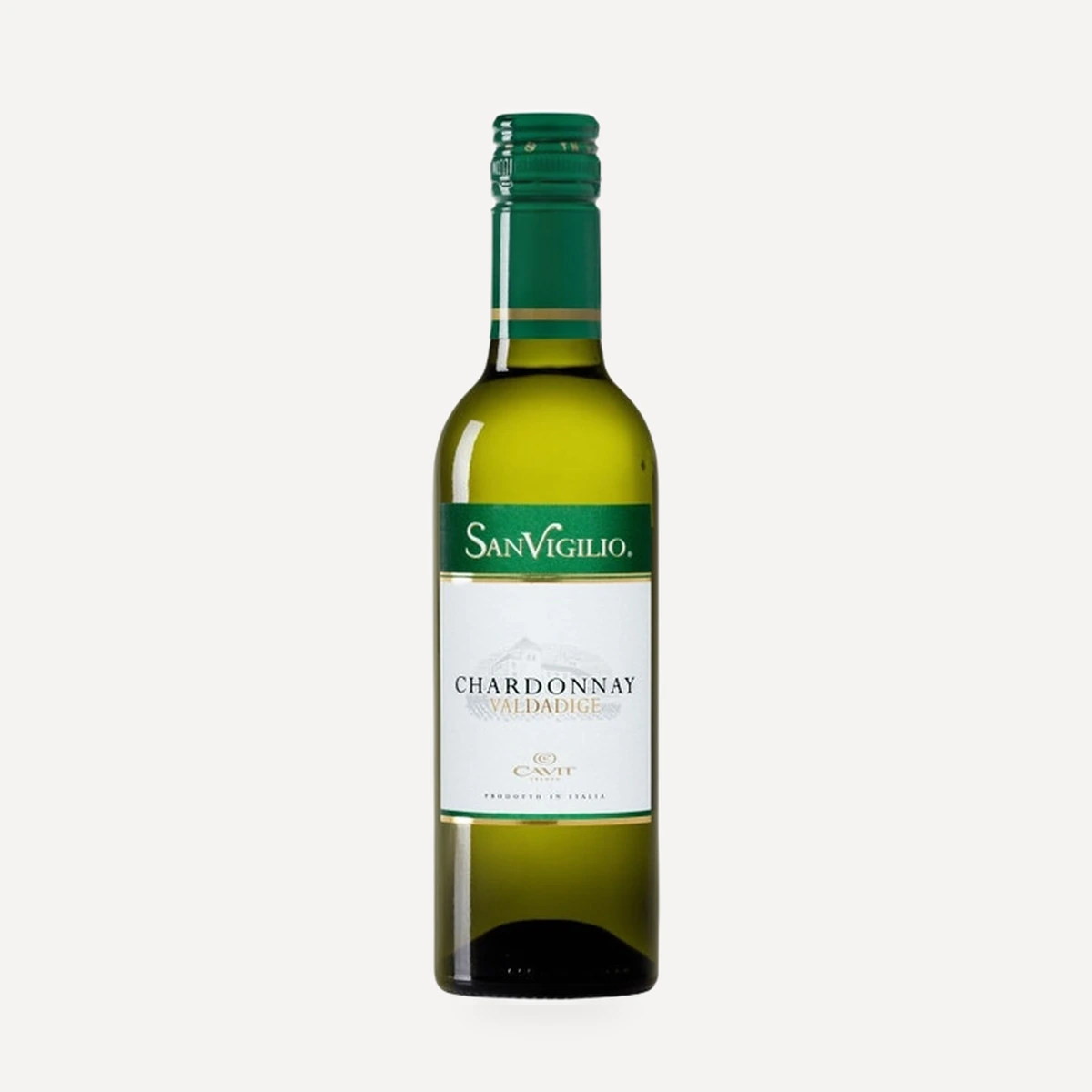
Sanvigilio Chardonnay Valdadige DOC
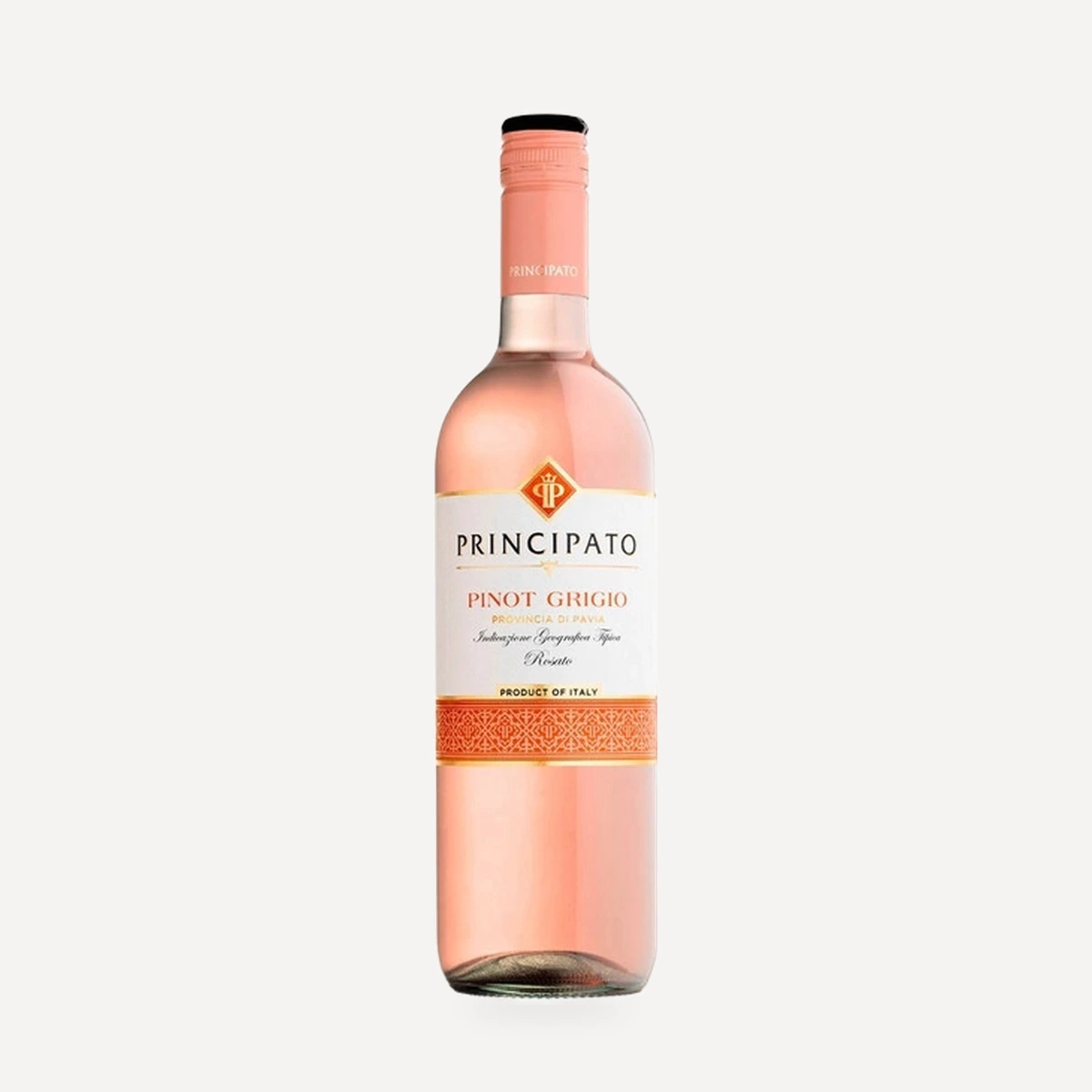
Principato Pinot Grigio Rosato Provincia di Pavia IGT
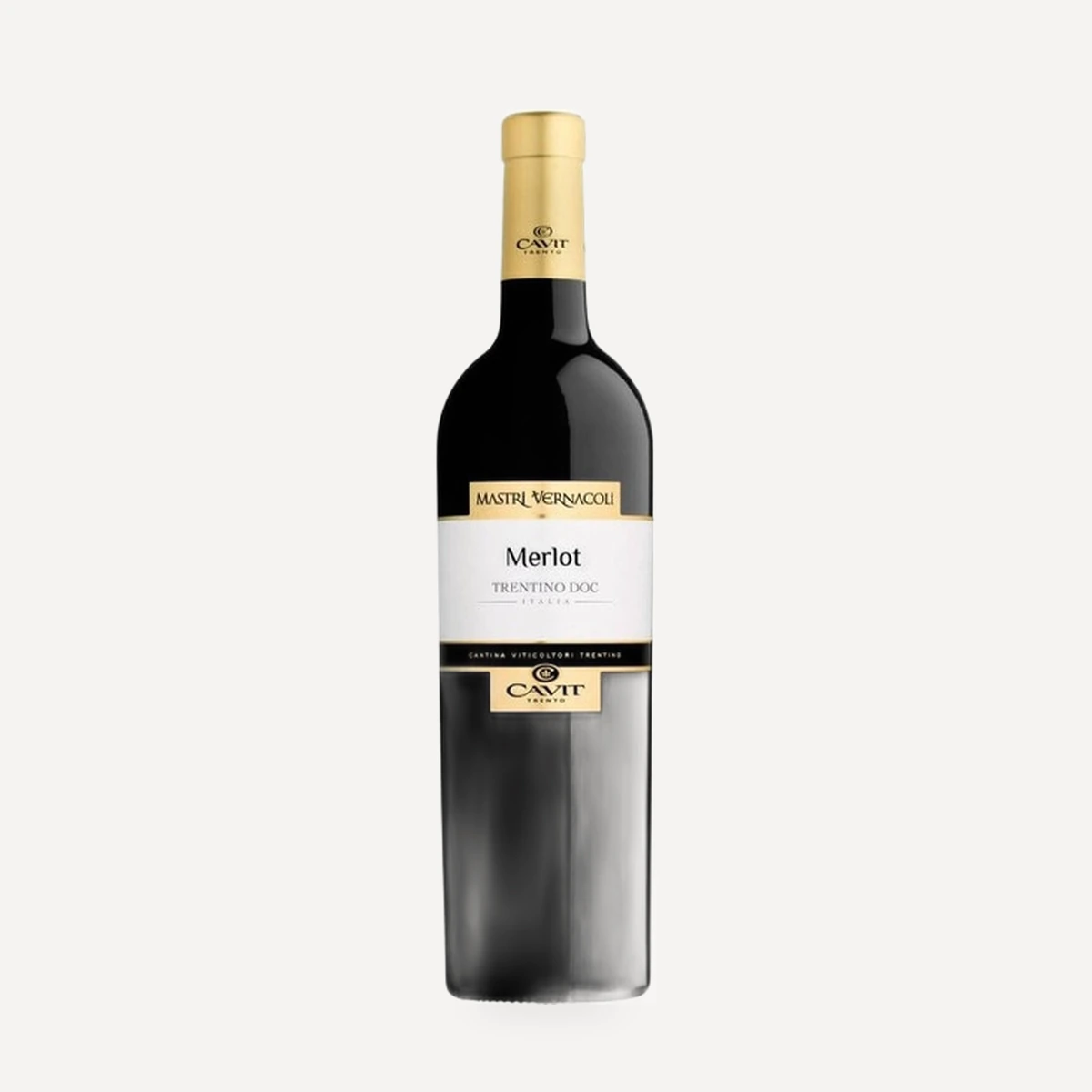
Mastri Vernacoli Merlot Trentino DOC
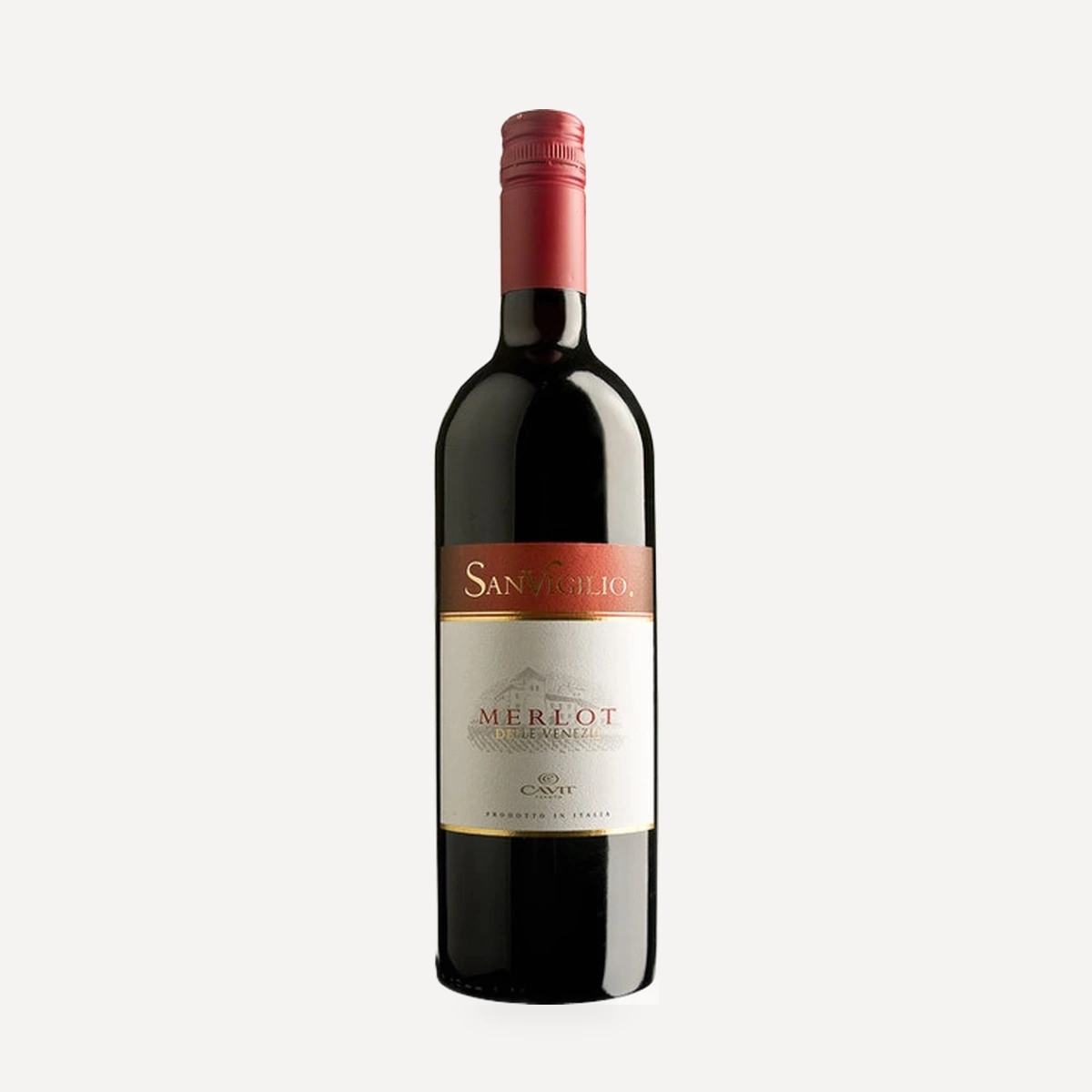
Sanvigilio Merlot
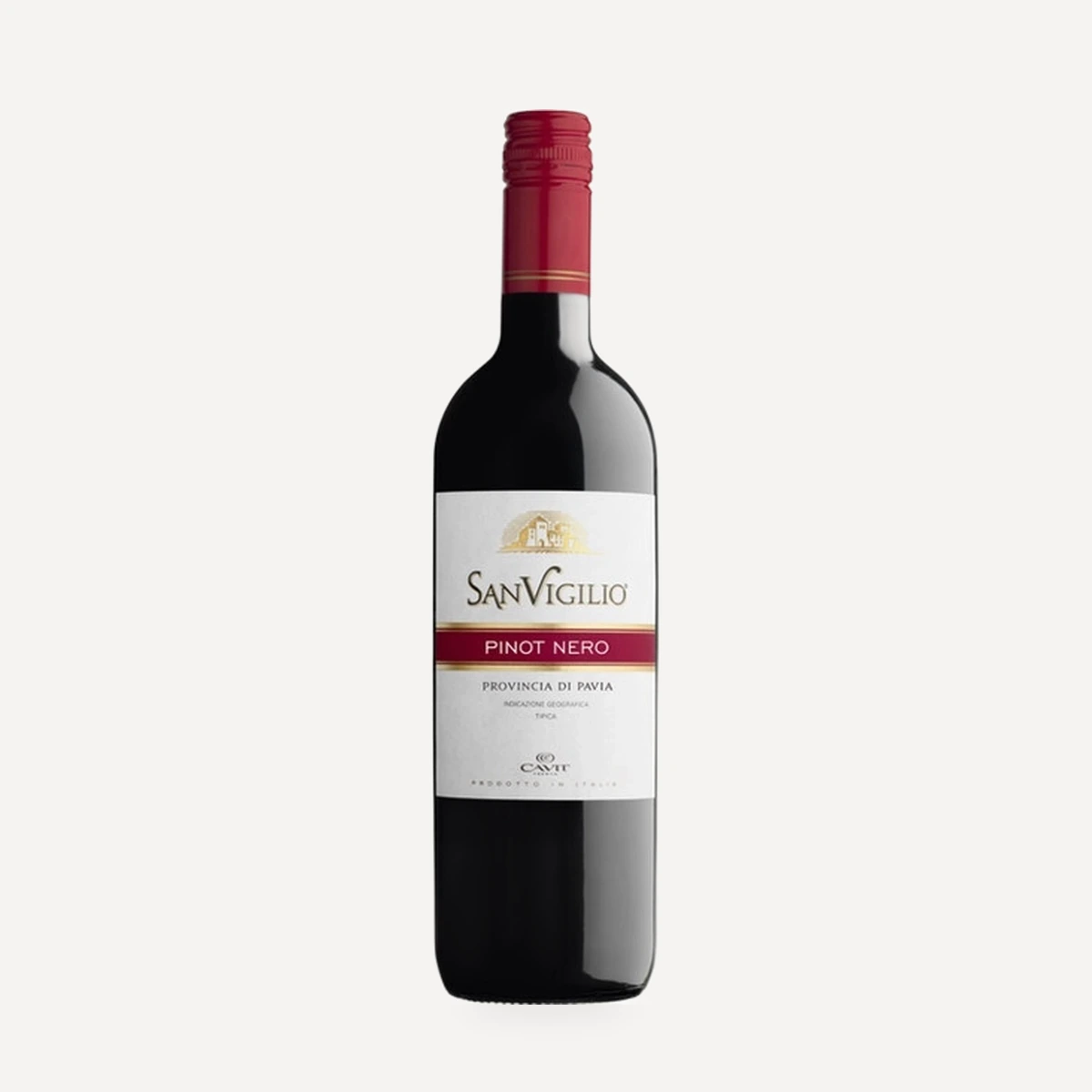
Sanvigilio Pinot Nero
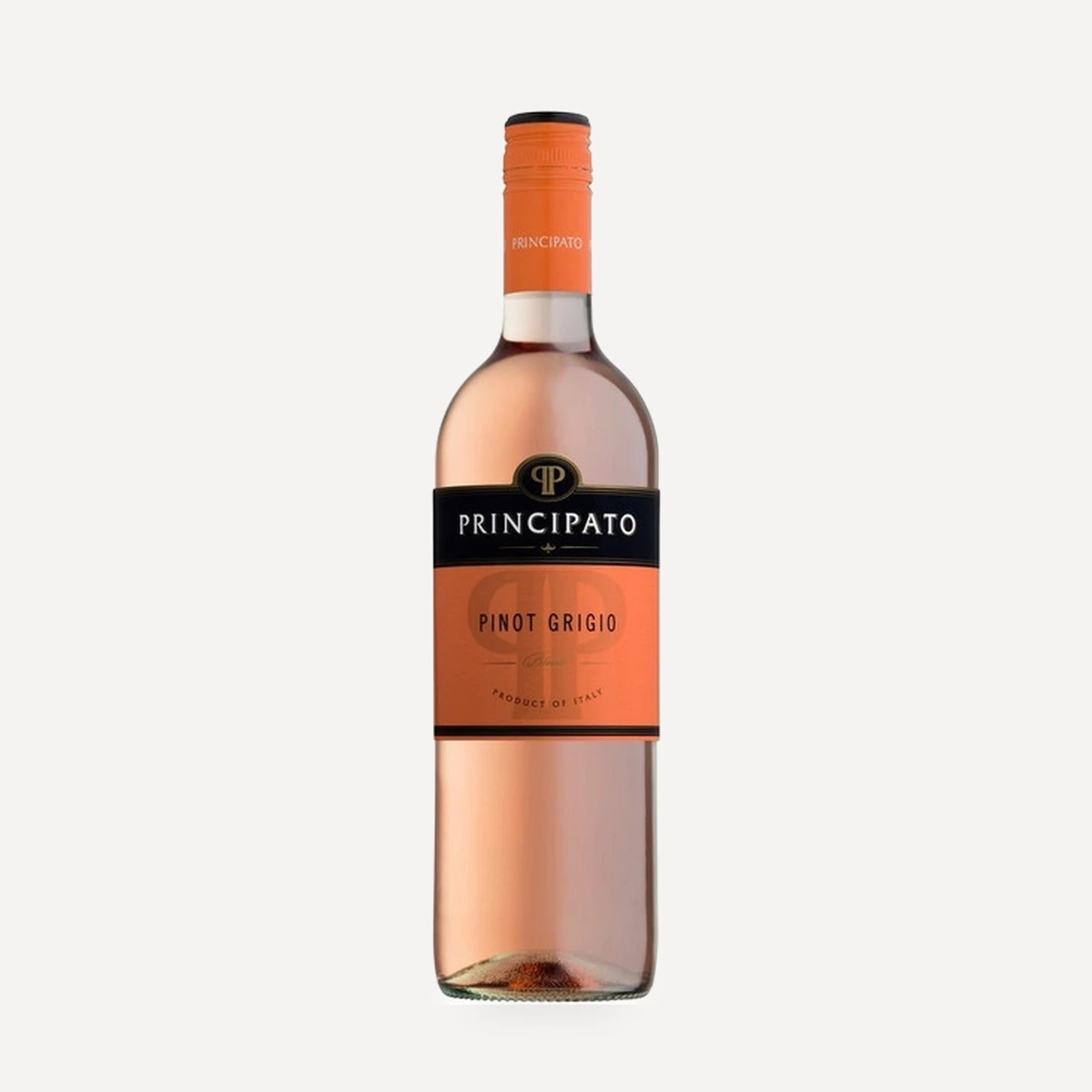
Principato Pinot Grigio Blush
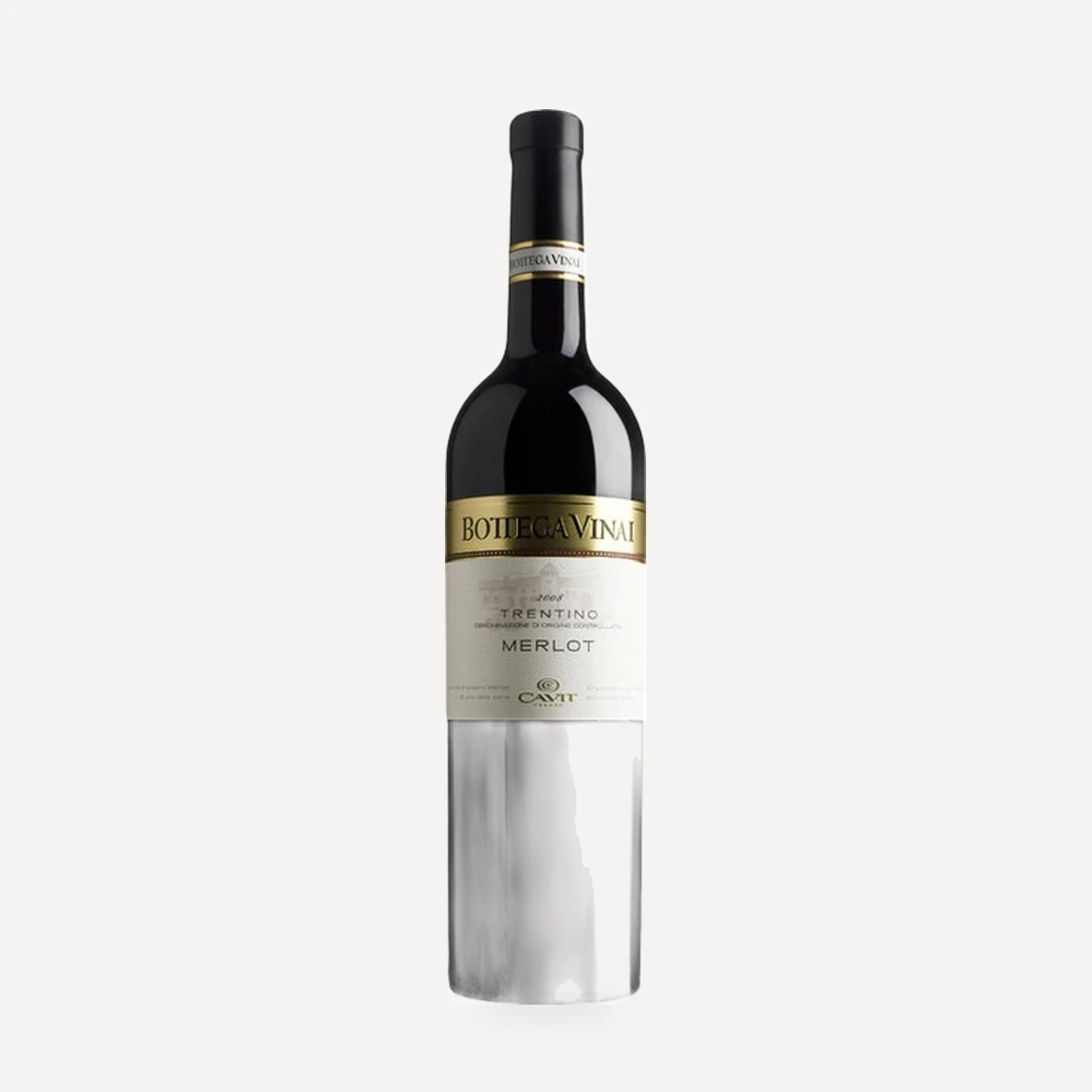
Bottega Vinai Merlot