Storia
The family estate, 1947
The agricultural property was purchased in 1947 by the maternal great-grandfather of the present owner. At the time, it covered approximately 20 hectares, of which only 0.5 hectare was planted with vines. Procanico and Biancone di Portoferraio were the only varieties in that original vineyard.
A new viticultural direction, 1976
The land passed through successive generations to Maria Alessandra. In 1976, she and Claudio, an agronomist, moved to Elba with the aim of rehabilitating the farm and giving it a clearly viticultural direction. The vineyard area subsequently expanded to 9 hectares. Procanico, Sangiovese, Ansonica and Aleatico were the first varieties planted during this development; Vermentino, Viognier and Syrah were added later.
Filippo Alampi joins the family farm, 1996
Maria Alessandra and Claudio’s son, Filippo Alampi, began working with the family business in 1996, particularly during harvest. His first practical experience in agriculture came on Elba, where he worked alongside the farm’s employees and completed the examination qualifying him as an IAP, or professional agricultural entrepreneur.
Filippo was born in Adria, in the province of Rovigo, in 1976 and moved to Florence in 1981. His subsequent development was described as itinerant, linking his experience on Elba with agricultural work in mainland Tuscany.
Parallel agricultural experience, 2000
From 2000, Filippo took responsibility for Fattoria Ramerino, an olive-growing enterprise in Bagno a Ripoli. He personally managed the sequence from production through extraction, developing organic extra-virgin olive oil marketed under several labels in Italy and abroad. This experience provided the agricultural and commercial background for his later relaunch of the Elban wine property.
From grape growing to estate wine, 2018–2019
Through 2018, the family sold its grapes to other wineries. Economic and organizational sustainability then brought three alternatives into consideration: selling the farm, leasing the vineyards to third parties, or beginning independent vinification and commercializing estate wines. Filippo chose the third course and relaunched the business.
Beginning with the 2019 harvest, Chiesina di Lacona became the name selected by Filippo for the Elban property, of which he had become the owner. He undertook the project with the support of Claudio as agronomist, the oenologist Saettini and the estate’s other collaborators.
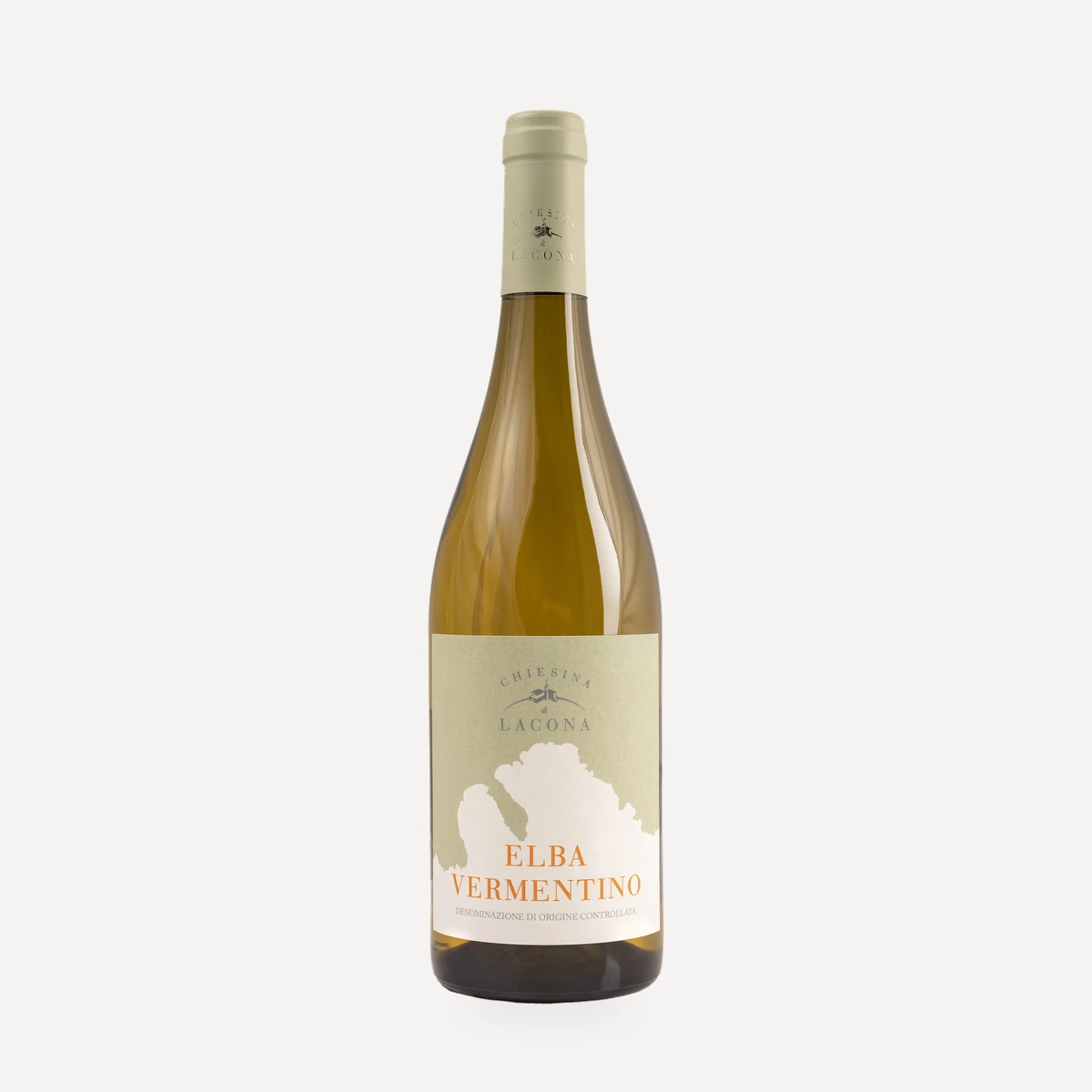
The 2019 harvest produced the first estate white wines: Elba Bianco DOC, Elba Vermentino DOC and Ansonica dell’Elba DOC. All were made from grapes grown on the property in Lacona and vinified at the winery in Seccheto.
Expansion of the range, 2020
In 2020, the range expanded to include Elba Rosato DOC, Elba Rosso DOC and Aleatico Passito dell’Elba DOCG, establishing a portfolio of white, red, rosé and passito wines from the estate’s seven cultivated varieties.
Terroir
Elba and the southern-island setting
The vineyards are situated at Lacona in the southern part of Elba, between the Gulf of Stella and the Gulf of Lacona. The two gulfs are divided by the Capo Stella promontory. Elba is the largest island in the Tuscan Archipelago and has 147 km of coastline encompassing bays, cliffs, sea stacks and hills. One third of the island rises above 200 m, while Monte Capanne exceeds 1,000 m.
Maritime climate
The sea shapes the vineyards’ microclimate. Winters are mild, summer rainfall is scarce and the winds provide an important moderating influence. Proximity to the sea contributes both to the mild conditions around the vineyards and to the saline character sought in the wines.
Soils
The vineyard soils combine sand, medium-textured clay and abundant coarse mineral material. This structure can retain rainfall while also draining excess water. The estate associates this balance with the availability of microelements taken up by the vines.
Vinificazione
All Chiesina di Lacona wines are made exclusively from grapes grown on the estate’s land at Lacona. Vinification takes place in the estate’s winery at Seccheto. Independent estate production began with the 2019 harvest after the family ended its previous practice of selling grapes to other wineries.
Filosofia
Chiesina di Lacona presents its work as a continuation of Elba’s long viticultural history, combining loyalty to the island with an outlook open to contemporary practice. The estate’s stated ambition is to make Elban wines that are elegant, lively and saline, capable of representing their place of origin beyond the island.
The 2019 relaunch also carried forward the quality-focused agricultural approach that Filippo Alampi had developed through olive growing. Environmental responsibility is expressed most concretely through packaging choices intended to reduce material use and transport emissions: lighter glass, technical closures made predominantly from renewable raw materials, cotton labels, glue-free polylaminate capsules and FSC-certified cartons that are self-assembling and tape-free wherever possible.
Vini
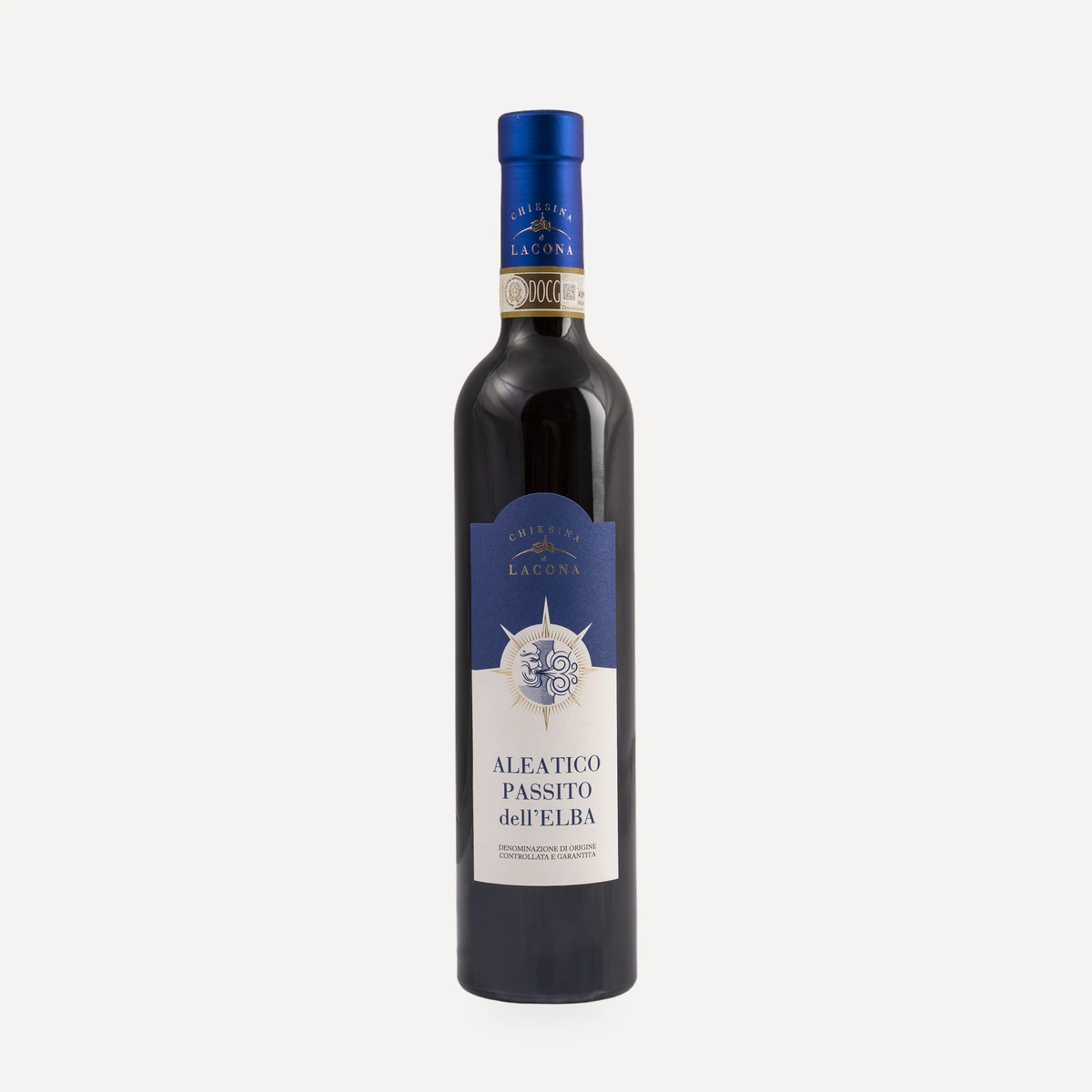
Aleatico passito dell’Elba DOCG
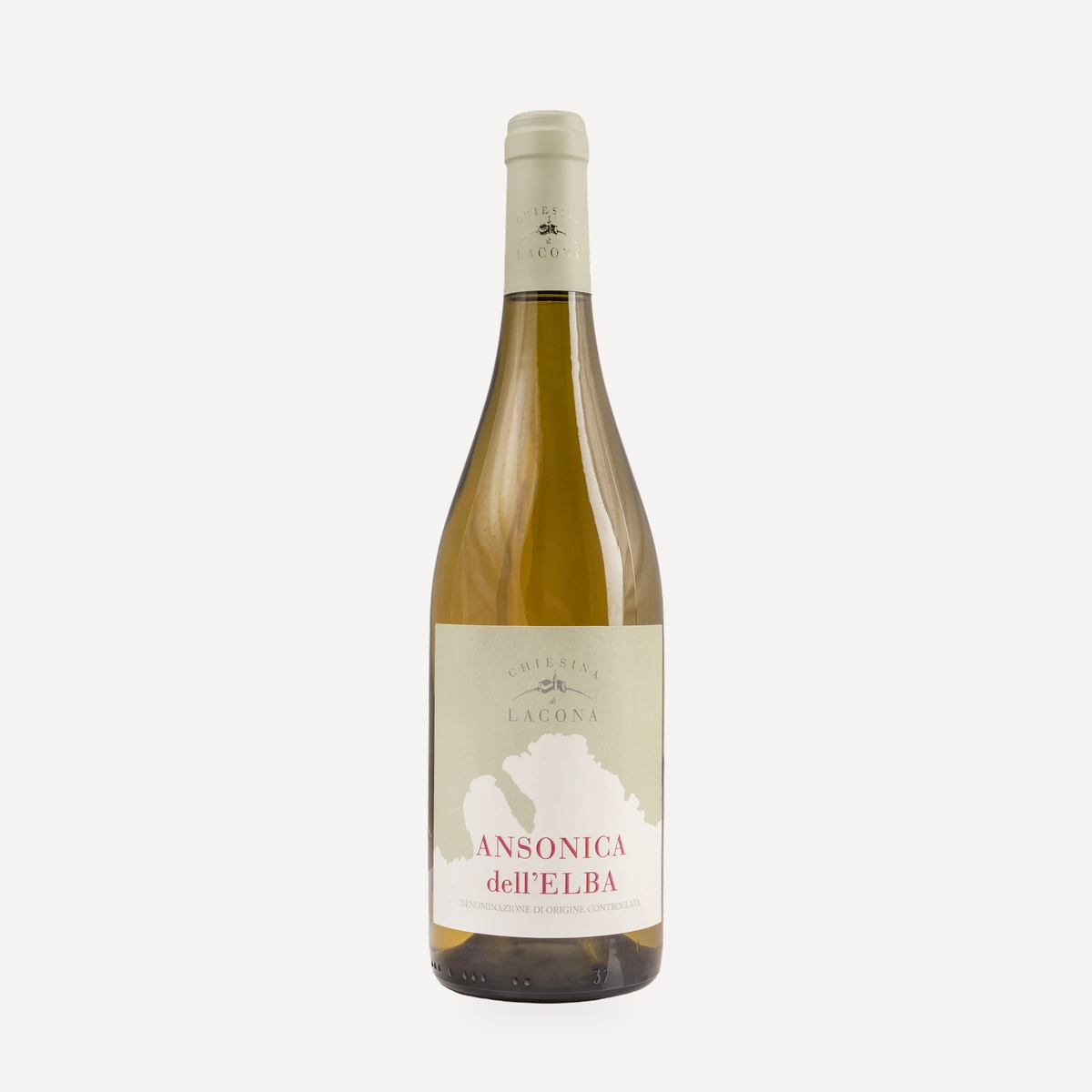
Ansonica dell’Elba DOC
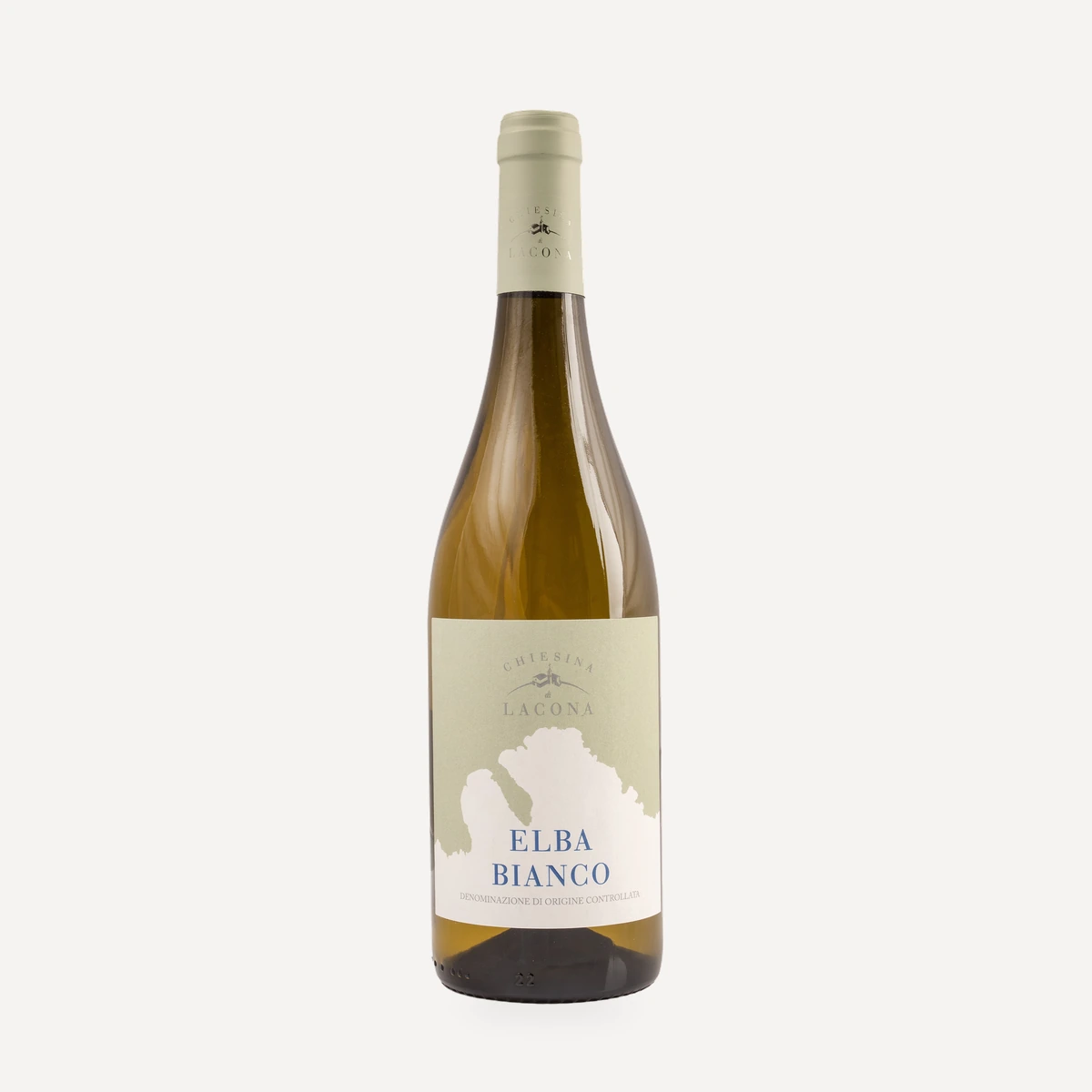
Elba Bianco DOC
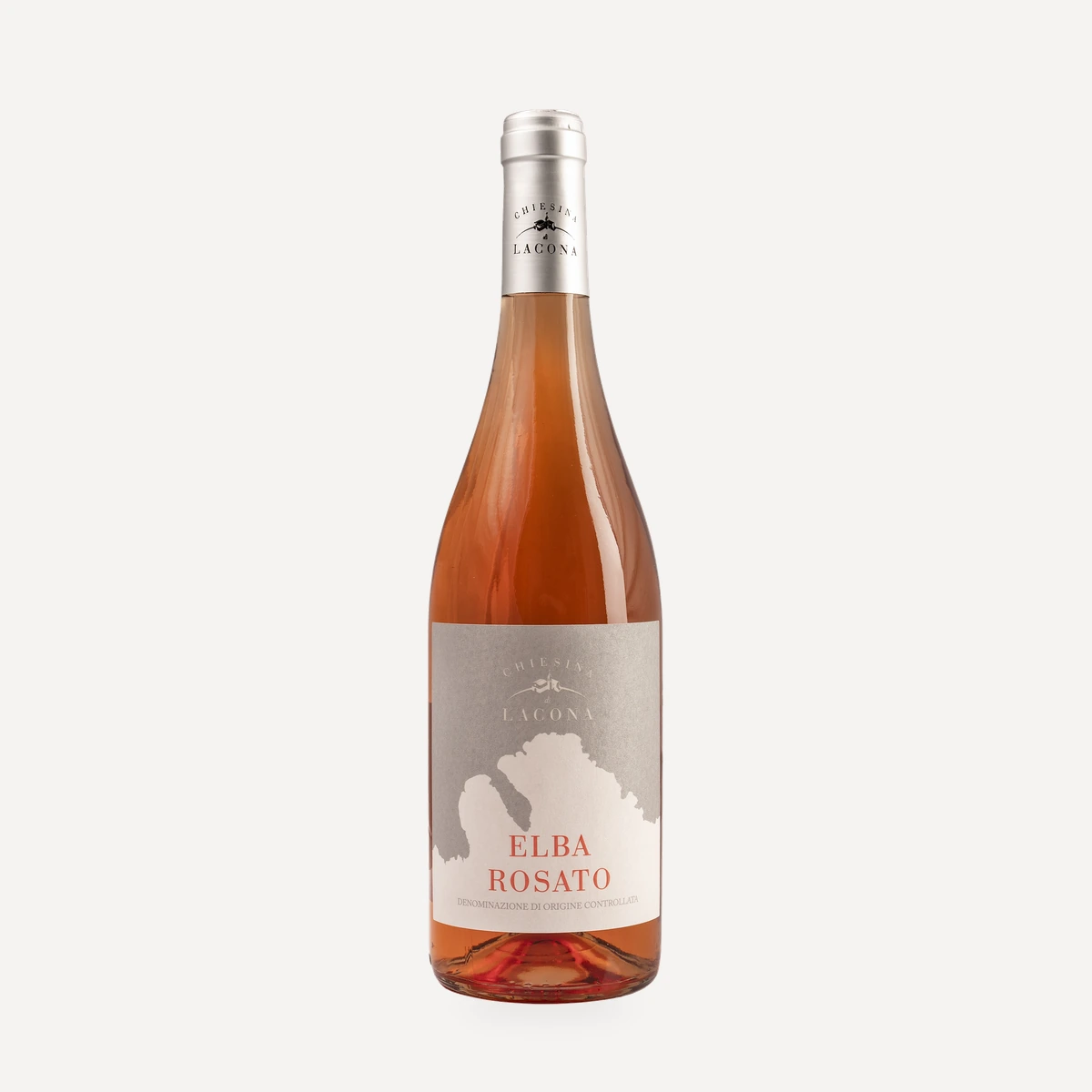
Elba Rosato DOC
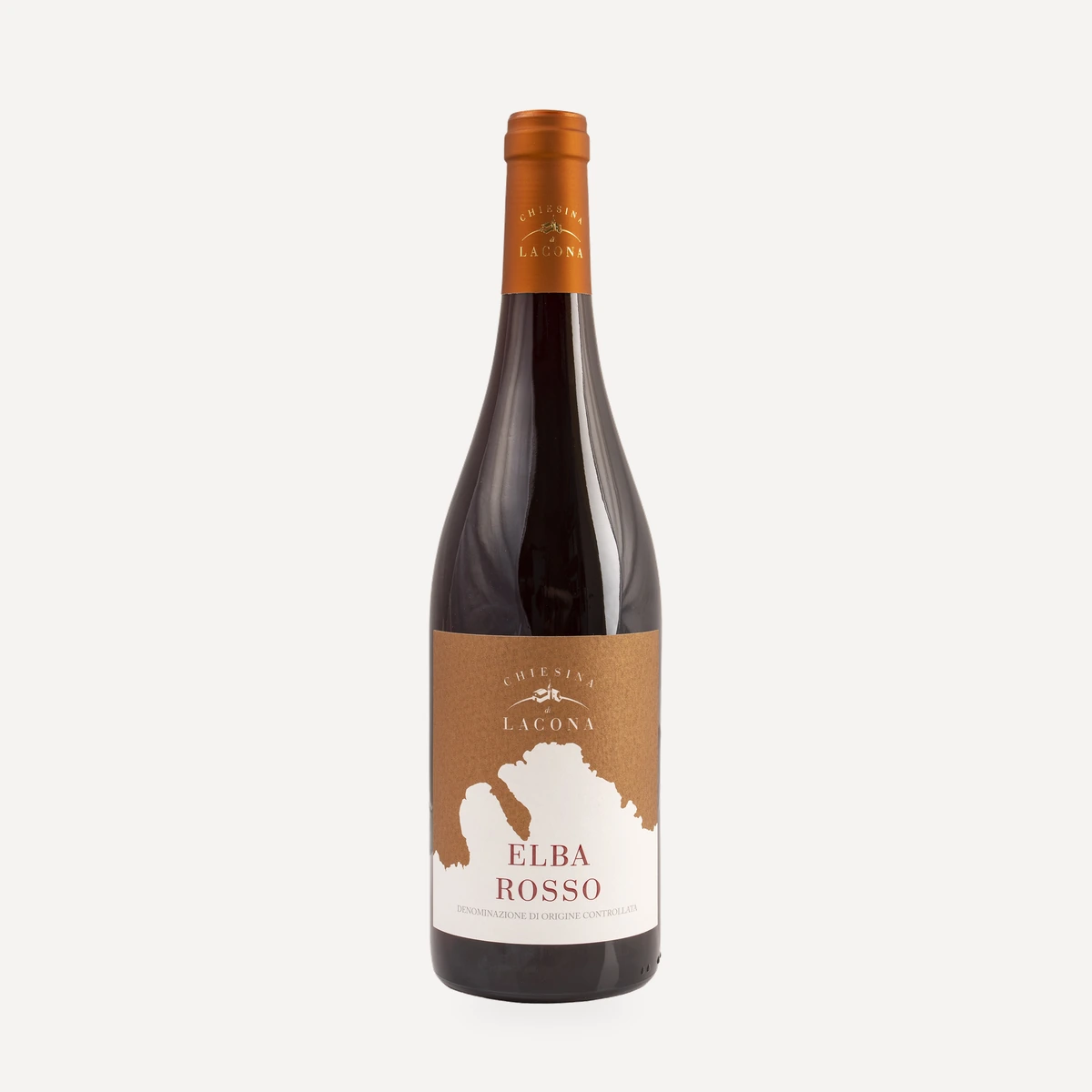
Elba Rosso DOC