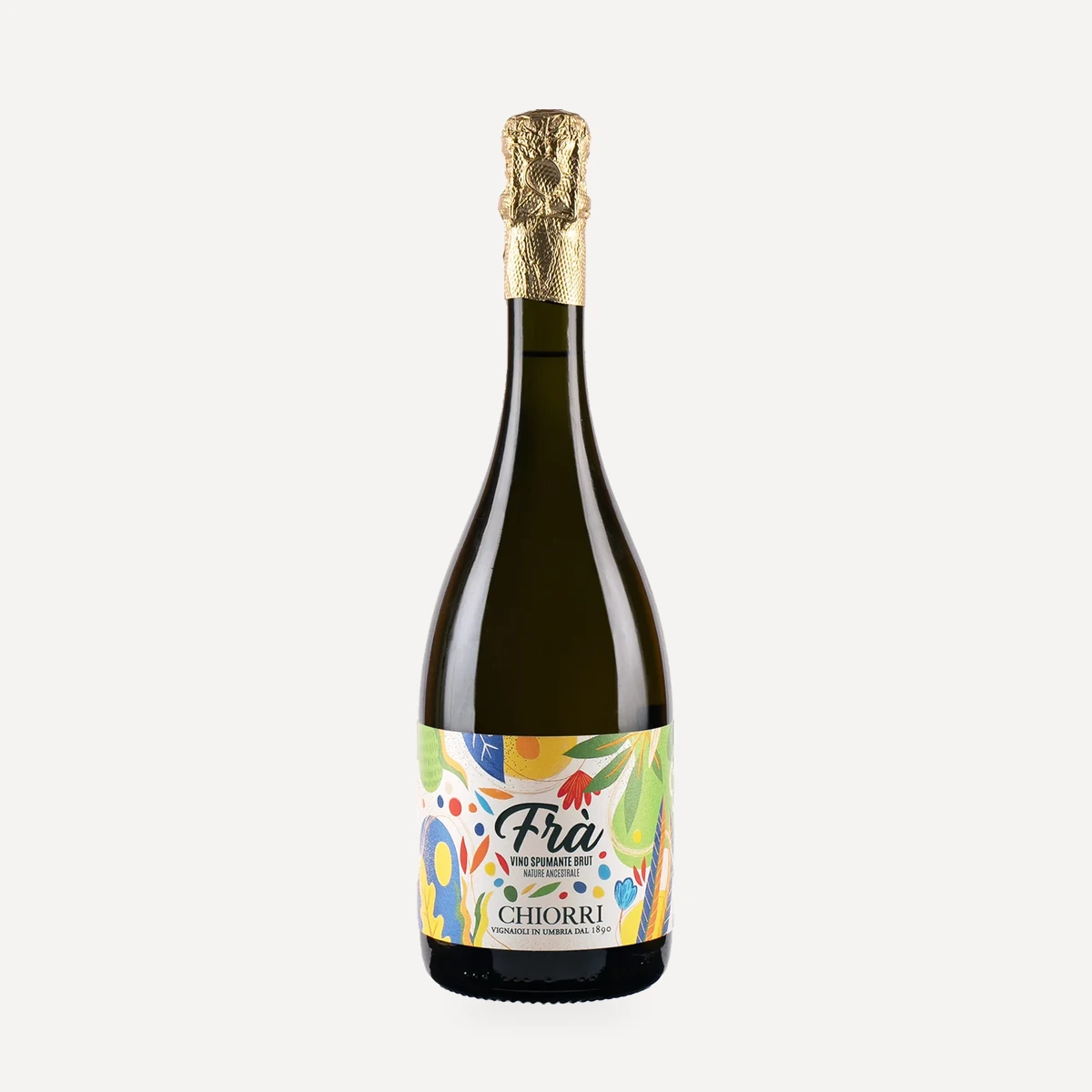
Storia
Family roots and the foundation
The Chiorri family's connection with its land and vineyards extends back more than two centuries, while the wine estate dates its foundation to 1890. Pasquale Chiorri laid the foundations of the family enterprise at the end of the 19th century among the farms of Sant’Enea, near Perugia.
The business began as a farm and contributed actively to the development of the small village of Sant’Enea. During the First World War, Antonio Chiorri gave a decisive impulse to the cellar and wine production. Remembered as generous, perceptive and entrepreneurial, he continued to invest in the project during the conflict.
The heraldic recognition
At the end of the First World War, the family received a heraldic coat of arms in recognition of its commitment to Sant’Enea and its support for the economy of the Kingdom of Italy. The emblem remains part of the Chiorri identity and logo. Its tree represents agriculture; the rampant lion recalls one of Perugia's symbols and, together with the Griffon, strength; three stars commemorate the three generations that had succeeded one another by that point.
The 1970s and the next family succession
In the 1970s, sisters Franca and Maria Concetta Chiorri assumed responsibility for carrying the business forward together with their respective husbands. This succession maintained the family character of the estate and its connection with Umbrian agricultural and winemaking traditions.
Tito, another figure remembered in the family's wine story, was the first family member to believe strongly in Grechetto and devoted his energy to increasing recognition of the variety.
A sixth generation and the new millennium
The year 2000 brought the birth of Gabriele, the first grandchild of the sixth generation. The family marked both his birth and the arrival of the new millennium by creating Gabri, a young red wine named for him.
The 130th anniversary and integrated production
Chiorri reached its 130th anniversary in 2020. Pandemic restrictions prevented the planned celebration, so the family commemorated the milestone with two special bottlings: 1890 BIANCO IGT Umbria, made entirely from Grechetto, and 1890 ROSSO IGT Umbria, combining Merlot and Sagrantino.
The 2020 harvest also concluded a long programme of work in the vineyards and cellar with the award of SQNPI integrated-production certification. Chiorri became the first business in Umbria to obtain the SQNPI quality mark.
The estate today
Monica Mariotti, daughter of the generation represented by Franca and Maria Concetta, now continues the family path with her husband Francesco. They combine inherited practices and craftsmanship with contemporary techniques, new ideas and new projects, with the stated intention of protecting the estate and passing it to later generations.
On 17 November 2025, Agraria di Monica Mariotti & C. S.S. received the Impresa Storica dell’Umbria award during celebrations marking the 190th anniversary of the Umbria Chamber of Commerce.
Terroir
Chiorri occupies a hilltop position at Sant’Enea in the Colli Perugini area, along the Strada dei vini del Cantico. Its 25 hectares of vines are grouped around the cellar on hilly ground.
The vineyards have an east–west exposure that gives the vines sunlight from dawn until sunset. The surroundings are consistently influenced by moving air: light breezes temper summer evenings, while the northerly tramontana is characteristic in winter. The estate regards these winds as part of the natural setting that shapes its vineyards.
The hill overlooks the Valle del Tevere, with views extending from Assisi through Deruta toward Todi. The landscape also encompasses surrounding hills, sunlit vineyards and distant villages.
Two named sites receive individual attention. Saliato is the parcel on which the cellar stands and also the name of the vineyard associated with one of the estate's historic wines. At Cava, a locality connected with the Madonna della Cava, Sangiovese grows in soil described as strong and vigorous.
Vinificazione
Chiorri follows integrated-production principles and obtained SQNPI — Sistema di Qualità Nazionale di Produzione Integrata certification with the 2020 harvest, after an extended programme involving both vineyard and cellar. It was the first estate in Umbria to obtain the SQNPI quality mark. Compliance with the protocol issued annually by the Umbria Region is audited by 3A Parco Tecnologico Agroalimentare dell’Umbria, which releases the certification after its checks. Certified lots are controlled through the entire production cycle to preserve traceability from the certified supply chain to each bottle.
Agronomic work excludes products considered hazardous to health and limits plant-protection treatments. Work is performed according to actual need rather than a fixed calendar, with the aim of respecting natural cycles. Certified rooted cuttings are used, organic matter supplies nutrition to the soil, and cultivation is designed to maintain both its chemical and physical structure and its water reserve.
Harvesting is manual, using small baskets, and the grapes are processed immediately. Harvesting, pruning and other vineyard operations are carried out as unobtrusively as possible to protect both crop and environment.
Dedicated monitoring technology measures vineyard conditions including wind and water. This continuous observation is used to assess vine health, anticipate possible pathogens and permit timely intervention. Biodiversity protection is treated as a priority, and the estate's sustainability work follows the entire chain from vineyard cultivation through delivery to the consumer.
A carbon-footprint project supported by the Italian Ministry for the Environment used Saliato to calculate greenhouse-gas emissions from vineyard work through delivery. The results are intended to guide improvements in energy efficiency and more considered use of resources. Winery marc is also selected for distillation into grappa; whenever possible, the distillery's remaining material returns to the vineyards as organic matter, reducing waste.
Production is carried out within the estate's Umbrian chain, from the surrounding vineyards through vinification and direct sale. Hand-picked grapes arrive in small baskets and are processed immediately.
The cellar combines different generations of vessels and equipment. It contains a substantial barrel room with wooden barrels, alongside concrete tanks and stainless-steel vessels. Fermentation is described as natural and proceeds without activators; time and skin contact are used to extract compounds from the grape skins.
The vinification area is insulated by ventilation tunnels made with environmentally considerate, highly insulating materials. This construction helps keep the interior temperature constant. Packaging choices favour natural cork, lighter glass, paper labels and larger-capacity outer packaging.
The estate controls the chain through to direct distribution. SQNPI verification follows certified lots throughout the production cycle, maintaining bottle-level traceability.
Filosofia
Chiorri defines itself through continuity between five generations of family stewardship, Umbrian agricultural tradition and modern technology. Its objective is to protect what the family inherited, retain earlier craftsmanship and enrich it with contemporary techniques before passing the estate to future generations.
The family treats the rhythms of nature as the reference point in both vineyard and cellar. Interventions are based on need rather than a predetermined calendar, while environmental protection, biodiversity and careful use of resources are presented as integral to quality rather than separate initiatives.
The estate's conception of sustainability encompasses the whole chain: vineyard health, soil structure and water reserves, cellar insulation, fermentation, traceability, packaging, supplier relationships and delivery. Long-term relationships with carefully selected suppliers are regarded as part of the same commitment to reliability and responsibility.
Family knowledge is passed between generations and combined with the traditions of Umbrian winegrowing. Chiorri's stated stylistic aim is to join contemporary innovation with earlier experience while retaining an artisanal, authentic character and a close connection to its territory.
Vini
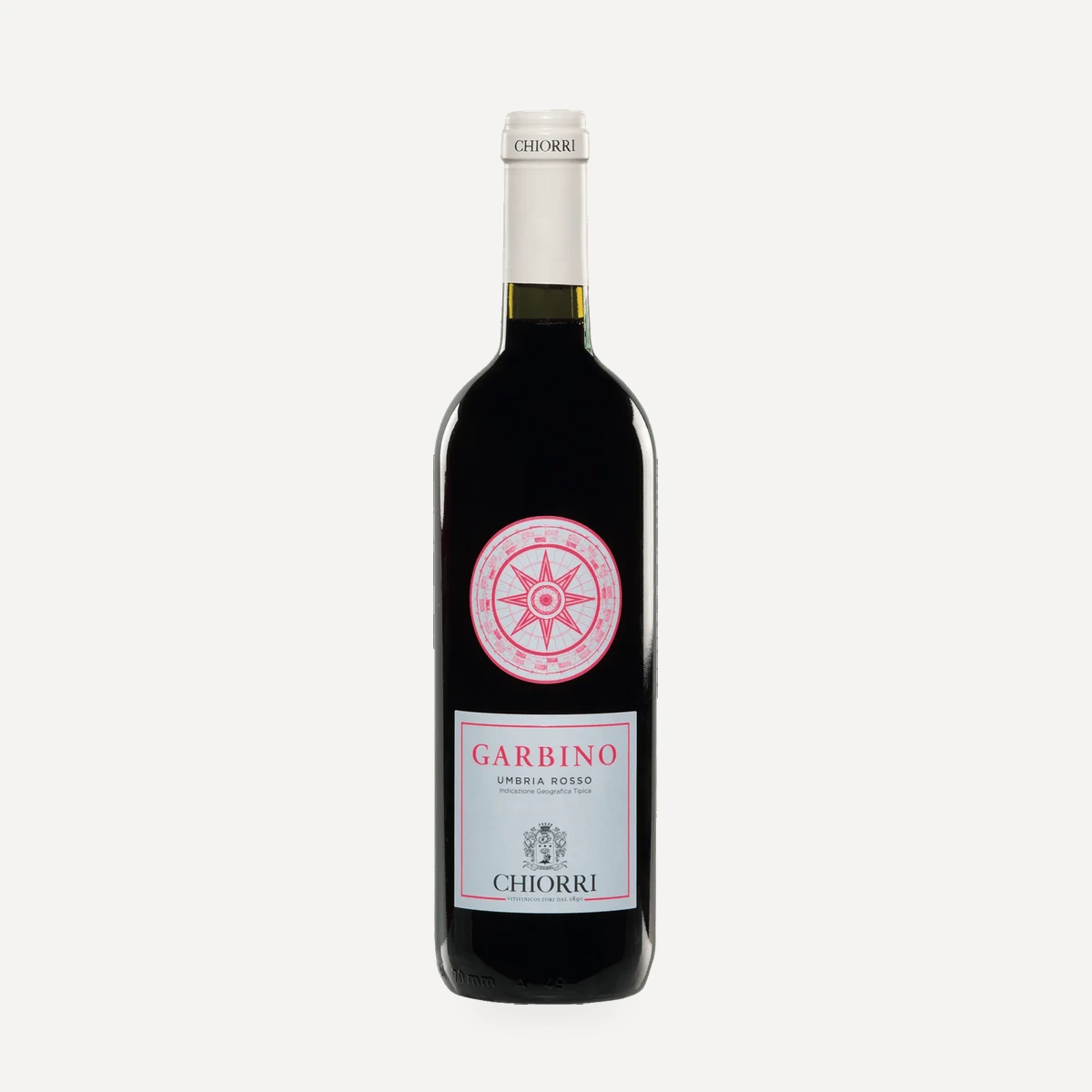
Garbino
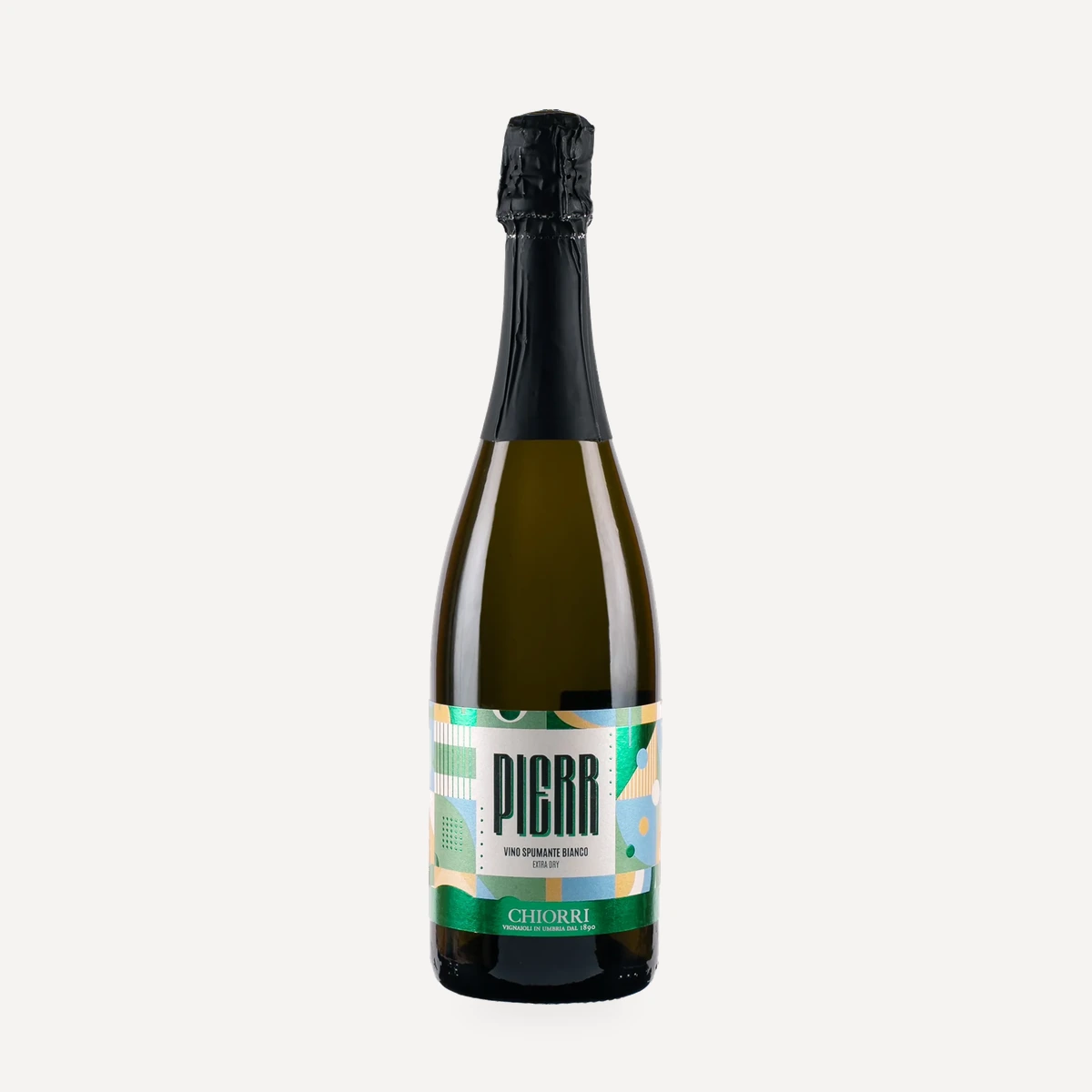
Pierr
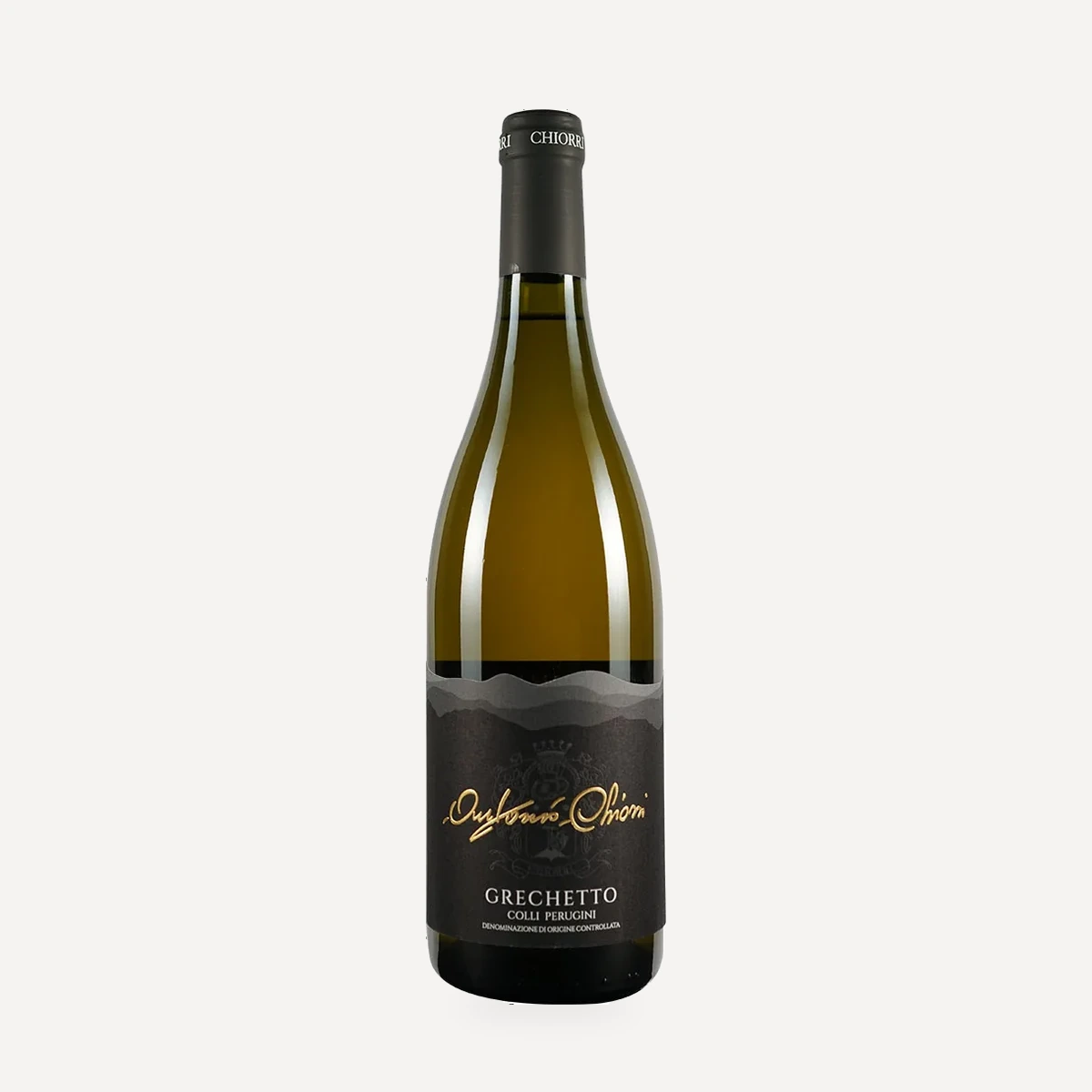
Selezione Antonio Chiorri Grechetto
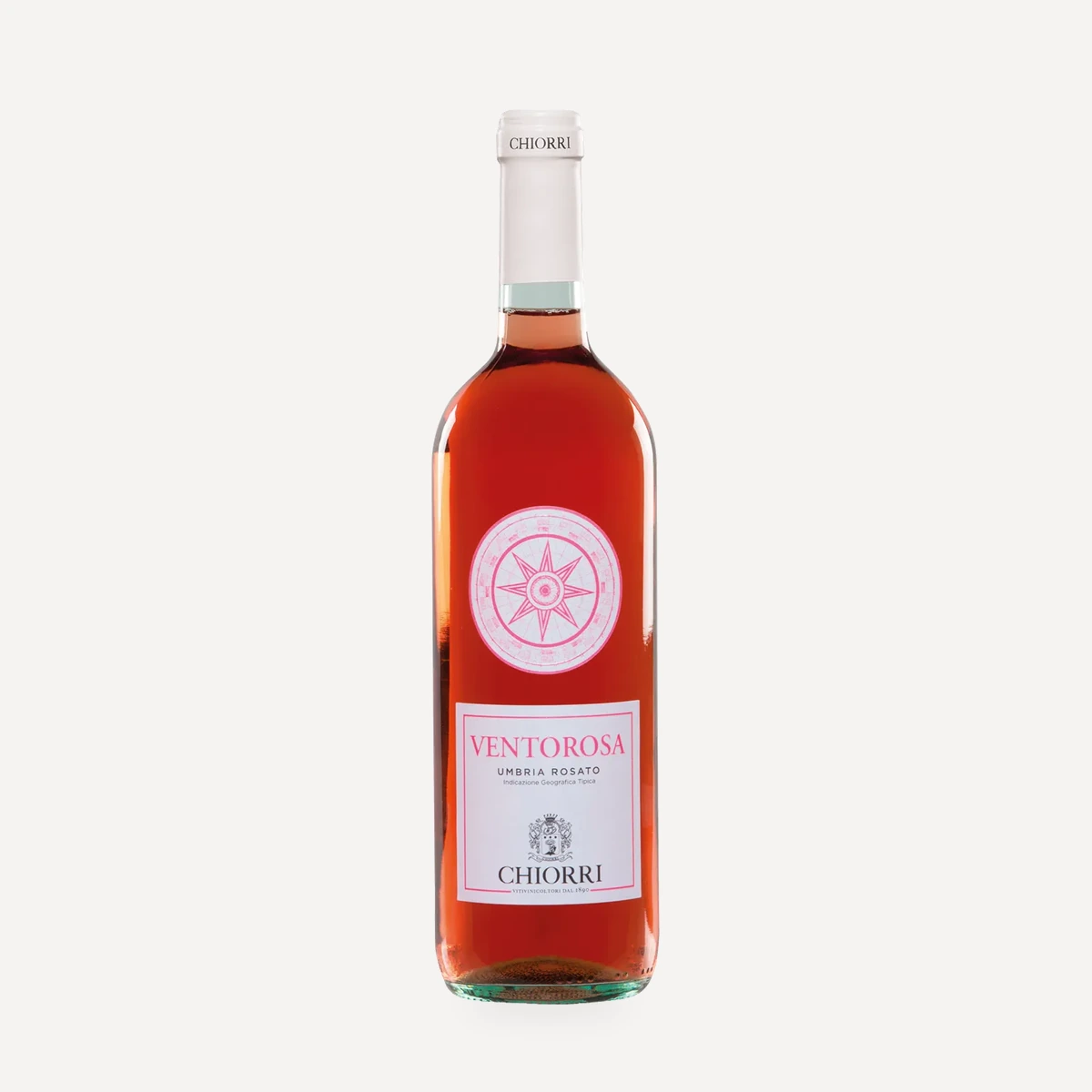
Ventorosa
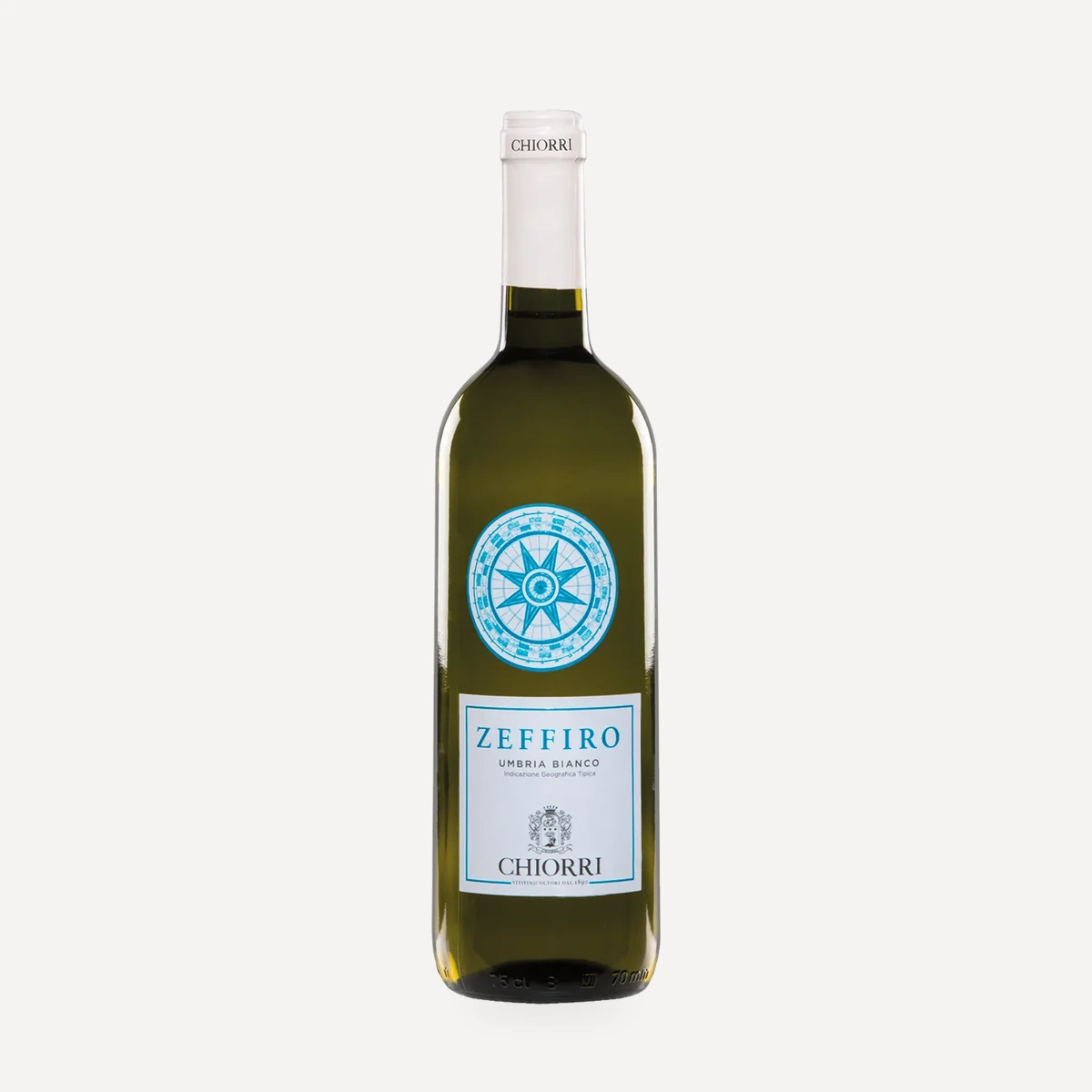
Zeffiro
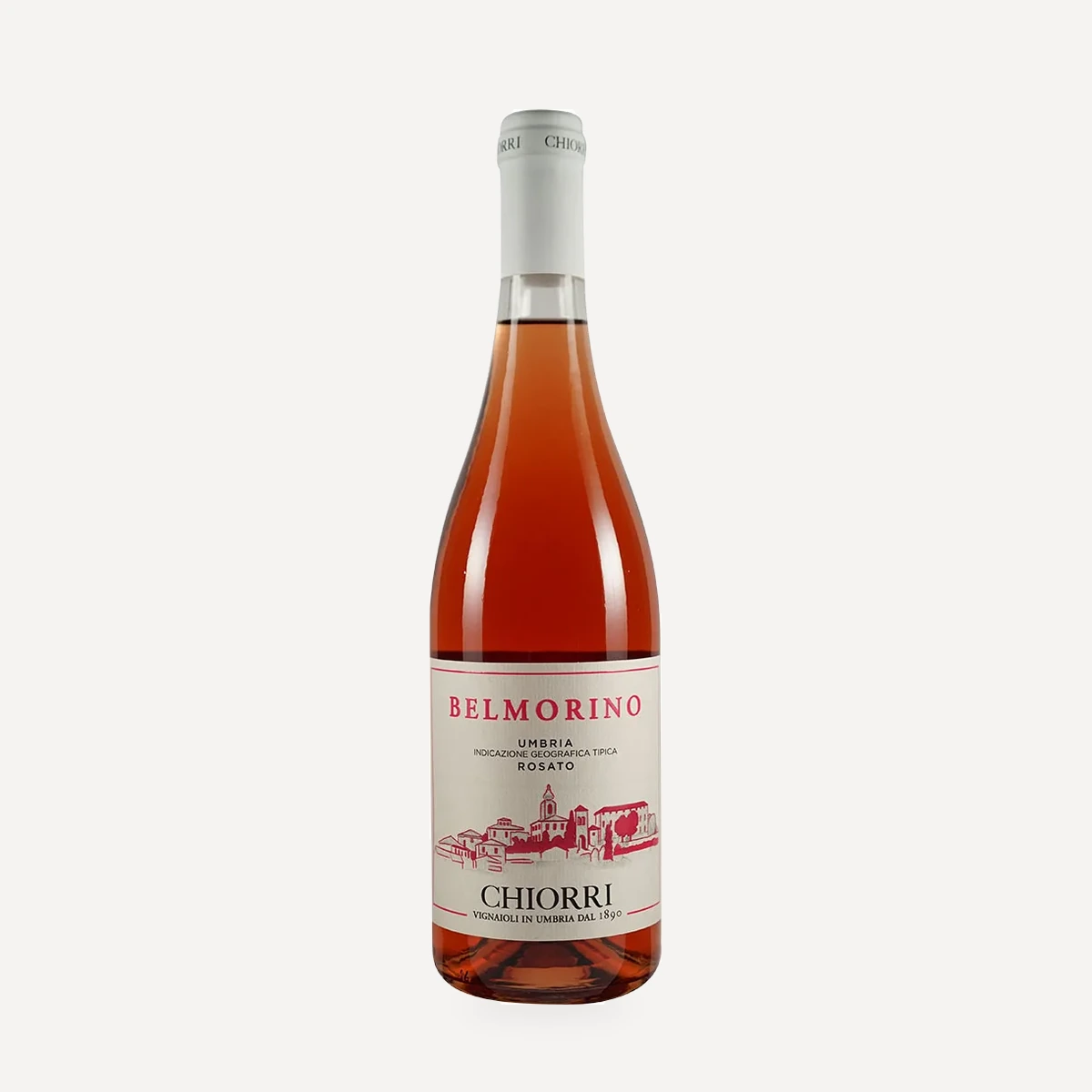
Belmorino
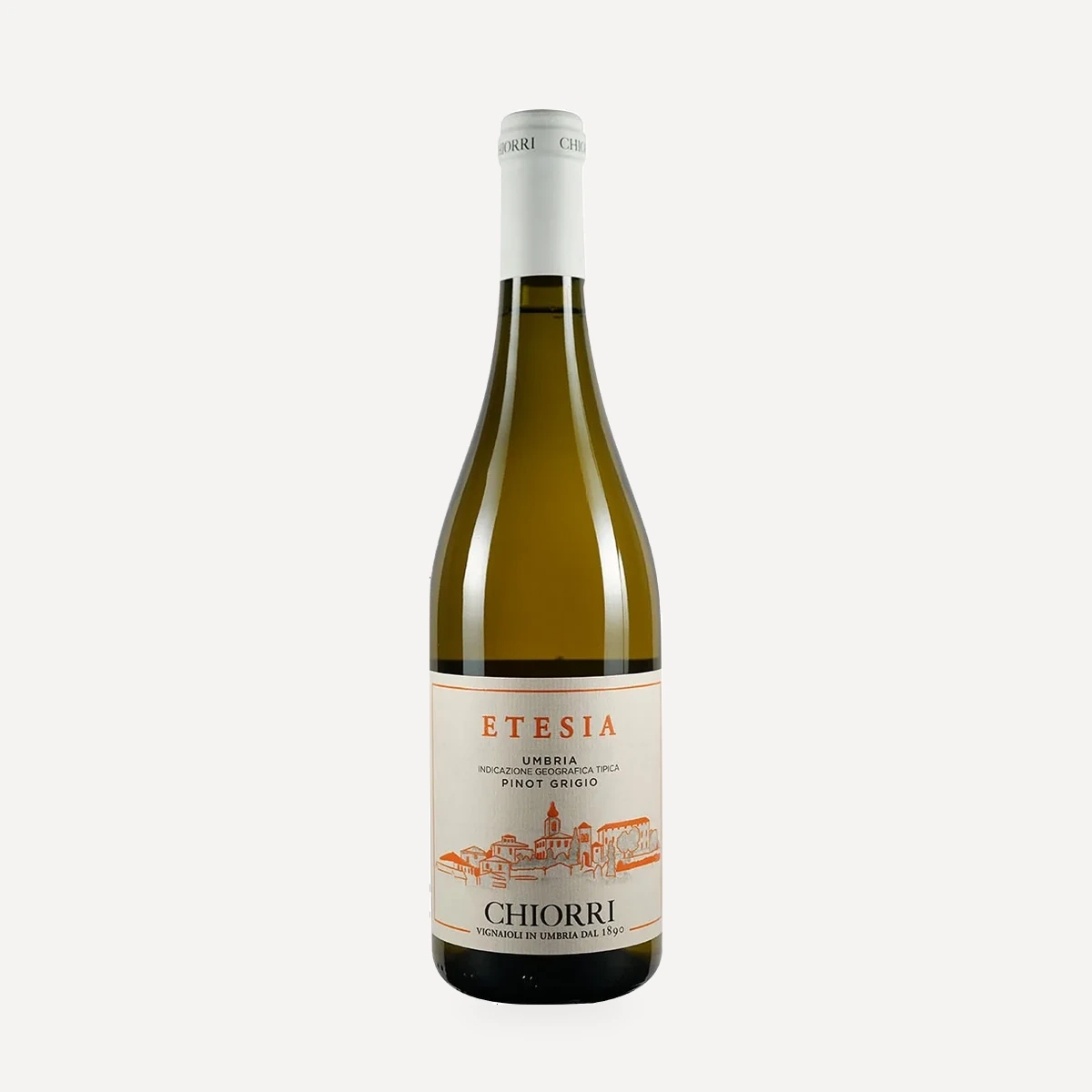
Etesia
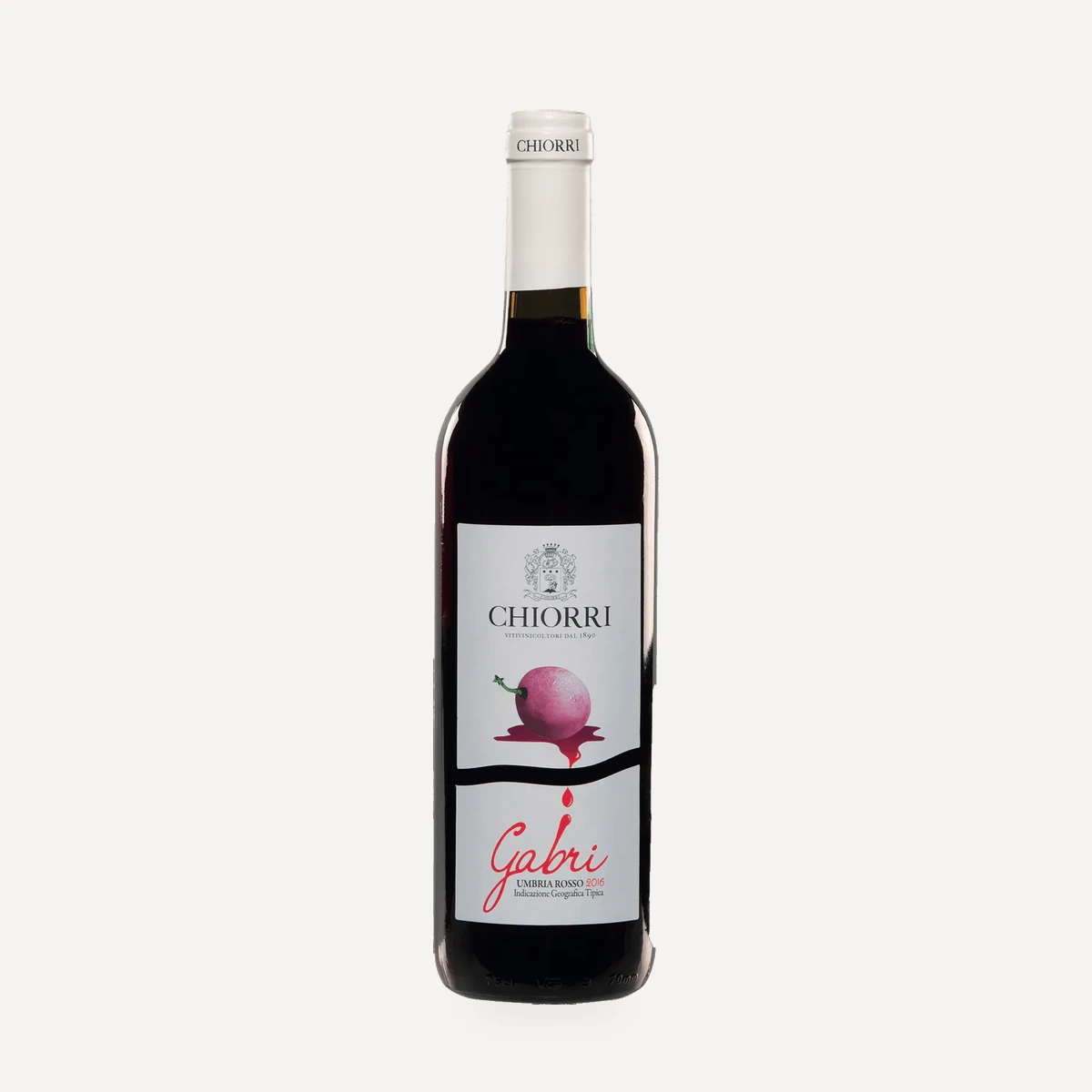
Gabri
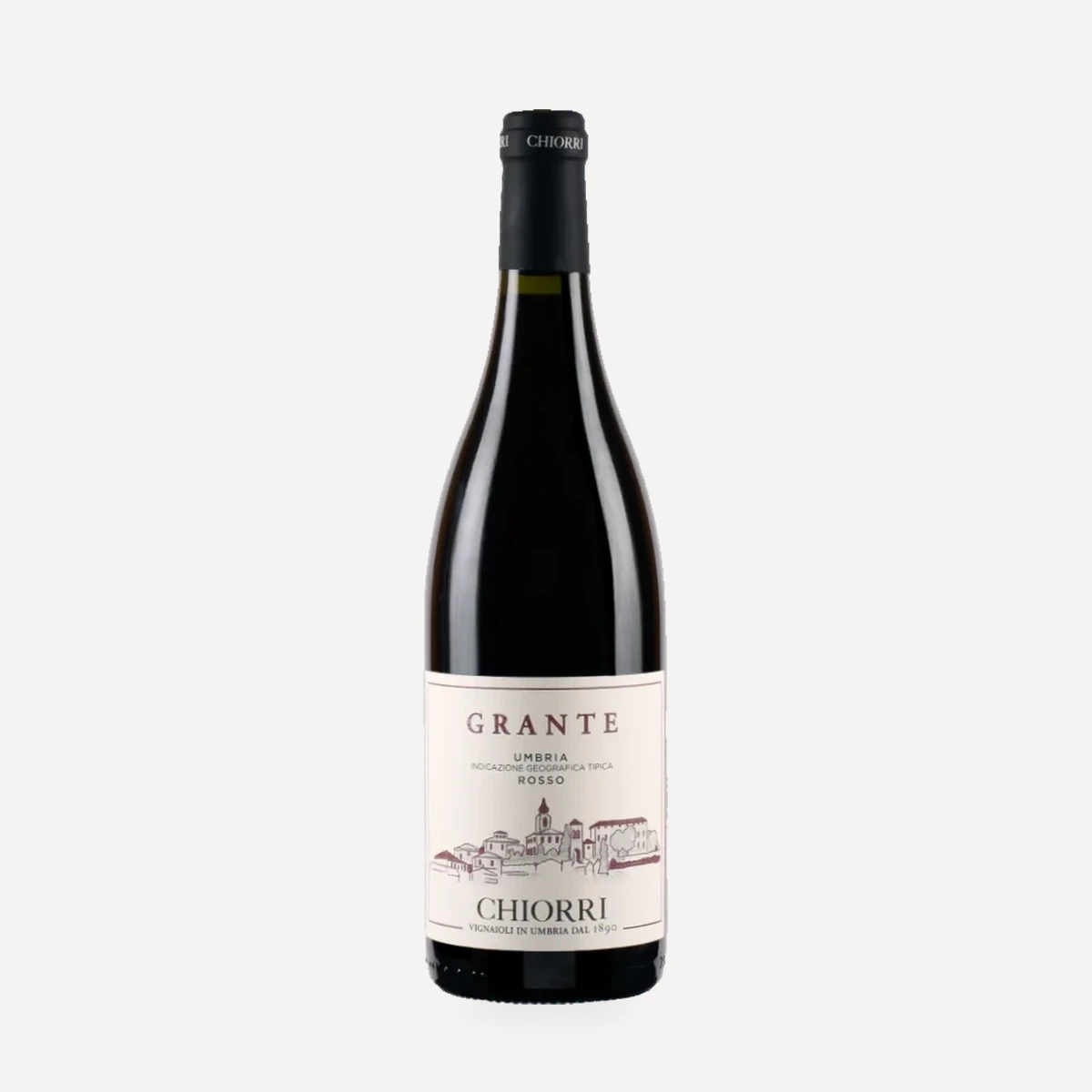
Grante
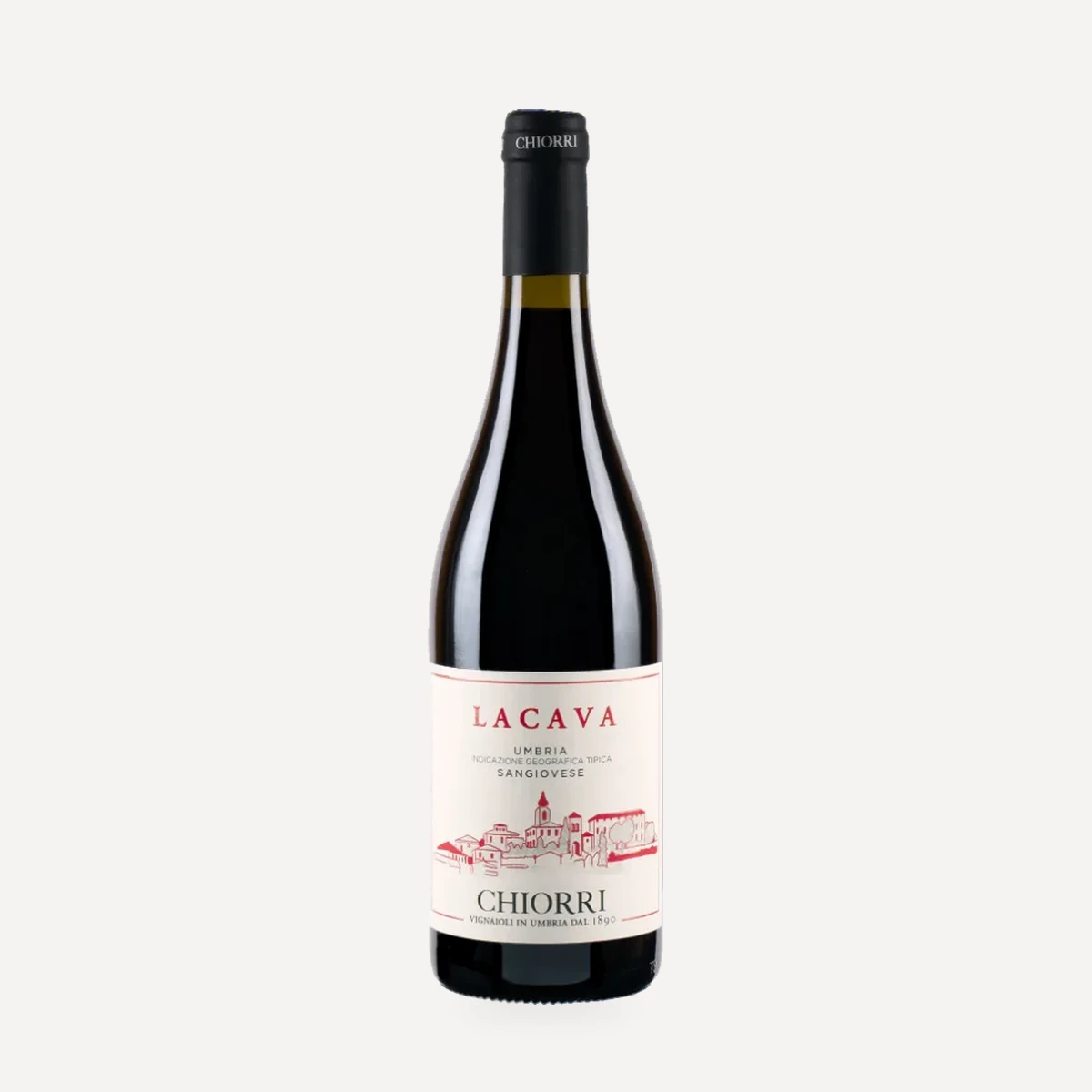
Lacava
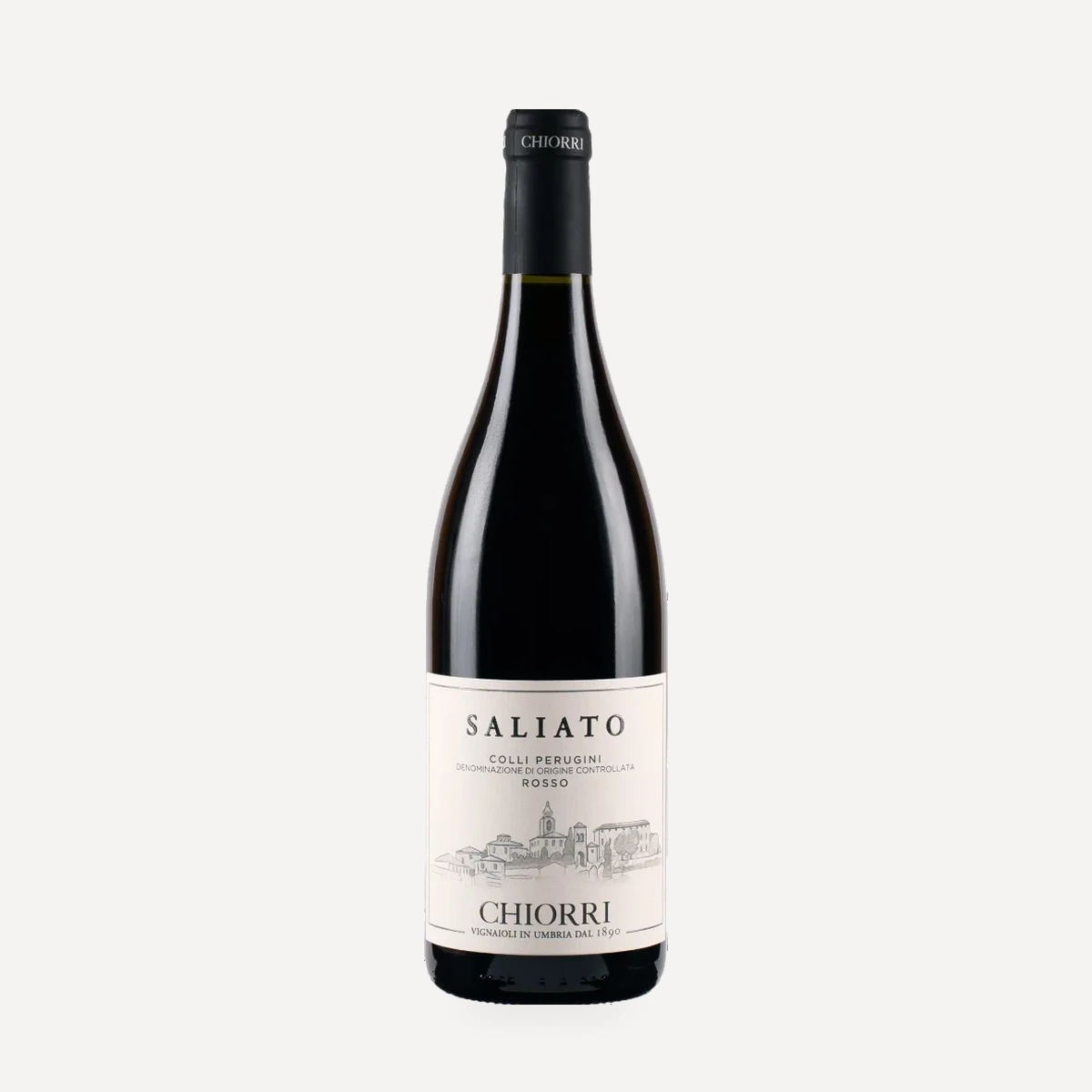
Saliato
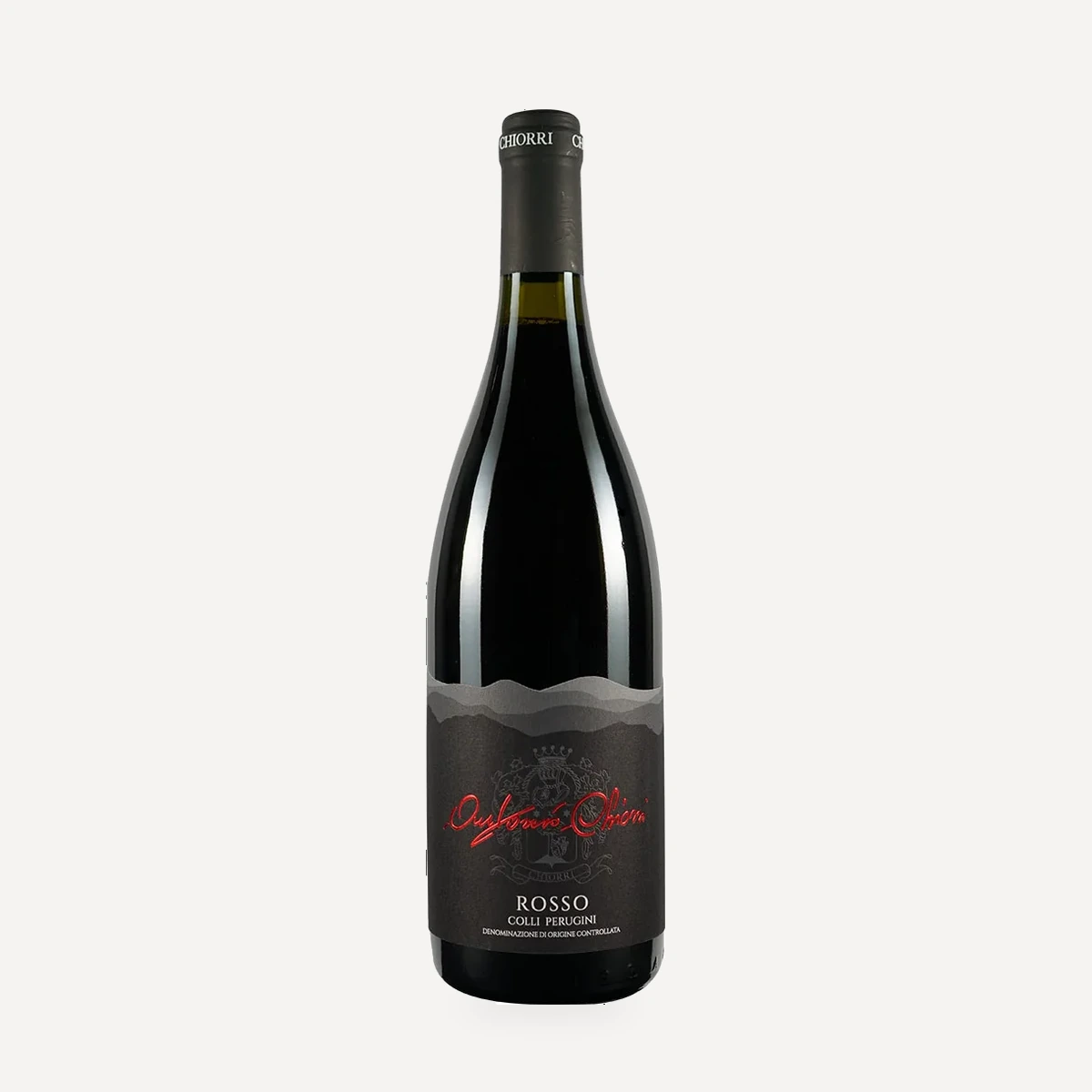
Selezione Antonio Chiorri Rosso
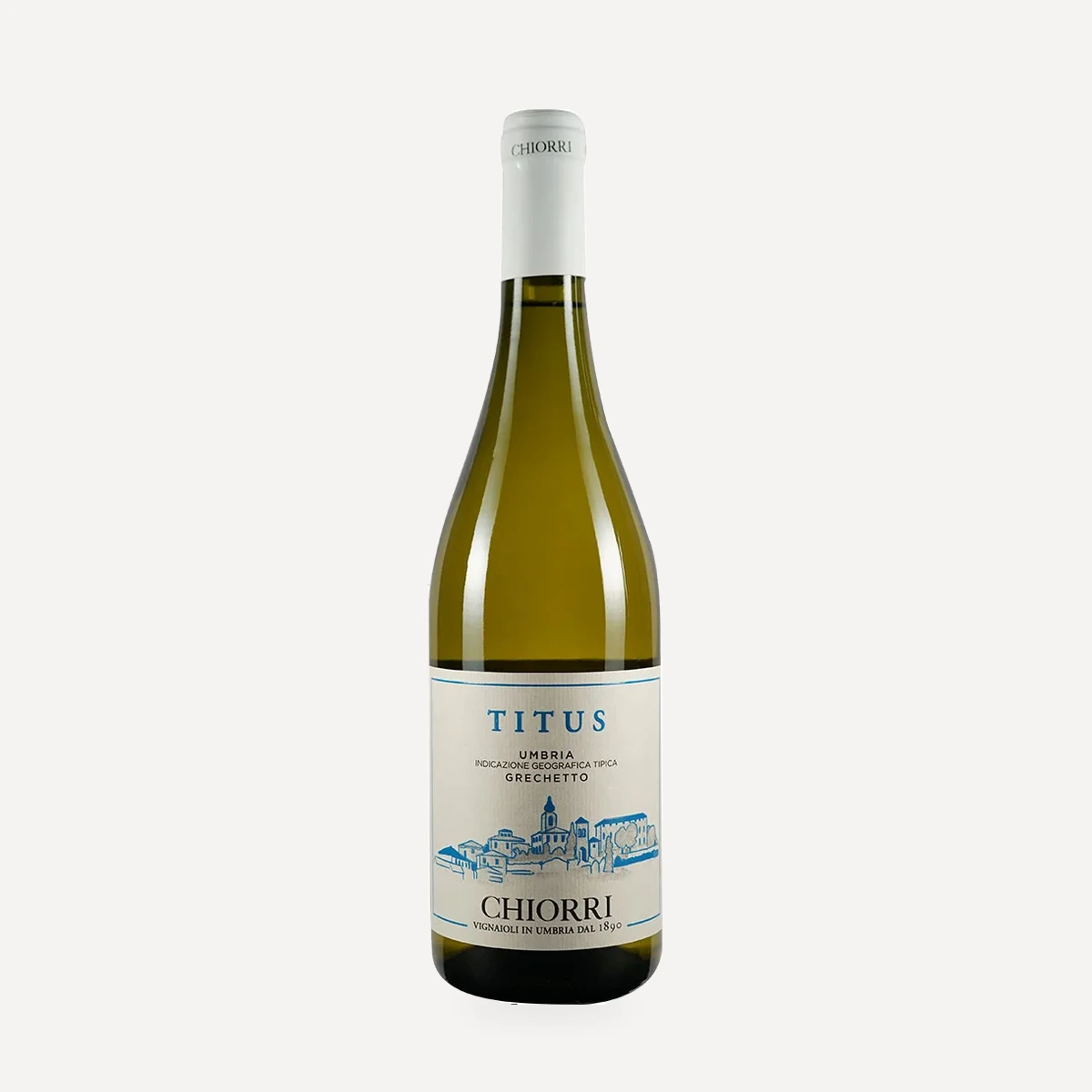
Titus
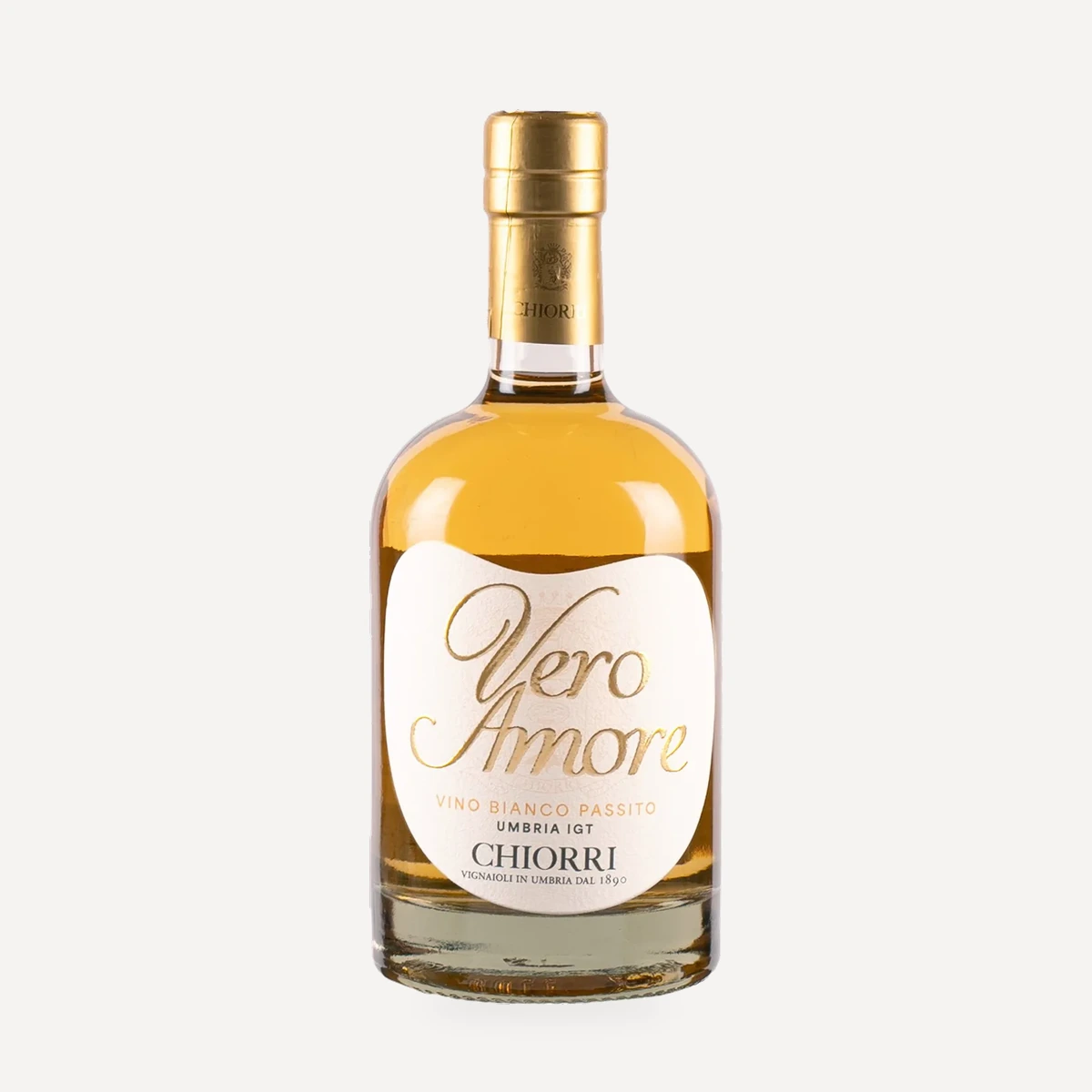
Vero amore Bianco
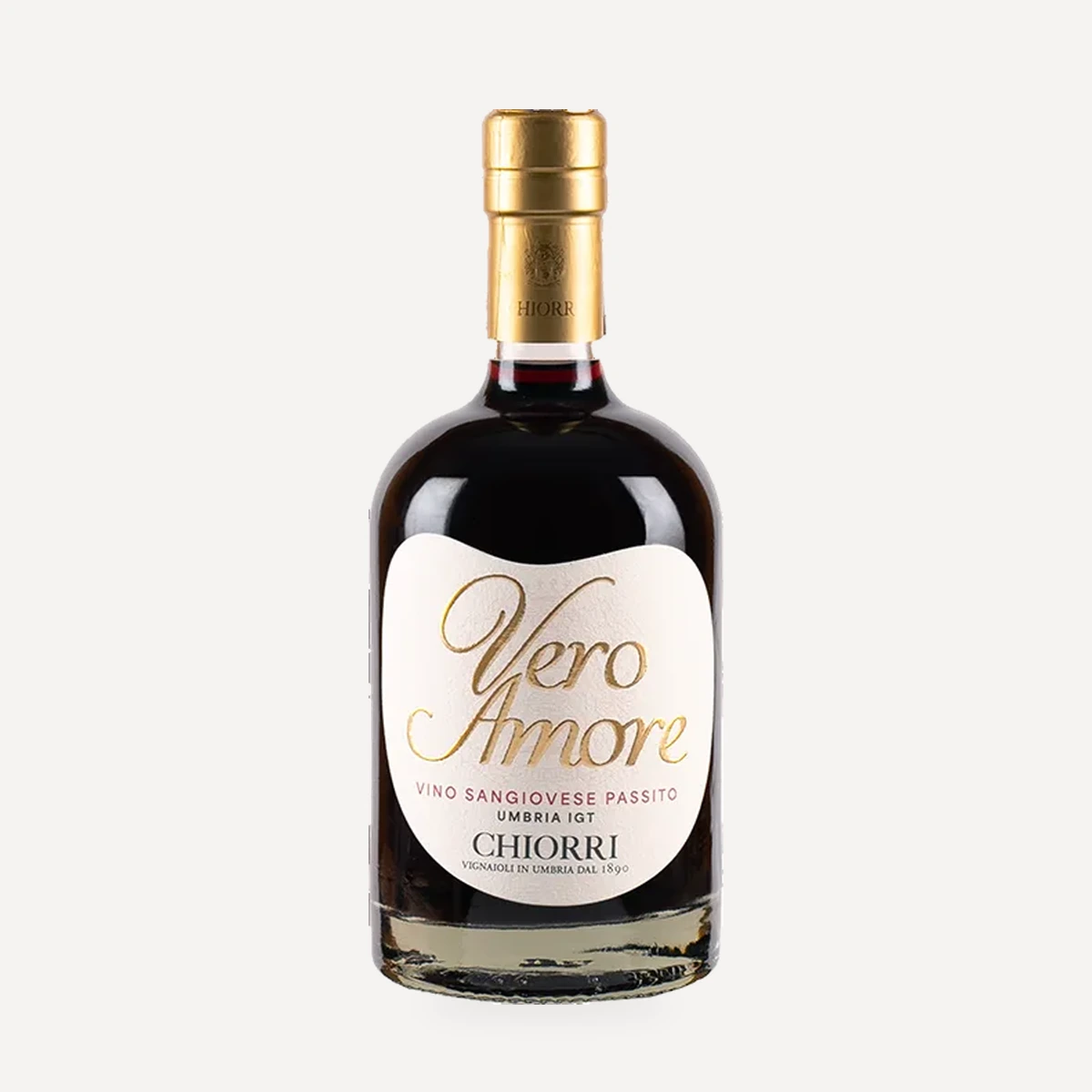
Vero amore Rosso