Storia
Natural winemaking begins
Clio Cicogni has made natural wine since 2017 in a small cellar in the heart of Toscana. The family cultivates its own land and uses only estate-grown grapes in the cellar.
Development of the farming approach
The land has long been cultivated according to organic principles. Biodynamics was adopted more recently as an approach that addressed the family's longstanding questions about farming and its relationship with the natural environment. The young vines are trained to spur-pruned cordon, with the intention of gradually developing a more extensively branched structure.
A handmade cellar practice
The production model is deliberately small-scale and manual. Grapes are picked by hand into crates and selected rigorously. Fermentations are spontaneous; extraction is managed through punch-downs and some pump-overs; sulfur use is kept low. Maturation takes place in terracotta, wood or ceramic, with ceramic particularly associated with rosé production.
Visual identity
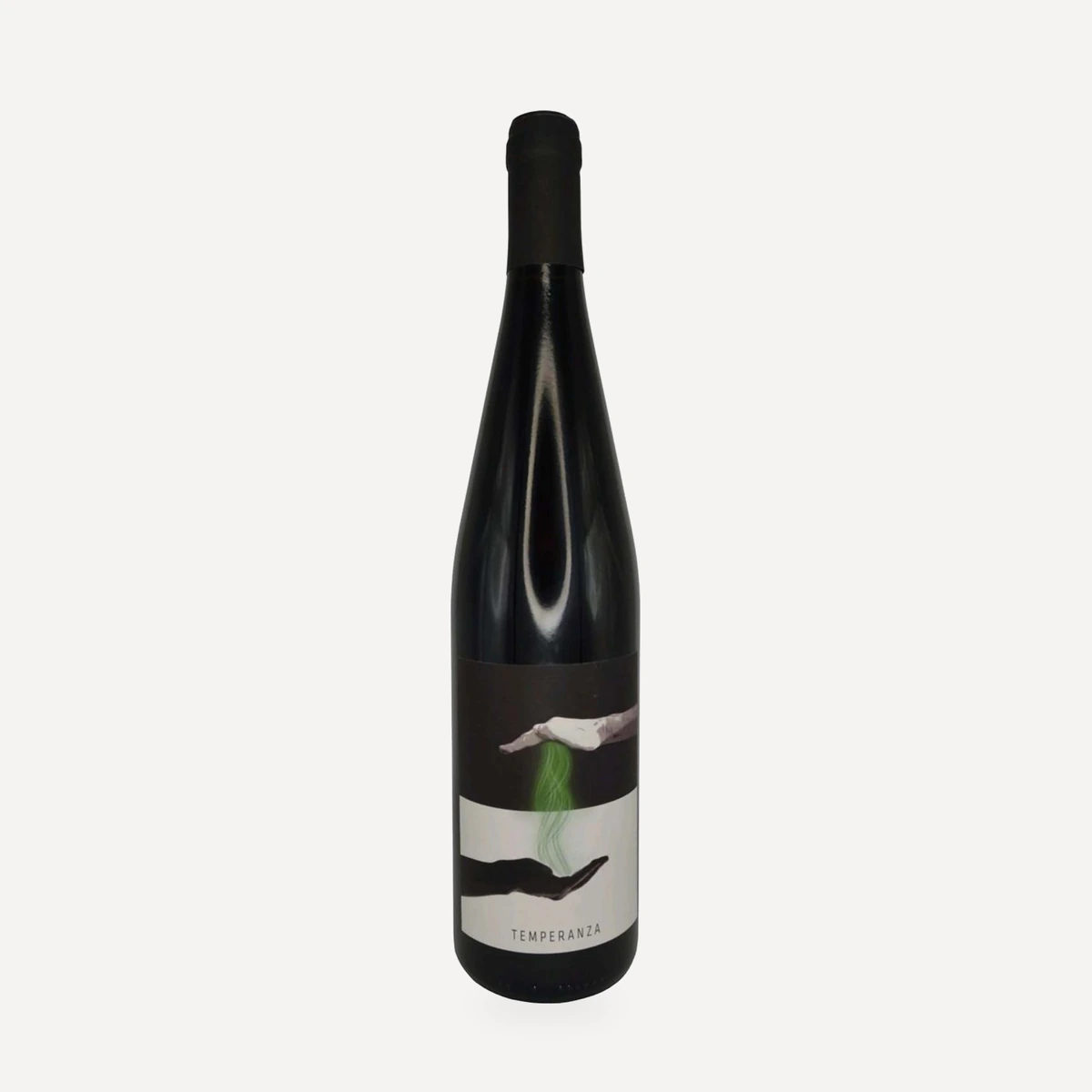
The wine labels draw on cards from the Tarocchi Disturbanti deck created and published by Valentina Naldini. Each wine is paired with the card considered most representative of its character.
2025 — olive growing
In 2025 the family began tending a small olive grove along the Setteponti, in the municipality of Loro Ciuffenna. The grove is farmed organically without fertilizers or chemical treatments, extending the estate's agricultural approach beyond wine.
Terroir
Clio Cicogni works in Montevarchi, in the heart of Toscana. Its estate-grown grapes come from young vines cultivated on the family's own land. The estate's wider agricultural activity also includes a small olive grove on the Setteponti in the municipality of Loro Ciuffenna.
Vinificazione
The family has long cultivated its land according to organic principles and subsequently incorporated biodynamic practices. The young vines are trained to spur-pruned cordon, with plans to develop a more extensively branched structure as they mature.
Harvesting is entirely manual. Grapes are picked into crates and undergo rigorous selection before vinification. The same organic approach extends to the family's olive grove, where trees are pruned by hand and cultivated without fertilizers or chemical treatments.
Clio Cicogni makes wine in a small cellar using only estate-grown grapes. Work is performed by hand with close attention throughout production.
Harvested grapes arrive in crates after rigorous manual selection. Fermentation begins spontaneously. Extraction during vinification relies on punch-downs and some pump-overs, while sulfur use is kept low.
Wines are matured in terracotta, wood or ceramic vessels. Ceramic is used particularly for rosé wines. The cellar's production is organized into sparkling, rosé, orange, terracotta-aged, barrel-aged, limited-edition and passito offerings.
Filosofia
Clio Cicogni's philosophy joins organic cultivation, biodynamic practice and minimally elaborate cellar work. Biodynamics is presented as a response to longstanding questions about the family's relationship with its land.
The winery emphasizes manual work, sustained attention and direct presence at every stage. Only estate-grown grapes are vinified, fermentations are spontaneous and cellar interventions are simple: punch-downs, occasional pump-overs and low sulfur use. Terracotta, wood and ceramic provide different maturation environments without displacing the character of the fruit.
The family's stated aspiration is to bring sky and earth together in every bottle. Its small scale, handmade methods and tarot-based visual language connect agricultural work, winemaking and artistic expression.
Vini