Storia
Origins and the first harvests
The winery’s official foundation year is 1933, although the family considers its agricultural activity potentially older than the surviving bureaucratic record. Ninety harvests were celebrated in a later family publication, linking the contemporary estate directly to those beginnings.
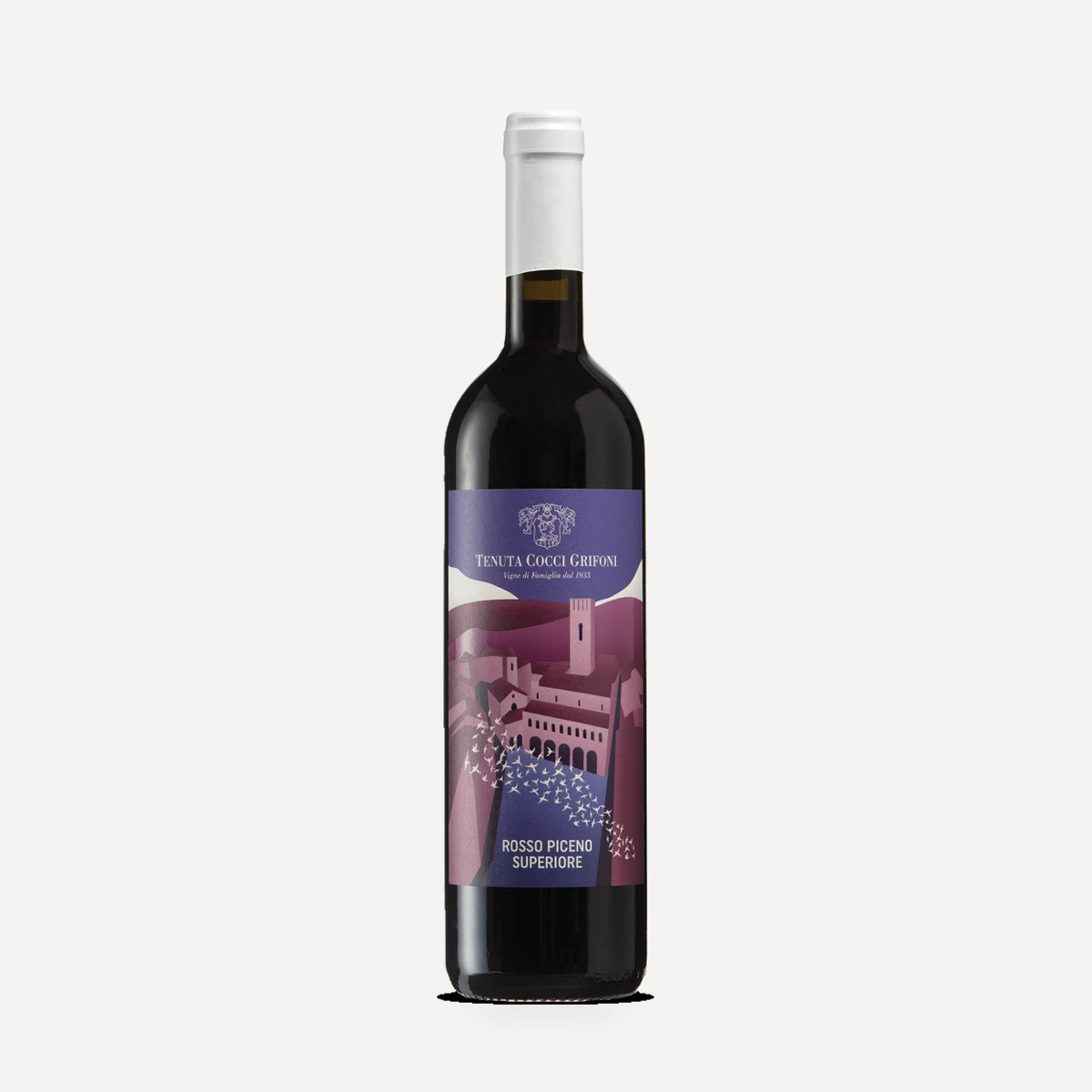
Red wine and the Messieri vineyard formed the original core of the family’s work. The historic vineyard stands directly opposite the family home and remains closely connected with the identity of Rosso Piceno Superiore.
1967–1970: from sharecropping to an independent cellar
Between 1967 and 1969, the area emerged from the old sharecropping contracts. The Rosso Piceno Superiore DOC was established in 1968. Against this changing agricultural background, the Cocci Grifoni cellar was formally founded in 1970.
The family bottled a Rosso Piceno DOC Superiore from the 1969 vintage in 1970, described as the first national bottling of the denomination. Guido Cocci Grifoni built the estate’s barrel cellar at the beginning of the 1970s. The facility remains part of the present visitor route, alongside the tank area, wine library, vinification department and bottling line.
1982–1990: Guido Cocci Grifoni and the recovery of Pecorino
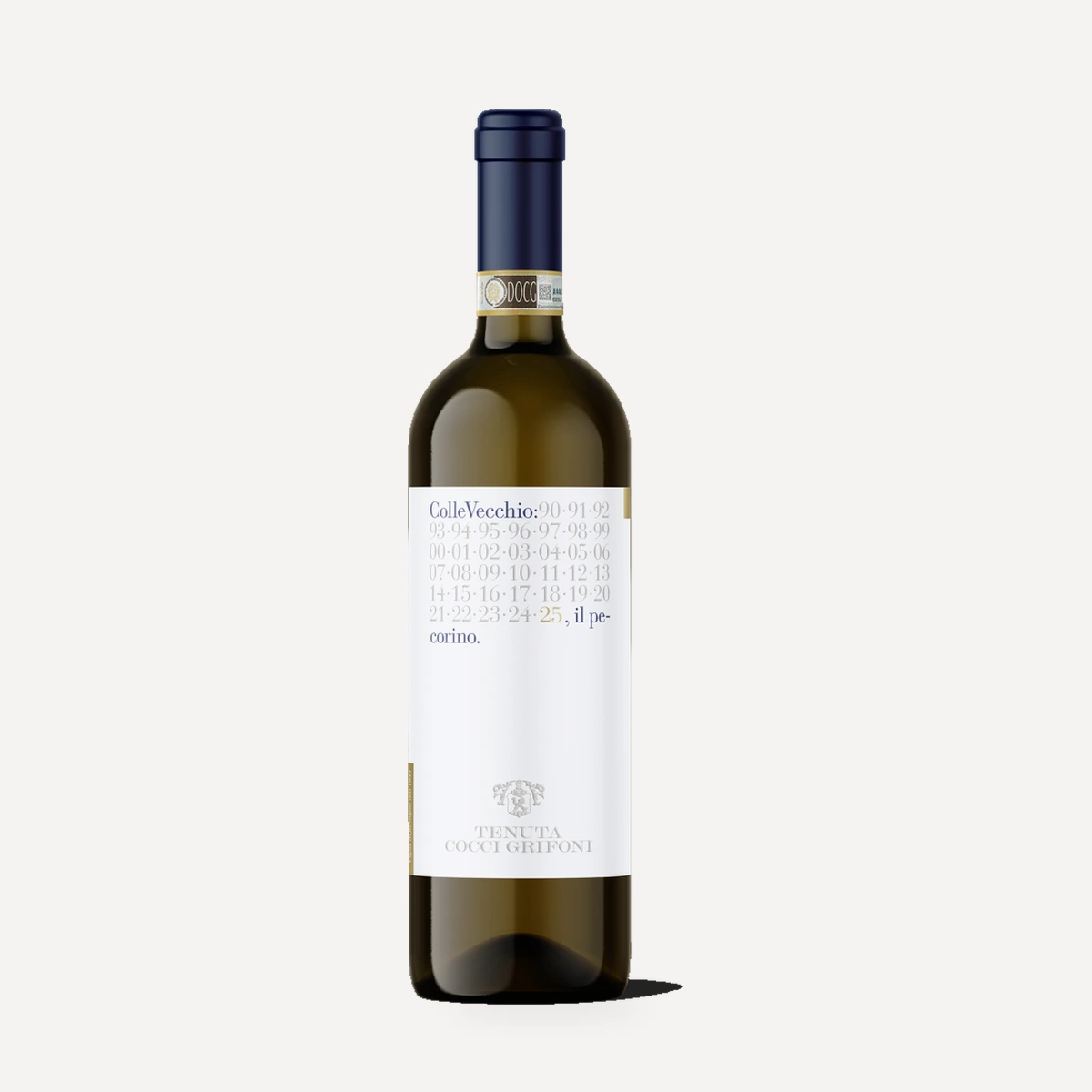
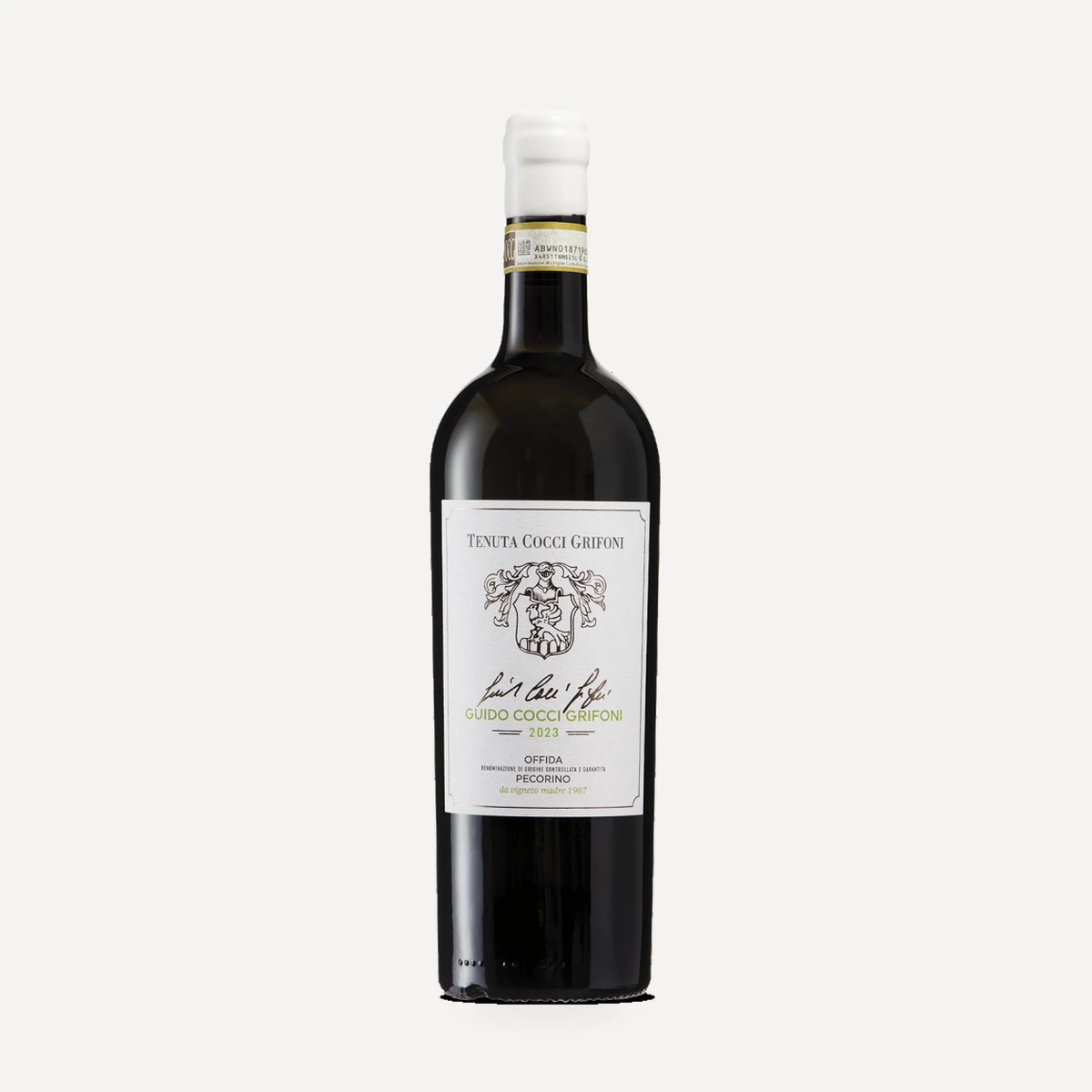
In 1982, Guido Cocci Grifoni learned of Pecorino, an old, low-yielding variety that had almost disappeared. He traced surviving vines to a semi-abandoned vineyard near Arquata del Tronto, at approximately 700 metres above sea level. This isolated, high-altitude area had preserved specialized plantings through the phylloxera era.
Guido grafted material from the surviving vines onto his own land and shared both plants and knowledge with other local growers. From 1984 to 1990, he conducted trials to identify the most suitable conditions, concluding that Pecorino preferred fresh hillside sites. The first mother-vine vineyard was established in 1987 with a north-western exposure and still survives.
At the time, Pecorino’s naturally high acidity and potential alcohol encouraged its use as a supporting component in Falerio. Guido instead pursued a varietal expression. The first commercial release appeared in 1990, comprising only 1,800 bottles. For the following ten years, commercial production was associated exclusively with Cocci Grifoni; its positive reception subsequently encouraged other estates to work with the variety.
The historic red vineyards
The first official bottle bearing the Vigna Messieri name was produced in 1987. The blend’s proportions of Sangiovese and Montepulciano changed over time before returning to a composition close to the original balance.
An old Montepulciano clone was planted at Grandi Calanchi in 1990. Its fruit later became the basis of the estate’s varietal interpretation of Montepulciano, first produced in 1997.
During the early 1990s, Guido also conducted a clonal selection of Passerina. Vines derived from that work occupy a selected section of the San Basso vineyard.
A family transition
Guido’s principles—experimentation, perseverance, care for the land and the sharing of knowledge—continue through his daughter Marilena Cocci Grifoni and granddaughters Marta and Camilla Capriotti Cocci Grifoni. Diana, remembered within the family as “Nonna Diana,” remains part of the estate’s public identity and hospitality.
Marilena oversees the company. Marta is responsible for marketing and communication, while Camilla coordinates laboratory and cellar work. Camilla grew up observing her grandfather between vineyard and cellar and has made continuity, innovation and curiosity central to her work.
2023–2024: renewed focus on Sangiovese
A new technical team led by consultant oenologist Nicola Biasi and coordinated by Camilla began revisiting choices rooted in the cellar’s earlier history. The red-wine programme moved away from heavy extraction and very dark, muscular styles toward finer, more supple wines built around aroma, freshness and regional tradition.
Marilena planted 2 ha of Sangiovese in February 2023 and another 2 ha in March 2024. Both vineyards were planted at 5,000 vines per hectare. The decision reinforced Sangiovese’s role alongside Montepulciano in Rosso Piceno despite concern about increasingly difficult climatic conditions.
Resistant varieties and Manifesto
In 2021, the Marche authorities authorized cultivation of 12 of the 39 resistant varieties under consideration, including Johanniter. That same year, Cocci Grifoni began supporting a local grower who had planted the variety.
The first Johanniter microvinification comprised just 20 litres in 2022. During the severe downy-mildew pressure of 2023, the vines’ response encouraged further trials. The first full harvest for the resulting Manifesto project began on 12 August 2024, with grapes picked by hand into crates.
The project joined a resistant white variety with a macerated winemaking method developed after observing its adaptation to the area’s warm climate and clay-sandy soils. It also extended the family’s historical pattern of experimentation into climate resilience, reduced vineyard intervention and lower-impact packaging.
Terroir
The vineyards occupy the hills of southern Marche around San Savino di Ripatransone, extending toward the sea while being enclosed by the Piceno hills, woodland and deeply cut calanchi. The terrain includes substantial slopes and eroded rock walls, creating a patchwork rather than a uniform viticultural surface. The estate deliberately leaves part of its cultivable land unexploited.
The broader setting combines sunlight and maritime breezes with the shelter and influence of the Monti Sibillini. These factors are particularly important to the estate’s understanding of Pecorino in Marche. The family’s trials found that Pecorino preferred fresh hillside locations.
Named vineyards documented in the current production lie principally between 180 and 250 metres above sea level. Clay is prominent in the historic Pecorino and red-wine sites. Other vineyards contain a larger sandy component or a clay-sandy mix. Exposures range from the north and north-west orientations used for Pecorino to south, west and south-west sites used for red varieties; the Johanniter project occupies an east-facing site at about 200 metres.
Cocci Grifoni treats microclimate, soil and vineyard origin as the foundations of wine character. The vineyard is considered to establish the fruit’s possible trajectory before cellar decisions are made.
Vinificazione
Cocci Grifoni manages 69 ha of vineyards under a certified-organic programme and produces vegan wines. Before organic conversion, the estate followed integrated-pest-management protocols. It is also recognized as a LIPU oasis, placing habitat and bird protection within a broader biodiversity strategy.
The viticultural objective is to minimize the number of field interventions while maintaining vine health and fruit quality. Deep cultivation is limited to preserve the fertile upper soil layer and avoid oxidizing organic matter, which would release additional CO₂. Permanent or managed grass cover supports fertility, microbial activity and the vine’s vegetative–productive balance; it also reduces erosion, improves soil-particle structure and helps shield the ground from rising ambient temperatures.
Plant protection relies on naturally occurring antagonists and products based on natural compounds. Fertilization uses compounds of organic origin. Resistant varieties form an additional research path: Johanniter’s response to drought and fungal pressure offers the prospect of fewer treatments and a reduced carbon and water footprint.
Harvesting described across the estate’s principal vineyards is manual, frequently into crates and with bunch selection. The first Johanniter harvest was likewise carried out entirely by hand in crates. New Sangiovese vineyards planted in 2023 and 2024 have a density of 5,000 vines per hectare.
The environmental programme also extends beyond the vineyard. The cellar is partly powered by solar panels; lightweight glass and FSC-certified paper are preferred; and the Manifesto project uses 100% post-consumer recycled glass, an Ocean-Bound Plastics closure and no capsule.
Cellar and technical direction
The winery’s production facilities include a tank room reflecting approximately 90 harvests, a barrel cellar built by Guido Cocci Grifoni in the early 1970s, a vinification department, bottling equipment and a wine library preserving historical labels and vintages.
The current technical programme is led by consultant oenologist Nicola Biasi and coordinated by Camilla Capriotti Cocci Grifoni. Its aim is to recover the drinkability and stylistic clarity of earlier wines while applying detailed contemporary control.
Red-wine approach
Red grapes are fermented in stainless steel, which permits faster handling and intervention than the older concrete fermenters. Montepulciano receives very short maceration and may be racked while alcoholic fermentation is still underway. Sangiovese can undergo longer maceration when the condition of the skins permits.
The objective is to preserve the aromatic material contained in the skins without pursuing excessive extraction, massive body or opaque colour. After steel, wines move promptly into concrete to limit oxidation and preserve crisp fruit and fresh floral character. Maturation combines concrete with large wooden casks. The proportion is not fixed: vessel choice is made according to the requirements of each vintage and vineyard.
Historic red-wine examples use large 30 hl or 50 hl oak casks, with extended bottle refinement where required.
White and sparkling production
Principal white-wine practices include manual harvesting with bunch selection, cooling selected grapes to 5°C before pressing and temperature-controlled white vinification at approximately 15°C. Stainless-steel maturation on total or fine lees is used, with weekly bâtonnage in some programmes. The estate also uses pressure tanks for the Martinotti method, with Passerina undergoing secondary fermentation and maturation in autoclave.
Macerated Johanniter
Johanniter trials led to a skin-contact method tailored to the thick skins developed under the local warm climate and clay-sandy conditions. Alcoholic fermentation begins with selected yeast in stainless steel, with the skins remaining in contact with the must for approximately two weeks under temperature control. After separation from the skins, the wine matures in stainless steel for five months.
Energy and stabilization
Part of the cellar’s electricity comes from solar panels. Experimental protocols have tested fermentation without active temperature control to reduce energy demand. Pre-bottling stabilization is performed without using refrigeration, further lowering energy consumption and associated emissions.
Filosofia
Cocci Grifoni describes its working model as agricoltura onesta, or honest agriculture. Internally, the wider programme has also been called vandalismo etico: a willingness to challenge convention while respecting land, people and local economic relationships.
Research and innovation are defined through practical commitments—fewer vineyard interventions, organic products, resistant varieties, biodiversity protection and an economically sustainable local system. Equalitas certification formalizes the environmental, social and economic dimensions of this work. Respect for employees and collaborators is treated as part of sustainability rather than as a separate concern.
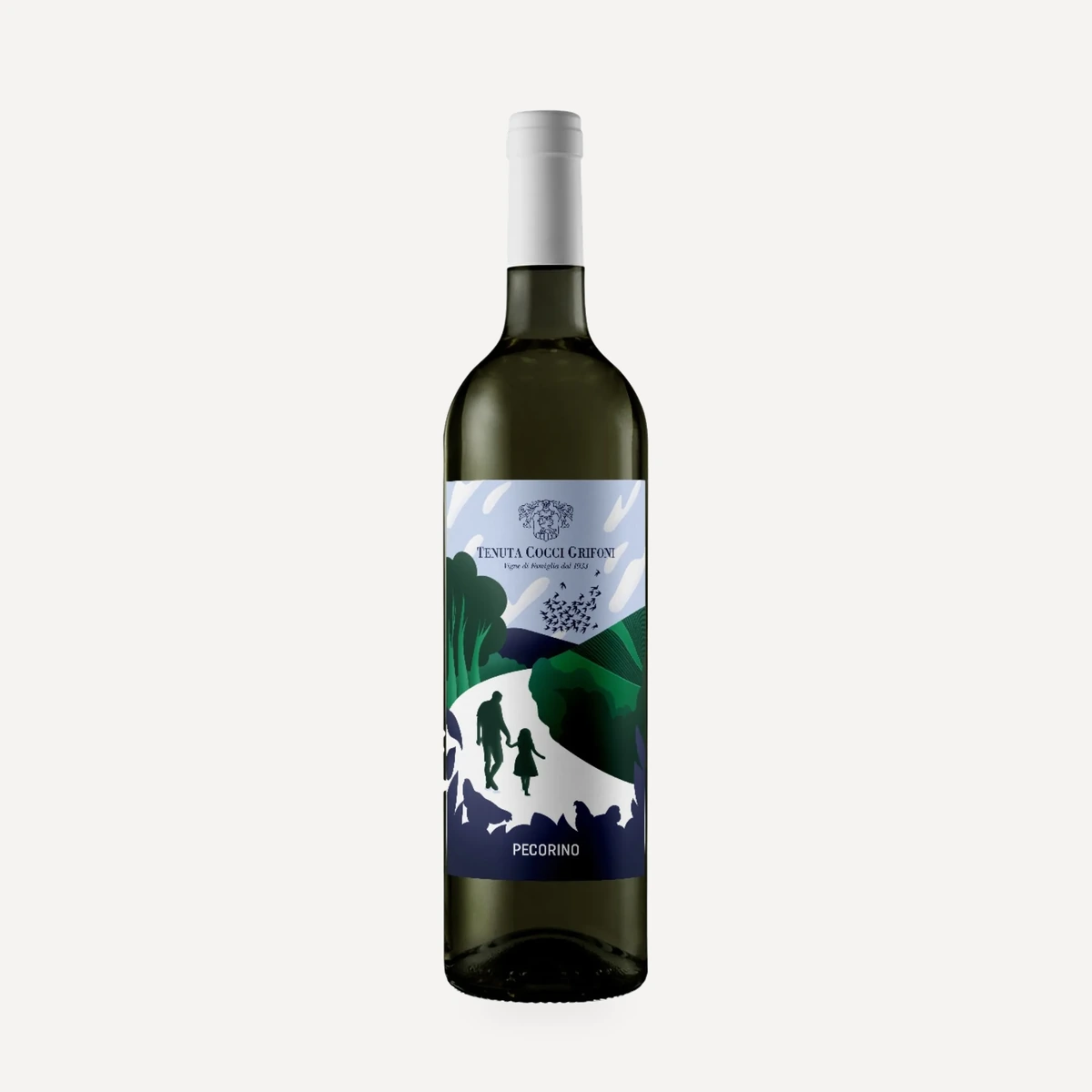
The family regards itself as a guest of the landscape. This informs the decision not to exploit every cultivable surface and the use of local flora and fauna on labels. Protection of the land, respect for people and the beauty of the surrounding hills are presented as inseparable from wine production.
Stylistically, wine is intended to support conviviality rather than dominate it. The desired profile recovers the genuineness and everyday drinkability of earlier wines through precise work in vineyard and cellar. The current objective is a decisive identity expressed through a youthful, slender and accessible palate, with aroma and elegance valued above excessive extraction and volume.
Vintage and vineyard remain decisive. There are no rigid percentages for maturation in concrete or wood: the wine and the conditions of the individual year determine the most suitable vessel. Tradition is therefore treated as a body of experience to be interpreted, not as a fixed technical formula.
The work with Pecorino and Johanniter illustrates two complementary principles. Pecorino represents the recovery and sharing of a threatened local inheritance; Johanniter addresses climate pressure and the need to reduce treatments through collaboration, observation and microvinification.
Vini
Colle Vecchio Offida DOCG Pecorino
Guido Cocci Grifoni Offida DOCG Pecorino
Le Rondini Falerio DOC Pecorino
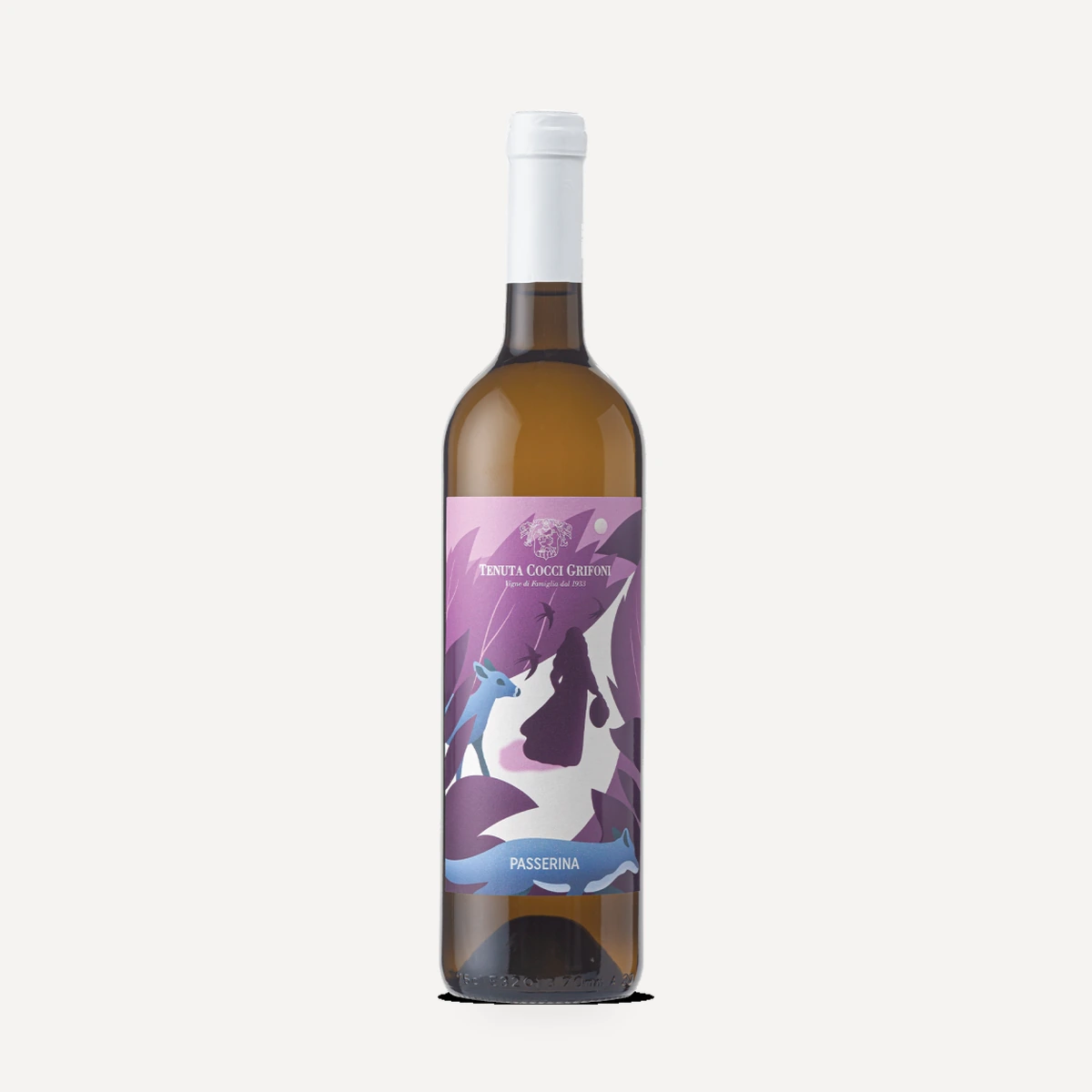
Le Rondini Marche IGT Passerina
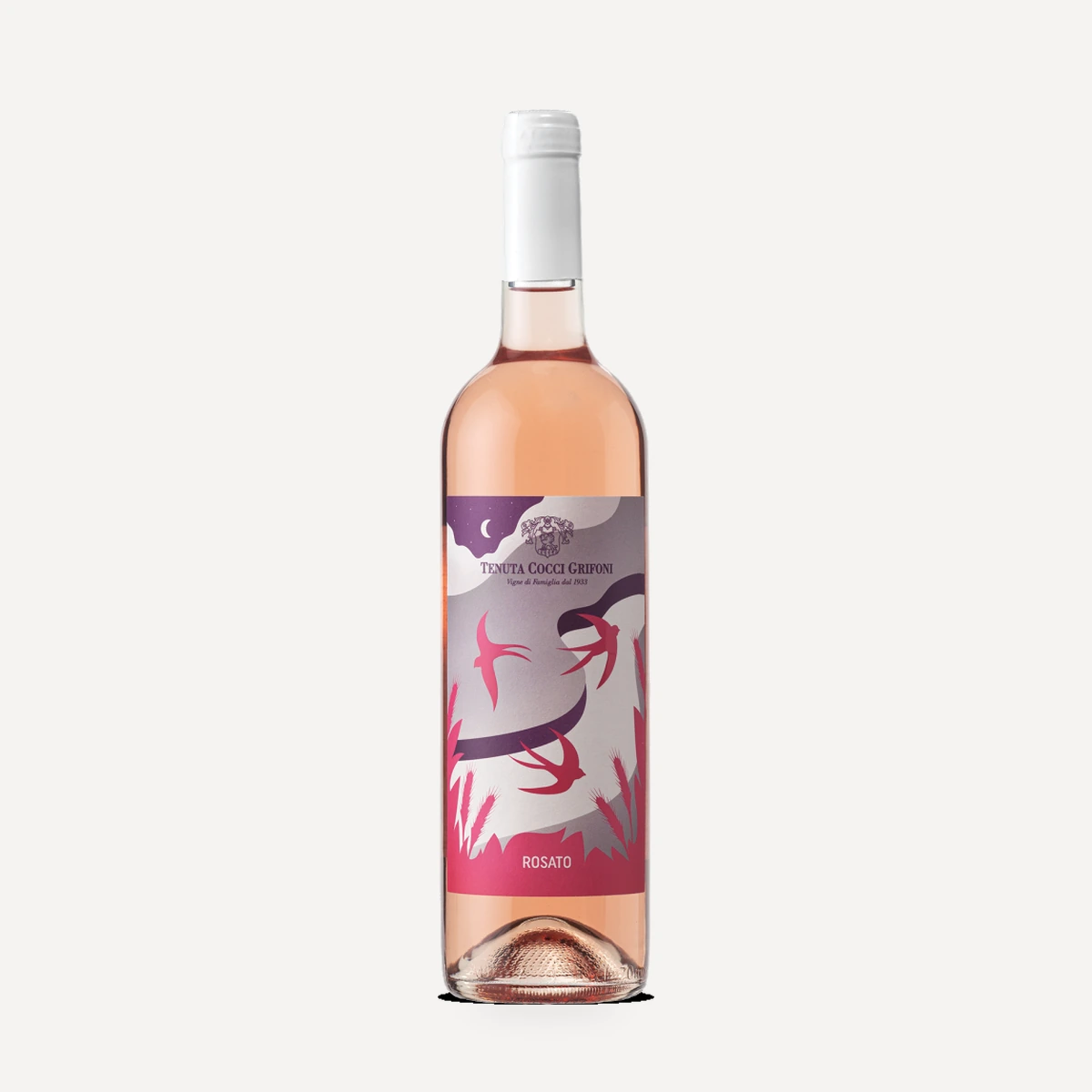
Le Rondini Marche IGT Rosato
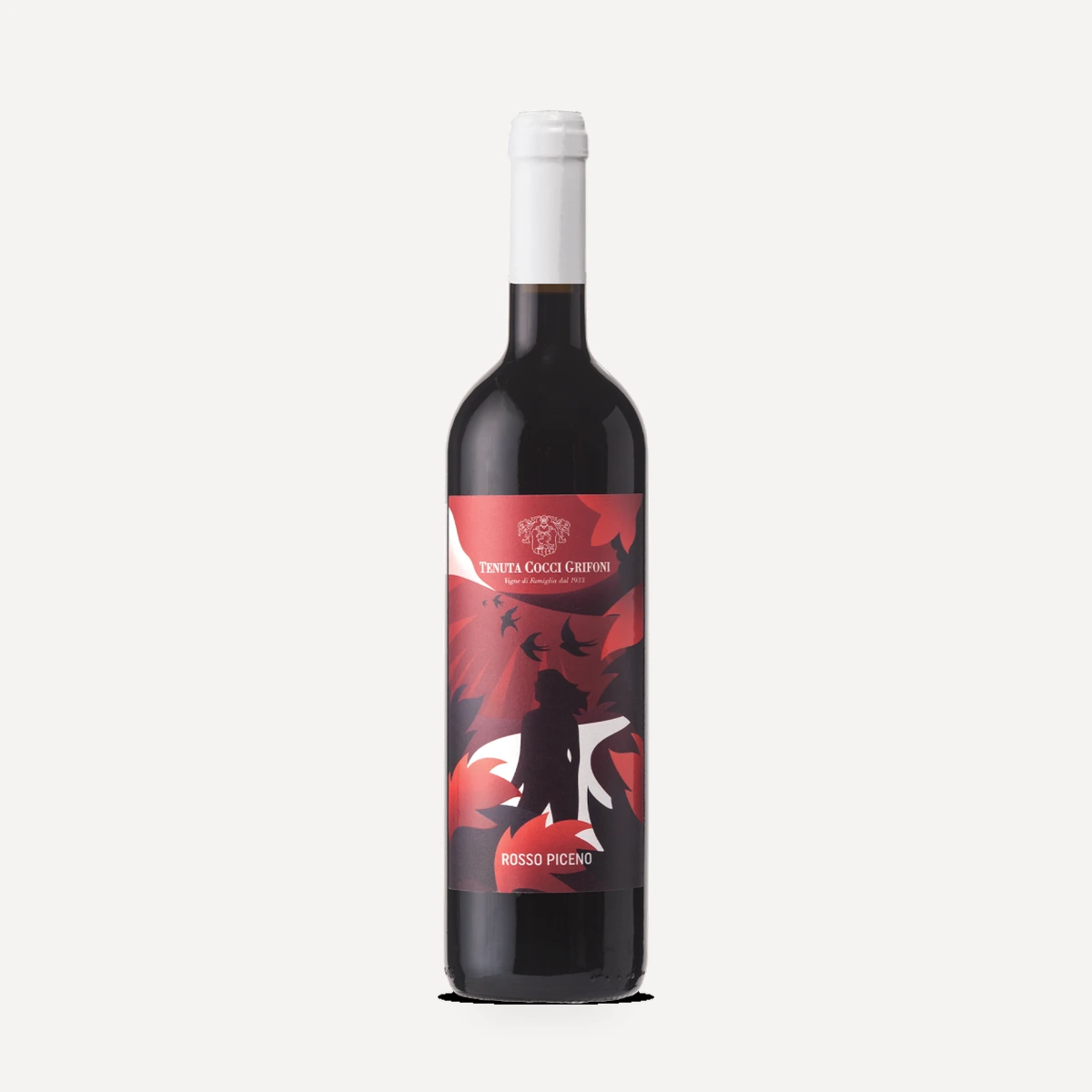
Le Rondini Rosso Piceno DOC
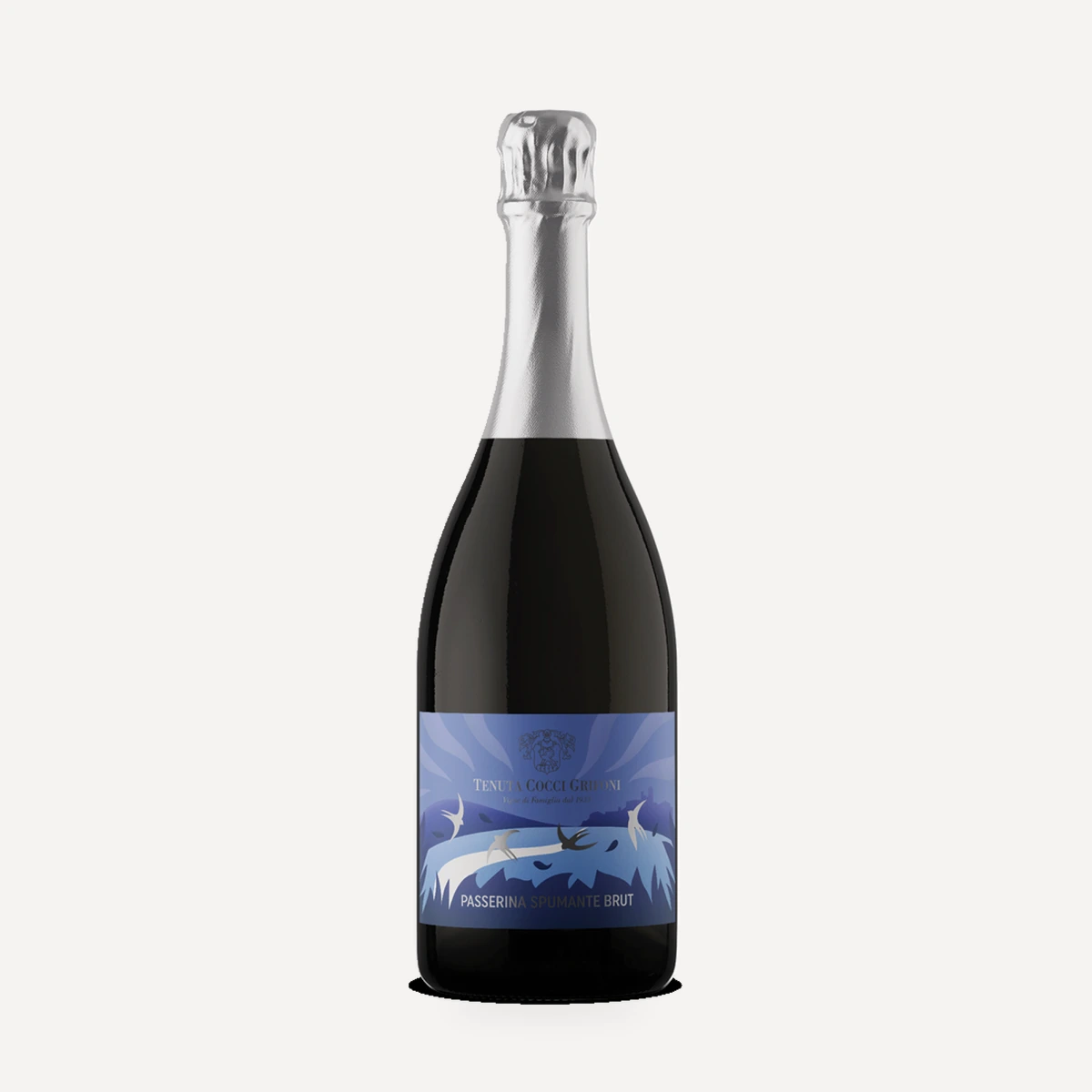
Le Rondini Vino Spumante Brut Passerina
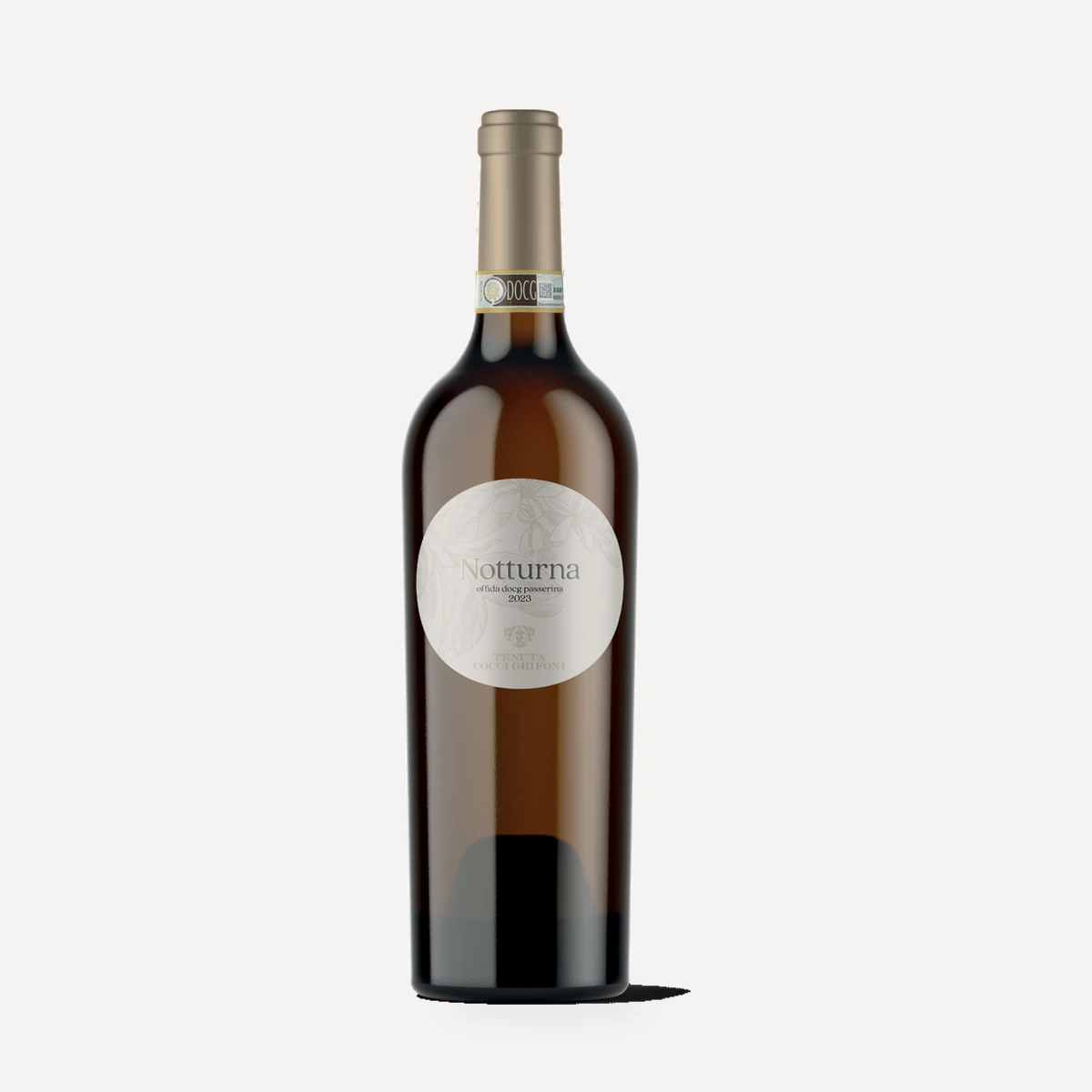
Notturna Offida DOCG Passerina
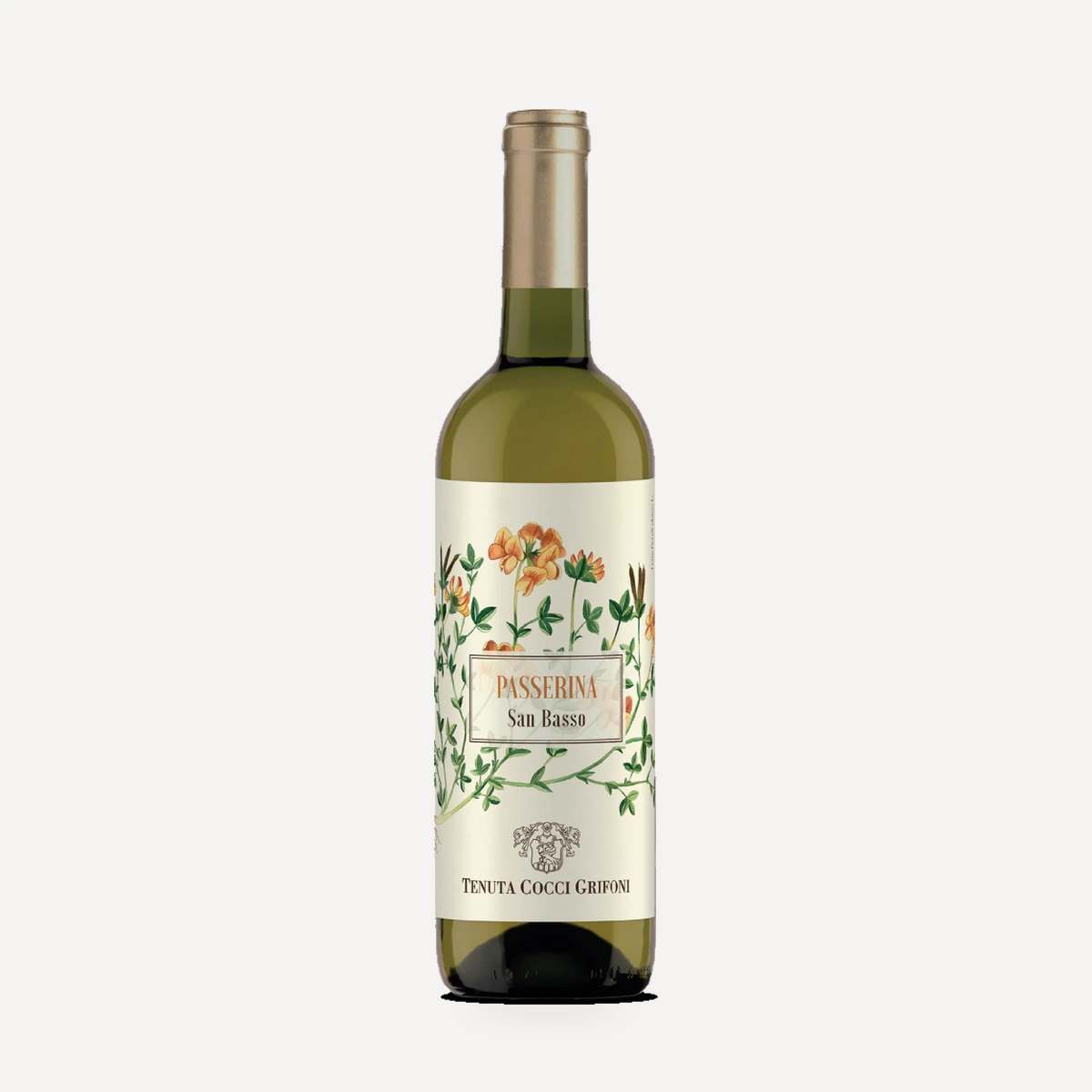
San Basso Marche IGT Passerina
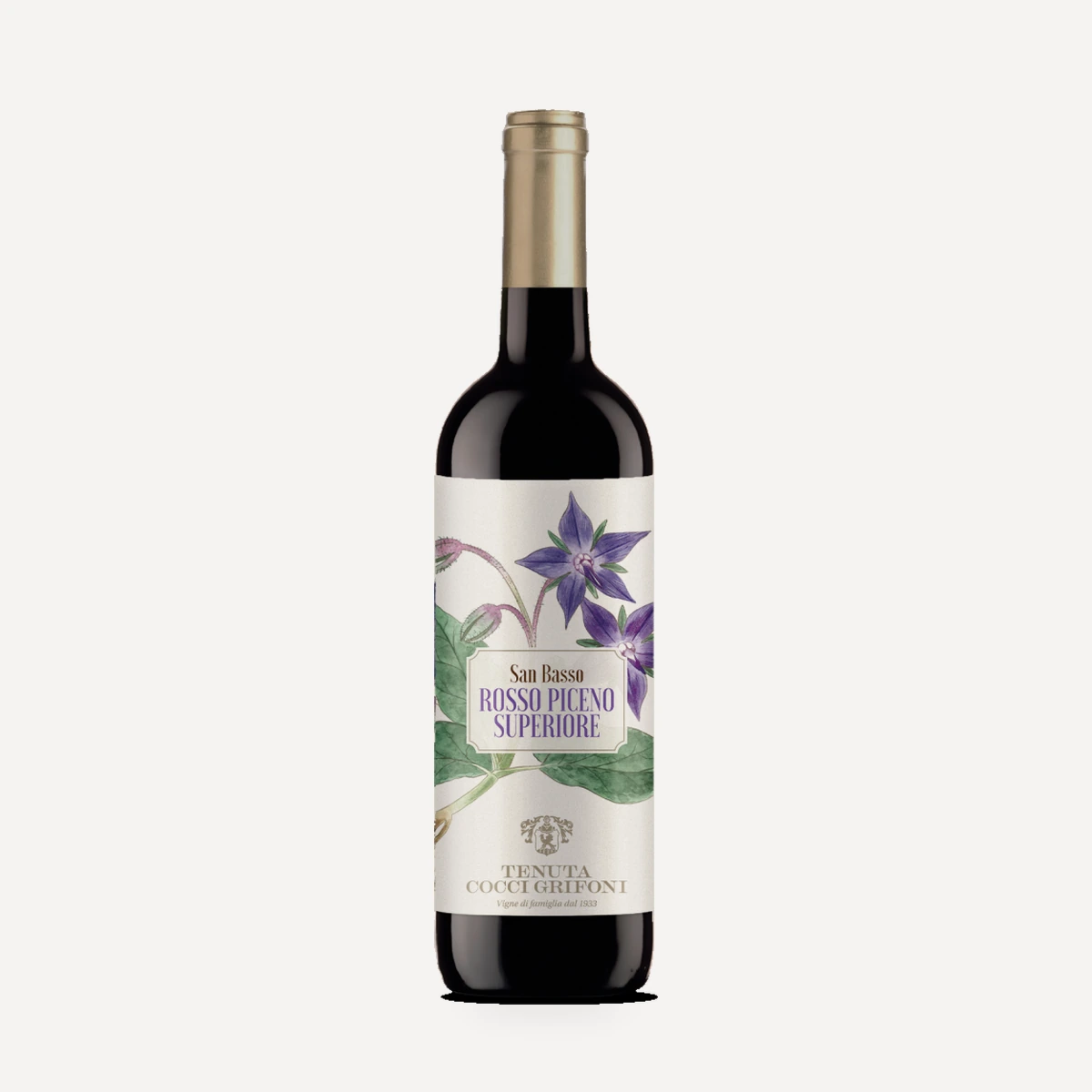
San Basso Rosso Piceno DOC Superiore
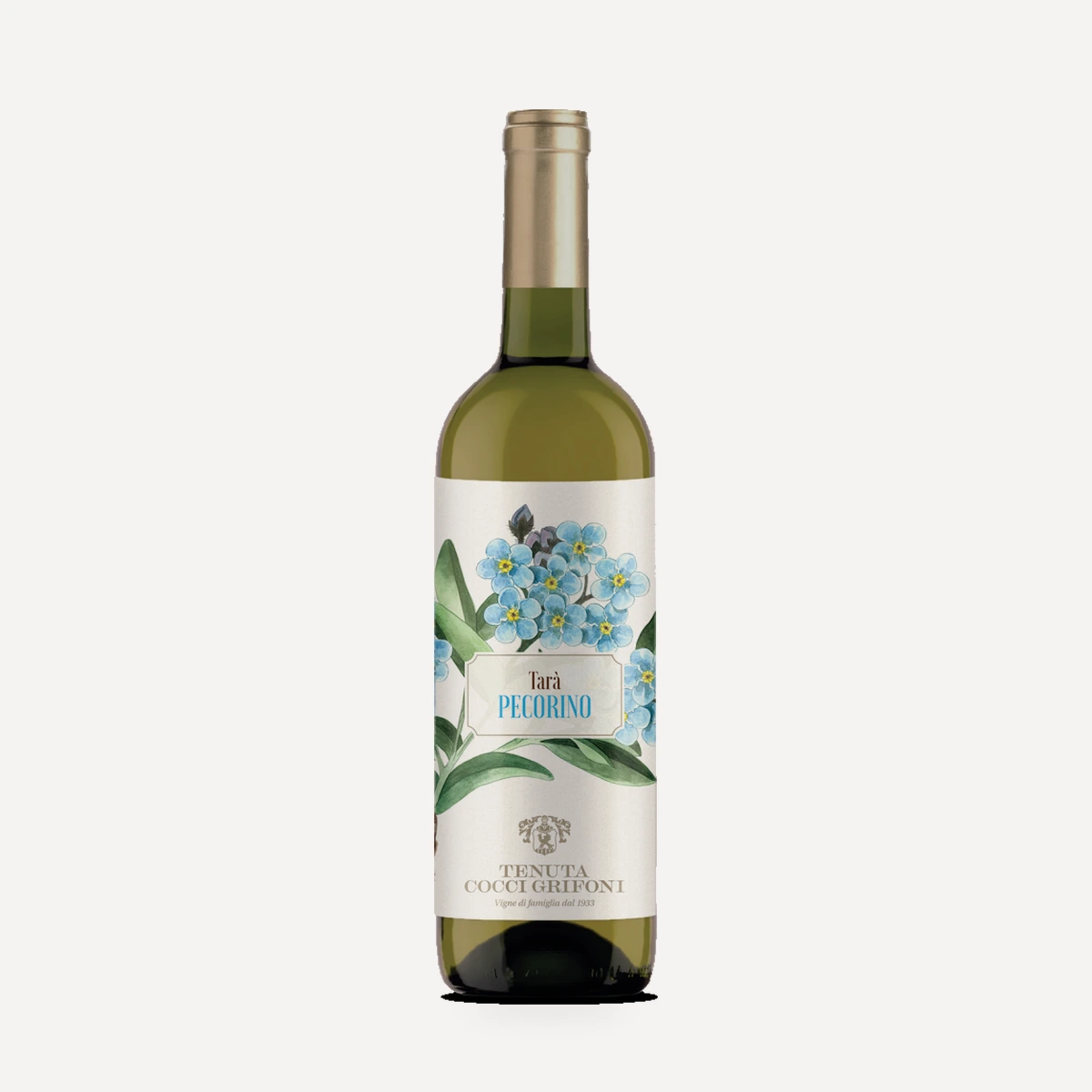
Tarà Falerio DOC Pecorino
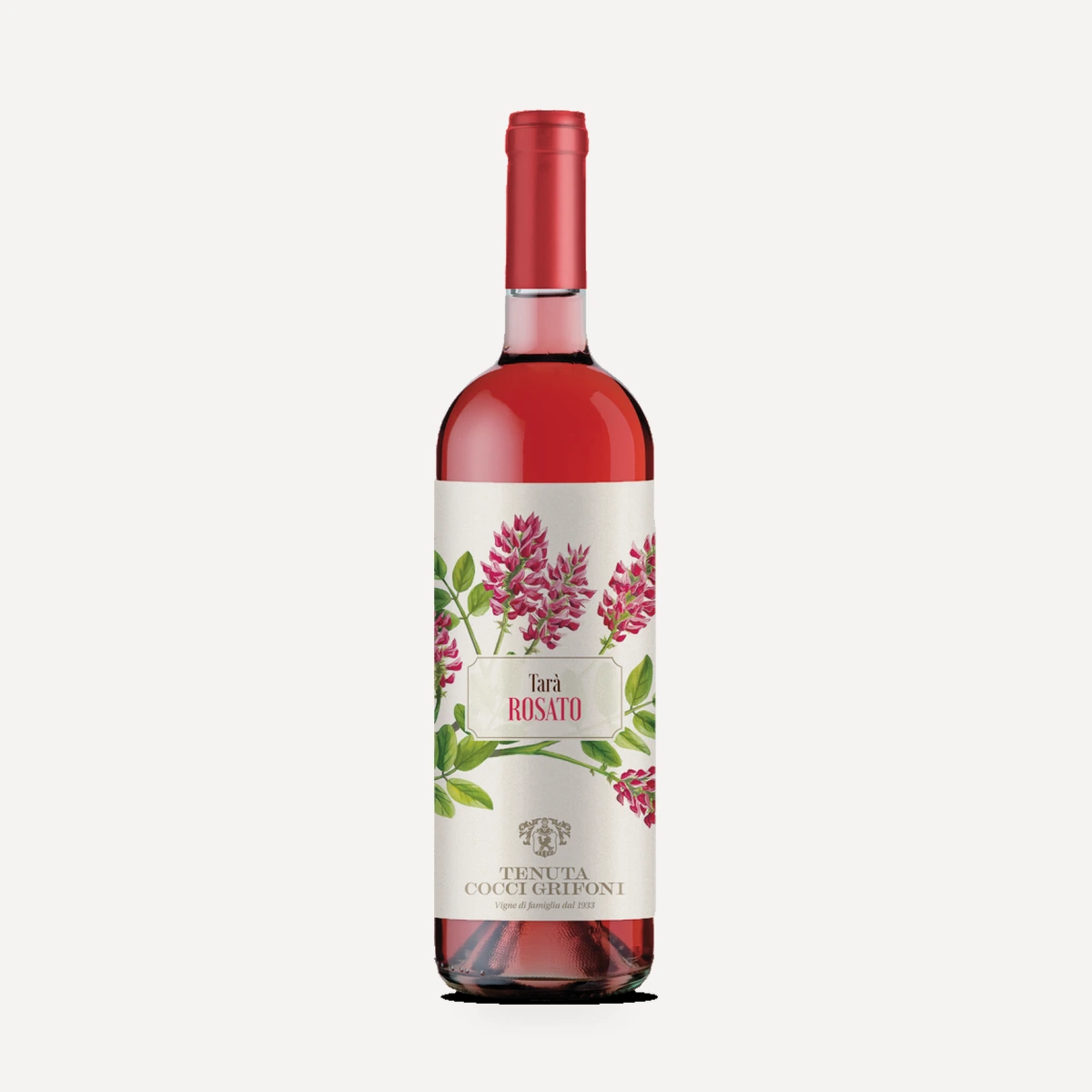
Tarà Marche IGT Rosato
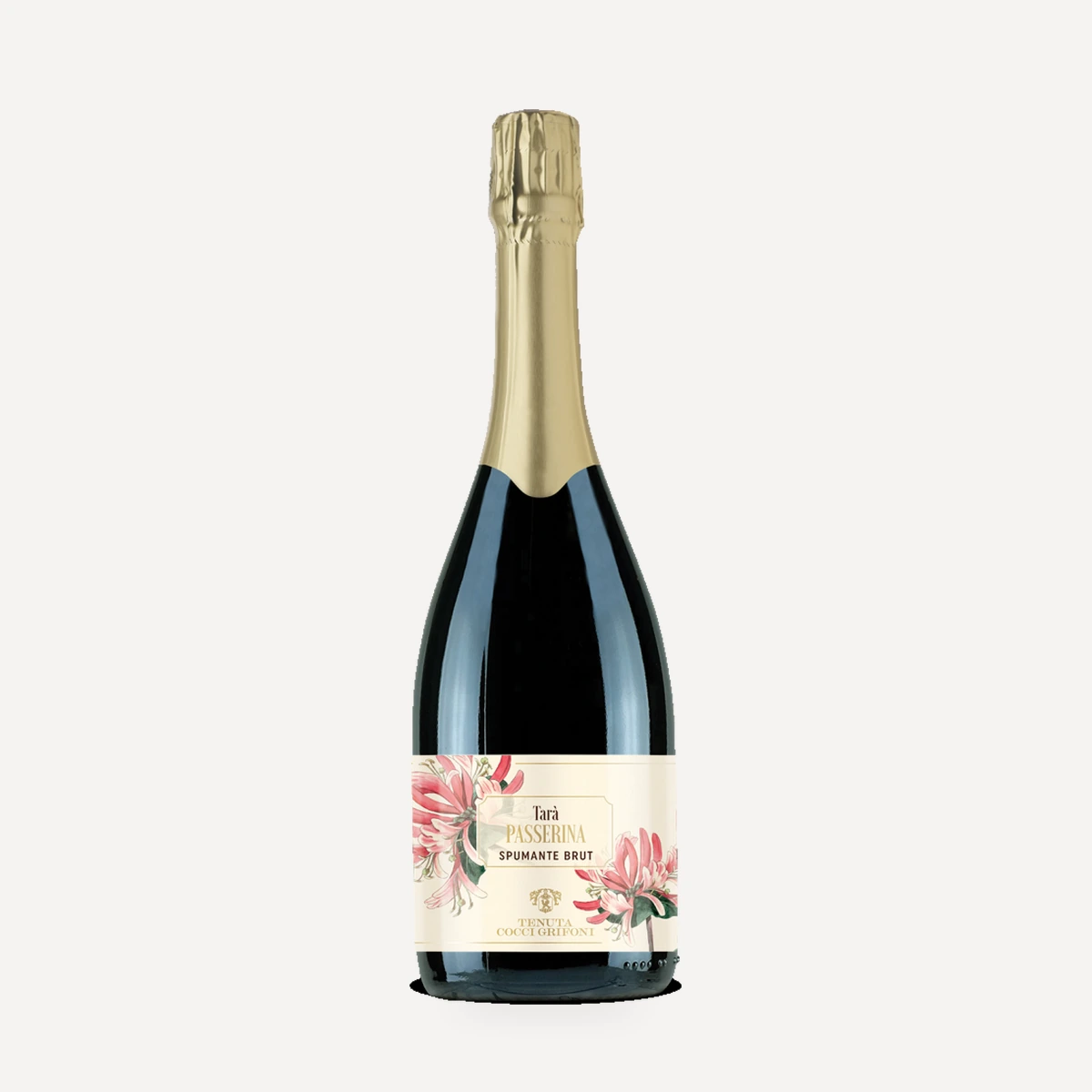
Tarà Passerina Spumante Brut
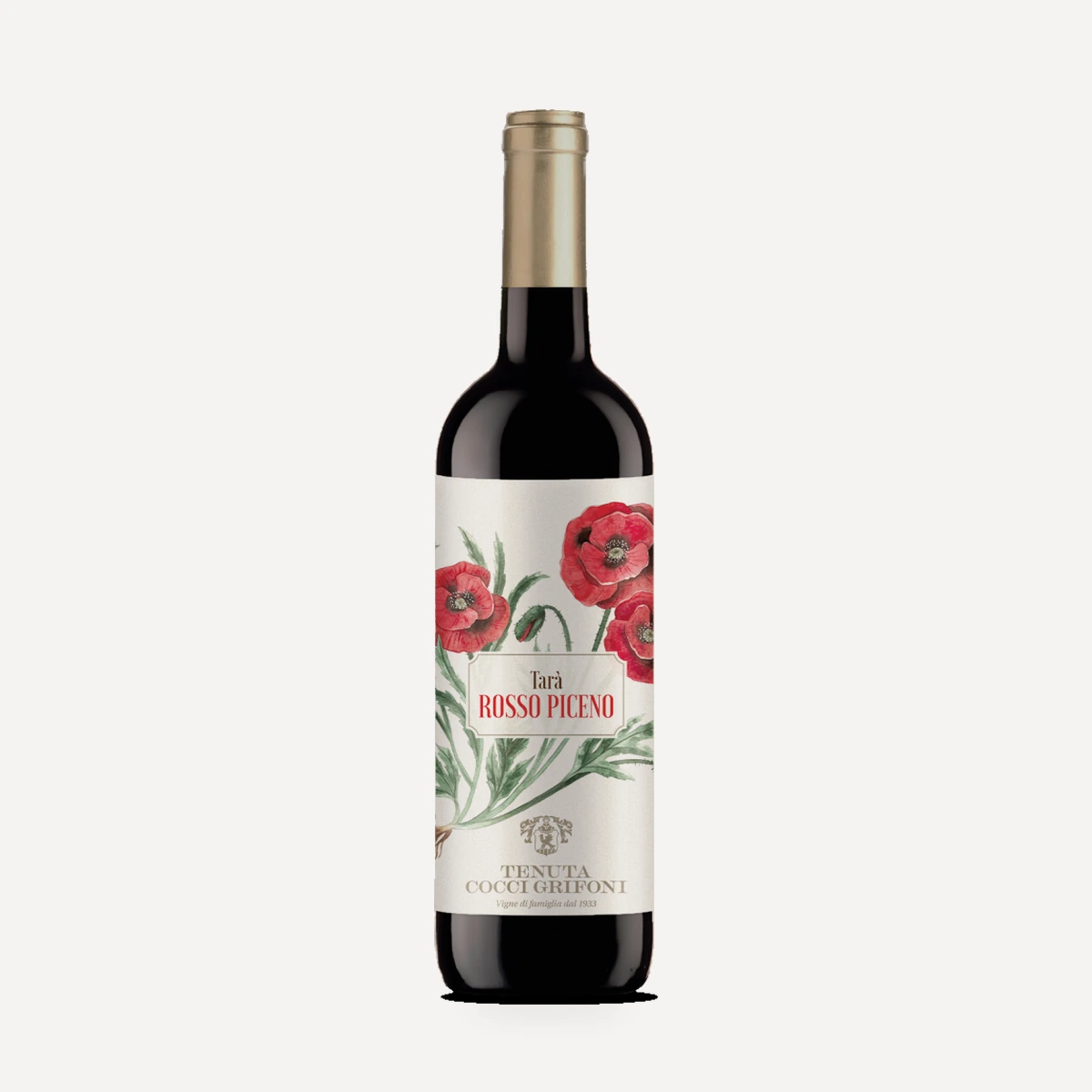
Tarà Rosso Piceno DOC
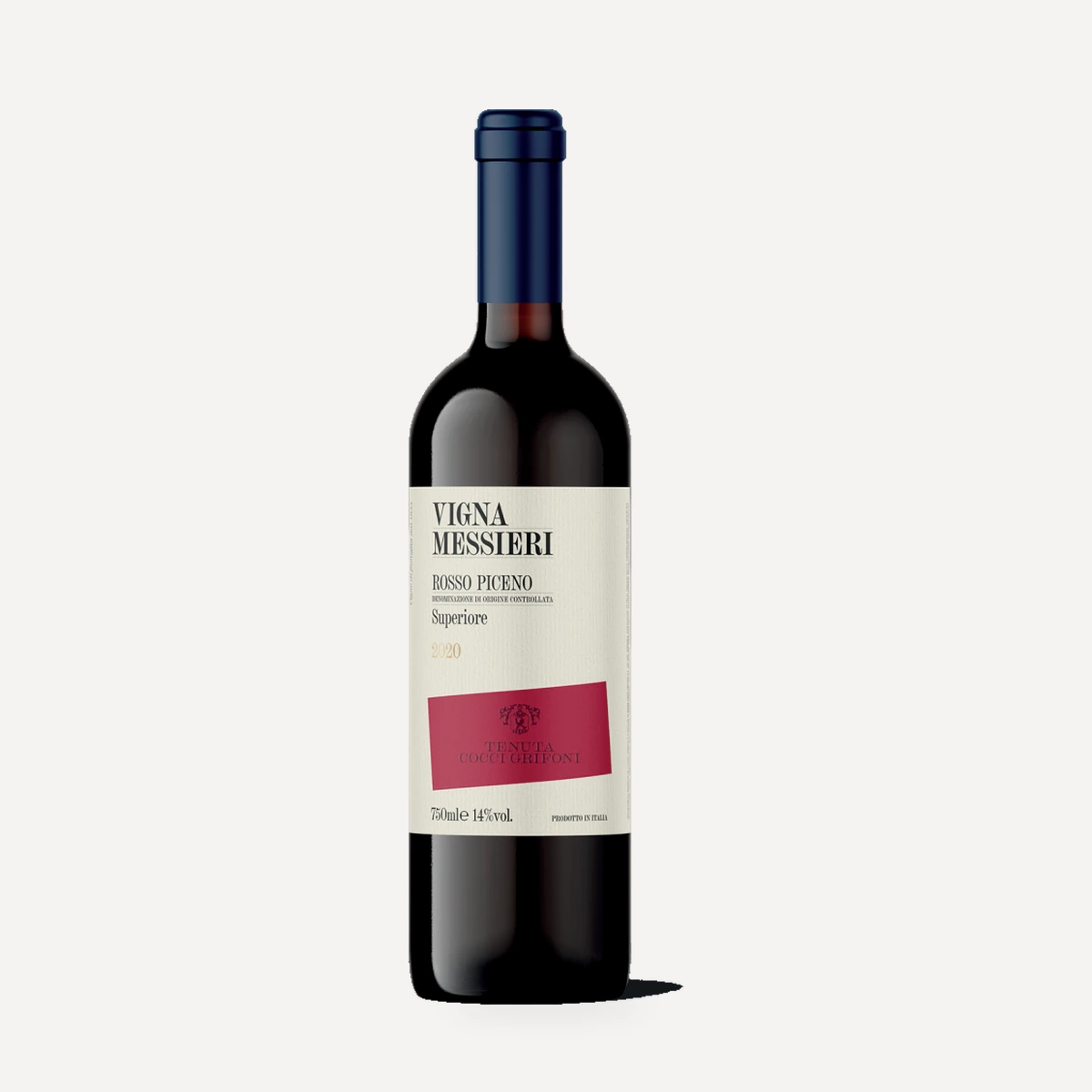
Vigna Messieri Rosso Piceno DOC Superiore
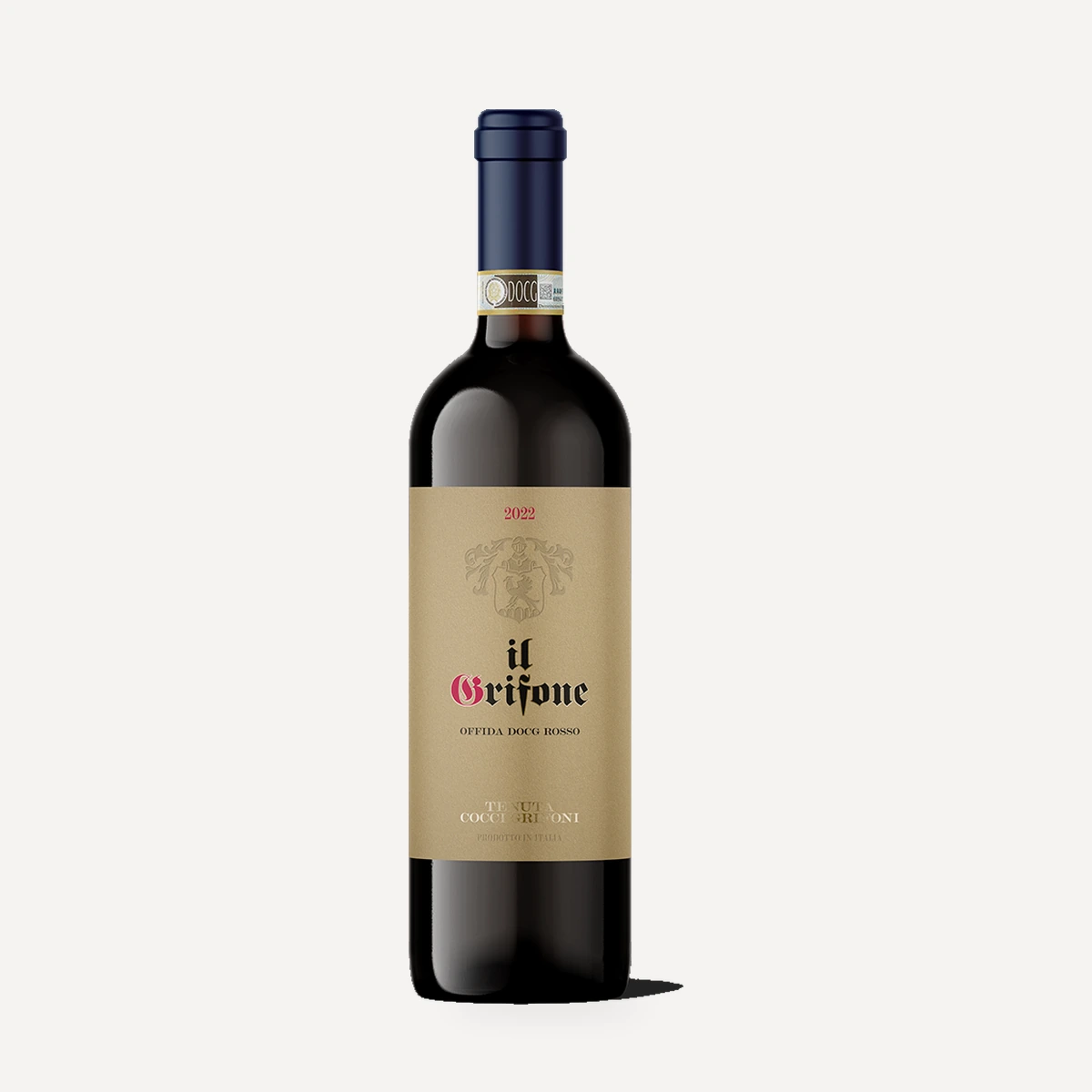
Il Grifone Offida DOCG Rosso