Storia
Family roots and the 1970s partnership
Collefrisio grew from the relationship between the families of Amedeo De Luca and Antonio Patricelli. The estate places the beginnings of that partnership in rural Chieti Province during the 1970s, when Abruzzo was rapidly modernizing. Men and women divided their work among the home, factories and family-owned agricultural plots, while agricultural cooperatives enabled small farmers to earn income from their produce and invest in their children’s education. Within this setting, the De Luca and Patricelli families formed a bond of mutual support based on tending vineyard land and sharing important moments of family life.
Amedeo and Antonio subsequently grew up together as friends before becoming business partners. They are described as third-generation Abruzzese winegrowers, while the broader family relationship with vineyards is presented as the accumulated experience of four generations of fathers and mothers.
2004: creation of Collefrisio
In 2004, Amedeo De Luca and Antonio Patricelli established Collefrisio as a modern wine company open to experimentation. Their complementary responsibilities became central to its organization: Amedeo oversees agronomy and production, while Antonio directs commercial activity.
2005: construction of the winery
The principal winery building was completed in 2005 at Piane di Maggio, Frisa. Extending over more than 2,000 m², it brought the offices, cellar and production facilities together in a structure designed to sit discreetly among vineyards and olive groves. Wine production, maturation, bottling and packaging were placed on the basement level, while the principal floor accommodated offices and naturally lit tasting spaces. A photovoltaic installation supplies renewable energy to the operation.
Development of the estate and brand
Collefrisio developed approximately 60 ha of certified-organic vineyards, comprising about 50 ha of owned vines and an additional rented share. The holdings are divided among three sites in Frisa, near Ortona, and between Tollo and Giuliano Teatino. The company also developed a distinctive packaging identity through collaborations with creative directors. In 2018, the Confronto labels received a Pentawards distinction, while the three-dimensional In & Out label, recognizable by its copper-colored carp, received a Red Dot Award.
The winery currently handles vinification, maturation, bottling and packaging at Frisa and distributes its wines in more than 50 countries.
Terroir
Collefrisio’s vineyards occupy the hills of Chieti Province between the Majella massif and the Adriatic coast known as the Costa dei Trabocchi. Mount Amaro, the highest summit of the Majella, reaches 2,793 metres. The interaction of the mountain and sea shapes the estate’s pedoclimatic setting and creates conditions suited to the maturation of different varieties.
The three vineyard areas have distinct positions. Tenuta Madre lies near the Valle del Moro at 237 metres and faces southeast. Alternating winds from the sea and mountain create pronounced changes during the day, while the day–night temperature range supports aromatic development. Tenuta Morrecine extends towards the Adriatic near Ortona. It also faces southeast and has predominantly red, gravelly soil; maritime air and strong ventilation favor healthy fruit. The third site lies farther west between Tollo and Giuliano Teatino, towards the Majella. Its pebbly ground, constant winds and day–night temperature variation make late harvesting and on-vine drying possible, particularly for its older red-wine vines.
Vinificazione
All owned vineyards are managed organically, and the complete cultivated area of approximately 60 ha is described as certified organic. Collefrisio avoids synthetic chemical fertilizers and pesticides. When intervention is necessary, it relies mainly on biological contact products, including sulphur and copper.
Weather patterns, humidity and data from weather stations are recorded in a vineyard journal. This information is used to schedule work, combining additional manual labor with reduced plant-protection treatments. The traditional Pergola Abruzzese is the principal training system; it is also called tendone and locally capanna. Its canopy protects bunches from daytime summer heat while admitting sufficient air movement, helping the grapes retain aroma as they reach the required sugar maturity.
Vineyard work under the pergolas is performed manually. Mechanization is largely limited to small tractors used to carry fruit during harvest. Picking takes place by hand from August through October. Each bunch is cut individually, selected during picking, placed in a small basket and transported promptly to the cellar. Manual harvesting requires more labor, organization and time than mechanical picking, but gives the team greater control over bunch selection and fruit quality.
The production plant and cellar occupy the basement of the winery at Piane di Maggio. Vinification, maturation, bottling and packaging all take place there.
Hand-picked bunches arrive in small baskets and are processed immediately. A crusher-destemmer separates the berries from the stems and breaks the skins, after which the fruit receives a gentle pressing before fermentation. Collefrisio excludes animal-derived ingredients and describes its cellar work as avoiding chemical inputs throughout production. For white wines, tartaric precipitation is induced through cold treatment and mechanical processing instead of preparations that would otherwise be used for this stage.
The maturation cellar contains Slavonian oak barrels. Their purpose is to soften a wine’s harder edges while retaining the original character and structure of each variety. Bottling and packaging are completed on site before distribution to more than 50 countries.
Filosofia
Collefrisio presents wine as an expression of Abruzzo shaped by four generations of family experience, the founders’ friendship and a balance between inherited practices and technical progress. Its mission joins sustainable, organic production and the exclusion of animal-derived inputs with the goal of offering quality wines at an accessible price.
The estate seeks sensory balance and aims to interpret Abruzzo for both domestic and international audiences. Its approach is deliberately contemporary: freshness, substance and conviviality are treated as compatible qualities. In the vineyard, patient observation and manual work are preferred where they provide greater control. In the cellar, technology is used selectively—such as cold treatment for tartaric precipitation—while Slavonian oak is intended to refine texture without obscuring grape character.
Tradition and experimentation are not treated as opposites. Collefrisio retains Pergola Abruzzese training and hand picking while describing itself as open to experimentation, original blends and modern design. Vineyard and cellar choices are intended to let each variety express itself through plots selected for its requirements.
Vini
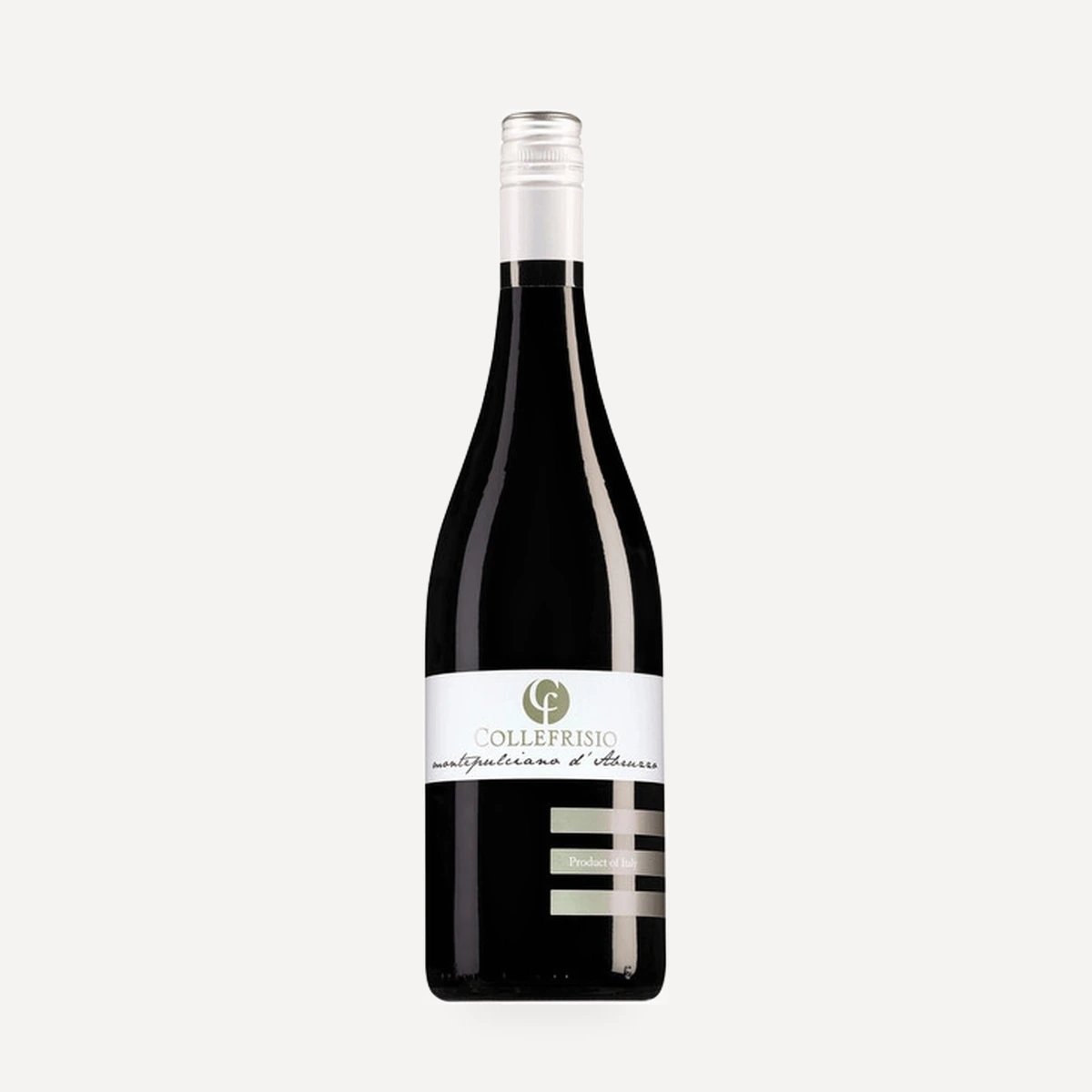
Montepulciano d'Abruzzo DOC
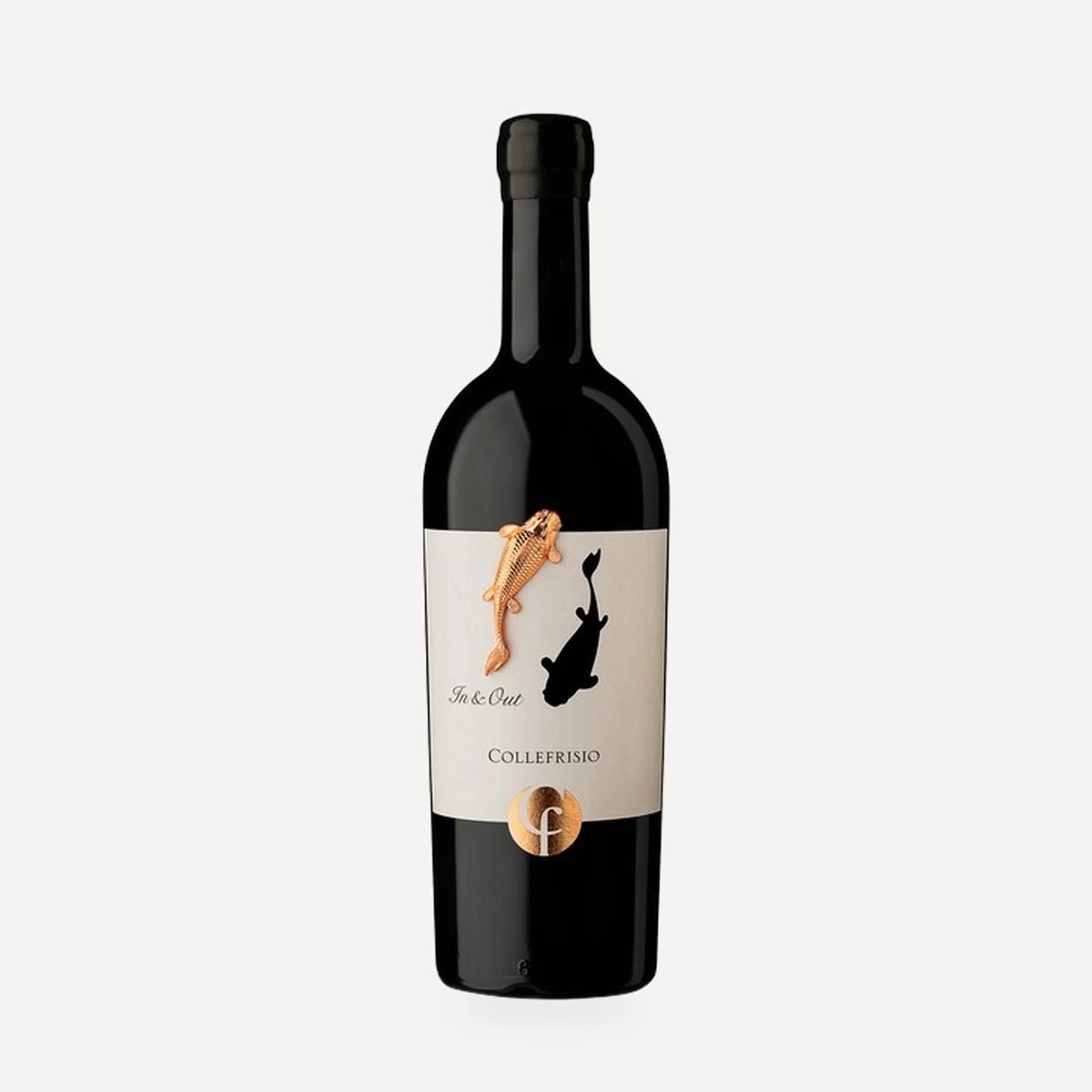
In & Out Montepulciano d'Abruzzo DOP
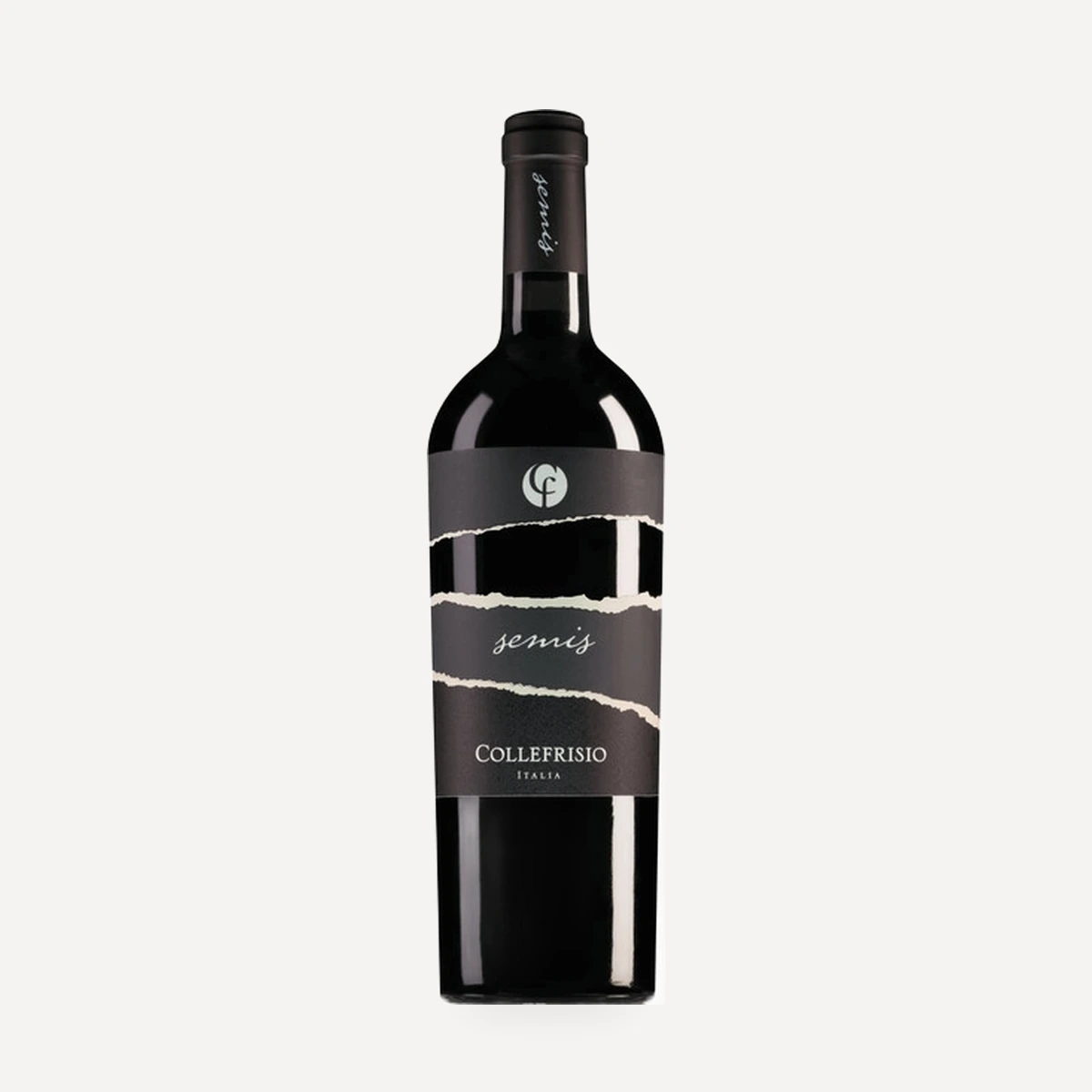
Semis Montepulciano d'Abruzzo DOC
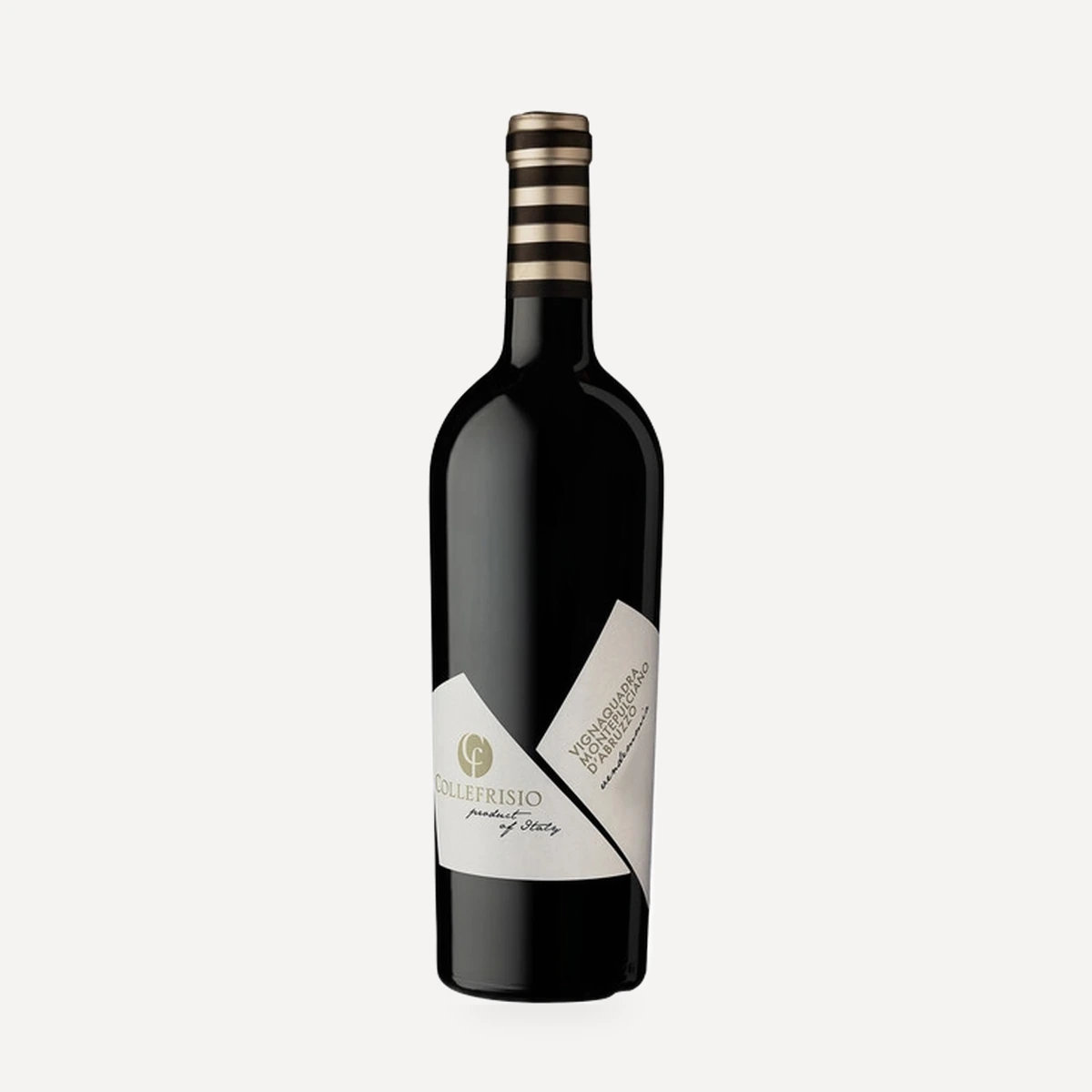
Vignaquadra Montepulciano d'Abruzzo DOC
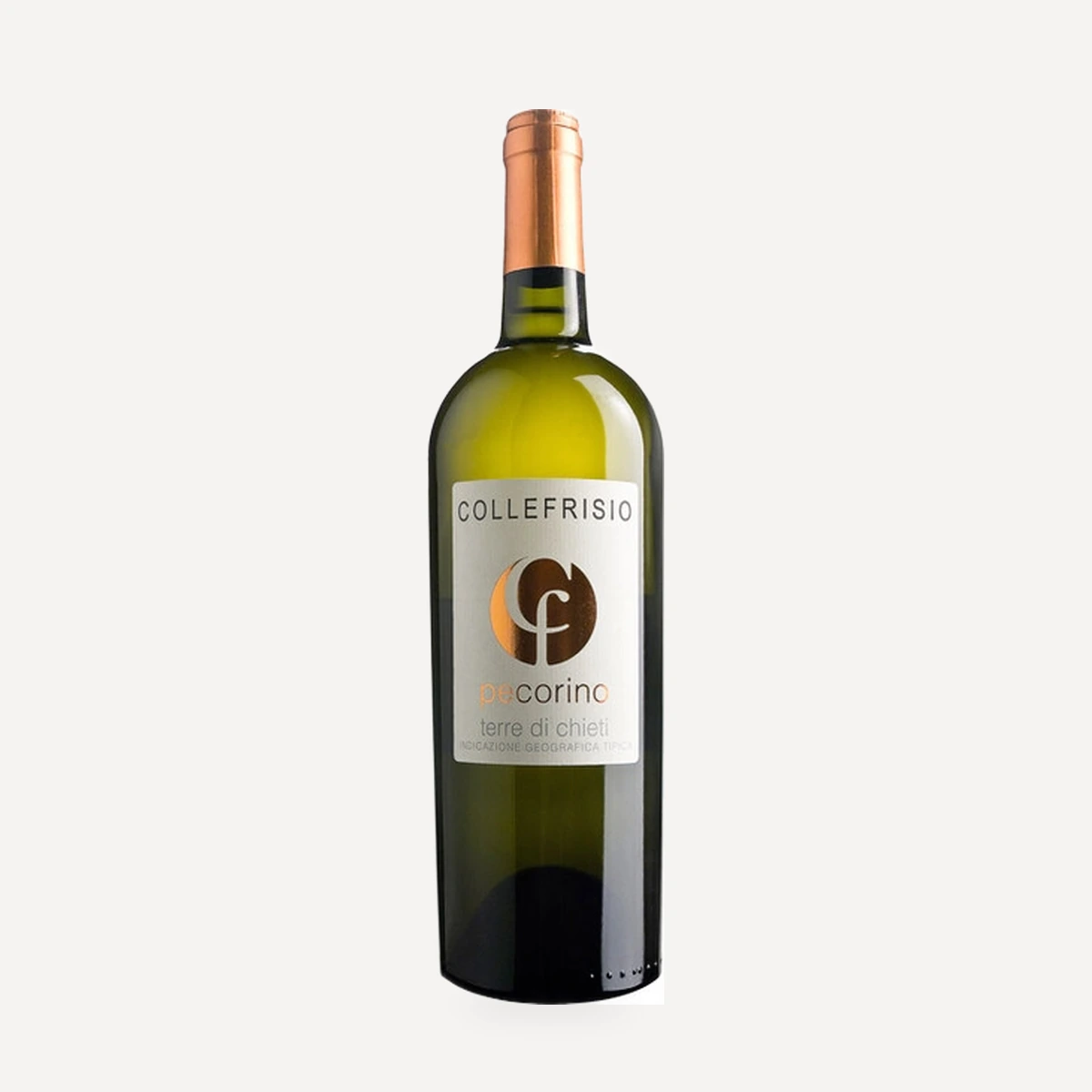
Pecorino Terre di Chieti IGT
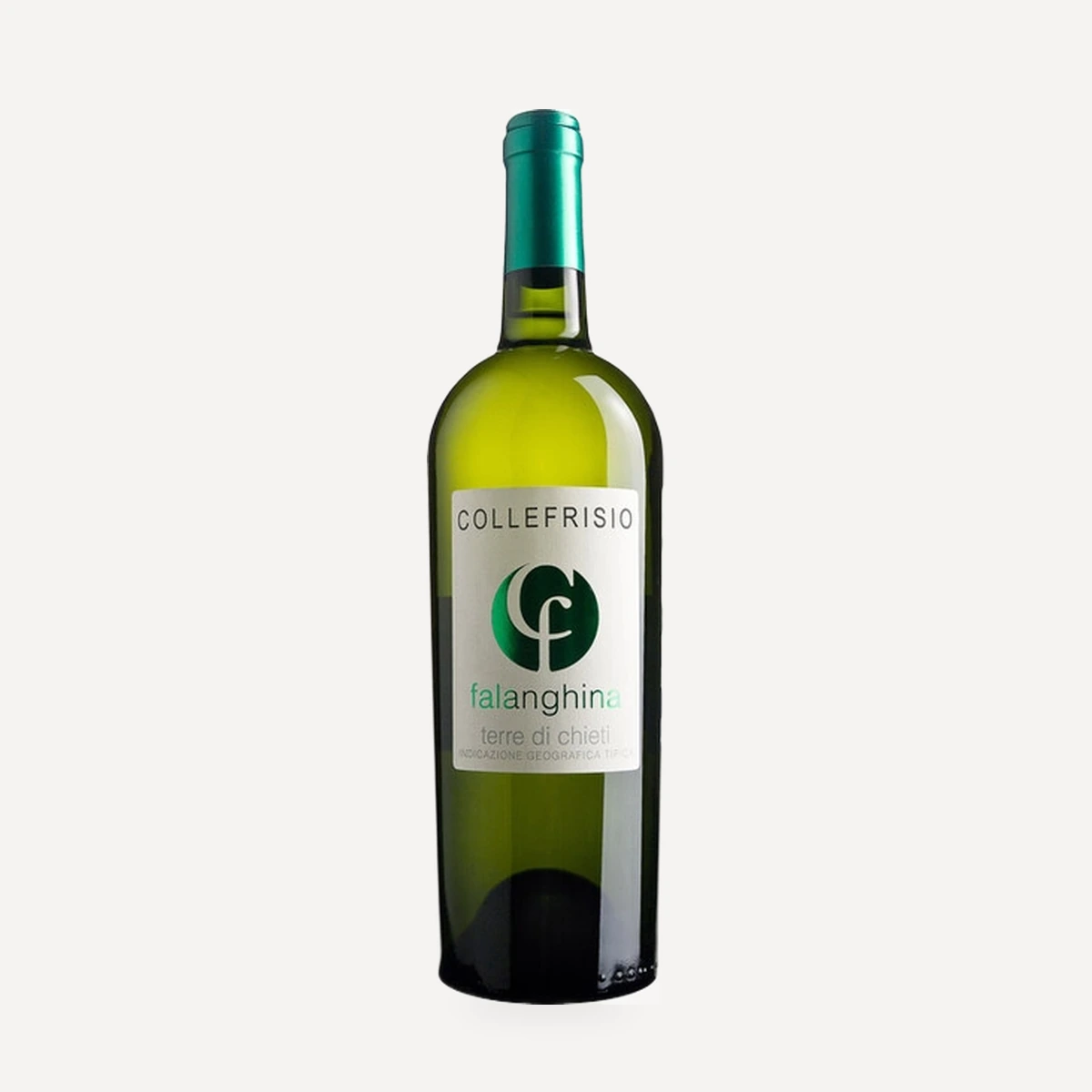
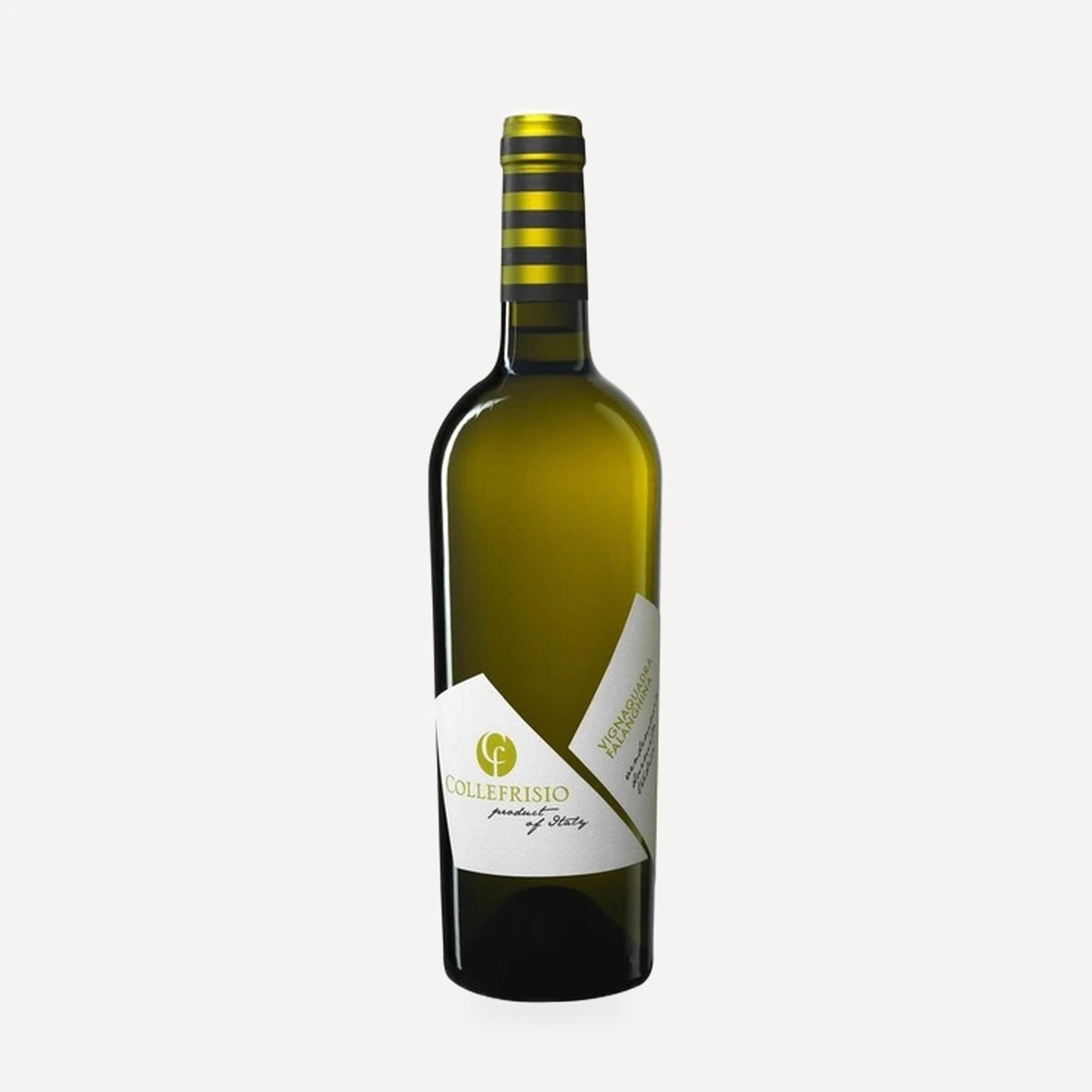
Falanghina Terre di Chieti IGT
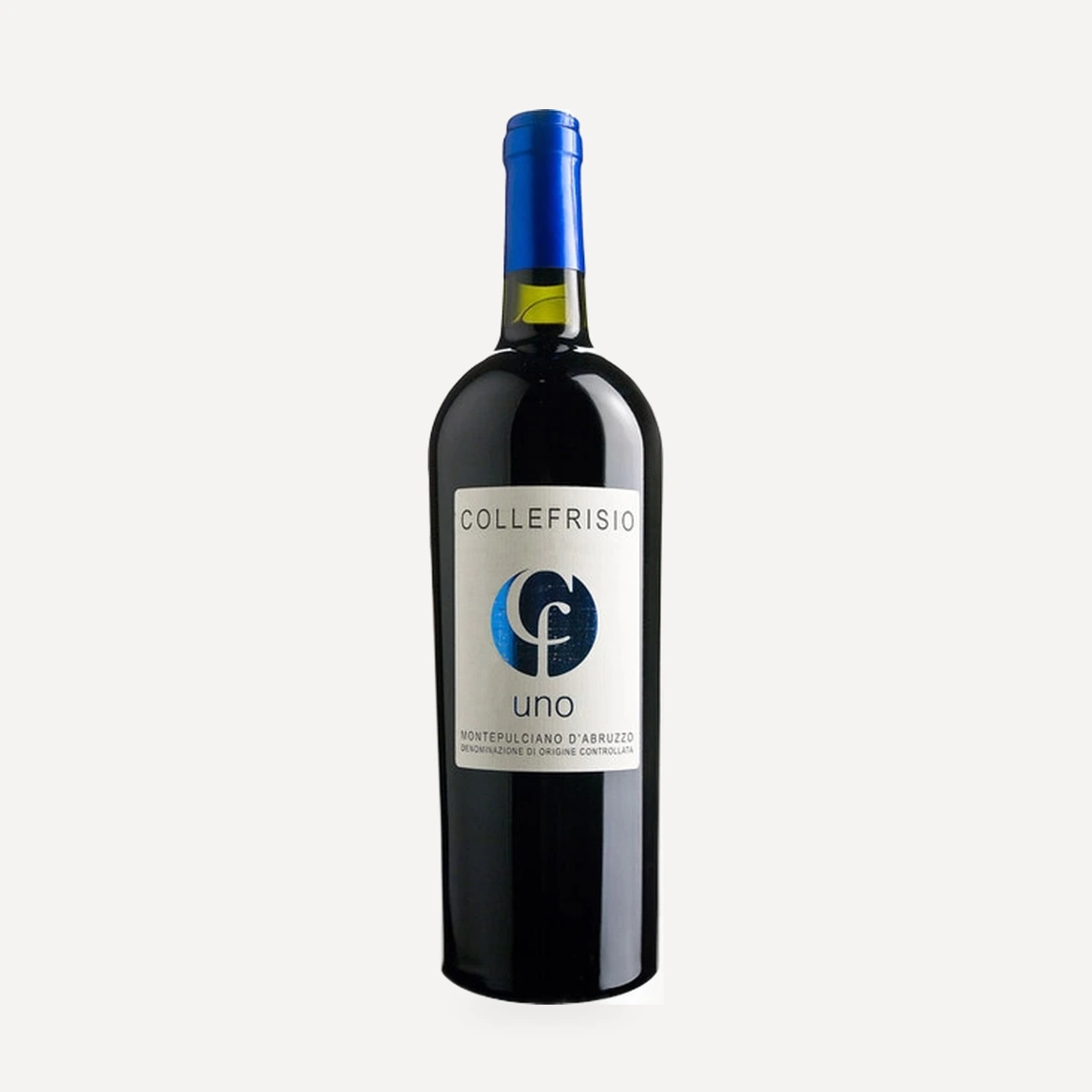
Uno Montepulciano d'Abruzzo DOC
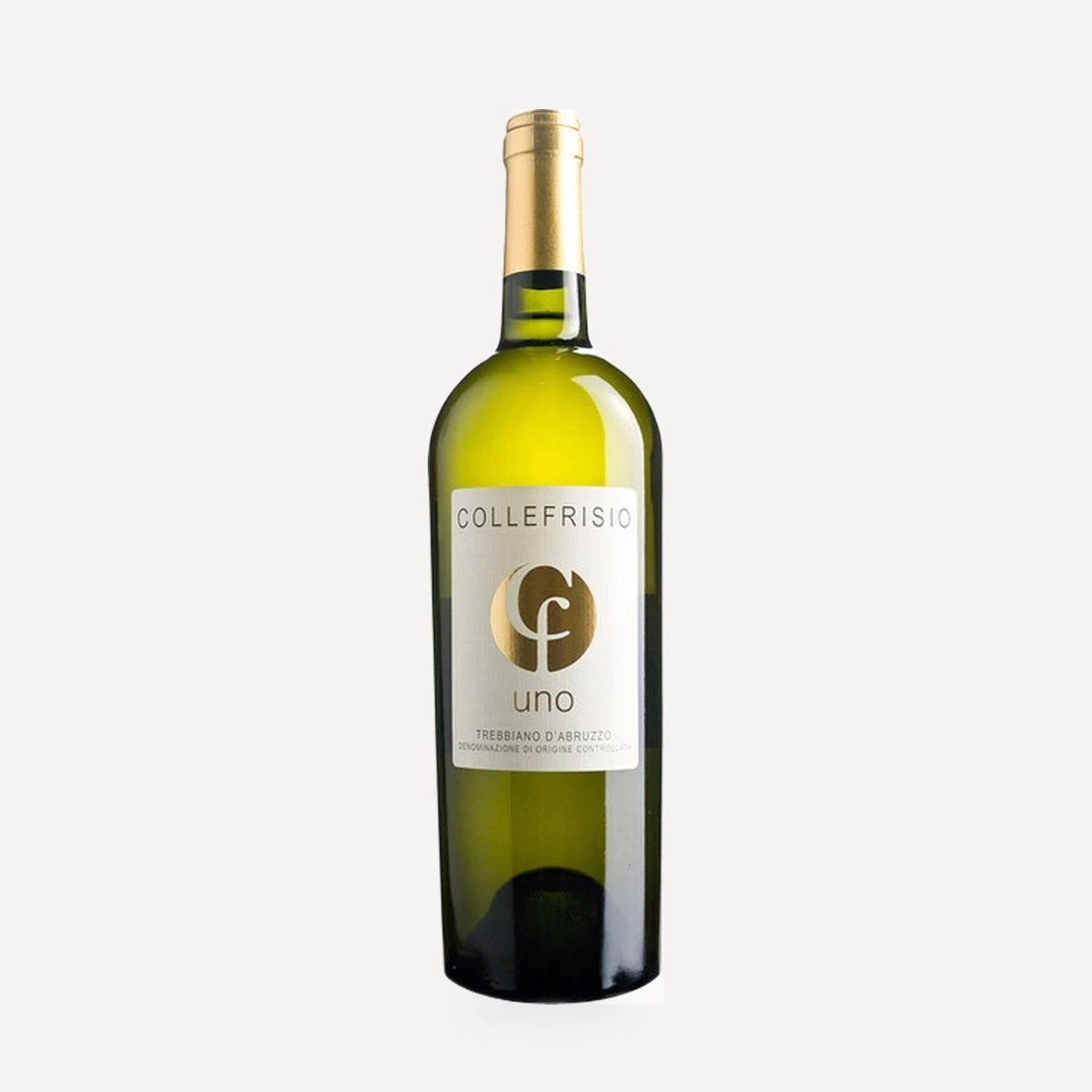
Uno Trebbiano d'Abruzzo DOC
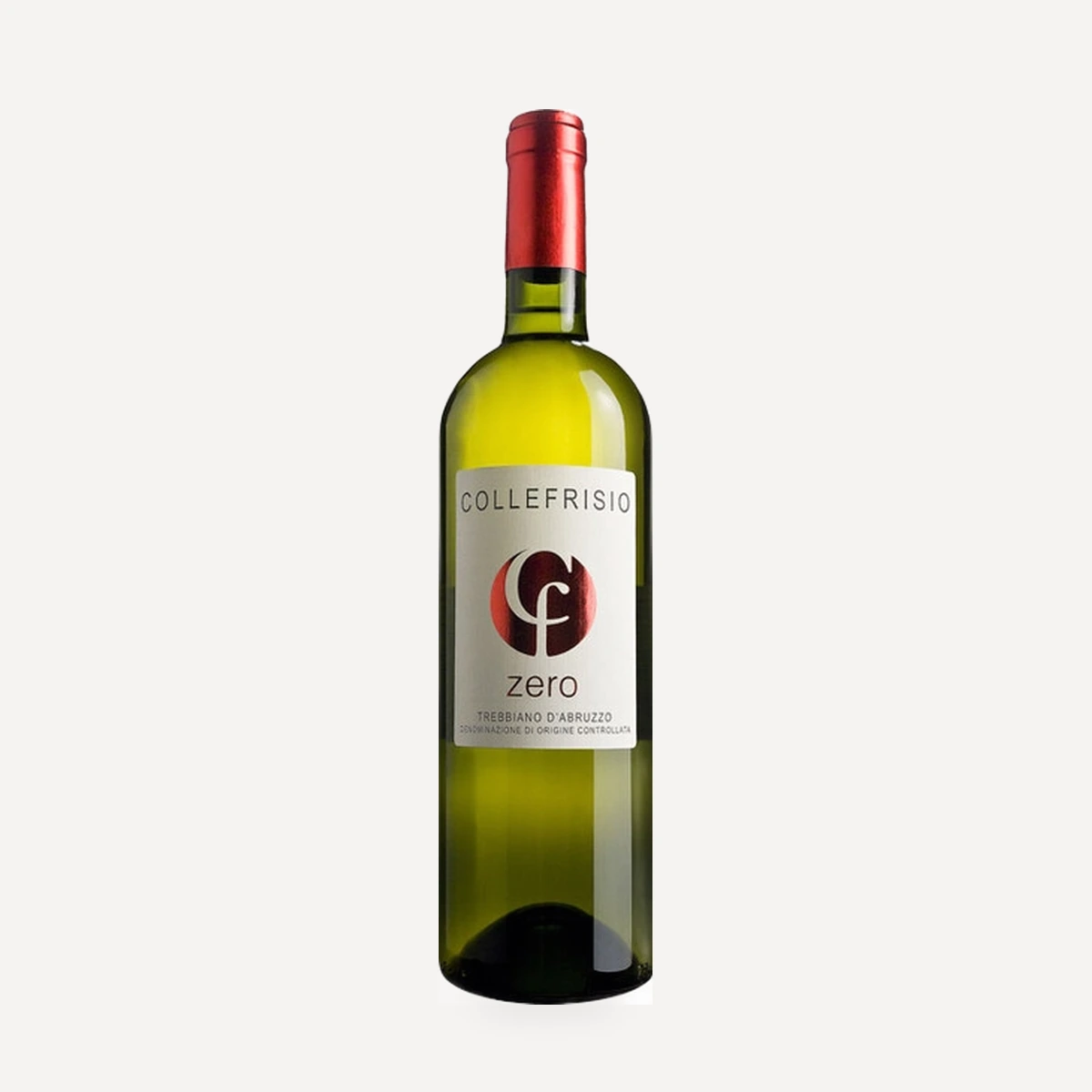
Zero Trebbiano d'Abruzzo DOC
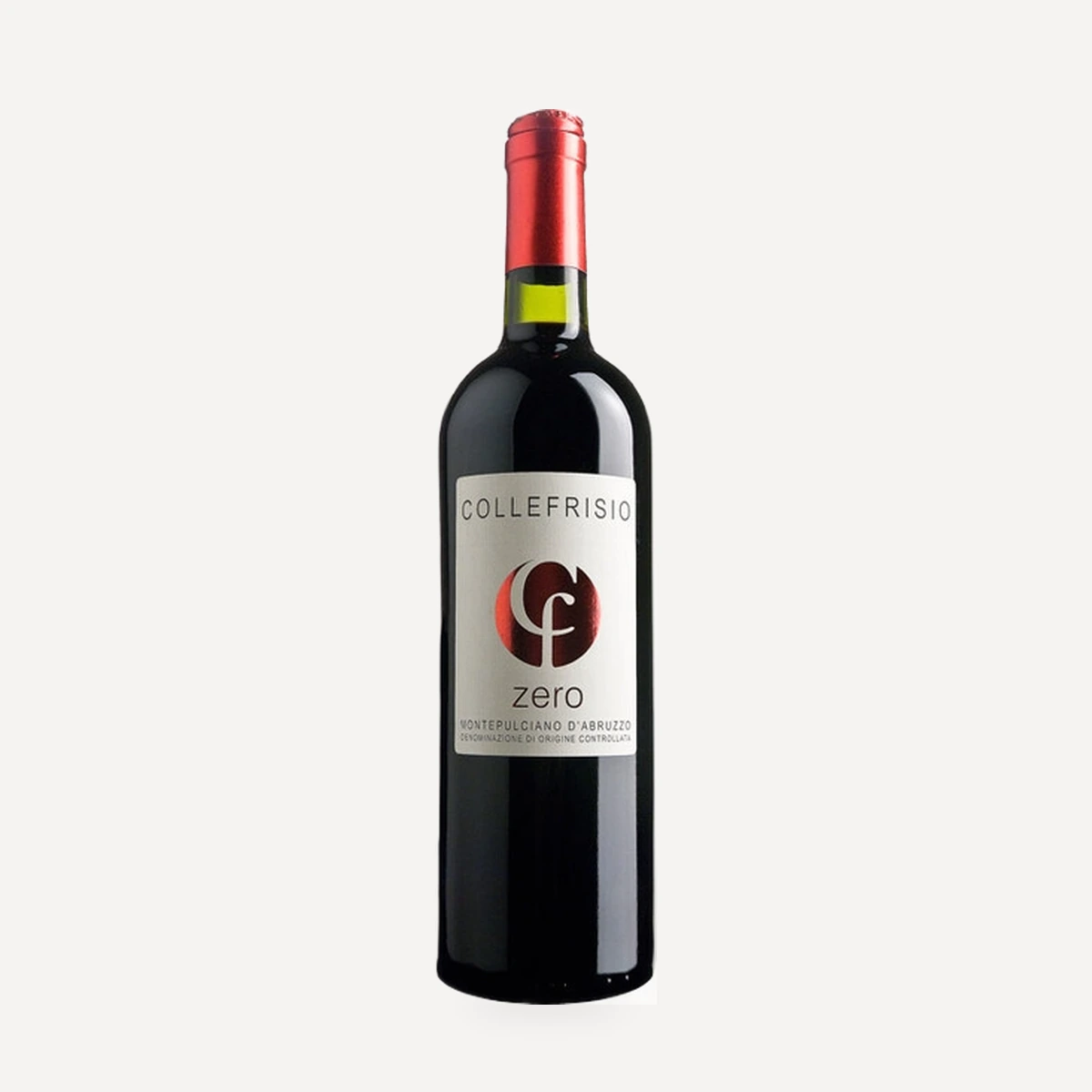
Zero Montepulciano d'Abruzzo DOC
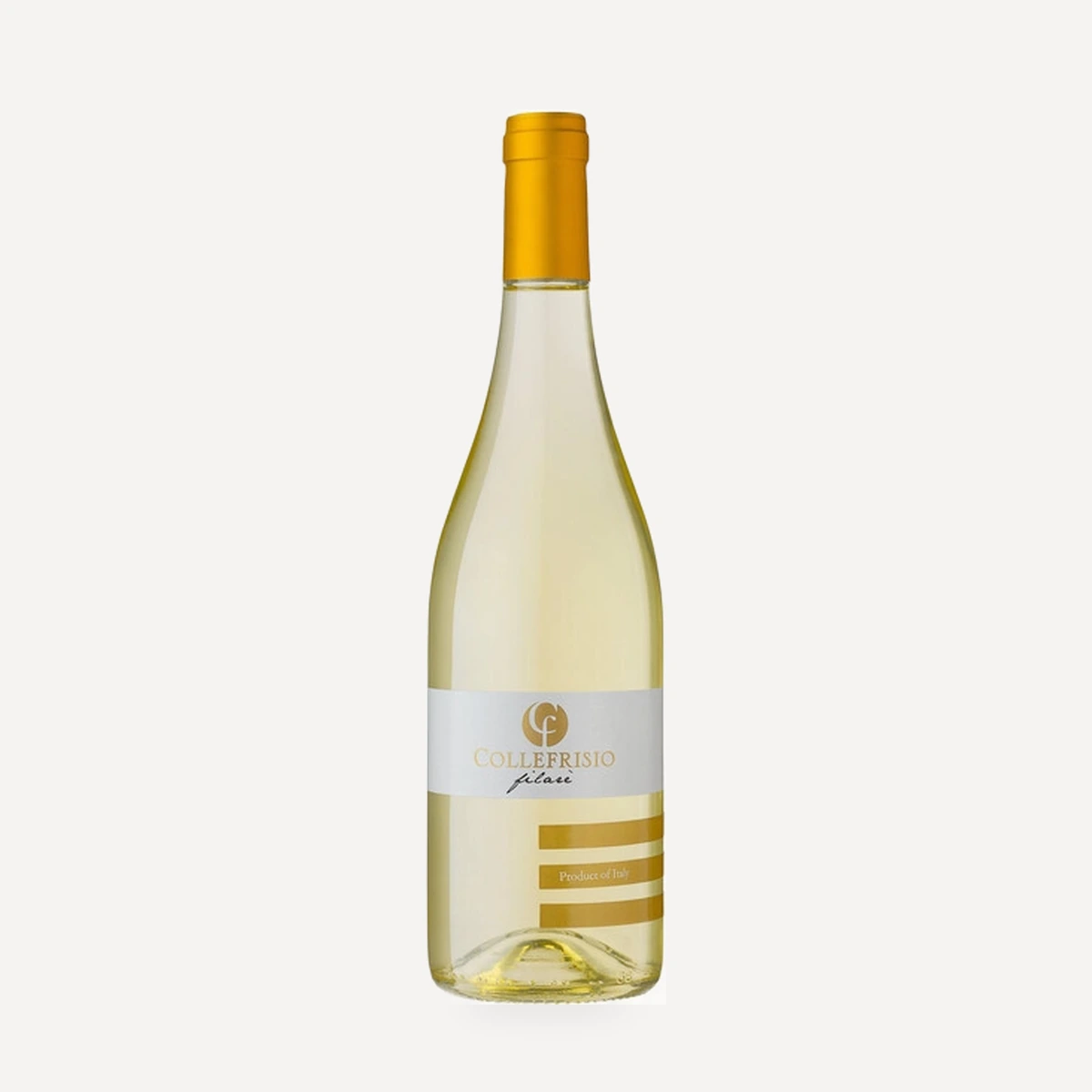
Filare Trebbiano d'Abruzzo DOC
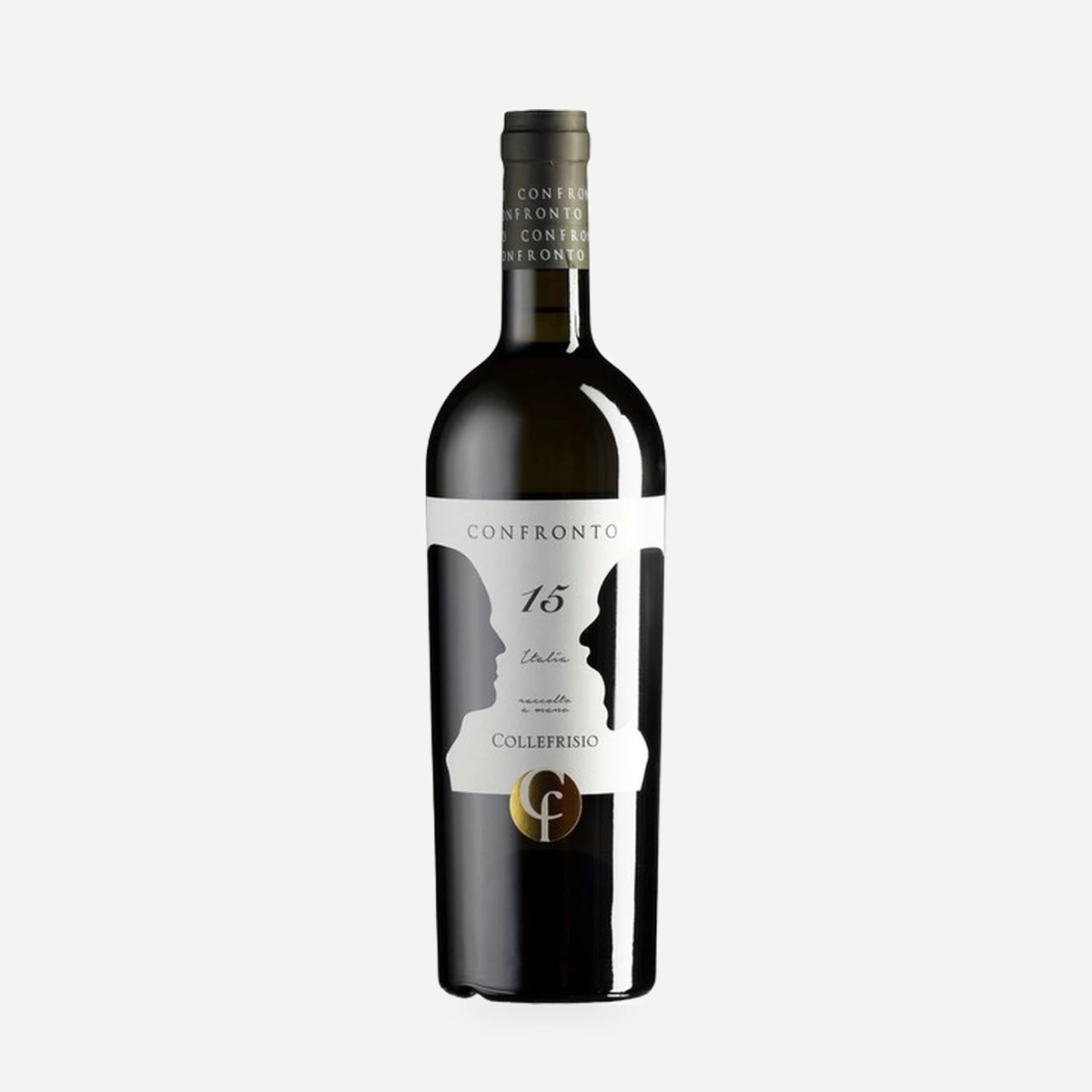
Confronto Bianco
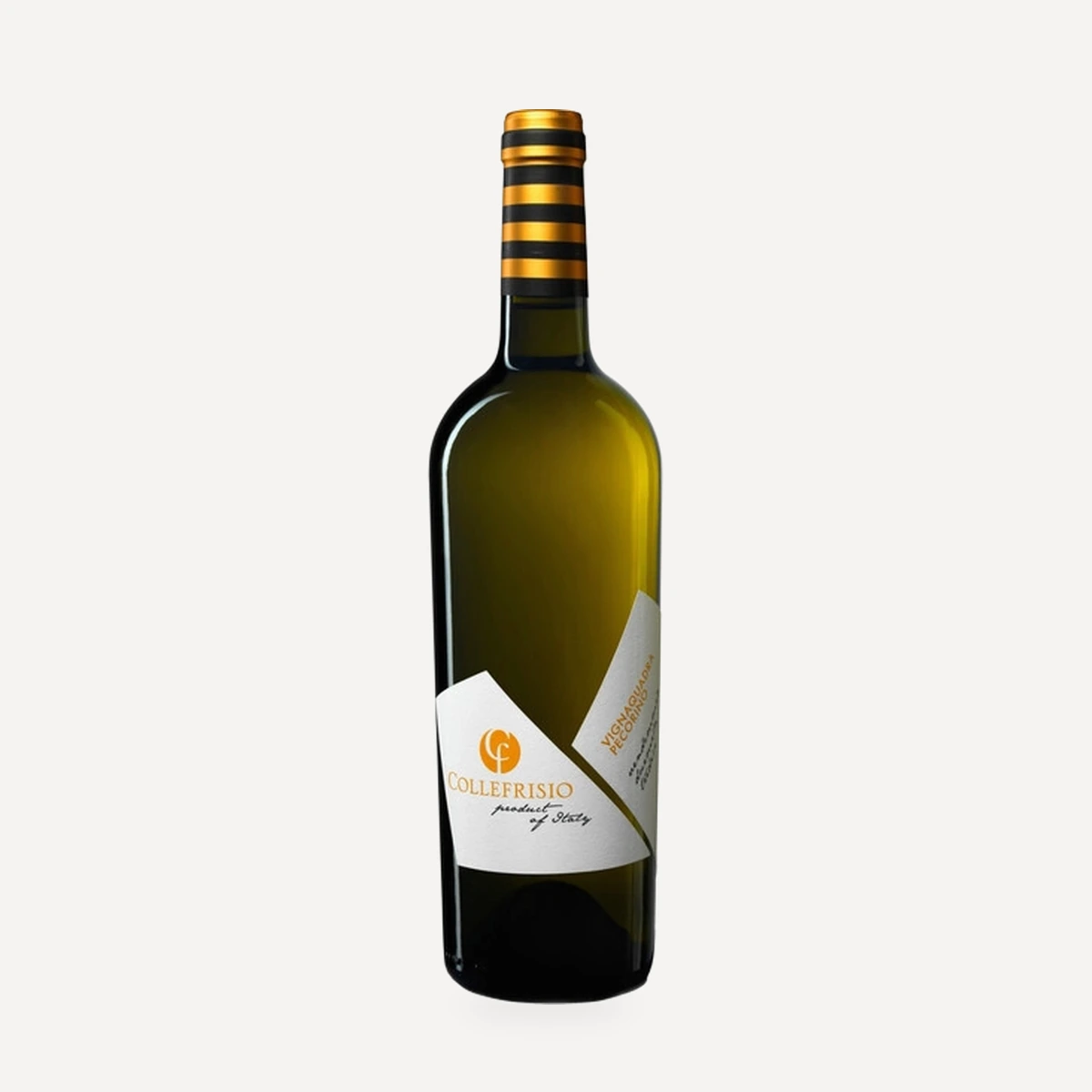
Vignaquadra Pecorino Terre di Chieti IGT