Storia
The first family vineyards
Collelceto’s family history in Montalcino began almost a century ago. Elia Palazzesi’s grandfather planted the first 2 ha of vines, establishing the vineyard base from which the estate developed.
Growth from two to eight hectares
The original vineyard holding expanded gradually from 2 ha to 8 ha. Despite this growth, the estate retained the scale and character of a small family-run winery. The vineyards continue to be cultivated with the same close attention associated with the original plantings.
Elia Palazzesi
Elia Palazzesi now carries the family project forward. He remains directly involved throughout the year, working close to the vineyards and following the process from vine care through the decisions that shape the wines. The estate now produces four wines from its 8 ha of vineyards while continuing to identify itself with its family origins and its home in Montalcino.
Organic direction
The family adopted the principles of organic farming, placing the condition of the vines, the vitality of the soil and the surrounding environment at the centre of vineyard management. Its present approach combines parcel-by-parcel observation, manual vineyard work and restrained cellar intervention.
Terroir
Collelceto lies in Montalcino at an estate elevation of 150–180 m above sea level. The vineyards face south-west and occupy alluvial ground in which gravel, sand and clay combine.
Wooded hills rise behind the property to the north, giving the vineyards natural protection. In the opposite direction, the landscape opens toward the coast. The Maestrale arrives from this side, travelling from the Maremma and moving up the Ombrone valley before crossing the vineyards. This relationship between northern shelter and maritime ventilation shapes the site’s growing conditions.
The environment encourages gradual ripening, giving the grapes time to develop balance, depth and complexity. More detailed descriptions of the grape-source areas distinguish several soil expressions within the holding: compact clay with abundant pebbles and increasing limestone at depth; potassium-rich clay retaining limited water reserves late in ripening; medium-light morainic soils with substantial coarse material and effective drainage; and medium-textured, clay-sandy alluvial soils rich in stones. Slopes associated with these source areas range from 5% to 10%.
Vinificazione
The vineyards are cultivated according to organic principles, with attention directed to vine health, soil vitality and the surrounding environment.
Work begins with close observation of each parcel. The vines, soil and weather guide the timing and extent of intervention, and nature is allowed to proceed without interference when conditions permit. The small 8 ha holding enables the family to follow individual parcels throughout the year and respond to their differing balances and characteristics.
Vineyard operations are performed by hand. Cluster thinning and foliage management are adjusted to the conditions of each parcel, with the aim of protecting the grapes and promoting slow, even and balanced ripening while respecting the rhythm of each vintage.
Sangiovese Grosso is cultivated using spurred-cordon and Guyot training. Recorded planting densities are 4,180 or 4,500 vines/ha, depending on the grape-source area.
The cellar continues the restrained, observational approach used in the vineyards. Fermentation and maturation are managed to preserve the identity of the grapes, the land and the individual vintage rather than imposing a predetermined style.
Wood is used in moderation. Large oak casks are preferred because they allow gradual, gentle maturation. Tonneaux are reserved for wines with greater structure and are employed when they can add depth and balance without obscuring the wine’s character.
The guiding objective from vineyard to bottle is to accompany what the vines have expressed and allow each wine to retain a clear connection to its origin.
Filosofia
Collelceto’s philosophy begins with the land and with Sangiovese as the means through which its Montalcino vineyards find expression. The four wines are conceived as different interpretations of one place and one family history.
In the vineyard, observation takes priority over routine intervention. Each parcel is treated according to its particular condition, and the family aims to recognise both the moment to act and the moment to allow nature to proceed. Organic principles connect this approach with care for the vines, living soil and surrounding environment.
In the cellar, the objective is to accompany rather than reshape the material produced by the vineyard. Fermentation, ageing and the restrained use of wood are intended to keep the grape, territory and character of the vintage recognisable. Large casks support gradual evolution, while tonneaux are used only where additional structure and depth can be integrated without dominating the wine.
The estate’s family identity remains central: the present 8 ha are worked with the same close attention associated with the original 2 ha planted by Elia Palazzesi’s grandfather.
Vini
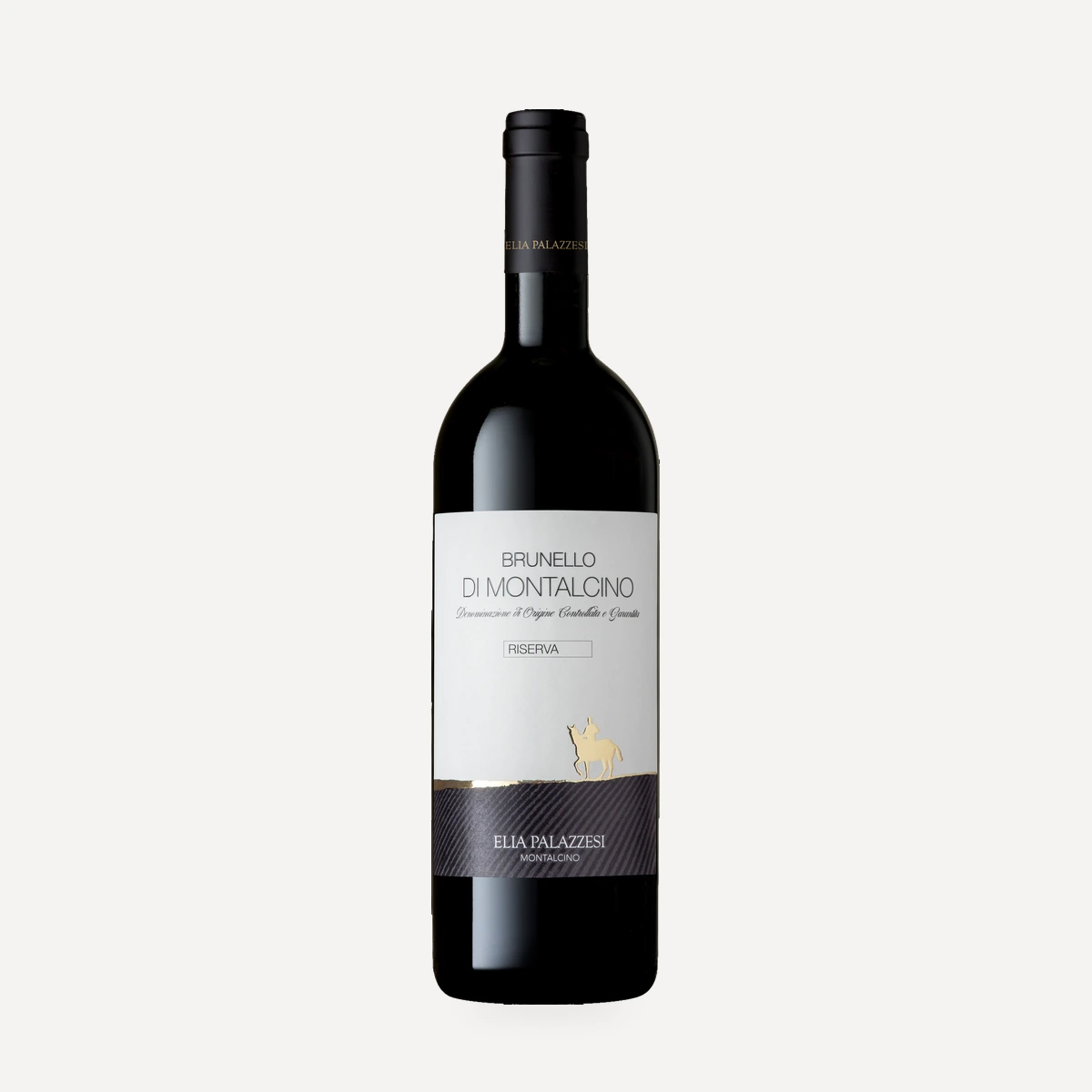
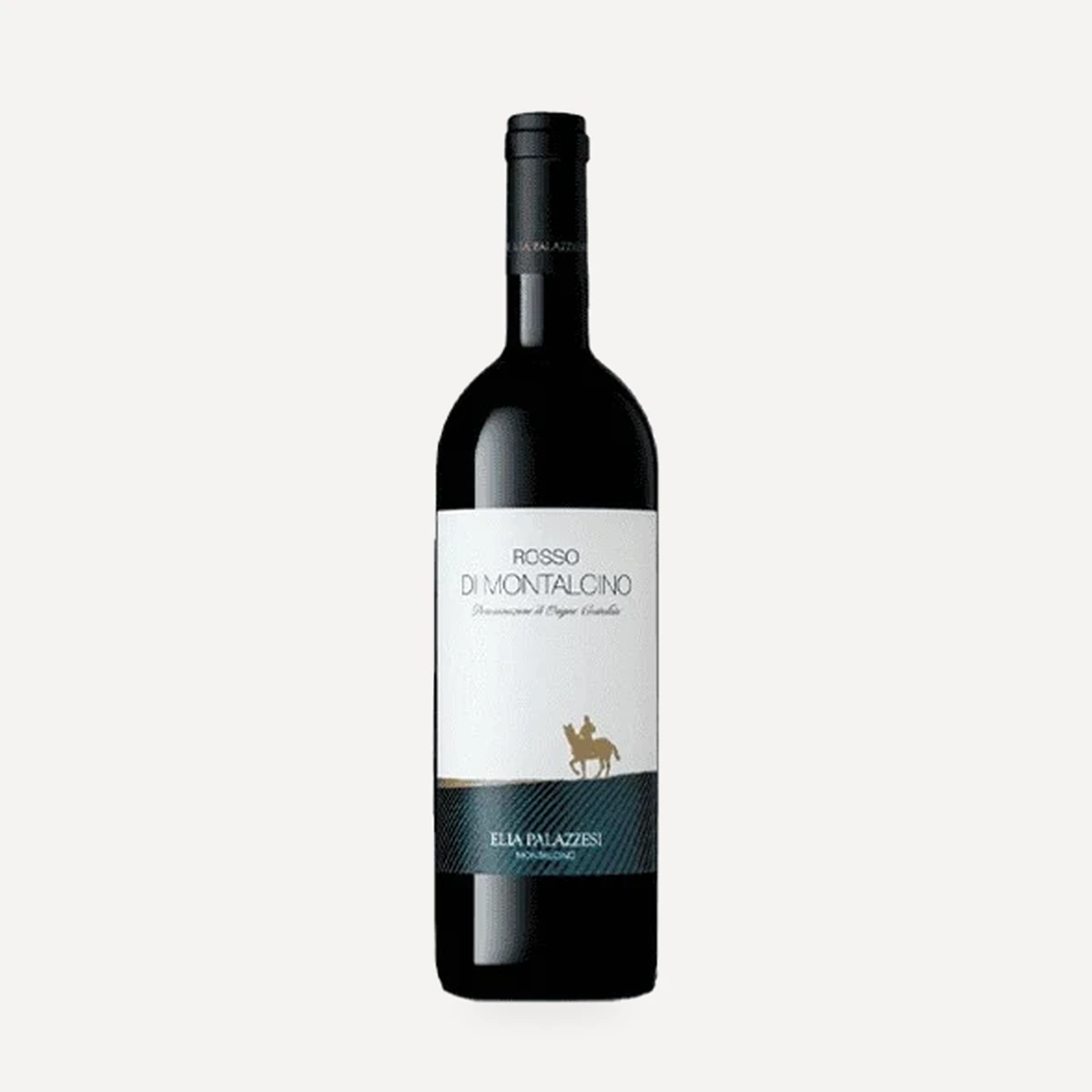
Brunello di Montalcino Riserva DOCG
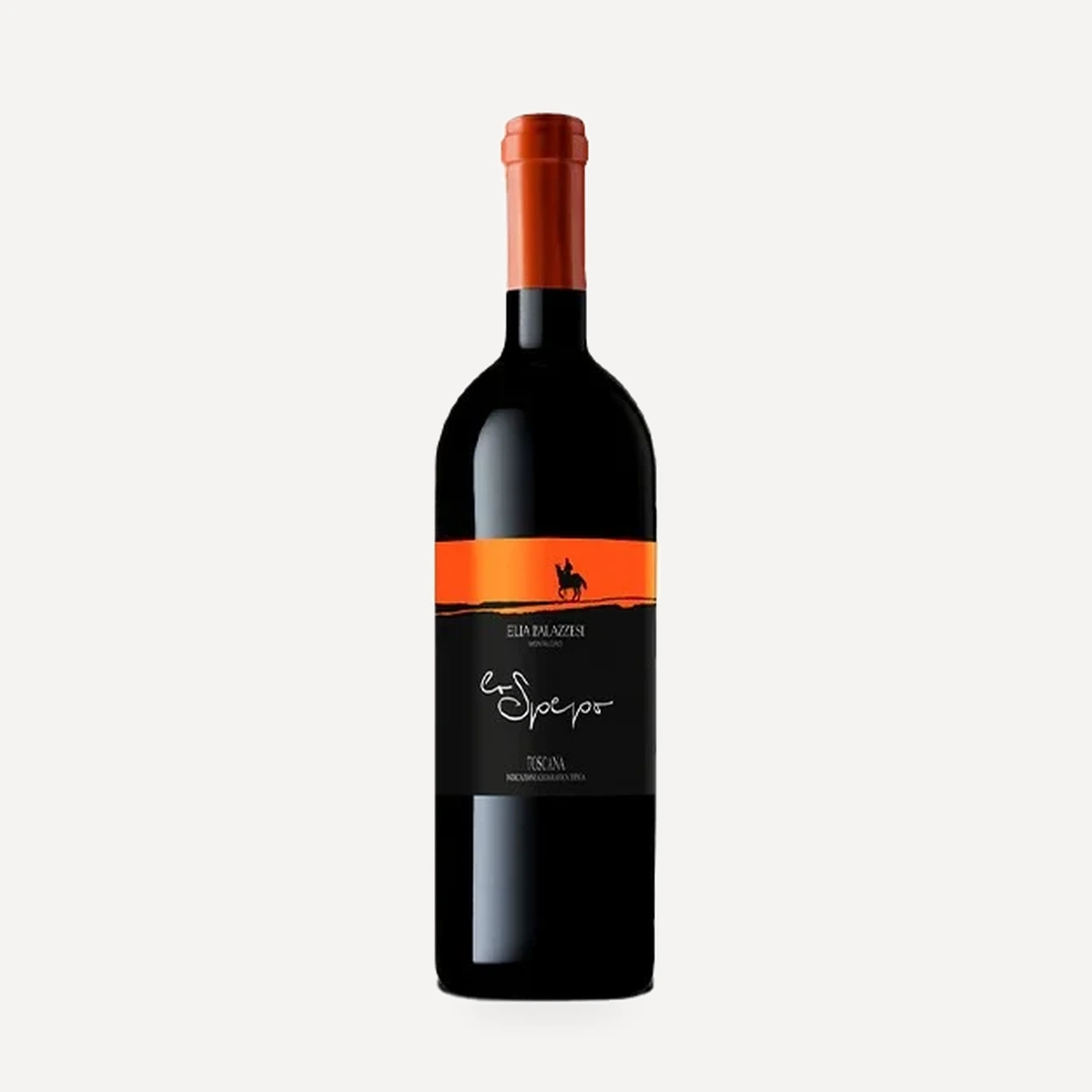
Lo Spepo IGT