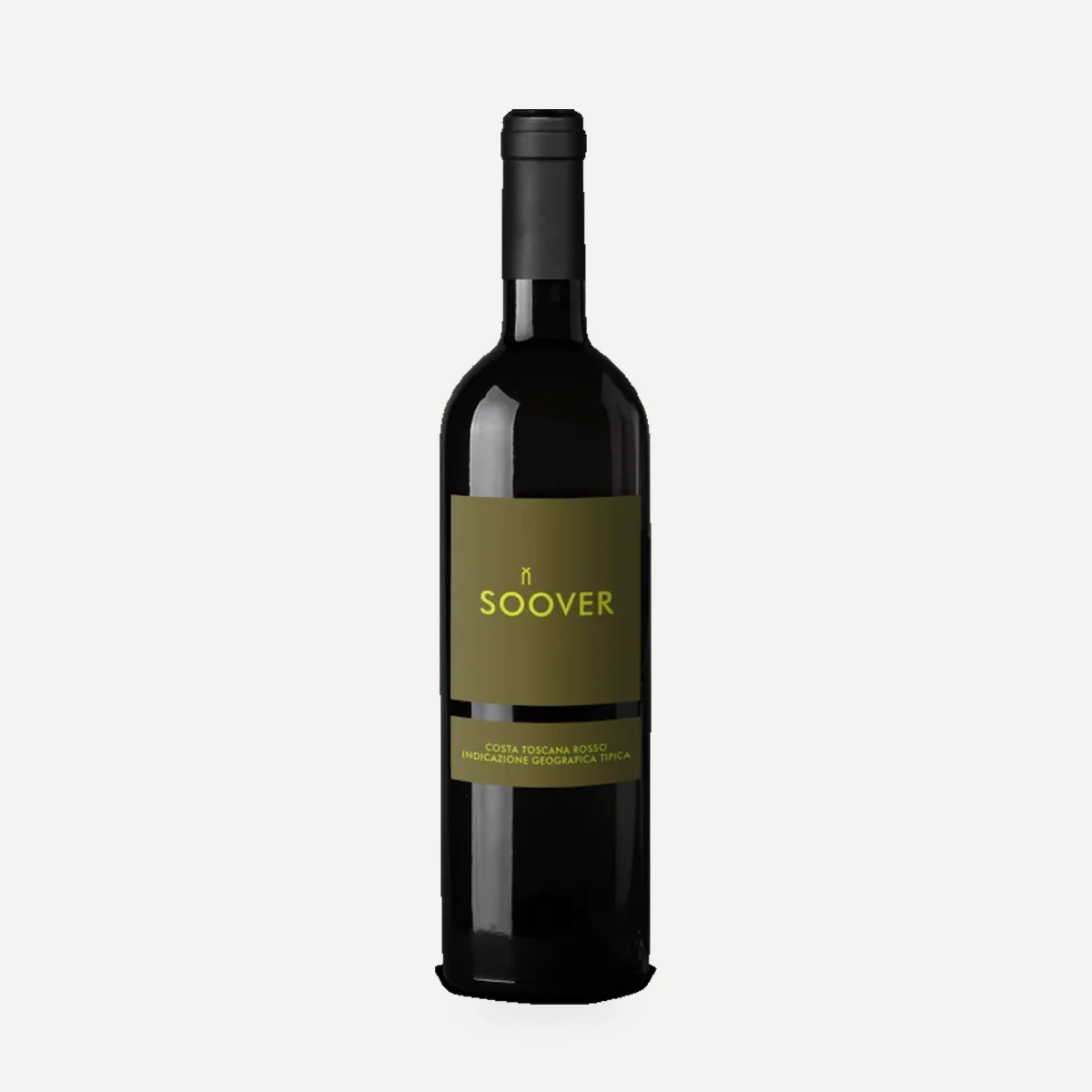
Storia
The landscape before the modern estate
Winegrowing in the area around present-day Colline di Sopra is traced back to the beginning of Etruscan civilization in the 6th century BC. Wild Vitis vinifera silvestris, presented as the ancestor of the native varieties that subsequently spread across Italy, grew in this part of Tuscany. In the 15th century, numerous vineyards replaced areas previously covered by dense woodland. A further expansion of wine production is associated with the Grand Duchy of Tuscany and, in the estate’s regional chronology, the reign of Leopold II of Lorraine in the 17th century.
2006 — foundation of the modern estate
The modern organic winery was founded in autumn 2006. Cultivation of the 20-hectare Colline di Sopra terroir also began that year. Geological study of the terroirs and consultation with local winegrowers informed both the working methods and the choice of varieties to plant.
Ulrich Ziegler’s path to Montescudaio
Ulrich Ziegler was born in Menziken, in the German-speaking Swiss canton of Aargau. In 1960, his family moved to Zurich and opened a delicatessen specializing in wine and cheese. A bottle from Neuchâtel served by his father at a family dinner sparked his ambition to study viticulture.
Ziegler studied at the Swiss Federal Institute of Technology in Zurich, graduating first in Agricultural Engineering and later in Industrial Production Engineering. His initial professional experience in wine included periods at Domaine de la Romanée-Conti and Domaine Leroy under Lalou (Marcelle) Bize-Leroy. After returning to Switzerland, he managed the beverage company Cardinal Wädenswil while also operating a Zurich wine shop. He pursued other entrepreneurial activities while continuing to follow developments in viticultural technology and methods.
2015–2016 — acquisition and a new direction
In 2015, Ziegler was offered the opportunity to buy the small Colline di Sopra winery. After visiting the property, he decided that its vineyards, landscape and location could support his ambition to combine Tuscan tradition with the skills associated with Burgundy’s master vignerons. The acquisition process began in 2015, and he assumed control at the beginning of 2016. At that point, the winery comprised five hectares of vineyards.
Under Ziegler, the project developed around organic certification, biodynamic vineyard practices, single-variety wines, stringent selection and low-intervention cellar work. The Colline di Sopra domain now encompasses a 20-hectare terroir, including 11 hectares of vineyard.
Terroir
The Colline di Sopra domain occupies a 20-hectare terroir in Montescudaio, within the sunny, breezy Cecina river valley. It lies 10 km from the sea and 15 km from Bolgheri. The surrounding hills descend toward the coast, with Volterra behind them.
The vineyards stand at approximately 120 m above sea level and face northwest and northeast. Their soils are clay-based, with abundant limestone, minerals and numerous marine fossils. The proximity of the sea, the open valley and the consistently ventilated position define the domain’s setting.
Vinificazione
Colline di Sopra follows EU organic-farming rules under ICEA certification and combines them with biodynamic methods. The vineyard is approached as a living organism rather than an isolated crop.
Soil fertility is supported through targeted multi-year sowing. Besides sustaining vine vitality, these sowings encourage beneficial insects and contribute to an integrated ecological balance. Plant-health treatments include horn silica, nettle, valerian, orange extract and milk, applied in accordance with lunar phases.
The principal crop selection occurs in spring. Only one bunch per shoot is retained, concentrating the crop in pursuit of grapes with greater mineral content and aromatic intensity. Harvest selection is performed manually and followed by optical sorting. The wider environmental program includes renewable energy and the collection and reuse of rainwater.
The cellar approach emphasizes sound fruit, indigenous fermentations and minimal manipulation. Grapes selected by hand at harvest undergo a second selection with an optical sorting machine. Only intact berries are placed in the vat.
The berries receive a cold maceration, followed by alcoholic fermentation at a maximum of 26°C. Total maceration lasts approximately 25 days. The wine is then racked and transferred to new barriques for two years. Bâtonnage is used during this stage, and maturation proceeds without sulphur.
Indigenous yeasts are used in the cellar, and the wines are bottled without filtration. The combination of stringent vineyard selection and careful fruit sorting is intended to avoid corrective manipulation and additives during vinification and maturation.
Filosofia
Colline di Sopra’s declared objective is to make high-quality single-variety wines through natural and sustainable methods. Its guiding idea is the purity of the grape from vine to glass, supported by severe crop selection rather than corrective work in the cellar.
Organic and biodynamic principles connect the vineyard, cellar and broader use of resources. The vineyard is treated as a living organism; soil fertility, beneficial insects, plant preparations and lunar timing are viewed as parts of the same system. Renewable energy and rainwater recovery extend this approach beyond the vines.
The estate links quality to respect for natural processes. Its spring crop reduction and harvest sorting are intended to deliver grapes capable of completing vinification and maturation without manipulation or additives. In stylistic terms, Ulrich Ziegler’s ambition is to bring Tuscan tradition together with knowledge drawn from Burgundy’s master vignerons.
Vini
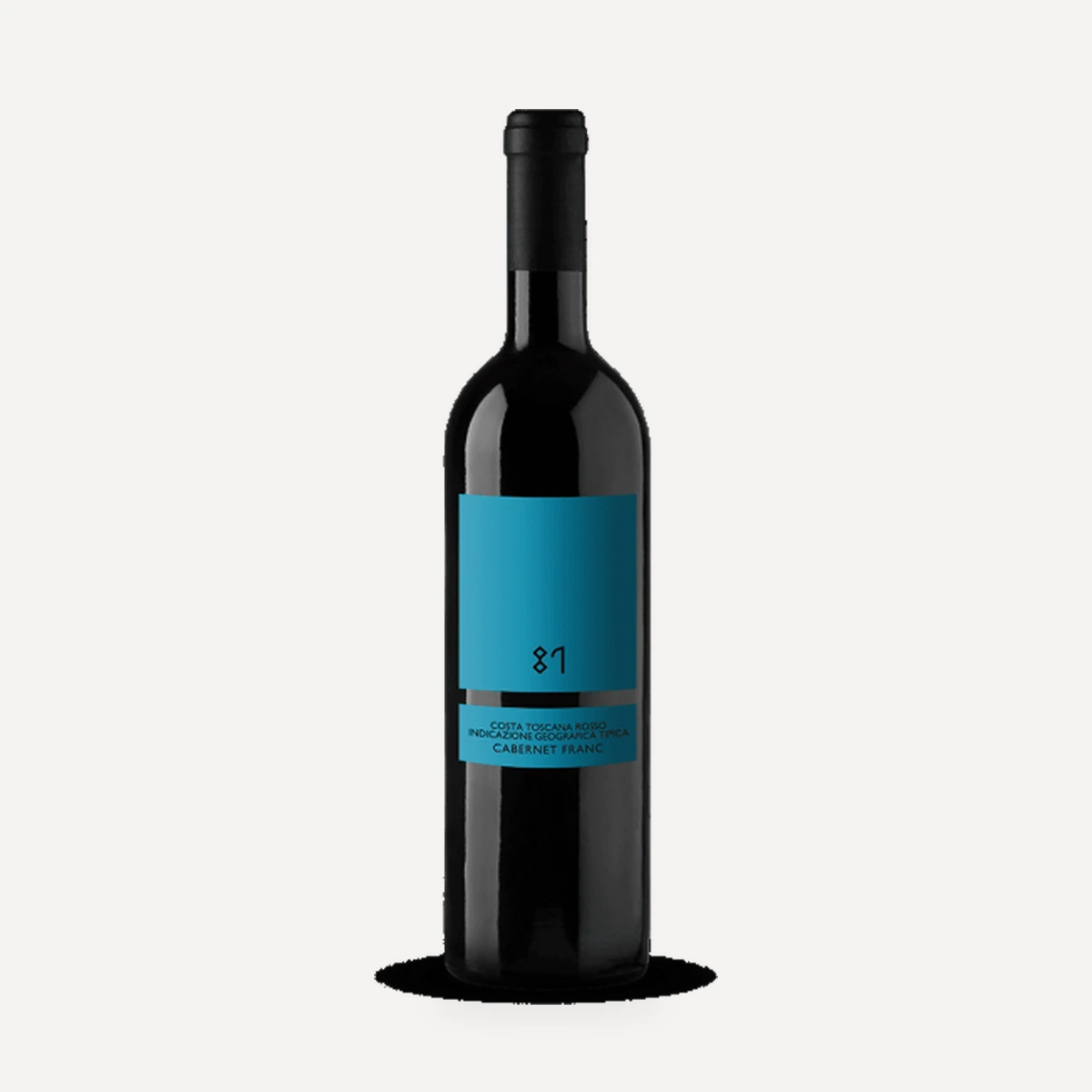
COLORI Cabernet Franc
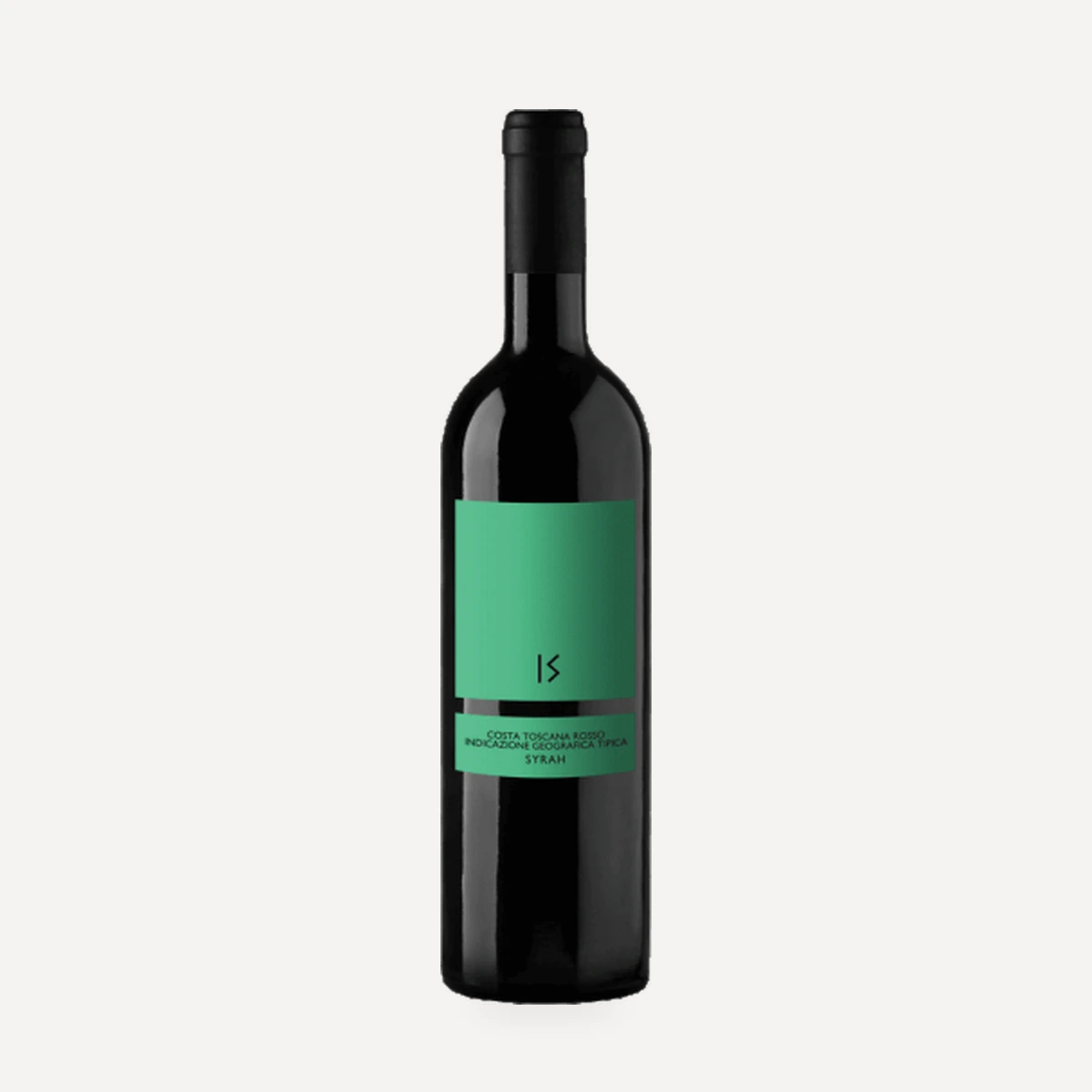
COLORI Syrah