Storia
The Loacker family’s foundations
Rainer Loacker established the family wine enterprise in South Tyrol in 1979 and immediately began converting its vineyards to organic cultivation. He discovered homeopathy the following year and introduced biodynamic methods in 1982. These principles subsequently became the common agricultural foundation of the family’s estates, including Corte Pavone in Montalcino.
The second generation
Hayo Loacker joined the management of the family estates in 1998 and assumed responsibility for their vineyards and cellars. His brothers Franz Josef and Hannes later joined him in the wider Loacker Wine Estates organization. Hayo became the enological and viticultural driving force at Corte Pavone, while Franz Josef took responsibility for sales. The family’s work in Tuscany retained the organic, biodynamic and homeopathic approach begun by Rainer.
Mapping the estate
In 2011, Corte Pavone introduced vineyard quality zones as the basis for more precise harvest planning. The estate subsequently examined approximately 70 parcels with international specialists. Highly sensitive infrared sensors were used to measure leaf chlorophyll and canopy thickness, producing maps of differing vine-vigour zones. These measurements were combined with soil analyses and continued observation of the vines.
The research led Hayo Loacker to identify seven prospective single-vineyard expressions, known collectively as the 7 Dynamic Brunello Crus. The model is deliberately dynamic: the precise micro-parcel selected for a cru is redefined for every vintage using new measurements made around harvest. Five crus have reached production—Fiore del Vento, Fior di Meliloto, Campo Marzio, Poggio Molino al Vento and Anemone al Sole—while two remain under observation.
The 2015 harvest
The 2015 growing season progressed under highly favourable conditions, and the harvest was planned in detail around the quality zones introduced in 2011. A four-to-five-day storm front associated with the remnants of Hurricane Joaquin then threatened the final 10 tonnes of Sangiovese, equivalent to approximately 7,000 bottles of Brunello. Nearly 40 workers brought two-thirds of the crop and the final 3 ha into safety before the rain.
The last grapes came from Campo Levante. Between 400 and 500 cases were collected by hand, moved by continuously operating tractors and received in the selection hall. Each load was registered by vineyard, clone and quality zone before processing. The final cases arrived at about 22:00, just as the rain began; selection and processing continued for another two hours.
First Dynamic Crus
By 2019, Corte Pavone had presented its first two Brunello crus, Fiore del Vento 2013 and Poggio Molino al Vento 2014. The project drew on Hayo’s interest in Burgundy’s treatment of individual terroirs, developed during his enology studies in Dijon. The remaining identified crus were intended to emerge progressively as their vines reached suitable maturity.
The 2017 cellar theft
During the night of 30 April–1 May 2017, four or five intruders forced open the cellar and warehouse despite the security systems. They stole a large quantity of labelled Brunello di Montalcino DOCG, a van and a company car. Approximately half of the stolen wine was the 2010 vintage prepared for shipment; the remainder comprised a substantial part of the estate library from the 1990–2001 vintages. The Carabinieri of Montalcino investigated the case.
Climatic tests in 2018
The 2018 season was unusually cool and wet. From May through July, 340 mm of rain fell—almost half the normal annual total—and a mid-June hailstorm compounded existing downy-mildew pressure. Agronomist Matteo Gentili recorded continued shoot growth, hail damage that had largely healed or dried, little acid rot, some compact bunches beginning to split and occasional uneven berry development.
Repeated vineyard monitoring and infrared vigour maps guided canopy work and harvest decisions. In Fiore del Vento, vigorous zones expanded substantially relative to 2017. Consequently, only 2,300 kg were selected for the cru, compared with almost 3,000 kg in 2017—a reduction of more than 20%. Fermentations were rapid and uncomplicated, but the wines tended toward reduction, prompting later bottling. The finished Brunelli retained freshness and lower alcohol levels.
The 2019 season
Moderate-to-heavy spring rain replenished soil-water reserves in 2019. Below-average temperatures briefly delayed budbreak, but the vines caught up from flowering onward. A hot, occasionally dry summer followed, with the vines drawing on stored water and remaining balanced and healthy. Milder conditions and widening day–night temperature differences supported final ripening. Little rain fell during harvest, permitting close observation of every cru and selection of the optimum picking time for each micro-parcel.
Terroir
Corte Pavone occupies 19 ha opposite the town of Montalcino, with vineyards at approximately 450 m above sea level. Its landscape encompasses sharply differentiated exposures, slopes, wind patterns, water-holding capacities and soil compositions.
Galestro is a defining geological element, but its proportion varies markedly. Fior di Meliloto contains the estate’s purest Galestro, combined with sand in a deep, cool and freely draining profile. Campo Marzio has the loamiest and most clay-rich soil, alongside stone, limestone and local slate. Fiore del Vento is especially stony and rich in limestone, with limited water retention. Poggio Molino al Vento has the most balanced mixture of sand, silt and clay, though its central section drains strongly. Anemone al Sole has the highest limestone component, with abundant stone and clay in a comparatively shallow profile.
The estate’s microclimates are equally varied. Fior di Meliloto is the coolest site because of its northern exposure and Tramontana winds. Anemone al Sole is the hottest and driest, exposed to strong sun and warm Scirocco winds. Poggio Molino al Vento receives sun throughout the day and constant ventilation from winds arriving from the sea. Campo Marzio lies in a protected natural amphitheatre largely surrounded by forest, producing the most stable microclimate. Fiore del Vento spans two differently oriented slopes and consequently has the most heterogeneous ripening pattern.
Corte Pavone maps these variations through infrared measurements of canopy thickness and leaf chlorophyll, soil analyses and direct observation. The resulting vigour zones are not treated as permanent boundaries: the micro-parcels selected for cru production change with the conditions of each vintage.
Vinificazione
Corte Pavone is farmed organically and biodynamically, with homeopathic preparations used as an additional tool for supporting vineyard health. Biodynamic cultivation is treated as the foundation for wines that express their origin.
Dynamic micro-parcelling
Highly sensitive infrared sensors measure leaf chlorophyll and canopy thickness across the estate. The resulting vigour maps divide vineyards into growth zones and are combined with soil analysis and direct observation. Measurements are repeated for each vintage, allowing the final cru micro-parcel and its picking date to respond to annual conditions rather than fixed boundaries.
The system also guides canopy management and disease response. In 2018, for example, the strongest zones still had insufficiently lignified shoots late in August and required cutting back. Measurements also enabled selective harvesting after heavy rain, hail and downy-mildew pressure.
Cover crops and soil management
After harvest, a spading machine opens the soil and a seed mixture tailored to each vineyard is sown. The seeds germinate before winter and develop small roots that survive the cold season. Growth resumes in warmer weather, creating flowering inter-rows that support insects and other organisms.
At peak vine growth, the cover crop is mulched and incorporated into the soil. Alternate rows are treated, with a different row sown each year. The system loosens the soil, counters mechanical compaction, releases plant-derived nitrogen as natural fertilizer, attracts pollinating bees and soil-aerating worms, supports a balance between useful and harmful insects and increases biodiversity within the vineyard monoculture.
Within the following day, biodynamic horn-manure preparation 500 is applied to the newly worked ground in the afternoon, preferably under moist conditions.
Biodynamic preparation 500
Water is heated over a wood fire in a large copper kettle. Horn manure preparation 500 is stirred rapidly until a deep vortex forms, then the direction is reversed to create chaos; this alternation continues for one hour. The dynamized solution is sprayed within two hours using a copper hand pump, at approximately 30 litres per hectare. Its intended agronomic functions are to stimulate root development and humus formation. Applications are timed between autumn and winter, particularly during the descending moon, when work is focused on roots and soil.
Homeopathic pest management
Cutworms that attack young spring buds are sought at night with headlamps and removed by hand. Broad insecticides are avoided because they would also harm beneficial insects and other vineyard organisms. The collected cutworms are counted by vineyard, burned and ground in a mortar. Their ash is dissolved in alcohol to create the mother tincture of a homeopathic nosode, which is then distributed in the vineyards as a targeted repellent.
Heat protection and biodiversity
Shade nets protect the particularly exposed vines and bunches of Anemone al Sole from strong sunlight and warm, drying Scirocco winds. Wild herbs, flowers, bees, insects and the estate’s cats form part of the living vineyard environment presented to visitors.
Corte Pavone follows a low-intervention cellar approach designed to retain freshness, drinkability, tension, character and longevity. Unnecessary additives are avoided.
Reception and selection
Harvest lots are handled separately by vineyard of origin, clone and infrared-defined quality zone. Grapes are collected in cases and selected by hand before processing. The exact cru selection changes by vintage according to measurements and ripeness.
Fermentation
The wines ferment with yeasts originating in the estate vineyards. Fermentation is not left entirely unmanaged: selected grapes are harvested early to prepare a pied de cuve. Naturally present yeasts, grape sugar and warmth initiate this starter, which is then used to inoculate the remaining musts promptly. Fine lees continue to contribute during maturation.
Maceration length is adapted to grape variety, selection and vintage rather than set by a single formula. Malolactic fermentation is considered part of establishing microbial stability. The 2018 Brunelli fermented quickly and easily but tended toward reduction, so bottling was delayed.
Maturation vessels
Steel and wood are complemented by concrete and baked-clay terracotta, materials used by the Loacker family for almost two decades. Alternating among these vessels is intended to bring balance and composure to the wines.
The Dynamic Crus receive site-specific élevage. Fiore del Vento relies principally on used oak so that wood does not obscure its saline, mineral character. Fior di Meliloto receives a particularly restrained oak influence. Campo Marzio combines new and used oak. Poggio Molino al Vento can use large wooden casks because of its greater volume, supplemented according to vintage by smaller new and used vessels. Anemone al Sole principally uses new, small oak vessels of no more than 700 litres because of its concentrated fruit and limited quantity. The crus may be finished in terracotta or concrete.
Stabilization, sulfur and bottling
Fining or filtration is used when required to ensure that wines remain stable during storage and transport. The balance between filtration and sulfur is decided wine by wine according to acidity, pH, completion of malolactic fermentation, intended cellar ageing and climatic conditions. Wines with sufficient intrinsic stability can be bottled unfiltered or with light filtration and little sulfur; less stable lots are filtered and receive sulfur to protect longevity.
Across the wider Loacker range, total sulfur generally falls between 50 and 90 mg/l. Rosso di Montalcino and Brunello di Montalcino retain natural-cork closures, while eligible wines in the family portfolio may use VinoLok glass stoppers.
Filosofia
Corte Pavone treats the vineyard as the starting point of natural wine. Biodynamic farming, homeopathy, soil vitality and close observation are intended to help the vine interact with its environment and transmit that relationship into the fruit.
The estate’s Dynamic Crus question the assumption that the best grapes must come from precisely the same fixed boundaries every year. Microclimate, water availability and vine growth change with the vintage; the final cru selection therefore changes with them. Tradition remains important, but it is paired with infrared mapping, detailed soil study and continuous field observation.
Hayo Loacker’s objective is to produce wines naturally while preserving freshness, drinkability, tension, character and longevity. Intervention in the cellar is kept as limited as the condition of each wine permits, but stability for ageing and transport remains essential. Fermentation, maceration, filtration and sulfur are therefore adjusted rather than governed by an absolute non-intervention formula.
Environmental measures extend beyond the vineyard. Corte Pavone uses electricity from renewable resources supplied by FORGREEN, labels are printed on FSC-certified paper, glass or natural cork is selected for closures, and resources are used sparingly. The wines are made without unnecessary additives.
As a family, the Loackers define their common direction as making wines that do not follow trends. Enjoyment is also central: wine is presented as a connection among landscape, farming, craftsmanship, time, food and shared experience.
Vini
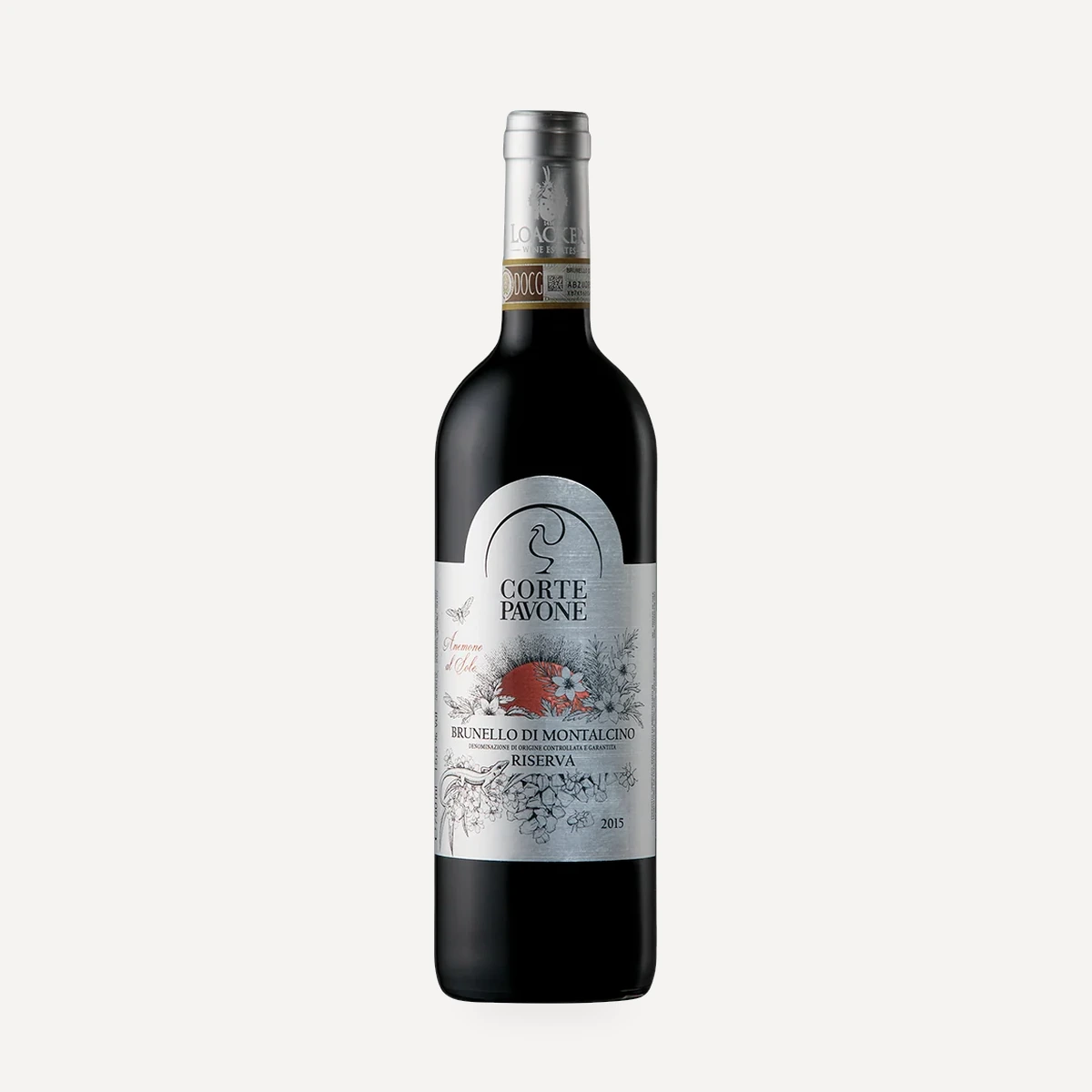
Brunello di Montalcino Anemone al Sole Riserva
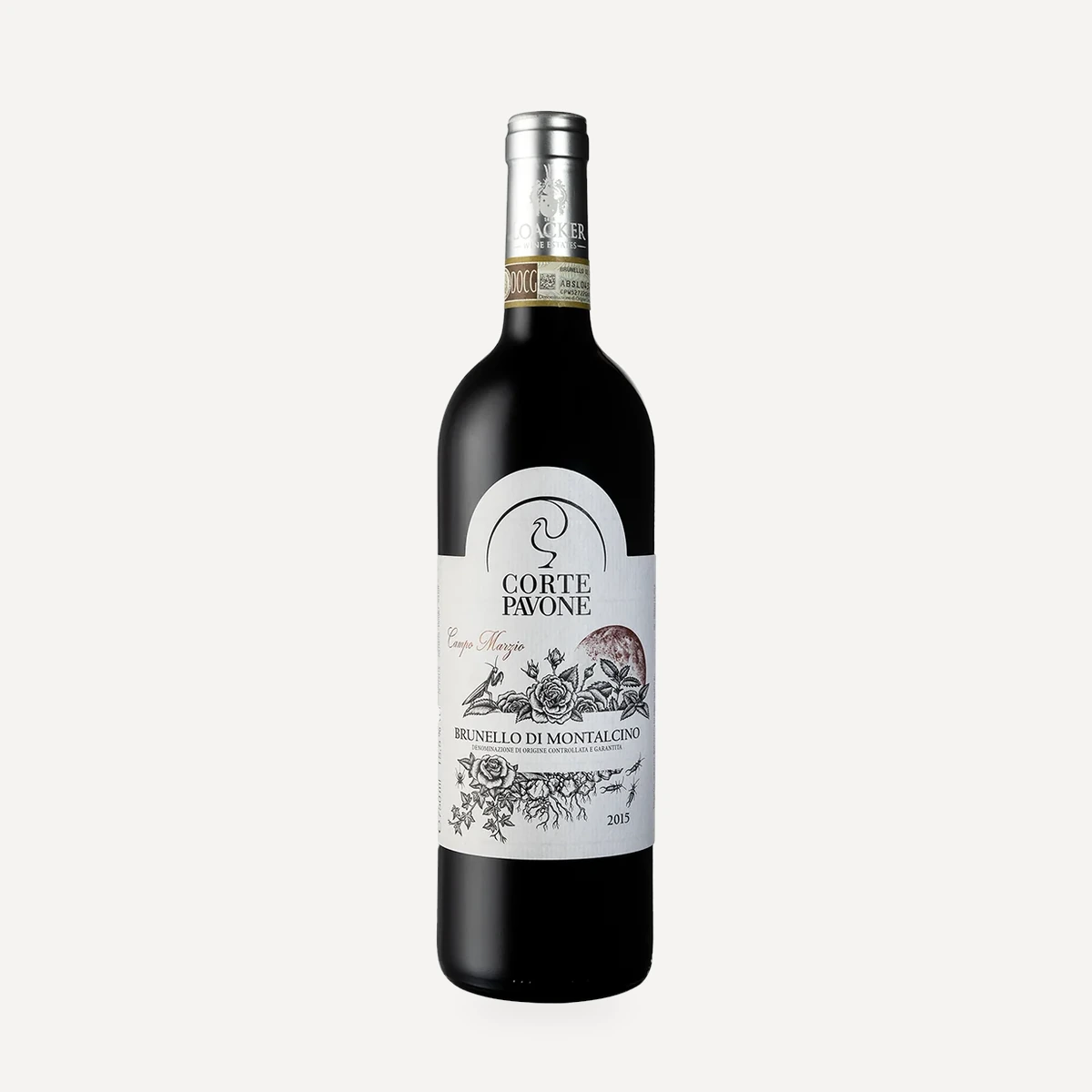
Brunello di Montalcino Campo Marzio
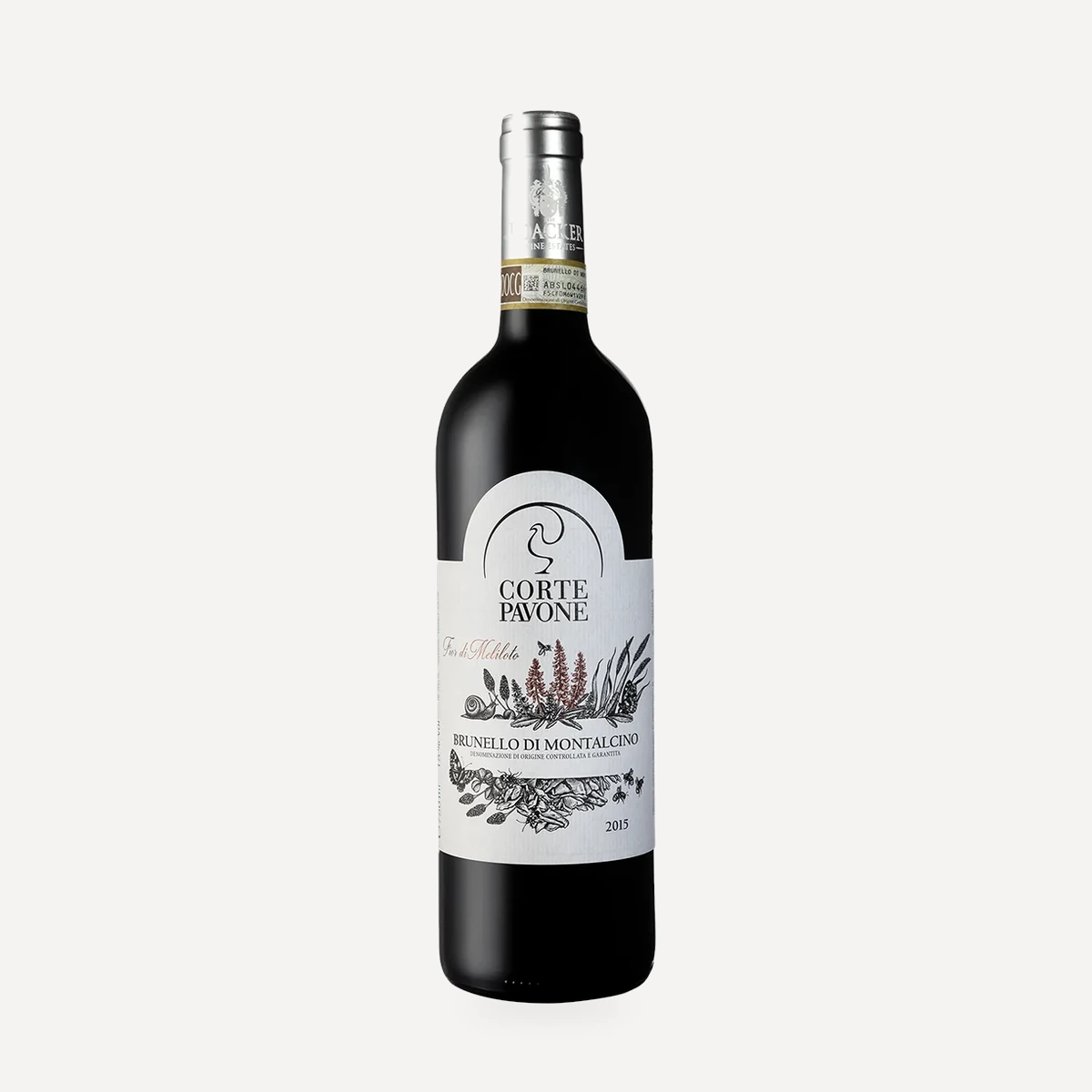
Brunello di Montalcino Fior di Meliloto
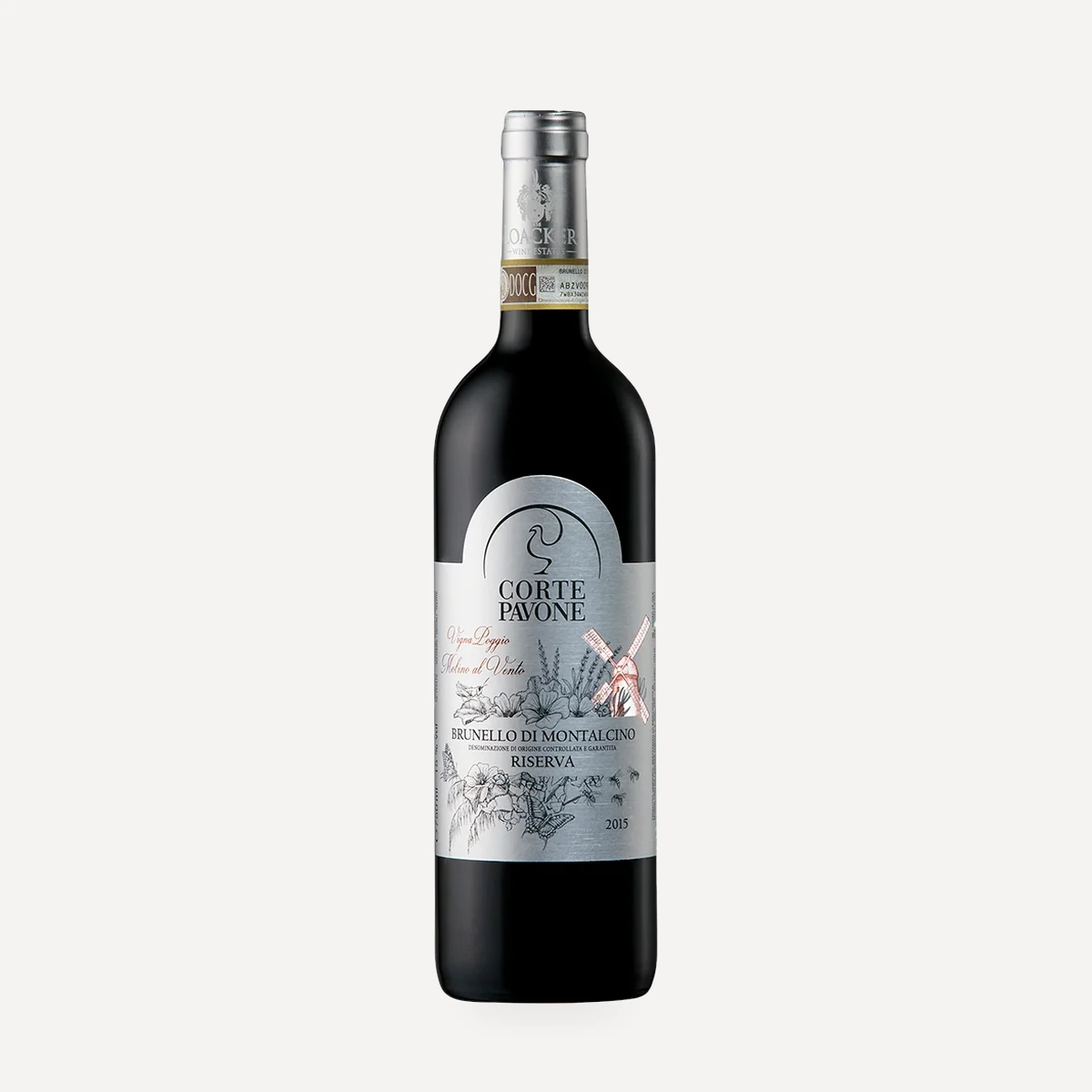
Brunello di Montalcino Vigna Poggio Molino al Vento Riserva
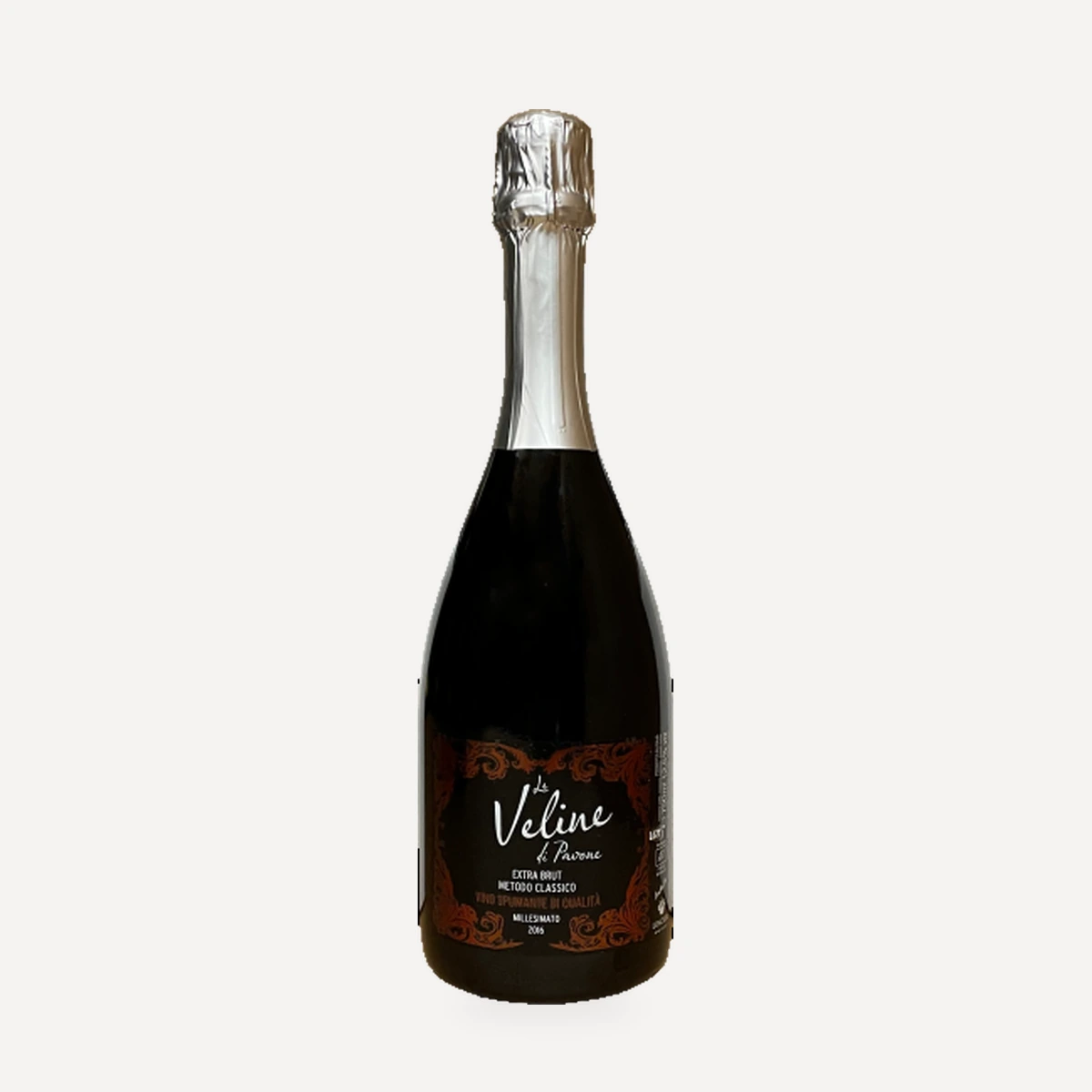
Le Veline di Pavone Spumante di Qualità Extra Brut
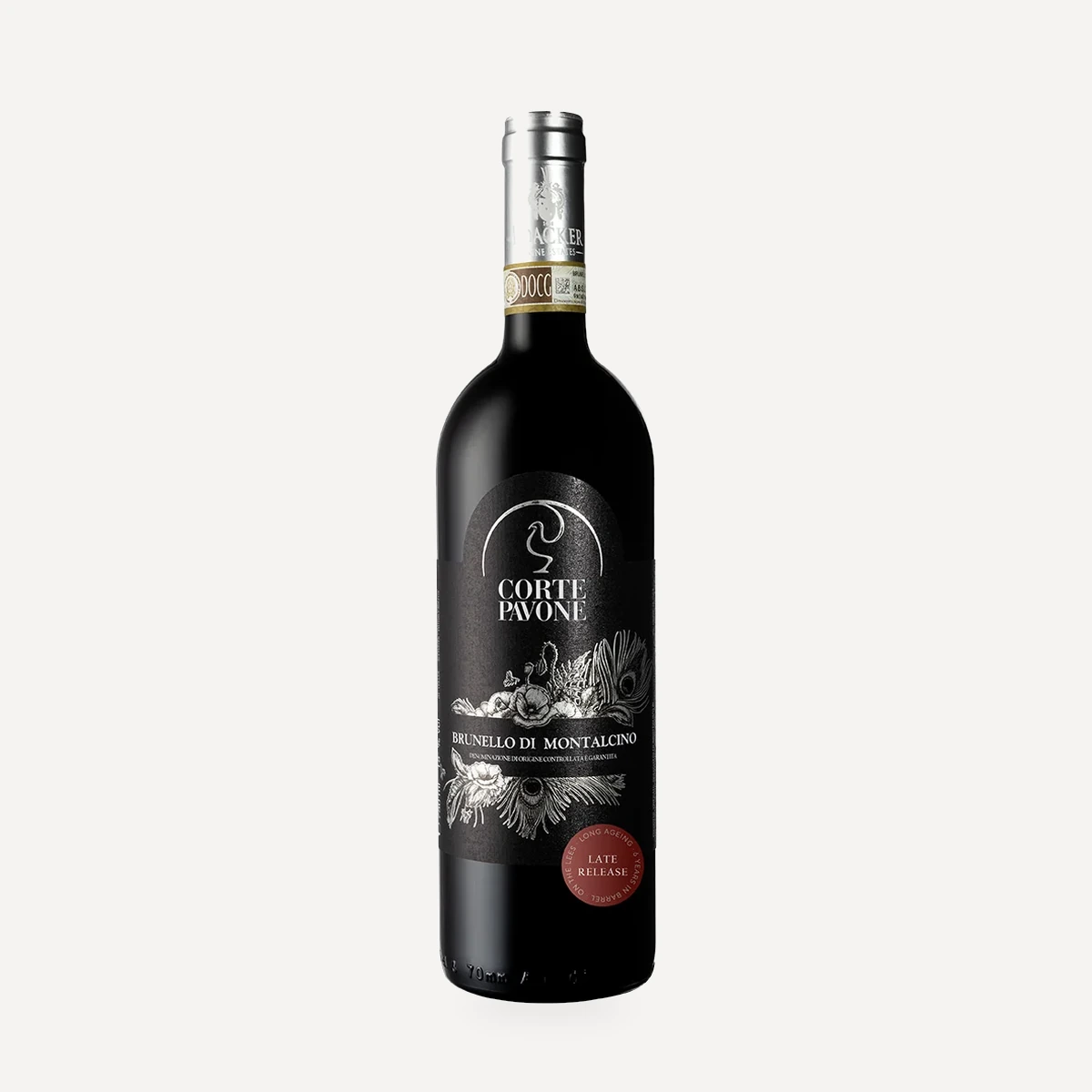
Brunello di Montalcino 2014 "Late Release"
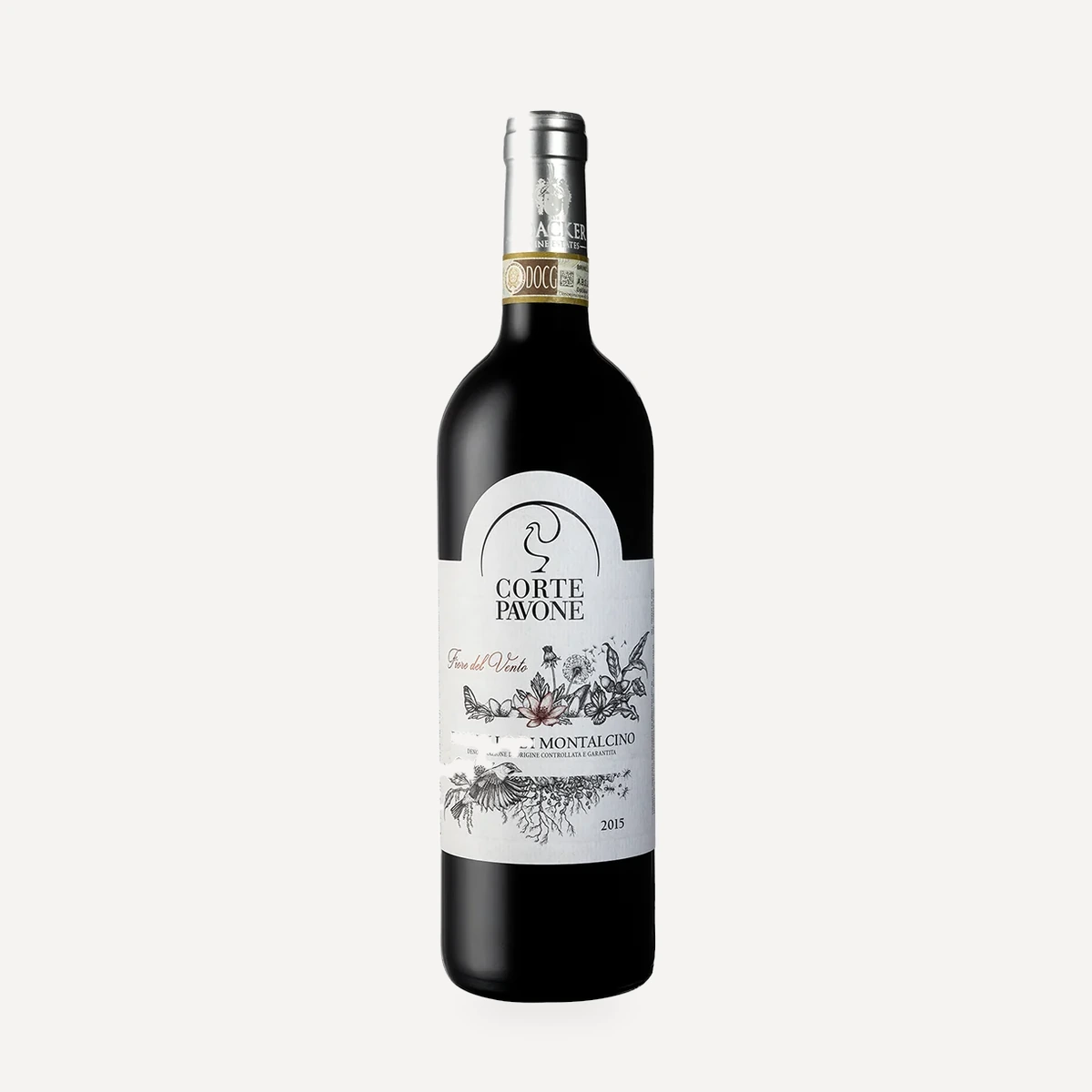
Brunello di Montalcino Fiore del Vento
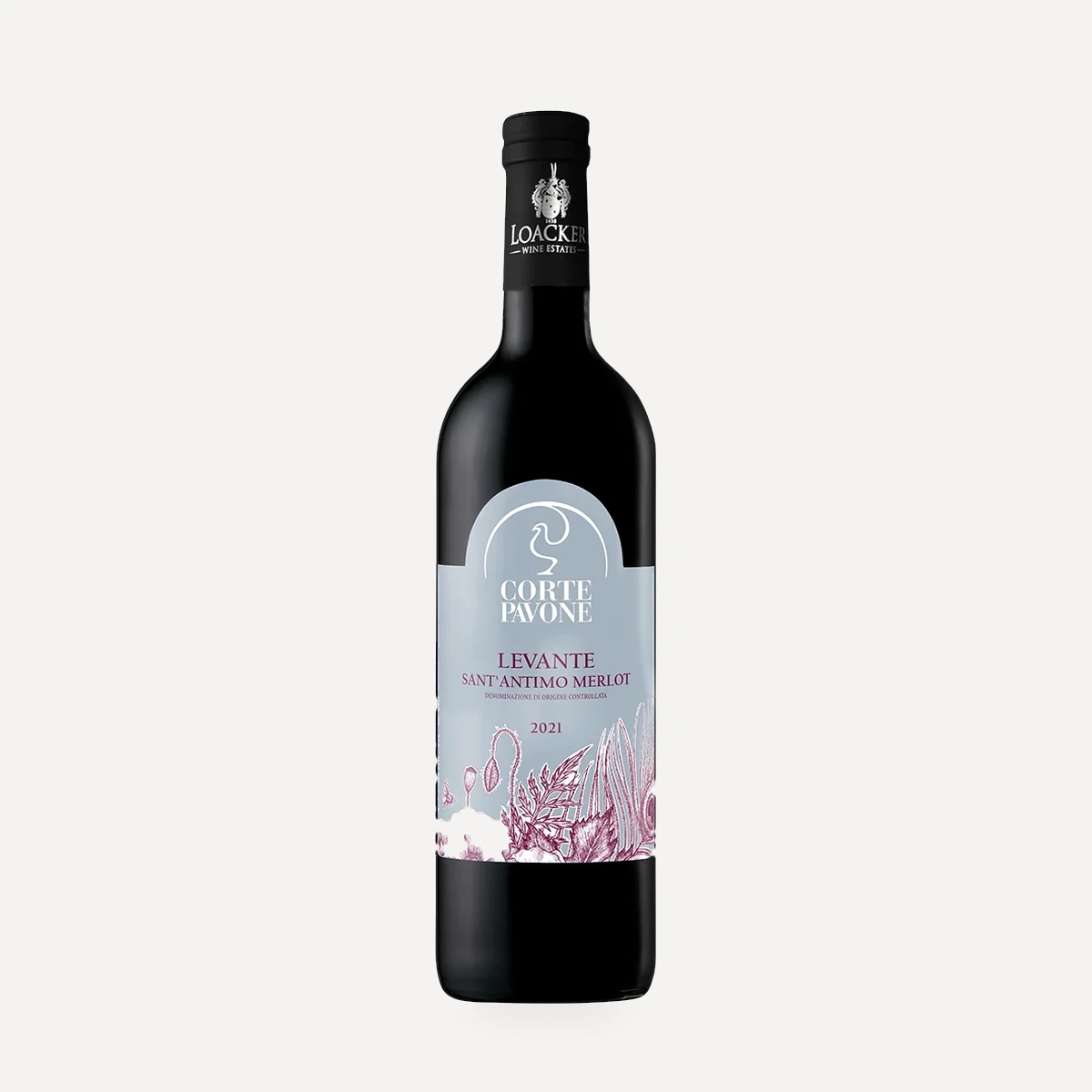
Levante Merlot
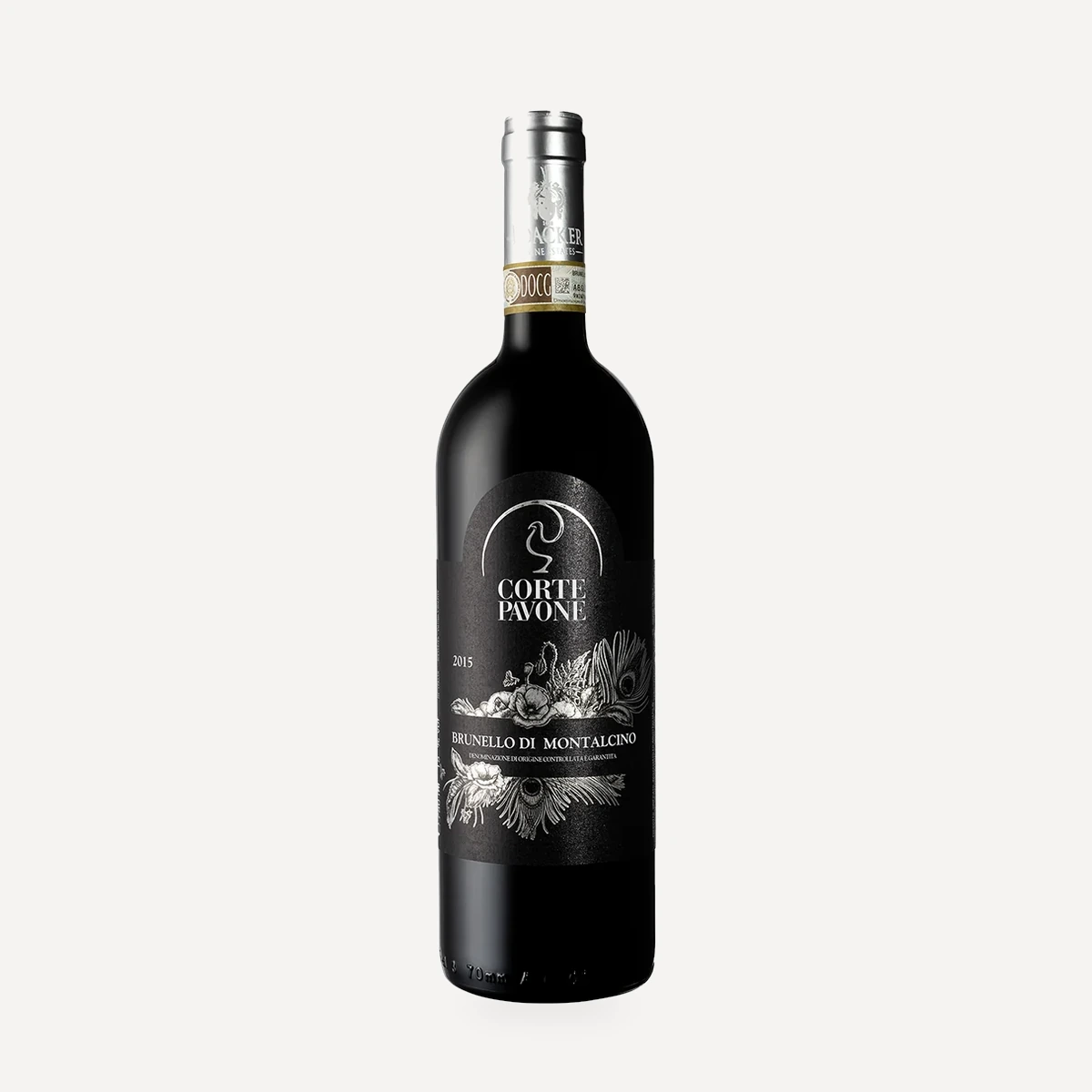
Brunello di Montalcino
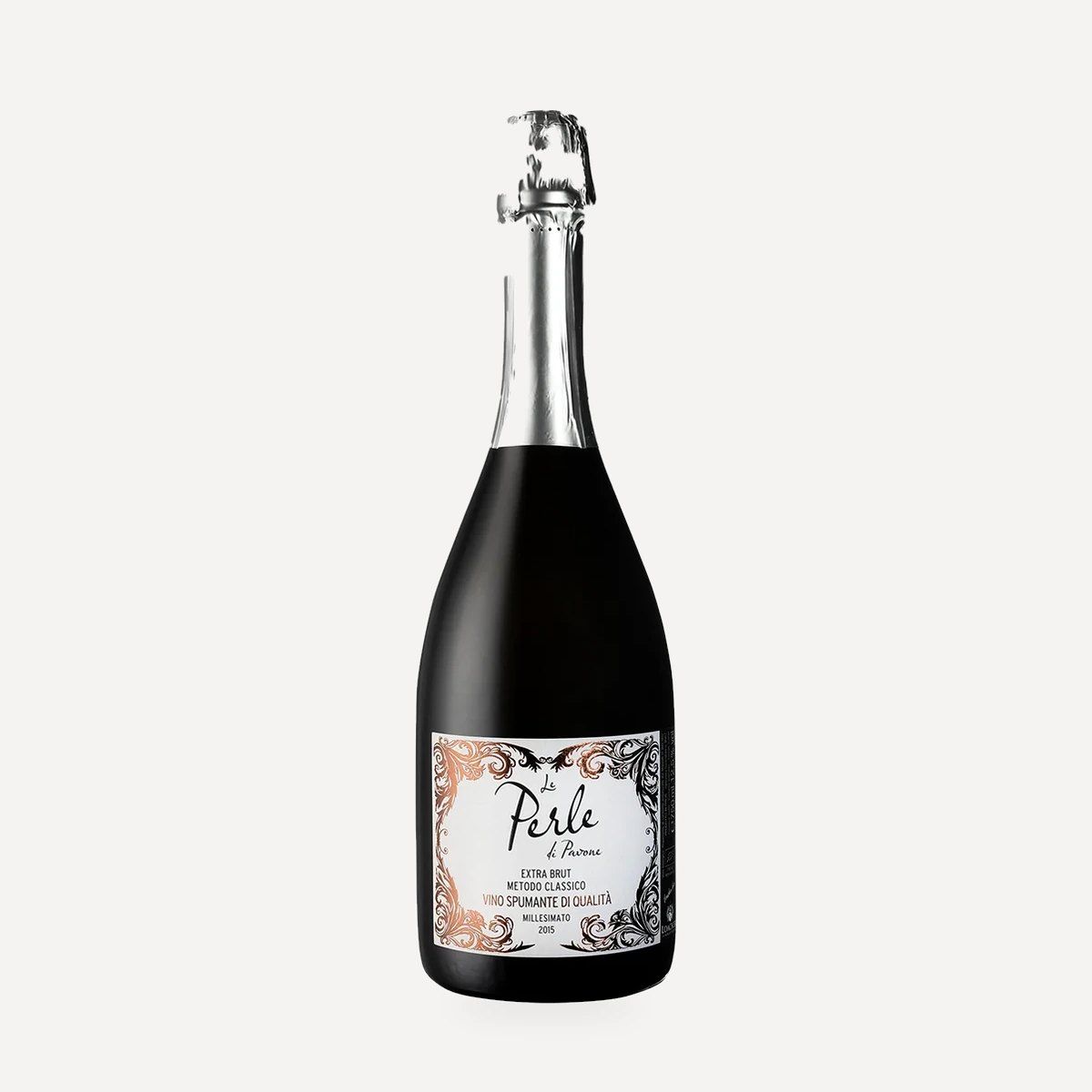
Le Perle di Pavone Spumante di Qualità Extra Brut