Storia
The first family cellar
The Cotarella family’s connection with wine began in the 1960s. Antonio and Domenico Cotarella were winegrowers in the countryside around Monterubiaglio, on the border between Umbria and Lazio, where they built the family’s first cellar for making wine from their own grapes.
Falesco and the recovery of local varieties
In 1979, brothers Renzo and Riccardo Cotarella founded Azienda Vinicola Falesco at Montefiascone in northern Lazio. Their objective was to recover and enhance the area’s historic grape varieties. Research and experimentation became defining elements of the business. After years of work with Roscetto, production of Poggio dei Gelsi began in 1989 as a selected Est! Est!! Est!!! di Montefiascone. In 1990, the family began concentrating on a particular Merlot clone; this work led to the first Montiano vintage in 1993. A research programme devoted to Roscetto continued for approximately twenty years and eventually produced Ferentano, conceived to demonstrate the variety’s potential.
Expansion into Umbria
In 1999, Falesco acquired Azienda Agricola Marciliano, an estate of approximately 260 ha on the hills south of Orvieto, within the communes of Montecchio and Baschi. The acquisition supplied the vineyards for Marciliano and became the location of the family’s new Umbrian winery. The company subsequently introduced Tellus Syrah. In 2009, the thirtieth anniversary of Falesco was marked by the first production of Trentanni, an Umbrian red created for the occasion.
Research, education and international activity
Riccardo Cotarella was appointed president of the scientific committee responsible for the VINO – A Taste of Italy pavilion at Expo Milano 2015. Research on Syrah produced Ogrà, named for the founders’ paternal grandmother, Maria Grazia. The Enos project was also created to deepen public knowledge of particular grape varieties through focused tasting programmes. Montiano’s twentieth anniversary was celebrated with a vertical tasting at Kiton’s New York boutique, pairing the vintages with Italian design as an expression of Made in Italy.
The third generation and Famiglia Cotarella
In December 2016, Dominga, Marta and Enrica Cotarella—the daughters of Riccardo and Renzo—officially assumed leadership. The brand architecture was redesigned to place the family name at its centre, and the business became Famiglia Cotarella. The new generation also developed Liaison, a distribution project connecting the company with selected small maisons and producers.
The acquisition of Azienda Agricola Le Macioche brought the family into Montalcino and the Brunello di Montalcino territory. The nineteenth-century agricultural residence and winery at the estate were subsequently renovated for production and hospitality.
On 17 December 2017, Intrecci opened at Castiglione in Teverina as an advanced academy for dining-room service and hospitality. Its programme combines technical preparation with managerial skills, warmth and empathy.
Social projects
For the tenth anniversary of Tellus Syrah, the 2016 vintage was released in Italy with nine labels designed by children. Part of the proceeds was donated to IRIS, the association for prevention, treatment and research in gynaecological oncology at Rome’s Policlinico Gemelli. Fattoria Tellus was later inaugurated as an inclusive educational farm for children and families, with a teaching garden, animals, sensory workshops and outdoor sport.
Fondazione Cotarella was established by Dominga, Marta and Enrica to support people and families affected by eating disorders, combining education, professional training, cultural activity and experiential workshops. From 2022, Tellus Chardonnay and Tellus Syrah adopted the purple-ribbon presentation associated with the campaign against eating disorders, with part of the proceeds supporting the foundation’s work and related organizations.
Corporate reorganization and certified sustainability
On 1 April 2024, the group created Domenico Cotarella Società Agricola S.r.l. to separate agricultural and production functions from commercial activity. The new company assumed responsibility for agriculture, winemaking and bottling at Montecchio. Famiglia Cotarella S.r.l. retained commercial and distribution operations and the production and winemaking activities at Montefiascone.
The sustainability management system of Famiglia Cotarella S.r.l. received its first Equalitas Sustainable Organization certification on 17 October 2024. The certified scope encompasses still-wine and Charmat sparkling-wine activities at Montefiascone and storage, maturation, ageing and bottling at Montecchio.
Terroir
Lazio: Montefiascone and Lake Bolsena
At Montefiascone, vineyard-covered slopes descend gently from the rim of the volcanic caldera toward the Tiber valley and the Viterbo plain. A broad circular basin opens toward Lake Bolsena. Its exposure, fertile and well-drained clay-altered soils, mineral content—particularly potassium—and combined moisture and temperature conditions create a naturally sheltered growing environment.
The area retains historic vineyards trained to living maple supports, a practice associated with Etruscan viticulture. Ancient local grapes include Procanico, a local ecotype of Trebbiano Toscano, Malvasia Lunga, Trebbiano Giallo and Roscetto, a Lazio variety belonging to the diverse Greco family. The climate is mild, rainy in winter and hot in summer, with pronounced day-to-night temperature changes.
Around Lake Bolsena, vines occupy the hills forming the lake’s surrounding basin. The land falls relatively quickly from elevations of 500–600 m toward the water. The soils contain little coarse skeletal material, are loose in texture and are rich in potassium and phosphorus. These conditions are associated with Aleatico. Distance from the sea, varied relief and changes in altitude create multiple climatic expressions: higher sites are cool-temperate, with frequent precipitation and occasional snow, while plains and lower hills have a temperate Mediterranean-continental climate. Strong diurnal temperature variation assists ripening and helps limit bunch rot during late harvests.
Lazio and the Tiber corridor
In the Castiglione in Teverina–Civitella area, soils are generally sandy-clayey and often contain abundant stones. Higher sites derive from marl-sandstone matrices and contain more clay and limestone. At Marcigliano, on the Umbrian side of the Tiber, Pleistocene marine clays dominate; at Pompigliano, on the Lazio side, coarse Quaternary alluvial terraces are more prominent.
Umbria: Montecchio and Baschi
The principal winegrowing zone in the province of Terni lies near the meeting point of the Paglia stream and the Tiber. The upper Tiber valley combines distinctive position, morphology and lithology. Vineyard soils are shallow to moderately deep, with a moderate coarse fraction and textures ranging from loam to silty loam and clay loam. The area contains numerous microclimates. Winters are very cold and summers very hot, though nearby Lake Corbara provides some moderation.
Tuscany: Montalcino
The Montalcino estate lies south-southeast of the town, a few kilometres from the Abbazia di Sant’Antimo. The Brunello zone contains varied soils despite its relatively compact area, including galestro, palombini, clay and lacustrine and marine sands. Its climate is Mediterranean with continental characteristics because the area lies between the sea and the central Apennines. The combination of geological diversity and local topoclimates gives distinct expressions to Sangiovese.
Vinificazione
Viticulture is managed through a sustainability system that covers the group’s agricultural and winery activities. Practices are directed toward environmental protection and the enhancement of indigenous varieties, particularly Roscetto, Aleatico and Trebbiano.
Vineyard selection is based on pedoclimatic suitability. The production policy calls for limiting yield per vine while managing yield per hectare through bunch thinning, then matching the resulting grapes to specific winemaking techniques. Scientific methods, experimentation and advanced technology are applied from cultivation through vinification.
Use of plant-protection products and fertilizers is monitored, with progressive reduction intended to limit effects on soil, water and biodiversity. In 2025, the group used 1,704 kg of solid and 1,961 L of liquid plant-protection products, compared with 2,164 kg and 2,471 L respectively in 2024. Fertilizer use in 2025 totalled 476.62 quintals of solid products and 780 L of liquids. The 2026 improvement programme calls for further optimization, checks on application equipment and continuous environmental monitoring.
The agricultural approach is sustainable but is not presented as certified organic or biodynamic. The integrated management system includes Equalitas sustainability requirements, occupational-health and safety controls and IFS food-safety requirements for Domenico Cotarella Società Agricola.
The group operates two principal facilities. At S.S. Cassia Nord, Montefiascone, the certified activities comprise vinification, storage and maturation of still wines, together with vinification, second fermentation and bottling of Charmat-method sparkling wines. At Località San Pietro, Montecchio, operations cover storage, maturation, ageing and bottling of still wines. Since the 2024 reorganization, Domenico Cotarella Società Agricola has managed agricultural production, winemaking and bottling at Montecchio, while Famiglia Cotarella S.r.l. has retained production and vinification at Montefiascone and the group’s commercial activity.
Production is governed by an integrated quality, food-safety, sustainability and workplace-safety system. The stated approach combines vineyard and soil selection, low yields per vine, bunch thinning, specific winemaking methods, product traceability and control of all business processes. Annual objectives include adherence to winemaking protocols and operating instructions, zero non-conformities for sulphur-dioxide limits at bottling, zero detectable milk- or egg-derived residues above 0.25 mg/L, and zero microbiological exceedances on bottling controls.
Estate vineyards produced 1,072,086 L of wine in 2025: 387,436 L through Famiglia Cotarella and 684,650 L through Domenico Cotarella Società Agricola. A further 815,356 L was purchased, including transactions between the group companies. External wine is sourced exclusively in Italy, predominantly from Umbria and Lazio, with suppliers selected against the group’s quality requirements.
In 2025, bottling operations used 1,747,453 bottles with an average weight of 461.5 g, down from 471.62 g in 2024. Closures comprised 774,048 natural-cork stoppers and 951,338 agglomerated-cork stoppers. Cleaning and sanitation of the Montecchio and Montefiascone cellars principally use caustic soda and citric acid.
A 350 kWp photovoltaic installation is planned for connection during 2026, targeting annual generation of 416,000 kWh and self-consumption above 60%. Further goals include reducing cellar water consumption by 5% relative to production volume and reducing average bottle weight by at least 5%.
Filosofia
Famiglia Cotarella treats philosophy as the framework behind operational decisions rather than as a collection of slogans. Its declared pillars are attachment to family roots, culture as a continuous exchange, research, curiosity, a willingness to innovate, passion for the work, listening and sharing.
The productive philosophy combines three ideas. Territory means selecting sites with suitable pedoclimatic conditions and continuously studying the terroirs of Lazio and Umbria. Scientific method means applying research, experimentation and advanced techniques in both the vineyard and winery to renew local wine traditions. Dynamism means moving continuously between the family’s roots and the future, investigating the potential of each territory and making wines intended to express its particular characteristics.
The corporate mission links quality with food safety, sustainability, workplace safety and respect for employees. Production is intended to remain anchored to the historic winegrowing vocation of each territory, pursue the full qualitative potential of the fruit and produce wines characterized by structure, character, softness and elegance.
Sustainability is defined as the integration of environmental protection, efficient use of resources, ethical and social management, workplace health and safety, gender equality and the creation of sufficient economic value to support further investment. Riccardo Cotarella characterizes the vineyard as life, memory, emotion, passion and enthusiasm; Renzo Cotarella’s guiding principle is to alter as little as possible what nature makes available.
Vini
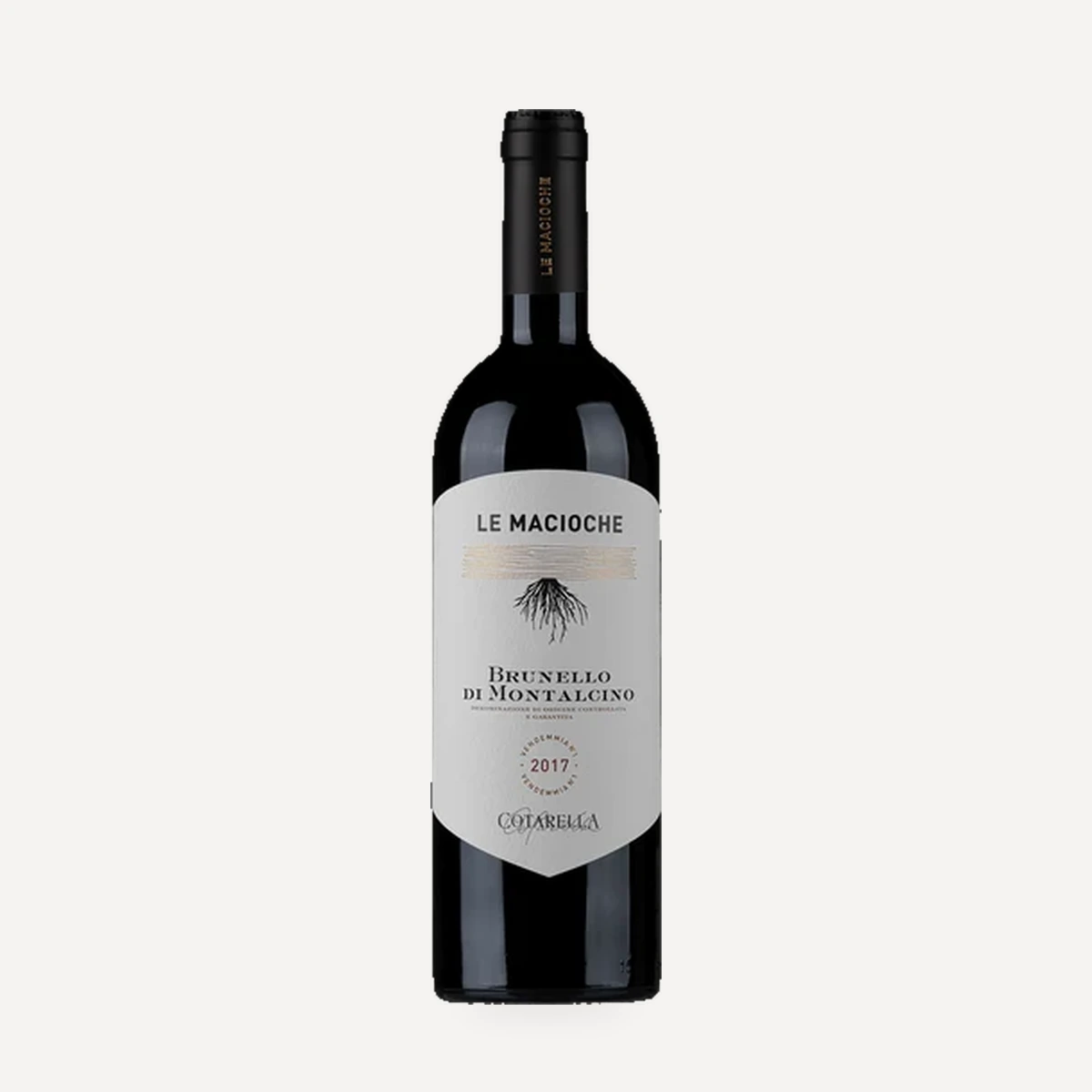
Brunello di Montalcino
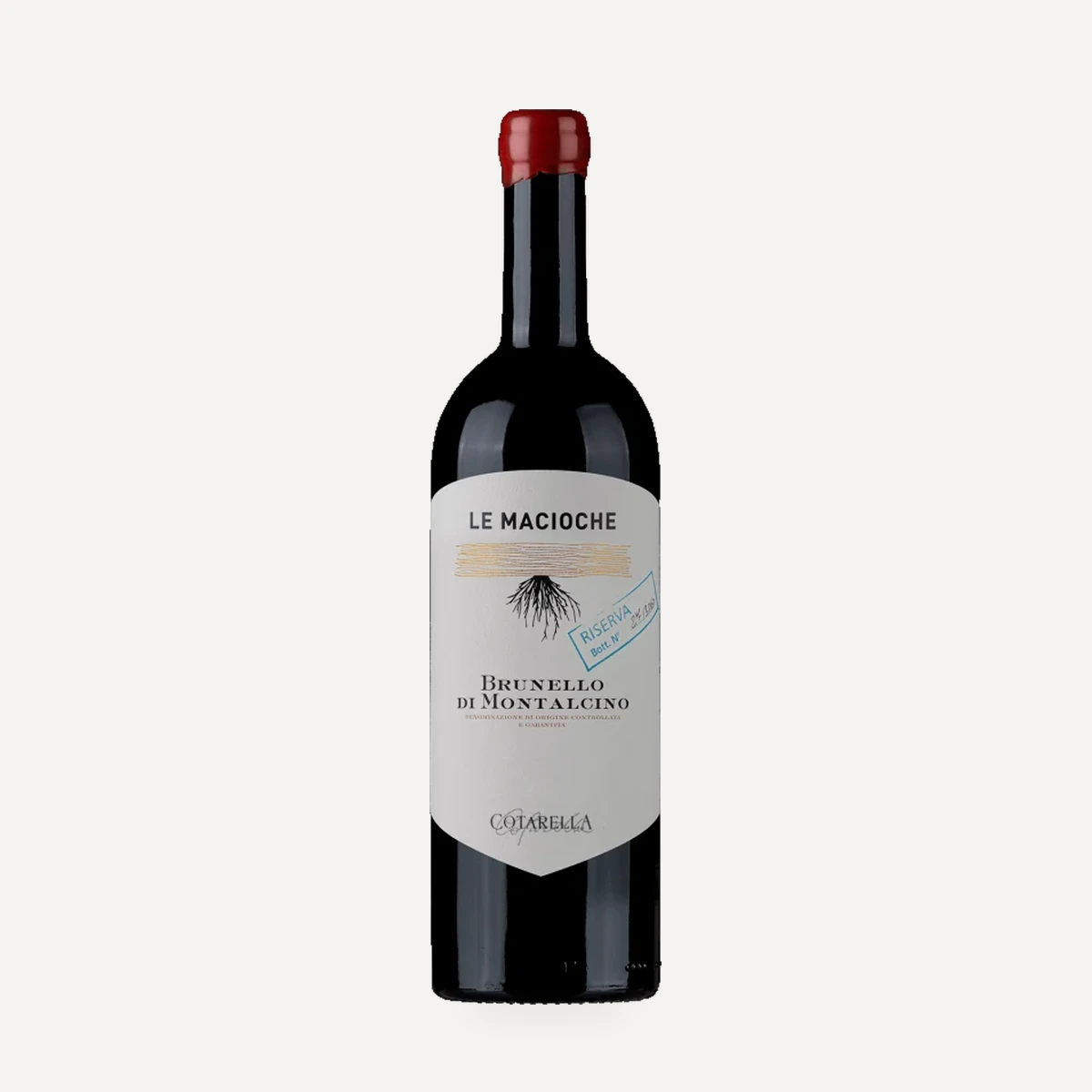
Brunello di Montalcino Riserva
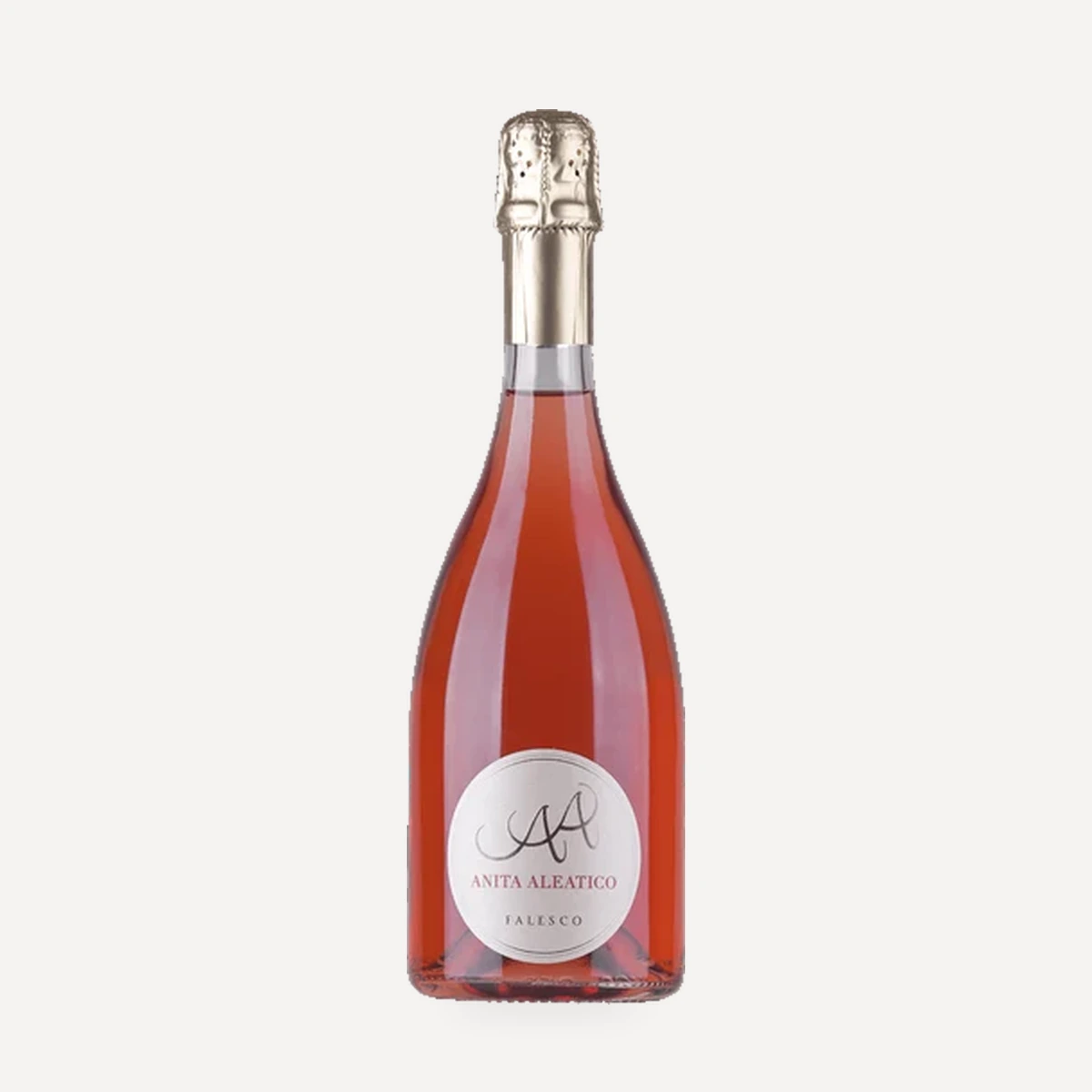
Anita Aleatico
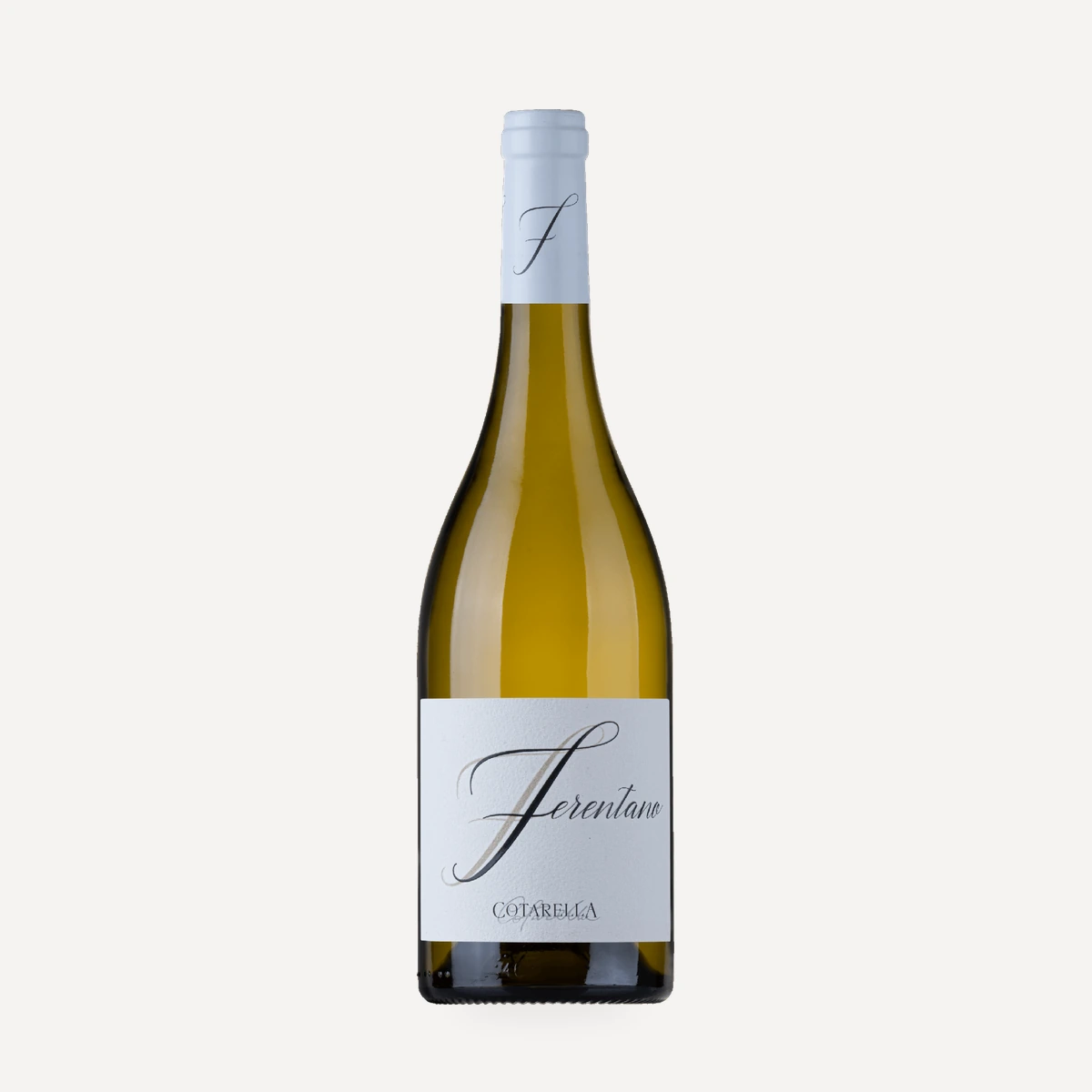
Ferentano
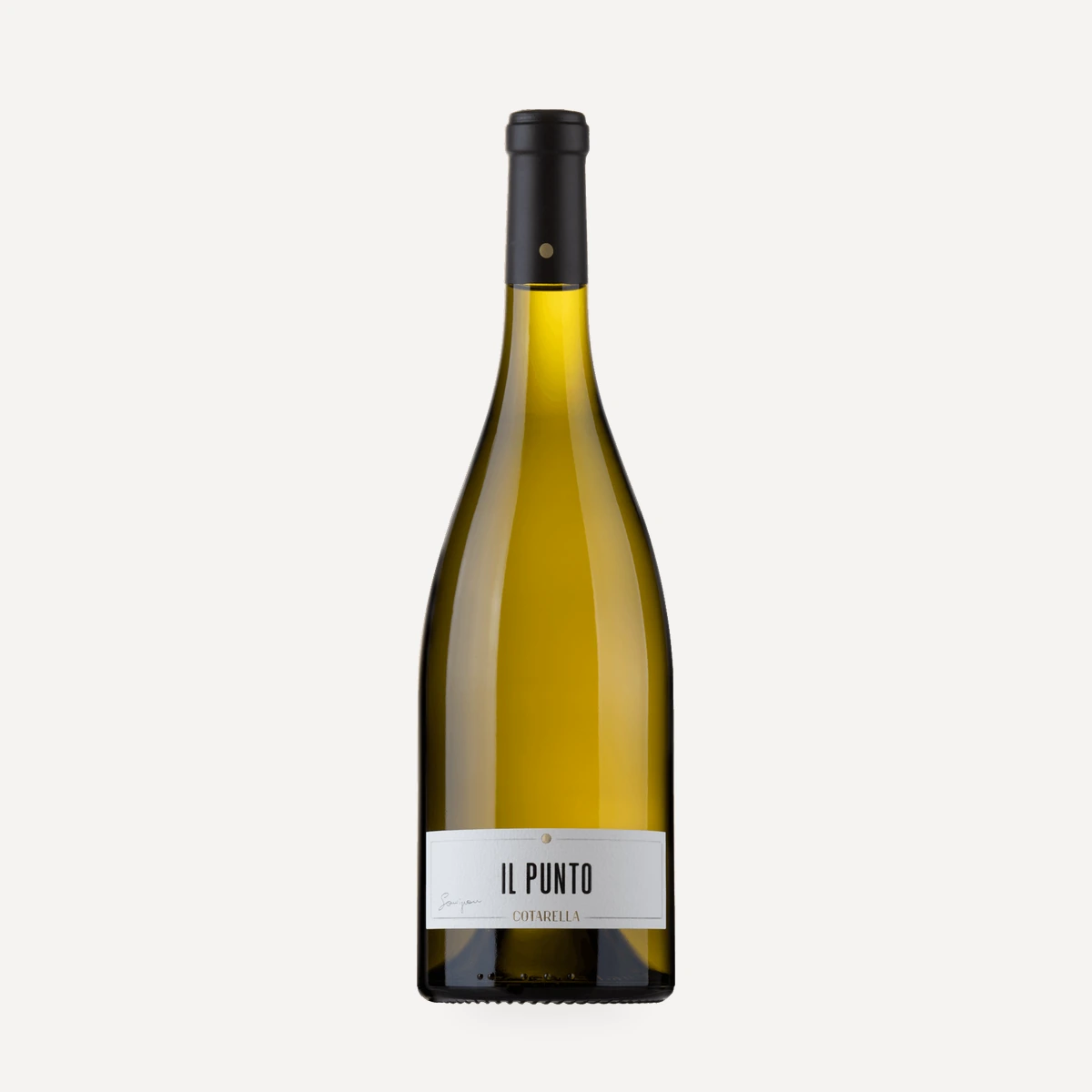
Il Punto
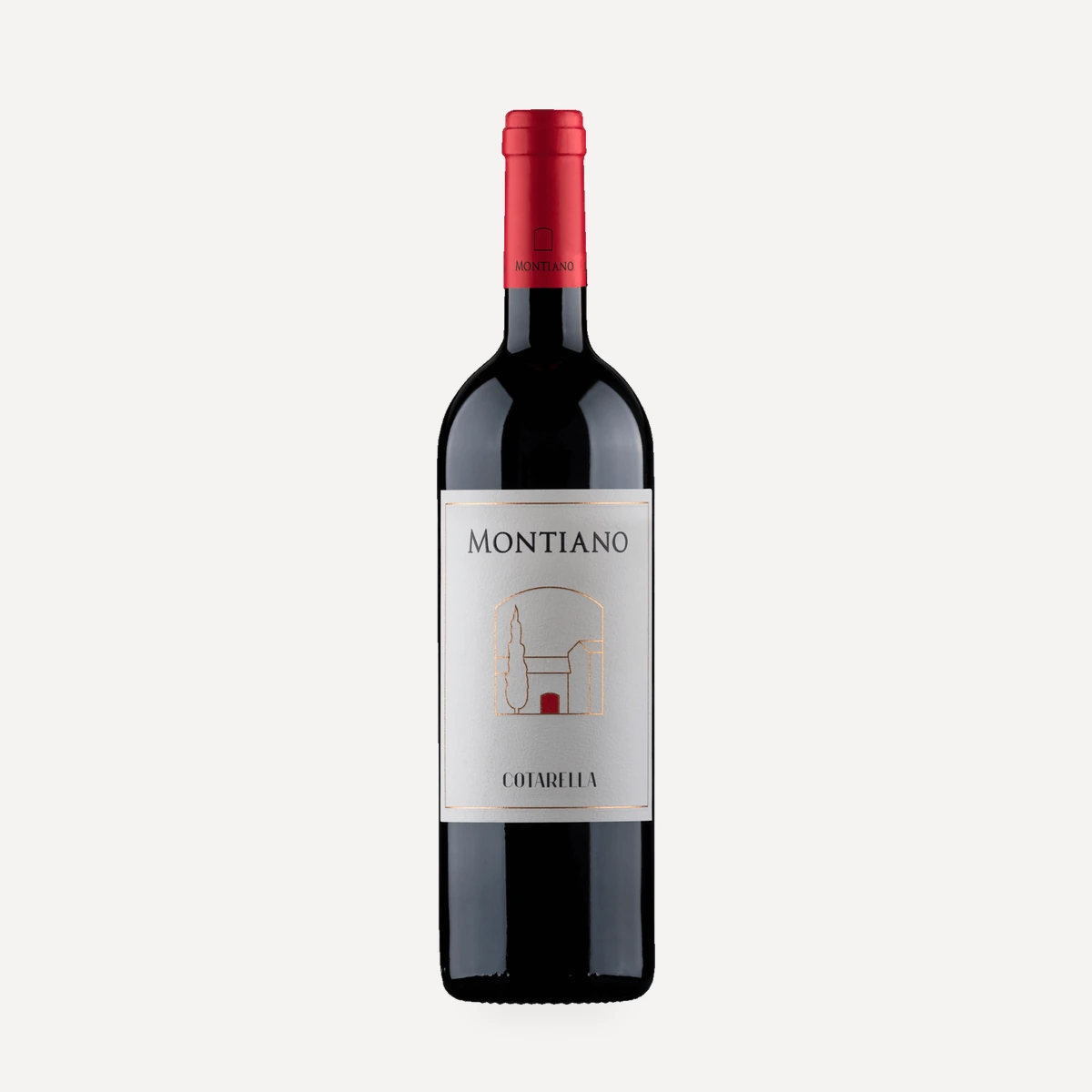
Montiano
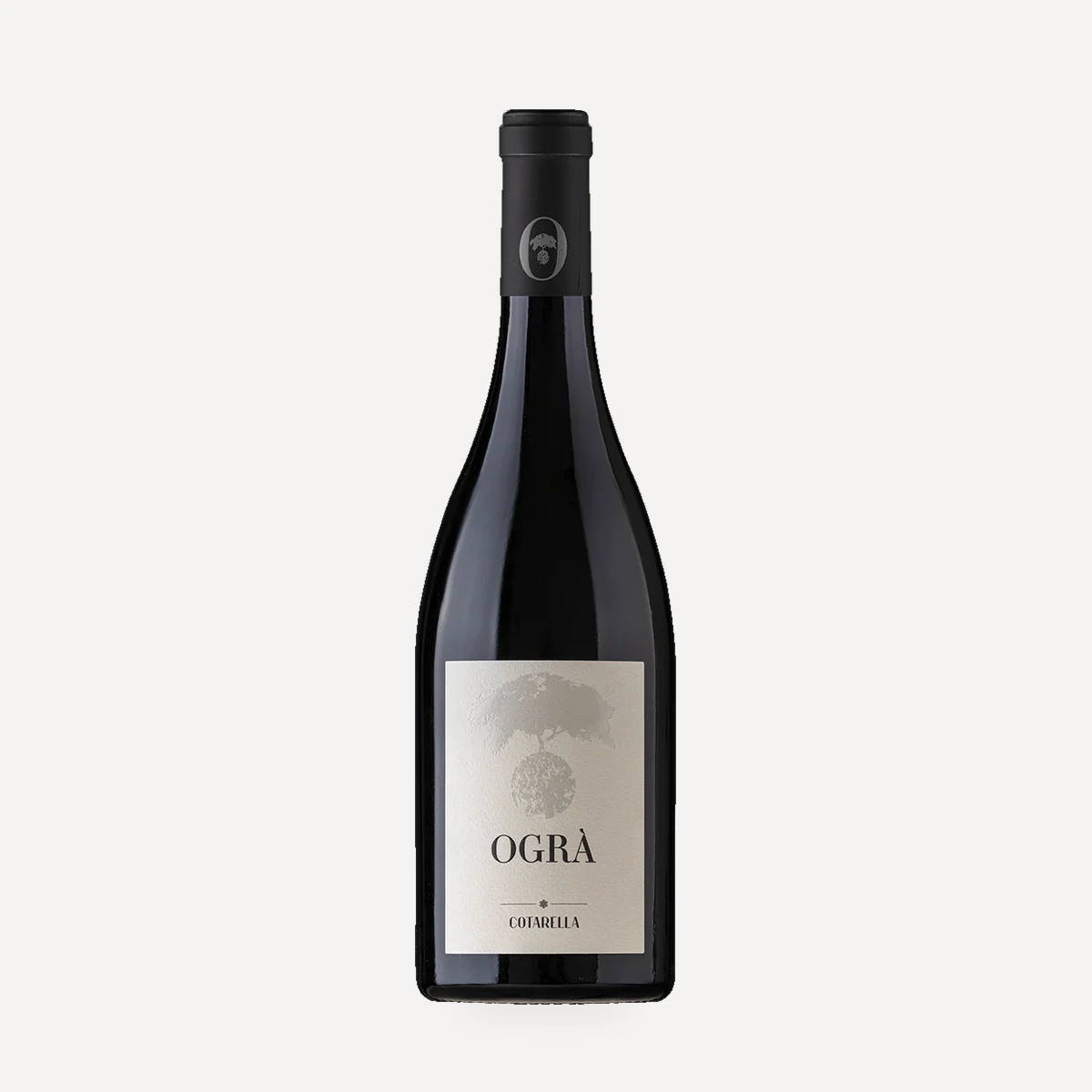
Ogrà
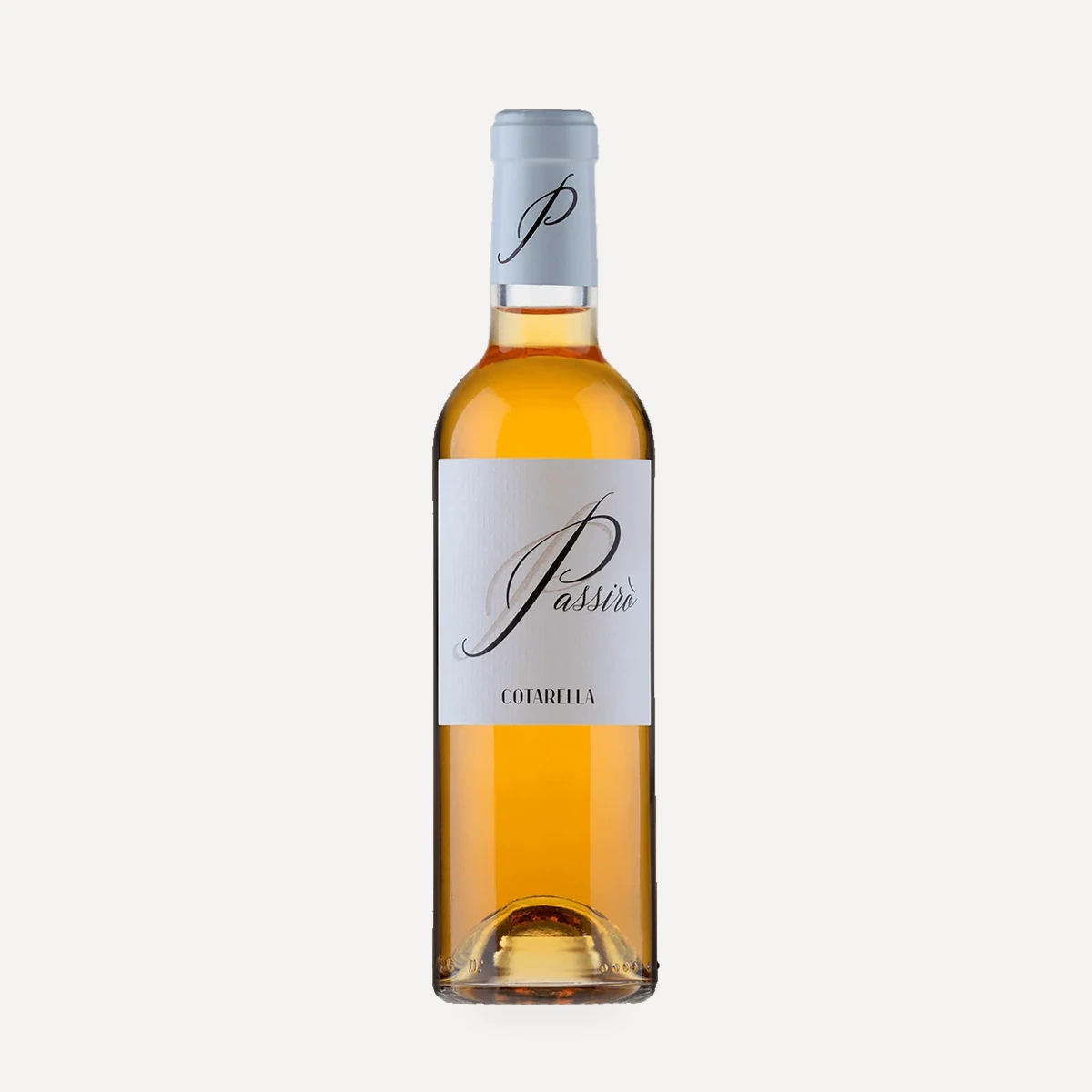
Passirò
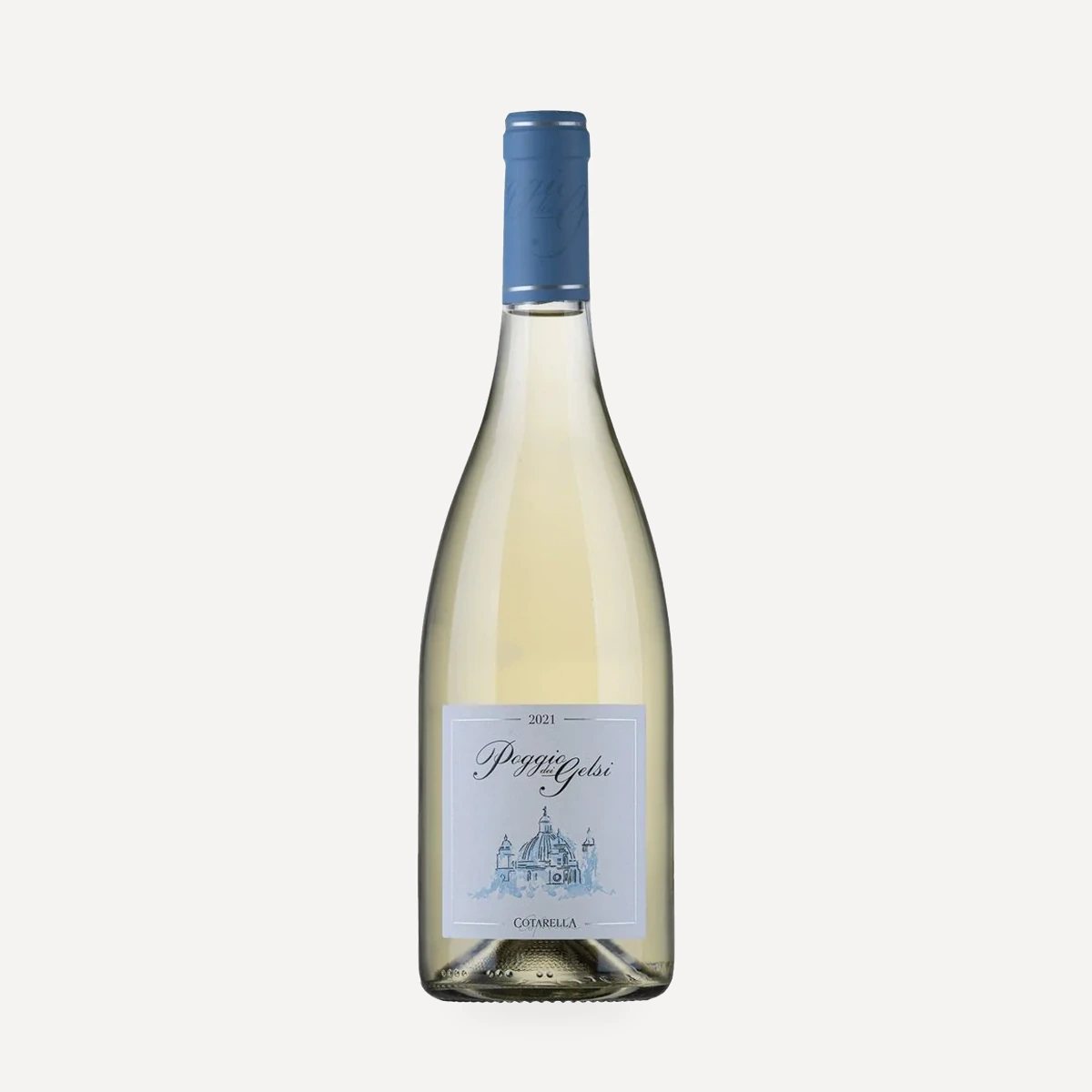
Poggio dei Gelsi
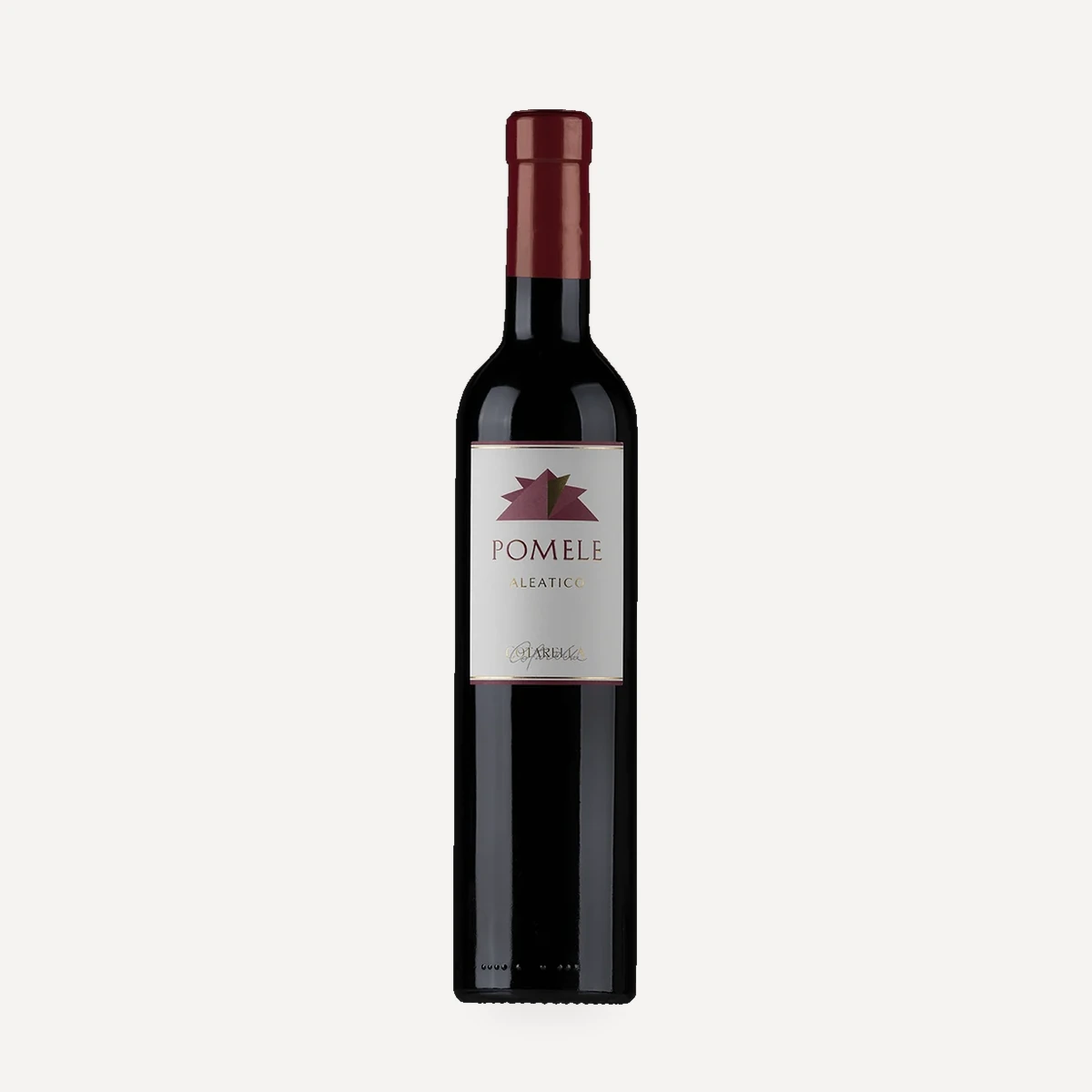
Pomele
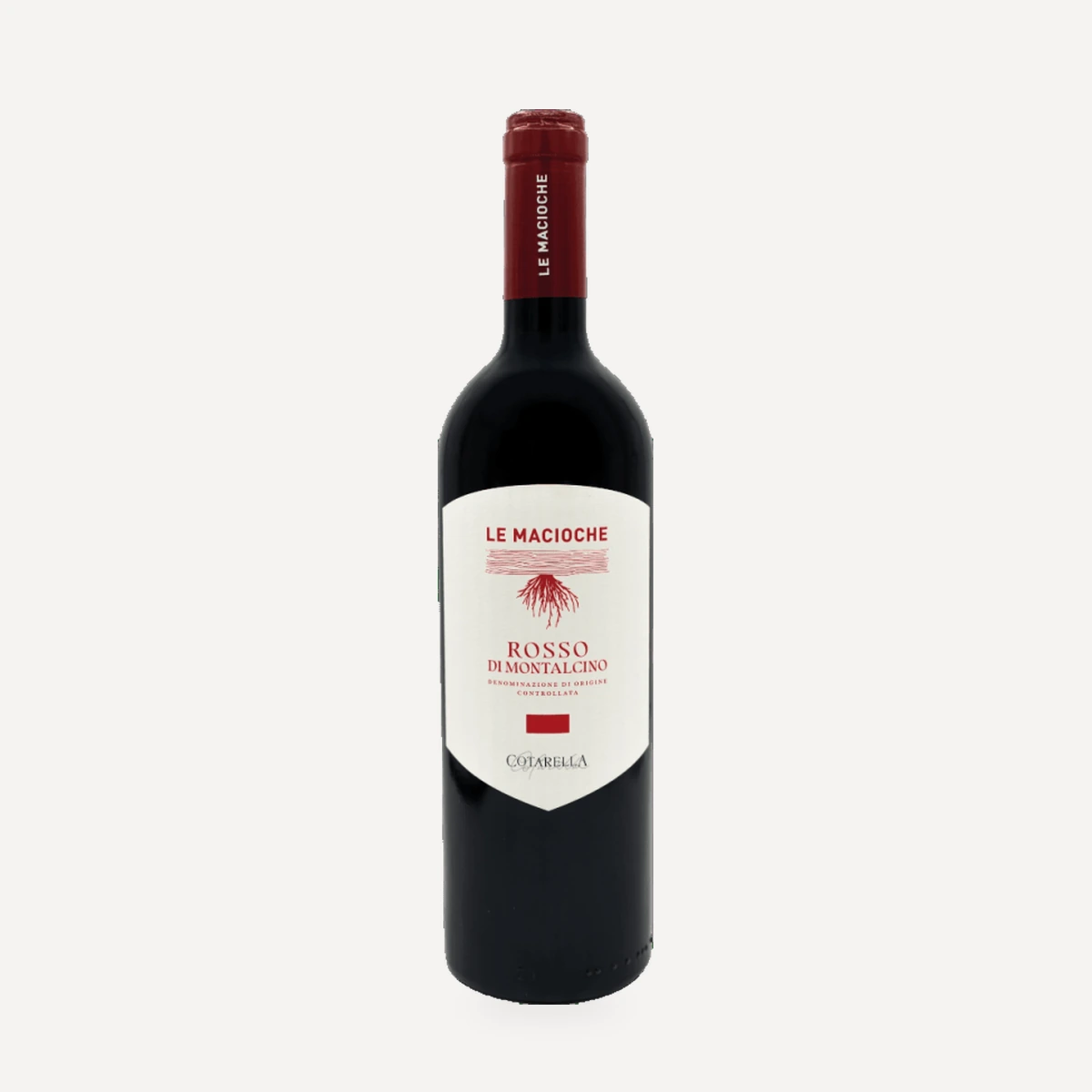
Rosso di Montalcino Le Macioche
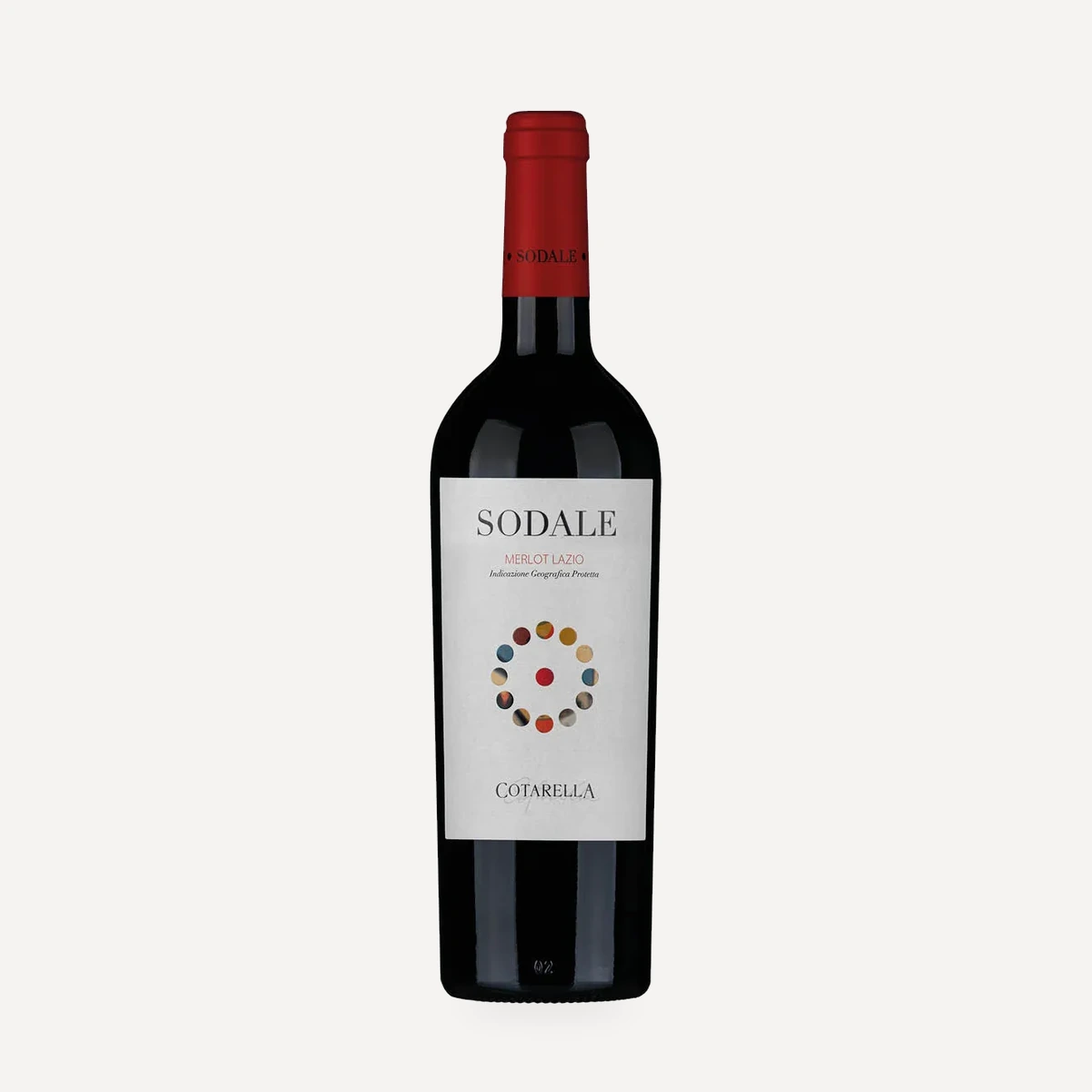
Sodale
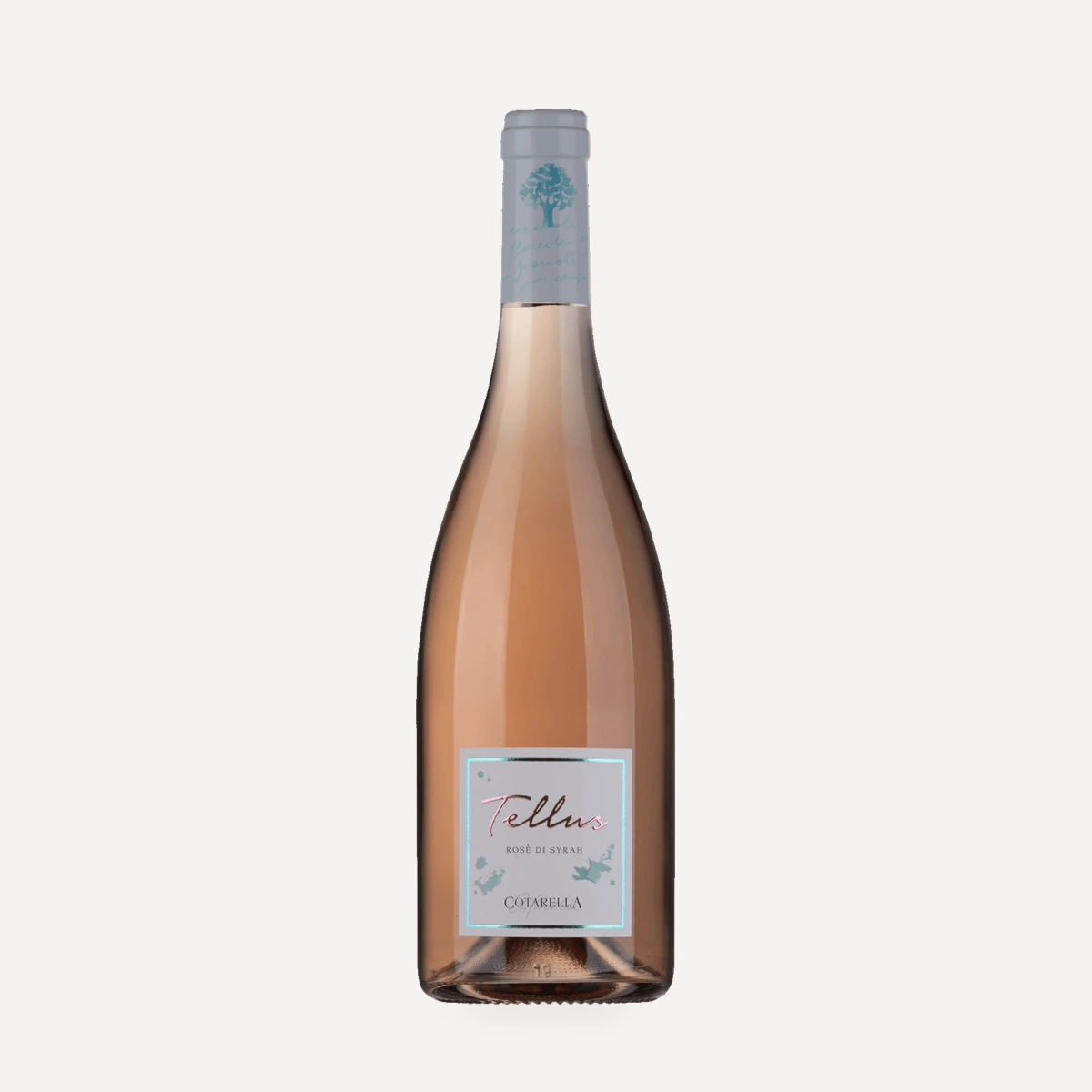
Tellus Rosè di Syrah
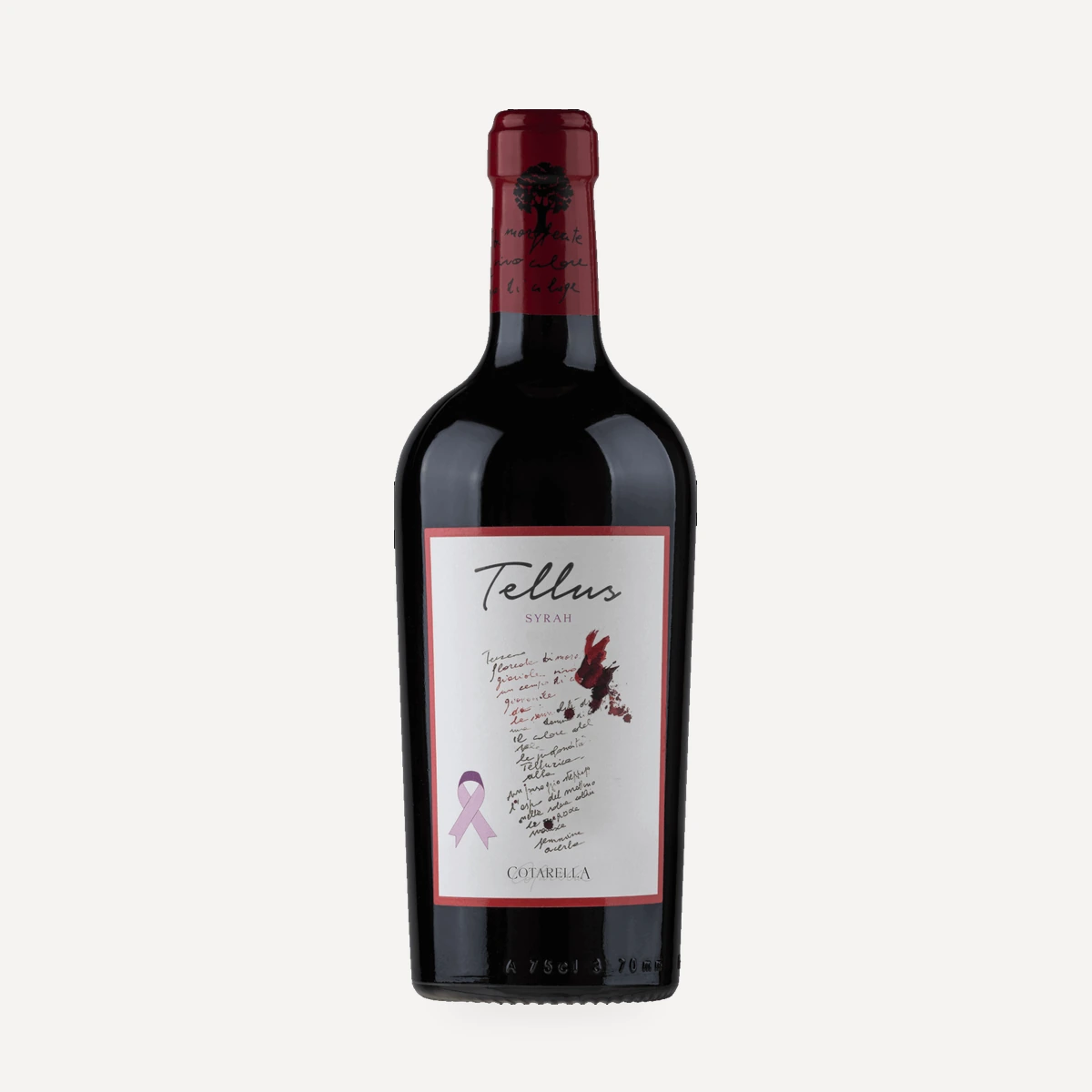
Tellus Syrah Fiocchetto Lilla
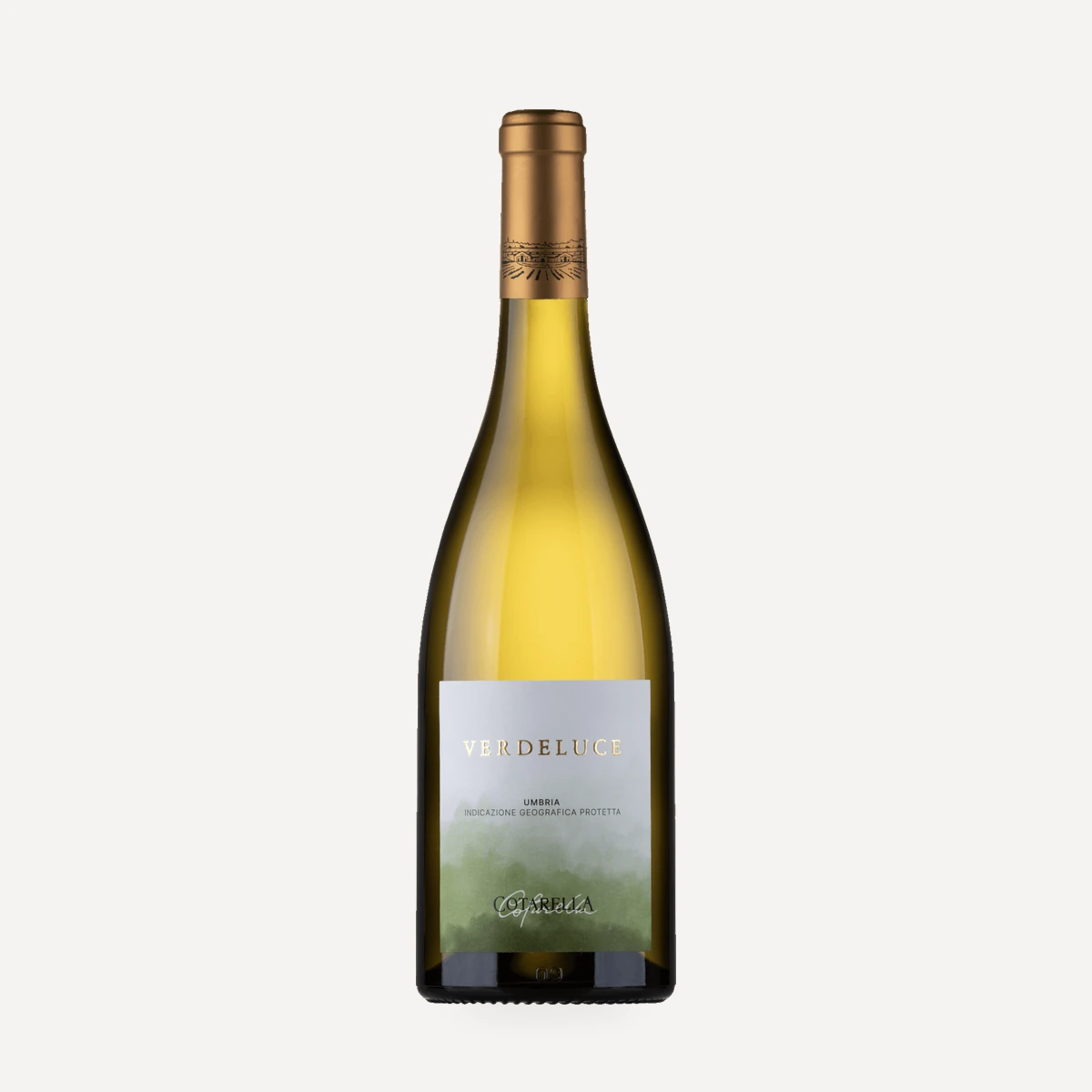
Verdeluce
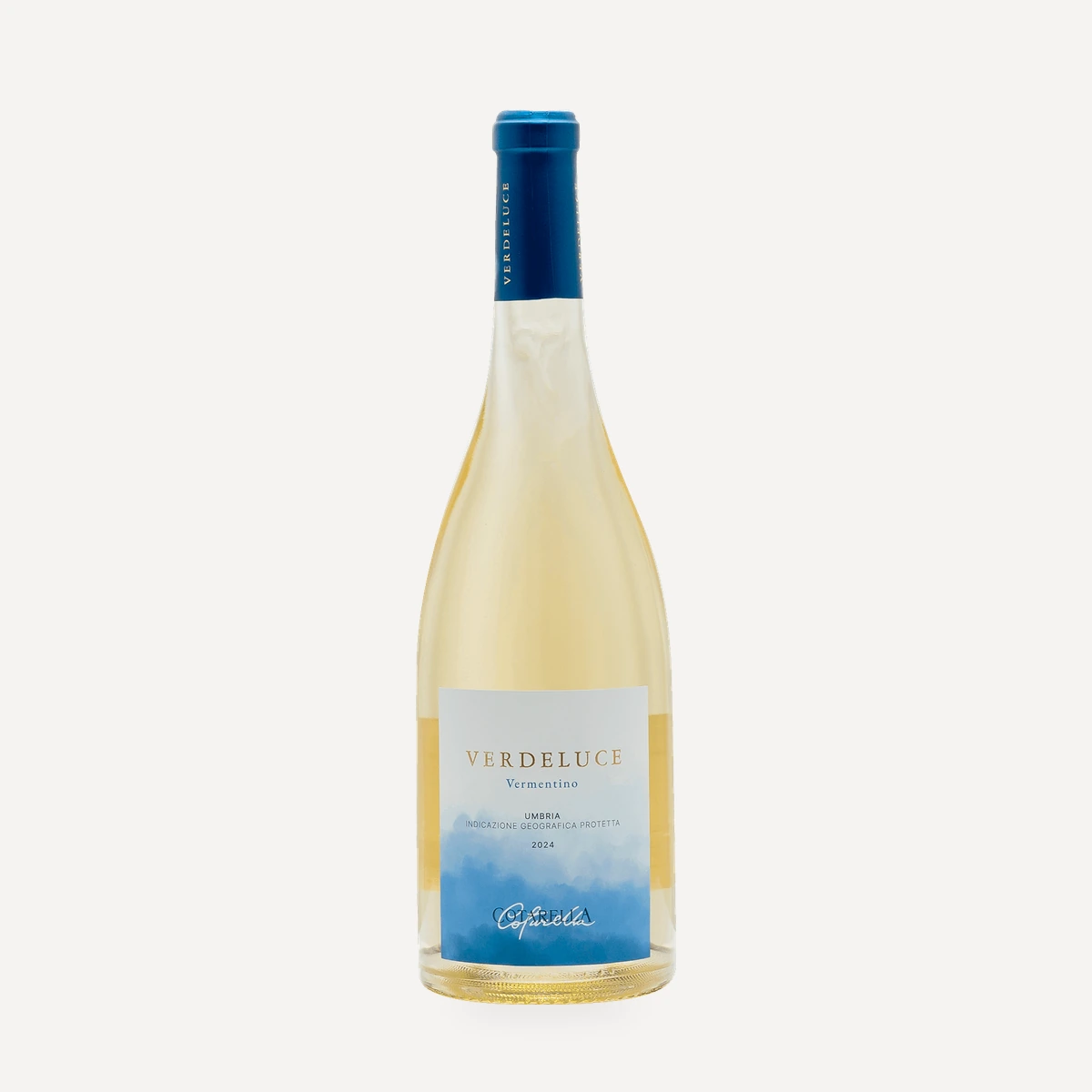
Vermentino
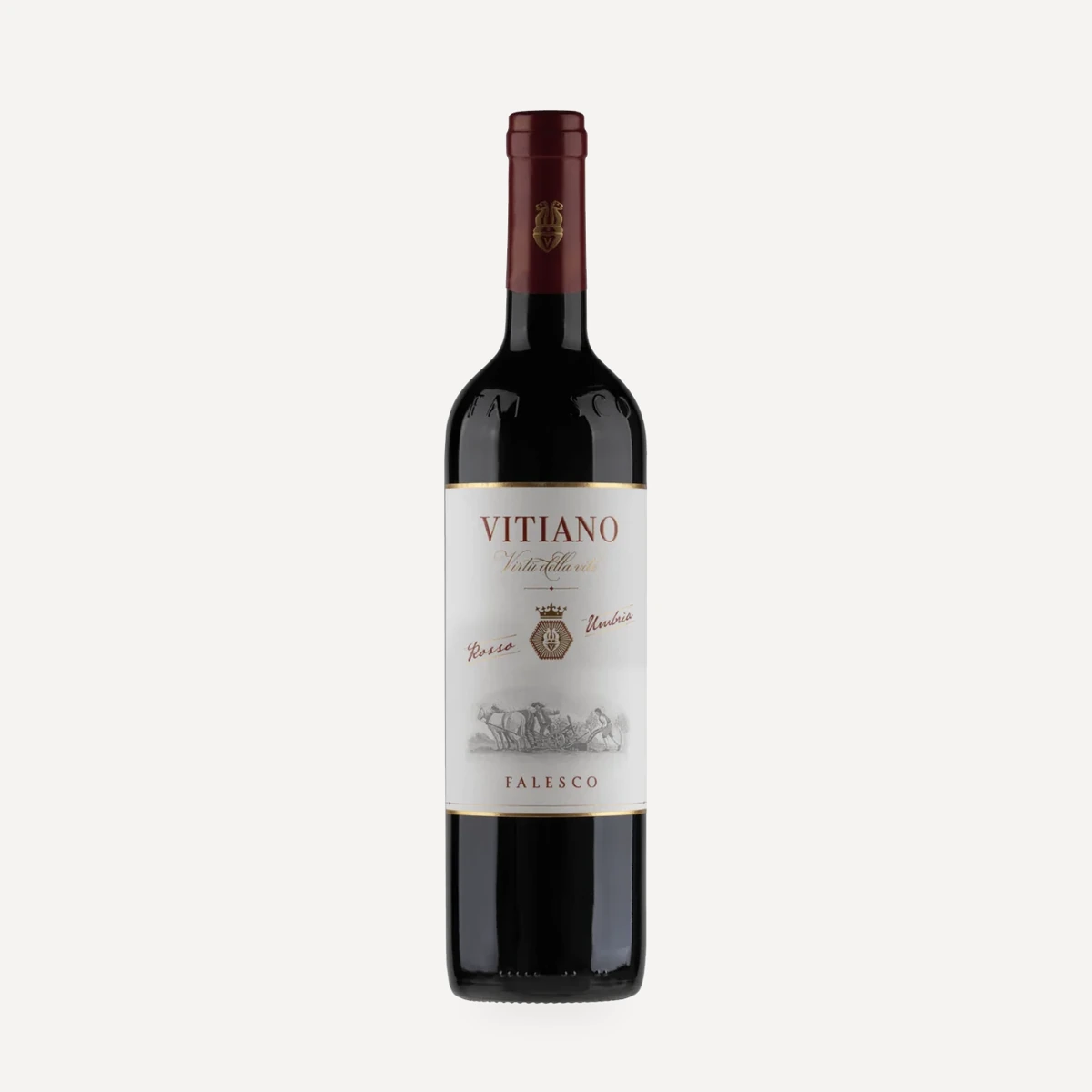
Vitiano Rosso
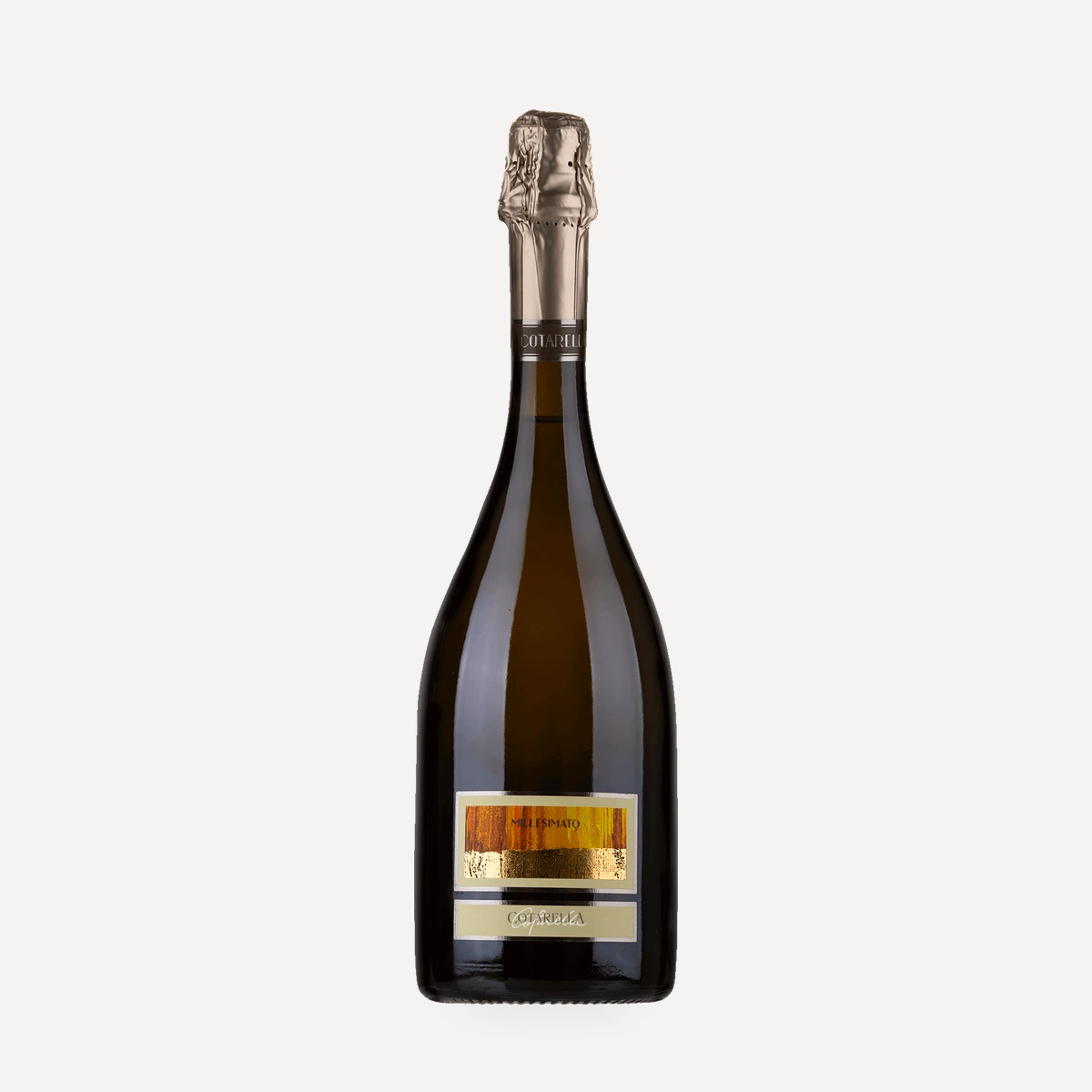
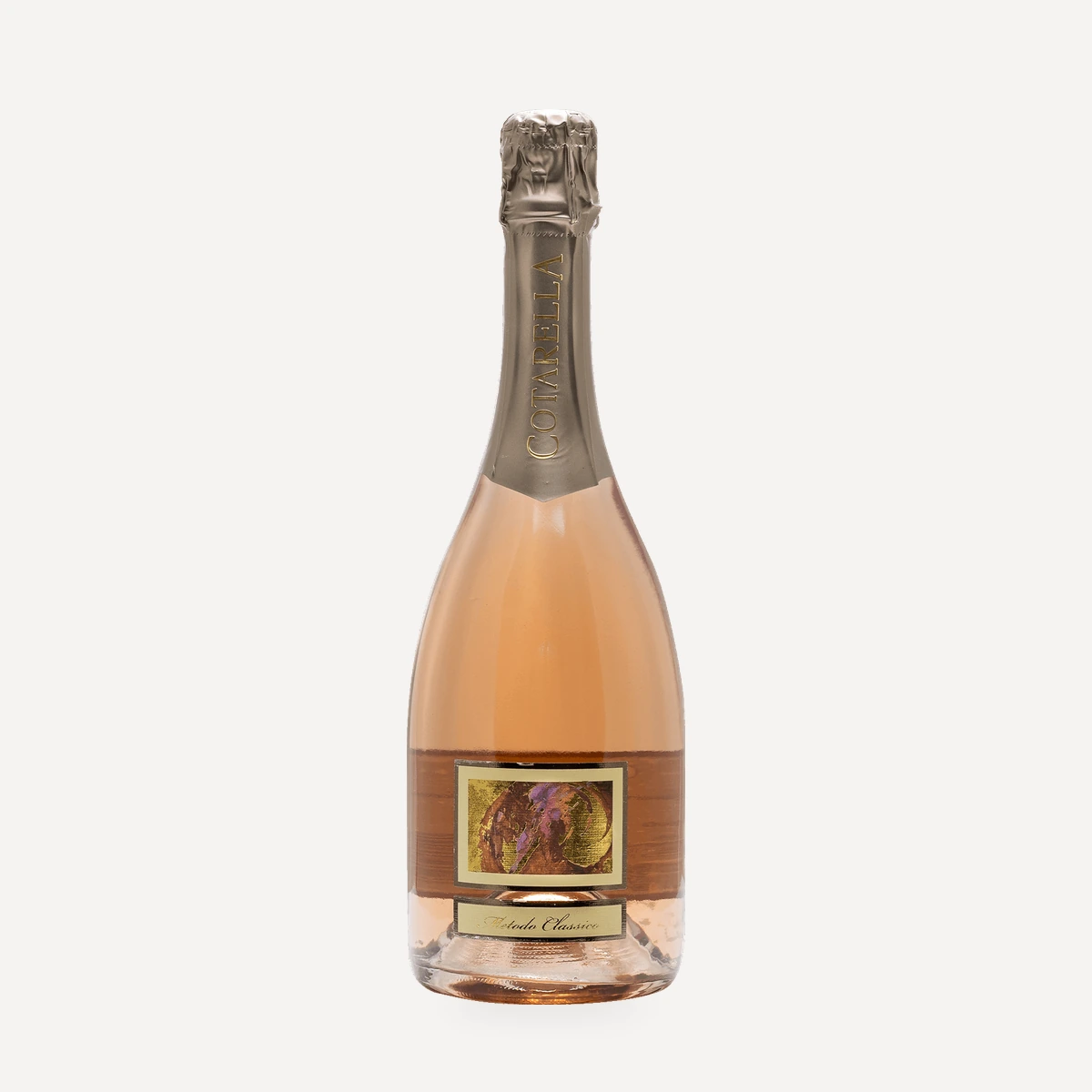
Metodo Classico Brut Millesimato 2020
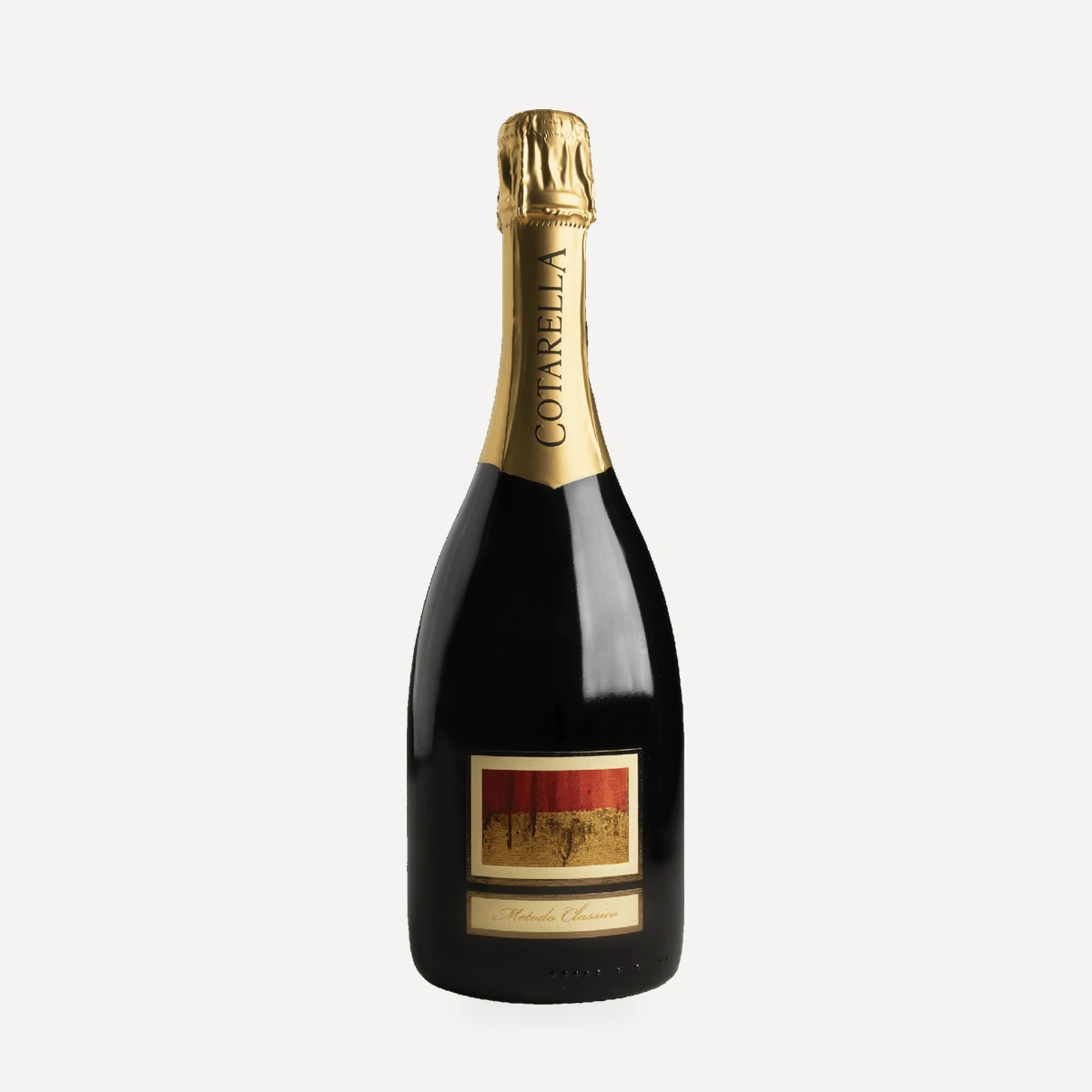
Metodo Classico Brut
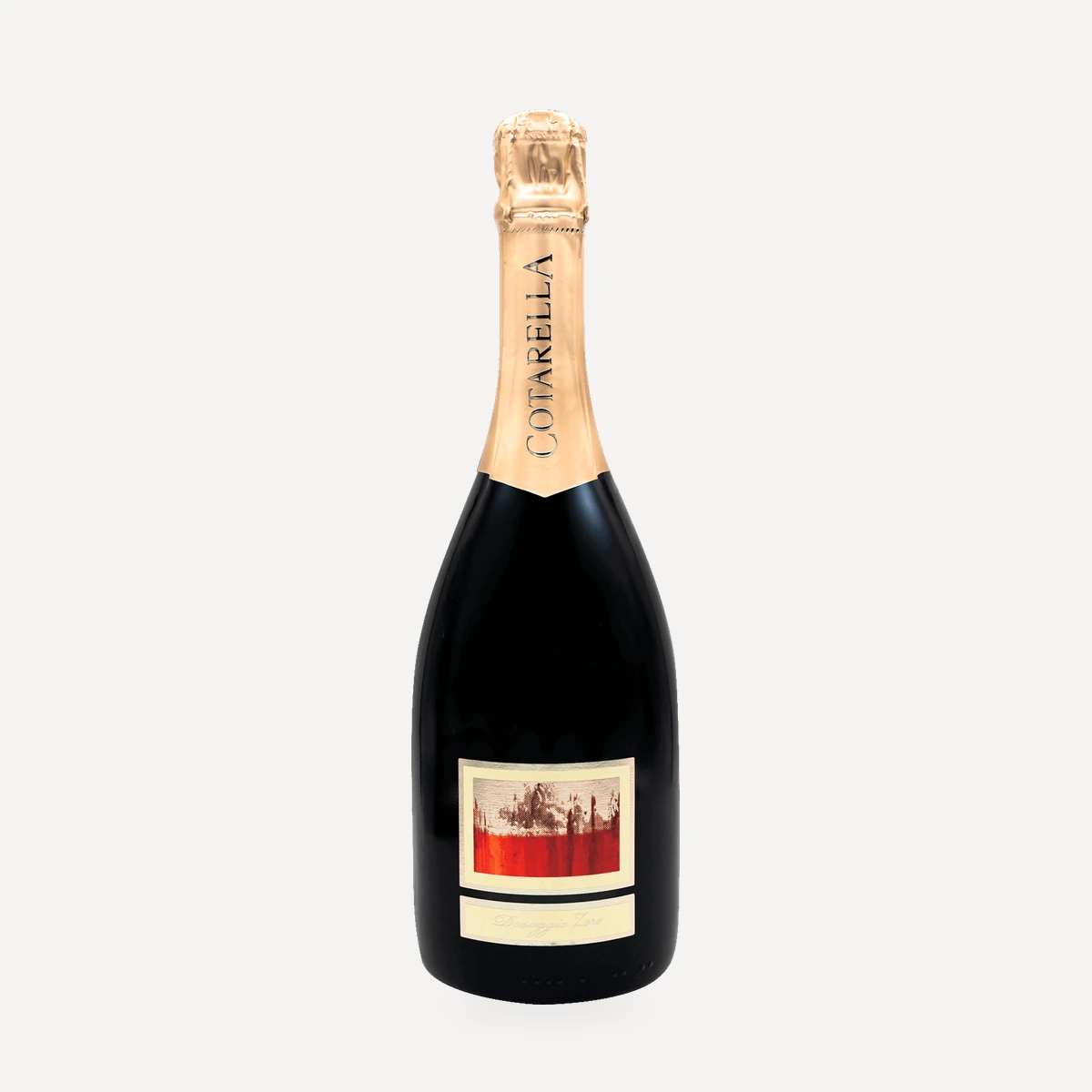
Metodo Classico Brut Dosaggio Zero
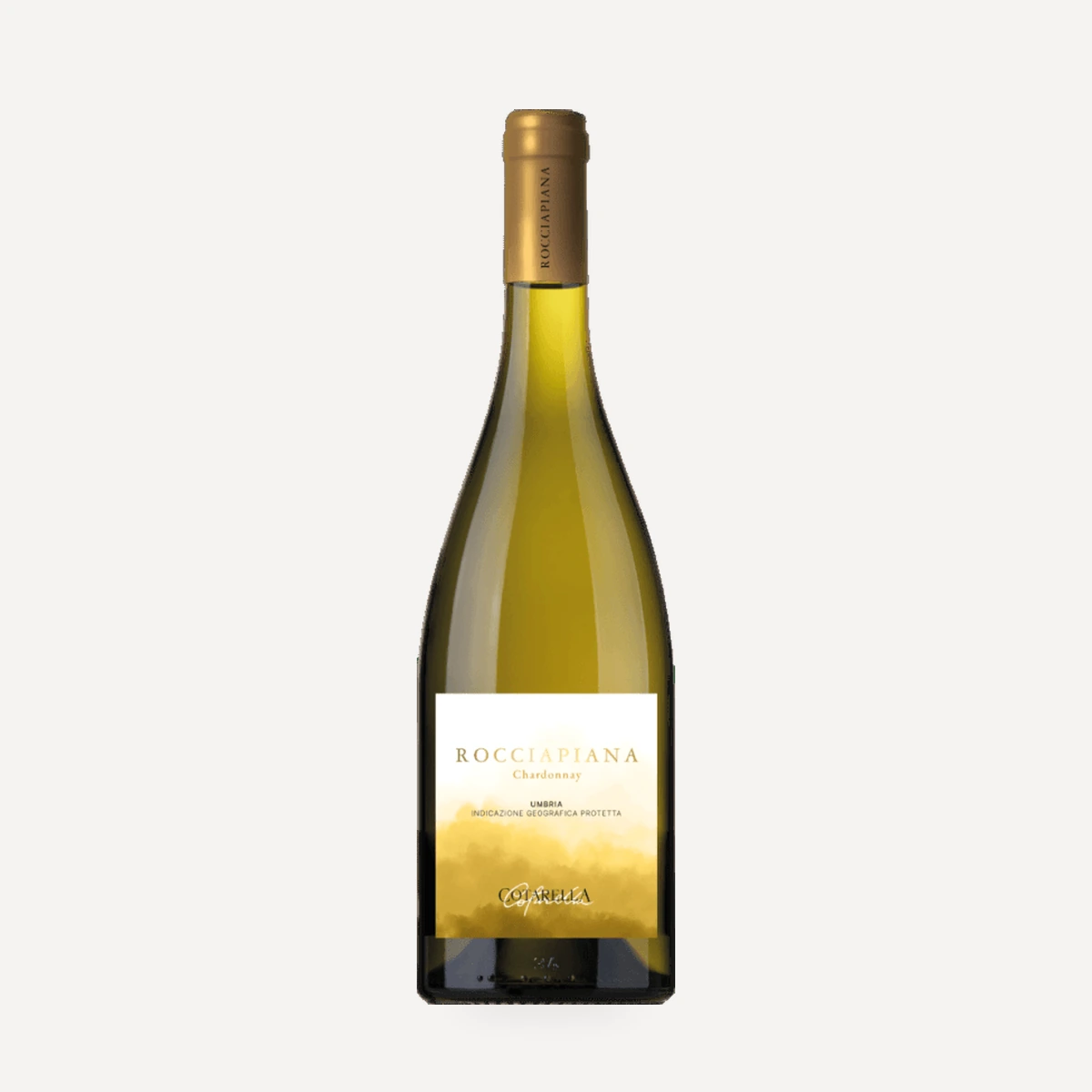
Rocciapiana