Storia
Rinaldo and the first family vineyard
The family story begins with Davide Vignato’s grandfather Rinaldo, who worked a small plot in Brovia, above the hills of Gambellara. He was the first member of the family to harvest Garganega there, when the vineyards were still bordered by unpaved, dusty roads. Rinaldo also tended several hundred Durella vines in Brovia.
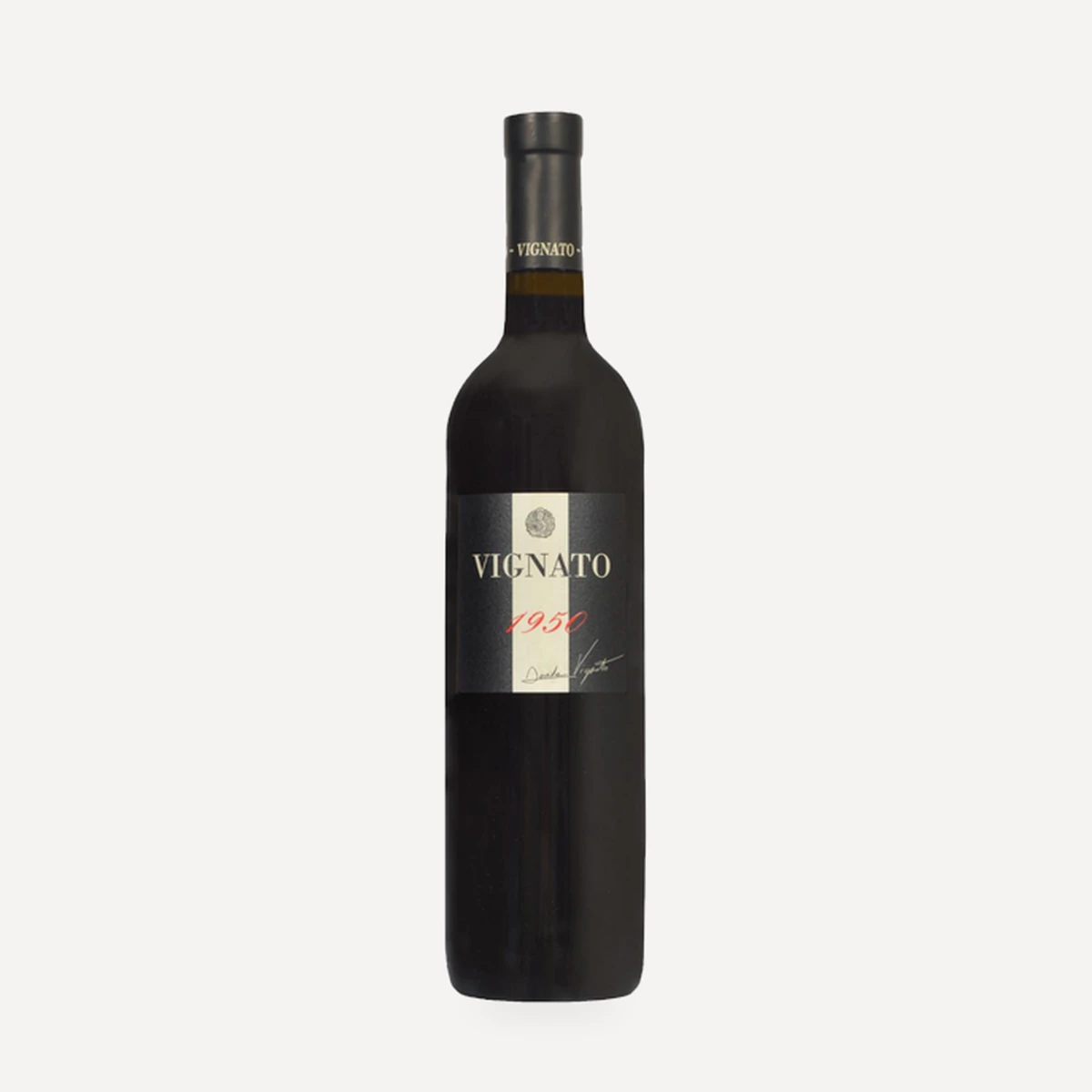
The estate’s old Merlot vineyard was planted in 1950. Its vines survive in the Ronchi area and remain part of the family’s viticultural inheritance.
Gian Domenico brings the grapes into the cellar
Rinaldo’s son Gian Domenico chose to vinify the family’s grapes himself. He worked with Garganega and also blended Durella into the family’s still, loose wine to contribute freshness. Davide later named El Gian as a tribute to his father.
Davide was born and raised in Gambellara. He learned about the land and the rhythms of the agricultural year by helping his father in the vineyards after school. The family’s former cowsheds were eventually converted into a modern, equipped winery, while traditional practices such as hanging picai from the ceiling for Recioto were retained.
Davide takes the estate in a new direction
Davide gradually moved from growing and supplying grapes—often delivered in crates—to vinifying and bottling more of the estate’s production. He reduced yields per hectare, abandoned conventional agriculture and adopted an organic approach intended to preserve the identity of Gambellara’s volcanic soils.
He began producing sparkling Durella in 2007. The 2016 harvest was described as the tenth vintage destined for estate bottling, confirming 2007 as the beginning of that phase of production. From the 2011 vintage, the estate’s first flagship Garganega was fermented spontaneously with cellar yeasts and without added sulphur dioxide.
2013: organic certification and additive-free production
The 2013 vintage received organic certification after approximately ten years of work that had already emphasized respect for nature in the vineyard and restrained chemical inputs in the cellar. Certification was adopted as formal recognition of this established direction. The same vintage marked the first production made without added chemical additives.
The estate also described its work as organic and biodynamic. Vineyard trials included reducing the recommended dose of copper, timing treatments around expected rainfall, sowing green manure and improving water penetration into the soil.
Growth and investment
By the 2016 harvest, production destined for bottling had doubled from the preceding year to approximately 30,000 bottles. Garganega, Durella and Merlot were harvested for Gambellara DOC Classico, Recioto di Gambellara DOCG, quality sparkling wine, Merlot IGT and passito production. The estate was by then carrying out the complete cellar process and investing more heavily in bottled wine.
In 2020 Davide planted a new Durella vineyard on volcanic soil at 450 metres in the heart of the Lessini Durello denomination. He had searched for a suitable site for some time, motivated by the family history with Durella and by his own experience with the variety since 2007.
Work to enlarge the cellar was announced in 2023 in response to the need for additional production space. During spring 2024, the estate also took responsibility for six additional hectares offered by neighbouring growers. The current estate description gives a total vineyard surface of 14 hectares.
New territories and projects
In 2024, after roughly twenty years of experience in vineyards and cellars, Davide developed a project that extended beyond the established Garganega–Gambellara partnership. Initially called Impronte, it used a bear’s paw as its emblem: “Orso” has been Davide’s nickname since his school years. The project subsequently appeared as I Vini dell’Orso.
L’Orso Gentile, a Garganega from the pink-limestone soils of Costeggiola di Soave, was released at the end of 2024 and reached the market in January 2025. L’Orso Saggio, a pure Durella from the Monti Lessini, followed in early summer 2025.
The vineyard-adoption programme continued to grow alongside the wine operation. It reached 23 adopted rows by June 2026 and a record 26 by September 2026, creating a community that joins the estate for pruning, seasonal work and harvest.
Terroir
Davide Vignato is based in Gambellara, in the province of Vicenza and at the foot of the Monti Lessini. The winery stands only 500 metres from Monte San Marco, an extinct volcano set within a green park with a natural amphitheatre and paths leading into the surrounding woods.
Monte San Marco’s lava formations created a substantial deposit of black basalt. Rare columns of lava form hexagonal prisms in a former quarry where rock was extracted during the 1950s for railway ballast. Restoration preserved part of this geological deposit, which originated millions of years ago.
The estate’s 14 hectares are predominantly on hills, with vines rooted in mineral, volcanic soils rich in black basalt. These soils are associated with the freshness, salinity and mineral character central to the estate’s interpretation of Gambellara.
Individual sites show meaningful differences. Brovia, Monti di Mezzo and Faldeo occupy volcanic hill soils around 200–250 metres. Ronchi includes lower land at approximately 50 metres, where dark alluvial soil derives from volcanic rock. A Durella site planted in 2020 lies at 450 metres on volcanic terrain within the Lessini Durello area. Costeggiola di Soave, used for the bear-themed project, is at approximately 200 metres and is distinguished by pink limestone rather than Gambellara basalt.
The vineyards are exposed to increasingly variable seasons. Recent accounts describe dry winters and springs, unusually warm periods, intense rain, hail and strong winds. The estate responds through canopy management, protection of soil moisture, selective picking and repeated passes through individual vineyards when ripening and grape health are uneven.
Vinificazione
Organic certification was obtained with the 2013 vintage after approximately ten years of farming focused on respect for nature. Davide subsequently abandoned conventional agriculture completely, reduced yields per hectare and removed herbicides and synthetic products from vineyard work.
Soil fertility is maintained naturally through green manure and organic matter. Before sowing a green-manure mixture, a ripper has been used to open the upper 30 centimetres of soil. This helps rain penetrate more deeply and reduces surface runoff. Vegetation between rows is left relatively high during hot weather to shade the ground, retain rising soil moisture and create a better microclimate for small animals.
Copper and sulphur are used against downy and powdery mildew within the organic protocol. The estate has trialled half of the label-recommended copper dose and times applications before forecast rainfall, making a further pass only if rain actually arrives. During the exceptionally wet conditions of 2016, copper was combined with brown algae and microorganisms to stimulate the vine’s own defences, rock powder to form a protective coating around the berries and ox blood to help copper adhere and resist being washed away. This programme limited downy-mildew pressure and supported even flowering.
Canopy work changes with the season. After flowering, shoots are trimmed and leaves around the clusters are removed to improve air and light circulation. During intense summer heat, longer shoots are retained to shade bunches from direct sun. In wet years, extensive leaf removal helps clusters dry quickly and reduces disease pressure.
Harvesting is manual. Grapes are transported in crates to preserve their integrity, and selection begins in the vineyard. When health and maturity vary within a site, the team may return two or three times to harvest each parcel at the appropriate moment. The 2024 season required particularly rigorous selection because of prolonged cool and wet conditions.
The estate has also described its work as biodynamic and follows an experimental approach intended to reduce invasive inputs. It participates in VinNatur, whose principles emphasize ecological responsibility, research and the protection of territorial identity.
Rinaldo Vignato’s former cowsheds have been transformed into a modern, equipped winery. Davide follows each stage personally, using technical precision while limiting intervention and accompanying the wine’s natural development.
The cellar approach is based on healthy fruit, spontaneous or cellar yeasts and very limited additions. The 2013 vintage was the first made without added chemical additives. Several estate fermentations are carried out without chemical additives, while spontaneous fermentation with resident cellar yeasts and no added sulphur dioxide has been used since the 2011 vintage for a principal Garganega selection.
Whole-bunch soft pressing is used for several Garganega lots. Other lots are destemmed and fermented with skins, showing that technique is adapted to the fruit and intended style. Stainless-steel tanks are the principal fermentation and maturation vessels. Wines commonly remain on their own yeasts or fine lees, with bâtonnage used where appropriate.
Most still wines traditionally remain in tank for close to a year to mature and stabilize before the main July bottling period. Approximately 20 days before bottling, every tank is tasted and trial blends are prepared. Quantities and possible combinations are evaluated before the final assemblies are chosen.
Traditional passito production remains part of the cellar. Picai—clusters hung from the ceiling—are still used for Recioto. A long-aged family interpretation of Vin Santo begins with Garganega dried until close to Holy Week, followed by fermentation in the attic in 50-litre caratelli kept partly empty for years.
For bottle-fermented sparkling production, base wine rests on fine lees in stainless steel until approximately the end of February. After tirage, bottles are held horizontally at 9–10°C so fermentation begins slowly. Over about 20 days the temperature is gradually raised to 16–17°C. Lees ageing then continues at a constant 15°C without temperature fluctuations. Disgorgement takes place during the coldest part of the year, and no reserve wine or liqueur is added at disgorgement.
Filosofia
Davide Vignato places Gambellara, its people and its volcanic landscape at the centre of the estate’s identity. His stated goal is to make clean, elegant and direct wines that convey the mineral character of the place rather than obscure it through vineyard or cellar inputs.
Organic farming was conceived as the first step toward removing fertilizers and chemical elements believed to flatten territorial expression. The vines are treated as living plants whose needs must be observed continually. Healthy grapes are regarded as the essential raw material, while the wine should act as a faithful reflection of its place and season.
In the cellar, natural wine does not mean an absence of work. Davide describes it as requiring more labour but fewer interventions, supported by technique, experience, precision and consistency. His role is to understand the potential of each vineyard, care for a living product and guide its natural course.
Tradition and experimentation coexist. The family continues to hang picai for Recioto and preserves memories of older rural wines, while technical knowledge, repeated trials and new vineyard projects are used to refine the results. Family continuity is expressed through Rinaldo’s work in Brovia, Gian Domenico’s decision to vinify the grapes and Davide’s move toward lower yields, certified organic farming and estate bottling.
People are treated as the heart of the enterprise. This principle extends beyond the family to the adoption programme, through which participants follow a row across the seasons and join collective pruning and harvest days.
Vini
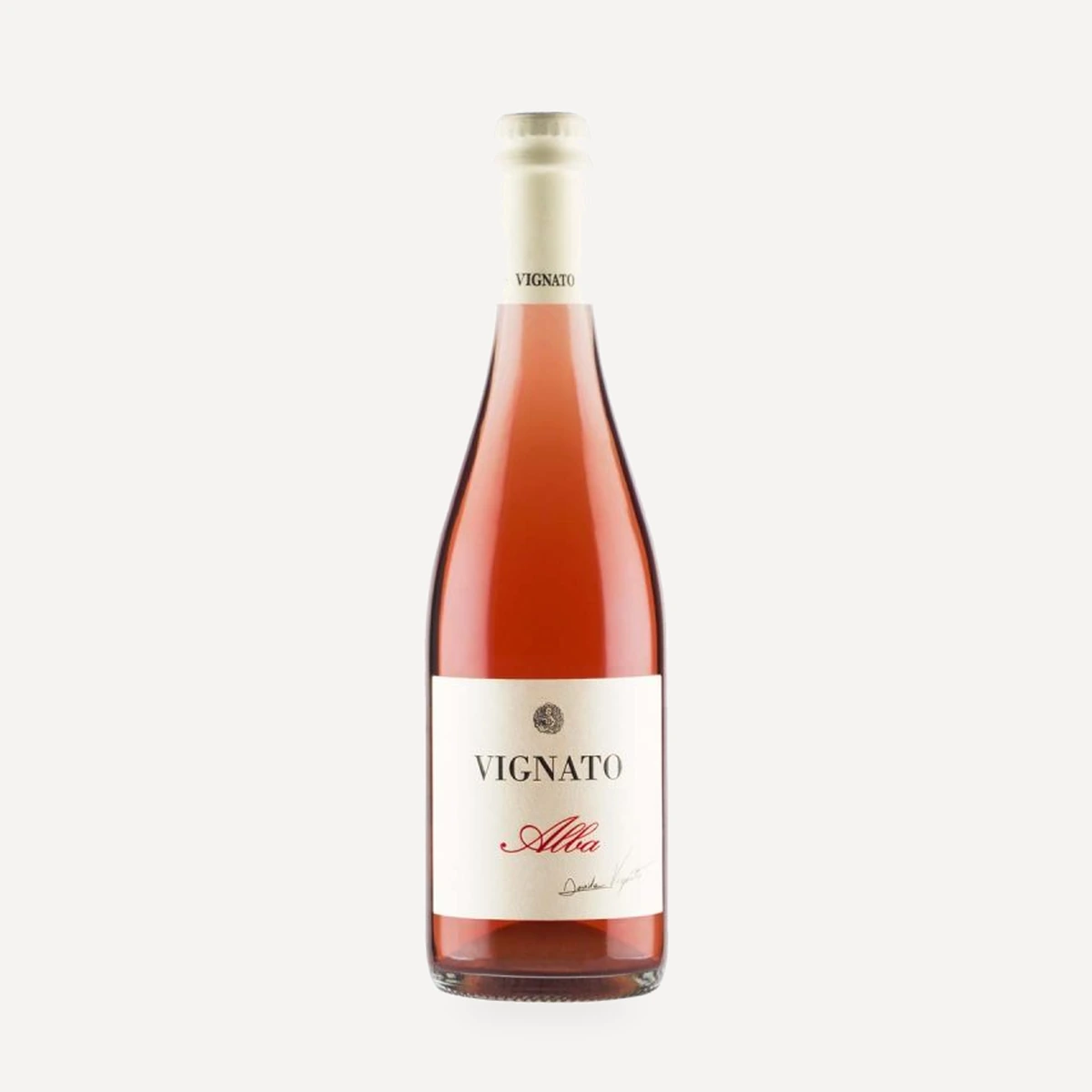
Alba – Veneto Igt Rosato Frizzante Biologico
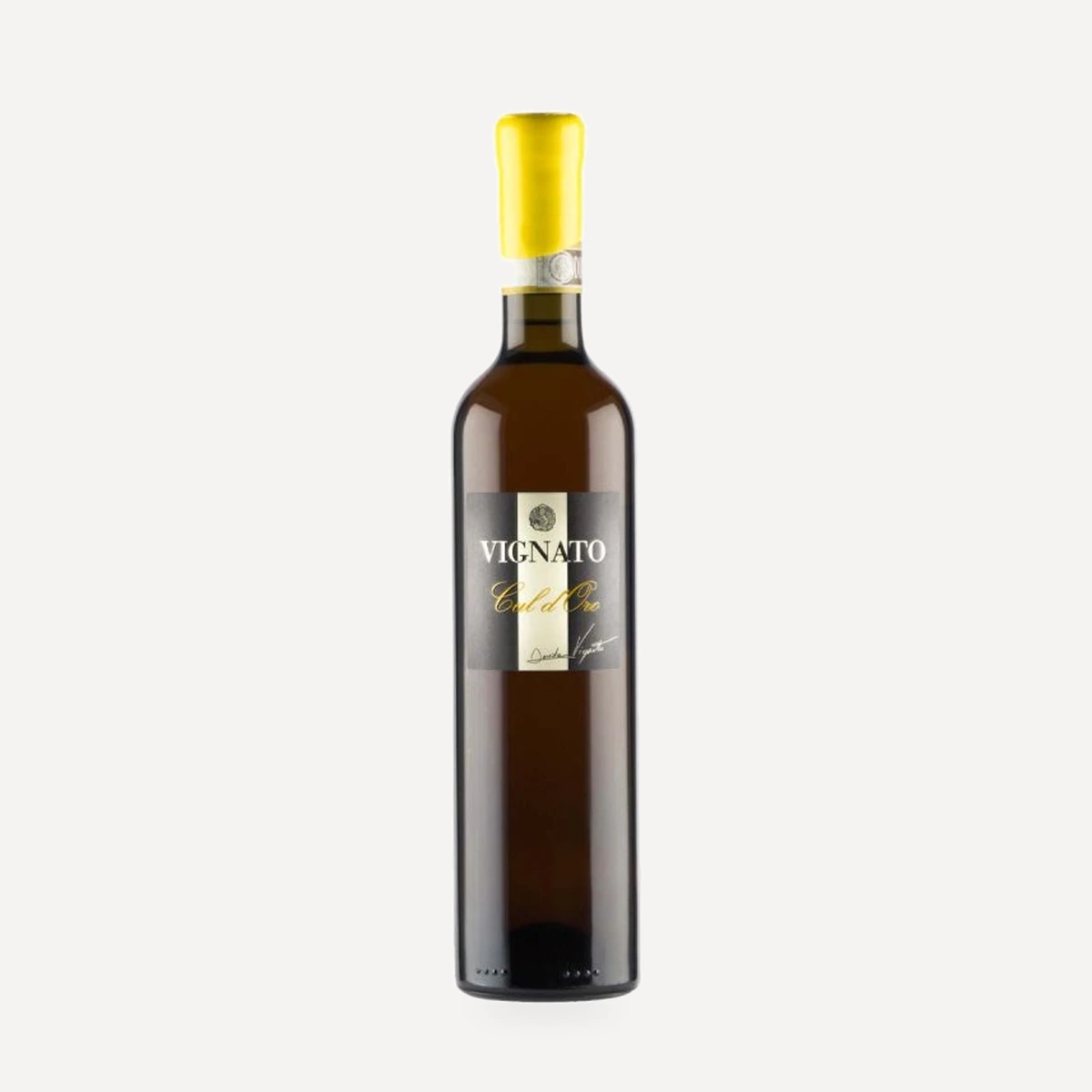
Cul d’Oro – Veneto Garganega Passito Igt
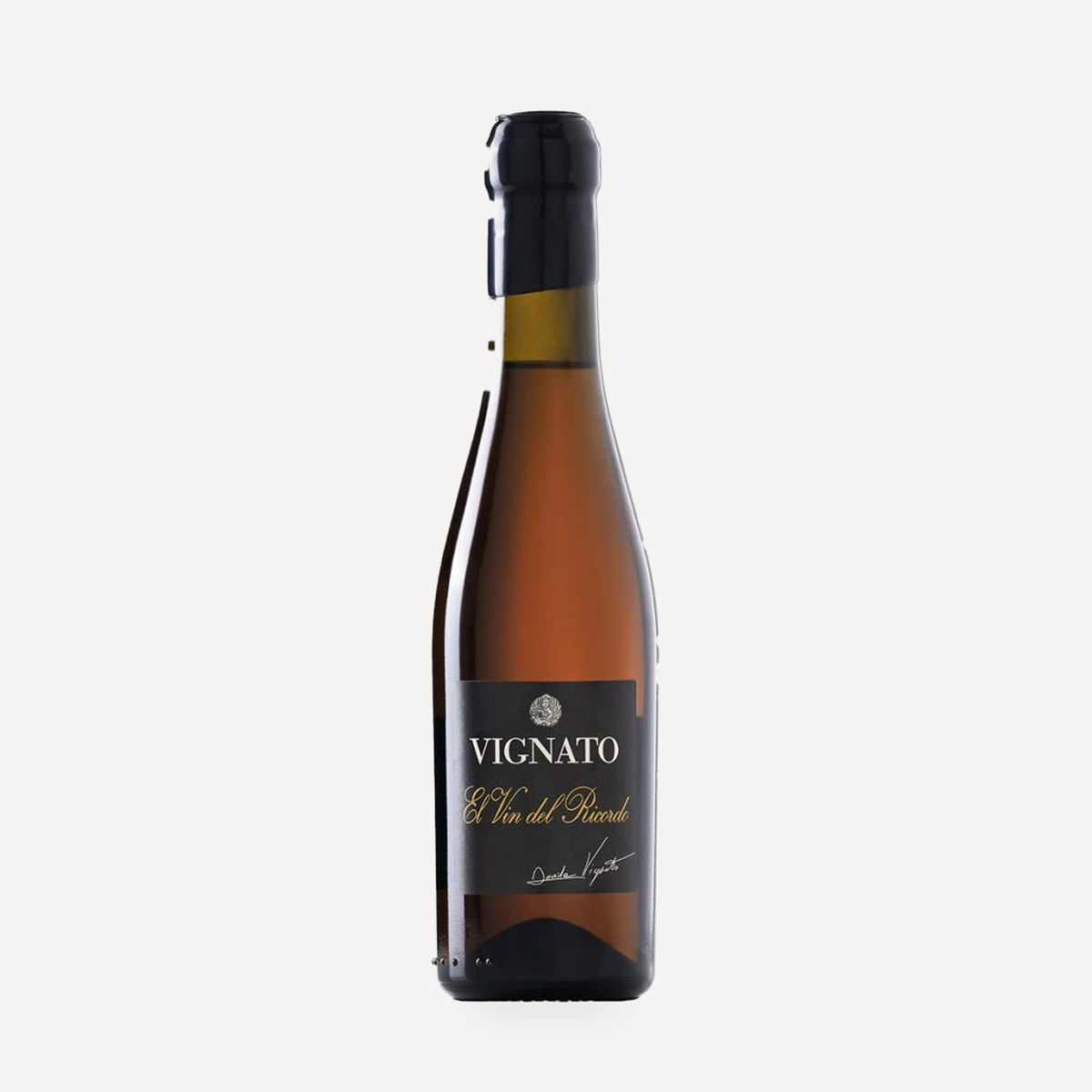
El Vin del Ricordo – Garganega Passito Igt Veneto
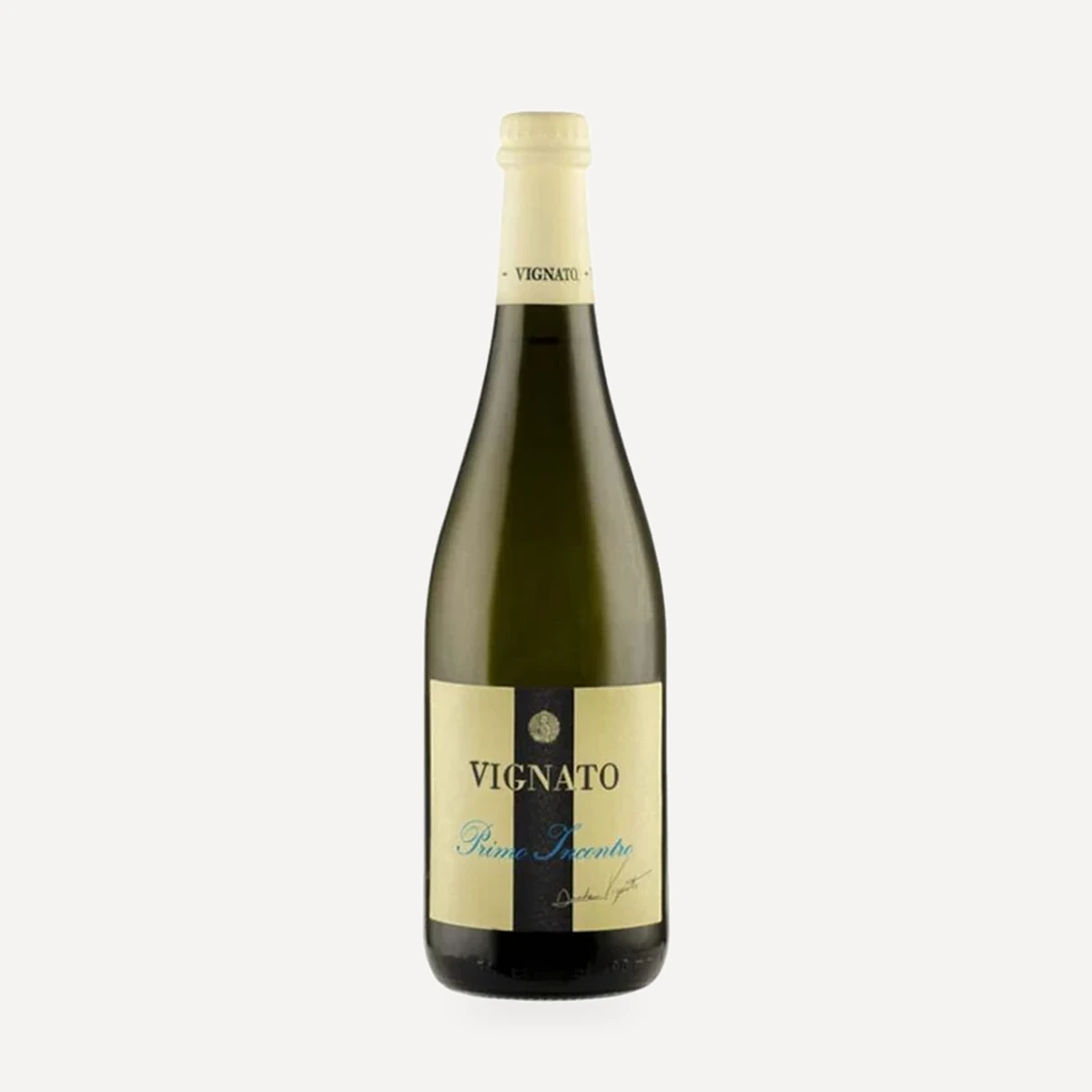
Primo Incontro – Veneto Igt Garganega Frizzante Biologico
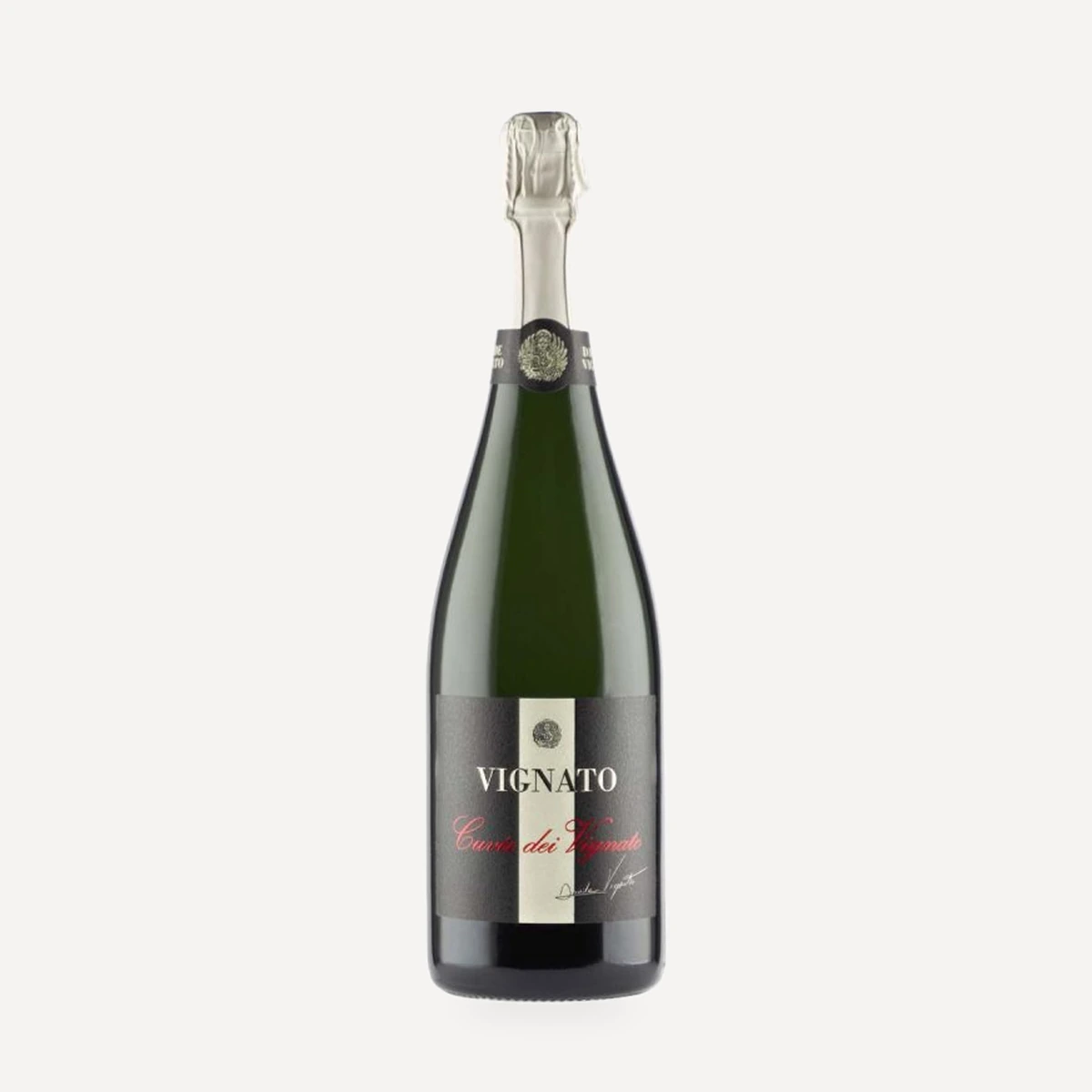
Cuvée dei Vignato – V.S.Q. Durella
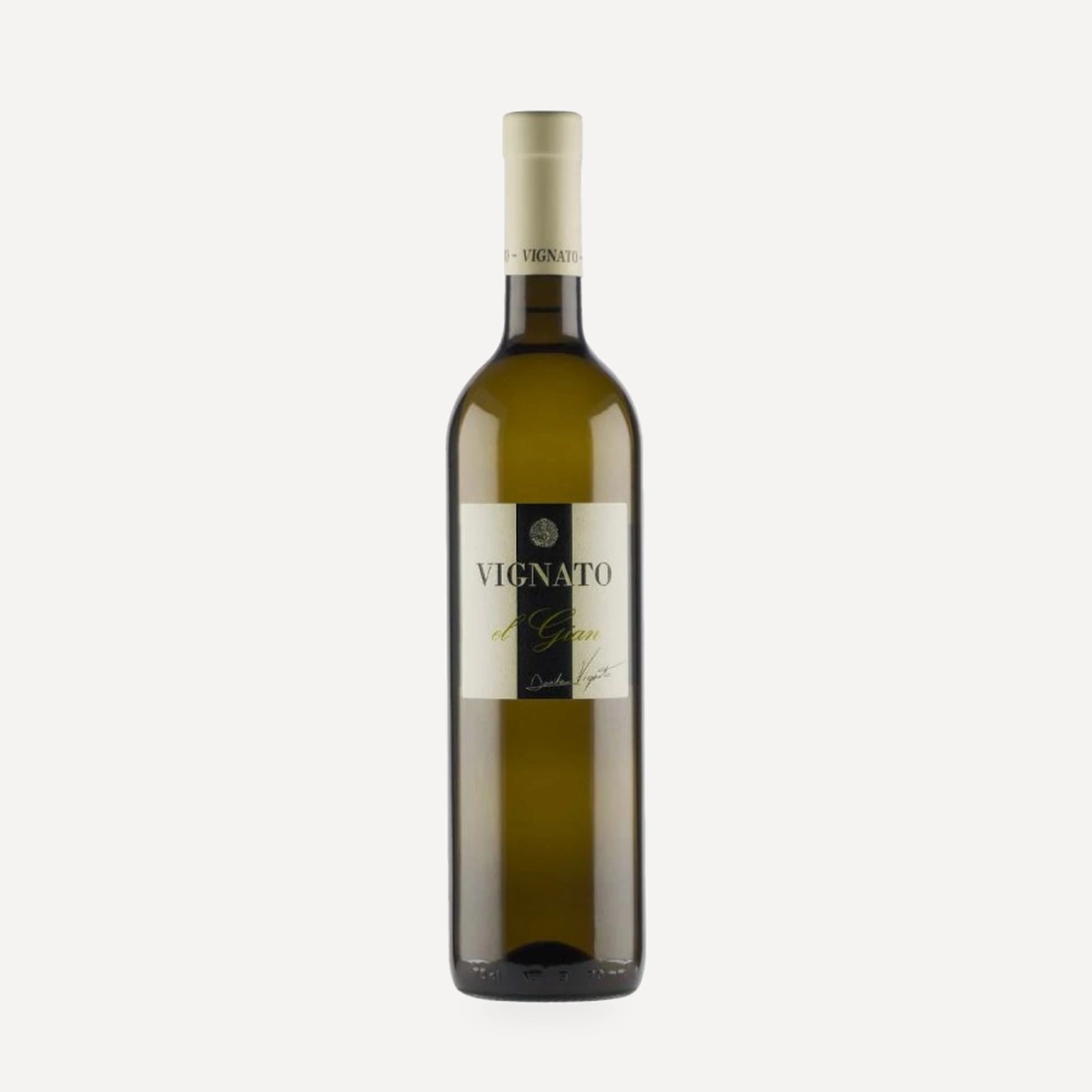
El Gian – Garganega Igt Veneto
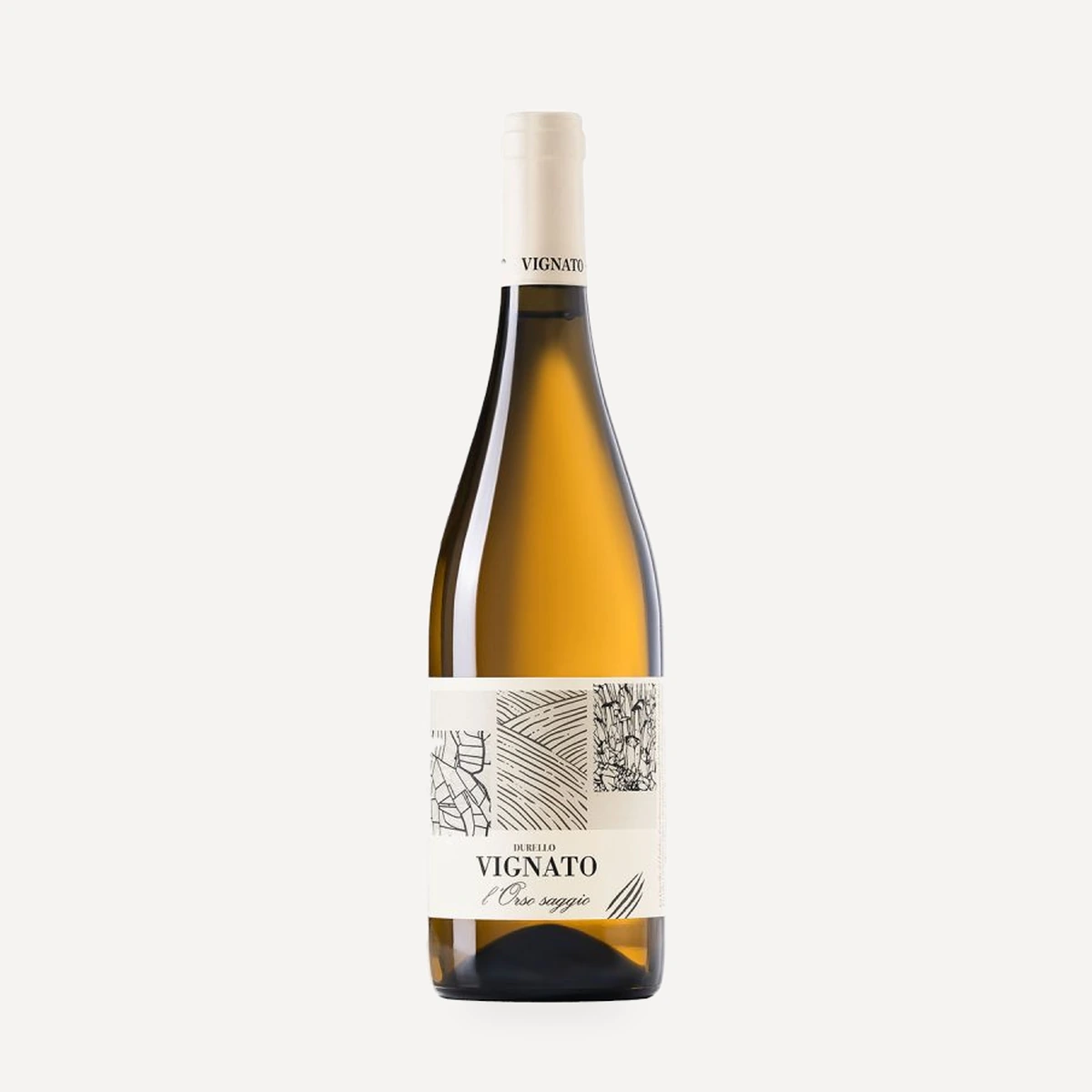
L’Orso Saggio – Monti Lessini Durello
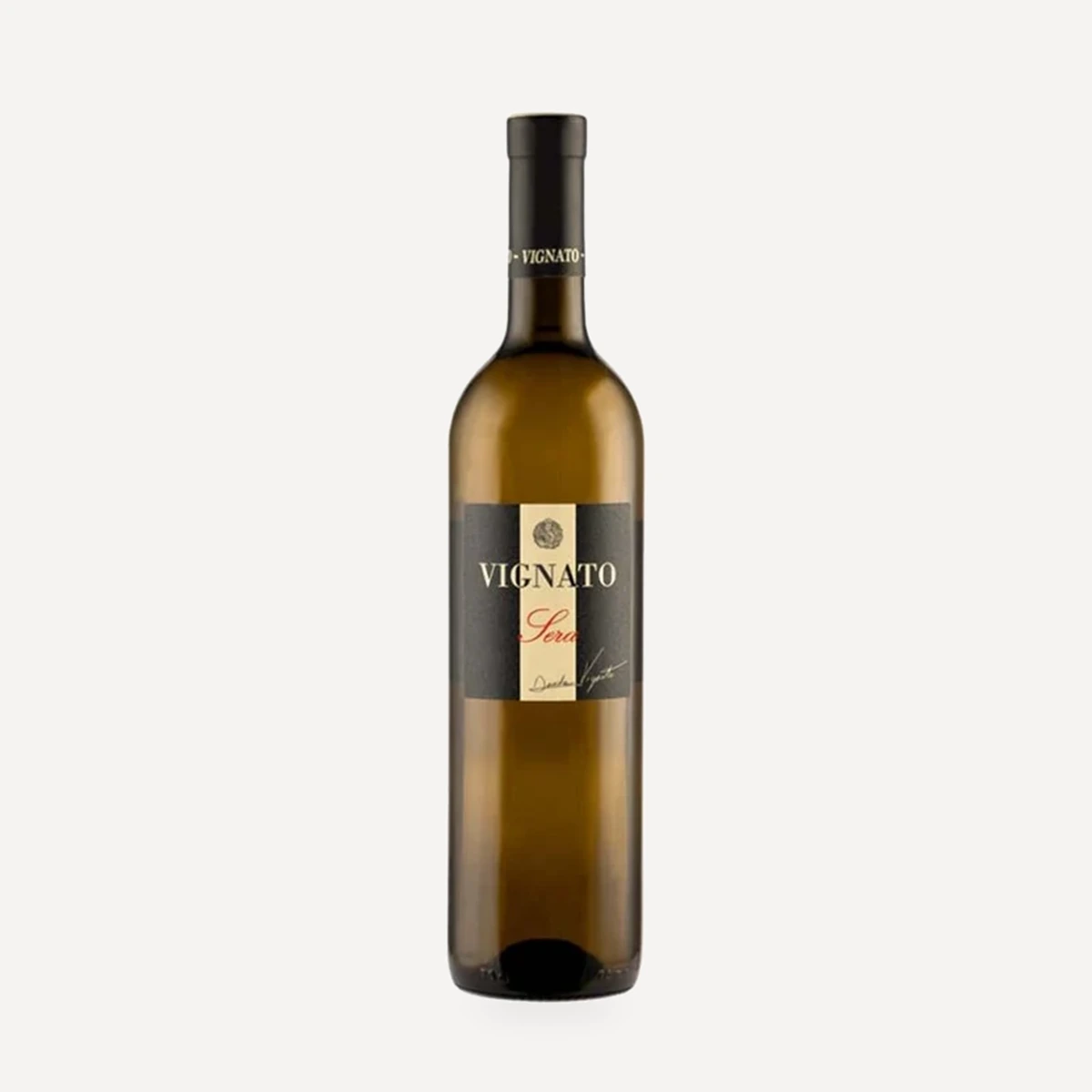
Sera – Garganega Igt Veneto