Storia
From hospitality and industry to viticulture
Before establishing Davinum, Liliana and Daniel Schaetti accumulated experience in the hotel and restaurant sector and pursued a successful industrial career. They ultimately decided to devote themselves fully to viticulture in Tuscany, turning their ambition for a different way of life into a family wine business.
2006 — acquisition of Podere Casalta
In 2006 the Schaettis purchased the old Podere Casalta at Castelfiorentino, north of San Gimignano. The property comprised approximately 10 hectares. Only 2 hectares were occupied by an old vineyard planted with mixed, ageing vines; the remaining land was either an olive grove or largely unused.
The family and its experienced staff began restoring the agricultural value of the property. The old vines were removed and the vineyard was redesigned and replanted rather than retained in its former mixed and declining condition.
2008 — drainage infrastructure
A new, extensive vineyard drainage system was completed in 2008, preparing the land for the new plantings.
2010 — creation of the new vineyard
In 2010, 5 hectares on the Monte Olivo hill were planted with Sangiovese, Pugnitello, Foglia Tonda and Merlot. This established the core vineyard from which the present estate developed.
2020 — expansion to seven hectares
The vineyard was expanded by a further 2 hectares in 2020. The new area included Sangiovese in a privileged position associated with Solo Uno, Merlot and additional rows of Pugnitello in an exposed position. The expansion brought the total vineyard area under management to 7 hectares.
Davinum today
Davinum remains a family enterprise owned by Liliana and Daniel Schaetti. The team includes oenologists Paolo Caciorgna and Mirko Niccolai and agronomist Dr Cristian Nardi. Depending on the vintage, production ranges from 25,000 to 30,000 bottles. The cellar combines traditional knowledge with modern equipment, while vineyard management follows seasonal rhythms, excludes pesticides and herbicides, limits mechanical intervention and relies exclusively on solar power for the cellar’s energy.
Terroir
Davinum is located at Podere Casalta in Castelfiorentino, Tuscany, north of San Gimignano. Its vineyards occupy the hillside of Monte Olivo at approximately 120 metres above sea level, with predominantly southern and south-western exposures.
The vineyard soil is clay-rich and of Pliocene origin. Shells and other fossils remain visible among the rows, physical evidence of the sea that once occupied the area. The estate’s renewal converted previously uncultivated ground and an old mixed vineyard into a single 7-hectare viticultural holding.
Individual positions within the hillside are used selectively. Sangiovese associated with Solo Uno occupies a privileged site, while the Pugnitello production area covers approximately 0.5 hectares on a steep, strongly south-facing site. Additional Pugnitello rows were established in an exposed position during the 2020 expansion.
Vinificazione
Viticulture follows the rhythms of the seasons and established local practice. Davinum describes its method as natural and ecological and keeps mechanical work in the vineyards to a minimum. Pesticides and herbicides are excluded.
Harvesting is carried out by hand. The fruit subsequently passes through three quality controls, culminating in manual berry selection on a vibrating sorting table. Only firm, intact and healthy berries proceed into production.
The estate’s environmental measures extend into the cellar, whose energy is generated exclusively from solar power. Davinum also uses recyclable glass closures. This choice is intended to avoid encouraging premature stripping of cork-oak bark while providing a sterile seal with minimal oxygen exchange.
Davinum combines slow, traditional working rhythms with modern cellar equipment and gives priority to quality rather than volume.
Grapes are harvested by hand and unloaded into a destemmer. They undergo three quality checks, including manual selection of individual berries on a vibrating sorting table; firm, intact and healthy fruit is retained.
Fermentation begins in horizontal tanks fitted with internal paddles. These rotate very slowly, maintaining contact between the skins and the fermenting must. The skins are separated from the must after 2–3 days.
The young wine then rests for several weeks in stainless-steel tanks until malolactic fermentation—the biological reduction of acidity—is complete. Depending on the wine, maturation subsequently takes place for 16–24 months in new 225-litre French-oak barriques or in cocciopesto amphorae.
Davinum closes its bottled wines with glass rather than natural cork. Glass is made from natural materials, is fully recyclable and provides a sterile, tight seal that limits oxygen exchange during bottle ageing. The decision also reflects concern that high cork demand can lead producers to harvest bark before cork oaks have reached the necessary age and bark thickness.
Filosofia
Davinum presents winegrowing as a family way of life built around provenance, personal relationships and limited production. Its wine and olive oil were conceived for friends, friends of friends and loyal customers, with a direct relationship between producer and consumer.
The estate’s guiding principle is quality over quantity. Work in the vineyard is deliberately slow and follows natural and seasonal rhythms, drawing on knowledge accumulated by generations of local growers. In the cellar, that traditional foundation is paired with modern technology.
The revival of an abandoned vineyard is central to Davinum’s identity. The Schaetti family viewed the neglected land as a terroir with unrealised potential and pursued its recovery through drainage, complete replanting, patient cultivation and later expansion. Each harvest is treated as a renewed expression of that recovered place and of the daily care invested in it.
Environmental choices include excluding pesticides and herbicides, limiting mechanical vineyard work, powering the cellar entirely with solar energy and choosing recyclable glass closures. The glass closure also expresses concern for the natural growth cycle of cork oaks and is intended to combine environmental responsibility with controlled bottle maturation.
Vini
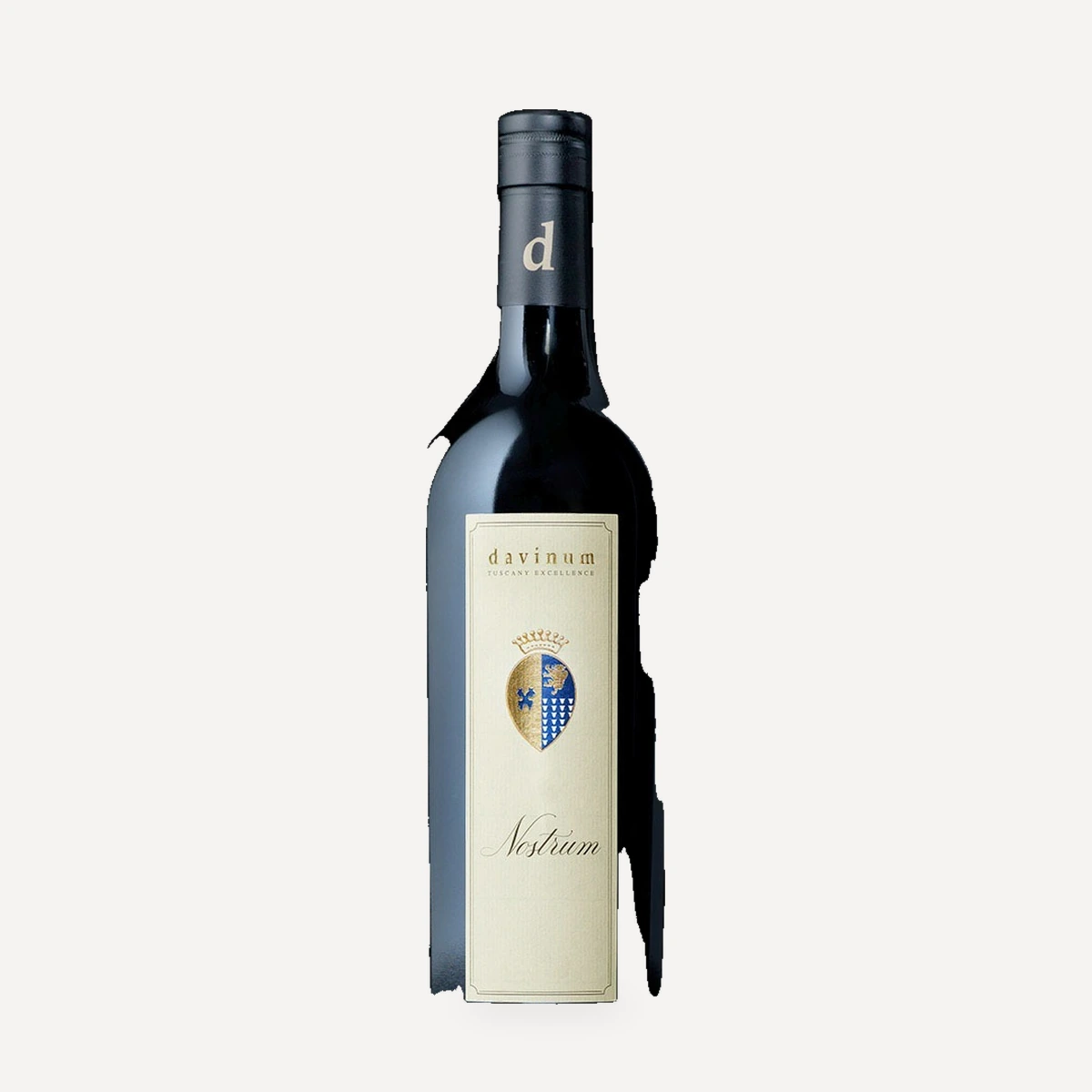
Nostrum
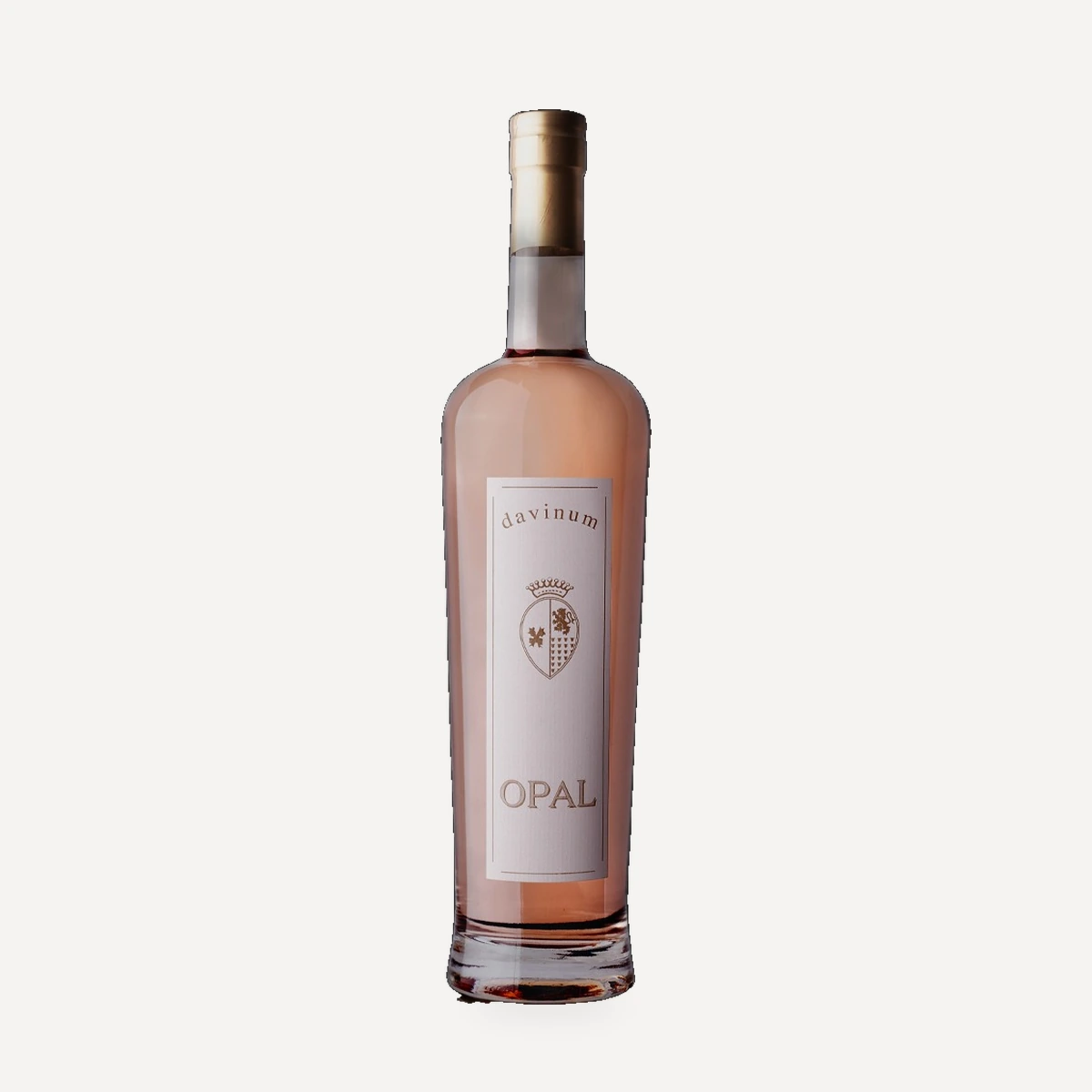
Opal
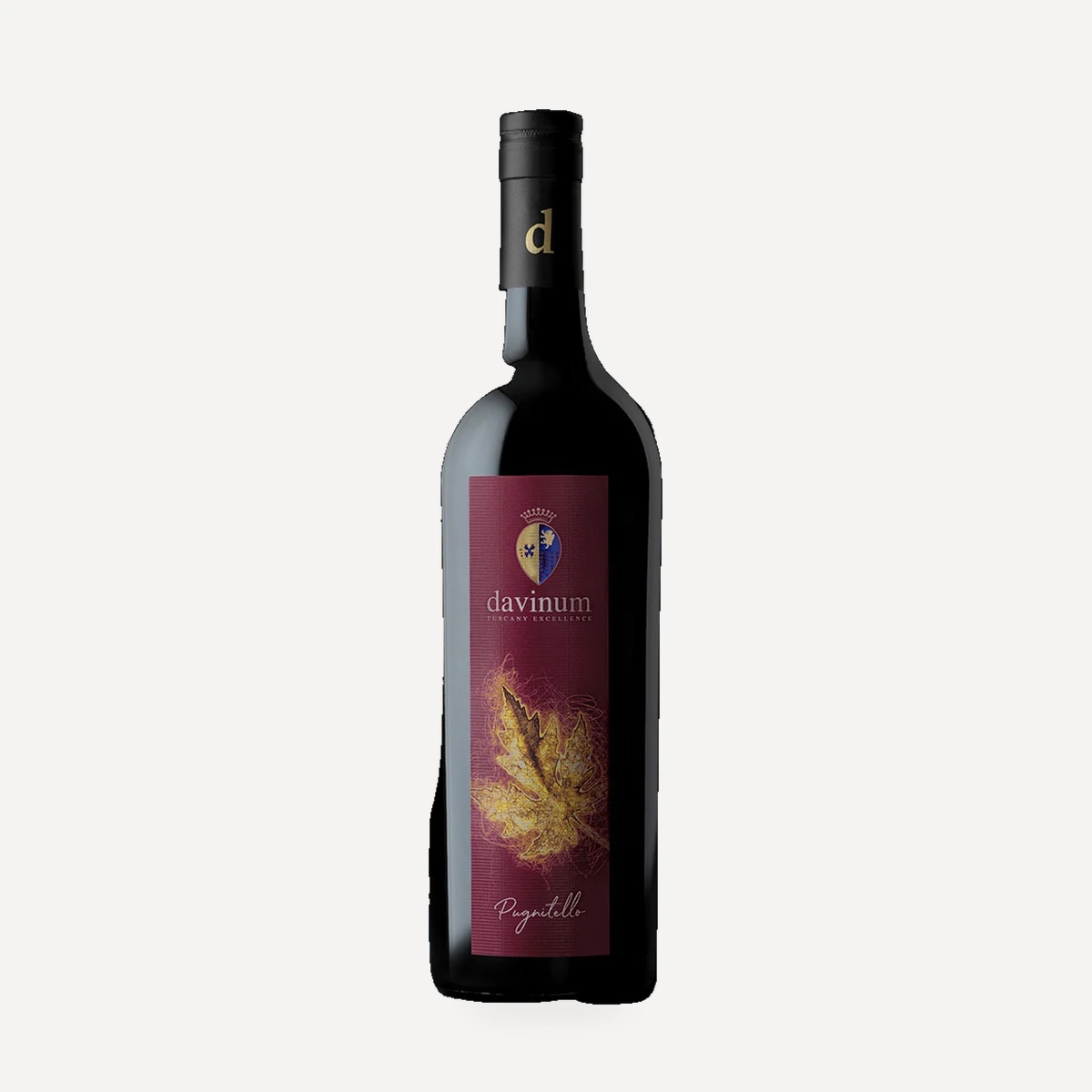
Pugnitello
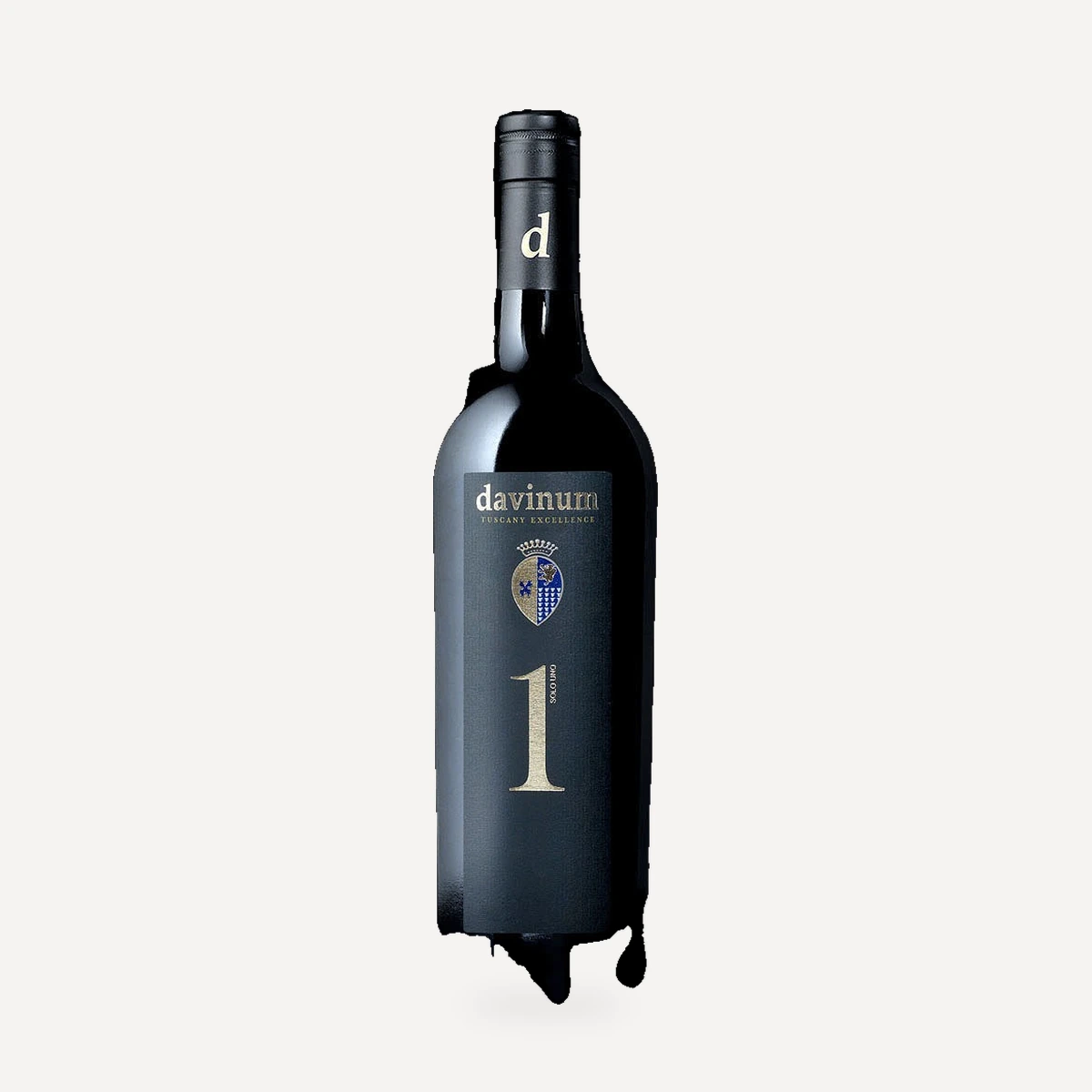
Solo Uno
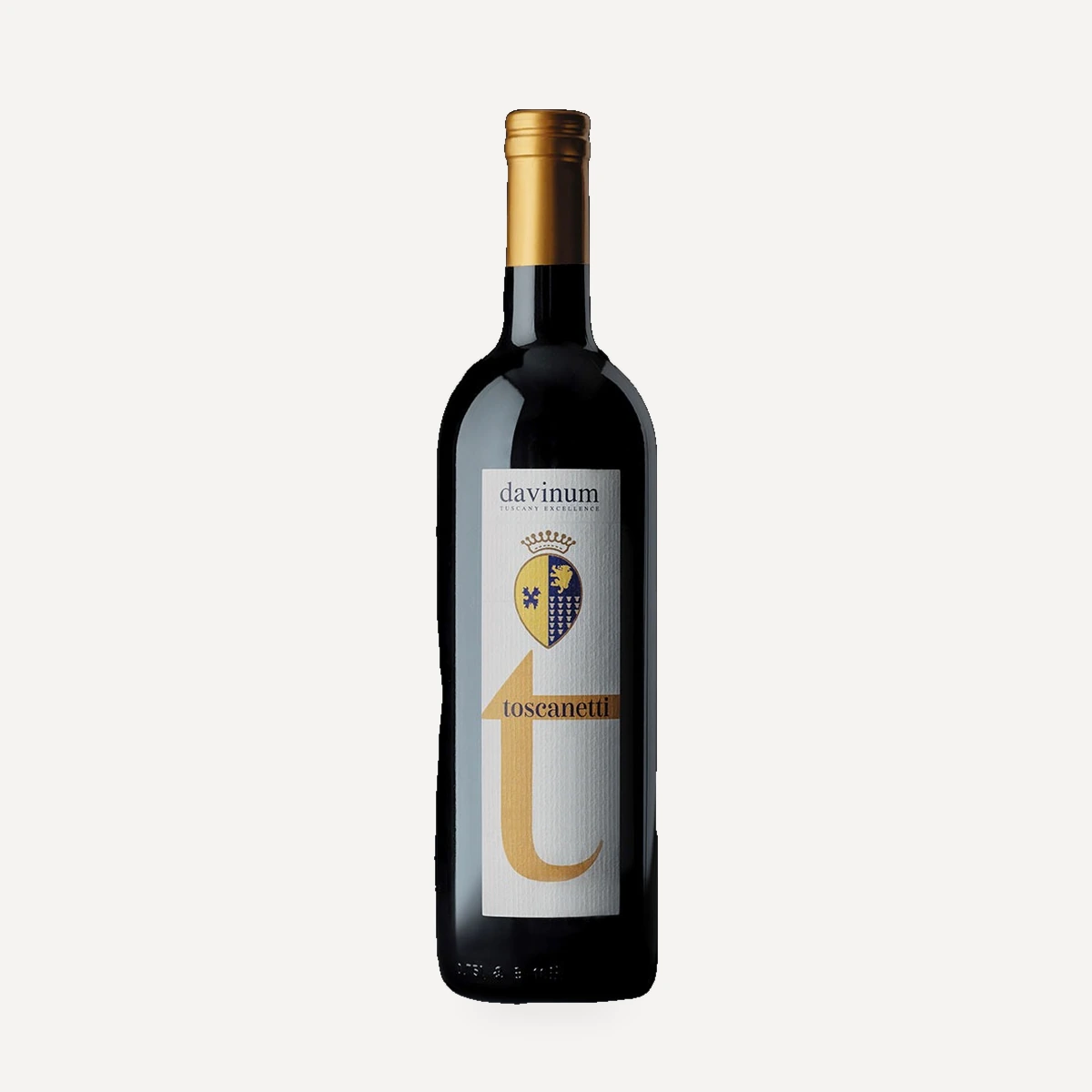
Toscanetti