Storia
Etruscan origins and the Ricci family legend
The oldest element in the estate’s history is the Rupe del Sasso, a cave excavated entirely by hand in tuff during the 4th century BC. Cut into the formation known as the Sasso di Montepulciano, it was preserved over the centuries by the Ricci family.
The family tradition places Riccio Ricci in Montepulciano in 1150. He was reputed to predict weather patterns so accurately that he was accused of sorcery. To defend himself, he explained that he based his forecasts on the way a hedgehog observed the sun. The episode earned him the nickname Riccio—Italian for hedgehog—and he became the remembered ancestor of Montepulciano’s Ricci family. The hedgehog consequently became part of the identity associated with the family name.
The medieval cellar
The De’Ricci cellar was established in 1337 over earlier medieval structures. Its construction followed Montepulciano’s historic building statutes for underground spaces beneath the Sasso: a cellar was to have a lime-and-brick vault and could measure 20 feet in length by 16 feet in width.
Giovanni Ricci, the Wine Cathedral and Palazzo Ricci
In 1534, Giovanni Ricci initiated construction of a new cellar beside the medieval complex. Completed in 1562, it was divided into three naves, an architectural arrangement that gave rise to its name, the Wine Cathedral.
Also in 1562, Palazzo Ricci was built above the cellars to protect and preserve them. Commissioned by Giovanni Ricci and designed by Baldassarre Peruzzi, the palazzo became the family’s new residence.
Dionora Ricci and the transfer to the Trabalzini family
Dionora Ricci (1913–2003) was the last Marchesa Ricci. Her close friend and confidante Emilia Di Toffa remembered her as modern and devout, with a determined yet gentle character and a distinctive smile.
The period 1959–1971 is associated with Aldo and Maria Trabalzini. Aldo, who had served as administrator of the Ricci estate in Montepulciano, acquired the historic cellar and began planting vineyards.
A new phase in the vineyards
In 1980, Vino Nobile di Montepulciano became the first Italian wine to receive DOCG status.
In 1995, Aldo’s son Enrico Trabalzini began the first vineyard replanting programme. He expanded the estate on the Ascianello hill and conducted the first experiments with fermentations of pure Sangiovese. The vineyards that later formed the basis of the renewed De’Ricci project were planted between 1995 and 2008.
De’Ricci Cantine Storiche
In 2012, Enrico, his wife Antonella, and their sons Nicolò and Francesco created De’Ricci Cantine Storiche. The project was centred on the quality and individual character of Sangiovese grown in Montepulciano.
Fontecornino and Pelago
The Tenuta Fontecornino vinification centre opened in 2017, surrounded by the Fontecornino vineyards. Fermentation and part of the maturation in wood and cement take place there, while the remaining maturation continues in the historic Montepulciano cellar.
In 2018, one year after Fontecornino opened, the Pelago logistics centre and warehouse were inaugurated. Refrigerated rooms with controlled temperature and humidity were introduced to provide stable conditions for bottle maturation.
SorAldo
In 2019, SorAldo, a single-vineyard cru of Vino Nobile di Montepulciano, was presented for the first time. It became the flagship expression of De’Ricci’s Vino Nobile production.
Terroir
De’Ricci’s vineyards are distributed across three areas within the commune of Montepulciano, selected to produce three distinguishable expressions.
Ascianello
Ascianello is a very high and ventilated area suited to Sangiovese. Its sandy-clay soils originated in the Pliocene and contain abundant rocky material, including fossil shells. Yields are very limited, bunches are loose and ripening is late. The area forms the centre of the estate’s Vino Nobile di Montepulciano production and contains the individual vineyard used for SorAldo.
Fontecornino
Fontecornino occupies a high, particularly cool and well-ventilated position. The silty-clay soil contains a substantial stony component. The combination of soil and low summer temperatures favours grapes with pronounced aromatic character, balanced acidity and finely textured tannins. Sangiovese, Merlot, Cabernet Sauvignon and Petit Verdot are cultivated in this area. The vinification centre stands on a hill within this micro-area, integrated among vineyards and woodland.
Fontago
Fontago is a warm and ventilated zone with early ripening. Its vineyards lie at 300 metres above sea level on predominantly sandy soil. The resulting grapes retain freshness and vibrant acidity and are associated with approachable, easy-drinking wines. Fontago is the central production area for Rosso di Montepulciano.
Vinificazione
De’Ricci follows organic and sustainable viticulture and excludes synthetic chemical products. Vineyard management is intended to foster biodiversity and establish functioning ecosystems both within the vineyards and in their surrounding areas.
Nature is treated as an active partner throughout the vine’s growth cycle. The objective is to accompany natural development in the vineyard and interpret the resulting fruit in the cellar. The estate places most of its production work in the vineyard so that the grapes retain the identity of their individual growing areas.
All grapes are harvested manually into boxes. Bunches are selected carefully during the harvest before being used for De’Ricci wines.
De’Ricci operates through two complementary cellars. The historic Wine Cathedral in central Montepulciano preserves the underground complex established in 1337 and enlarged between 1534 and 1562. Tenuta Fontecornino, inaugurated in 2017 among vineyards and woodland, is the estate’s vinification centre.
Fermentations take place at Fontecornino. Each individual Sangiovese parcel is vinified separately in small barrels and vats, preserving its identity before the components of Vino Nobile di Montepulciano are defined. Part of the maturation takes place at Fontecornino in wood and cement, while the remainder continues in the historic Montepulciano cellar.
The cellar approach is deliberately restrained: the principal work is carried out in the vineyard, while intervention after harvest is kept to a minimum to respect the natural character of the grapes.
Since 2018, the Pelago logistics centre has provided temperature- and humidity-controlled refrigerated rooms for bottle maturation and storage.
Filosofia
De’Ricci treats wine as an expression of place and places the greater part of its work in the vineyard. Its cellar philosophy is based on limiting intervention so that the grapes preserve the identity of Montepulciano and the distinctions among Ascianello, Fontecornino and Fontago.
The estate describes its identity through paired ideas: history and future, tradition and innovation, structure and lightness, nature and human craftsmanship. Its two cellars embody this relationship—the historic Wine Cathedral safeguards the inherited architecture, while Fontecornino brings vinification into the vineyards.
Respect for nature is linked to organic and sustainable cultivation, the exclusion of synthetic chemical products, biodiversity and careful manual harvesting. Elegance, personality and recognisability define the intended house style, while the renewed family project focuses particularly on the quality and individual character of Sangiovese in Montepulciano.
Vini
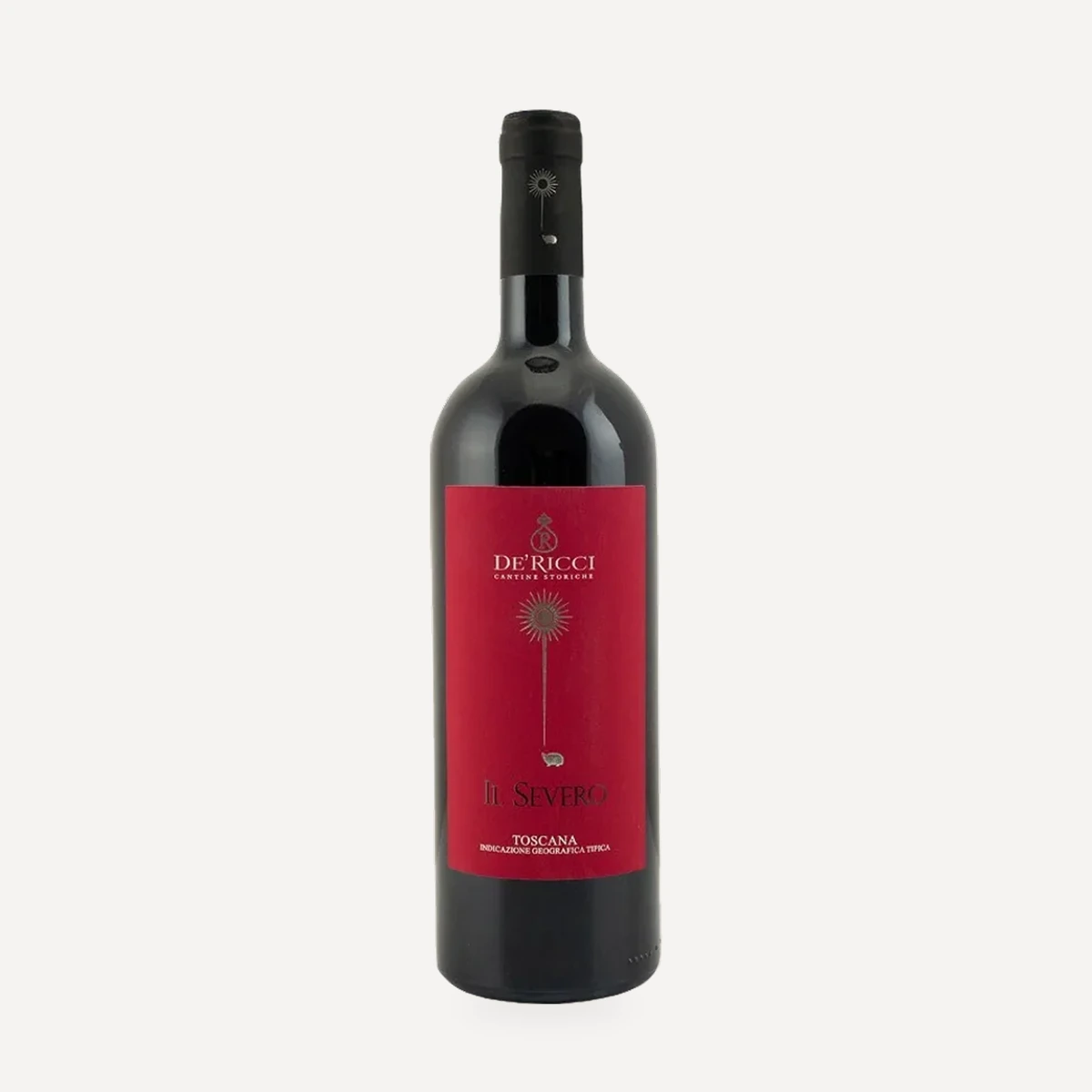
Il Severo IGT Toscana
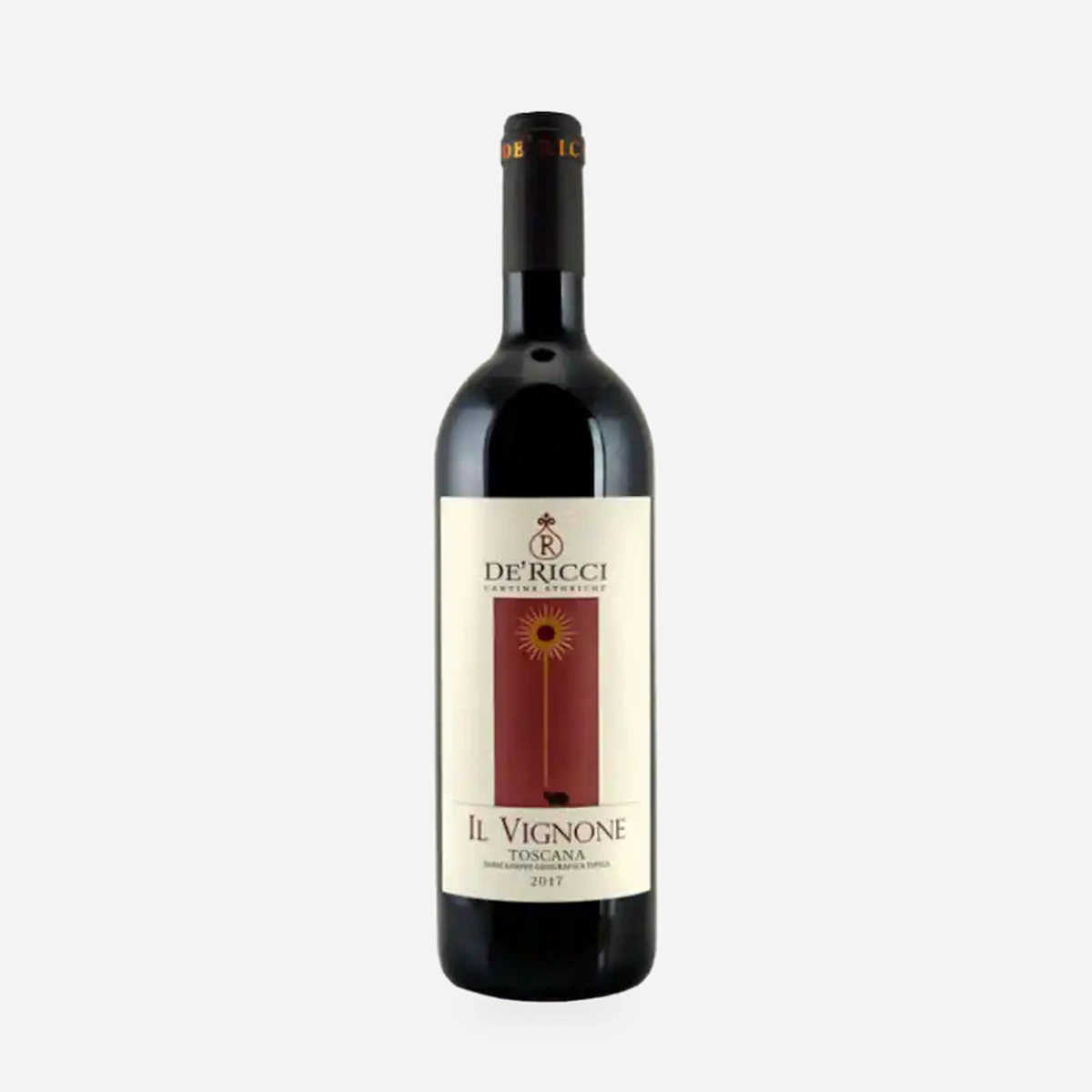
Il Vignone IGT Toscana
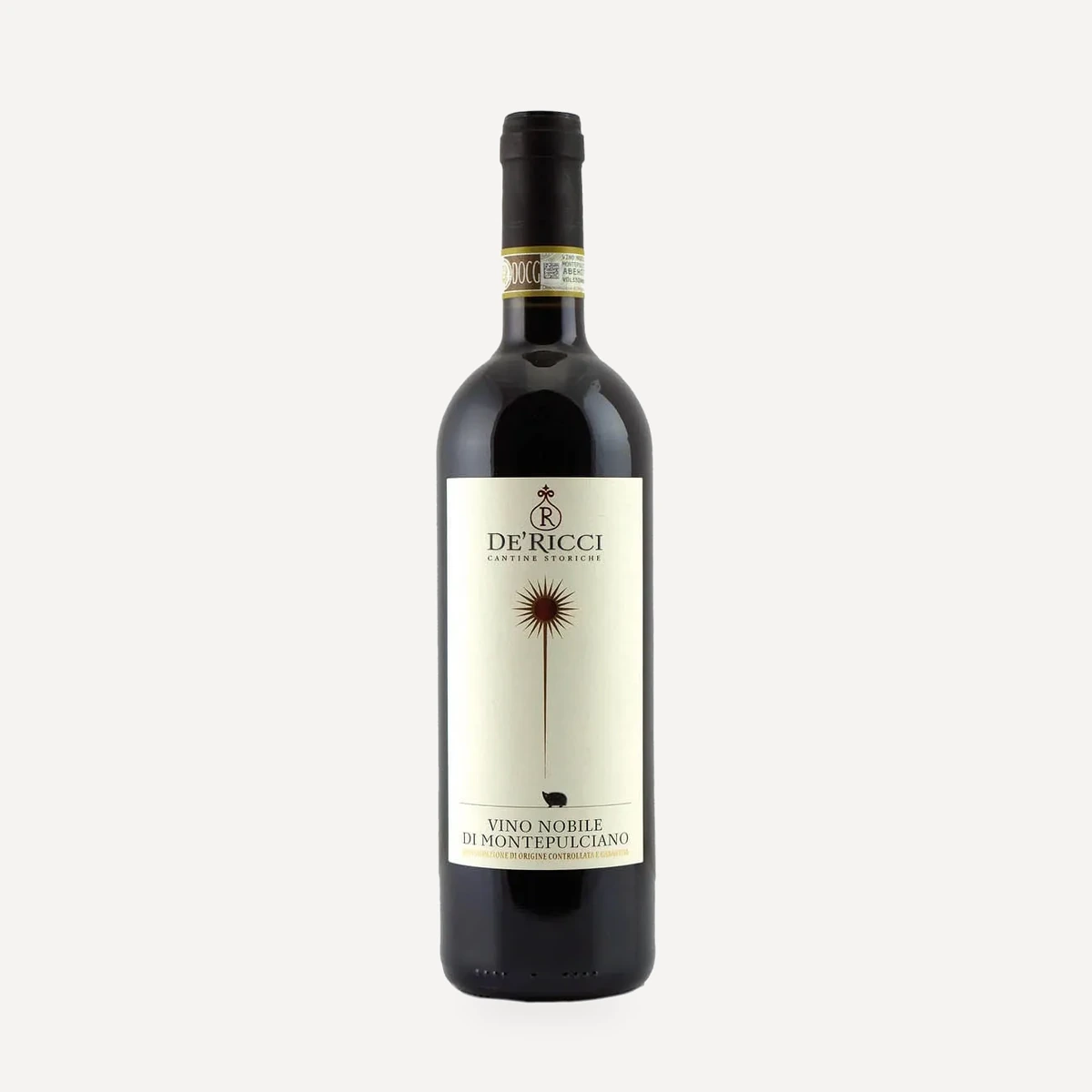
Nobile di Montepulciano DOCG
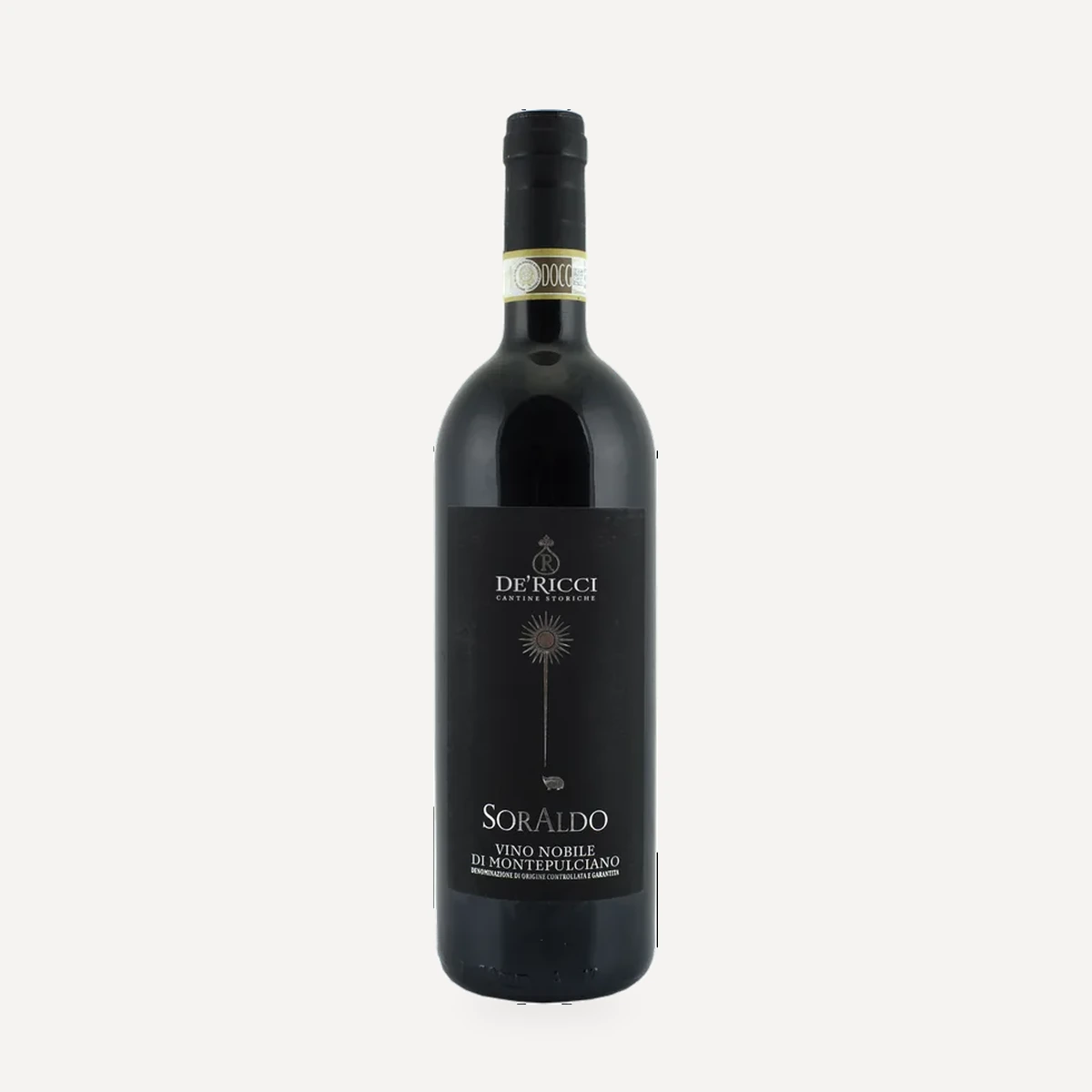
Soraldo Vino Nobile di Montepulciano DOCG