Questo vino
Vineyard and terroir
The fruit comes from the Terzano vineyard, on south- to southwest-facing hillsides at 340 m above sea level. The soil originated as a Pliocene seabed and consists chiefly of sand, fossils and seashells. The vineyard is monitored through every phenological stage to maintain limited, quality-focused production. Vines are trained to spurred cordon with 8–10 buds, and yield is capped at 7,000 kg/ha.
Grapes
A blend of indigenous varieties permitted for the denomination, led by Grechetto and Trebbiano, locally known as Procanico. Exact proportions are not given.
Vinification
Harvest runs from early to mid-September and is scheduled only when all varieties in the vineyard have reached full ripeness. The grapes are brought to the cellar and vinified in stainless-steel vats at a controlled 15–18°C. Alcoholic fermentation lasts approximately 20–25 days.
Ageing
The wine remains on its lees for two months after alcoholic fermentation, gaining flavour and structure through yeast lysis. It then ages in bottle for at least two months before release.
Technical data
The displayed vintage is 2024, with 13.5% alcohol by volume.
Tasting profile
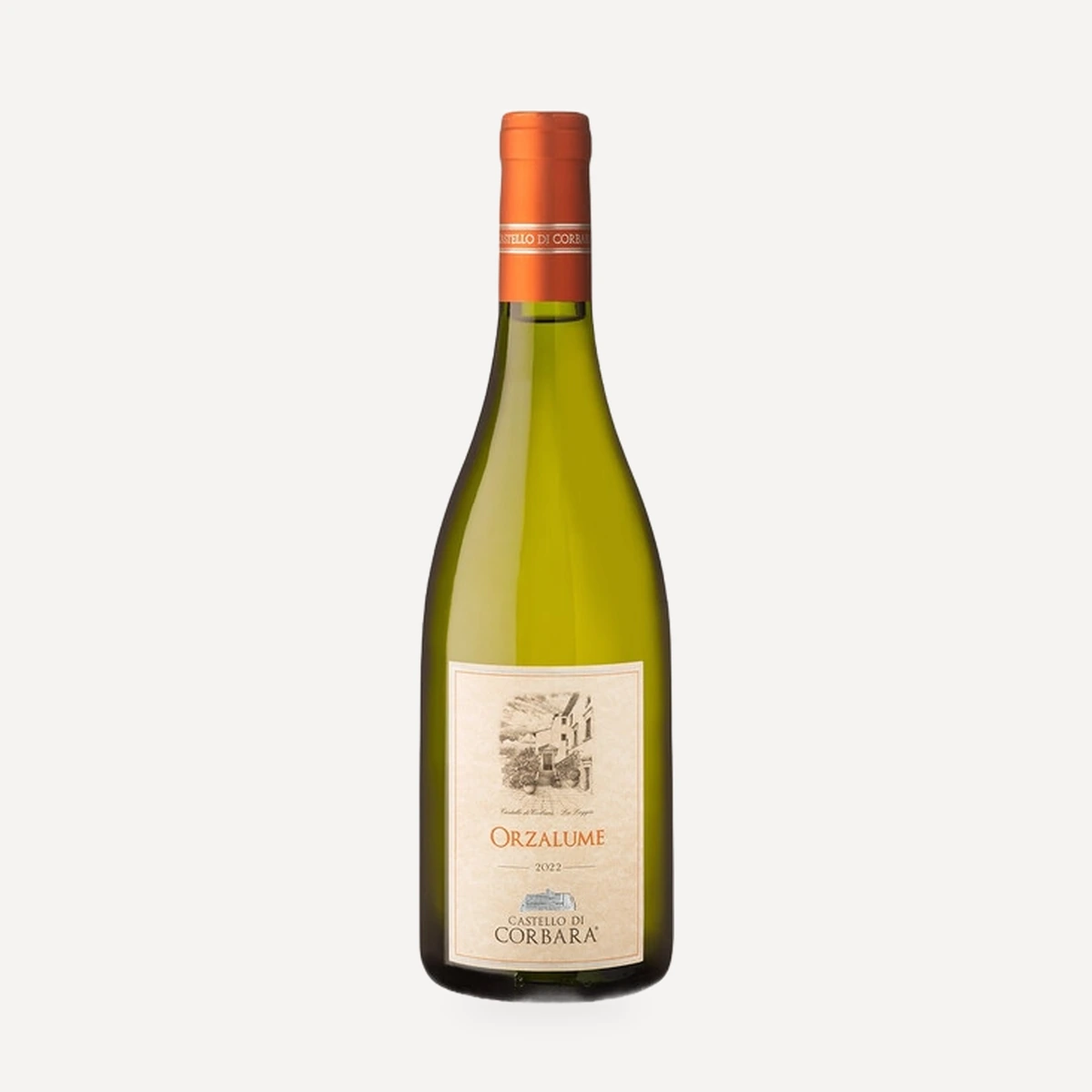
Luminous straw yellow. Fresh floral and fruit aromas lead to a fragrant, delicate and aromatic palate with balanced acidity.
Label / history
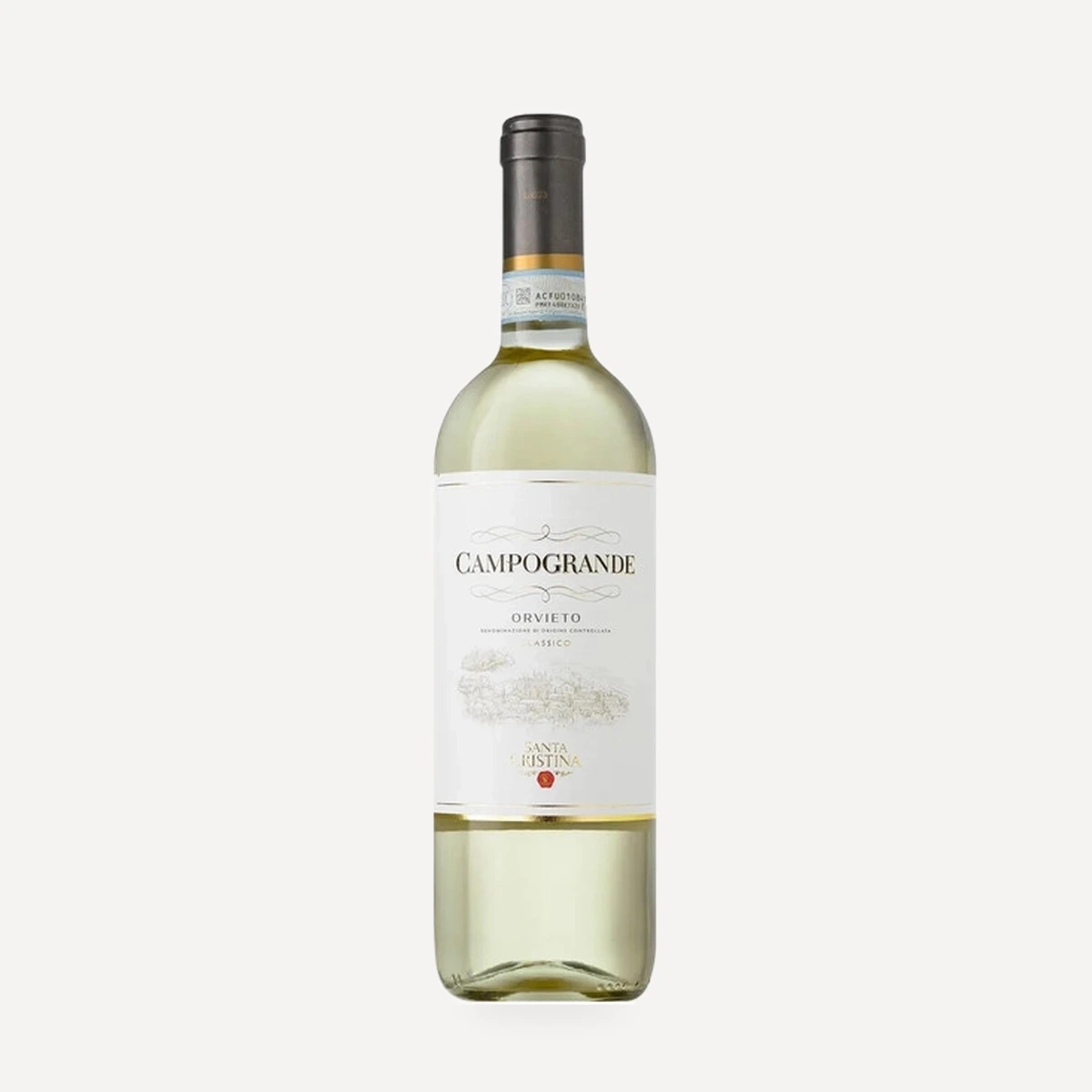
The name recalls Piana Grande, where, during the factional conflicts of fourteenth-century central Italy, vineyards belonging to the Montemarte family—the counts of Corbara and supporters of the Pope—were burned by the opposing Ghibellines from Perugia. Naming the wine after the place acknowledges the area's long history of vine cultivation.