Storia
1647 – Legendary Origins
According to legend, Scipione di Marzo fled Naples during a devastating plague in 1647 and found refuge near Tufo, bringing ancient Greco del Vesuvio vines with him. The grape adapted to the hills of Tufo and their soils, rich in minerals and especially sulfur. For this reason, Scipione di Marzo is considered the founder of the famous Greco di Tufo.
1648 – The Palazzo
Scipione di Marzo began building the Palazzo, which incorporated ancient fortress walls and historic cellars.
Sulfur Mining Era
Alongside the wine business, sulfur mining and processing began at a deposit discovered near the Sabato River, helping to make Tufo one of Italy's industrial centers. The ready supply of sulfur encouraged the expansion of vineyards, the development of winemaking and the use of sulfites to protect wine from harmful microorganisms. Tufo's industrial sulfur operations closed only in the 1980s, when the deposits were exhausted.
1833 – Official Registration
Azienda Agricola di Marzo was officially registered in 1833, becoming the first winery in Campania and one of the first in southern Italy.
1880–1911 – Donato di Marzo
Donato di Marzo served as a senator at the royal court and played an important part in building the railway that gave the major wine regions of southern Italy access to markets across Italy and Europe.
2009 – The Somma Family Takes Over
The Somma family, direct descendants of the Marzo family, took over the business. Filippo di Somma invested in production to restore the wines' former quality as well as the reputation of one of Italy's oldest cellars.
2017 – Focus on Terroir
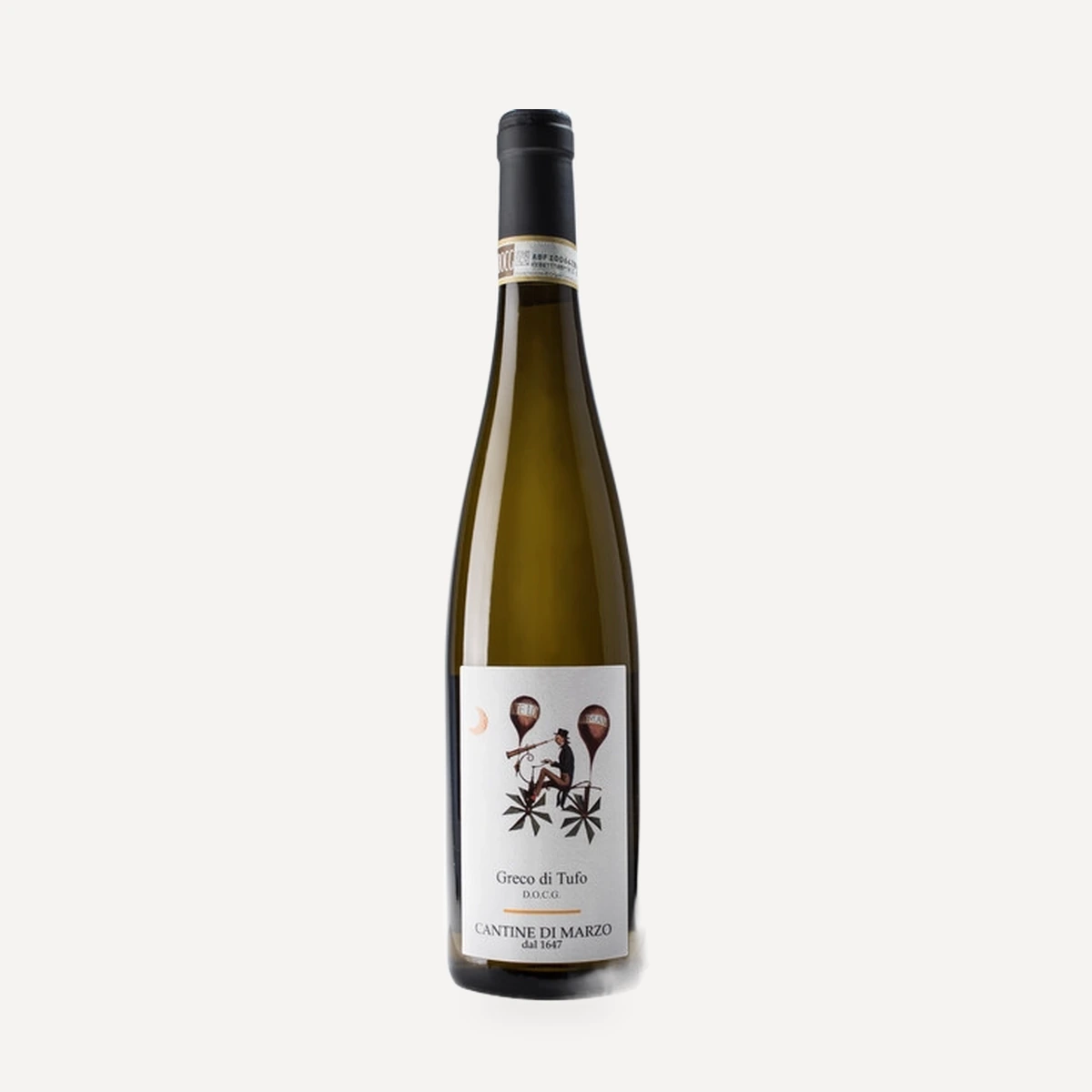
Filippo's son Ferrante, who had received an excellent education in wine marketing, chose to focus on the character of Tufo's terroir. He introduced three Greco di Tufo wines: Colle Serrone, Laure and Ortale.
Today
Cantine di Marzo remains a family business, producing 110 thousand bottles a year, with its wines available in 12 countries.
Terroir
The winery is located in the hills of Tufo, Campania. The soils are rich in minerals and especially sulfur, following the discovery of a sulfur deposit near the Sabato River. The grape Greco del Vesuvio adapted to these hills and their distinctive soils.
Vinificazione
Vineyard expansion in Tufo was historically encouraged by the ready supply of sulfur from local mining, which was used in winemaking to protect the wine from harmful microorganisms.
The ready supply of sulfur from Tufo's mining operations encouraged the development of winemaking and the use of sulfites to protect wine from harmful microorganisms. The cellars are historic, incorporated into the Palazzo built from 1648 alongside ancient fortress walls. In 2009 Filippo di Somma invested in production to restore the wines' former quality. In 2017 Ferrante di Somma introduced three single-vineyard Greco di Tufo wines: Colle Serrone, Laure and Ortale, focused on expressing Tufo's terroir.
Filosofia
Filippo di Somma invested in production with the aim of restoring the wines' former quality and the reputation of one of Italy's oldest cellars. His son Ferrante chose to focus on the character of Tufo's terroir when developing the estate's wines.
Vini
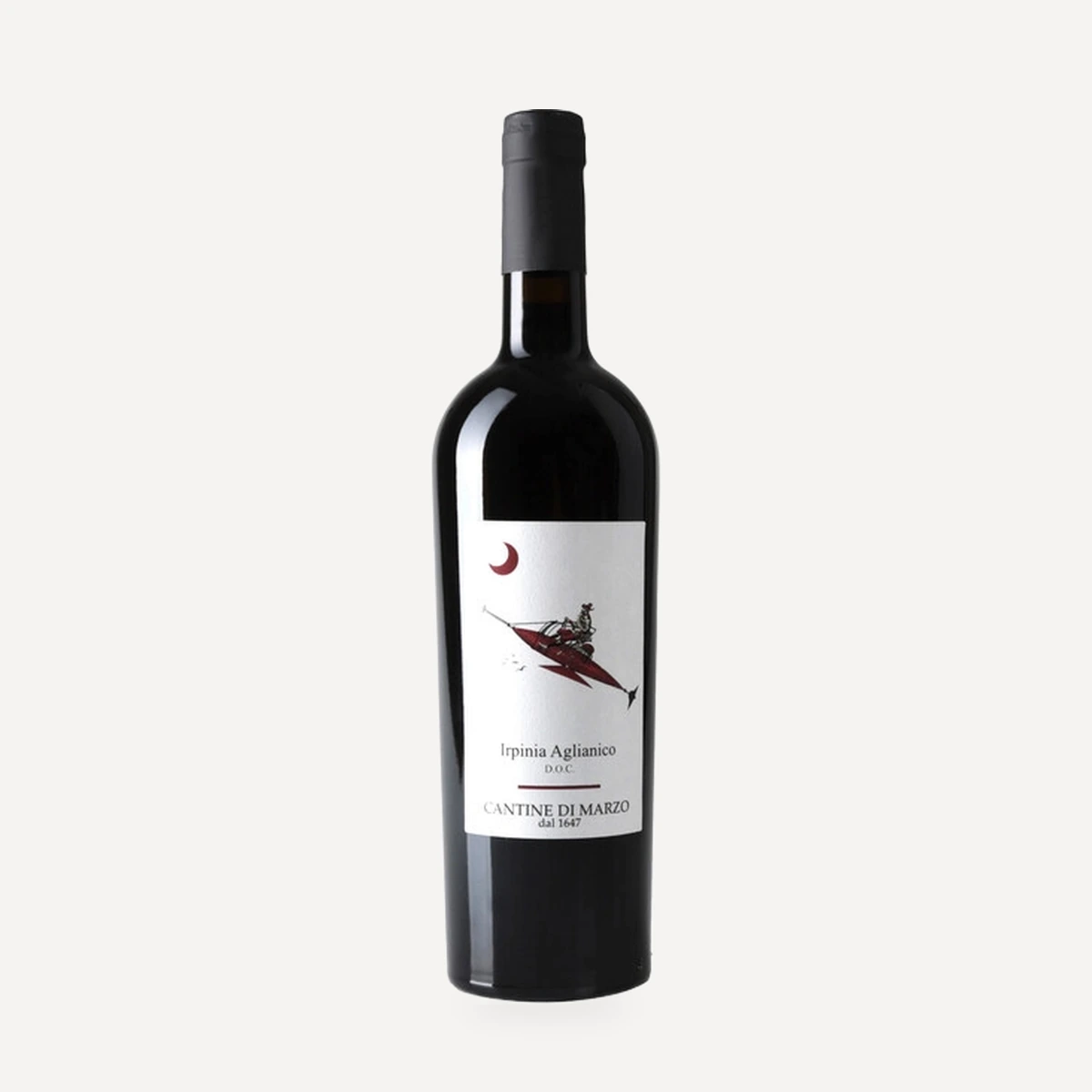
Irpinia Aglianico DOC
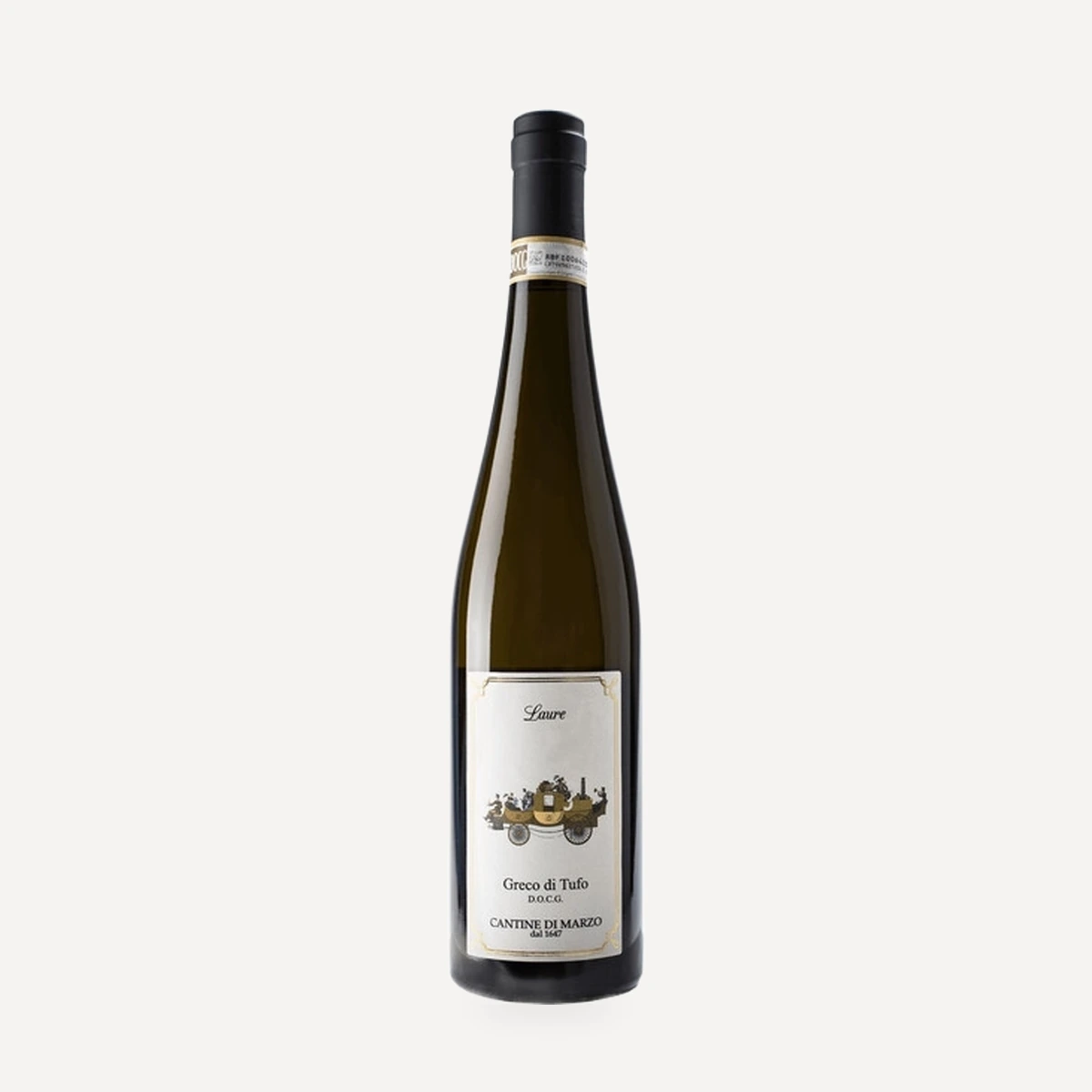
Laure Greco di Tufo DOCG