Storia
La Casella before the winery’s first Franciacorta
La Casella was already part of the estate’s production history by 1985. It is a single Chardonnay parcel on thin and deep morainic soil and later became the focus of the estate’s principal single-vineyard project.
Family production since 1986
The family has produced Franciacorta since 1986, principally from grapes grown around Erbusco. Its work centres on Chardonnay and Pinot Nero cultivated in vineyards between 200 and 280 metres above sea level.
The 2014 vintage and Riedizione
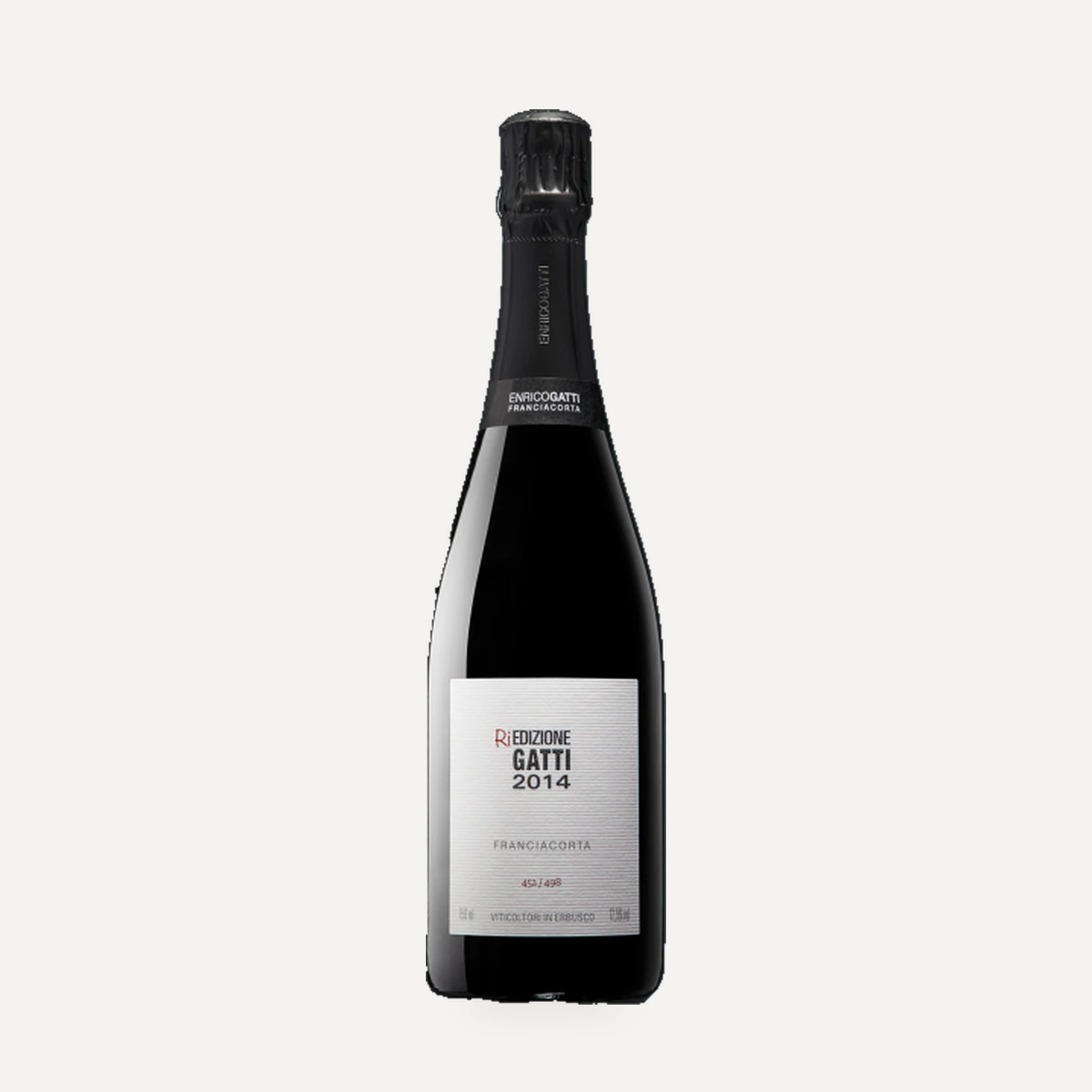
A Chardonnay wine from the 2014 vintage was retained for an extended ageing project. The base wine was made from softly pressed whole grapes; first fermentation took place in temperature-controlled steel, with part of the must fermented in French oak barriques. The wine spent 100 months on its lees and at least 12 months in bottle. Released as Riedizione 2014, the project comprised 498 numbered bottles and was conceived as a record of the vintage and an homage to the estate’s past.
The La Casella project
In 2015, repeated attention to the individual character of the estate’s vineyards led the family to begin a dedicated project around La Casella. The objective was to present the parcel and its Chardonnay without the balancing effect of a conventional multi-site cuvée. The resulting Riserva La Casella is made from the single parcel, partly fermented in French oak barriques, aged for at least 72 months on its lees and presented at near-zero dosage. The 2016 vintage was produced from La Casella vines averaging 40 years of age.
Continuing parcel-led production
The contemporary range combines non-vintage and vintage Franciacorta from hill-foot and hillside vineyards. Parcels are generally vinified separately to retain their individual identities. The range now encompasses Brut, Rosé, Satèn Millesimato, Nature, Millesimato Nature, Riserva La Casella, Riedizione 2014 and a Pinot Nero Blanc de Noir. The 2022 Blanc de Noir yielded 3,400 bottles.
Terroir
The vineyards lie within the commune of Erbusco at elevations of 200–280 metres above sea level. The holdings encompass both hill-foot and hillside settings: the hill-foot vineyards supply fruit for Brut, Rosé and Nature, while hillside vineyards supply Satèn and vintage Nature selections.
The estate distinguishes the individual microclimates of its vineyards and treats vintage variation as an essential part of their expression. Its soils are described as morainic, with profiles ranging from deep soils with fine deposits to thin morainic soils and parcels combining thin and deep morainic components. La Casella lies on thin and deep morainic soil.
The family regards close knowledge of each vineyard and microclimate as a means of allowing every harvest to develop its own character rather than requiring one vintage to resemble the preceding one.
Vinificazione
The estate practises low-impact organic viticulture. Pesticides and herbicides are excluded, while fertilisation is exclusively organic. Potential nutrient deficiencies in the soils are monitored continuously through laboratory analysis.
Chardonnay and Pinot Nero are the two cultivated varieties. Guyot is the principal training system across the vineyards, although La Casella is trained to Sylvoz and fruit used for the 2014 Riedizione came from both Sylvoz- and Guyot-trained vines. The estate vineyards average about 25 years of age; selected parcels are recorded at 30–35 years, and La Casella’s vines averaged 40 years in the 2016 vintage.
Viticultural and cellar decisions are parcel-led. The family’s detailed familiarity with the vineyards and their individual microclimates underpins an approach that accepts differences between harvests rather than seeking to reproduce an identical wine every year.
The cellar is completely underground and thermally conditioned, providing a controlled environment for fermentation, maturation, ageing and storage. It is equipped with stainless-steel tanks whose temperatures are managed through a computerised control system.
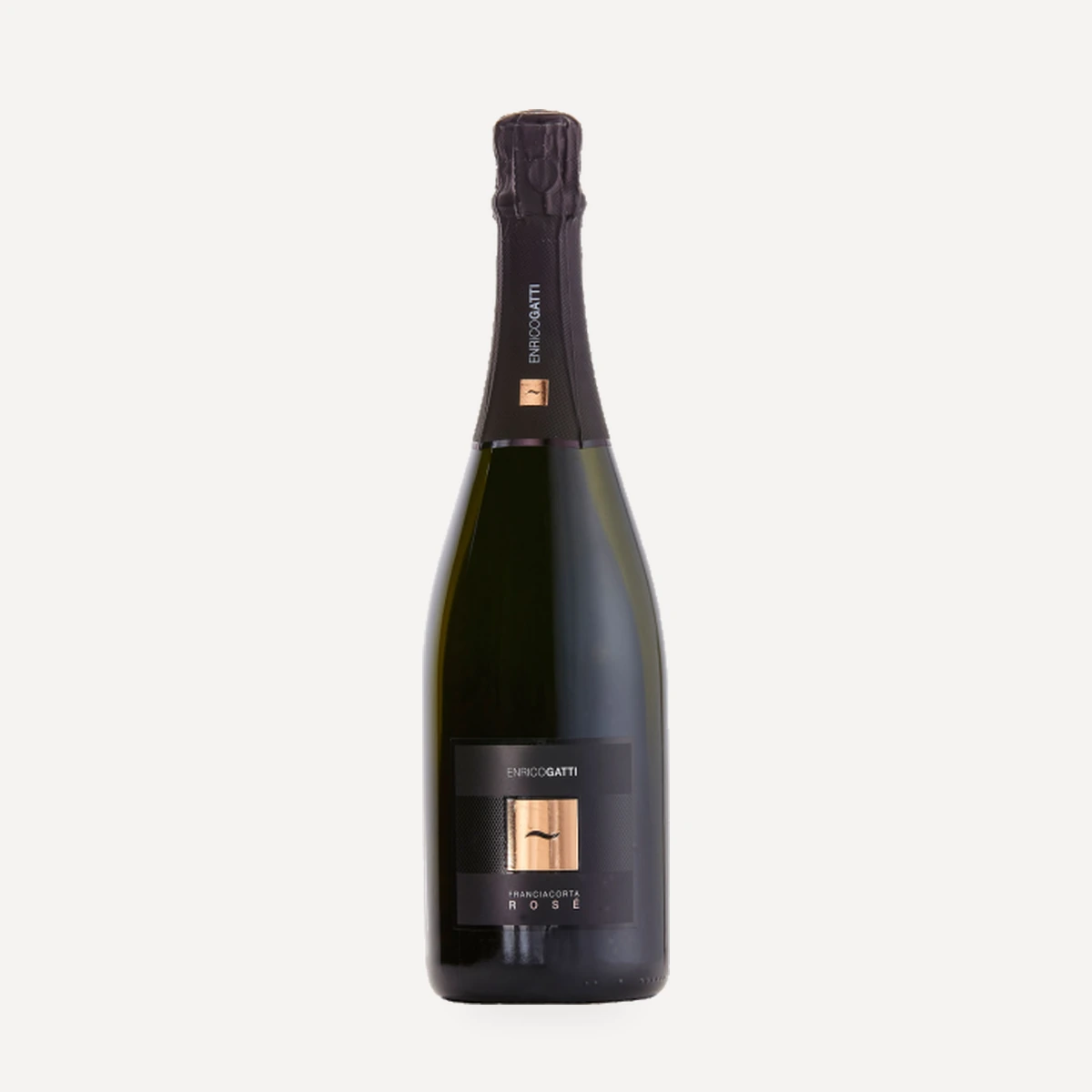
Whole grapes are softly pressed for the principal cuvées. First fermentation generally takes place in temperature-controlled stainless steel. The Rosé receives several hours of skin contact in the press before gentle pressing. For selected hillside and long-aged wines, part of the must ferments in French oak barriques and remains with the fermentation lees, while the remaining component is vinified in steel.
Individual parcels are generally vinified separately so their particular characteristics can be retained through the production process. Secondary ageing on the lees ranges from a minimum of 18 months for the introductory cuvées to 24 months for Rosé, 30 months for Satèn and Blanc de Noir, 48 months for Millesimato Nature, at least 72 months for Riserva La Casella and 100 months for Riedizione 2014. Post-disgorgement bottle ageing is at least three months for several core wines, at least six months for Blanc de Noir and at least 12 months for La Casella and Riedizione.
The cellar combines contemporary temperature control with restrained use of French oak. Its declared production priority is to protect the quality and identity of the grapes rather than impose a uniform cellar signature.
Filosofia
The family identifies passion, enthusiasm and dedication as the foundations of its work. The vineyard is treated as the starting point of every wine—the place where its defining characteristics first take shape—while the cellar is intended to protect the raw material through controlled conditions and modern equipment.
Vintage individuality is central to this outlook. Detailed knowledge of the vineyards and their microclimates is used to interpret each harvest independently, without requiring a new wine to reproduce the character of the previous year. Separate parcel vinification follows the same principle.
The family describes wine as a living product in continuous evolution. Its cellar philosophy therefore combines rigorous environmental control with respect for the fruit. The range is framed as a search for balance between people and nature, supported by organic vineyard management and limited, selective use of oak.
La Casella gives the clearest expression of the estate’s single-site philosophy. The project was conceived as an act of respect for one historic parcel, allowing its Chardonnay, vintage and place to stand outside the equilibrium of a conventional cuvée. Riedizione follows a related philosophy of time and memory, using extended ageing to preserve and reinterpret the 2014 vintage.
Vini
Franciacorta Rosé