Storia
Foundation in Ravello
Ettore Sammarco was already running an agricultural holding when he founded his eponymous winery in Ravello in 1962. He began producing, bottling and selling his wines, regarding the undertaking primarily as a passion rather than a profit-driven enterprise.
Growth and technical development
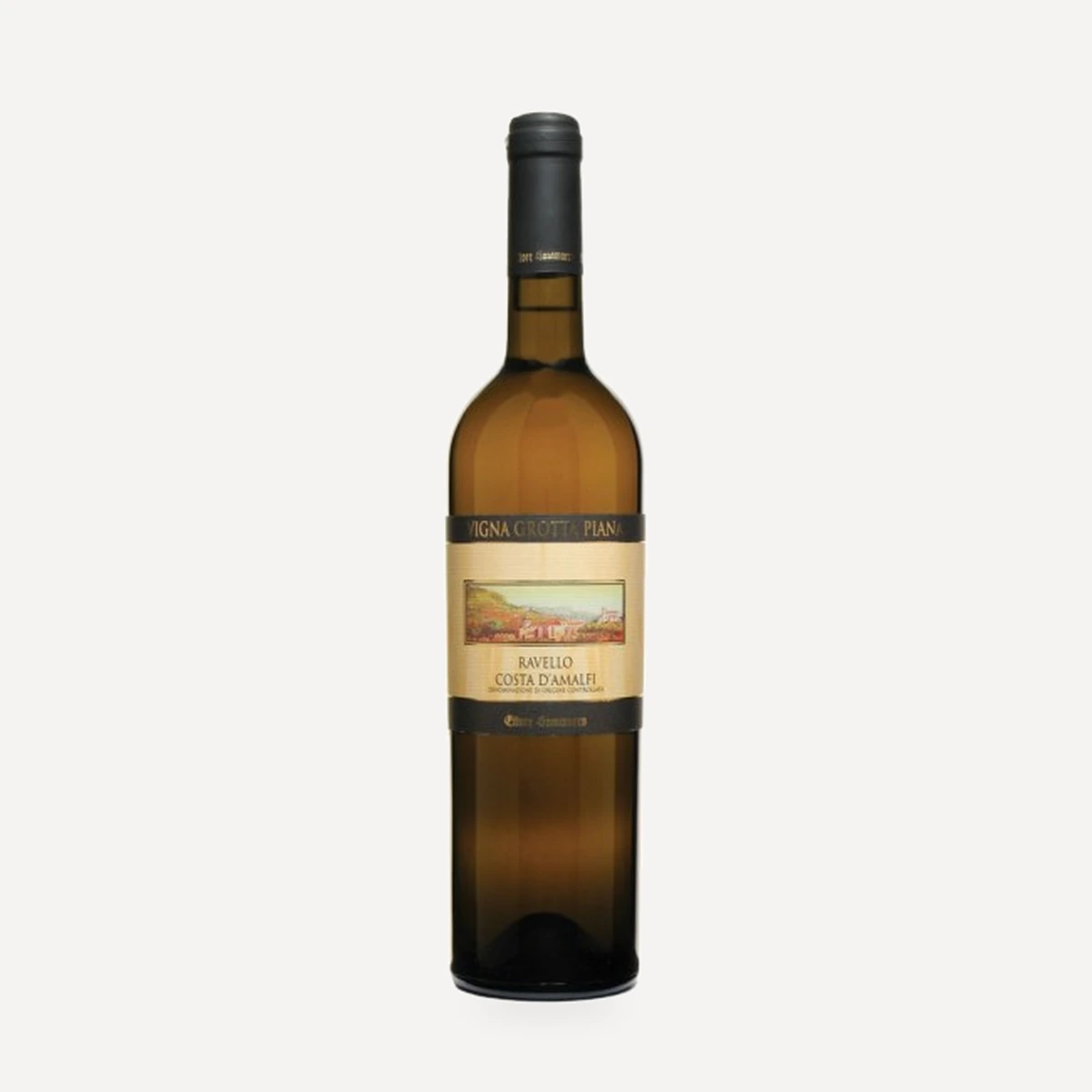
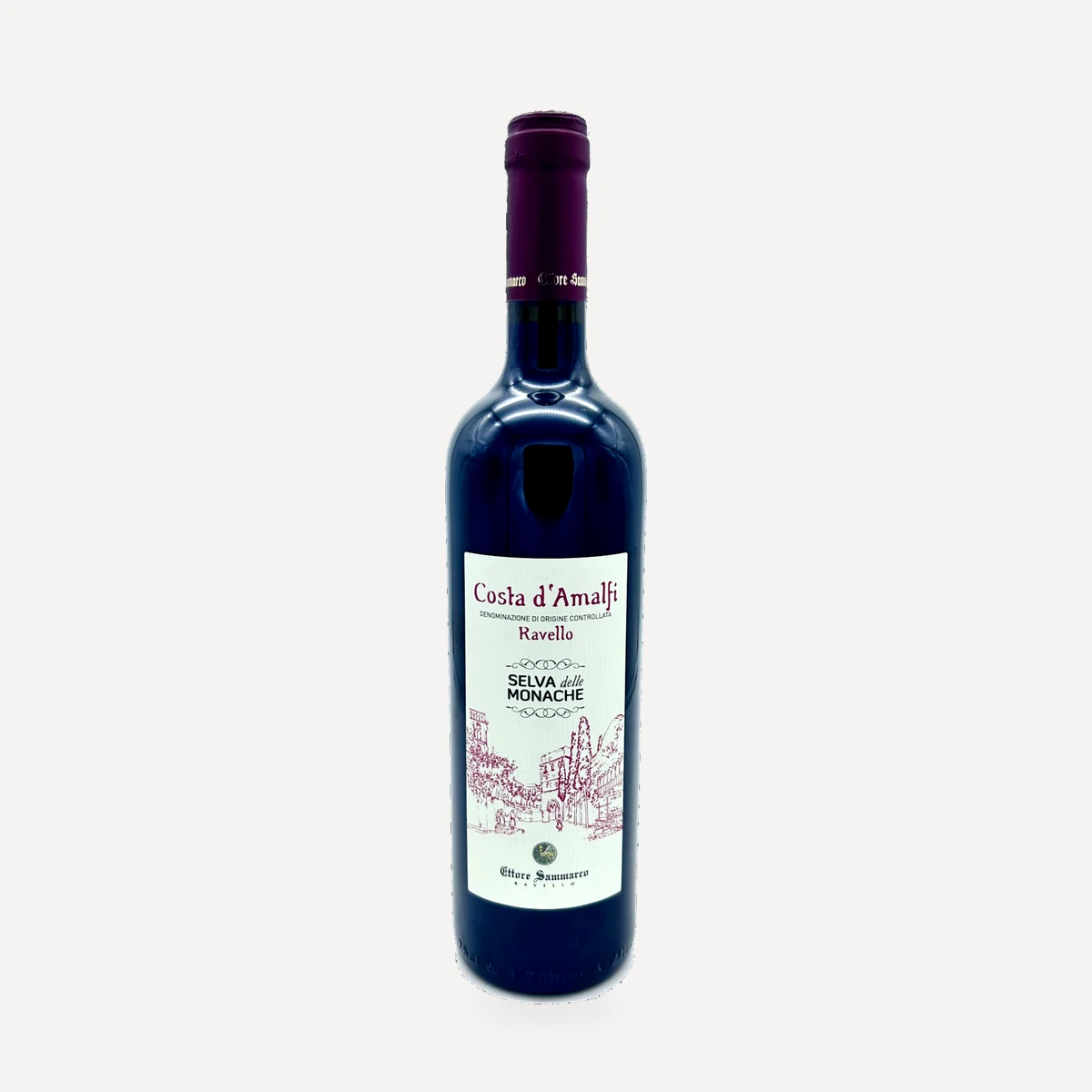
The business expanded steadily and specialized its production over time. Its portfolio came to encompass the Selva delle Monache, Selva delle Monache Riserva, Terre Saracene and Vigna Grotta Piana ranges.
The cellar’s vinification equipment was renewed, introducing gentle grape pressing, temperature-controlled fermentation and cold bottling on a sterile line. These measures were adopted to protect authenticity and quality.
Family continuity
The Sammarco family continues to direct the business. Ettore and his son Bartolo share responsibility for every stage of production. Ettore’s daughters Maria Rosaria and Antonella work in administration and sales.
Following his father’s passion, Bartolo also established a small artisanal workshop for traditional Costa d’Amalfi liqueurs. What began almost playfully developed into the Melodie d’Amalfi range, conceived to preserve drinks that had formerly been known principally within local households. The workshop safeguards old recipes while combining the owners’ direct involvement and craftsmanship with small-scale modern equipment.
Terroir
Ravello and the Costa d’Amalfi
Ravello is a medieval settlement set at 365 m above sea level in the heart of the Costiera Amalfitana. Its combination of soil and climatic conditions supports grapes intended for DOC production.
The Costa d’Amalfi production zone follows the hilly coastal corridor from Vietri sul Mare to Positano. Furore, Ravello and Tramonti are identified as its three traditional subzones. Viticulture in this landscape may extend back to the Roman imperial period or an even earlier era.
The coast meets the sea beneath the peaks of the Monti Lattari. Vineyards occupy steep, irregular terraces, often directly above the water and accessible only by narrow, winding stairways. Individual terraces generally accommodate about four pergola-trained rows supported by chestnut poles. The platforms were reclaimed from rock and retained with mortarless dry-stone walls.
Soils and water
The terrain is clay-volcanic in nature. Erosion has allowed streams to cut deep channels through it: water moves from disproportionately broad beds into narrow gorges and down rugged slopes, dividing into smaller flows as it makes its way around rock masses toward the sea.
The vineyards associated with the current ranges are described as volcanic, medium-textured and well structured. Proximity to the sea contributes a marked mineral character. Across the sunny coastal hills, maritime salinity mingles with citrus and Mediterranean vegetation.
Altitude
The Vigna Grotta Piana site lies at 500 m on the slopes of Monte Brusara above Ravello. Other production vineyards identified in Ravello and Scala lie at approximately 360–400 m above sea level.
Vinificazione
Viticulture is adapted to exceptionally steep and irregular terraces, many accessible only by narrow stairways. The traditional pergola amalfitana is supported by chestnut poles; vertical trellising and Guyot are also used. Dry-stone walls retain small platforms reclaimed from the rock.
Harvesting is manual. Depending on the vineyard and intended production, grapes are collected in crates, including small 15–20 kg containers, and may be delivered to the cellar within a few hours. Documented harvest dates extend from early October through the end of October. Individual production yields range from approximately 6 to 9 t/ha; Vigna Grotta Piana is limited to about 6 t/ha and 2 kg per vine.
The wider Costa d’Amalfi varietal heritage includes Piedirosso, Sciascinoso, Serpentaria, Tintore and Aglianico among the red grapes, with Falanghina and Biancolella as principal white varieties. Minor local grapes include S. Nicola, Ginestra, Pepella and Ripolo. The winery’s current blends additionally identify Biancatenera and Ginestrella.
Piedirosso is relatively unproductive and combines high must sugar with fairly restrained acidity. Sciascinoso is robust but not very fertile; its heavy bunches nevertheless support useful production. Serpentaria has good vigour and resistance to parasites. Tintore is traditionally pergola-trained in old vineyards, often on its own roots; it has medium vigour, low fertility and limited production because flowering is particularly sensitive to weather. Aglianico has low vigour, moderate bud fertility, stable production and late ripening.
Falanghina is vigorous, sufficiently fertile and consistently productive, ripening from late September into early October. Biancolella has medium resistance and generous yields, ripening between late September and early October. Ginestra is robust, requires substantial pruning and gives moderate production despite relatively light bunches; it is harvested in mid-to-late October. S. Nicola ripens in early October. Ripolo is pergola-trained in very small plantings and has medium vigour, relatively low fertility and low, inconsistent per-vine production. Pepella occurs only as scattered vines, often of considerable age, and ripens in mid-to-late September.
The cellar uses renewed vinification equipment. Its general production system is defined by gentle grape pressing, temperature-controlled fermentation and cold bottling on a sterile line. These technologies are intended to protect authenticity and quality.
Across the range, the cellar also works with refrigerated vessels for pre-fermentation cold maceration and stainless-steel fermentation. Both brief skin contact and longer red-wine maceration are represented. Maturation options include stainless steel, fine-lees ageing, bâtonnage, micro-oxygenation, French oak and subsequent bottle ageing. French oak is sourced from Allier, Tronçais and Nevers. Malolactic fermentation is used for red-wine production.
Filosofia
Ettore Sammarco founded the winery from a passion for wine rather than a primarily commercial motive. The family’s approach combines the demanding viticultural traditions of the Costa d’Amalfi—manual work, pergola-trained vines and dry-stone terraces—with renewed cellar technology.
Production is directed toward authenticity and quality. Local varieties such as Pepella, Ginestrella and Biancatenera preserve a close connection to the coastal landscape, while selected production from Vigna Grotta Piana is restricted to the best vintages. The family remains directly involved in production, administration and sales.
The same emphasis on local continuity extends to the Melodie d’Amalfi workshop, which safeguards old household liqueur recipes while using small modern equipment and artisanal methods.
Vini
Selva delle Monache – Rosso