Storia
Family winegrowing tradition
The Fabiani family’s experience of making its own wine spans three generations. Its vineyards preserve Tuscany’s older mixed-variety planting tradition, including lesser-known local cultivars, rather than being replanted exclusively with more productive varieties. The estate’s established vines include a substantial component approximately 50 years old, while the vineyard population as a whole is described as averaging more than 30 years.
2015: entry into the commercial wine market
In 2015, Fabiani entered the commercial wine market with two wines: the red Giano and the white Fontenasso. Fontenasso was subsequently renamed Due Fonti. The project was conceived as a commercial expression of the family’s inherited wine-production knowledge, based on mature mixed-variety vineyards, manual vineyard work and natural fermentations driven solely by indigenous yeasts.
2017: Montecucco recognition
Beginning with the 2017 harvest, part of the production entered the DOCG Montecucco denomination. The range now encompasses wines under both DOCG Montecucco and IGT Toscana.
Continuing direction
Fabiani remains a small family-run agricultural estate and a member of FIVI, the Federazione Italiana Vignaioli Indipendenti. Its stated direction combines the preservation of local traditions and territory with direct responsibility by the vignaiolo for wine production. The same emphasis on mixed plantings, manual work and traditional methods extends to the estate’s olive groves and extra-virgin olive oil.
Terroir
Fabiani lies in the hills of the municipality of Cinigiano in southern Tuscany, where the Maremma Toscana meets the slopes of Monte Amiata. Most of the vineyards are close to the medieval hamlet of Castel Porrona. Wine production areas also include Monte Bendico at Arcidosso.
The vineyards occupy Montecucco territory, immediately south of the Brunello di Montalcino production area. Conditions are described as mild and sunny, supporting the full maturation of the grapes. The area has a longstanding agricultural and viticultural history.
The vineyard soils identified for the range are predominantly stony. Parcels associated with Giano Riserva additionally contain galestro.
Vinificazione
Fabiani’s viticultural approach centres on retaining old, mixed-variety vineyards, including lesser-known local grapes. The family prefers to work with the potential of mature plantings instead of replacing them solely with higher-yielding varieties.
Vineyard work follows traditional Tuscan practice and is conducted manually. The operations explicitly identified include pruning, removal of cut shoots, tying and harvest. Vine ties are made from vegetable fibre, particularly stems of vinco prepared by hand at the estate.
The most frequently used training system is doppio capovolto toscano. At the top of the vine, selected canes are pruned to spurs of one or two buds; the remaining canes are shortened, bent downward in an arch and tied to a wire below the supporting wire. Each cane retains approximately 12–15 buds. Other identified systems are unilateral spur cordon, Guyot and alberello.
Harvest takes place in September and October. Sangiovese intended for the estate’s highest selection is harvested and selected manually by the Fabiani family.
Fabiani describes its wines as natural and artisanal, with vinification based on spontaneous fermentation by indigenous yeasts rather than added cultured yeast. Fermentations are conducted without temperature control, and the same non-controlled approach is identified for malolactic fermentation in the cellar’s principal Sangiovese wines.
The production methods vary across the range. Red-wine fermentations take place in stainless steel with skin contact of approximately 30–35 days; the longest Sangiovese selection receives approximately 35–40 days of maceration. The white wine is naturally fermented in amphora and stainless steel, with a short period of skin contact. Its current technical specification gives 12 months in amphora followed by four months in bottle.
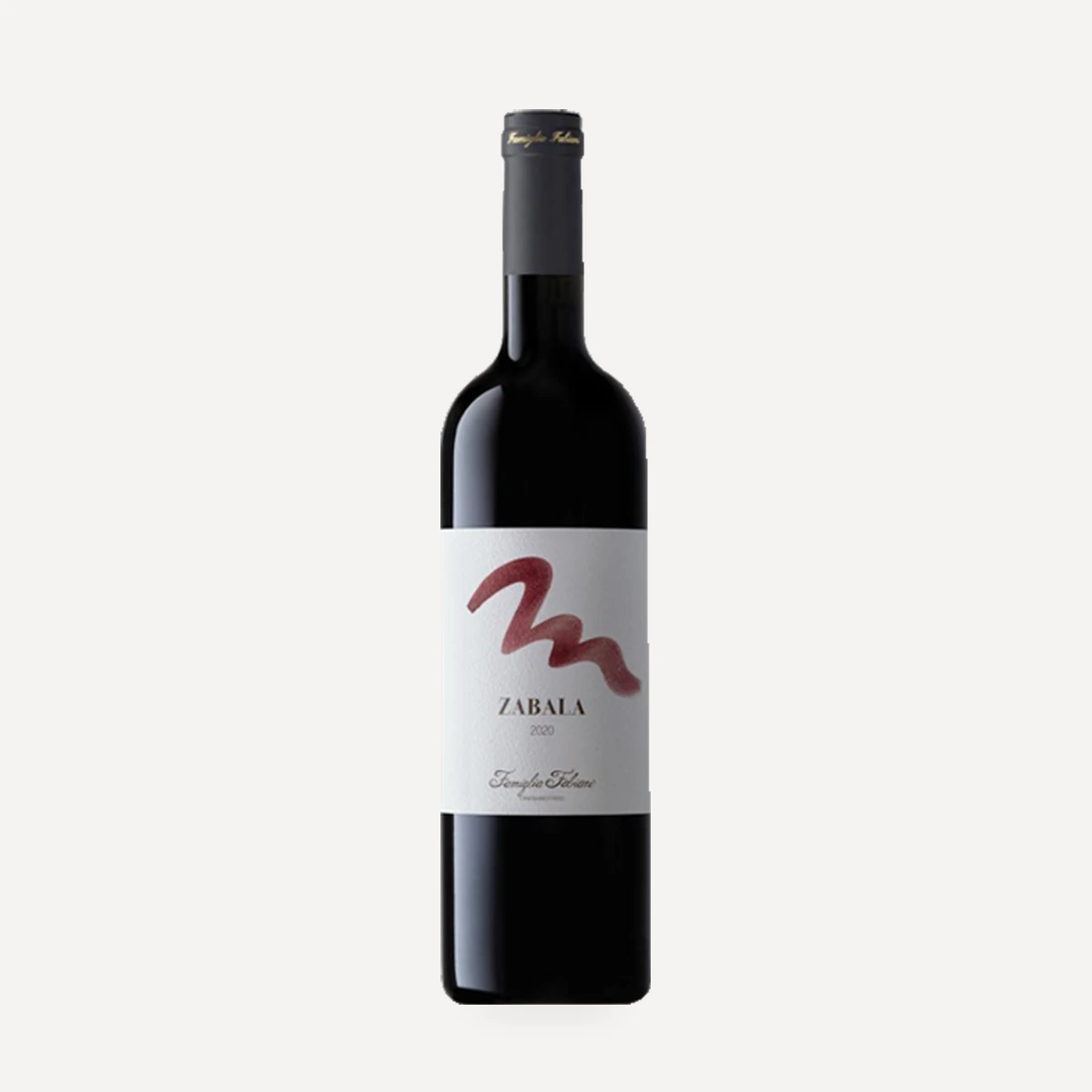
Maturation vessels across the range include stainless steel, cement, amphora, wooden casks and large wooden casks. Zabala is matured in cement and steel, while the principal Sangiovese wines receive extended maturation in wood. Giano Riserva is specified as spending 36 months in large casks and six months in bottle.
The cellar operates within an old estate in the Tuscan countryside near Borgo Santa Rita, in the municipality of Cinigiano.
Filosofia
Fabiani’s stated values are tradition, quality and passion. Its approach begins with the preservation of mature, mixed-variety Tuscan vineyards and the recovery of lesser-known local cultivars. Rather than treating older plantings as obsolete, the family seeks to express their inherent potential through manual work and low-intervention fermentation.
Membership of FIVI reflects an emphasis on local traditions, the identity of the territory and the central responsibility of the independent vignaiolo throughout production. The family aims for wines that communicate both their particular vines and the soils in which those vines grow.
Artisanal practices are combined with modern knowledge and equipment where appropriate. Indigenous-yeast fermentation, the absence of temperature control during fermentation, extended maceration and the use of vessels including steel, cement, amphora and large wooden casks form part of this balance between inherited practice and contemporary cellar resources.
The same principles are applied to olive growing: mixed cultivars and old Olivastra trees are retained, work and harvest are manual, fertilisation is natural or organic, and herbicides are avoided in the olive groves.
Vini
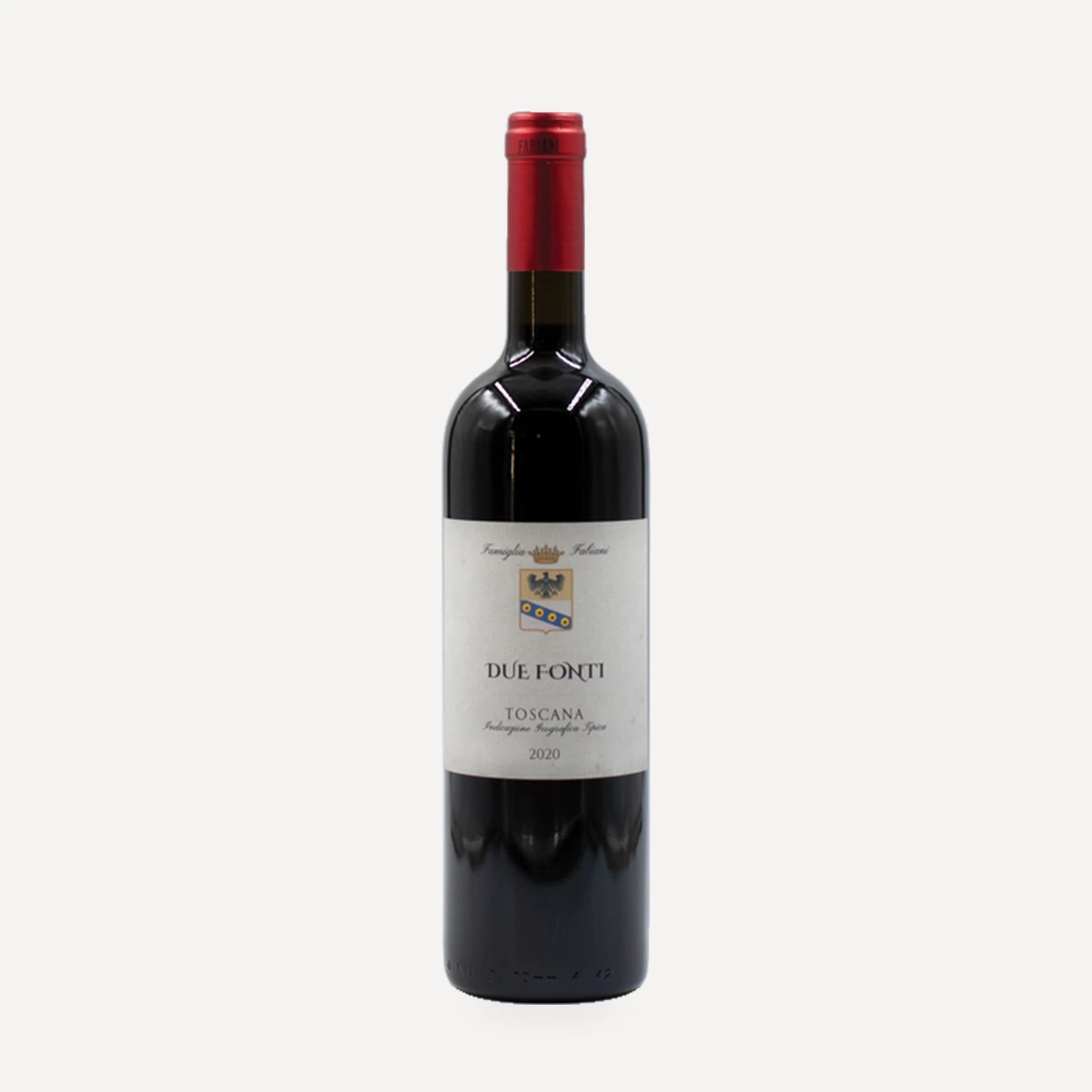
Due Fonti – Vino bianco IGT Toscana
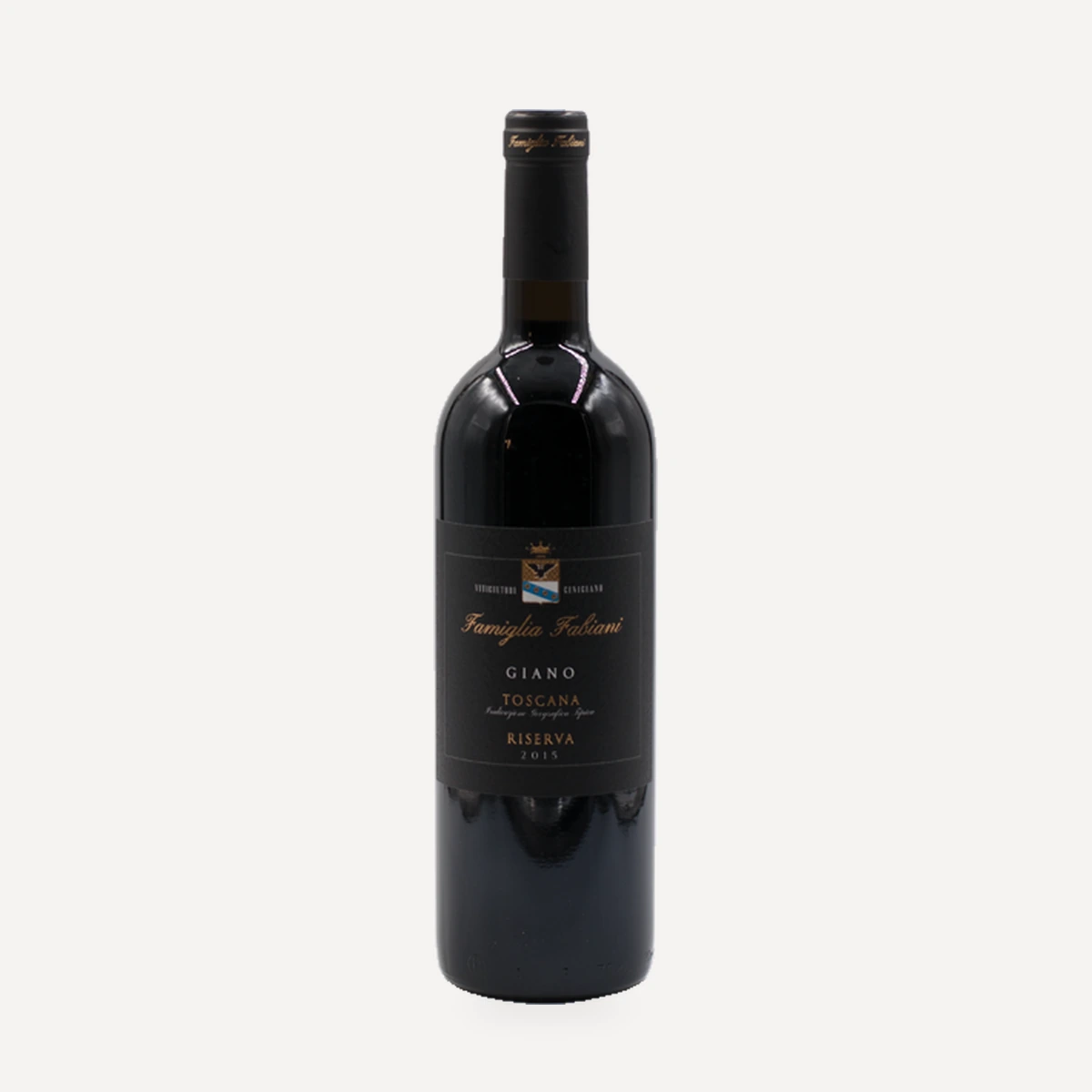
Giano Riserva
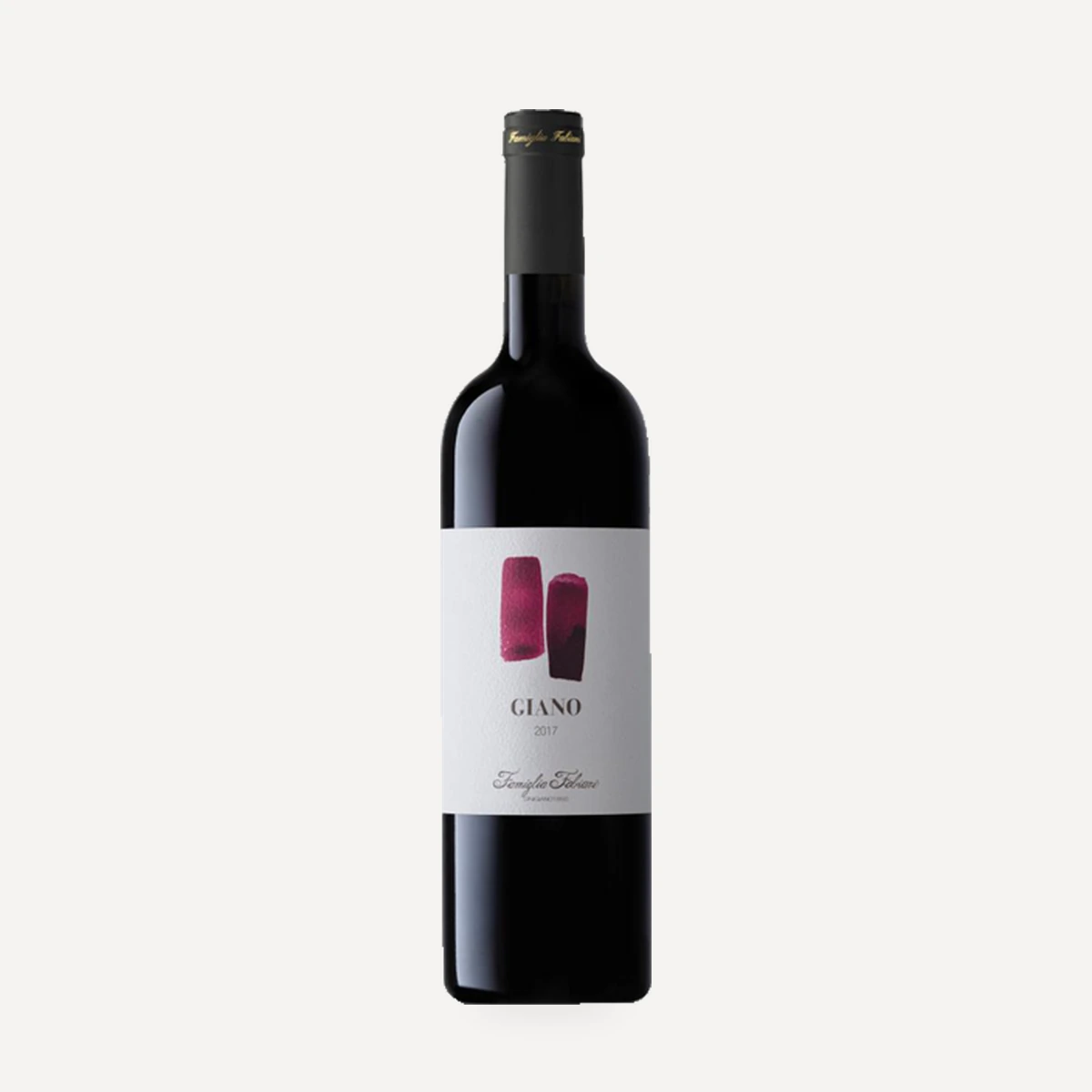
Giano – Vino Rosso DOCG Montecucco