Storia
Origins in Bacoli
Federiciane’s history is rooted in the Palumbo family’s agricultural work in Bacoli, in the Campi Flegrei. Around the 1950s, Paolo Palumbo, remembered as a farmer and vine grower, began the project that subsequent generations would develop. The family’s accumulated experience is presented as the result of a century of agricultural work, practical knowledge and skills handed down within the family.
Antonio Palumbo and the recovery of Gragnano
Paolo’s son Antonio expanded the activity beyond the production and sale of Falanghina and Piedirosso from the family vineyards at Bacoli. During Italy’s post-war economic expansion, demand encouraged him to widen the offer. He therefore revived the traditional wine of Gragnano, a wine also referenced in Totò’s film Miseria e nobiltà.
At that time, Gragnano underwent its secondary fermentation in the bottle, producing the characteristic sparkle that distinguished the style. This initiative placed Antonio at the forefront of the family business’s development.
Paolo Palumbo and the new winery
Management subsequently passed to Antonio’s son Paolo. The next major step was a new production facility inaugurated in 2001. The installation introduced greater technological control and enabled Gragnano—by then protected by D.O.C. status—to undergo its secondary fermentation in autoclaves. The same technological development was applied to Falanghina and Piedirosso, with the objective of preserving and expressing the aromas associated with their volcanic growing environment.
Continuous investment from the early 2000s onward progressively integrated vinification, sparkling-wine production, filtration, bottling, laboratory analysis and quality control within the winery.
The cooperative and fourth generation
In 2012, the supplying growers joined together in an agricultural cooperative comprising more than 50 winegrower members. The cooperative became a central part of the business and its operating philosophy.
The same year marked the entry of the fourth generation. Marco, Antonio and Luca Palumbo brought three different professional backgrounds to the family enterprise. By this stage, the vineyards associated with the family and cooperative covered approximately 50 hectares.
Paolo and Giuseppina “Pina” Zamparelli Palumbo now work alongside their sons. Marco oversees plant engineering and safety; Antonio leads sales, marketing and customer care; and Luca directs vineyard protocols, vinification and quality control as the company’s oenologist. Their work is supported by a younger team spanning vineyard operations, technical and oenological work, design and sales.
The expansion of the grower network extended Federiciane’s vineyard base across Campania while retaining the Campi Flegrei as the historic centre of the family project.
Recent development
Federiciane has increasingly focused on the volcanic landscapes of Campania and on projects associated with Vigna Cigliano Solfatara, metropolitan vineyards, hospitality and sparkling-wine production. In 2025, the winery invested in an 82 kWp photovoltaic installation designed to generate more than 100,000 kWh of electricity annually and cover a substantial part of its energy requirements.
Terroir
Campi Flegrei
The Campi Flegrei are a complex volcanic landscape formed through several eruptive cycles. The oldest rocks are dated to approximately 47,000–37,000 years ago and lie beneath later tuff formations. Deposits associated with the Campanian Ignimbrite eruption, dated broadly to 42,000–24,000 years ago, extend as far as the Apennines at elevations of about 1,000 metres.
Volcanic activity resumed around 11,000 years ago after a long period of quiescence, creating the formations known as yellow tuffs. These tuffs underpin the hills of Naples and the Campi Flegrei. More recent volcanic structures include Agnano, Astroni, Solfatara, Baia and Averno.
The vineyards grow amid volcanic soils and a mild maritime climate. The regional landscape preserves ungrafted vines in places because the volcanic soil conditions allow cultivation without American rootstocks.
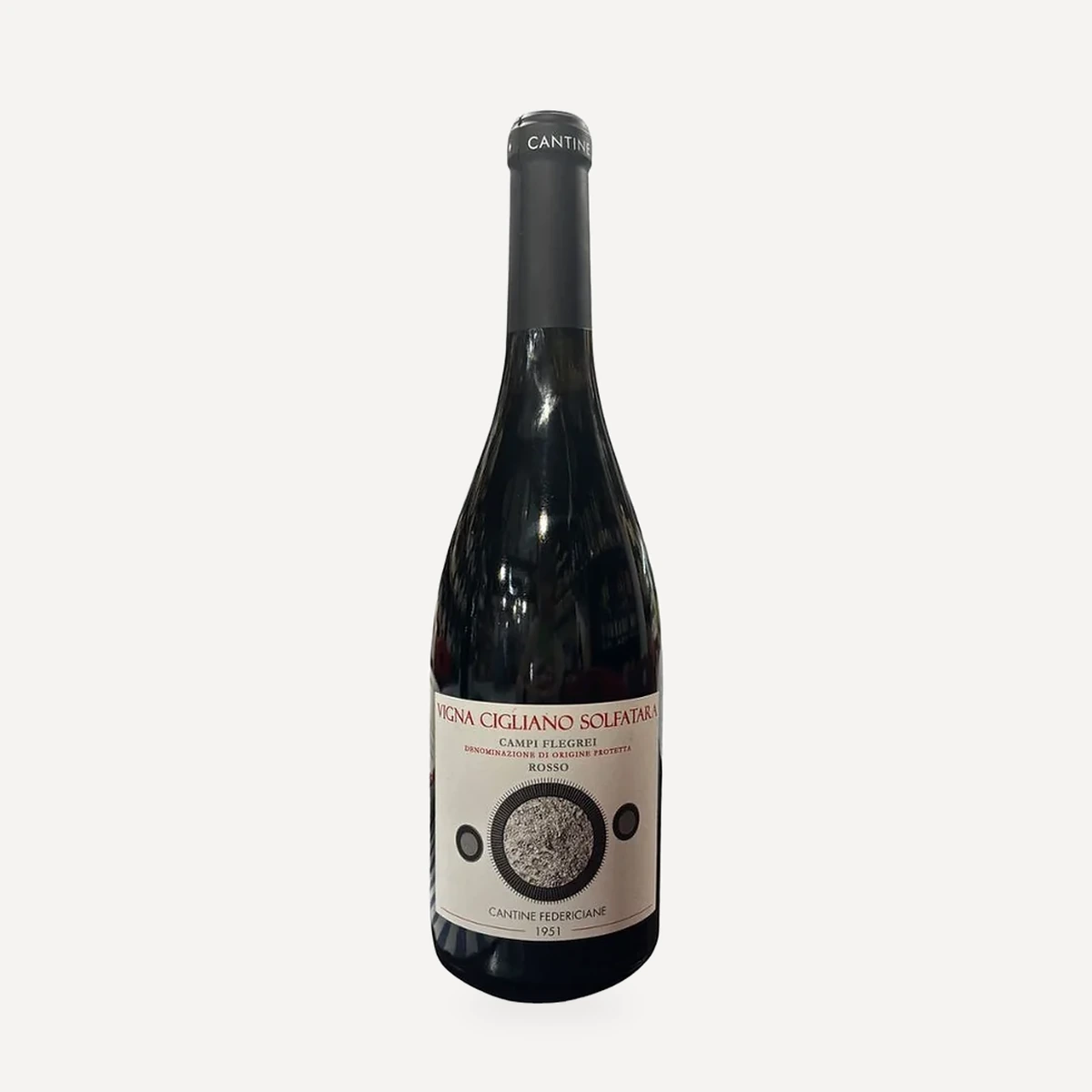
Vigna Cigliano Solfatara
Vigna Cigliano Solfatara lies in the Campi Flegrei on soils containing volcanic ash, yellow tuff and light sand. Its proximity to the active Solfatara crater and the Gulf of Pozzuoli brings together marine breezes and sulphurous vapours.
The soils are freely draining but unstable, making cultivation physically demanding and requiring attentive manual management. The vineyard occupies volcanic terraces on the Cigliano hill. Views extend toward the Gulf of Naples, Vesuvius and Capri on one side and toward the Gulf of Pozzuoli, Ischia and Procida on the other, with the fumaroles of Solfatara framing the landscape.
Collina dei Camaldoli
The Collina dei Camaldoli reaches 450 metres above sea level and is the highest elevation within the city of Naples. Its position provides conditions used for the production of sparkling-wine base from Falanghina.
Penisola Sorrentina
The Penisola Sorrentina has a geologically varied structure combining dolomitic and calcareous rocks with pyroclastic material, ash and pumice. The Monti Lattari–Penisola Sorrentina ridge is formed predominantly of stratified dolomite, dolomitic limestone and limestone.
The Sorrento plain developed through the deposition of volcanic sediments, particularly Campanian Grey Tuff, within an existing basin bordered by hills on three sides and by the sea to the north. This tuff is associated with an immense explosive eruption of the ancient Archiflegreo volcanic structure and the subsequent formation of its caldera.
Viticulture here occupies steep, difficult terrain, including vines trained on precipitous terraces. The combination of geological components and demanding topography underpins the estate’s description of the peninsula as an area of heroic viticulture.
Sessa Aurunca and Roccamonfina
The Sessa Aurunca area lies at the foot of the extinct Roccamonfina volcanic complex. Its agricultural soils derive from the breakdown of Pleistocene lava flows and pyroclastic deposits. Beneath a relatively thin altered surface layer are pozzolana, volcanic sands, pumice, lava fragments and layers of tephritic and leucitic lava.
These soils contain the principal macroelements required by crops as well as a varied range of microelements. The volcanic complex is described as one of Europe’s most extensive volcanic remnants.
Vinificazione
Vineyard work at Vigna Cigliano Solfatara is predominantly manual because its freely draining, unstable volcanic soils require close attention. Manual operations extend from pruning to harvest.
The wider vineyard organization combines family holdings with the work of more than 50 growers belonging to the agricultural cooperative. Technical vineyard protocols are overseen by oenologist Luca Palumbo.
For sparkling-wine production, the team selects the vineyards considered best suited to the intended base wines. In the metropolitan vineyards of Naples and the Campi Flegrei, volcanic conditions preserve areas of ungrafted cultivation, with vines growing on their own roots rather than American rootstocks.
Integrated production facility
The production facility has undergone continuous technological investment since the early 2000s. Operations from vinification through bottling are controlled internally, supported by an in-house laboratory and analytical checks. The integrated system was developed to strengthen process management, quality assurance and the winery’s capacity to serve domestic and international markets.
Pre-fermentation work
The general production sequence begins with manual harvesting. Pre-fermentation operations include skin maceration followed by pressing through programmed cycles.
Base-wine fermentation
After separation from the solids, alcoholic fermentation proceeds with selected yeasts and yeast nutrients. An automated management system monitors the process.
Martinotti method
For Martinotti-method sparkling wines, the secondary fermentation takes place in an autoclave for approximately six months. The process is intended to retain freshness and the characteristic aromas of the grape variety.
Flegreo production includes the selection of suitable vineyard sites and the use of the preferred must fractions obtained during pressing for fermentation of the cuvée.
Filtration and bottling
Before bottling, wine undergoes isobaric tangential filtration. Final microfiltration prepares it for bottling. Temperature and pressure are monitored continuously during bottling, while the internal laboratory performs additional sample-based analytical checks on bottled wine.
Filosofia
Federiciane organizes its identity around three linked principles: tradition, innovation and passion.
Tradition represents the agricultural and winemaking knowledge passed through four generations, including the preservation of inherited flavours, places and working customs. Innovation means applying research and modern technology in practical ways rather than treating tradition as static. Passion is expressed through the care of vineyards, the development of the business and attention to customers and the surrounding community.
The family’s contemporary project concentrates on recovering and communicating the value of vineyards and vine growers in the province of Naples. Volcanic landscapes, indigenous varieties, ungrafted vines and the relationship between Naples and its metropolitan vineyards are central to this direction.
At Vigna Cigliano Solfatara, the guiding principle is to adapt vineyard work to the authority of the terrain. Its unstable volcanic soils and demanding conditions call for observation and manual intervention rather than attempts to standardize the site.
Environmental responsibility is linked to wine quality and respect for the land. The 2025 photovoltaic investment was intended to reduce the winery’s environmental impact, increase energy independence and improve production efficiency.
Vini
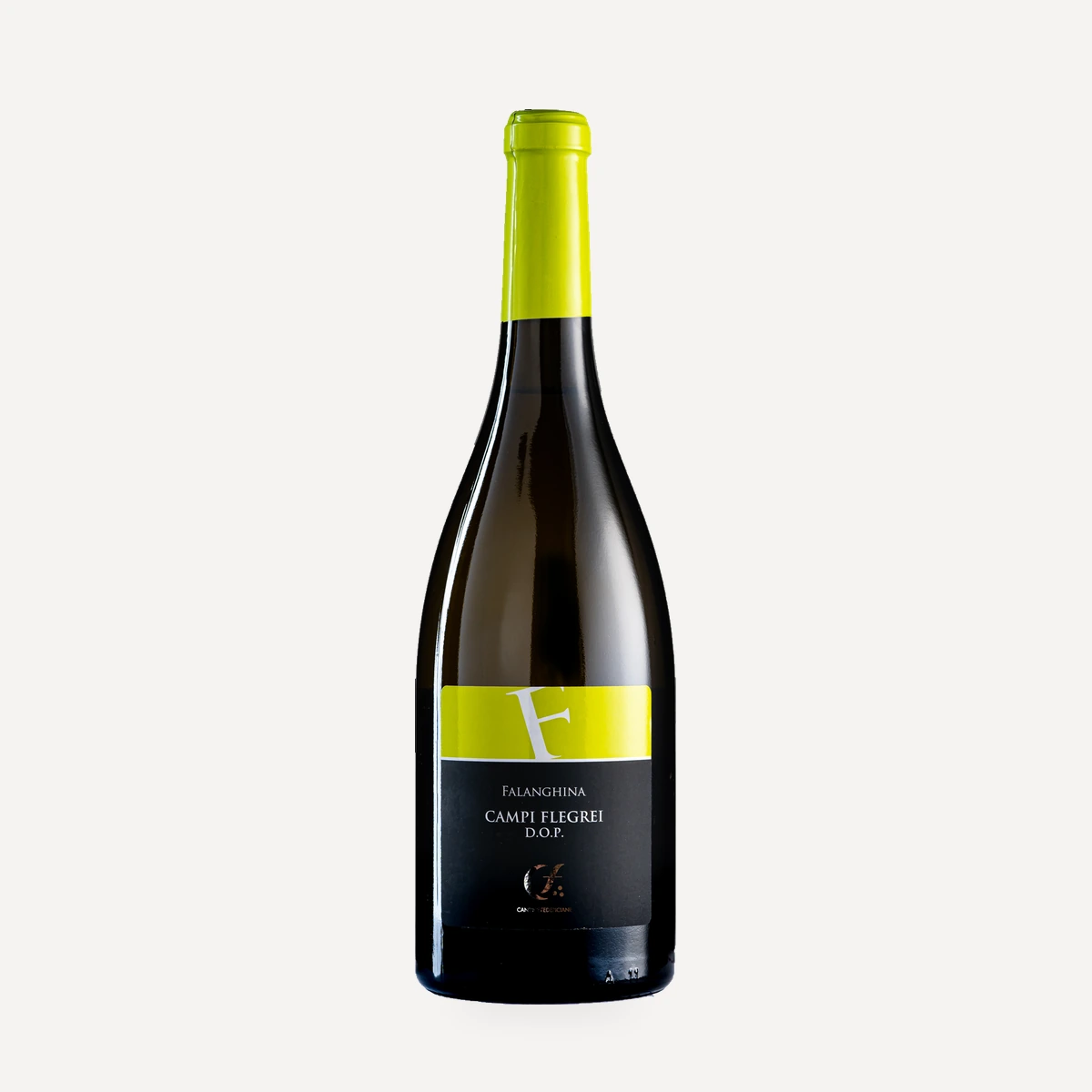
Falanghina Campi Flegrei D.O.P.
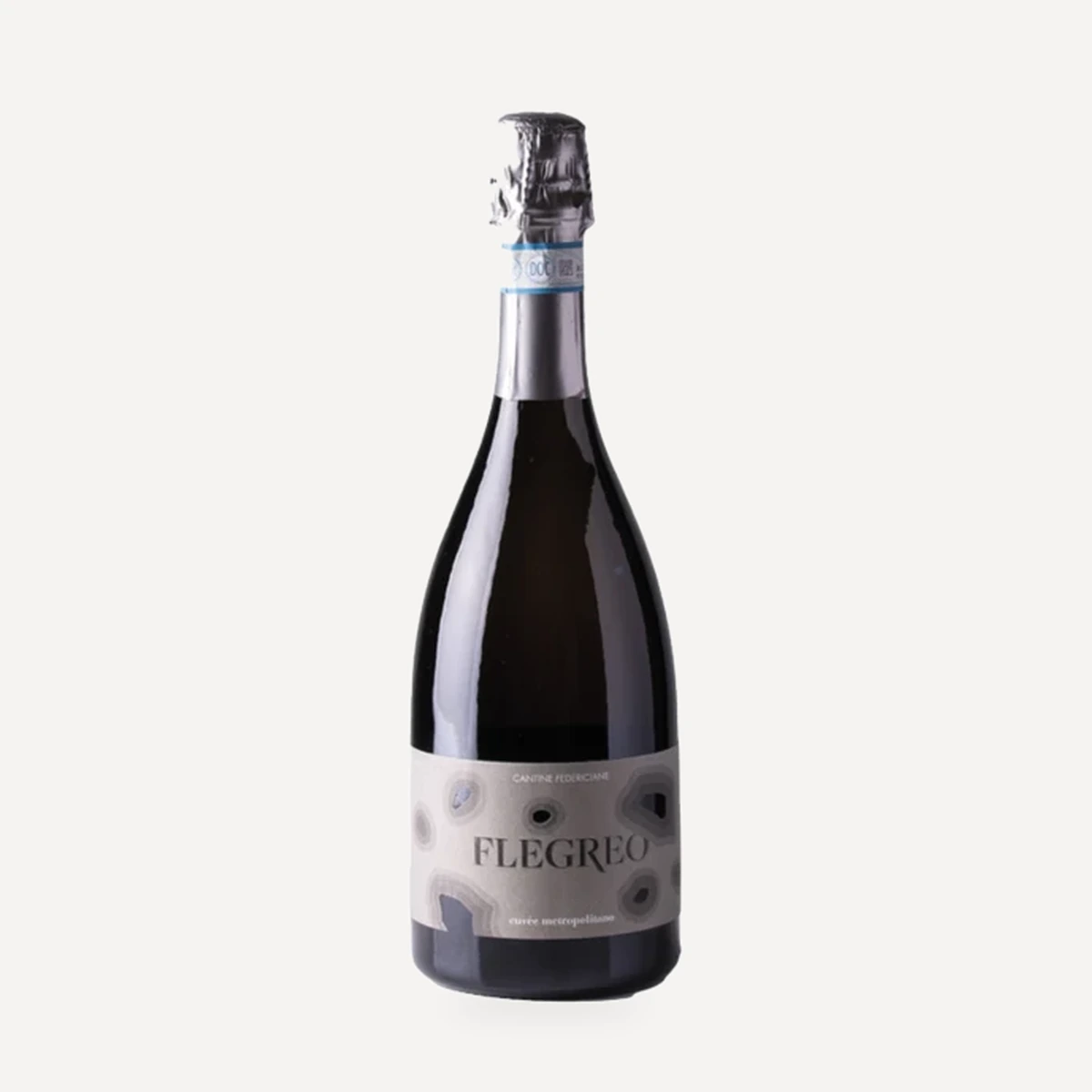
Flegreo
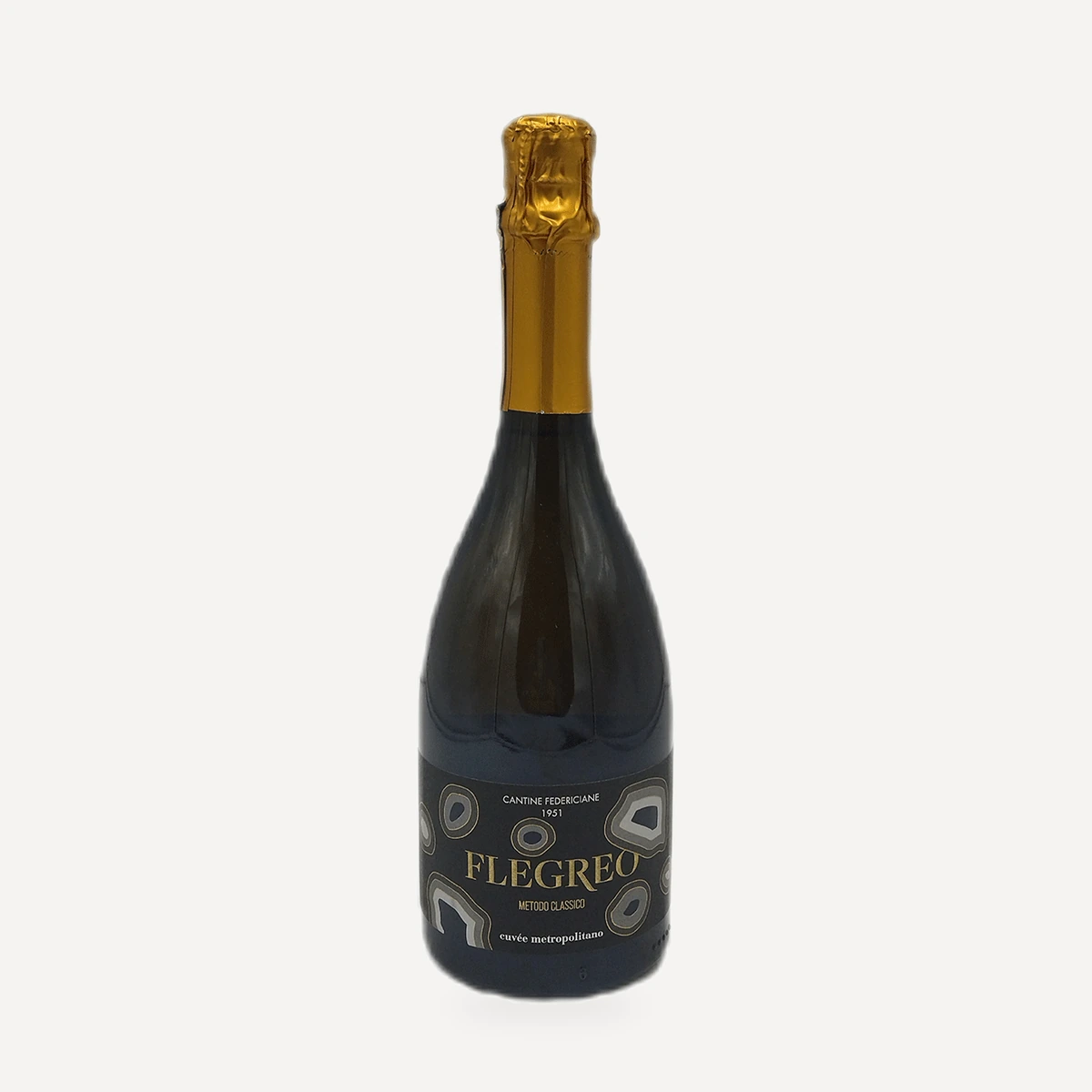
Flegreo Metodo Classico
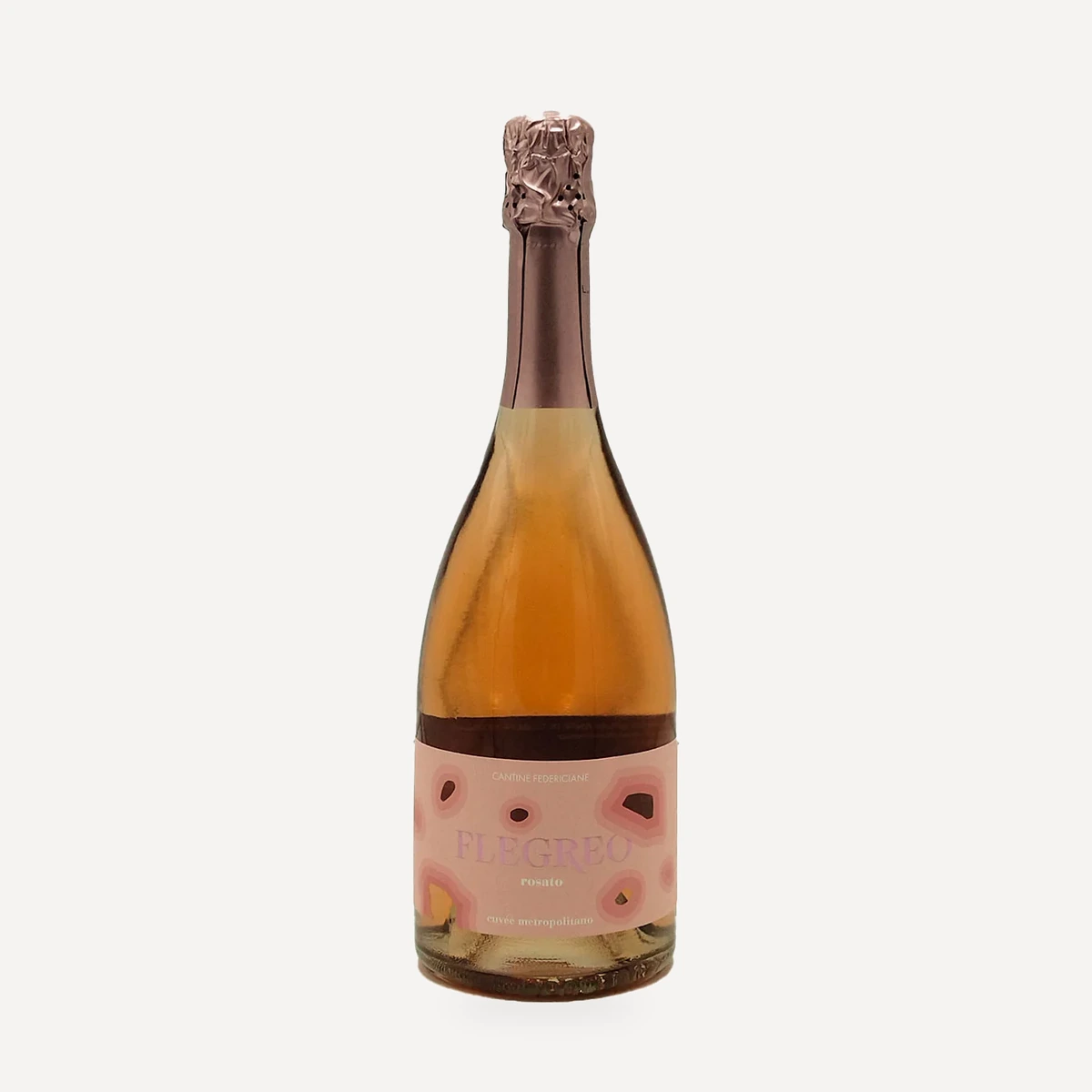
Flegreo Rosato
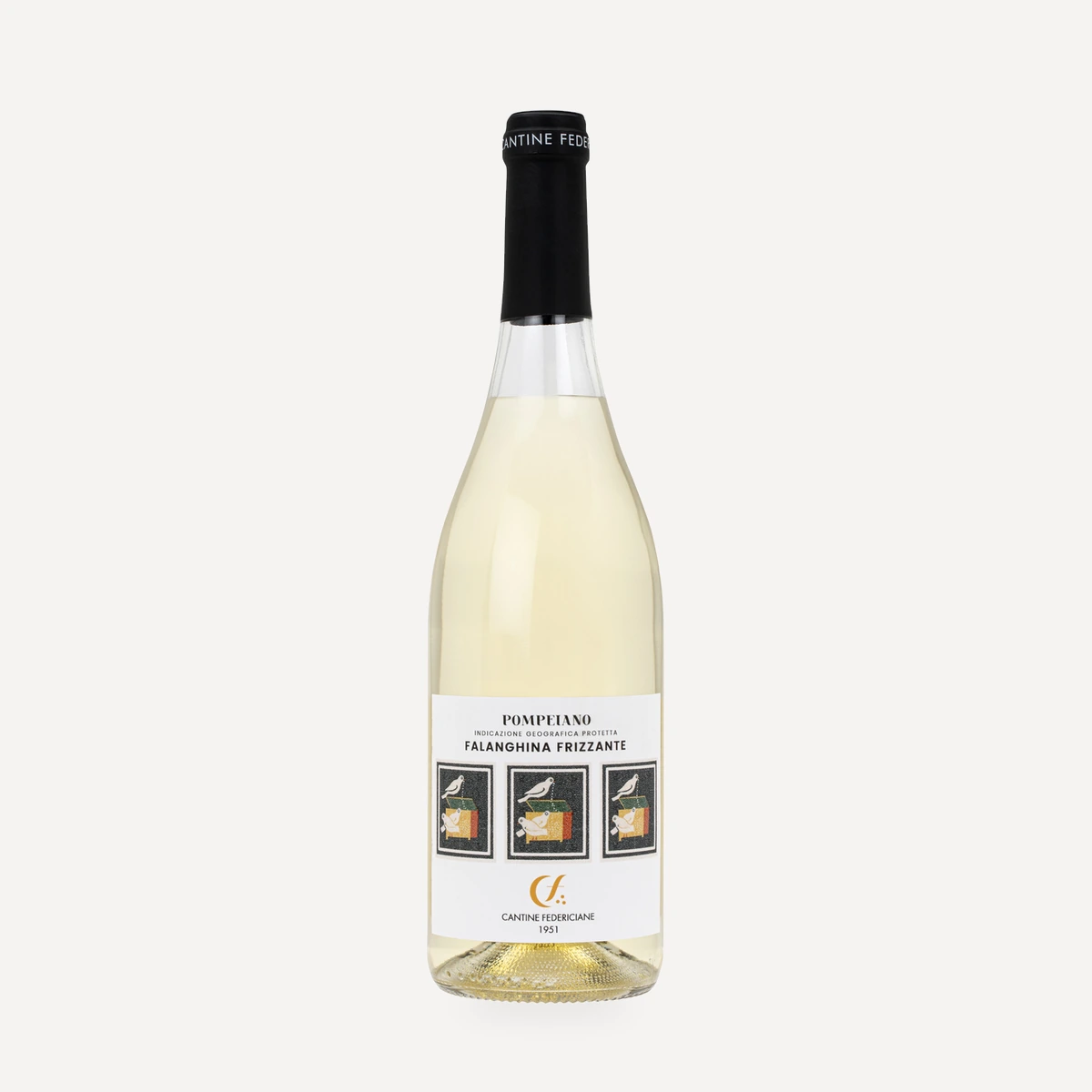
Pompeiano Falanghina Frizzante I.G.P.
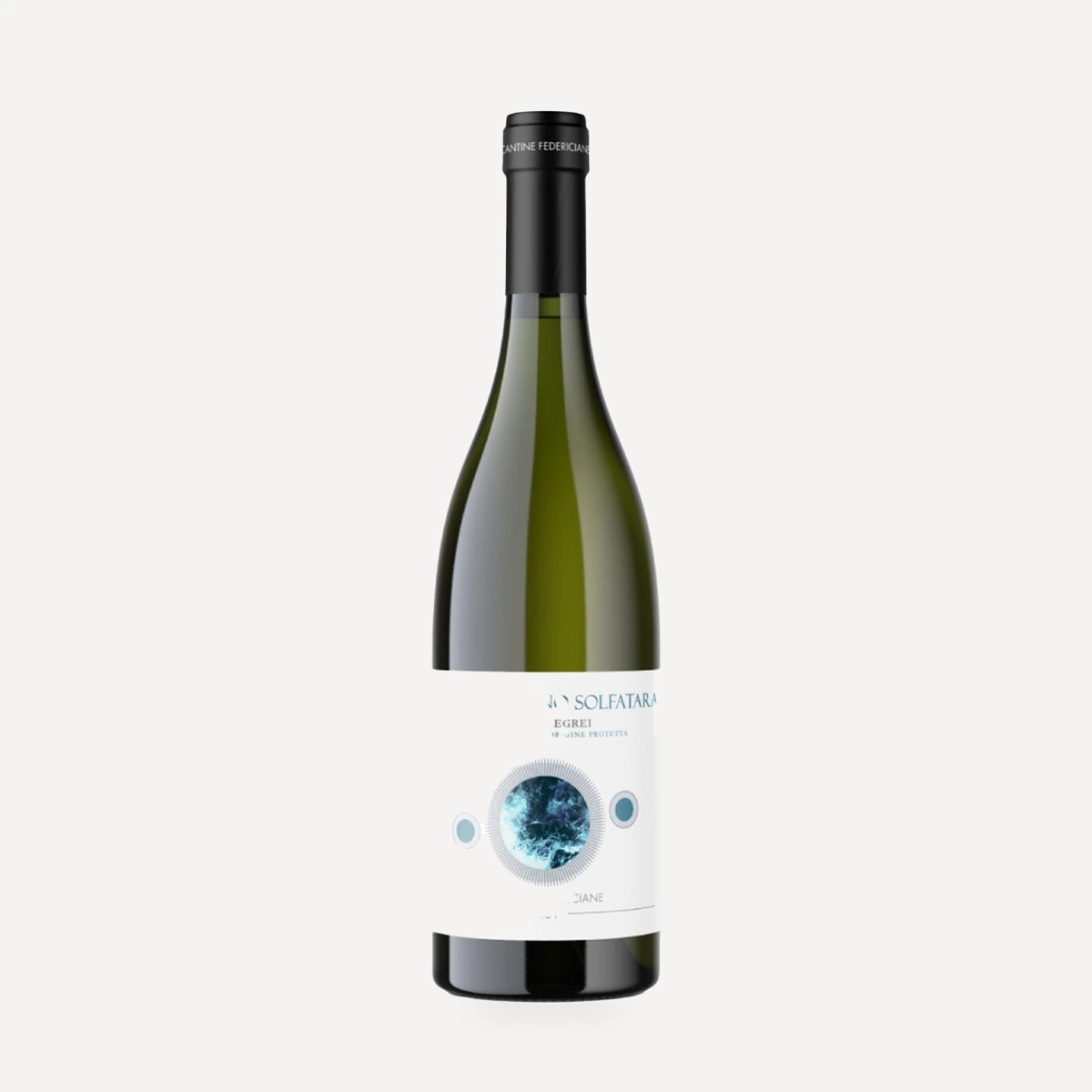
Vigna Cigliano Solfatara Bianco Campi Flegrei D.O.P.