Storia
The eighteenth-century estate
Feudi Pisciotto occupies an eighteenth-century baglio and Palmento in the countryside of Niscemi. The property once belonged to the Branciforte family and was subsequently abandoned for a long period. The Palmento—one of the largest historic grape-processing structures in Sicily—retains eight stone pressing basins, several of which are still stained by grape tannins. Grapes were pressed in the upper basins and the must moved downward by gravity. The complex survives as material evidence of the role wine once played in the local rural economy.
July 1943: battle at the baglio
American paratroopers involved in the liberation of Sicily landed in the baglio’s courtyard at dusk on 9 July 1943. At noon on 11 July, 95 American soldiers confronted a German column of roughly 700 men. The battle ended with the German force withdrawing, and bullet and machine-gun marks remain visible on the estate walls.
Decades later, a member of a United States paratroopers’ association recognized those marks in photographs of the estate and contacted Paolo Panerai, enclosing a wartime photograph. That image may have been taken by Robert Capa, who documented the Allied landings and fighting in Sicily.
Revival of the estate
During the 1990s, Paolo Panerai decided to take over and restore the long-abandoned baglio and its Palmento. Early estate vineyards were planted in 2002, including Merlot at elevations between 100 and 150 metres. The project combined the architectural and oenological experience developed within Domini Castellare di Castellina with the advice of Giacomo Tachis and the work of Alessandro Cellai.
The Palmento was restored conservatively, following the restoration principles associated with Cesare Brandi and without substantial alteration. It was connected to a modern winery designed to vinify as much as 10,000 hectolitres. The new facility introduced a gravity-fed production layout while preserving the historic building as a museum and working part of the estate.
2007: wine, fashion and Sicilian art
In 2007 Panerai created the Collezione Grandi Stilisti, joining wine and Italian fashion through labels commissioned from designers and fashion houses. Participants waived royalties so that part of the proceeds could support the restoration and promotion of Sicilian artworks and historic artefacts. The first project funded the restoration of Giacomo Serpotta’s L’Eterno in Palermo; its imagery subsequently inspired the name and label of the estate’s flagship Pinot Nero.
2011–2017: new projects and recognition
Production of the 100% Pinot Nero L’Eterno began with the 2011 harvest, following an idea developed by Giacomo Tachis and Paolo Panerai and interpreted by Alessandro Cellai. In 2017 the Collezione Grandi Stilisti received the Wine Style Award for best wine packaging at Bottiglie Aperte. The same year, the estate’s Nero d’Avola 2015 with the Versace label entered Wine Spectator’s Top 100.
Hospitality and the contemporary estate
The restored Palmento and baglio were developed into a Wine Relais, restaurant, museum and hospitality complex. Fifteen rooms and suites occupy the oldest wing of the Palmento and the baglio. The historic tinaia became part of Il Palmento di Feudi restaurant, whose glass floor looks into the barrel cellar. From the 2022 season, Giuseppe Costantino became executive chef and introduced a locally focused, low-waste approach based on small Sicilian producers.
The vineyard holding has expanded from the 43 hectares recorded in earlier material to 49 hectares in the current estate description. Production is approximately 250,000 bottles per year.
2025–2026
On 12 July 2025, Feudi Pisciotto was proclaimed a Luogo della memoria in recognition of the fighting that took place there in July 1943. In the same year, the Wine Relais received a MICHELIN Key.
In May 2026 the estate launched Fata Nascim, named for an old Arabic-medieval form associated with Niscemi and interpreted as “fairy of the wind” or “fairy of the light breeze.” The net proceeds were pledged to initiatives supporting Niscemi’s population after a destructive landslide. The project expressed the estate’s continuing relationship with a community that has supplied local employment and contributed to its development.
Terroir
Feudi Pisciotto lies at Niscemi in the Val di Noto, in rural south-eastern Sicily between Caltagirone and Piazza Armerina. The estate sits within the Cerasuolo di Vittoria DOCG area, on the edge of the Sughereta di Niscemi Nature Reserve and only a few kilometres from the sea.
The vineyards extend to elevations of approximately 300 metres. Altitude encourages marine breezes and day–night temperature changes, while the nearby sea moderates temperatures. Together, these influences create the estate’s distinctive microclimate. The vineyards and panoramic buildings are surrounded by rural countryside, cork-oak habitat and pine trees, with views across the Val di Noto.
Vinificazione
Viticulture is presented as sustainable and attentive to nature and biodiversity. The location beside the Sughereta di Niscemi Nature Reserve, the estate’s elevation and marine influence are central to this approach.
Grapes are harvested by hand and carried in small crates to the winery’s panoramic roof. Selection of indigenous and international cultivars reflects the philosophy developed with Giacomo Tachis: varieties should be matched to the Sicilian site through detailed knowledge and careful cultivation. The contemporary vineyard programme highlights Nero d’Avola, Frappato, Grillo, Catarratto, Chardonnay, Syrah, Pinot Nero, Sémillon and Gewürztraminer.
Historic Palmento and modern cellar
The winery joins the restored eighteenth-century Palmento to a modern production facility. The old structure contains eight stone grape-pressing basins, several still coloured by historic tannin deposits. It has been preserved without substantial alteration and now functions as a museum and record of traditional Sicilian wine production.
The adjoining winery can vinify up to 10,000 hectolitres and contains a barrel cellar with more than 700 barriques. Additional barriques occupy the former tinaia beneath the restaurant and can be viewed through its glass floor.
Gravity-flow handling
The cellar revives the Palmento’s reliance on gravity. Hand-harvested grapes arrive in small crates on the roof and pass through hatches directly to fermentation tanks on the level below, without pumps. This gentler movement is intended to preserve material contained in the grape skins. Bottling rooms are likewise positioned below the storage tanks, minimizing pumping, reducing energy use and limiting associated carbon-dioxide emissions.
Current production is approximately 250,000 bottles per year. The cellar combines advanced equipment with the spatial logic of the historic Palmento rather than treating the old building only as decoration.
Filosofia
Feudi Pisciotto’s guiding idea is the union of continuity and experimentation. The eighteenth-century Palmento is preserved as a working historical reference, while the connected winery employs contemporary technology and gravity-based handling.
The oenological philosophy draws heavily on Giacomo Tachis’s belief that Sicily’s light, soils and climate can support a wide range of cultivars when they are understood and managed correctly. This principle underlies the coexistence of indigenous grapes with international varieties unusual for Sicily, including Pinot Nero, Sémillon and Gewürztraminer.
Sustainability is expressed through attention to nature and biodiversity in the vineyard, hand harvesting, gentle gravity flow, reduced pumping, lower energy use and reduced carbon-dioxide emissions. The broader estate project also connects wine with Sicilian art, craftsmanship, hospitality and local employment. Its fashion-label initiative directs part of its proceeds toward the restoration of Sicilian cultural heritage.
Vini
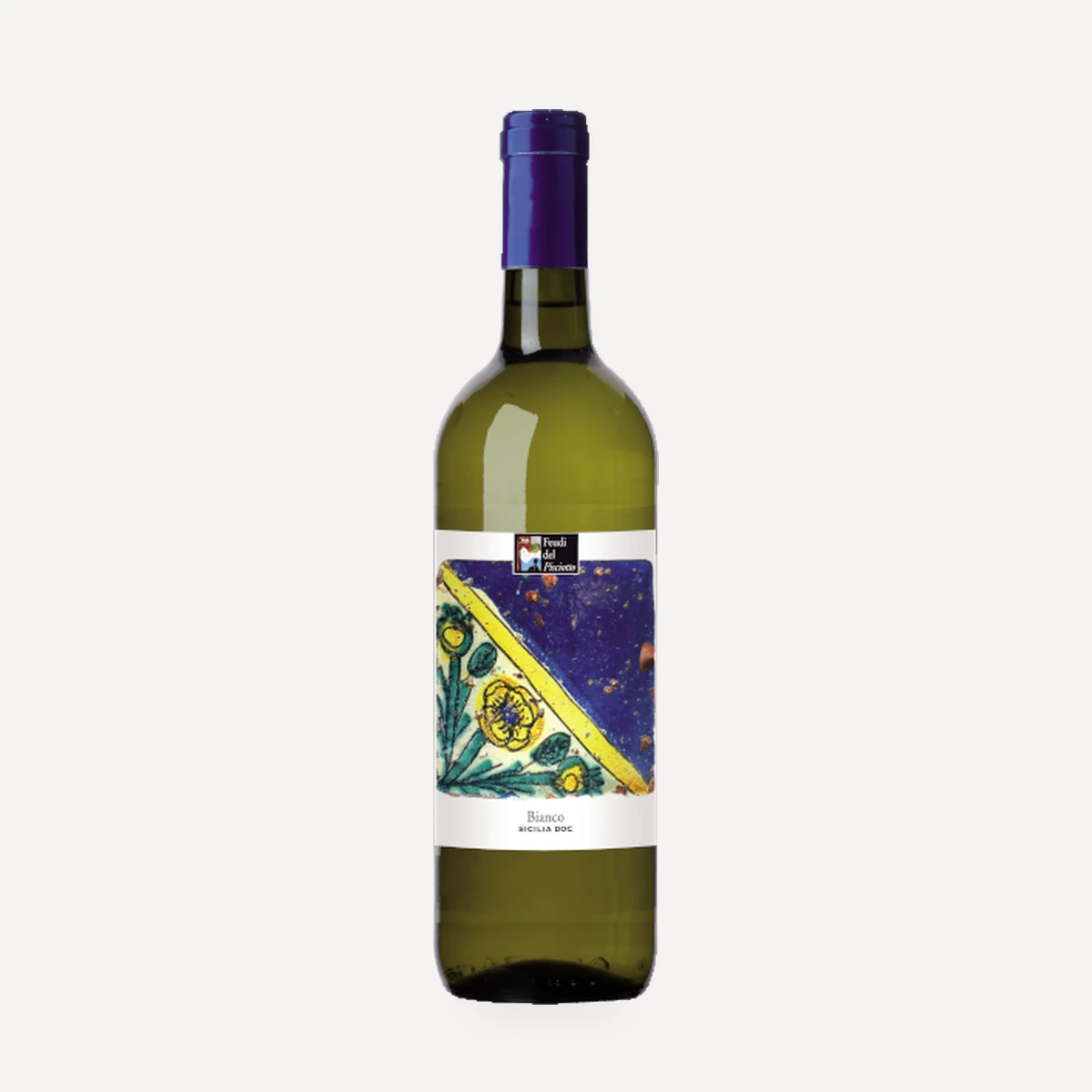
Bianco Sicilia DOC Le Maioliche
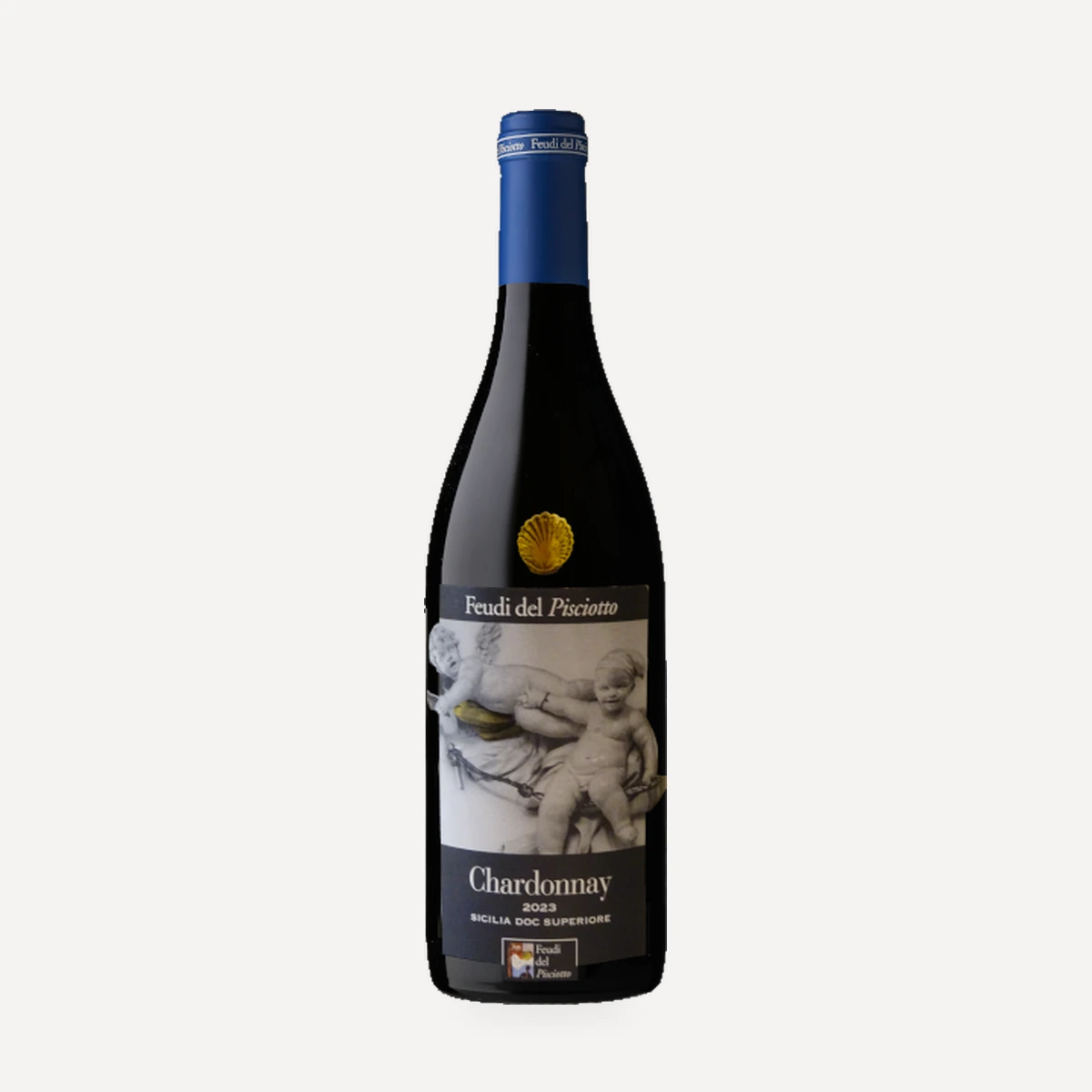
Chardonnay I Putti del Serpotta
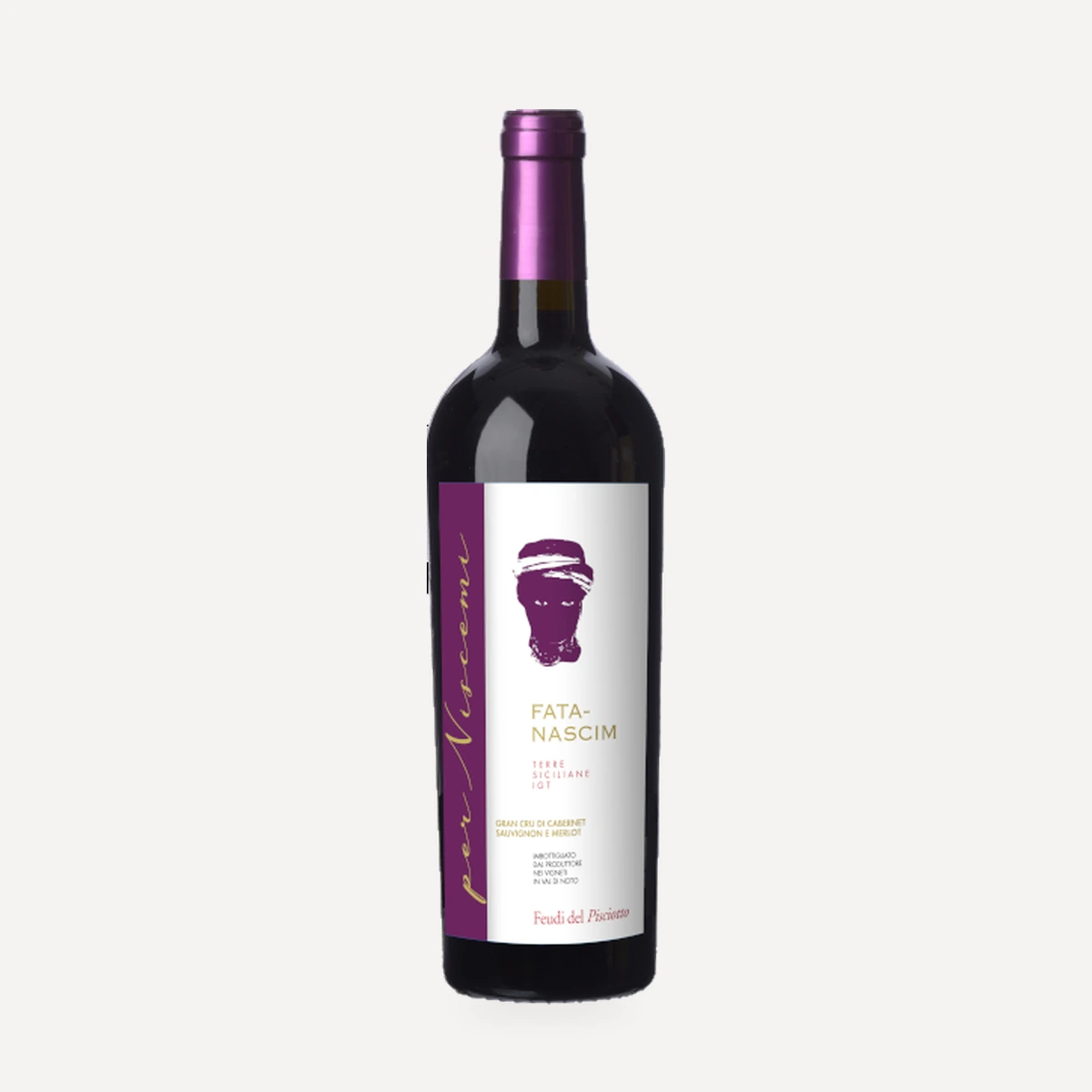
Fata - Nascim
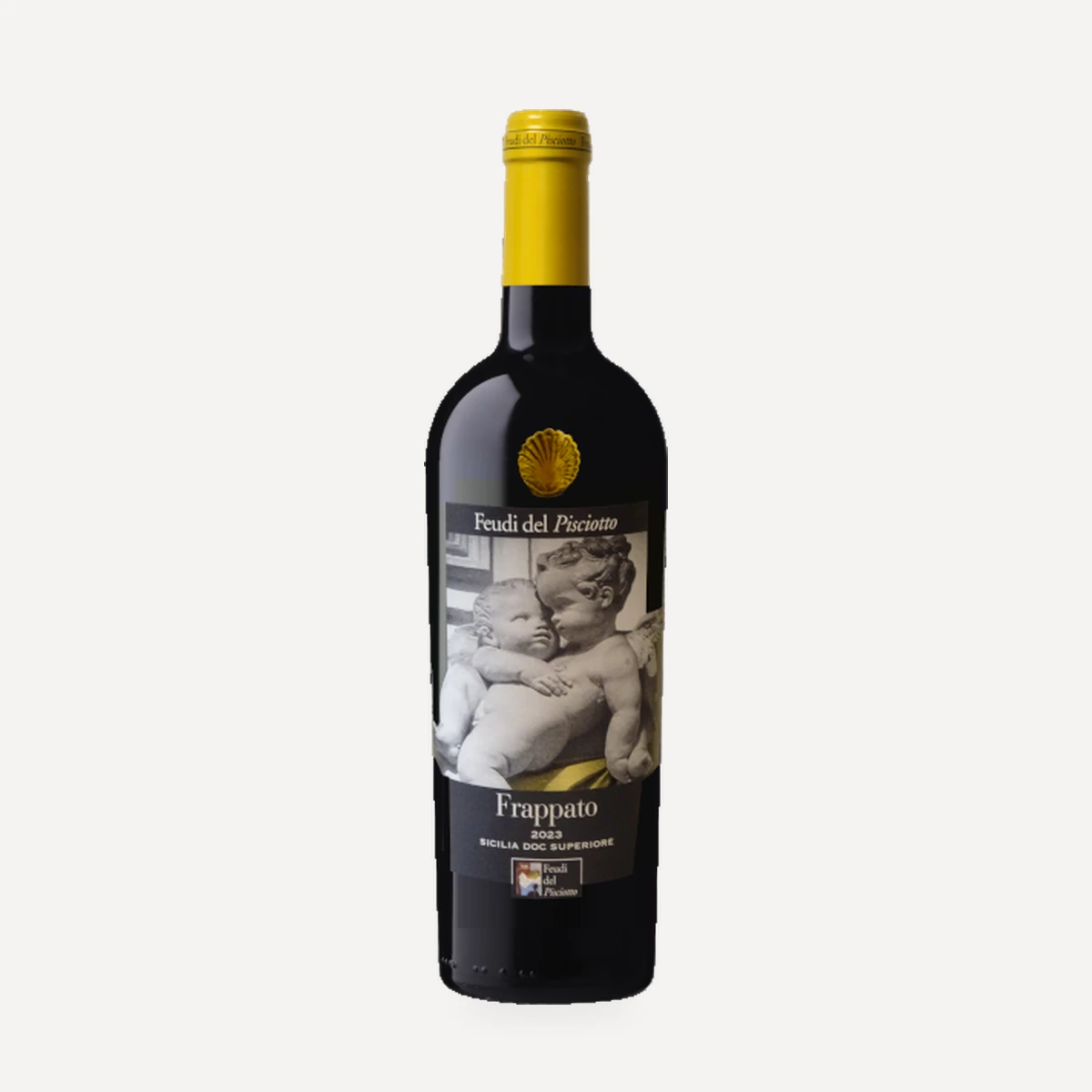
Frappato I Putti del Serpotta
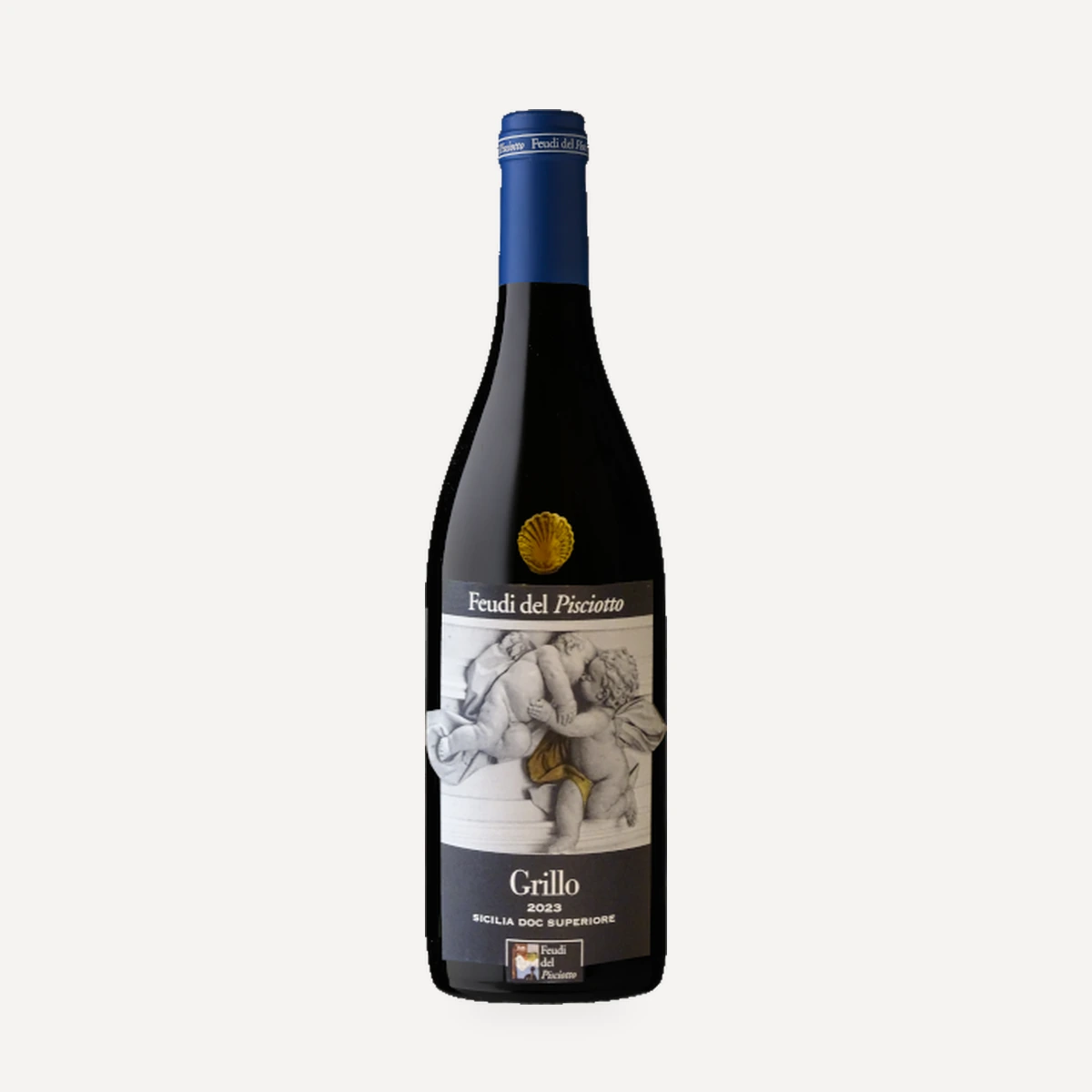
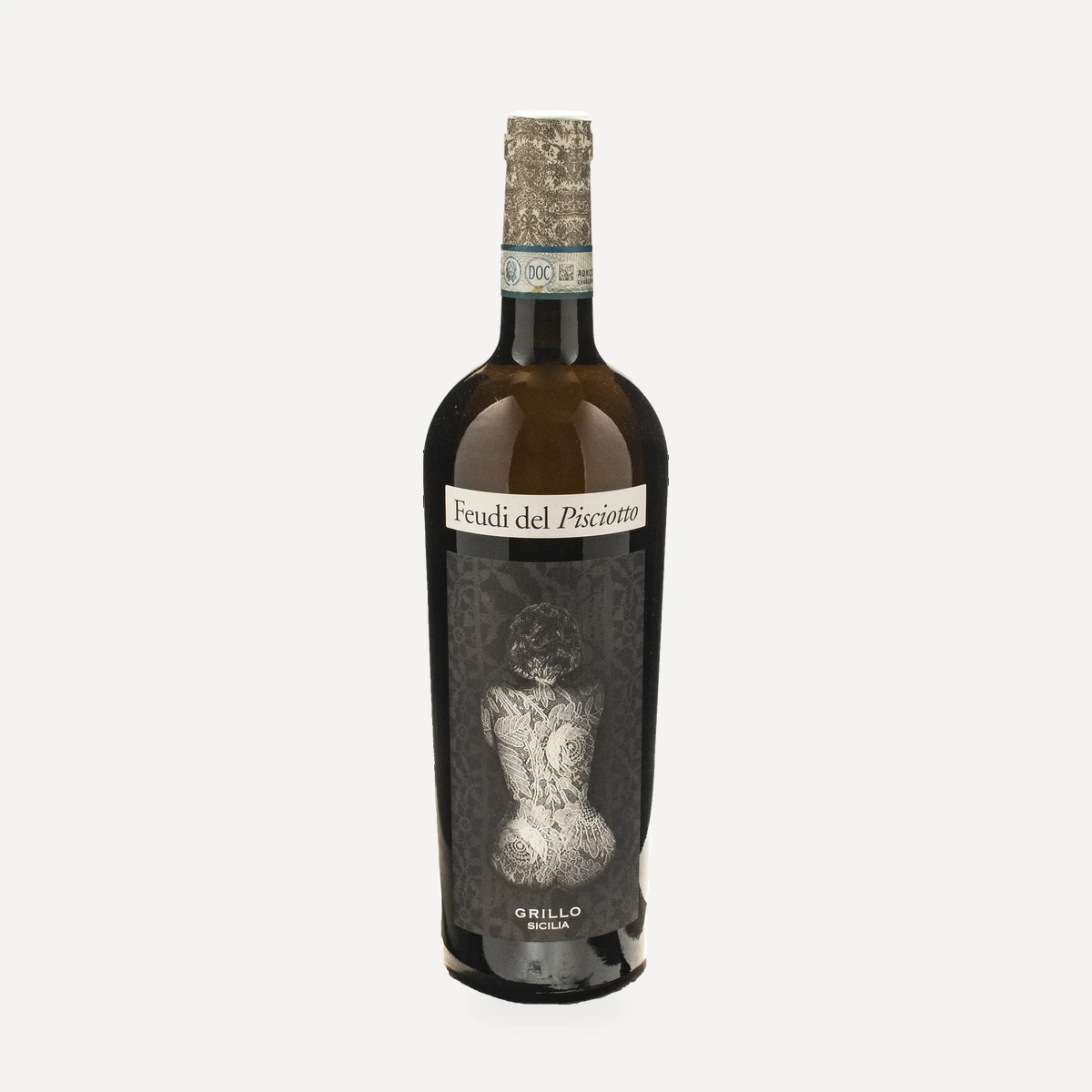
Grillo I Putti del Serpotta
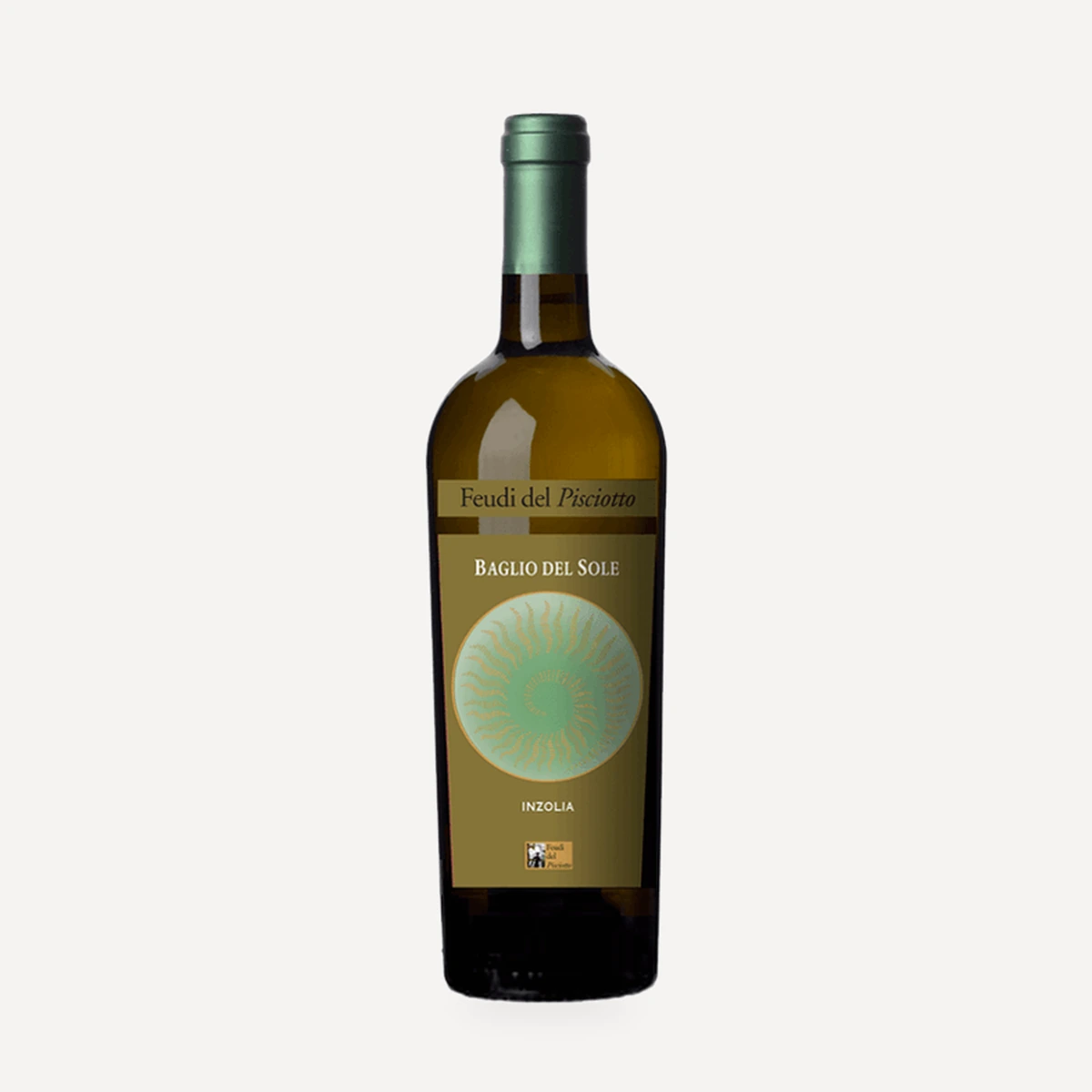
Inzolia Baglio del Sole
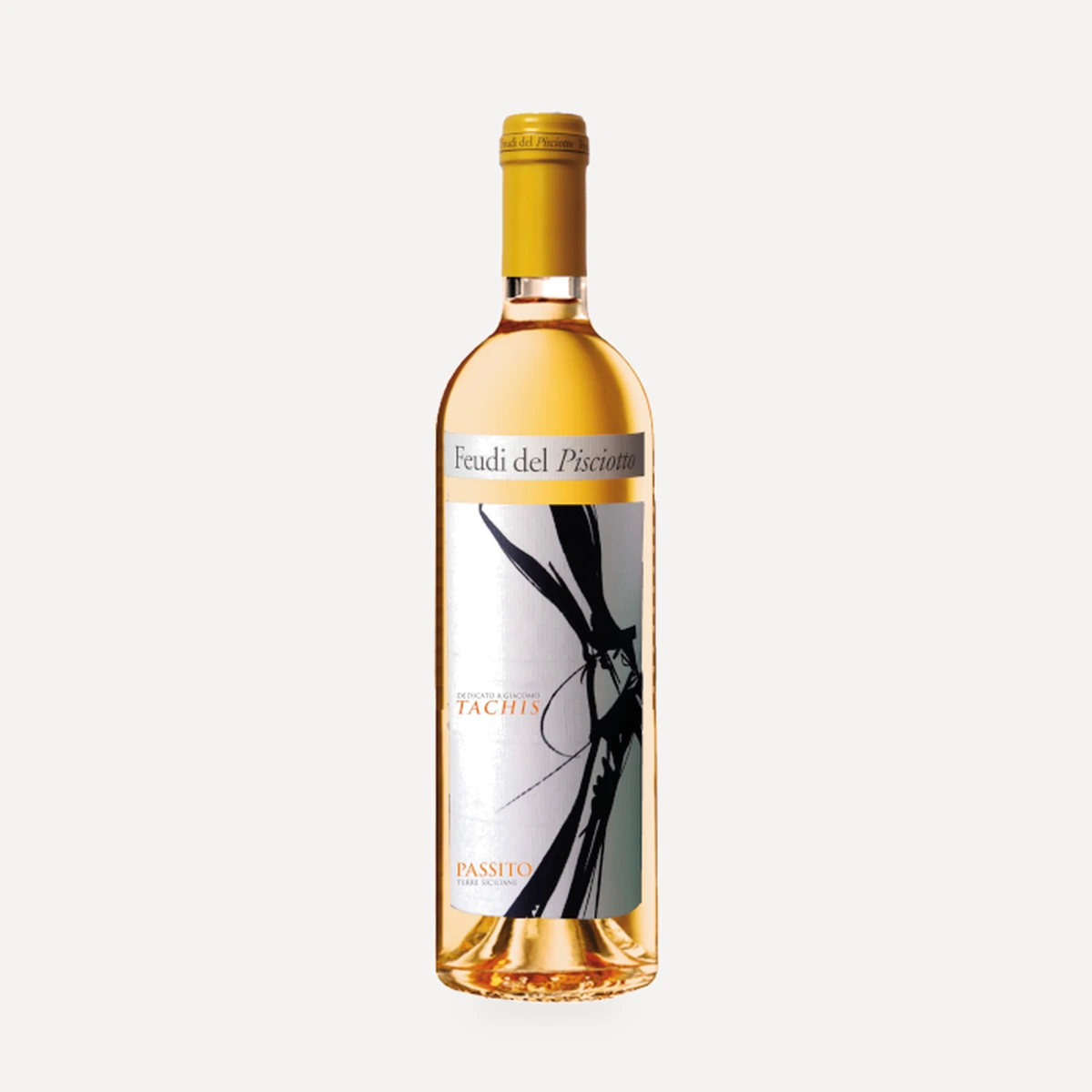
Passito Tachis
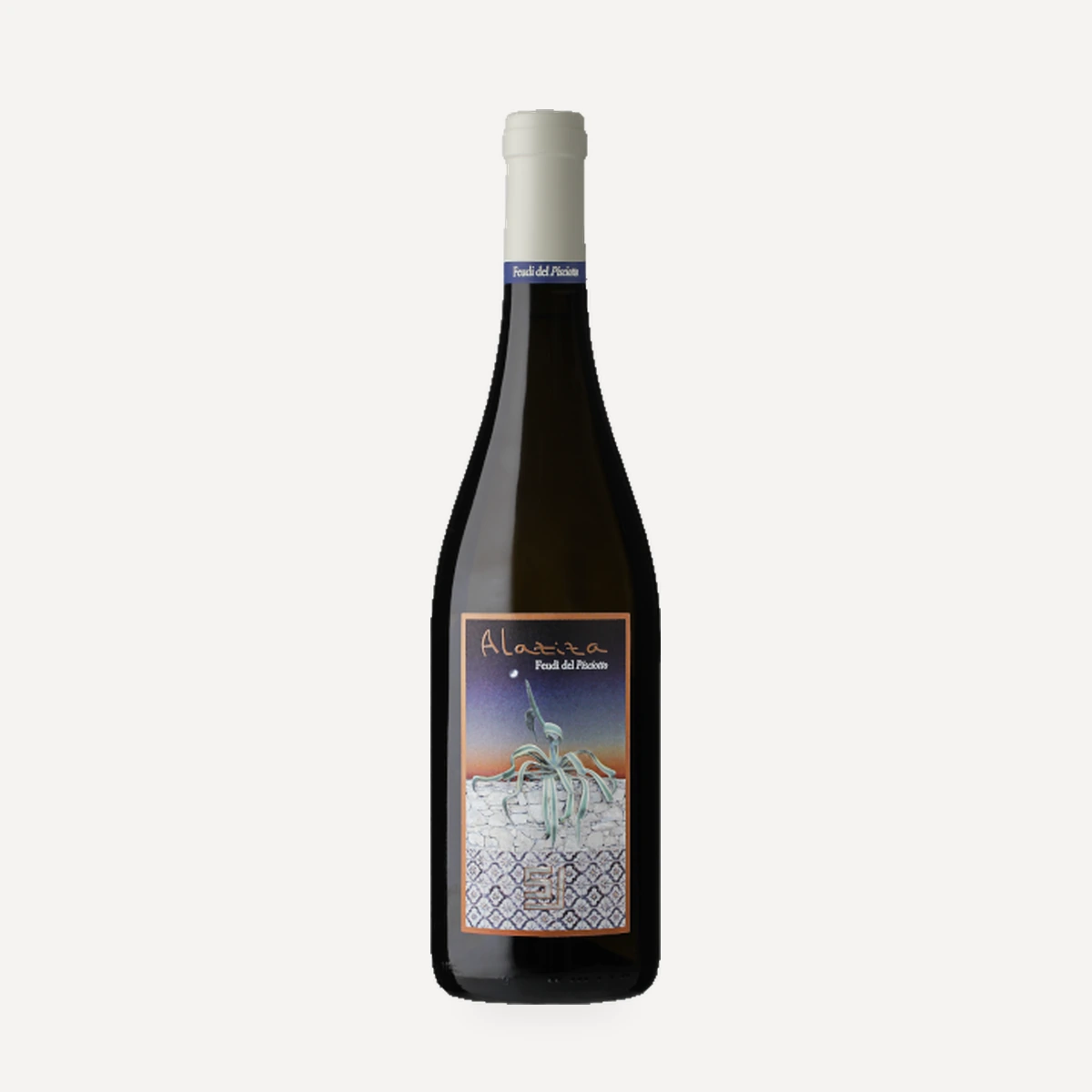
Alaziza
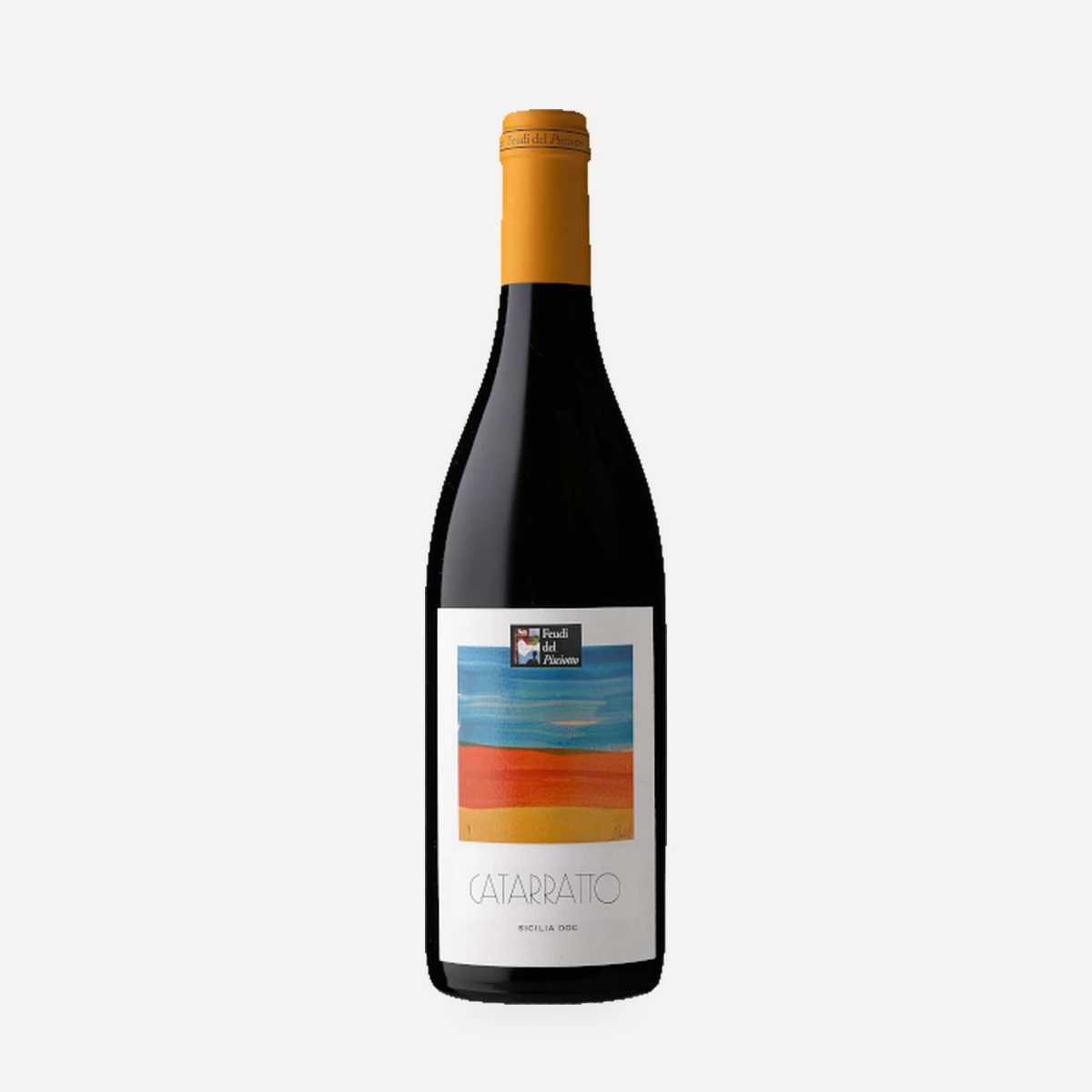
Catarratto Colori di Sicilia
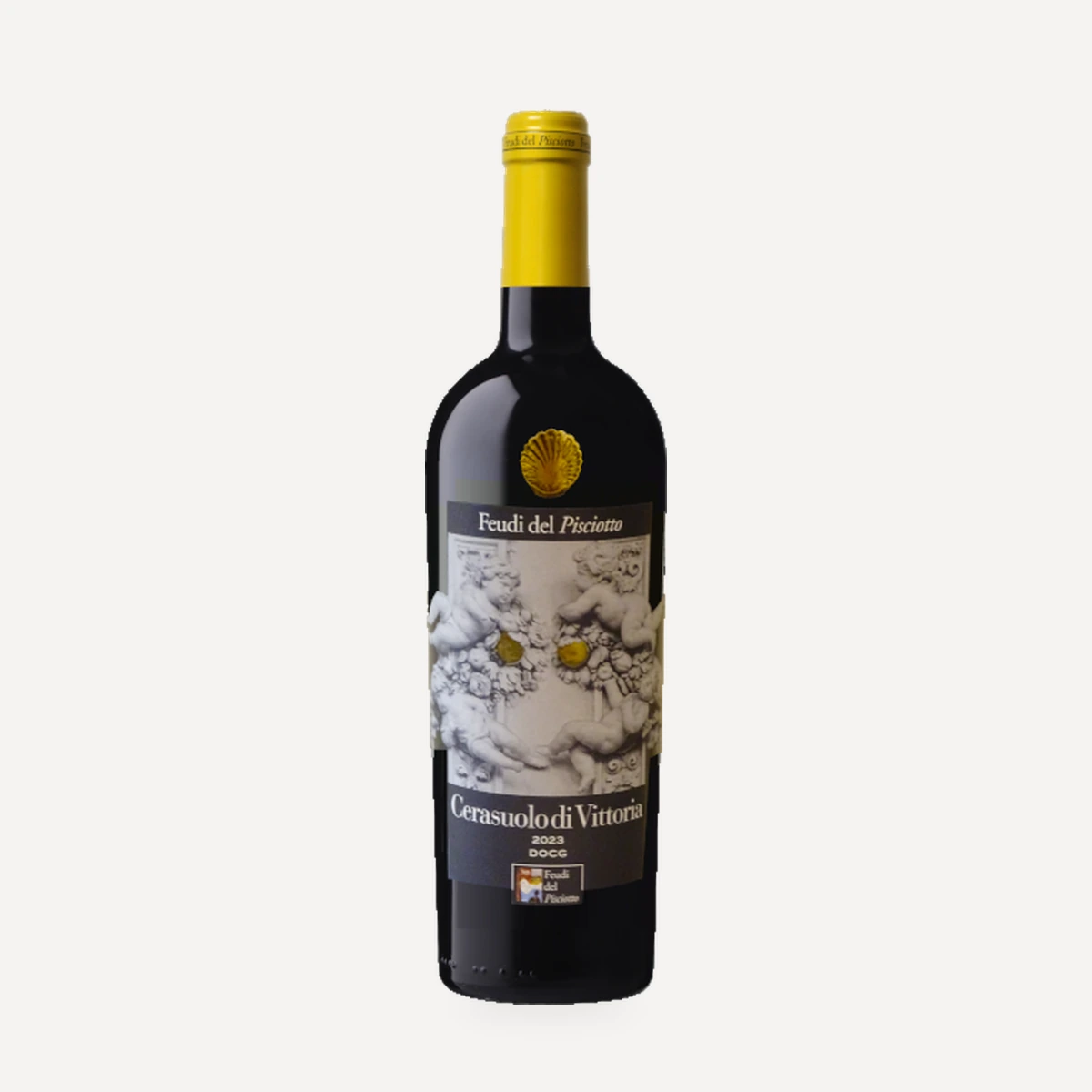
Cerasuolo I Putti del Serpotta
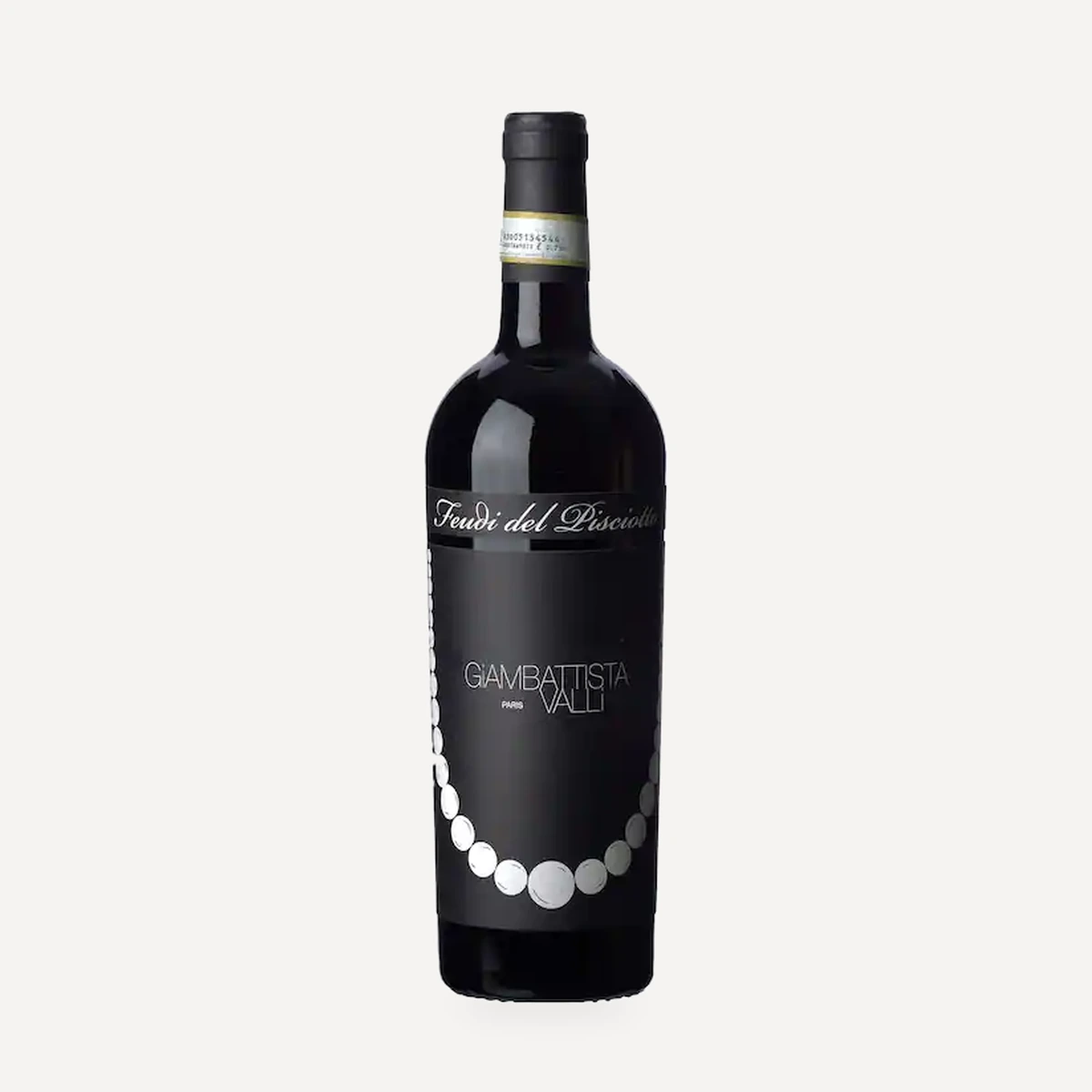
Cerasuolo di Vittoria – Giambattista Valli
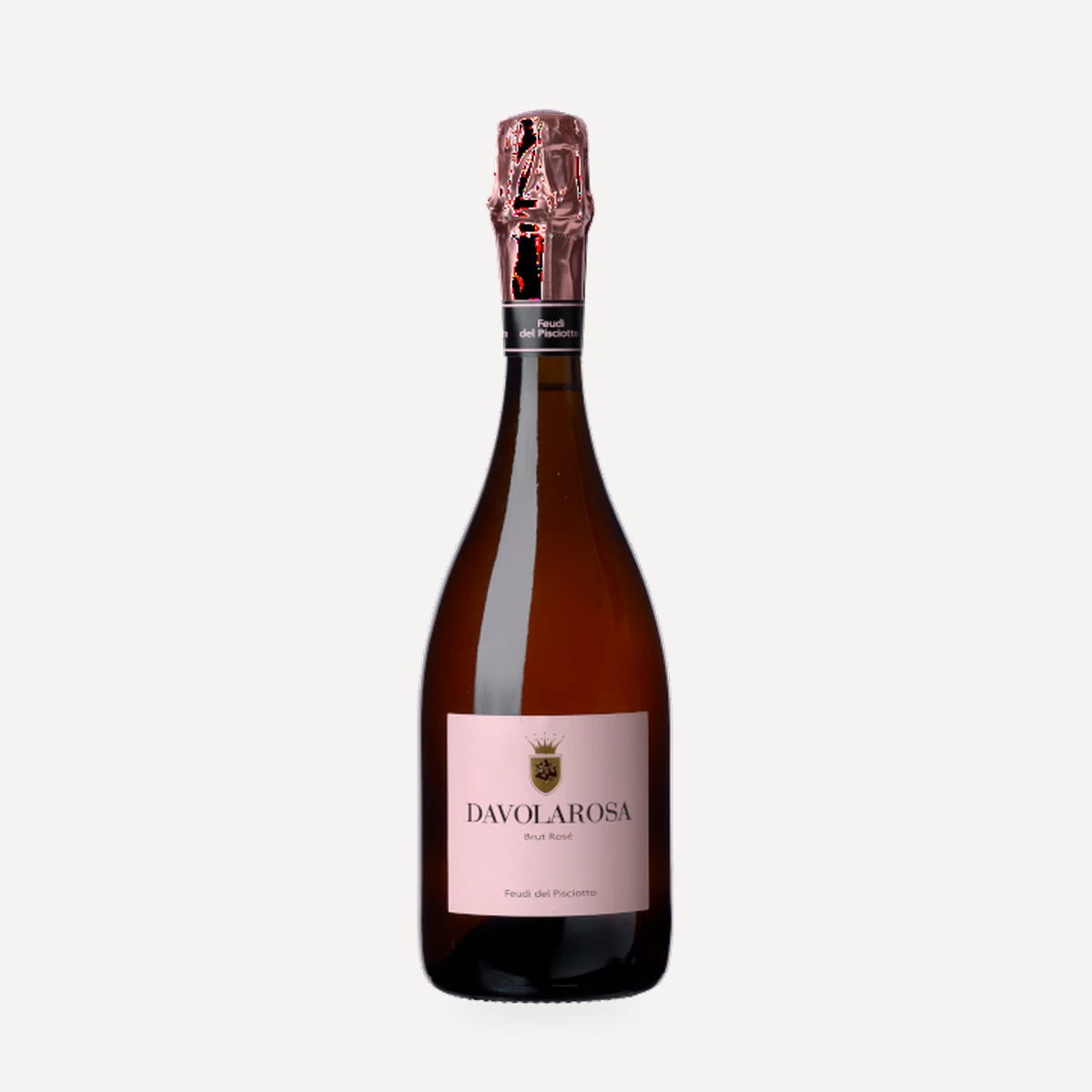
Davolarosa
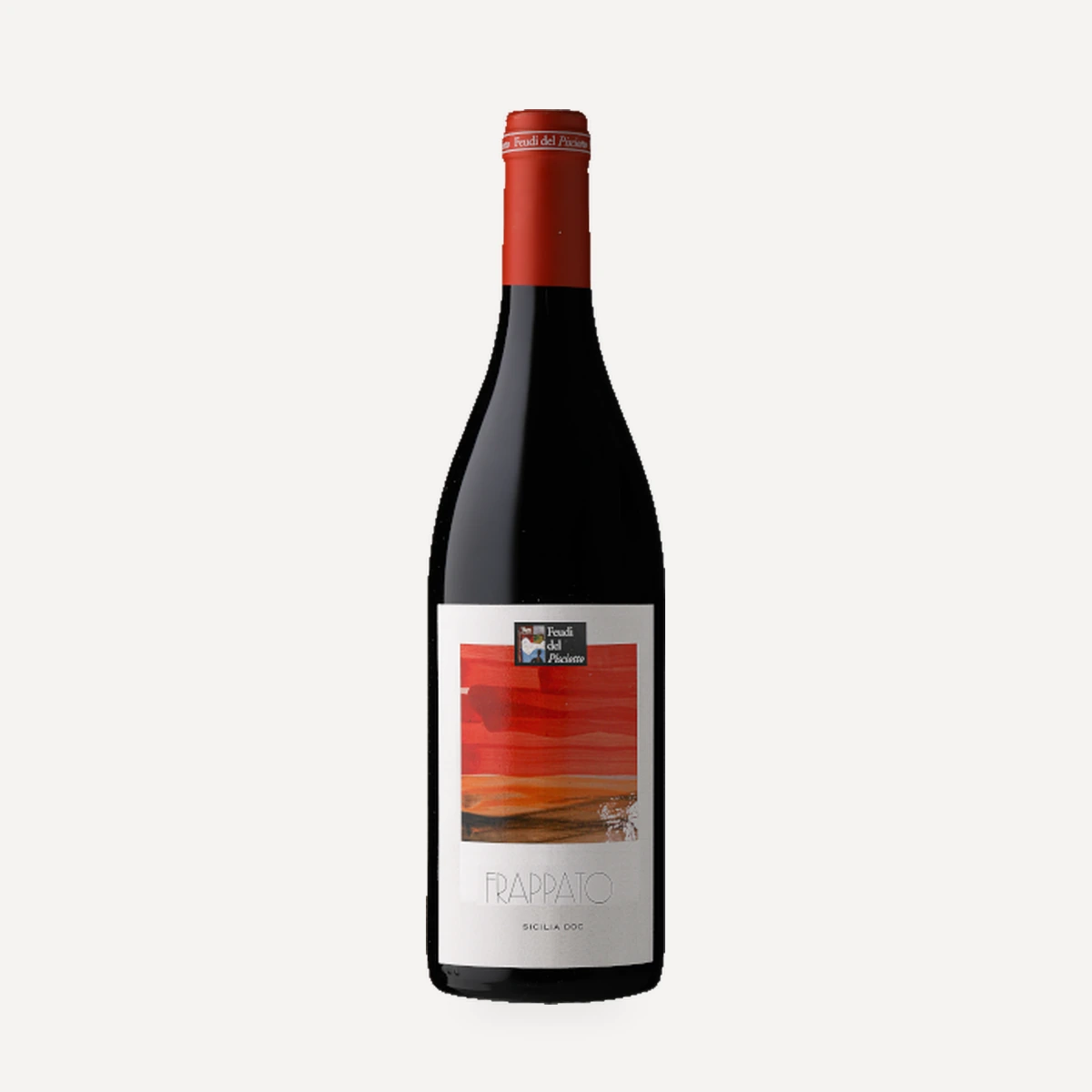
Frappato Colori di Sicilia
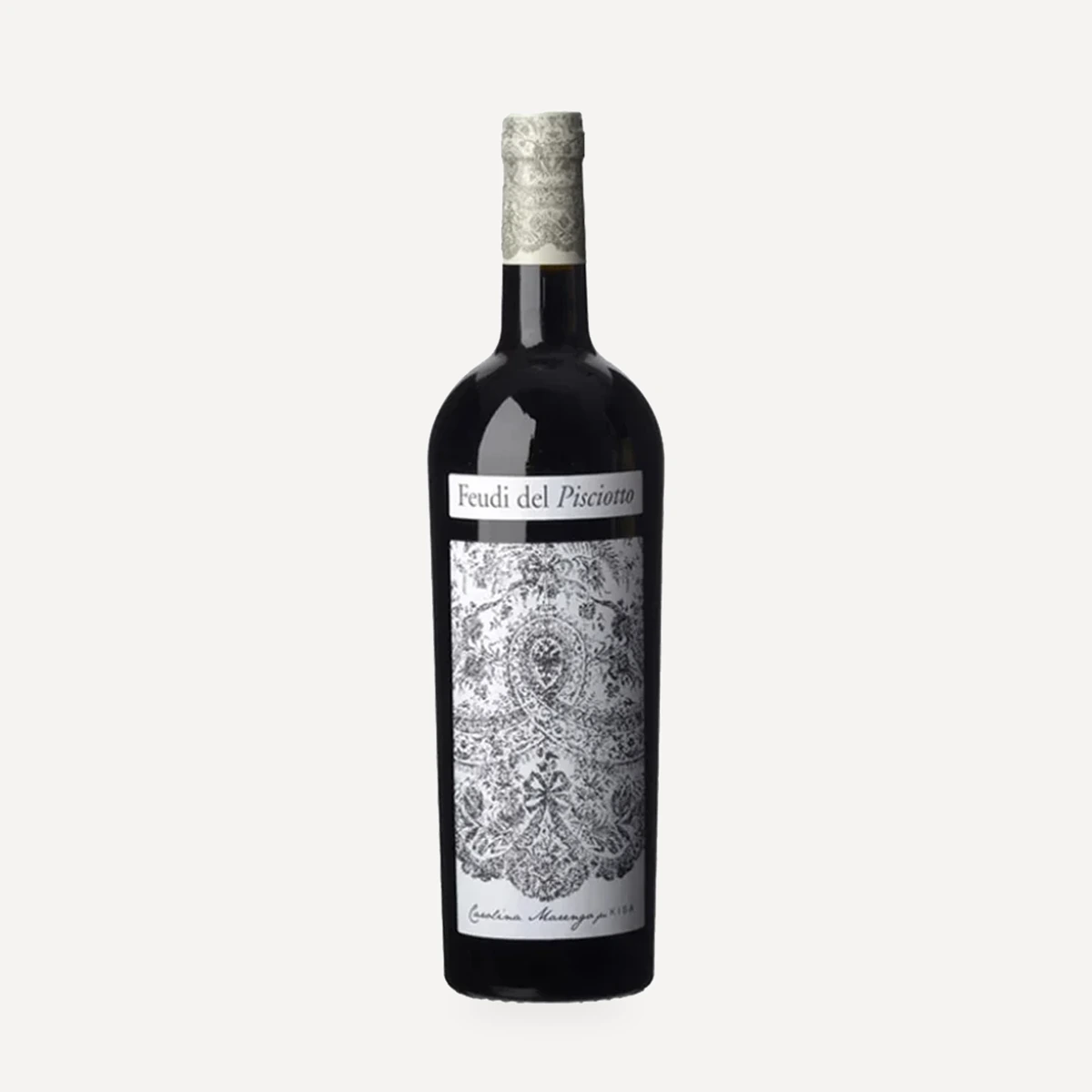
Frappato – Carolina Marengo
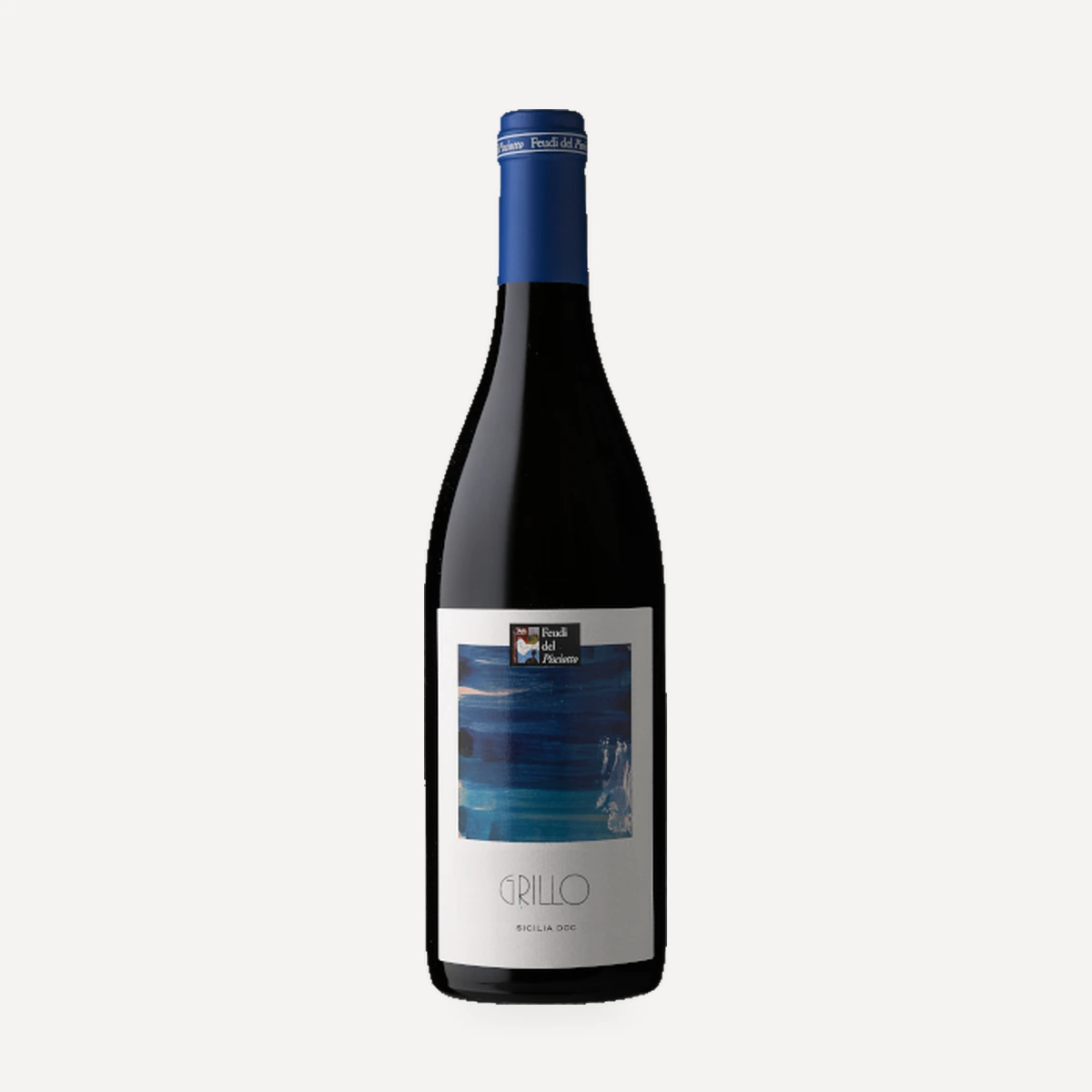
Grillo Colori di Sicilia
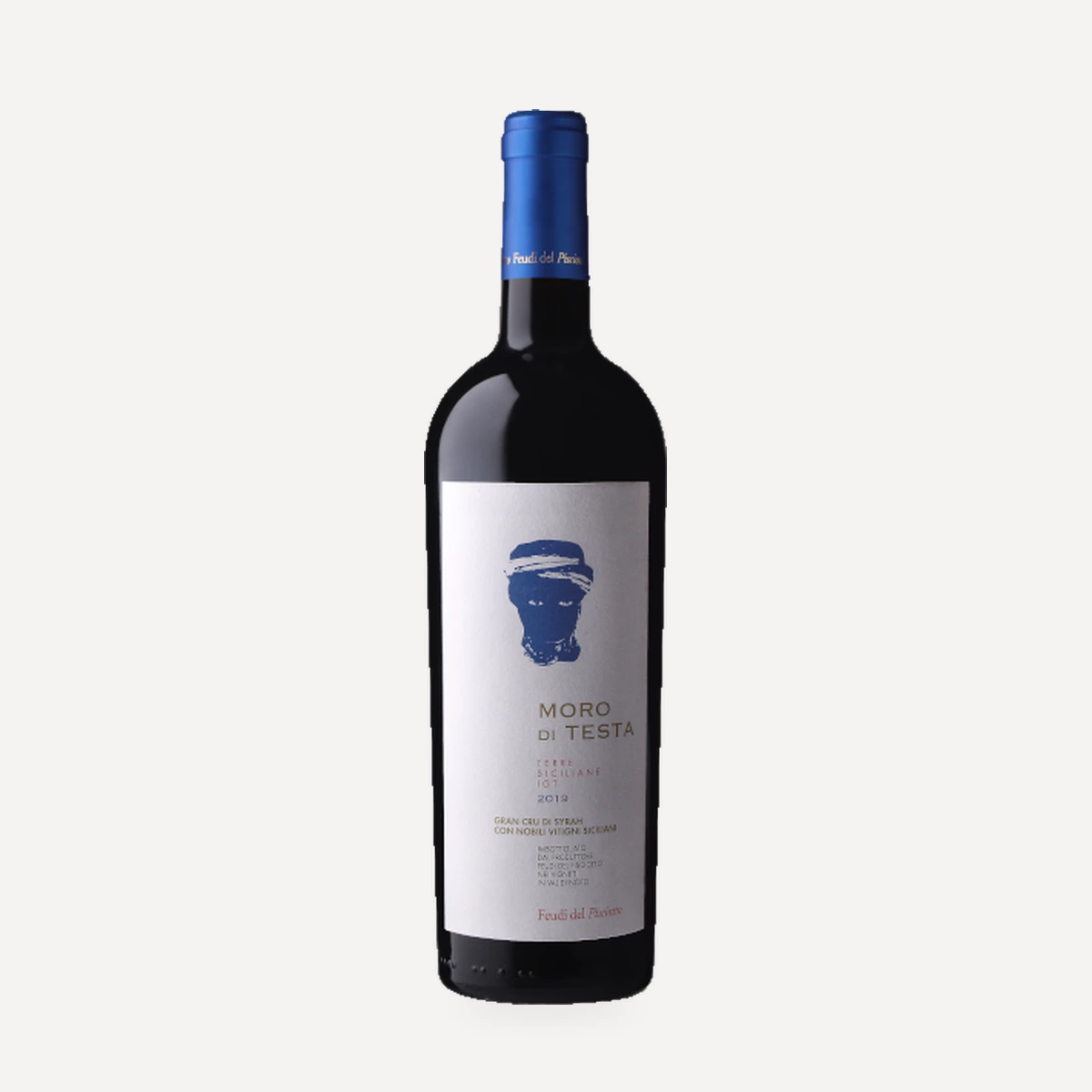
Moro di Testa
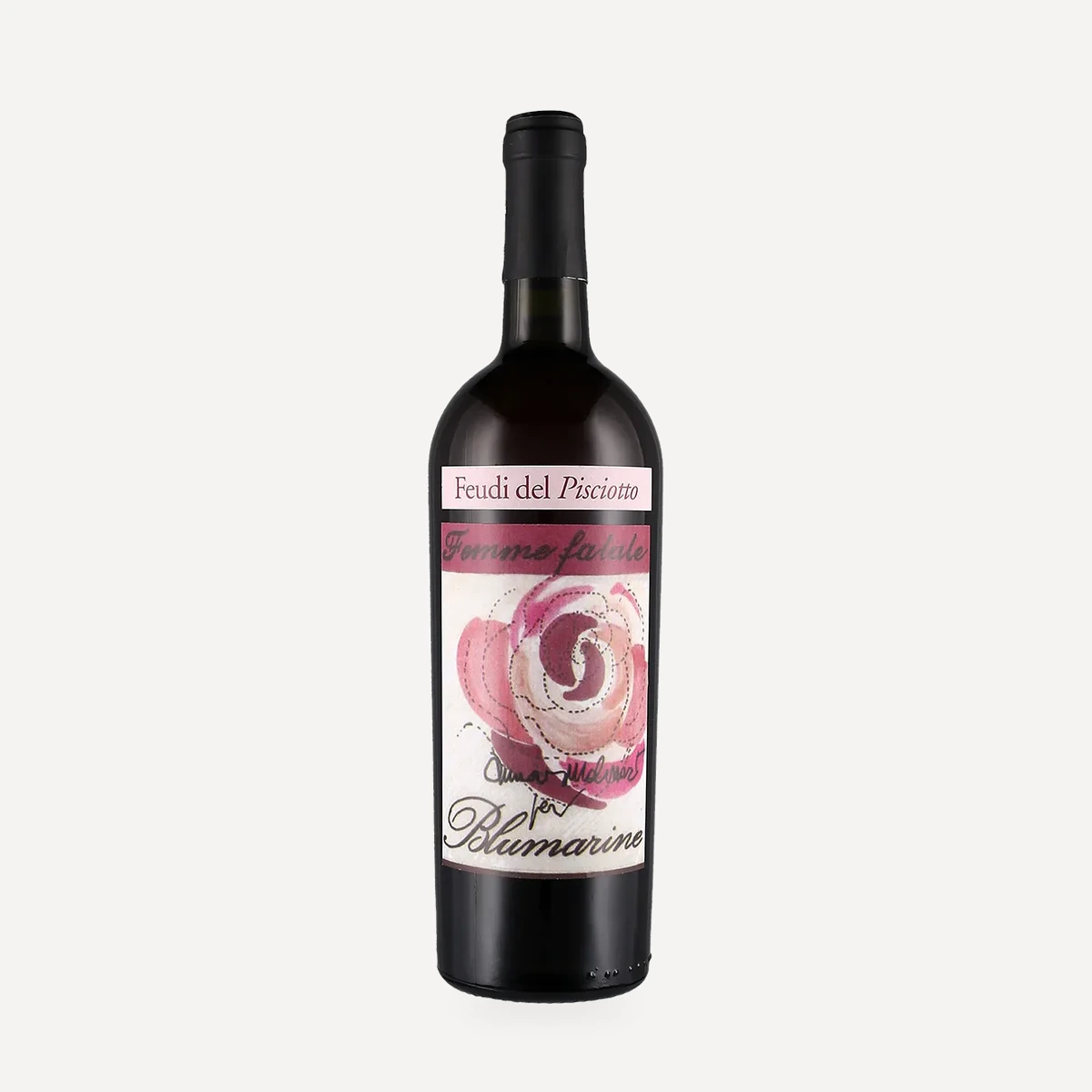
Moscato – Anna Molinari per Blumarine
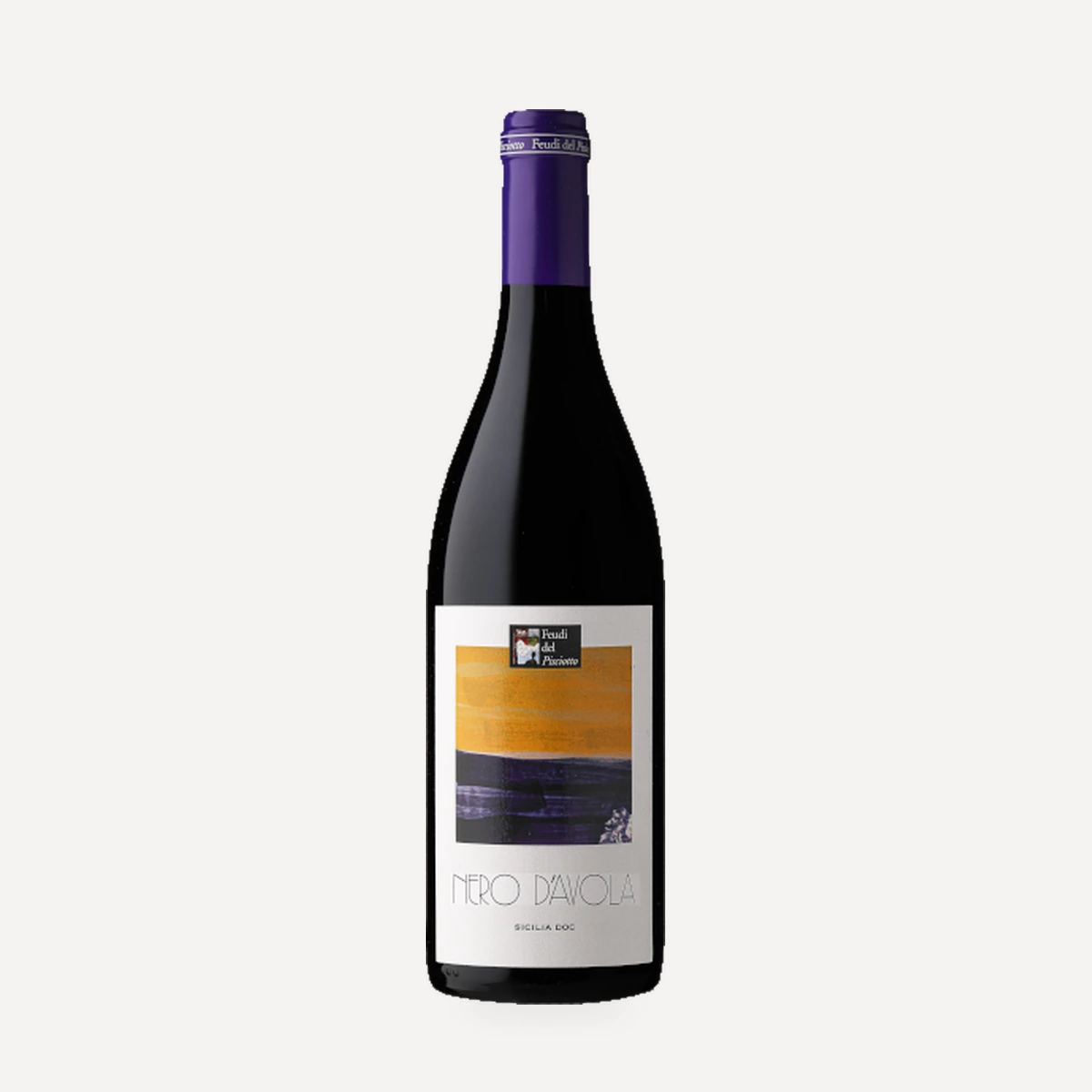
Nero d'Avola Colori di Sicilia
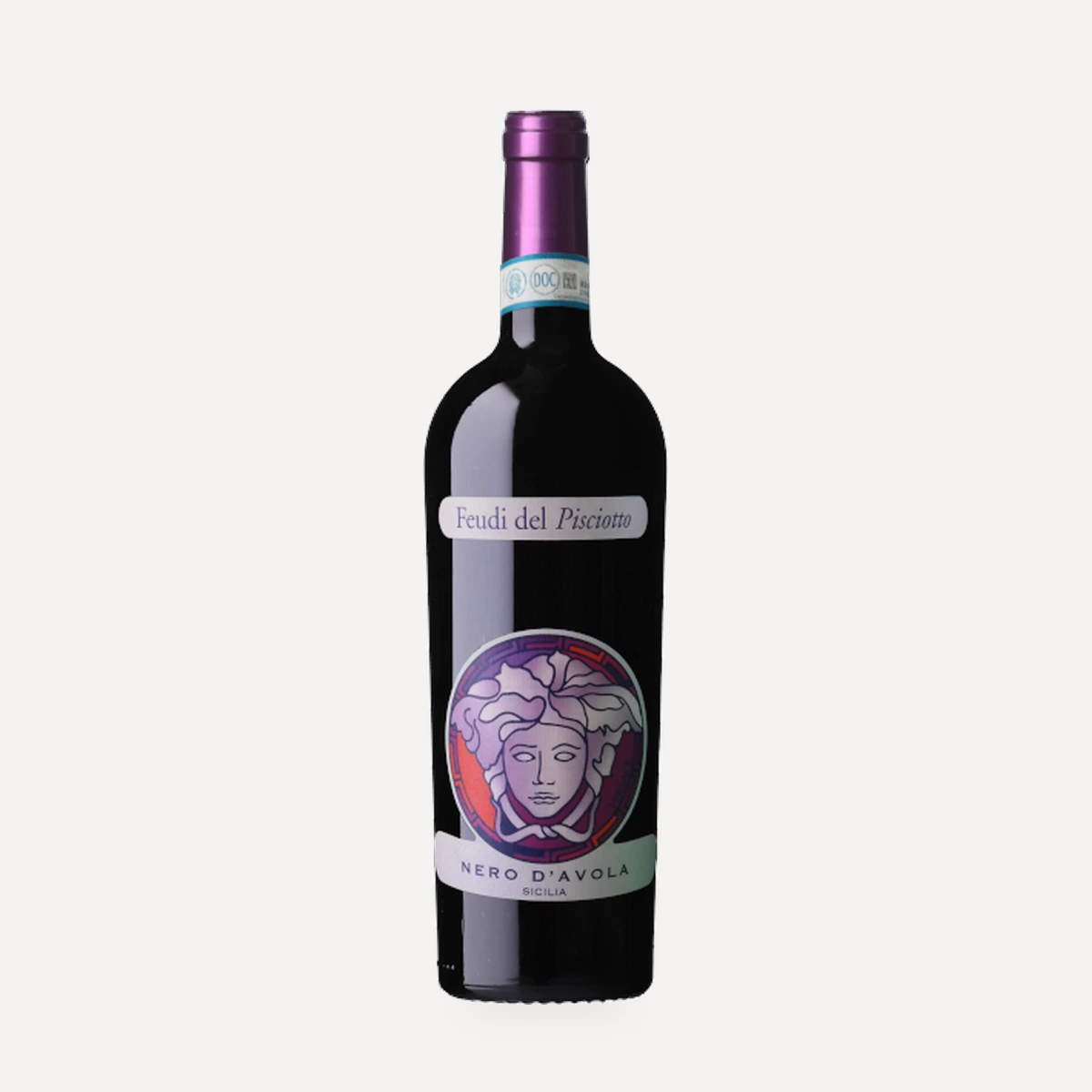
Nero d'Avola – Versace
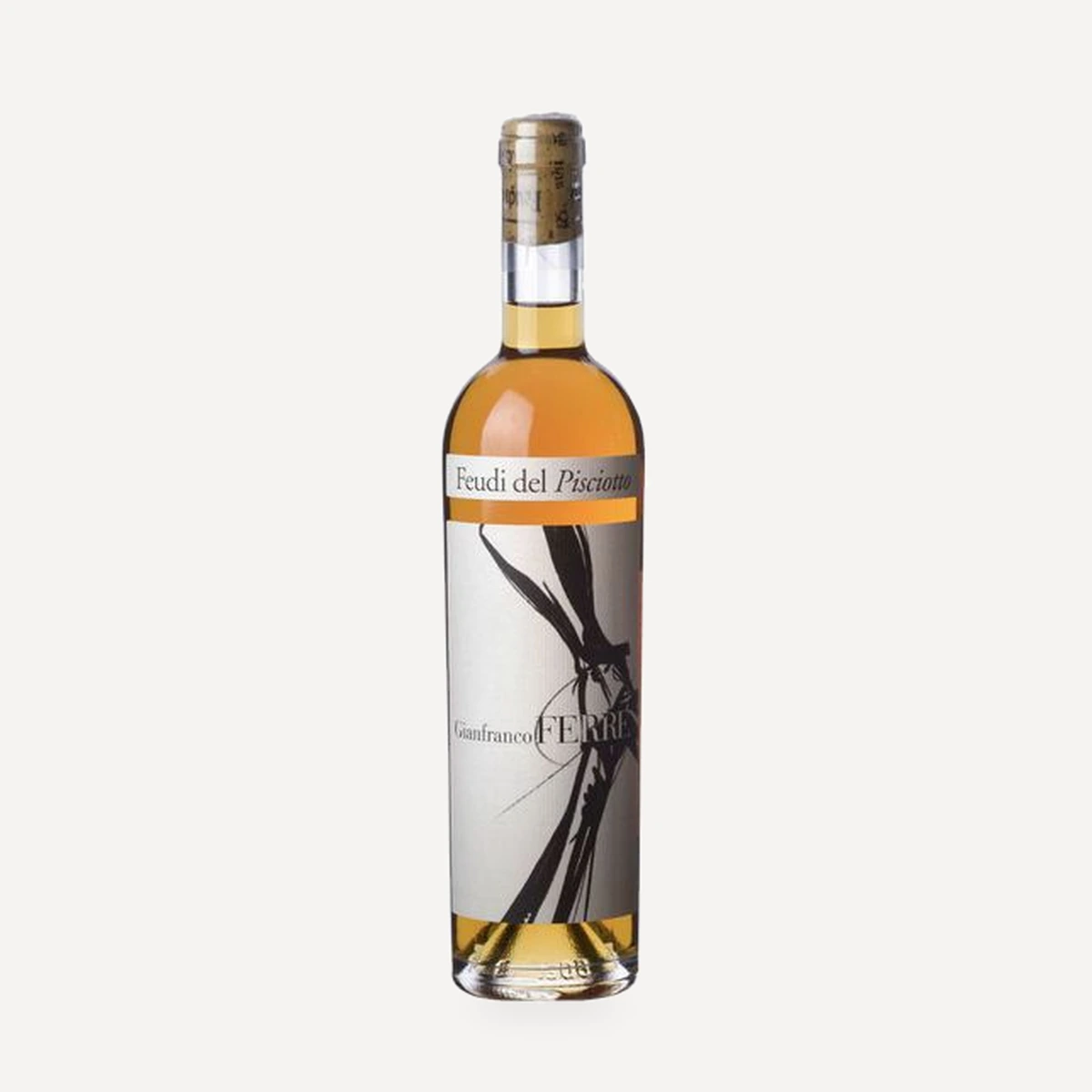
Passito – Gianfranco Ferré
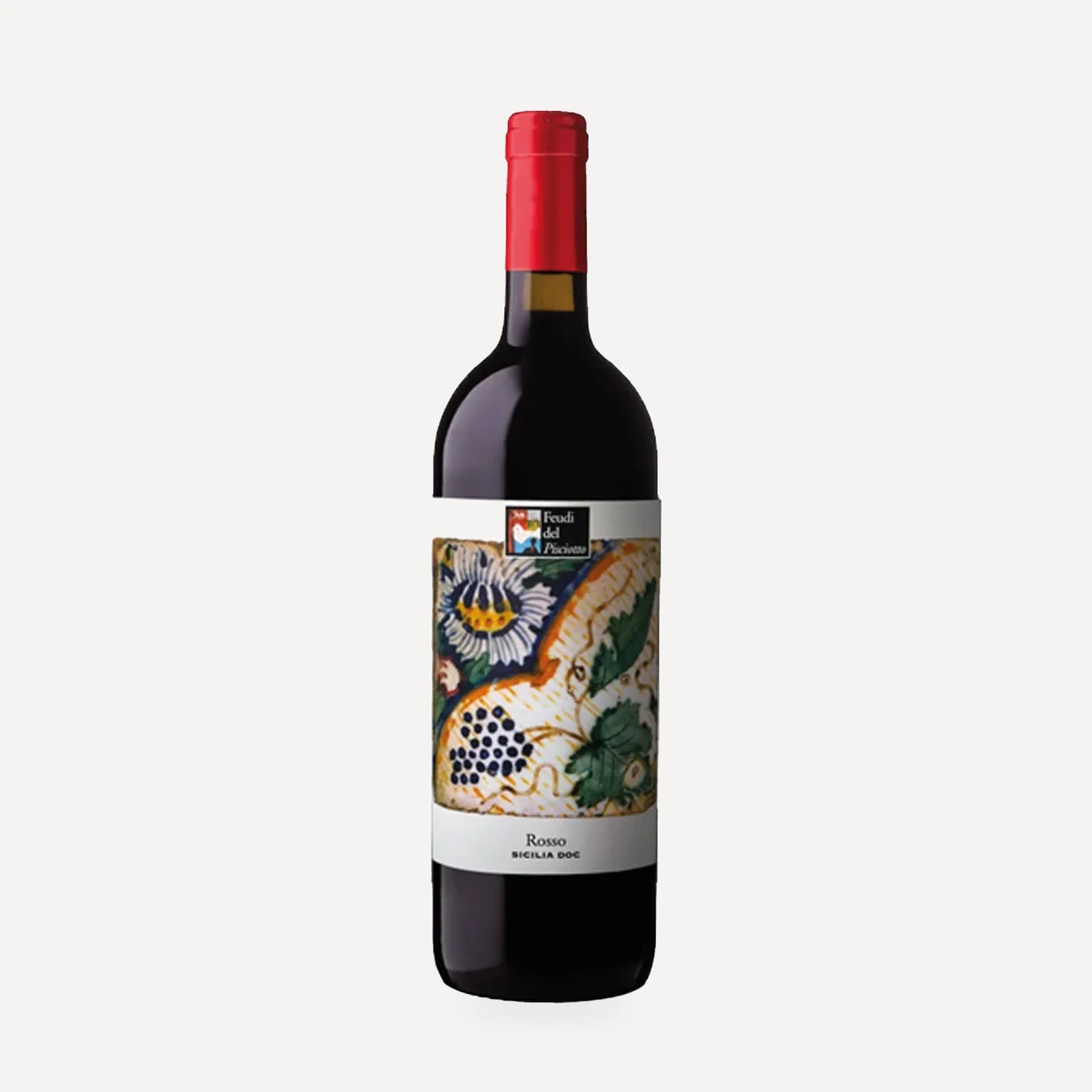
Rosso Sicilia DOC Le Maioliche
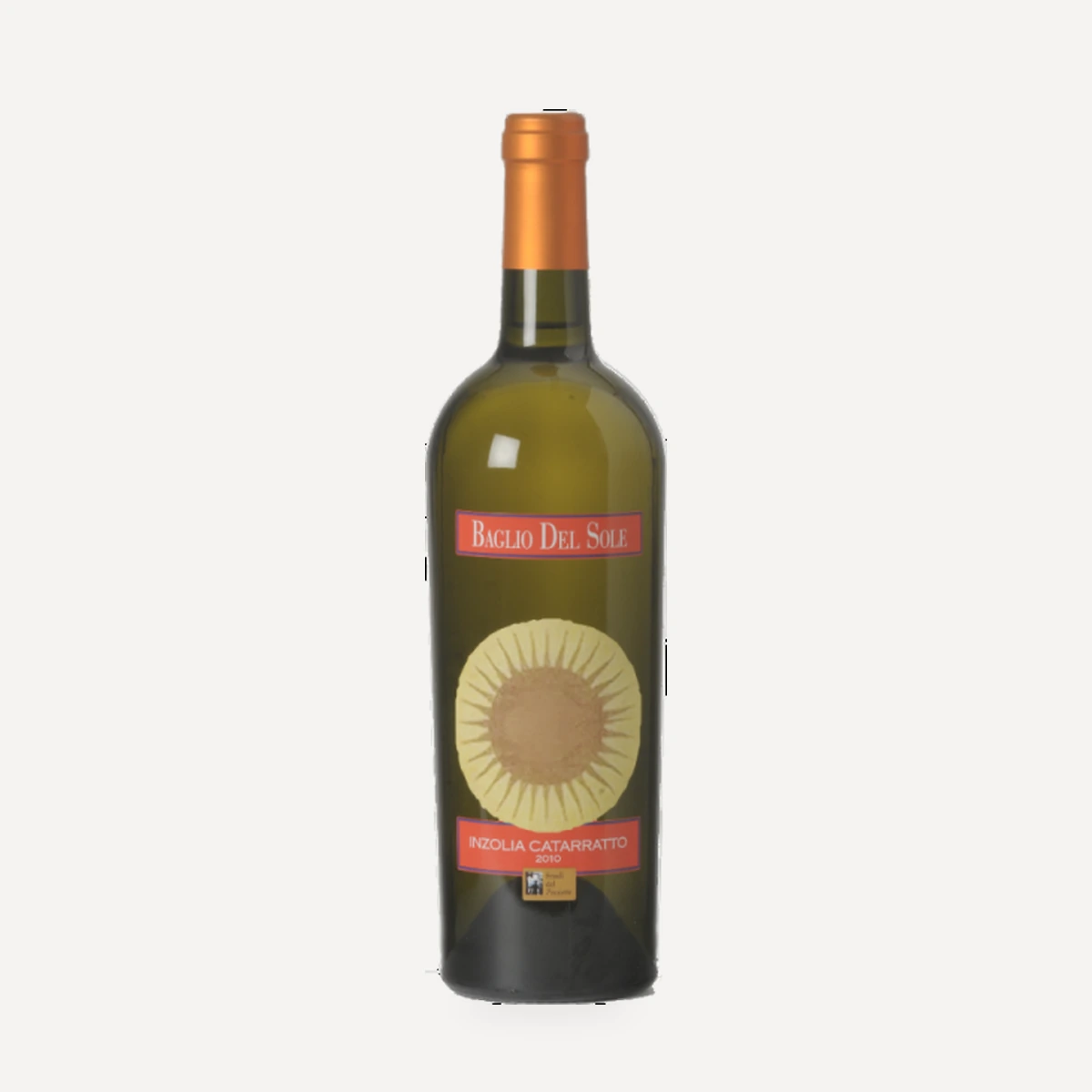
Inzolia-Catarratto Baglio del Sole
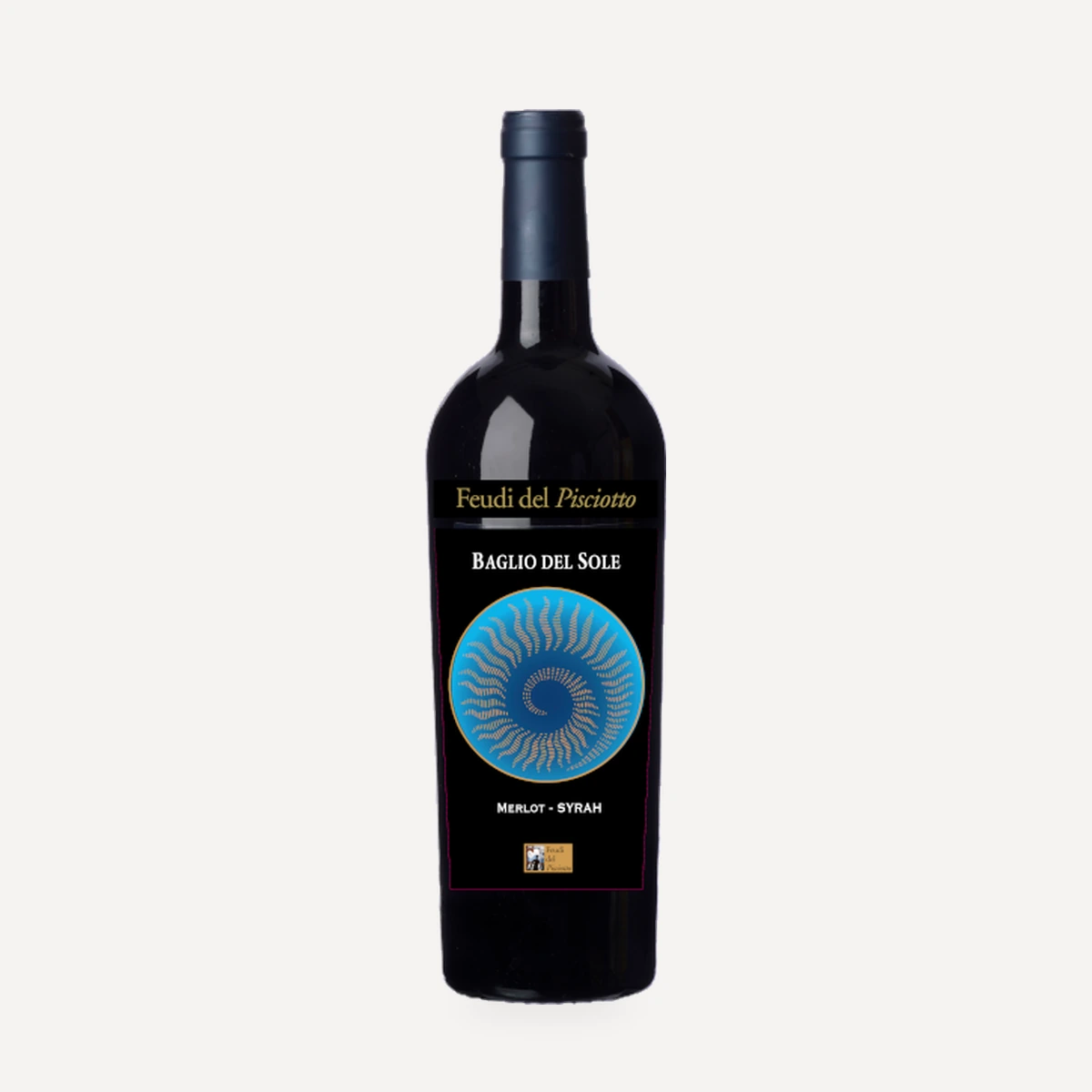
Merlot-Syrah Baglio del Sole
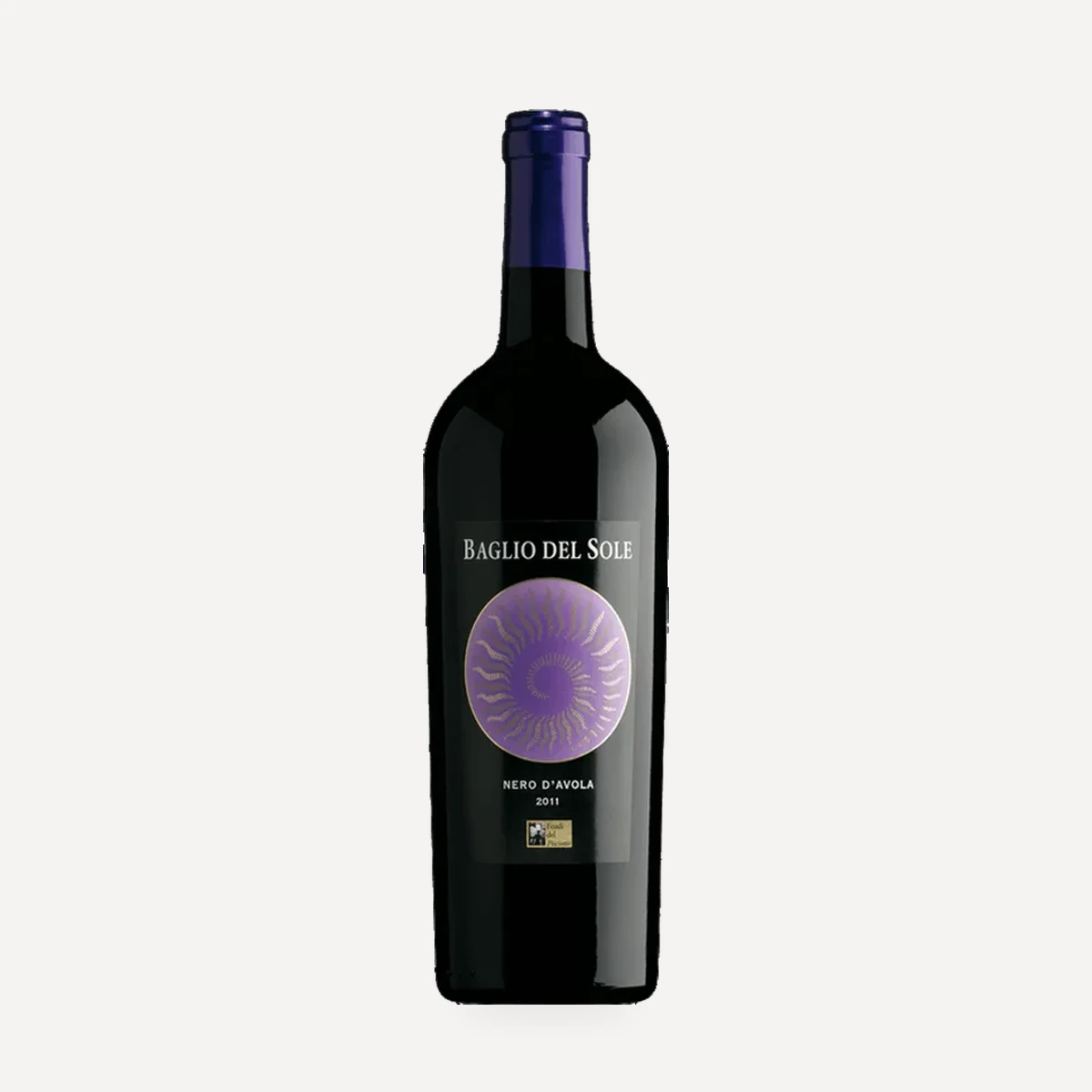
Nero d'Avola Baglio del Sole
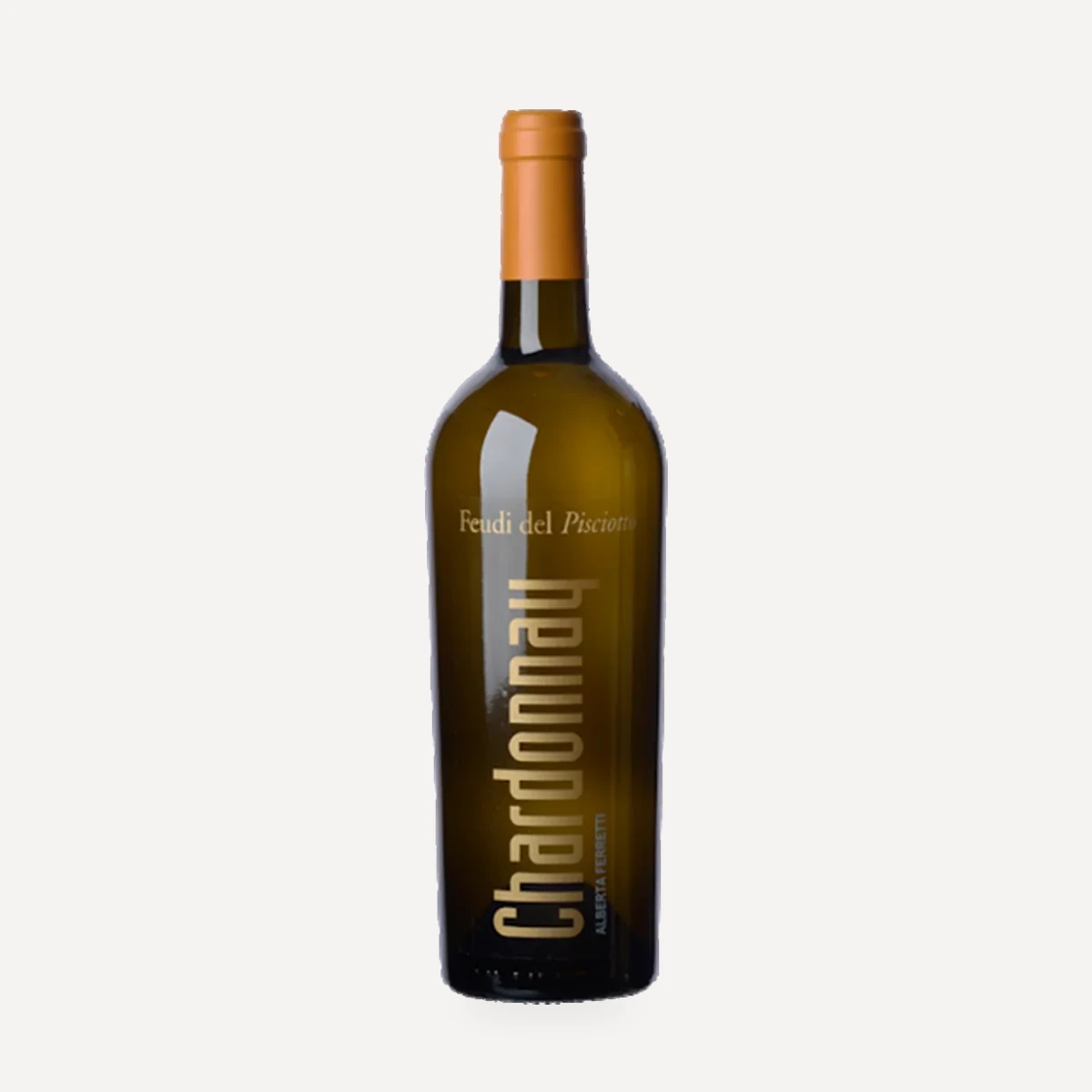
Chardonnay – Alberta Ferretti