Storia
Establishment at Porto Palo
Gurra di Mare took root at Porto Palo in the municipality of Menfi, beside the beach and the natural reserve at the mouth of the Belice. It was established as the youngest company associated with Castellare di Castellina and operates alongside the group’s other Sicilian estate, Feudi del Pisciotto.
Its identity is closely tied to the local landscape. The name Gurra comes from a small stream that flows into the sea and forms a characteristic part of the Menfi countryside. The palm was chosen as the company’s emblem because of the plant’s historical and visual importance in Sicily.
Response to the red palm weevil
The arrival and rapid spread of the red palm weevil became central to the estate’s social commitment. The pest first appeared in Liguria in 2004–2005 and then almost simultaneously in Sicily and other Italian regions. More than 30,000 palms had subsequently been lost in Sicily. Gurra di Mare committed part of the proceeds from its wine and olive-oil sales to the development of an action plan intended to prevent the pest’s spread.
2011: first vintage
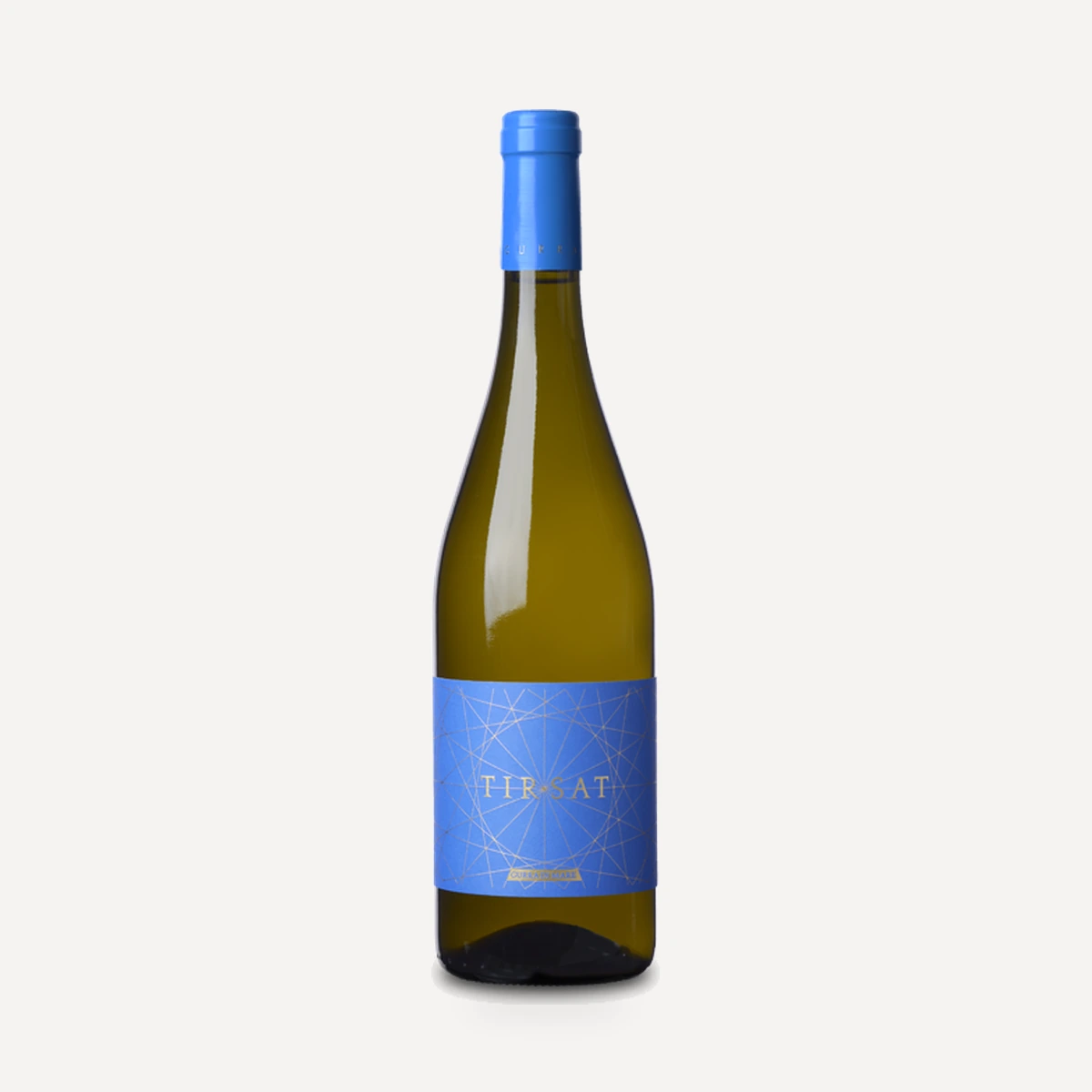
The first vintage of Tirsat was produced in 2011. It became Gurra di Mare’s sole wine, made from equal parts Chardonnay and Viognier grown in the coastal vineyard at Porto Palo. Its name derives from the Arabic word for “reef” and recalls the former name of Porto Palo, Tirsat abi Tawr. The name also evokes the area’s history as a meeting place for different cultures.
Recent harvests
The 2017 season combined difficult conditions with slightly reduced yields. Alessandro Cellai reported that timely, targeted vineyard management allowed the vines to respond well and that the resulting quality was expected to equal or exceed the preceding standard. Sicily experienced less drought and excessive direct solar radiation than Tuscany during that season.
The 2019 harvest was long and demanding. A cold spring, below-average temperatures and heavy rain during flowering delayed the phenological cycle, with the variability proving particularly marked in Sicily. Sunny conditions in July, August and especially September, together with cooler nights, ultimately favoured near-ideal phenolic maturity.
In 2020 the vegetative cycle was described as exceptionally regular despite the harvest taking place during the COVID-19 pandemic. Spring and early summer conditions supported close-to-ideal phenolic maturity, and the first fermentations at Gurra di Mare showed structure and balance. Vineyard yields remained broadly in line with 2019.
Terroir
Gurra di Mare lies at Porto Palo in the municipality of Menfi, at the ancient port of Selinunte in south-western Sicily. The vineyard reaches toward the beach beside the natural reserve at the mouth of the Belice River. The surrounding vegetation includes dwarf palms, tamarisks, spiny rushes and yellow hornpoppies.
The vineyard stands at approximately 20 m above sea level and faces east–west. Its descending coastal terrain ranges from clay to sand, while the cultivated soil is medium-textured with a sandy tendency. Small streams cross the area and release nutrients and mineral salts before reaching the sea.
The coastal site has its own microclimate. The combination of soil and microclimate supports aromatic intensity and freshness in Chardonnay and Viognier. The sea also exerts a strong influence on the estate’s Nocellara del Belice olive crop, contributing greater savouriness to the resulting oil.
Vinificazione
The coastal vineyard requires precise, meticulous attention because of its demanding site. Chardonnay and Viognier are trained to spurred cordon at 5,900 vines per hectare, with grape yield reported at 70 quintals per hectare. Harvest normally occurs during the first half of August.
The environmental policy extended across the Domini Castellare di Castellina estates avoids herbicides, pesticides and other systemic chemicals. Vineyard management is adjusted dynamically to the growing season. During the climatically variable 2019 season, the approach emphasized rapid intervention and adaptation to changing conditions. In 2020, crop load per vine was calibrated to obtain the intended concentration in each bunch.
Gurra di Mare produces a single wine from a 50% Chardonnay and 50% Viognier blend. Vinification takes place in temperature-controlled stainless-steel tanks, and malolactic fermentation is completed.
The wine remains in stainless steel on its lees with bâtonnage, maintaining contact between the wine and yeast cells. The current shop technical specifications give six months on the lees, followed by four months of bottle maturation. This lees-contact method is intended to combine complexity with freshness.
Filosofia
Gurra di Mare’s identity is built around the meeting of land and sea. Its vineyard, wine name and palm emblem all connect the company to the physical and cultural history of Porto Palo. Tirsat’s name recognizes the area’s long role as a meeting point among different worlds and cultures.
The broader environmental philosophy applied across the group excludes herbicides, pesticides and other systemic chemicals. Quality is pursued through close control of vineyard load, with the number of bunches per vine calibrated to achieve the desired concentration. Vineyard decisions are adapted promptly to seasonal conditions rather than applied as a fixed formula.
Social responsibility is expressed through the palm-weevil initiative: part of the proceeds from Gurra di Mare wine and olive oil supports work toward a practical plan to contain a pest that has caused extensive losses among Sicily’s palms.
Vini