Storia
The fifteenth-century baglio
In 1469, the Aragonese noble family Abatellis built the estate’s baglio within the Principato di Villanova, in the heart of Sicily. The building follows the traditional Sicilian form of a quadrangular complex arranged around an internal courtyard. The year was carved into a stone at the winery. The historic cellars and surrounding land remain in use for wine production.
A documented winegrowing landscape
In 1595, agronomist and physician Andrea Bacci—who served Pope Sixtus V—discussed the local viticultural tradition and the qualities of its wines in De Naturali Vinorum Historia, presented as Italy’s first oenological treatise. His account described vigorous, substantial vines and deeply coloured, aromatic red wine capable of ageing. Vines continued to occupy the site even when grain was one of inland Sicily’s economically dominant crops.
The Sireci family
At the end of the nineteenth century, Rosario Sireci, Fabio Sireci’s grandfather, acquired Feudo Montoni and its vineyards. Rosario was persuaded by the character of the terroir, the estate’s biodiversity and the distinctive wines produced from old Perricone, Nero d’Avola and Catarratto vines already growing there.
The family preserved its old vine material through internal selection and propagation rather than replacing it with standardized nursery stock. Fabio Sireci represents the third family generation and combines ownership, vineyard work and winemaking. The estate’s approximately 25 hectares of vines have been managed as an integrated winegrowing property, with Fabio involved across the production cycle.
Organic certification
The agricultural model developed around traditional manual work, preservation of old mother vines, minimal cellar intervention and respect for the estate’s mixed-farming environment. Since 2013, all Feudo Montoni wines have carried organic certification.
Terroir
Feudo Montoni lies in inland Sicily at Contrada Montoni Vecchi, in the territory of Cammarata. The property occupies an isolated viticultural setting amid extensive grain fields, near the meeting point of the provinces of Agrigento, Palermo and Caltanissetta and the historical divisions Val di Mazara, Val Demone and Val di Noto.
The vineyards occupy an undulating, elevated landscape. Individually documented sites range from approximately 500 to 700 metres above sea level and predominantly face east. The upper slopes carry sandier soils associated with white varieties, while clay becomes more dominant farther downslope. Iron compounds give some clay below the baglio a reddish colour. Documented parcels include sandy soils, clay, clay-sand mixtures and dark clay with smaller proportions of loam and sand.
Wind is a constant feature. The cool, dry maestrale can sweep across the ridges, while the scirocco may lift summer daytime temperatures above 40°C. Despite hot days, the air remains dry and summer nights can become cool enough to require warm clothing. This marked day-to-night change, together with the altitude and what the estate calls the mountain’s freshness, shapes the growing environment.
Eucalyptus trees grow near the vineyards. Centuries-old olive trees, grain fields and other crops surround the vines, forming the mixed agricultural landscape called “Isola Montoni.” The relative isolation of this viticultural island has helped maintain the identity of its vineyards and old plant material.
Vinificazione
Feudo Montoni practises certified organic agriculture and has certified all its wines as organic since 2013. Its organic philosophy extends beyond the avoidance of chemical products: traditional practices and natural resources are used to protect the soil, plants, rural culture and the relationship between farming and the surrounding territory.
Manual pruning and hand harvesting remain fundamental. Grapes are collected in crates, and the estate regards careful vineyard work as the starting point of wine production rather than treating the cellar as an independent stage.
Old estate vines are propagated internally instead of being replaced by standardized nursery material. Two methods are central:
- Grafting: material is selected from the best mother plants and grafted onto wild plants. The process requires approximately three years before the first bunches are obtained.
- Layering: in the oldest vineyards, part of a mother vine’s cane is buried until it develops into an independent plant, a process taking approximately two years.
Although more laborious and costly, these methods maintain the genetic continuity of the estate’s vines. The soils have also shown a degree of natural resistance to phylloxera, and part of the oldest vineyard material remains ungrafted.
Biodiversity is reinforced through mixed agriculture. Ancient Sicilian durum-wheat varieties grow around the vineyards. Wheat alternates with nitrogen-fixing crops such as fava beans, vetch and sulla: after a wheat crop, these plants are sown so the soil can rest and recover nitrogen naturally before durum wheat returns in the following year. Centuries-old olive trees and five hectares of old Sicilian olive cultivars add another permanent crop to the estate ecosystem.
The cellar is treated as the final stage of work that begins in the vineyard. Grapes are harvested manually and vinified promptly to preserve their condition and connection to their site. Production concentrates on monovarietal wines.
Intervention is deliberately limited. The winery makes use of gravity, naturally cold winter conditions and the freshness associated with its mountain setting. Fermentations are allowed to begin spontaneously, and red wines are worked with traditional manual punch-downs. Cement vessels are among the confirmed fermentation and maturation media, while barrels and larger wooden vessels are used selectively.
Wood is deliberately restricted so that it does not dominate varietal or site character. Stabilization and clarification follow their natural course rather than being accelerated, and maturation is not rushed. At least one historically documented estate bottling was released without clarification or filtration.
Filosofia
Feudo Montoni’s artisan philosophy begins with attentive observation of nature, conceived as demanding but balanced. The objective is to respect natural equilibria while retaining manual and inherited practices, including pruning, harvesting and the propagation of old mother vines.
The estate considers wine an expression of both vintage and terroir. Intervention in the cellar is kept low, and gravity, winter cold, mountain freshness and time are treated as working tools. Wines are allowed to mature, stabilize and clarify without haste, while oak is restrained so that it does not overwhelm their natural identity.
Organic agriculture is understood as a broader commitment to living soil, plants, people and local farming culture. The estate links environmental stewardship with the continued occupation of rural land and rejects the abandonment of the countryside. Mixed cultivation, crop rotation and the preservation of old vine material are practical expressions of this position.
Vini
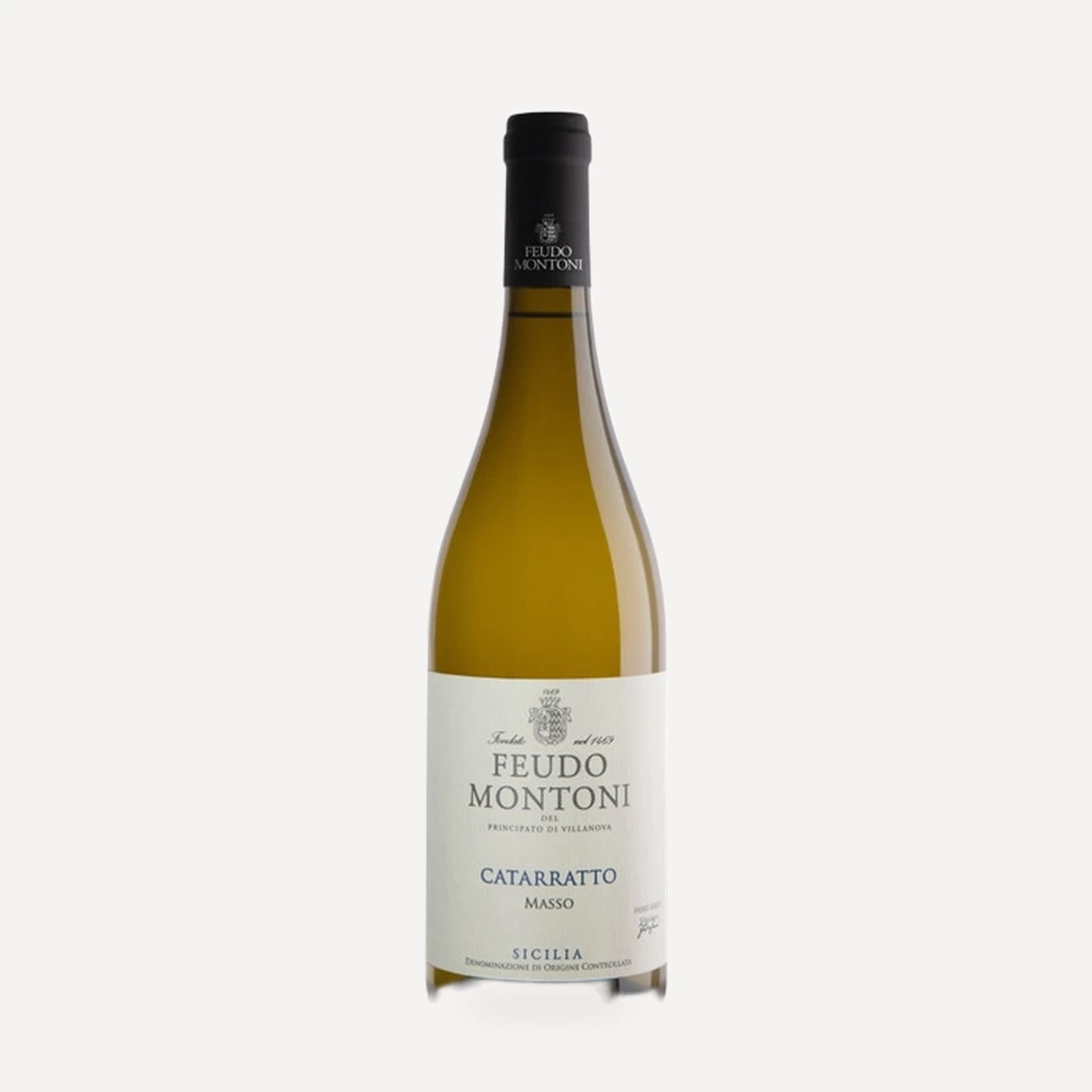
Catarratto del Masso
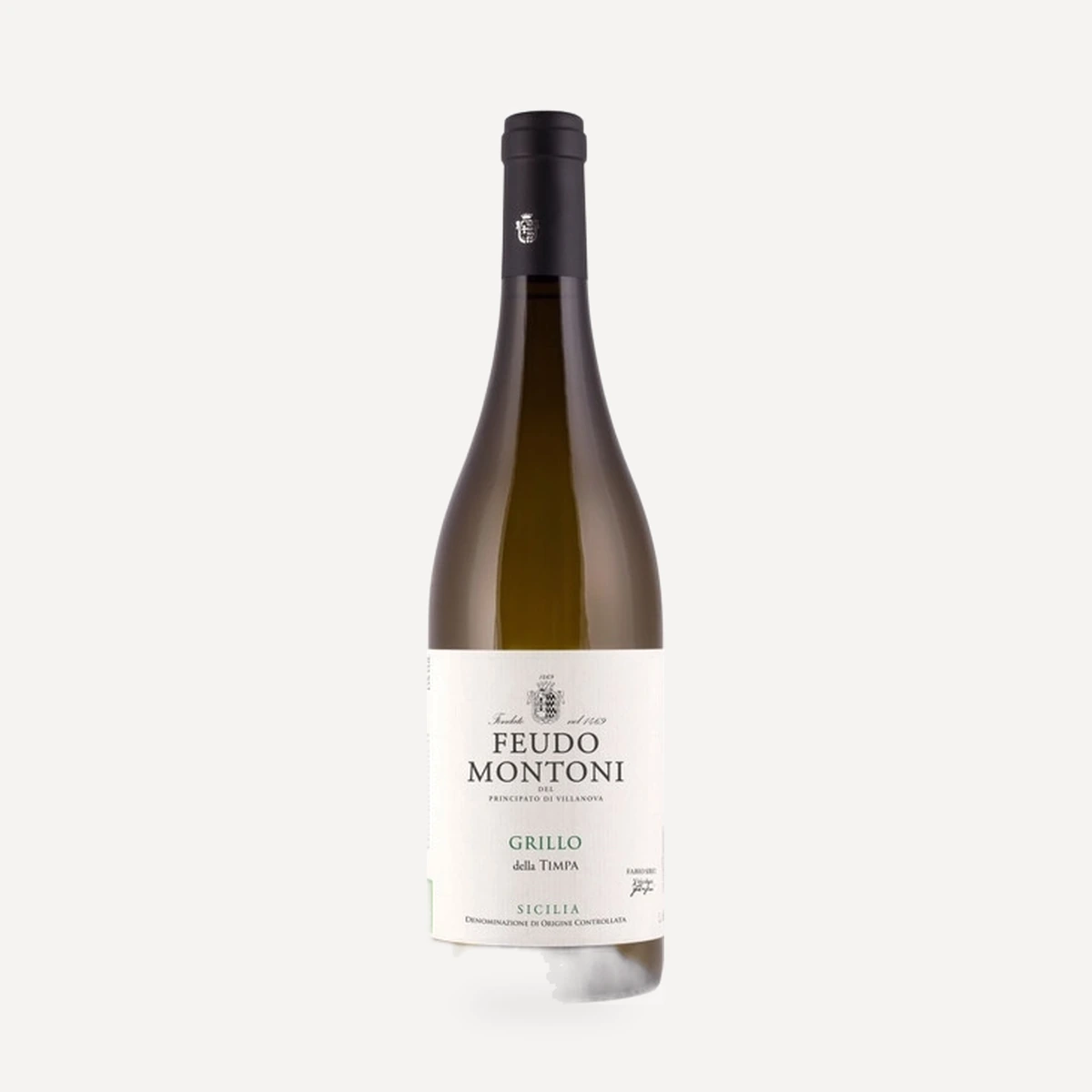
Grillo della Timpa
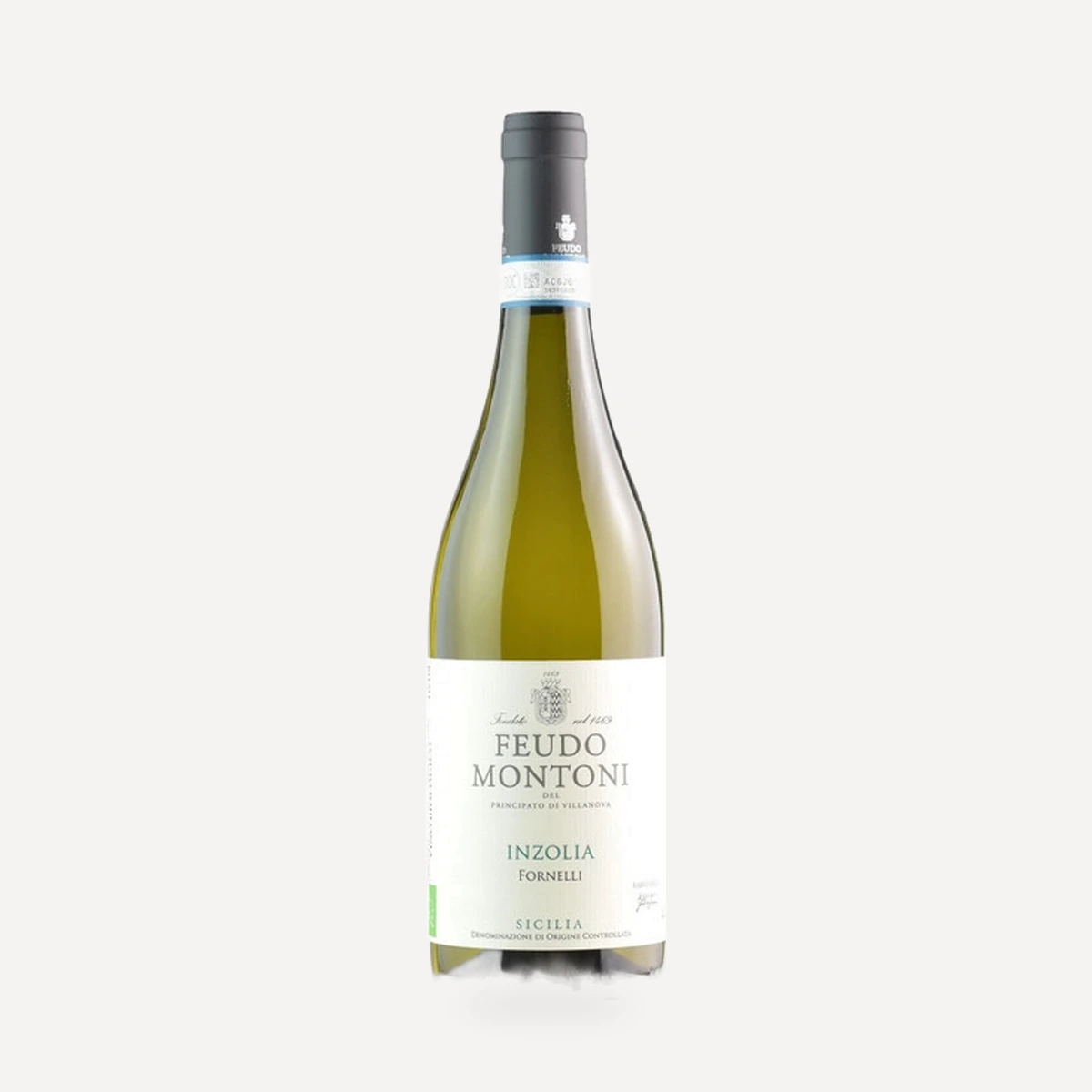
Inzolia dei Fornelli
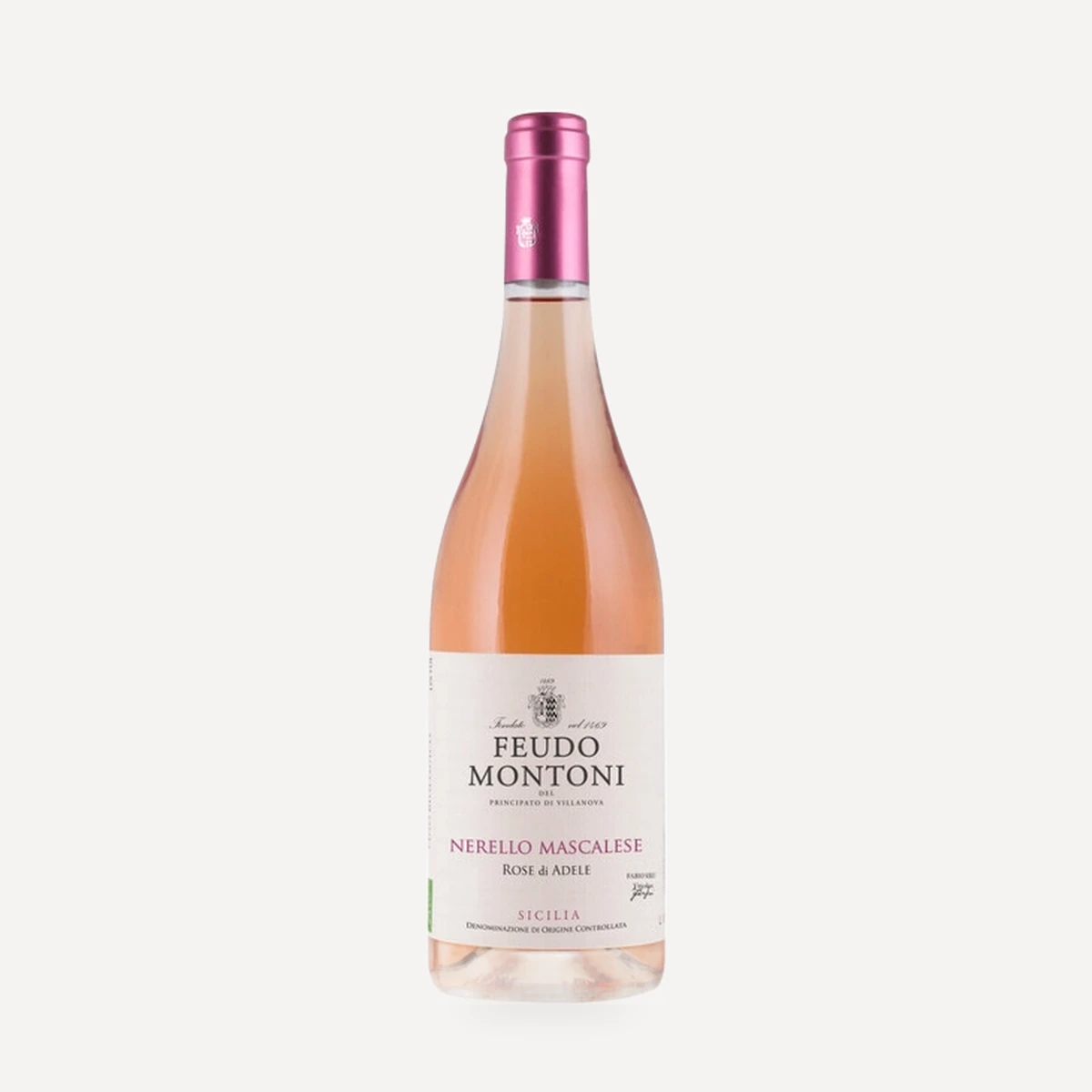
Nerello Mascalese Rosé di Adele
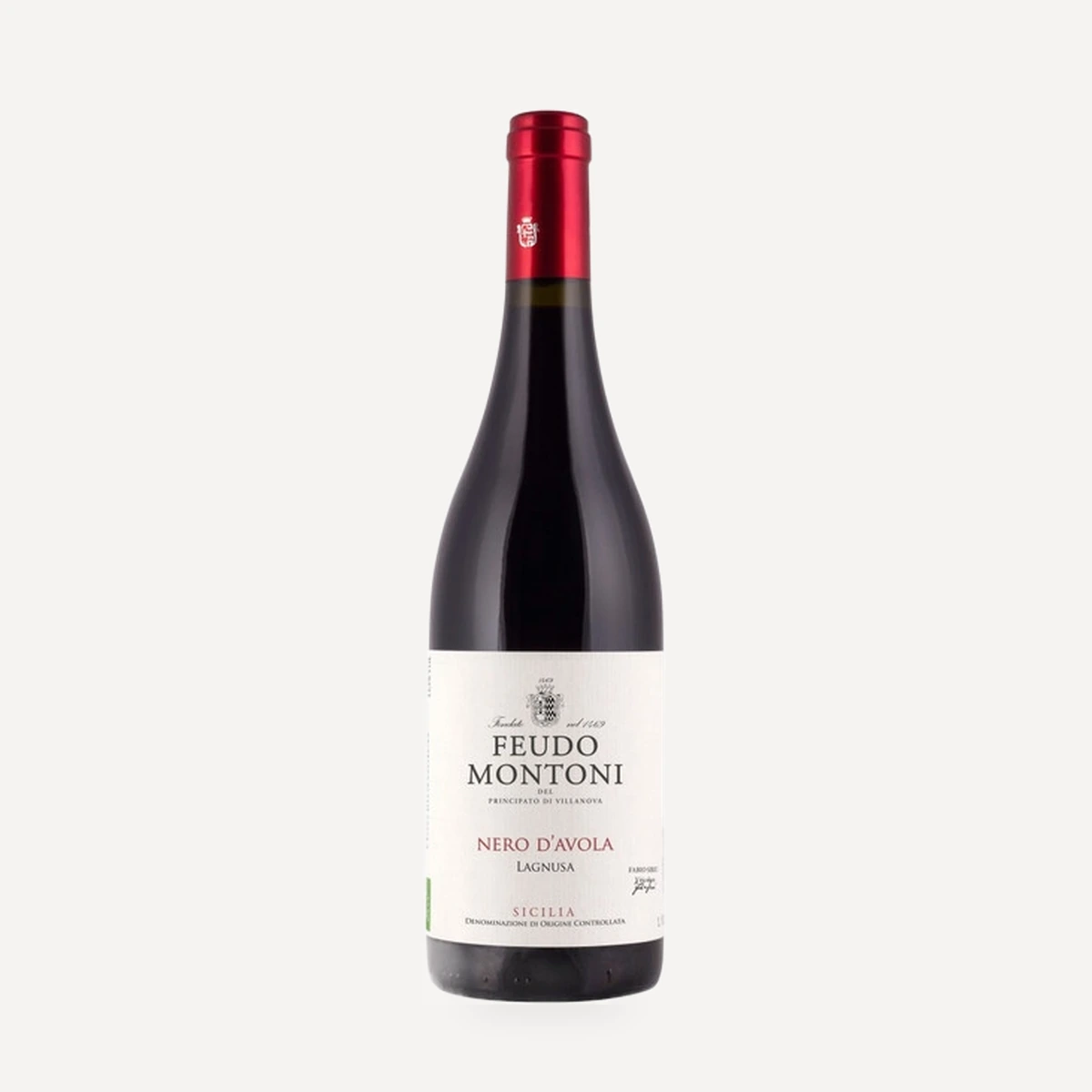
Nero d’Avola Lagnusa
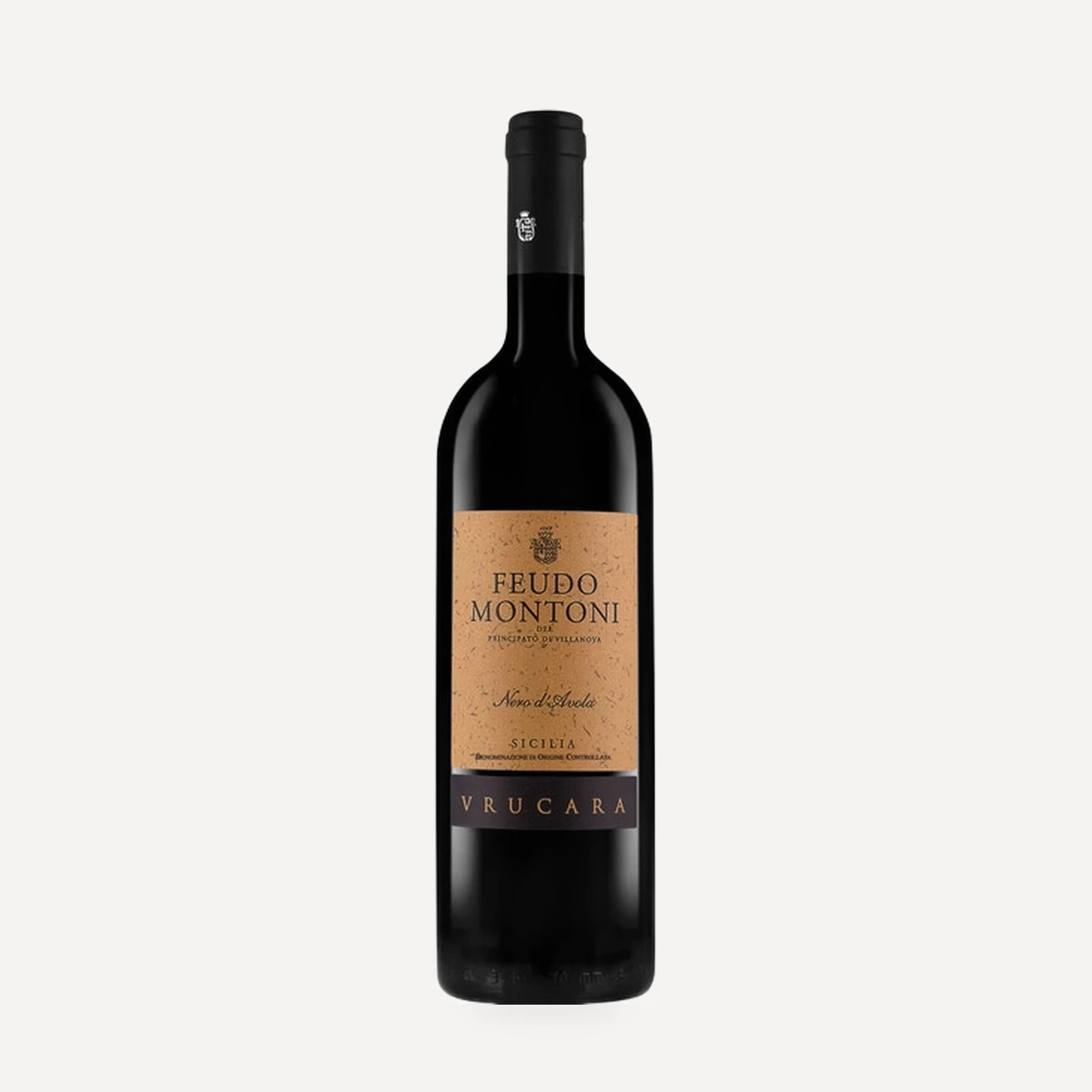
Nero d’Avola Vrucara
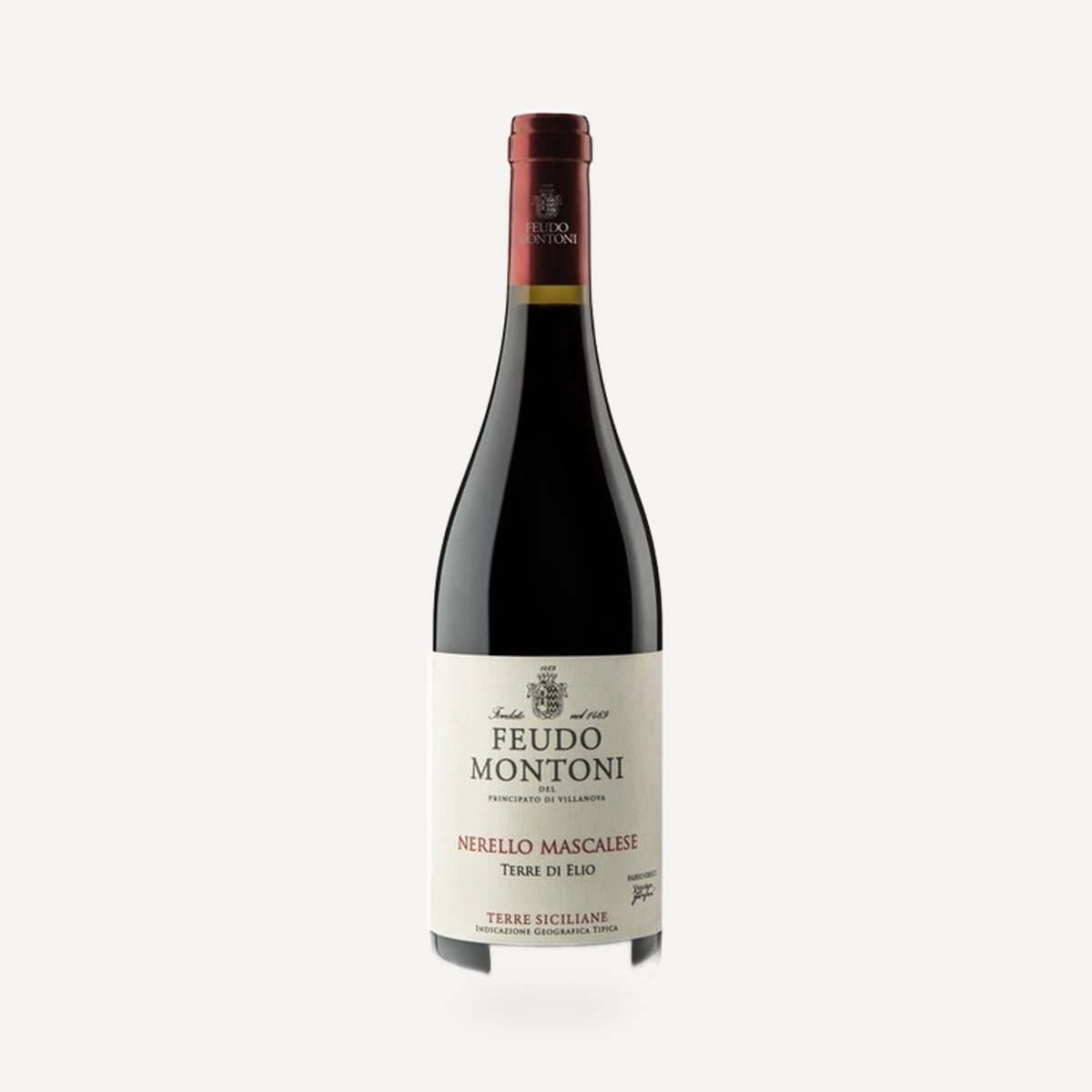
Terre di Elio
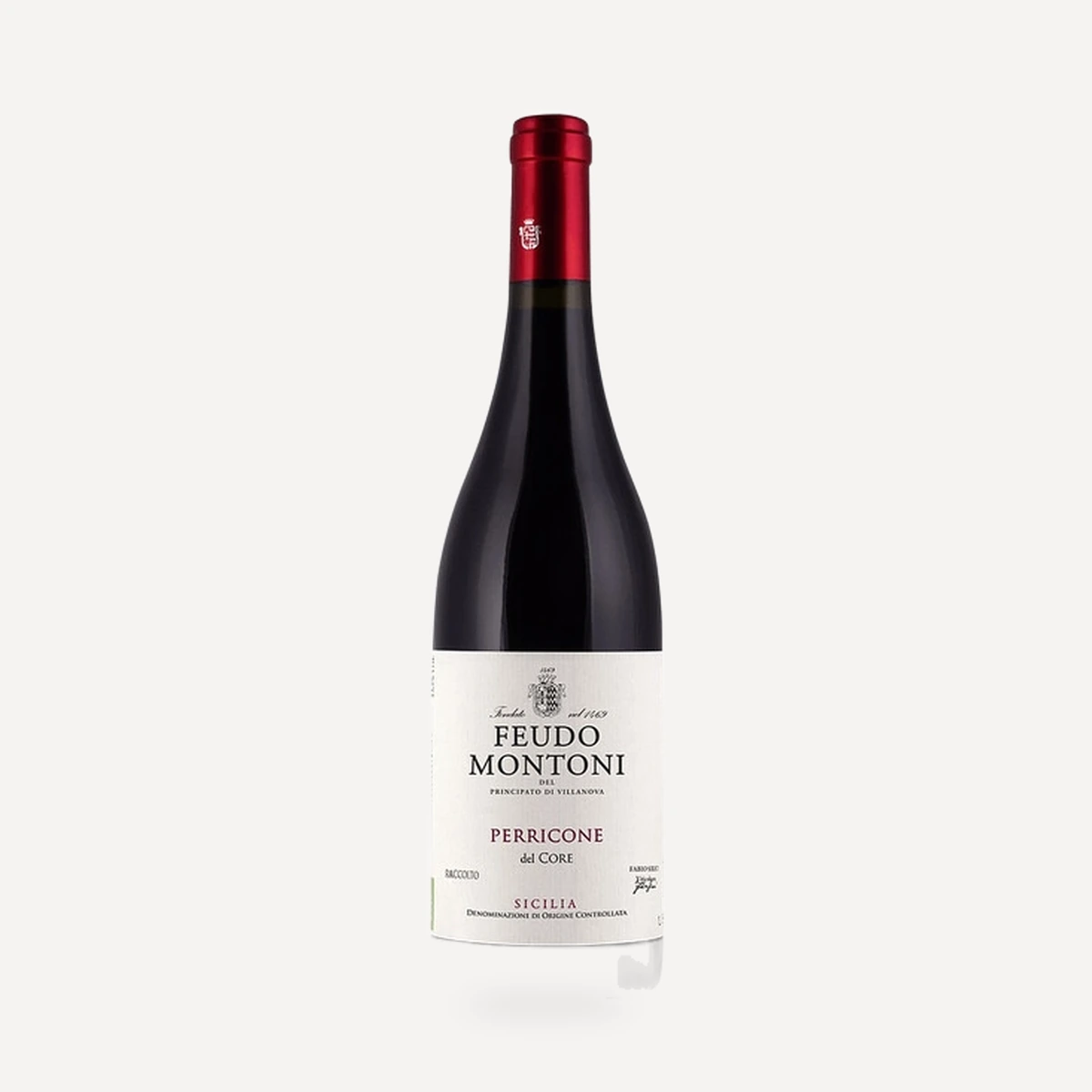
Perricone del Core
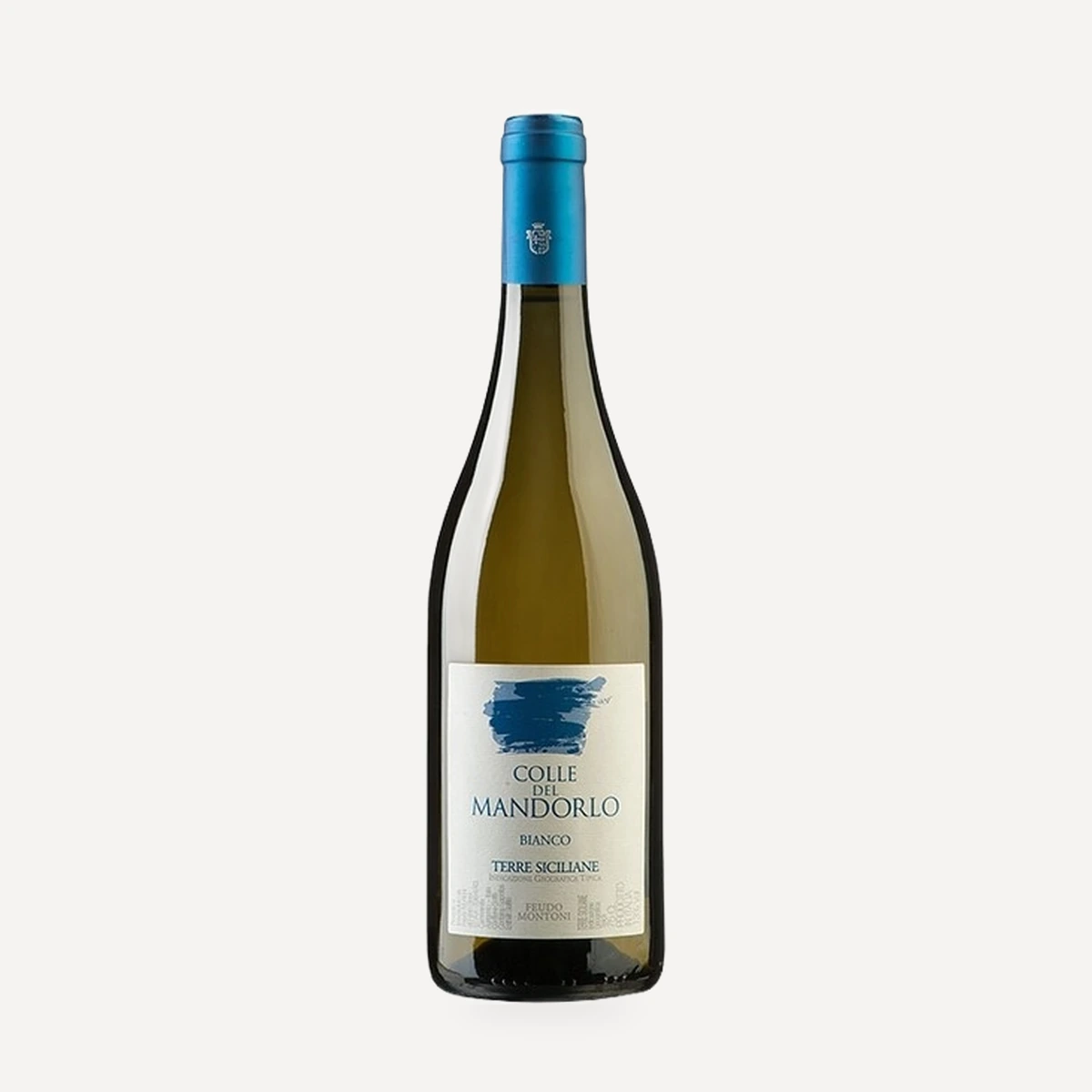
Colle del Mandorlo Bianco Terre Siciliane IGT
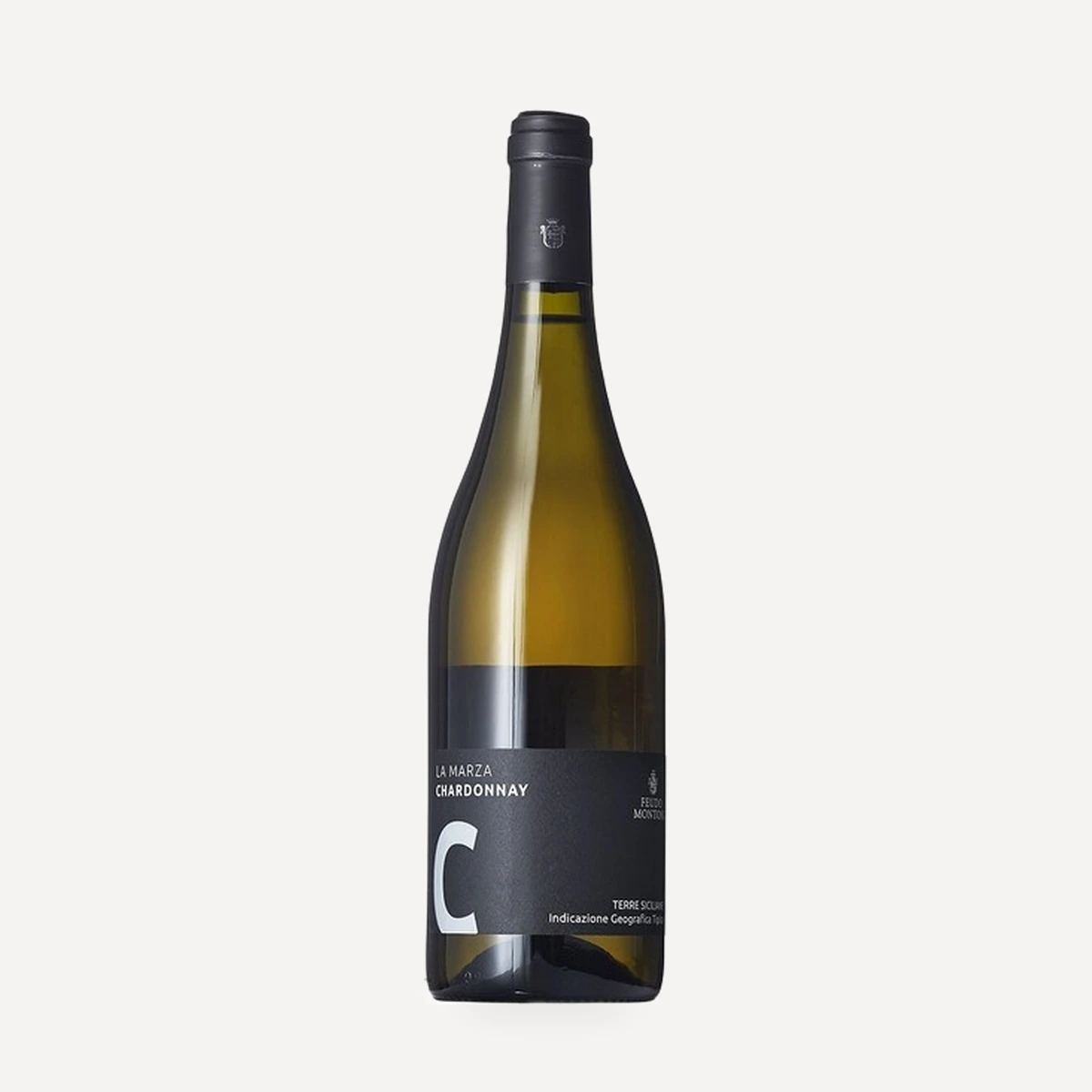
Chardonnay La Marza Terre Siciliane IGT
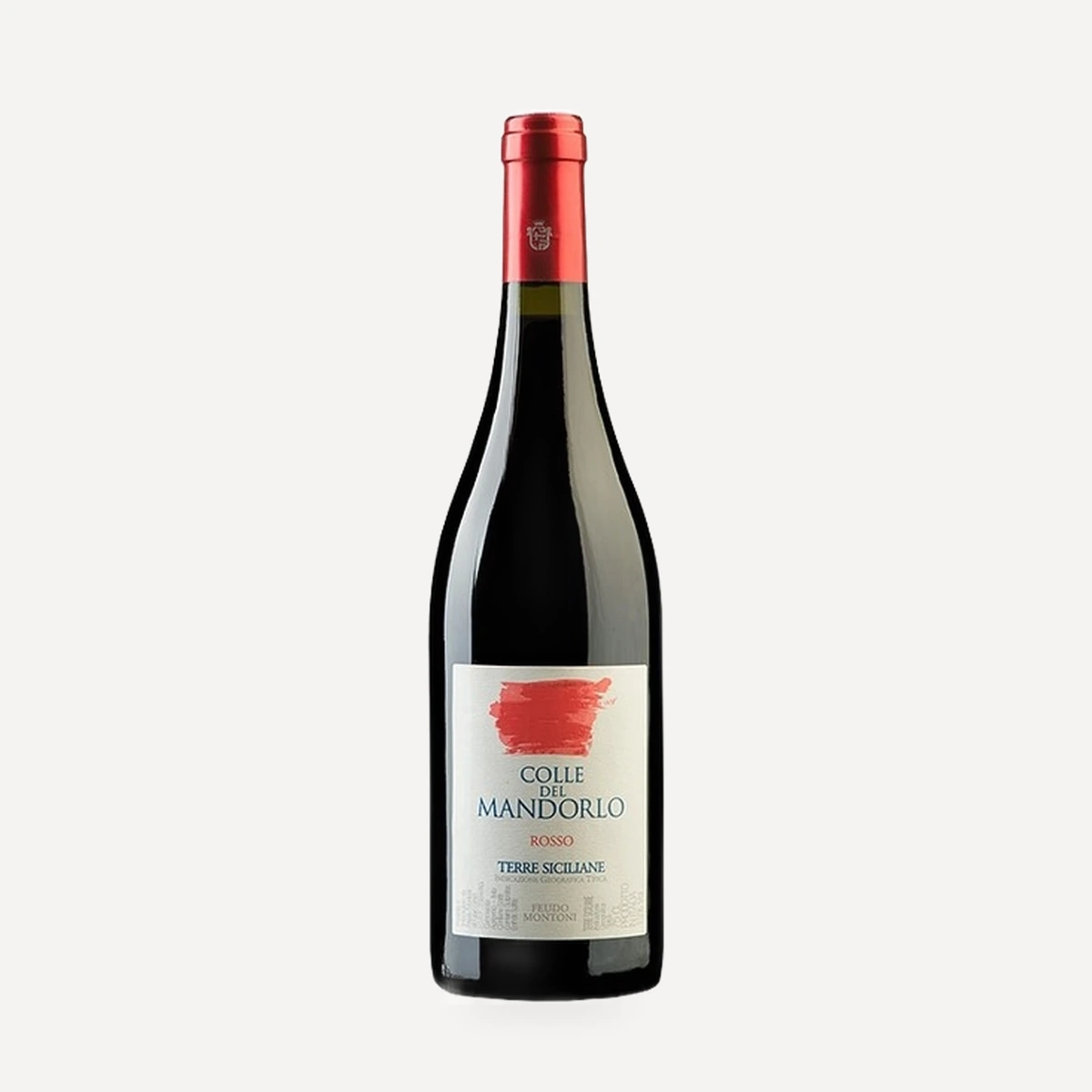
Colle del Mandorlo Rosso Terre Siciliane IGT
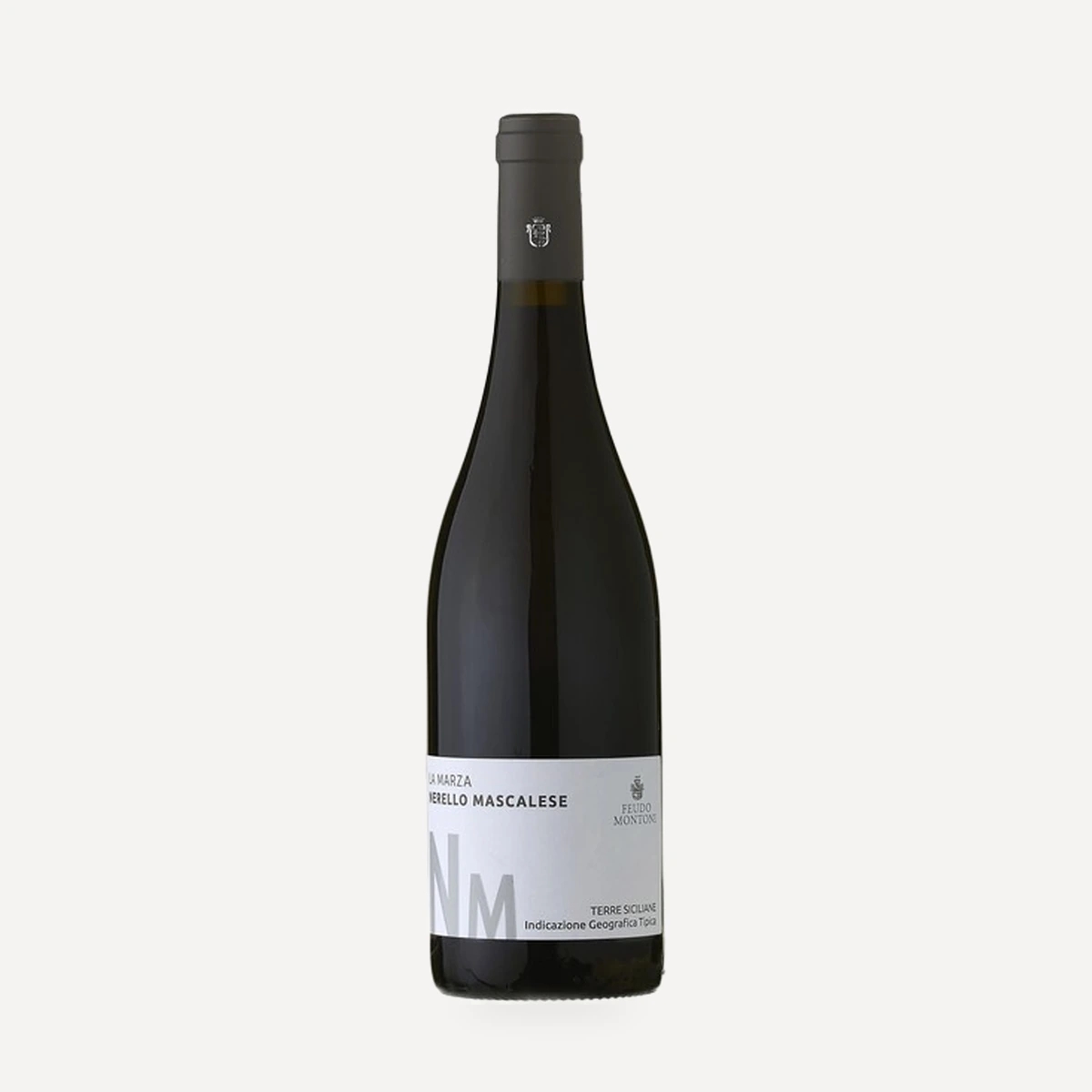
Nerello Mascalese La Marza Terre Siciliane IGT