Storia
Foundation in Piedmont
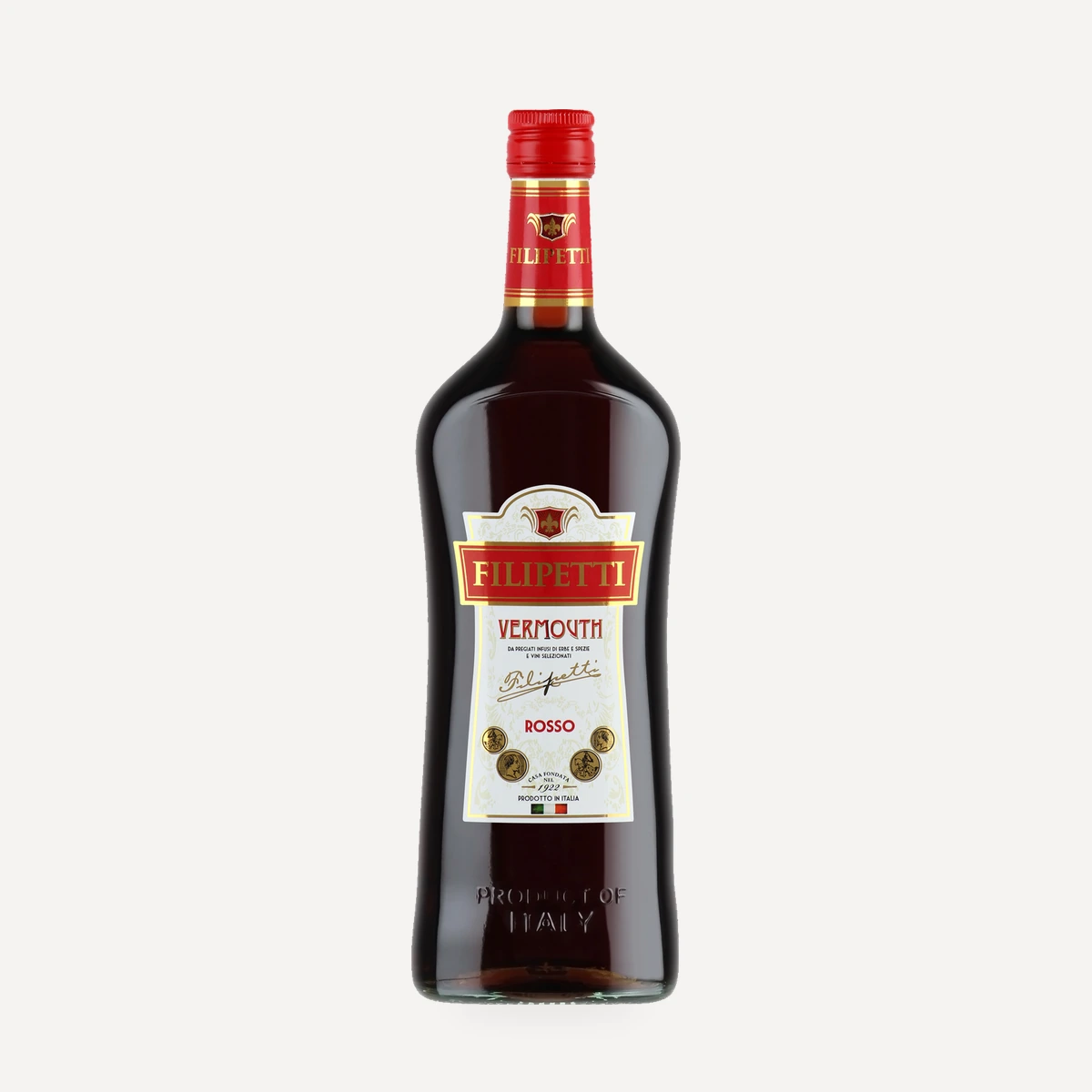
Filipetti was founded in 1922 by Giovanni Giuseppe Filipetti, a Piedmontese oenologist. Vermouth formed part of the house’s historic identity, made in the tradition of the Italian aperitif from longstanding recipes.
Acquisition by Perlino
Perlino acquired Filipetti during the 1990s. The house subsequently became one of Perlino’s principal brands, with sparkling wines and vermouth as the two core parts of its portfolio.
International development
Under Perlino’s ownership, Filipetti expanded its international presence. The brand is distributed in more than 40 countries and combines major Italian sparkling-wine categories with its historic vermouth range.
Vinificazione
Filipetti’s production is divided between sparkling wines and vermouth.
Sparkling wines
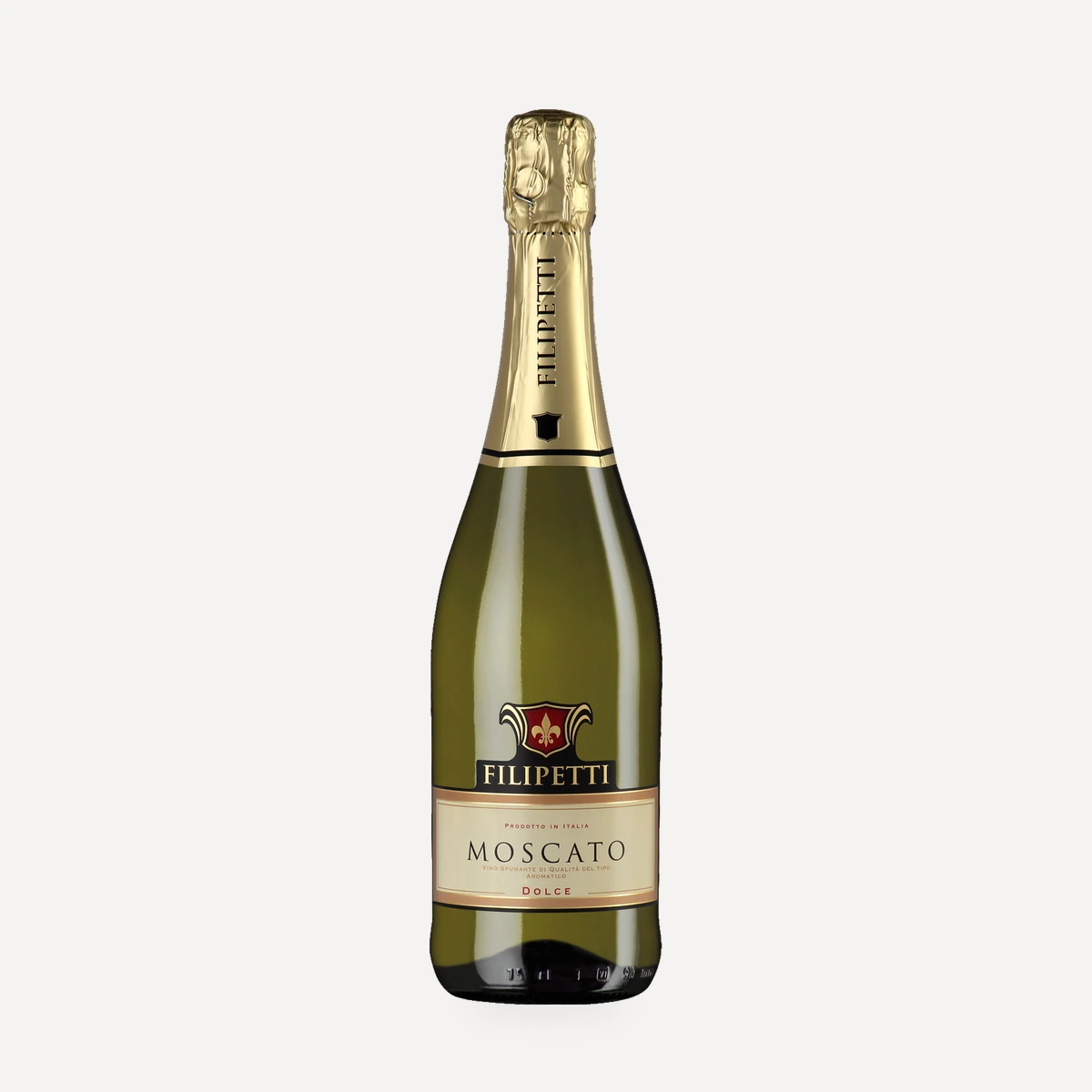
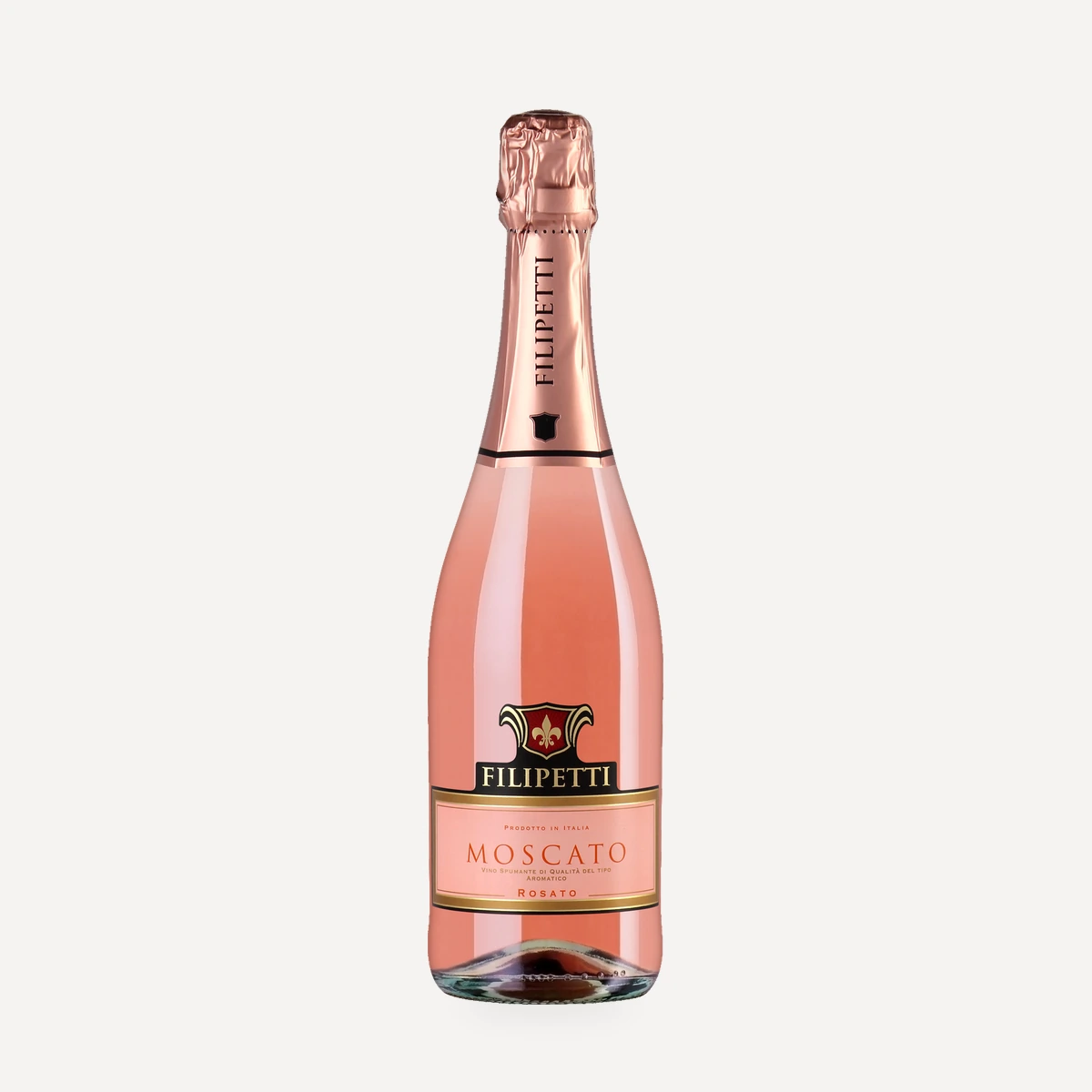
The Asti and Moscato profiles use the Charmat–Martinotti method. Alcoholic fermentation begins from must in pressurised stainless-steel autoclaves and lasts at least 30 days, with the possibility of extending to 180 days. Keeping the wine under pressure retains the carbon dioxide generated during fermentation and is intended to preserve fresh fruit and aromatic character.
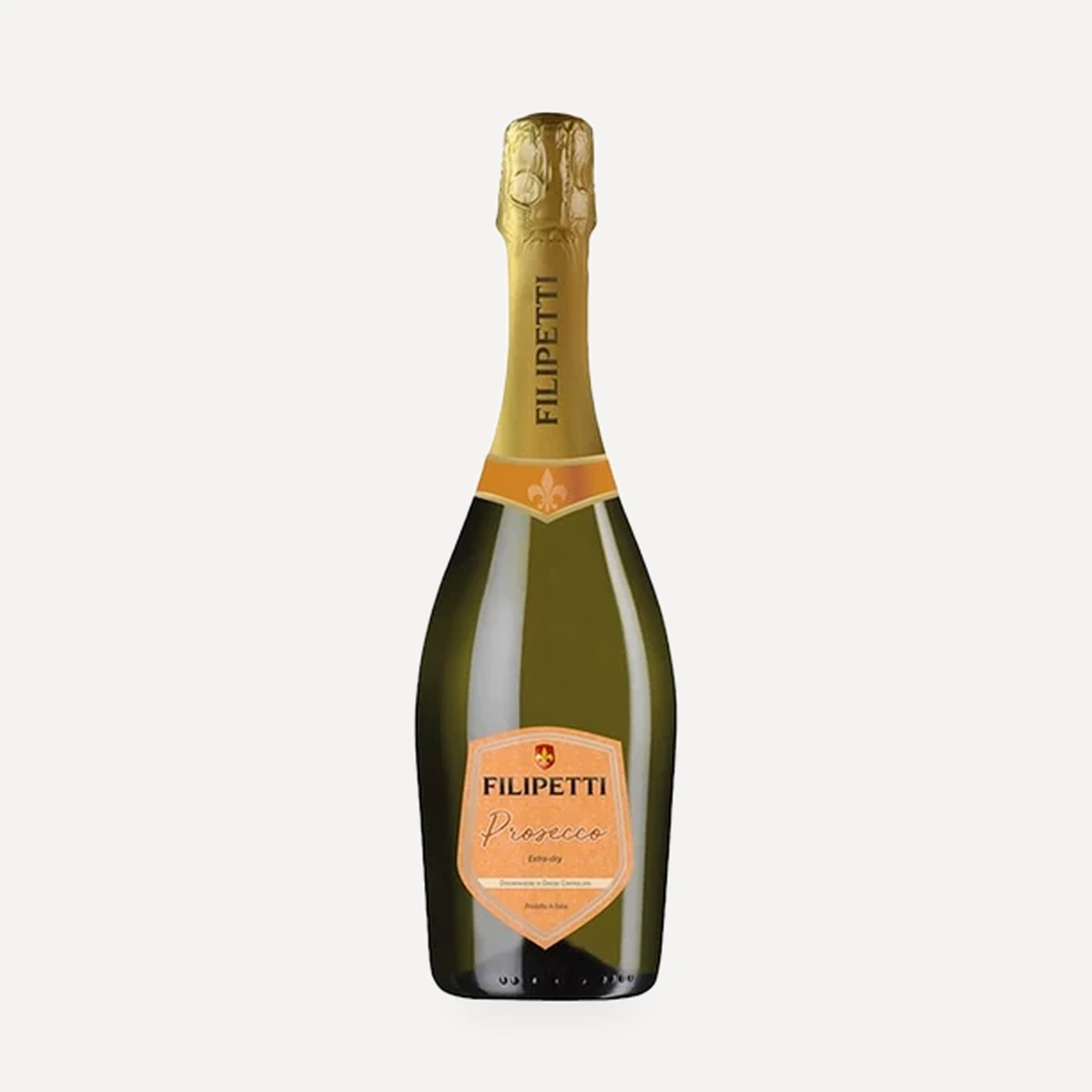
For Prosecco DOC Extra Dry, pressing is followed by separation of the must from the skins within 48 hours. A temperature-controlled second fermentation takes place in sealed tanks at 18–19°C with selected yeasts. The wine then remains on the fermentation lees for at least 30 days.
Vermouth
The vermouth process begins by macerating aromatic herbs and spices in alcohol for at least 30 days. The resulting infusion is subsequently blended with wine, alcohol and sugar. The house connects this range with longstanding Italian vermouth recipes.
Filosofia
Filipetti presents its identity through two traditions: Italian sparkling wines and historic vermouth. Its sparkling wines are positioned as expressions of Italian conviviality, while the vermouth range is linked to longstanding recipes and the established culture of the Italian aperitif. Under Perlino, the house combines this historical identity with an explicitly international outlook.
Vini
Prosecco D.O.C. Extradry
V.S.Q. Moscato
V.S.Q. Moscato Rosé
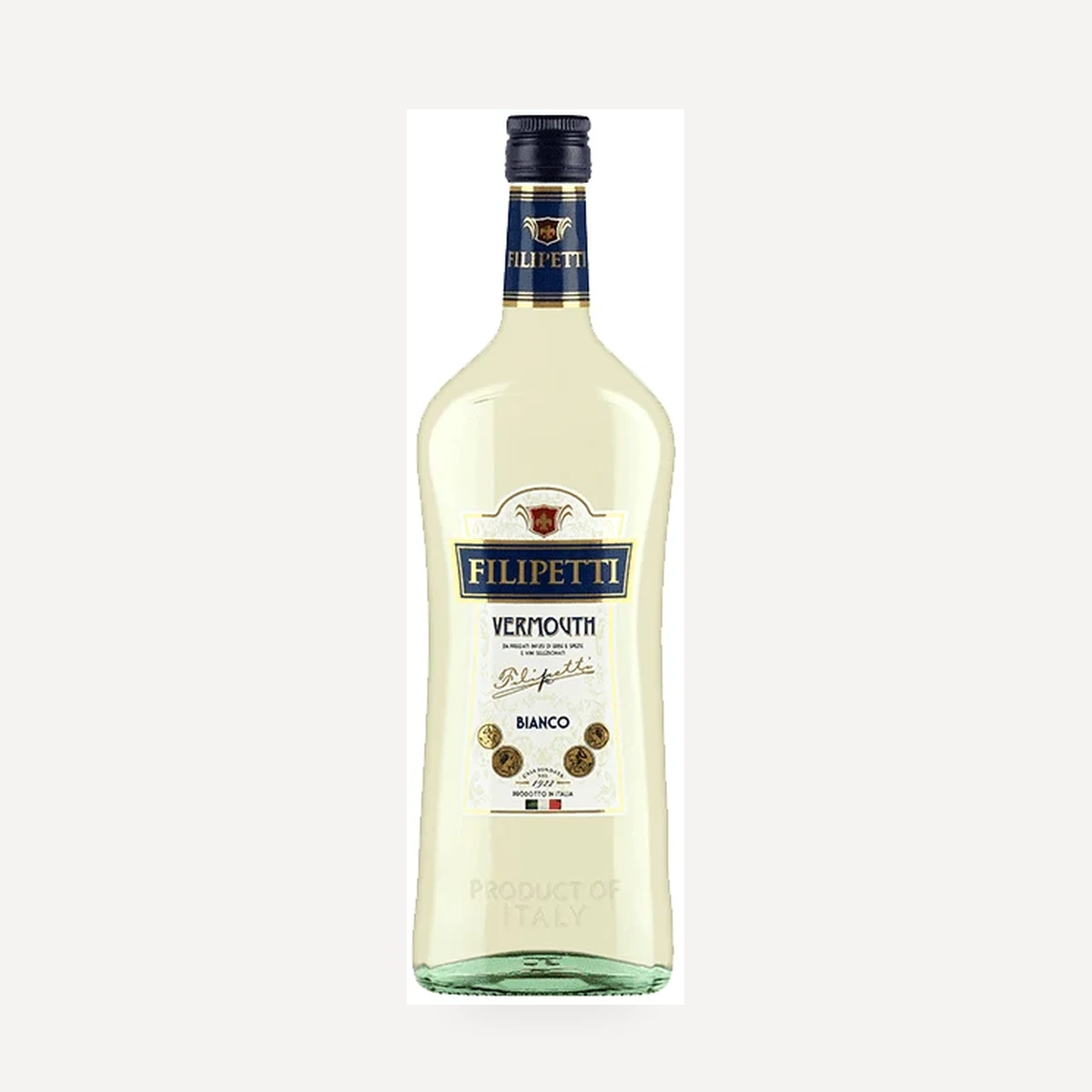
Vermouth Bianco