Storia
Foundation and restoration
ForteMasso was founded in 2013 at Località Castelletto in Monforte d’Alba. It became the Langhe component of Agricole Gussalli Beretta’s group of estates, whose investments were directed toward comparatively cool winegrowing areas and exposures. At Castelletto, this meant working with a high, east-facing site that had historically received less attention because of its cool, northerly character.
The acquired Castelletto vineyard was in difficulty. Its very steep gradient and loose, sand-rich ground had contributed to landslides and complicated vineyard work. From the beginning, substantial work and investment went into stabilising the hillside, containing slope failures and restoring vines. The ancient agricultural building on the property was completely rebuilt, while a modern cellar was excavated beneath it to preserve the surrounding rural landscape and obtain the practical and energy-saving advantages of an underground structure.
The estate’s name combines two features of its identity: “Forte” refers to its place of origin, Monforte d’Alba, while “Masso” refers to the large rock at the highest, most panoramic point above the vineyards. The rock is described as a prehistoric submarine agglomerate.
Development of the vineyard holdings
The core Castelletto holding developed as an uncommon, contiguous 5 ha vineyard. It includes the 1 ha historic Pressenda vineyard, which reaches 450 m. In addition, ForteMasso held 8.6 ha in a single vineyard basin at San Sebastiano di Monforte d’Alba, outside the Barolo DOCG production area. A further parcel at Perno was acquired by 2023 for a proposed future Barolo MGA Perno.
Development of the range
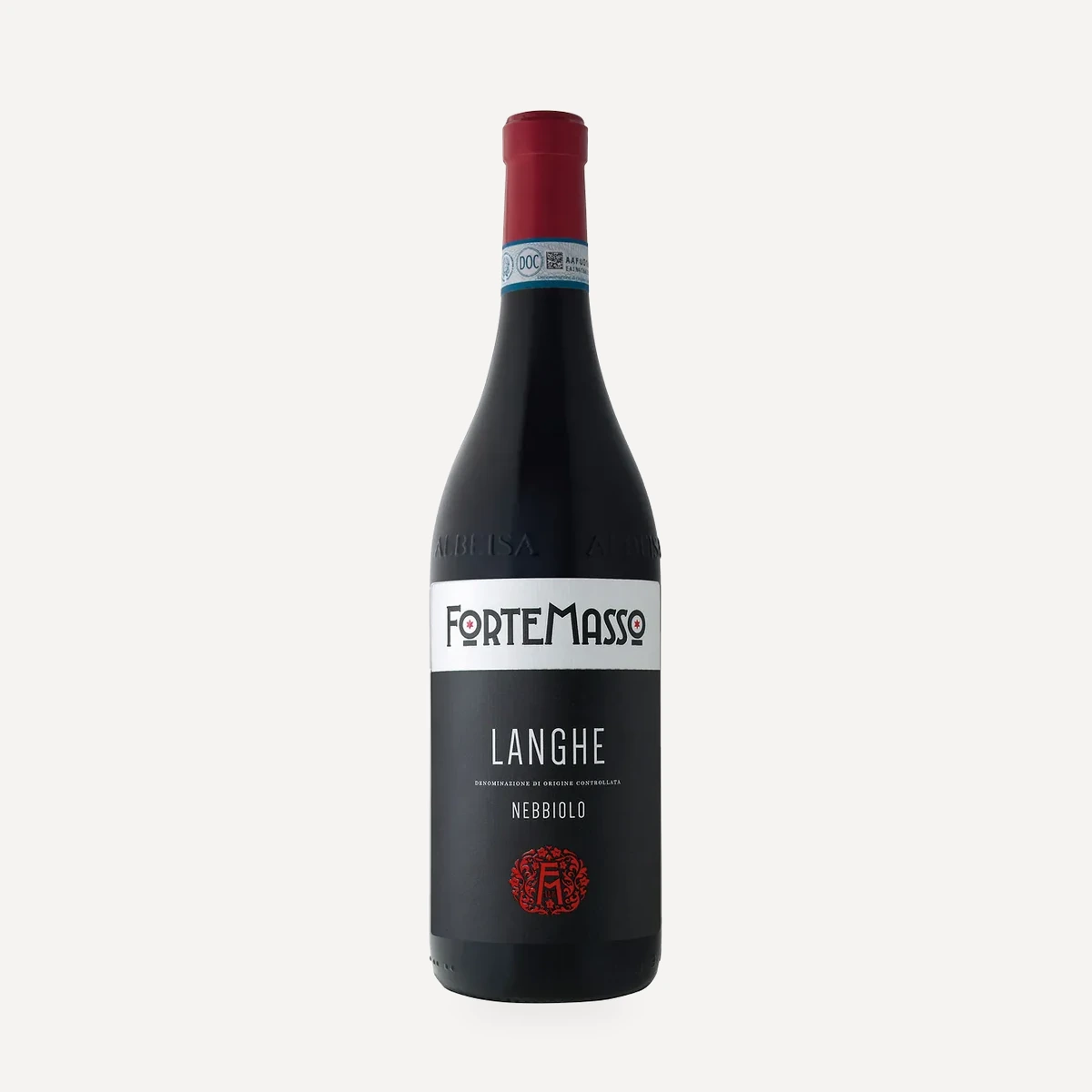
The Castelletto holding became the source of Barolo DOCG Castelletto and Barolo DOCG Castelletto Riserva. By 2023, the estate also produced Dolcetto d’Alba DOC, Langhe Nebbiolo DOC and Barbera d’Alba DOC Superiore, with total annual output of approximately 60,000 bottles. The Riserva represented a particularly limited production of approximately 2,600 bottles at that time.
The 2021 harvest introduced a new ForteMasso label for Dolcetto d’Alba. In 2023, the estate was preparing two further expressions of Barolo: a Barolo carrying the communal designation of Monforte d’Alba, targeted for release in January 2025, and a future Barolo MGA Perno from the recently acquired parcel. Barolo del Comune di Monforte d’Alba subsequently joined the range.
Terroir
Location and relief
ForteMasso lies at Località Castelletto in Monforte d’Alba, in the southeastern sector of the Barolo denomination. The estate’s symbolic vineyard is a rare contiguous 5 ha block in the MGA Castelletto. It occupies steep terrain, with the historic 1 ha Pressenda vineyard reaching 450 m. Technical specifications place the Castelletto vines between 360 and 450 m, while the wider local sector is described as lying between approximately 370 and 480 m.
The pronounced slopes are difficult to mechanise. They provide highly effective solar exposure and drainage, an increasingly important feature as precipitation becomes more intense and unpredictable. The vineyard faces east to southeast. Woodland bordering Castelletto and constant air currents in both summer and winter help moderate temperatures.
Climate
Winters are cold. Springs are rainy but consistently ventilated, while summers are warm and can become very dry. Strong day–night temperature variation is frequent, assisted by the neighbouring woodland. These conditions slow Nebbiolo ripening, preserve marked acidity and encourage substantial skin thickness, which helps maintain healthy bunches.
Geology and soils
The local geology is approximately 15 million years old. Grey-brown and yellowish marl-and-sand profiles occur alongside Lequio formations—layers of grey marl alternating with more or less cemented siliceous sandstone—and Diano d’Alba sandstone. Castelletto’s technical specifications define its soil as Diano sandstone composed of sand, silt and clay; the upper part of the hill can contain approximately 60% sand. The vineyard is also described as sandy and limestone-rich.
The formations contain magnesium and manganese carbonates, associated with the development of aromatic constituents in the grapes. Iron-rich sandstone and sand favour polyphenolic development and concentrate the berries’ extractive component.
Outside the Barolo zone, the estate also has an 8.6 ha contiguous vineyard basin at San Sebastiano di Monforte d’Alba. Other documented sites average approximately 300 m: Langhe Nebbiolo and Barbera vineyards face southwest on Sant’Agata marl and white calcareous or marly-calcareous soils, while Dolcetto vineyards face west on clay-limestone soil.
Vinificazione
The entire agricultural operation follows an Integrated Pest Management protocol. Preventive measures, cultivation practices and biological controls are combined to minimise pesticide use.
Castelletto required major rehabilitation after acquisition. The work stabilised its very steep hill, contained landslides caused by the gradient and loose sandy material, and restored vines. Although much of the 5 ha Castelletto holding and the 8.6 ha San Sebastiano vineyard had become workable by machinery by 2023, harvest continued to be performed manually.
The Castelletto Nebbiolo is trained to traditional Guyot at approximately 4,000 vines/ha. Its regular Barolo crop does not exceed 7 tonnes/ha, while fruit selected for the Riserva is limited to 6 tonnes/ha. The Riserva grapes remain on the vine until the desired sugar concentration and phenolic maturity are achieved. Langhe Nebbiolo, Barbera and Dolcetto sites are also planted at 4,000 vines/ha and limited to 8 tonnes/ha. Across the documented vineyard groups, grapes are picked by hand into small crates; the standard Castelletto Barolo description specifies 20 kg containers.
Cellar and lot management
The modern cellar was excavated beneath the fully rebuilt old farm building. Its underground position preserves the external rural landscape while providing practical and energy-saving advantages. Grapes are divided into lots before entering the cellar. Fermentations take place in temperature-controlled stainless-steel tanks; maturation employs wooden vessels of different capacities and origins. Every wine receives a significant period of bottle ageing before release.
Nebbiolo for Barolo Castelletto
Freshly harvested grapes are crushed and destemmed, then fermented in temperature-controlled stainless steel. Daily pump-overs begin with alcoholic fermentation to extract colour and primary aromas. Fermentation lasts 8–10 days and is followed by submerged-cap maceration, extending skin extraction and helping stabilise colour. Total maceration averages 25–30 days; malolactic fermentation occurs during this period and contributes to microbiological stability. Wood ageing starts in December and averages 30 months, followed by 8–10 months in bottle.
Barolo Castelletto Riserva
Fruit is allowed to reach the intended sugar concentration and phenolic maturity before harvest. After crushing and destemming, fermentation takes place in temperature-controlled stainless steel with daily pump-overs for gentle extraction. Submerged-cap maceration optimises extraction and colour stability and lasts an average of 30–45 days; malolactic fermentation occurs concurrently. Wood ageing averages 40 months, followed by 22 months in bottle.
Barolo del Comune di Monforte d’Alba
Nebbiolo harvested within the commune is crushed and destemmed, then macerated for approximately one month in stainless-steel tanks. The wine matures for two years in 25 hl Slavonian-oak casks.
Barbera d’Alba Superiore
The grapes are crushed and destemmed and ferment in temperature-controlled stainless steel. Daily pump-overs begin after alcoholic fermentation starts. Once alcoholic fermentation is complete, the wine remains on the skins for another 7–8 days before racking. Further rackings and malolactic fermentation precede 12 months in barriques. Bottling takes place 14–16 months after harvest, and release follows at least another six months in bottle.
Langhe Nebbiolo
Crushed and destemmed grapes ferment in temperature-controlled stainless steel with daily pump-overs. After 3–5 days of maceration, the fermenting wine is separated from the marc and continues fermenting under temperature control for another 5–6 days. Malolactic fermentation begins after the first rackings. The wine remains in steel for several months and is bottled in spring.
Dolcetto d’Alba
Crushed and destemmed grapes ferment in temperature-controlled stainless steel with daily pump-overs. After 4–5 days of maceration, the fermenting wine is drawn off the marc and continues under temperature control for another 5–6 days. Malolactic fermentation follows the first rackings. Several months of steel ageing precede spring bottling.
Filosofia
ForteMasso’s direction is built around high-altitude and cooler-exposure vineyards capable of retaining freshness as the climate changes. Castelletto’s sandy soils, altitude, ventilation and cool conditions determined the estate’s stylistic path more than a predetermined ideological model.
The approach combines a modern cellar with respect for traditional methods. Its declared objective is to recover the original archetype and longevity of Langhe Nebbiolo while giving even vintage Barolo unusual accessibility. Freshness is intended to remain the common stylistic thread regardless of vintage, vineyard origin or individual composition; aromatic fragrance, dynamism and a savoury character associated with sandy soils complete that identity.
Barolo Castelletto is treated as ForteMasso’s defining wine. The estate associates the cru with finesse and elegance and regards its cooler pedoclimatic character as particularly suited to a contemporary expression of Barolo. Barolo del Comune di Monforte d’Alba serves as an introduction to this production philosophy: fresh, fruit-led and versatile, while expressing the estate’s interpretation of the communal designation.
Environmental practice centres on reasoned pest management. Preventive, cultural and biological measures are used to minimise pesticide use rather than relying on a declared organic or biodynamic regime.
Vini
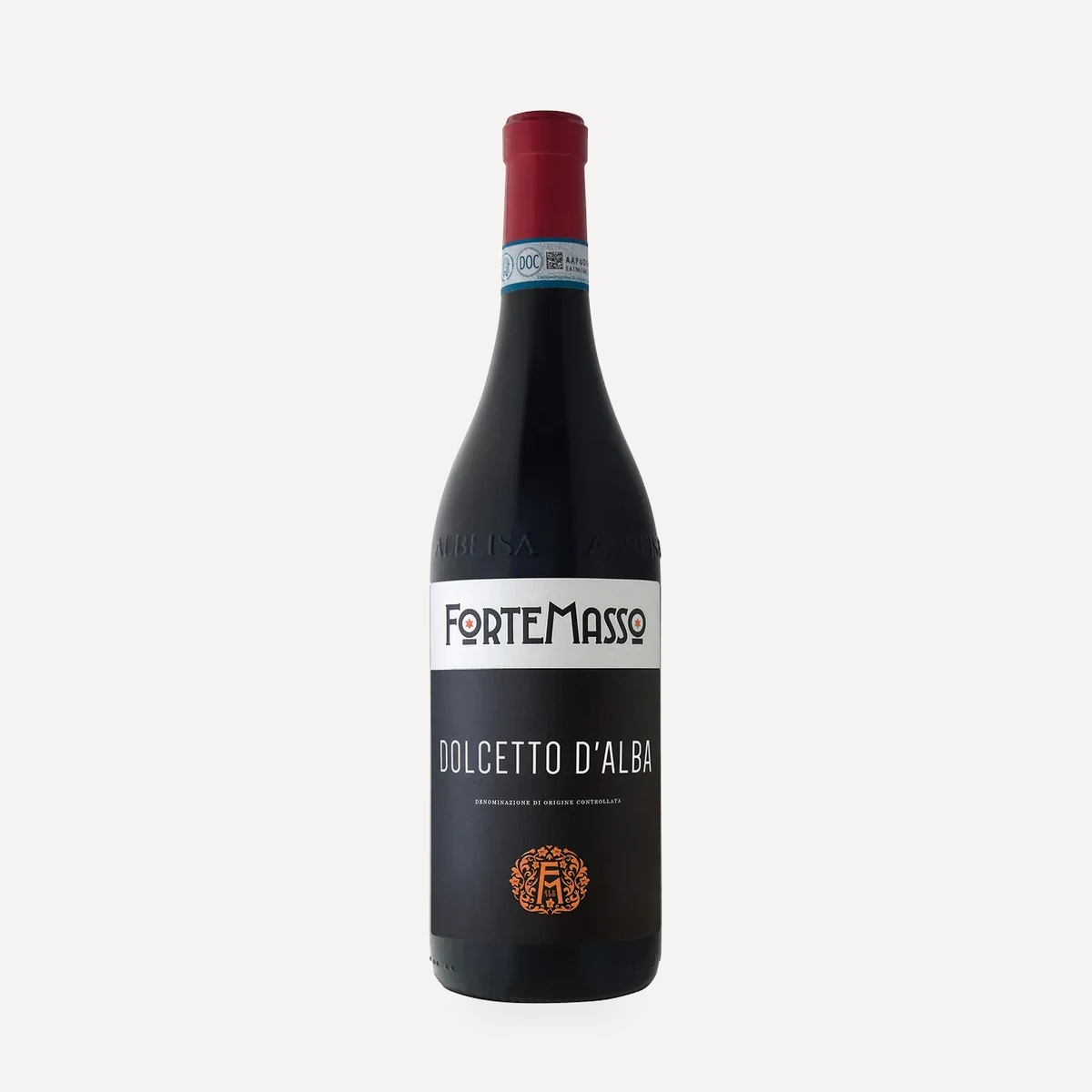
Dolcetto d’Alba
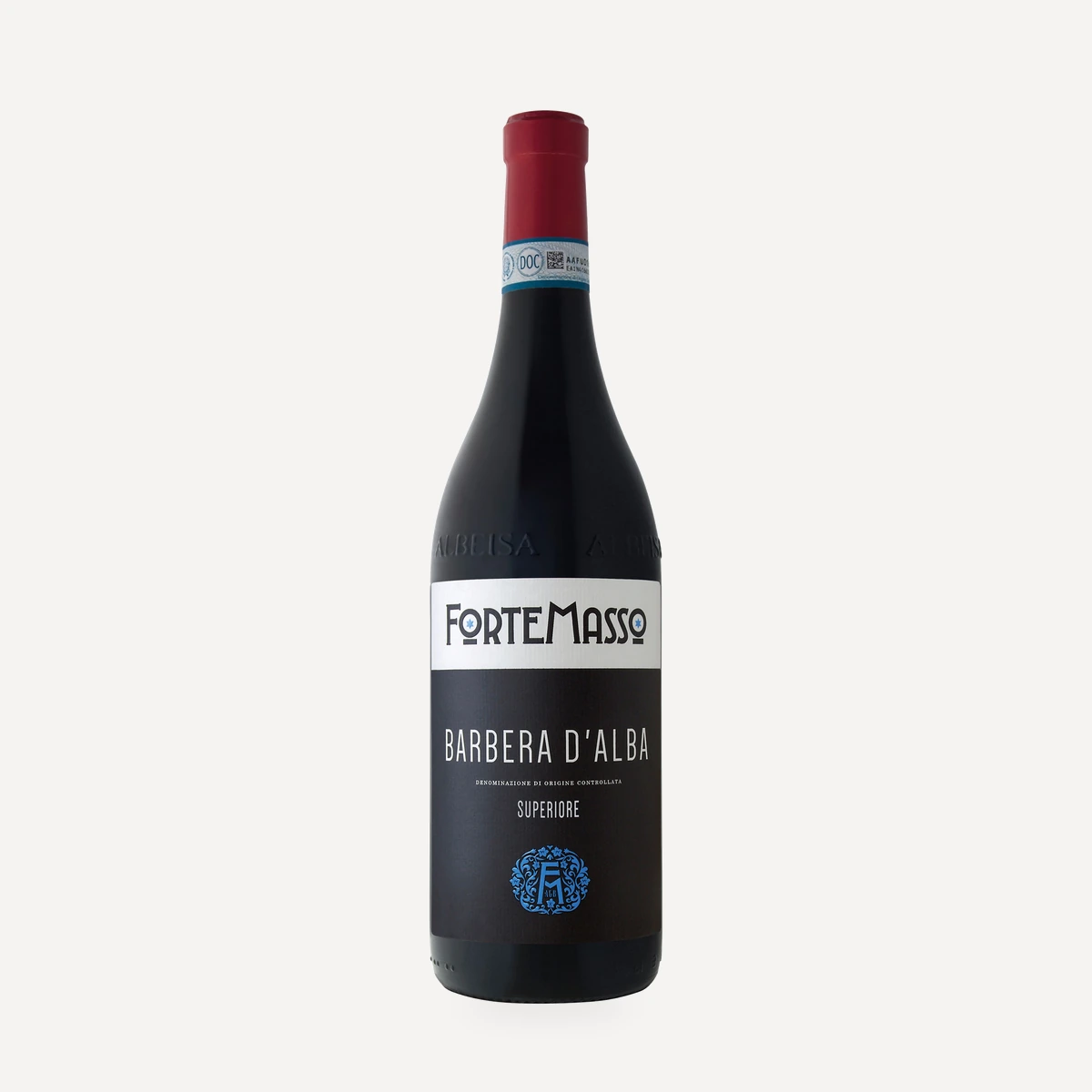
Barbera d’Alba Superiore
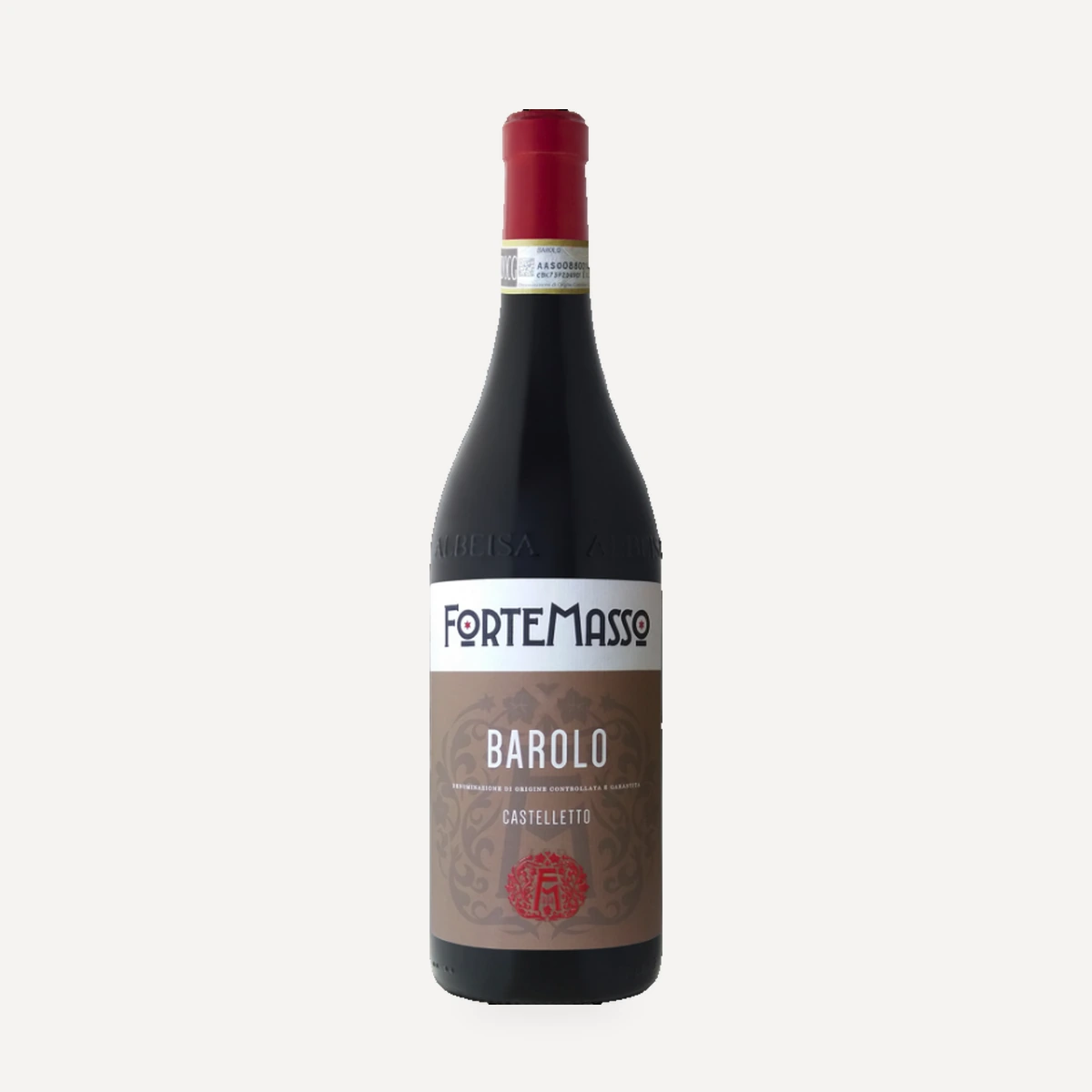
Barolo Castelletto
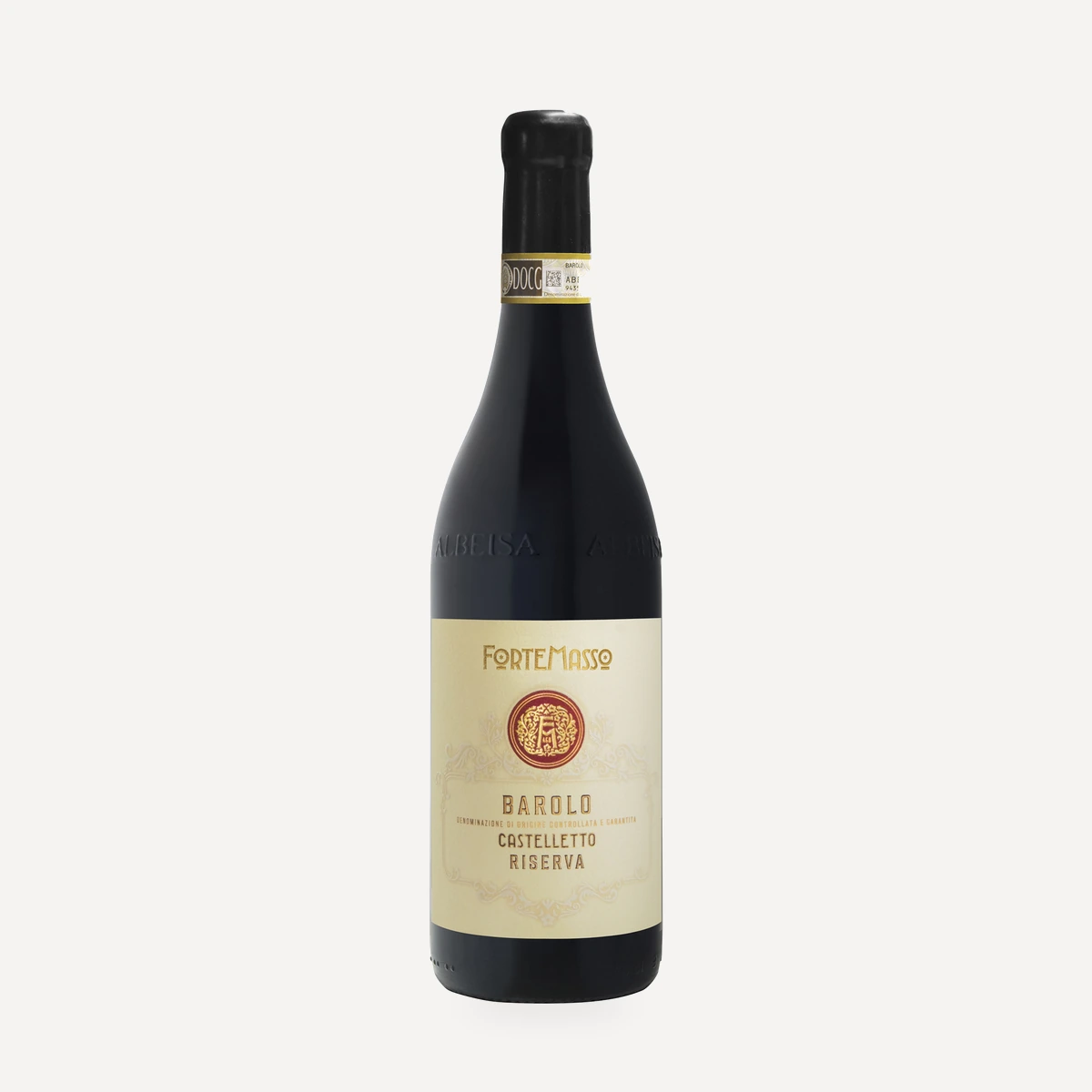
Barolo Castelletto Riserva
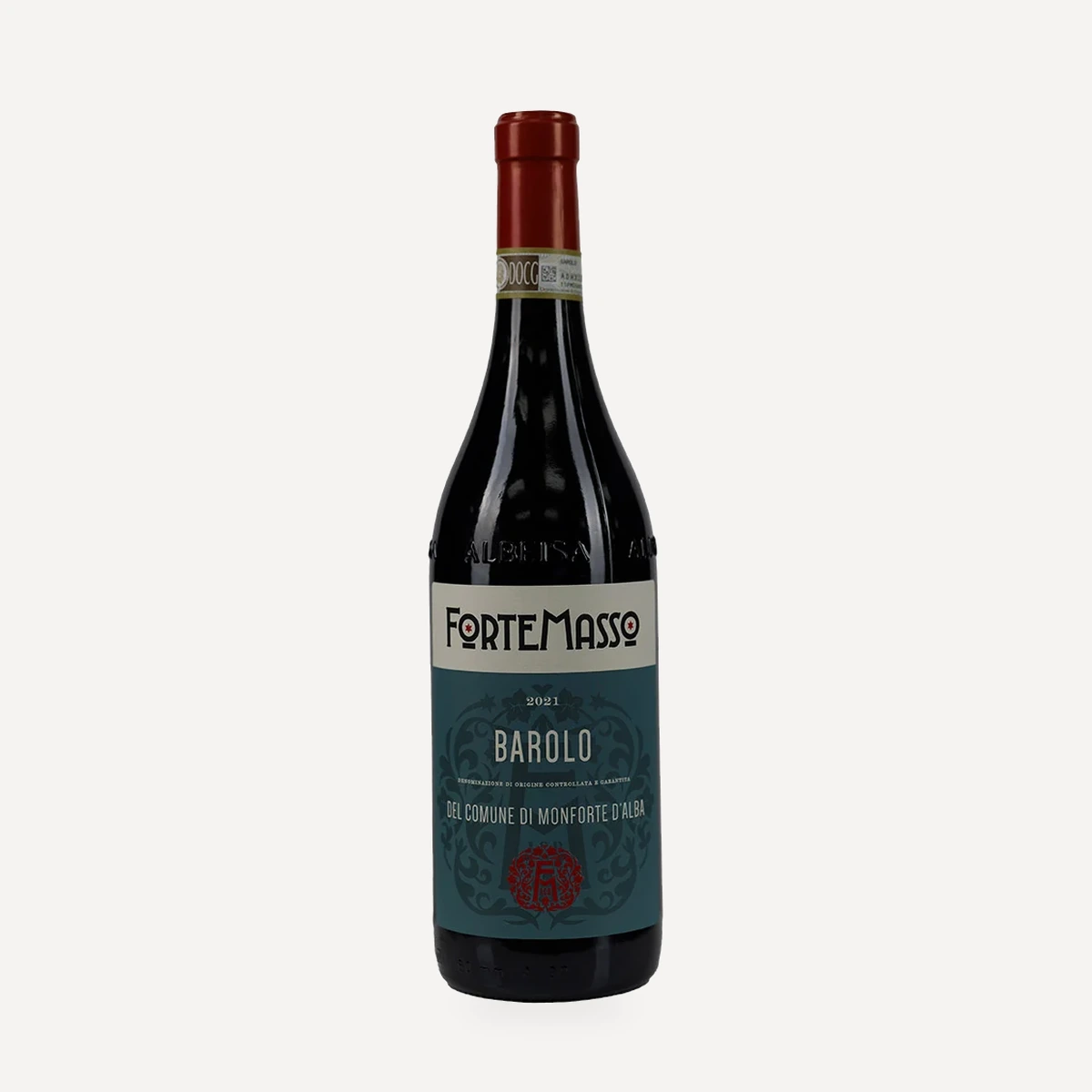
Barolo del Comune di Monforte d’Alba