Storia
Giovanni Rinaldi and the origins
The estate’s history begins in the nineteenth century with Giovanni Rinaldi. Recognizing the potential of a farmhouse surrounded by vineyards on the Cannubi hill in Barolo, he purchased the property and established the family’s connection with this site. The date 1870, together with a heraldic coat of arms, remains engraved on a barrel vault in the oldest part of the Barolo cellar and marks the winery’s foundation.
Giovanni’s children and grandchildren continued his work. At the beginning of the twentieth century, Michele Rinaldi—one of Giovanni’s four sons—helped introduce the family’s Barolo throughout Italy.
The Francesco Rinaldi name
In 1922, the brothers divided the family activity. The winery continued under the name of Francesco Rinaldi, Giovanni’s youngest son. Francesco consolidated the identity of the business around Barolo, particularly wines associated with Cannubi and Brunate.
During the 1930s, Francesco transferred the bottling department and warehouse to Alba. Rail was the principal means of transporting bulk goods, and the railway terminated there, making Alba the practical location for these operations.
In 1949, bottles of Barolo Cannubi and Barolo Brunate were served during celebrations marking Italy’s entry into the North Atlantic Treaty Organization.
Expansion during the 1960s
In the early 1960s, Barbaresco production was added alongside Barolo and followed the same commitment to typicity and tradition. Historical continuity secured authorization for the Barbaresco grapes to be vinified outside their production zone in the Barolo cellar.
During the same decade, Francesco’s sons Luciano Rinaldi and Michele Rinaldi continued the family business and expanded the original vaulted winery. Traditional cellar work was progressively supplemented by technology intended to improve efficiency without erasing the character of the wines.
The family had acquired Rocche dell’Annunziata by 1969. Nebbiolo was planted there between 1970 and 1983. Other documented planting periods include Cannubi Boschis from 1967 to 1990, Barbera parcels from 1972 to 2015, Dolcetto Roussot from 1975 to 1977, Brunate from 1979 to 1981, and the vineyards contributing to the classic Barolo between 1980 and 1990.
Paola and Piera Rinaldi
Paola Rinaldi and Piera Rinaldi assumed responsibility in the 1990s. They modernized the commercial approach and expanded international sales. The United States became the leading market, followed by Northern Europe and parts of the Far East, while the estate retained its emphasis on Barolo, family history and traditional cellar practices.
New parcel expressions
A younger Nebbiolo vineyard in Barolo was planted in 2016, including vines in the sandier Cannubi subzone. Until the 2017 vintage, fruit from Rocche dell’Annunziata contributed to the blended Barolo Classico. Beginning with 2018, the Nebbiolo parcel was vinified separately as Barolo Rocche dell’Annunziata.
In 2020, Freisa was planted in the lower part of Rocche dell’Annunziata, at approximately 200 metres. This created a separate expression of the historic property while the higher Nebbiolo sector continued to supply the cru Barolo.
Terroir
The core Barolo holdings extend across Barolo, La Morra and Castiglione Falletto, representing three distinct expressions of the production territory. Some vineyards were inherited, while others were acquired later.
In Castiglione Falletto, the soils are described as compact and marly and associated with the Helvetian geological period. La Morra has more clay-rich, calcareous soils associated with the Tortonian period. The classic Barolo parcels vary from sandy to compact: sandstone is present in Barolo and Castiglione Falletto, while La Morra has a stronger clay and limestone component.
On the Cannubi slope in Barolo, where the cellar stands, limestone, clay and sand meet. Cannubi combines Helvetian and Tortonian formations from different geological eras and has a notably high proportion of sand. The estate associates this mixture with balance, aromatic intensity and structural complexity.
Brunate crosses the boundary between Barolo and La Morra. Its central sector lies at 250–350 metres, with southern and south-eastern exposures. The soil is predominantly limestone and clay with a slightly sandy component. The estate also identifies potassium and magnesium among the microelements associated with this site.
Rocche dell’Annunziata lies in La Morra. The upper part reaches approximately 280 metres, faces south-west and consists of sandstone and calcareous conglomerates that promote drainage. The lower Freisa sector is around 200 metres and faces south-east. The name Rocche is connected with the rocky sandstone and conglomerate formation.
Barbera grows at 200–320 metres. The flatter Cannubi parcels in Barolo are sandier, while Zonchetta and Boiolo in La Morra have more clay and calcareous material. The principal exposures are south and south-east. Dolcetto vineyards in Barolo face south-west and south-east; soils near Cannubi are sandy, becoming more compact on the slope looking toward La Morra.
Vinificazione
For the Cannubi Riserva, grape clusters are selected from the highest parts of the Cannubi vineyard and the wine is made only in vintages judged suitable for the Riserva. The documented vineyard ages span several generations of planting, from Dolcetto established in 1975–1977 and Brunate in 1979–1981 to Nebbiolo planted in Cannubi in 2016 and Freisa planted at Rocche dell’Annunziata in 2020.
Cellar organization
The original winery is built into the Cannubi hill in Barolo and retains its historic barrel vaults. Grapes pass through dedicated pressing and fermentation areas before the wines move into underground rooms excavated into the hill, known within the estate as the “halls of silence.” Slavonian oak barrels are housed there for maturation. The cellar was expanded in the 1960s and now combines traditional equipment and methods with temperature control and automated systems.
Bottling and warehousing are conducted in Alba, where these functions were established during the 1930s.
Fermentation and extraction
Red-wine fermentations take place in temperature-controlled stainless-steel or cement tanks. Barolo lots generally remain in contact with the skins for 25–30 days; automatic pump-over systems are used for Cannubi, Brunate and Rocche dell’Annunziata. Other Nebbiolo, Barbaresco and Barbera fermentations generally involve 15–20 days of skin contact, depending on the lot. Vitrified cement is used for the young-vine Langhe Nebbiolo.
Freisa receives a shorter five-day maceration in steel. Fermentation is completed after separation from the skins. Dolcetto Roussot ferments with the skins for approximately 15 days in temperature-controlled steel and remains in stainless steel for several months. Gavi is fermented without skins at controlled temperature for approximately 10 days, then cold-stabilized and filtered before bottling.
Maturation
The Barolo lots are assembled after racking when appropriate and mature for about three years in large 5,000-litre Slavonian oak barrels. Cannubi, Brunate and Rocche dell’Annunziata follow the same large-cask model, with at least three years in wood.
Cannubi Riserva is made only in selected vintages. After a slow 25–30-day fermentation, it spends 42 months in Slavonian oak and continues refining until the sixth year after harvest before release.
Barbaresco matures for at least two years in medium-capacity Slavonian oak. Barbera lots from different vineyards are blended after racking and aged for at least one year in medium-capacity Slavonian oak. Nebbiolo d’Alba also spends about one year in medium-capacity Slavonian oak, followed by several months in bottle. Freisa matures for approximately six months in 10-hl Slavonian oak casks. Langhe Nebbiolo is refined in medium-capacity Slavonian oak, while Dolcetto Roussot remains in stainless steel for several months.
Bottle refinement follows wood maturation for the classic Barolo, Barbera and Nebbiolo d’Alba, allowing the wines to continue developing before release.
Filosofia
The estate defines its identity through the conjunction of Barolo, family history and tradition. Its work remains centered on the Cannubi hill that first attracted Giovanni Rinaldi and on expressing the differences among Barolo, La Morra and Castiglione Falletto.
Tradition does not exclude technical development. The cellar combines long-established practices—extended skin contact and maturation in Slavonian oak—with temperature-controlled tanks and automated pump-overs. Technology is used to improve the precision and efficiency of cellar work while preserving the distinguishing character of the vineyards and grape varieties.
Family continuity is equally central: successive generations have maintained the historic cellar, expanded it when necessary, developed new markets and continued to work with inherited and subsequently acquired vineyards.
Vini
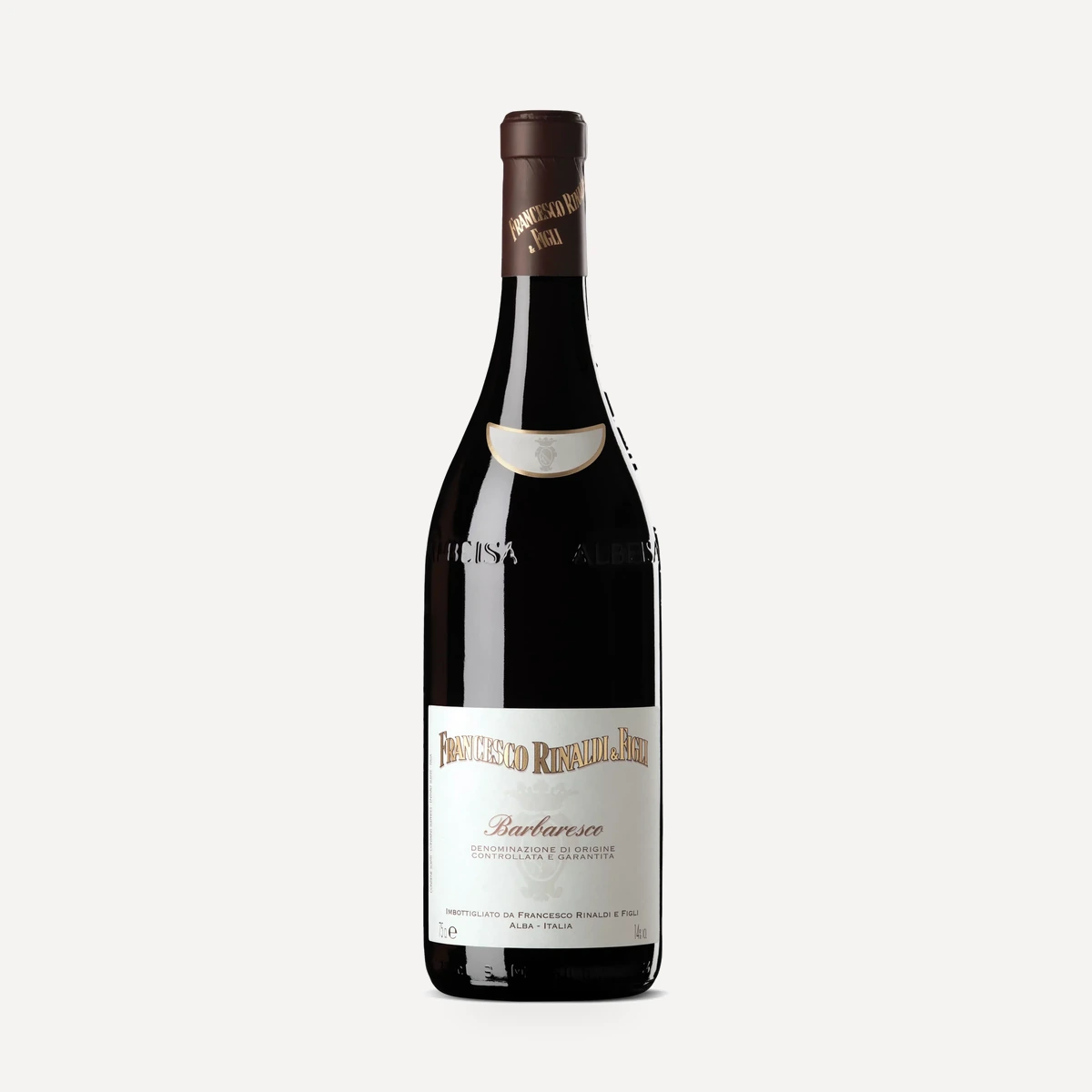
Barbaresco D.o.c.g.
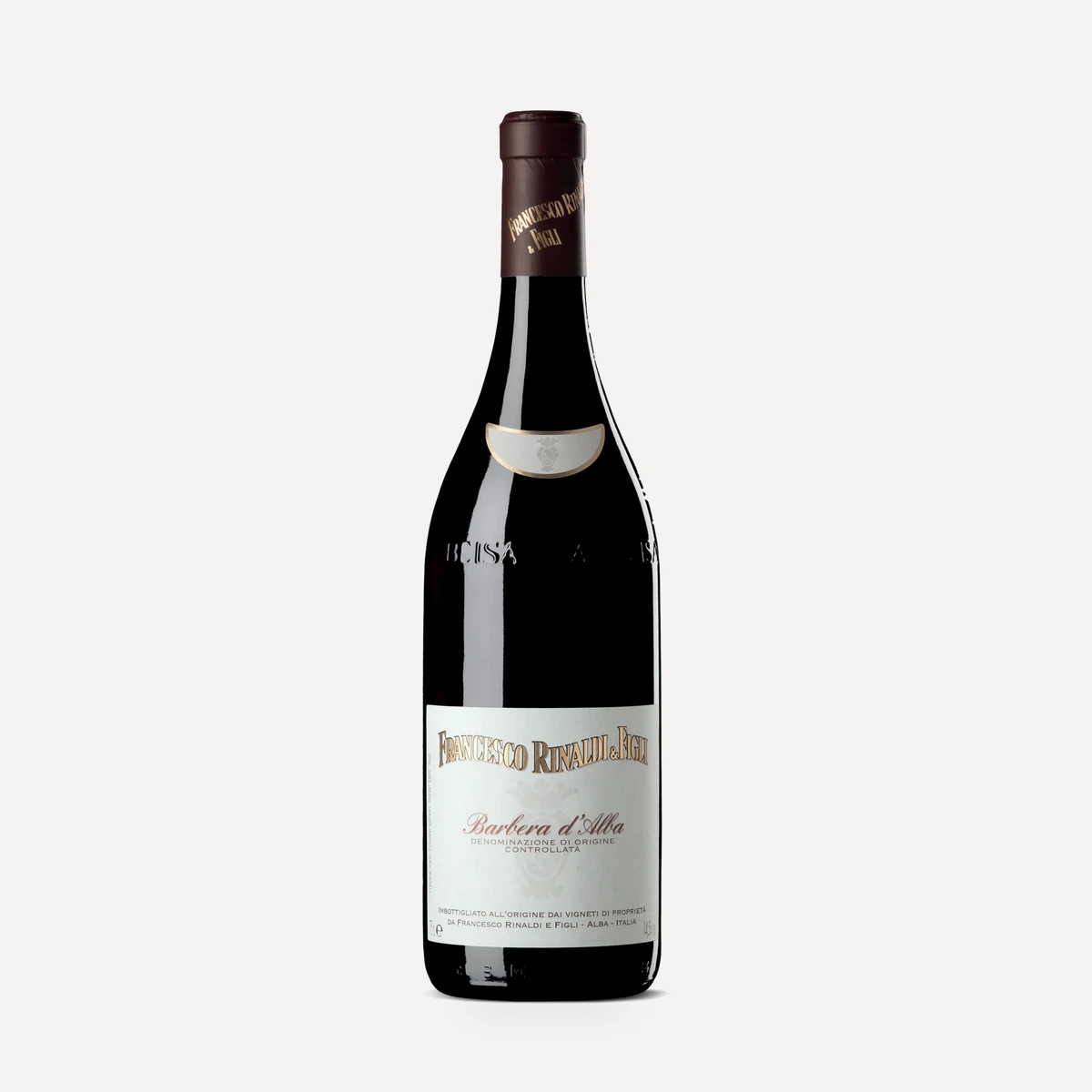
Barbera d’Alba D.o.c.
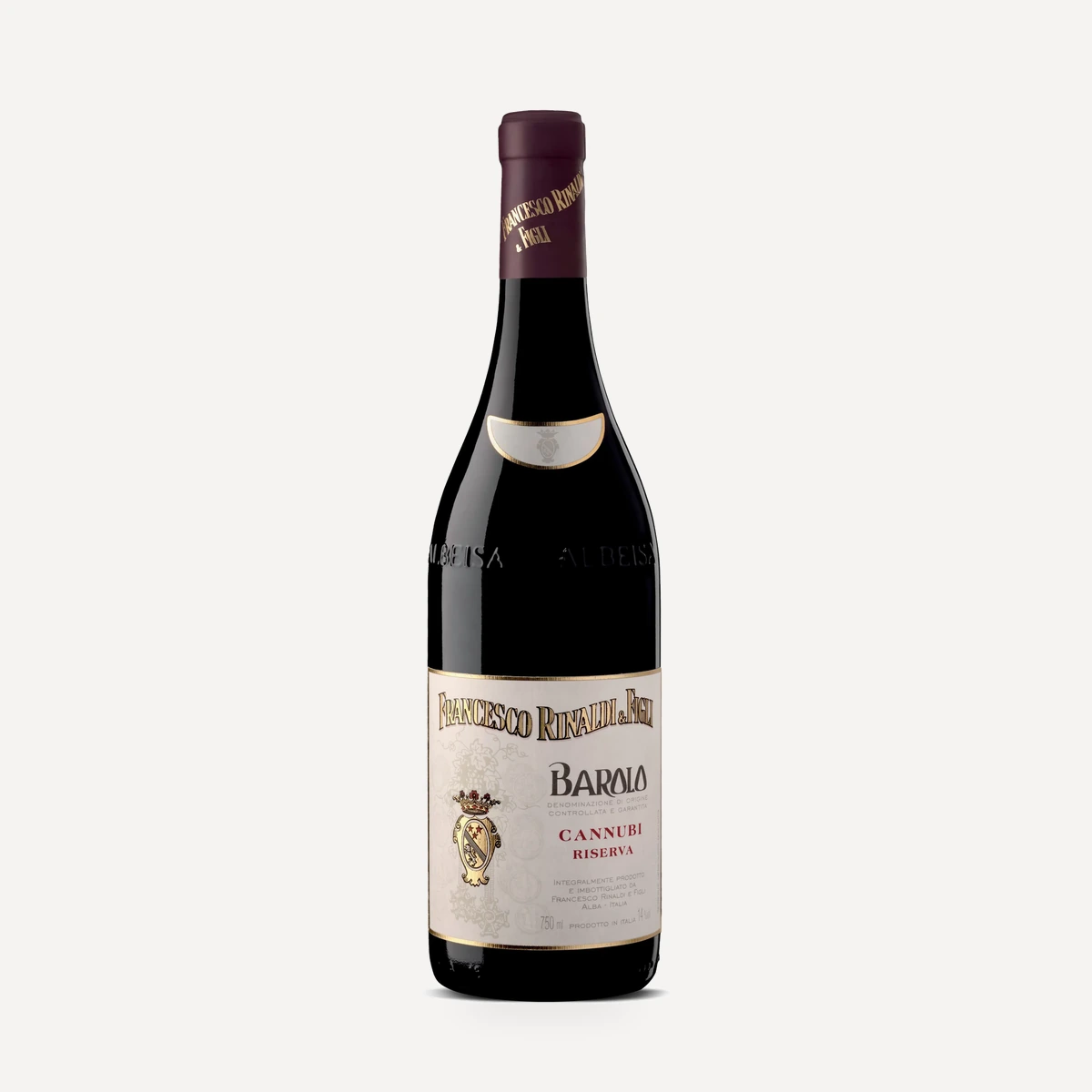
Barolo Cannubi Riserva D.o.c.g.
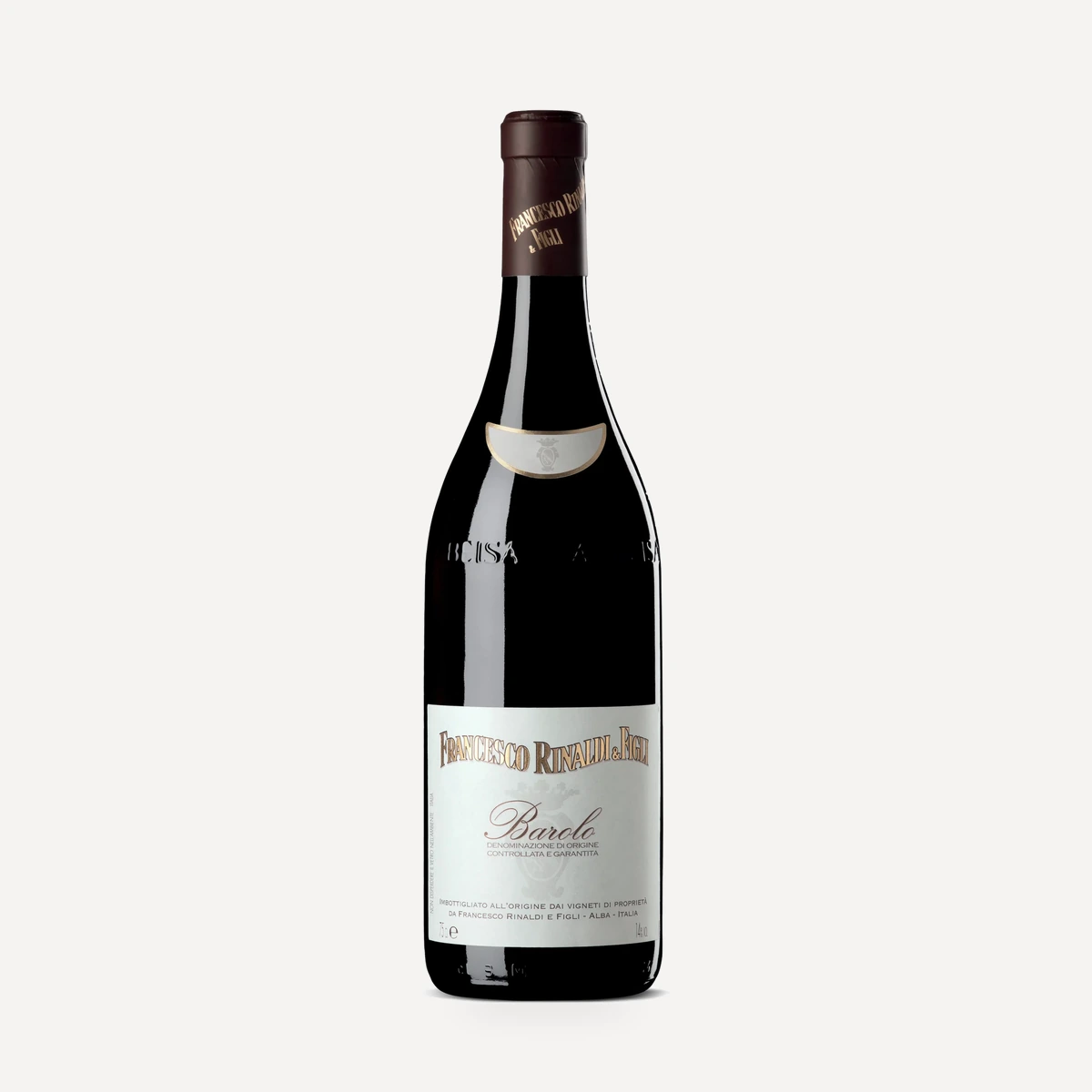
Barolo D.o.c.g.
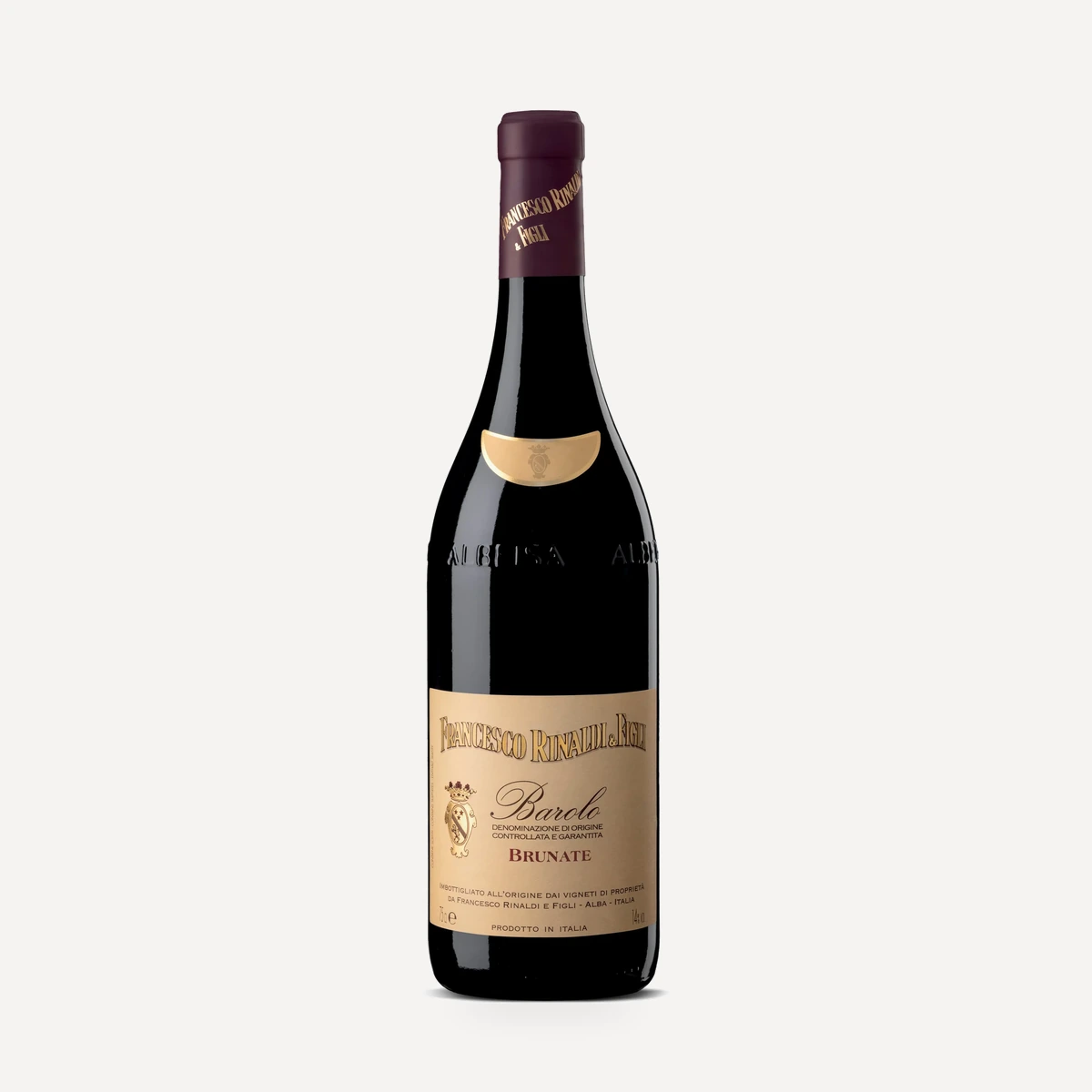
Barolo D.o.c.g. Brunate
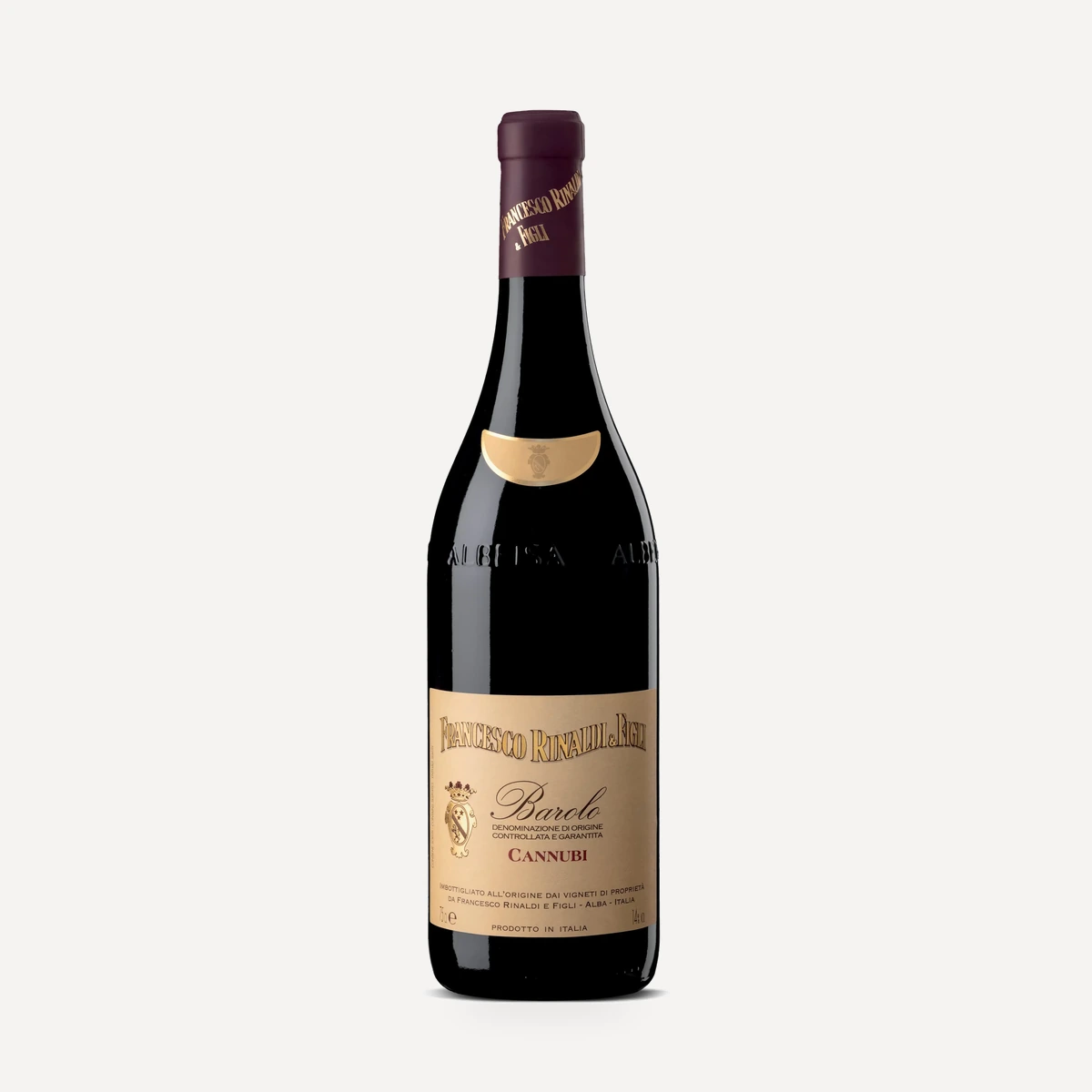
Barolo D.o.c.g. Cannubi
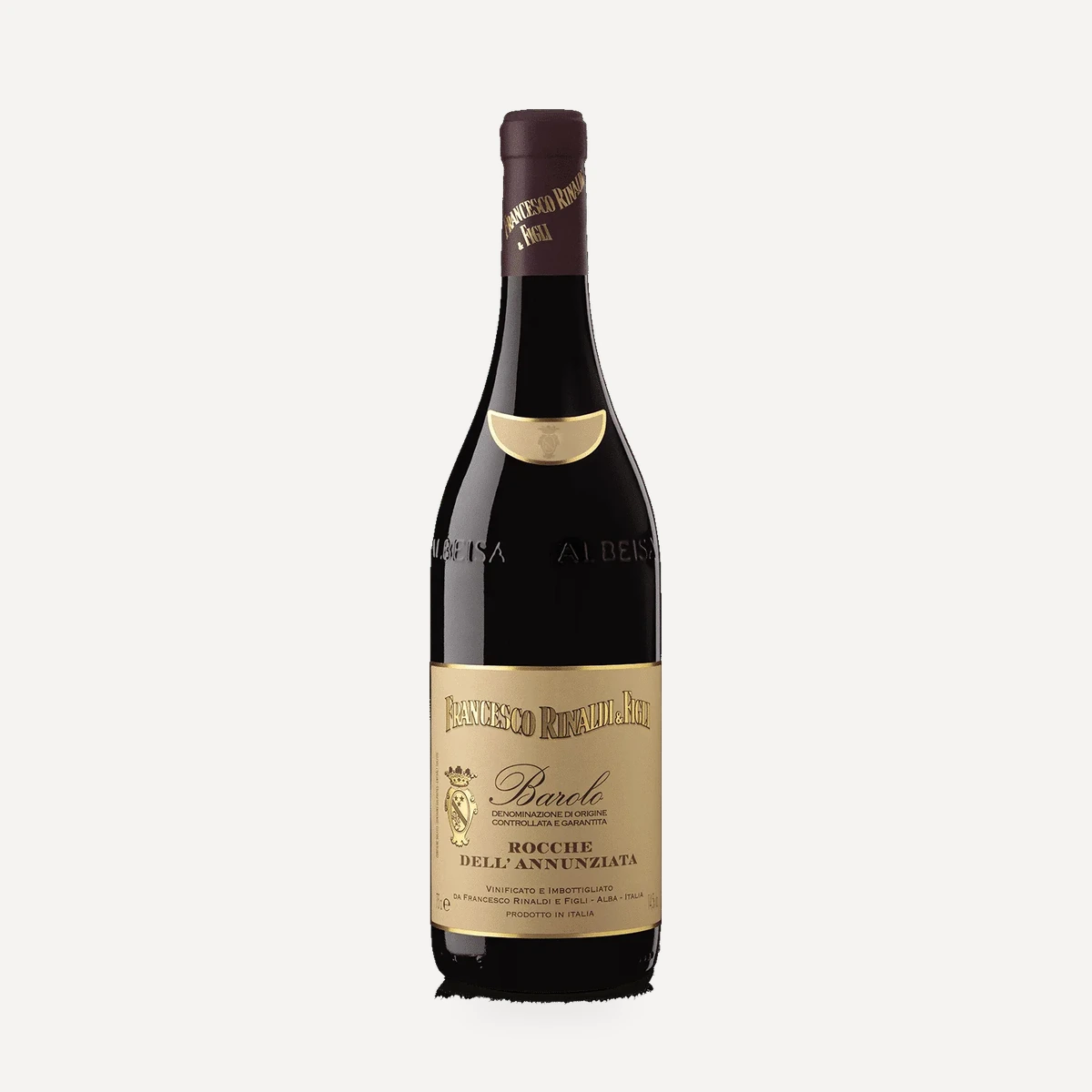
Barolo D.o.c.g. Rocche dell’Annunziata
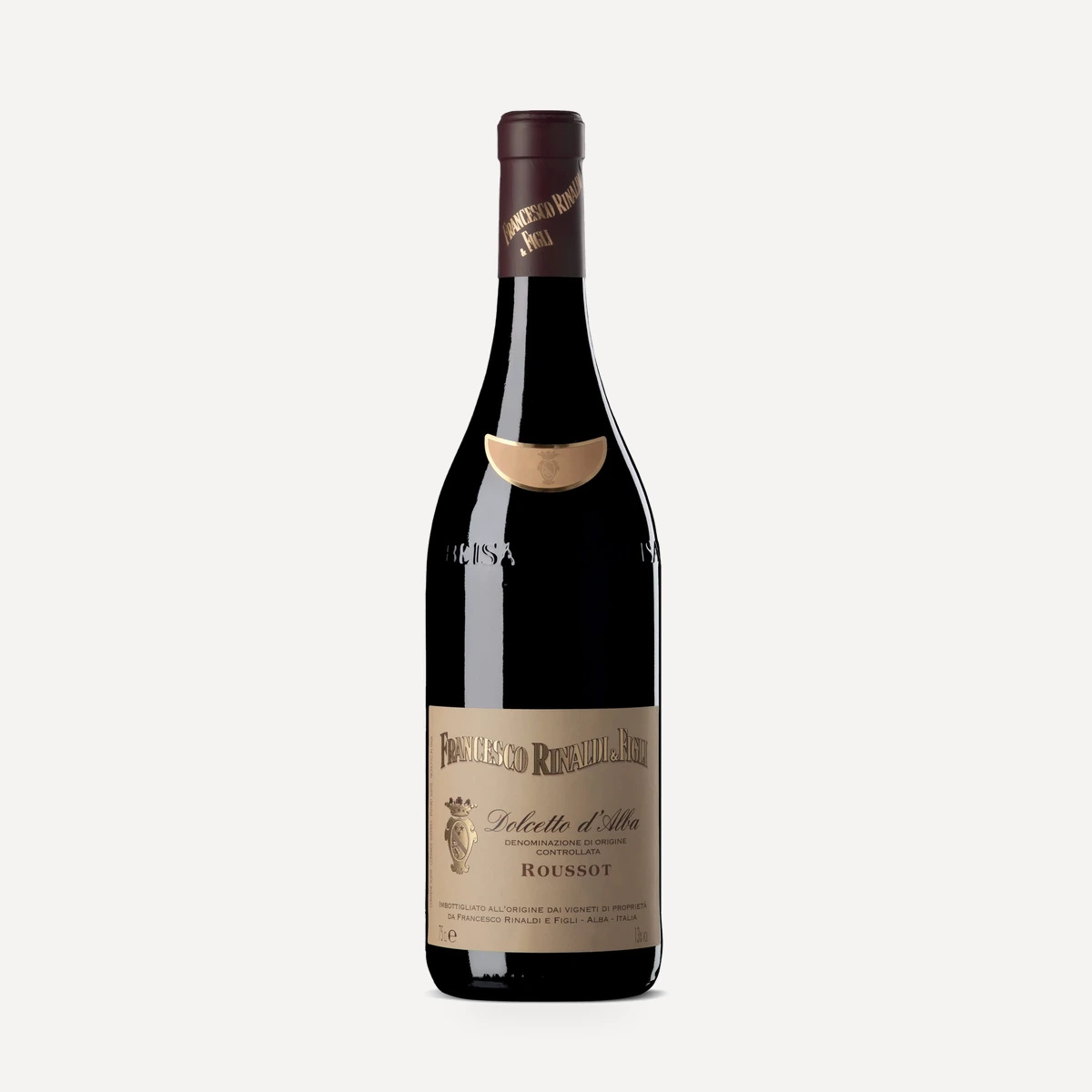
Dolcetto d’Alba D.o.c. Roussot
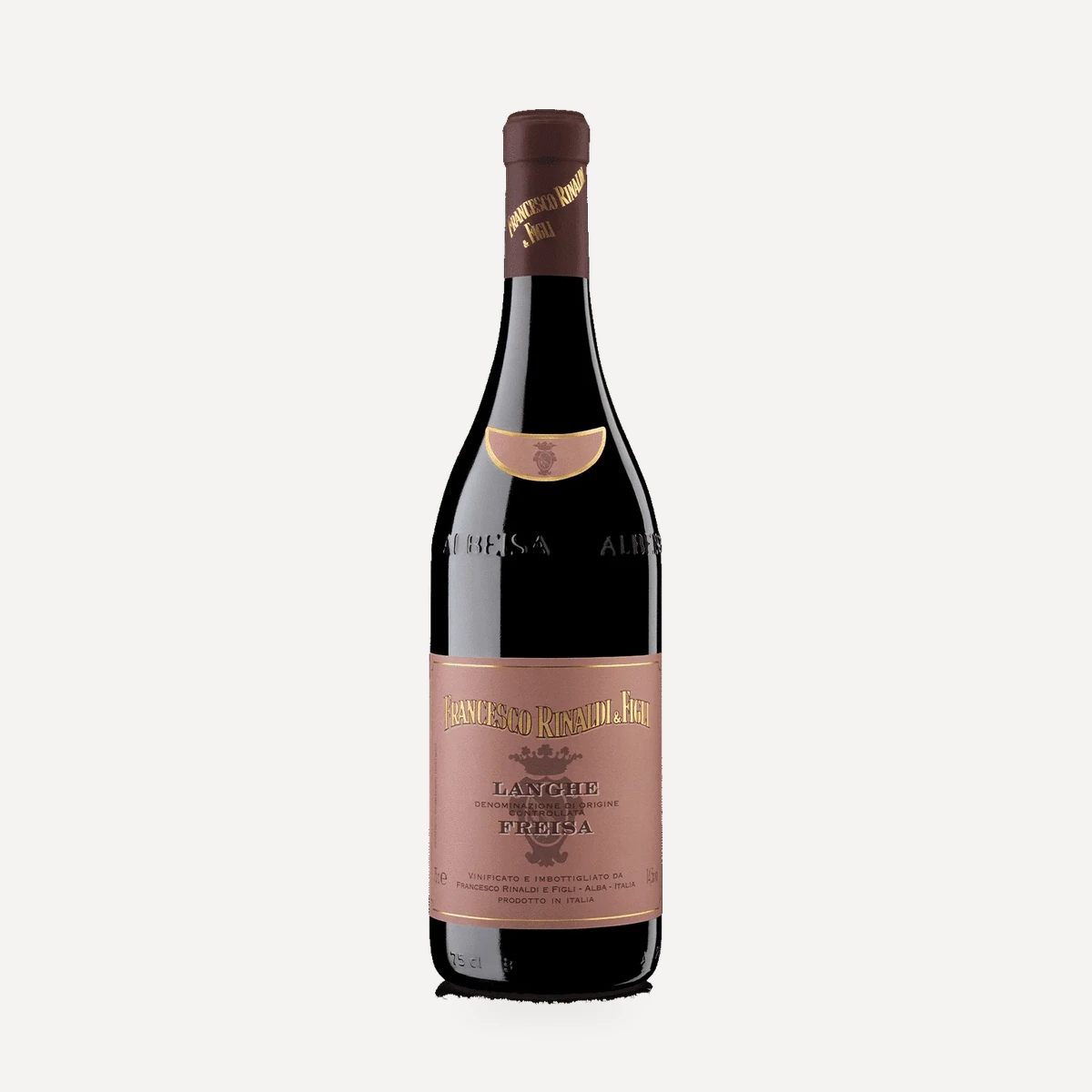
Langhe D.o.c. Freisa
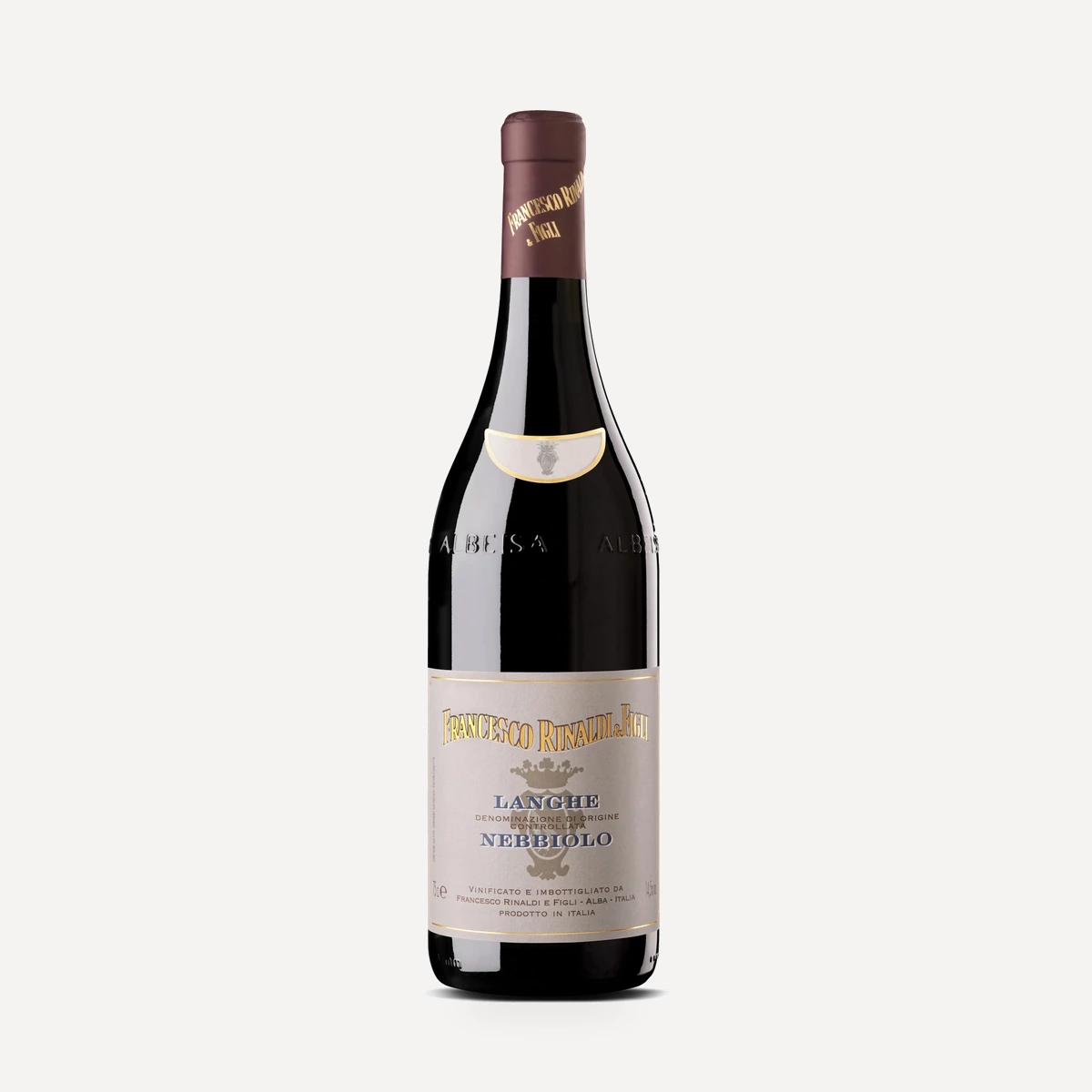
Langhe D.o.c. Nebbiolo
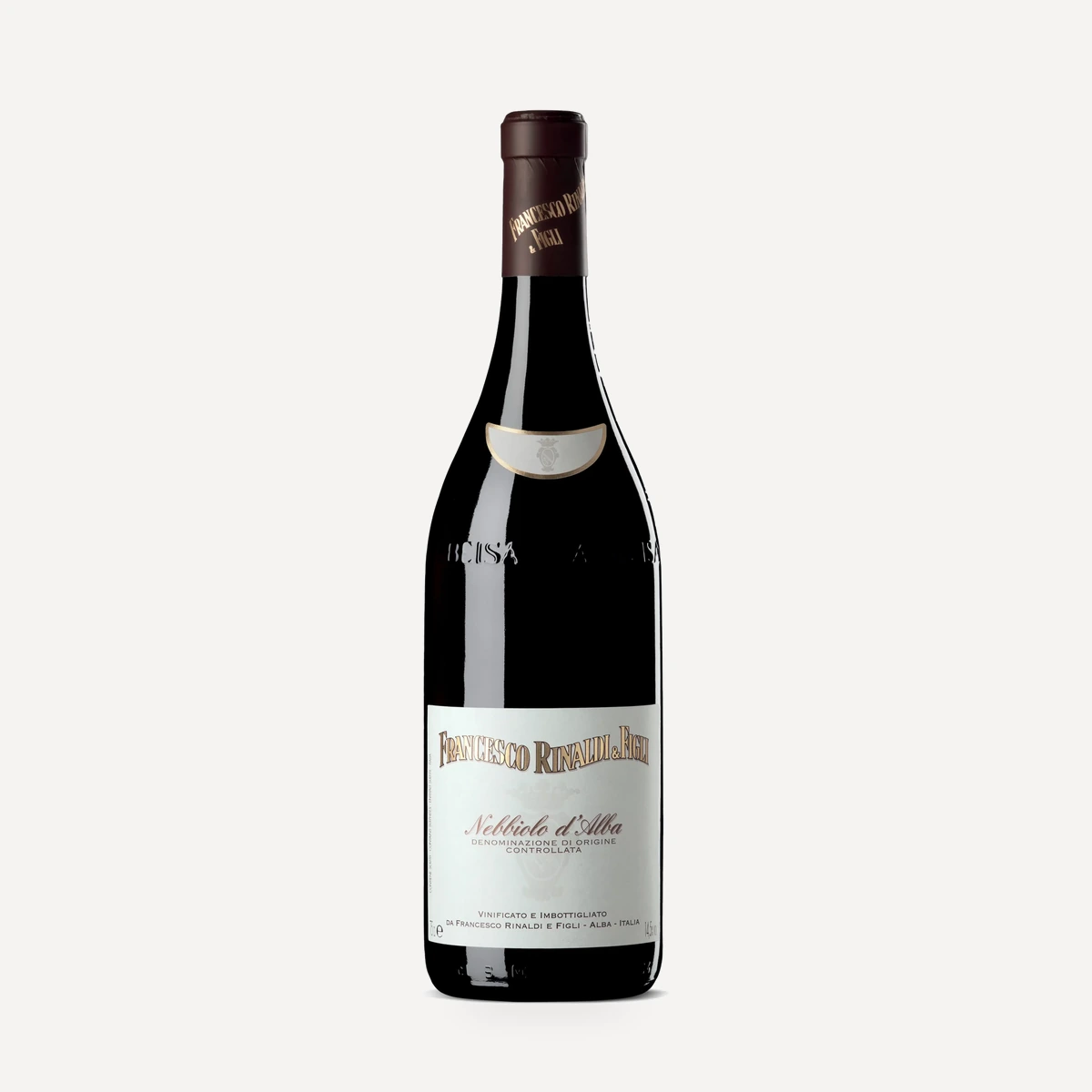
Nebbiolo d’Alba D.o.c.
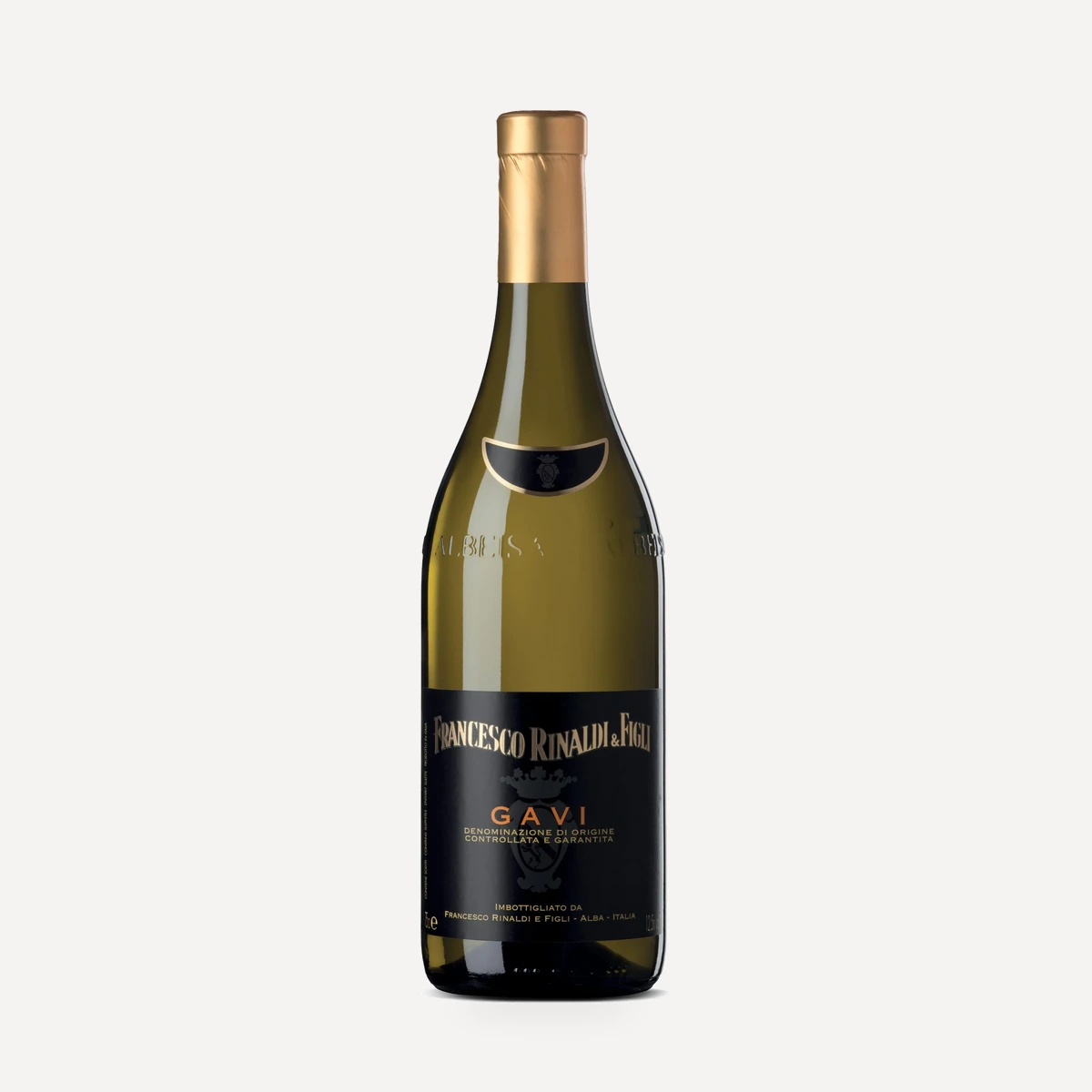
Gavi D.o.c.g.