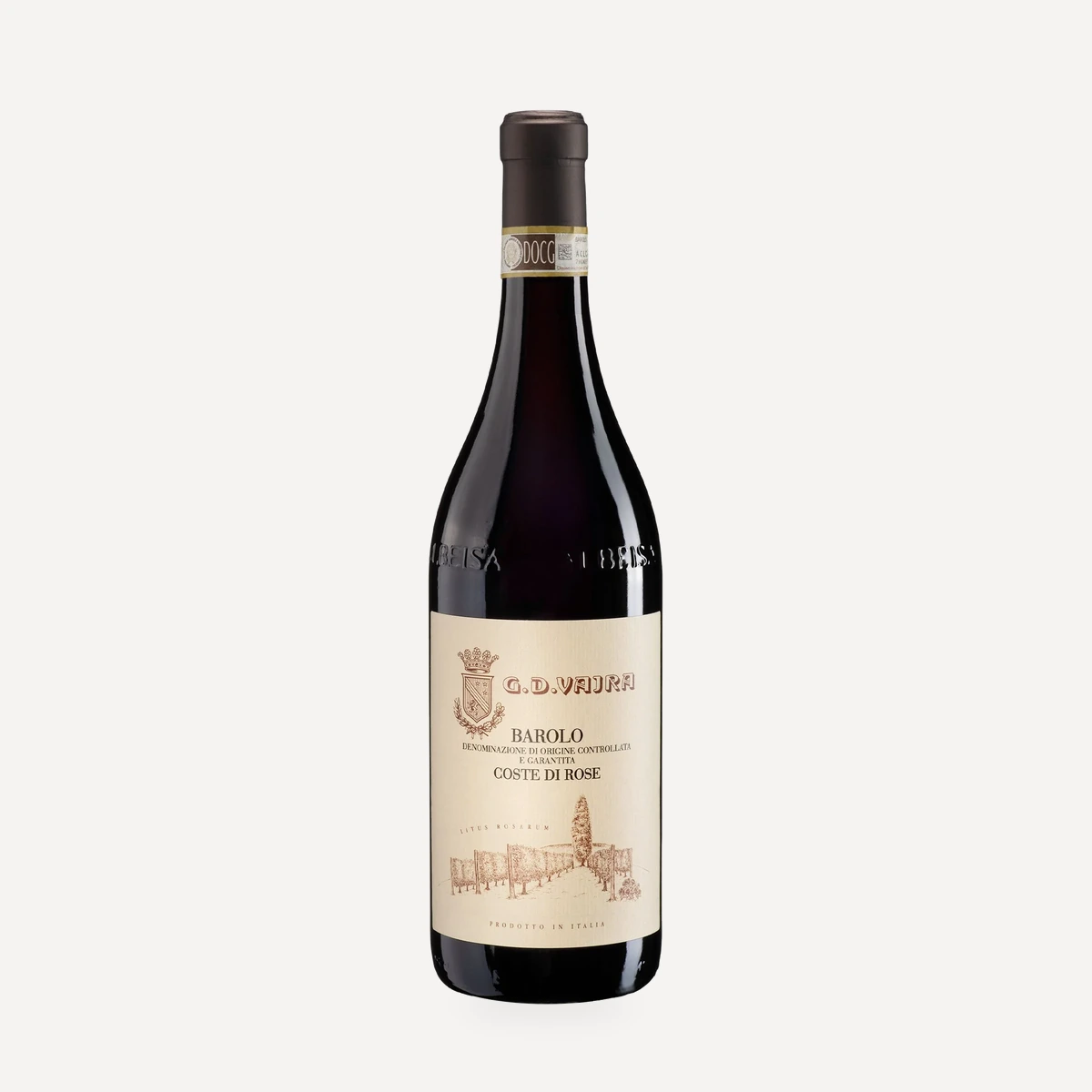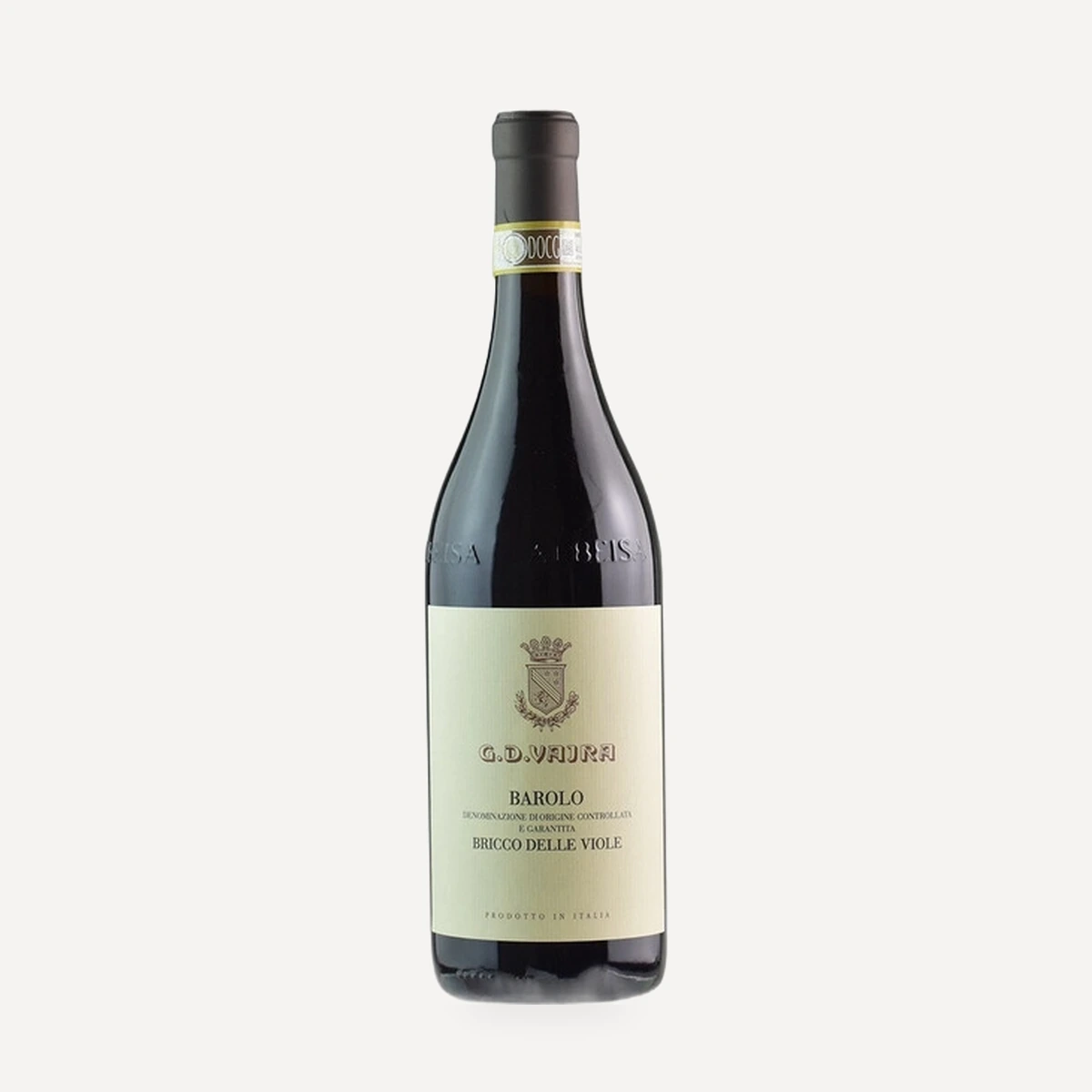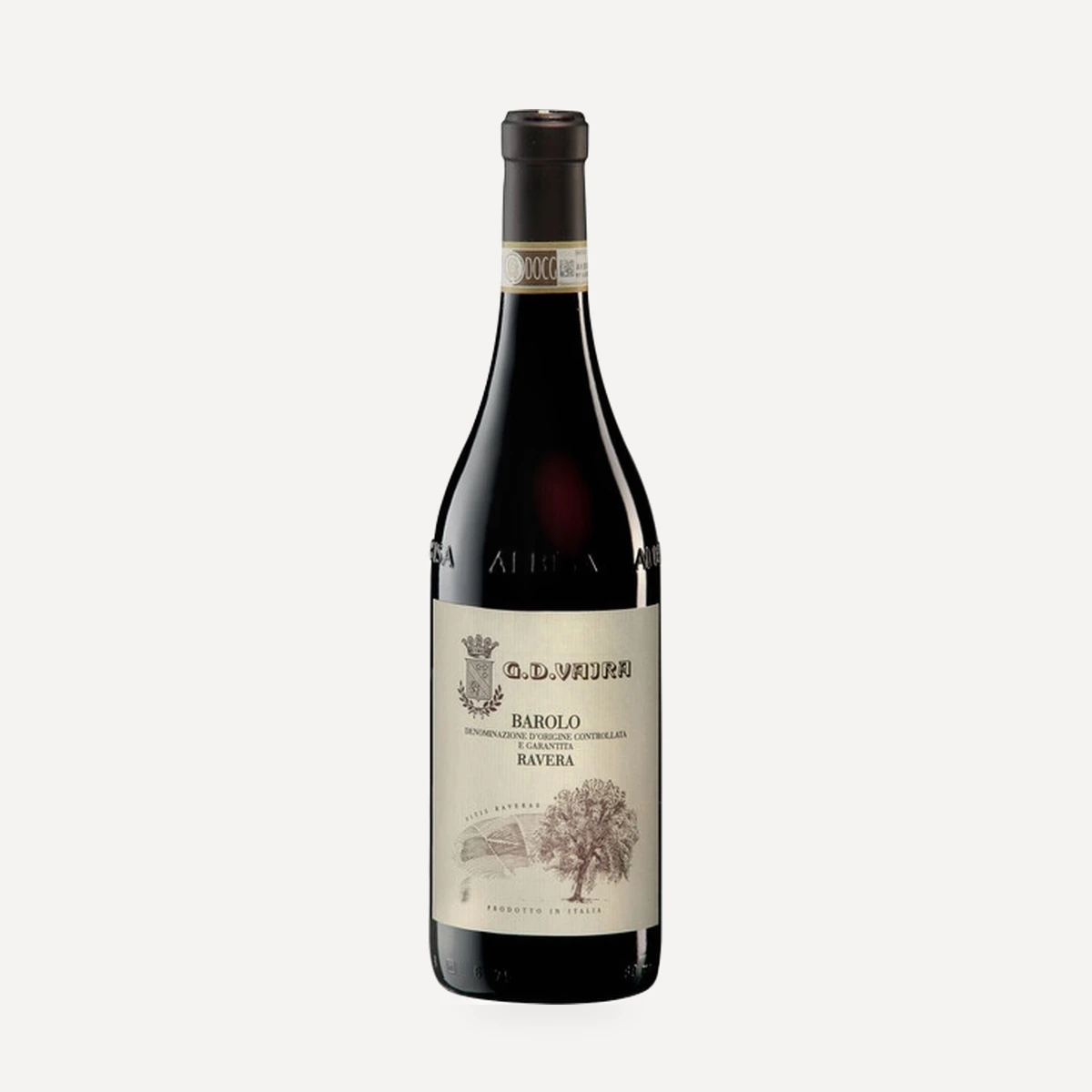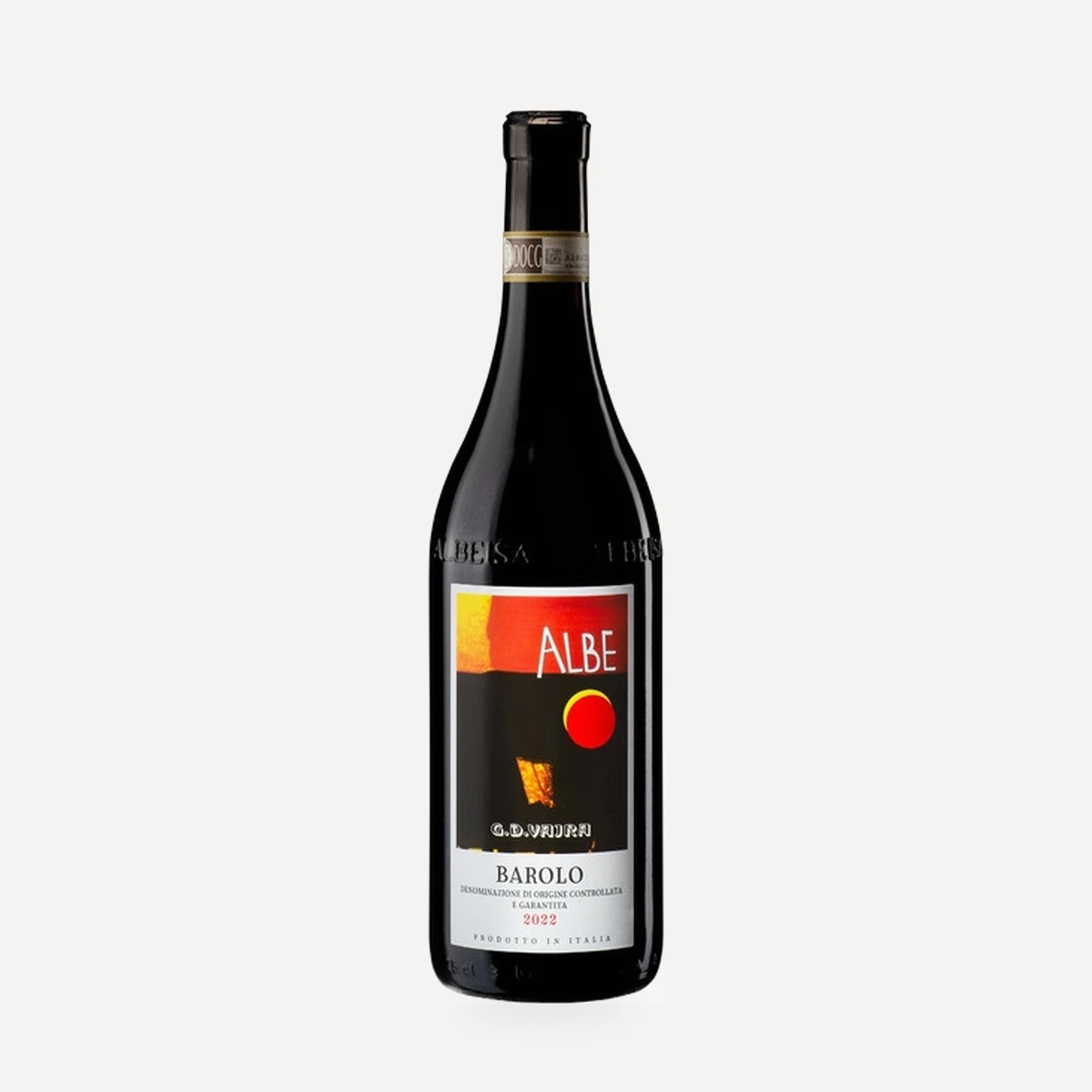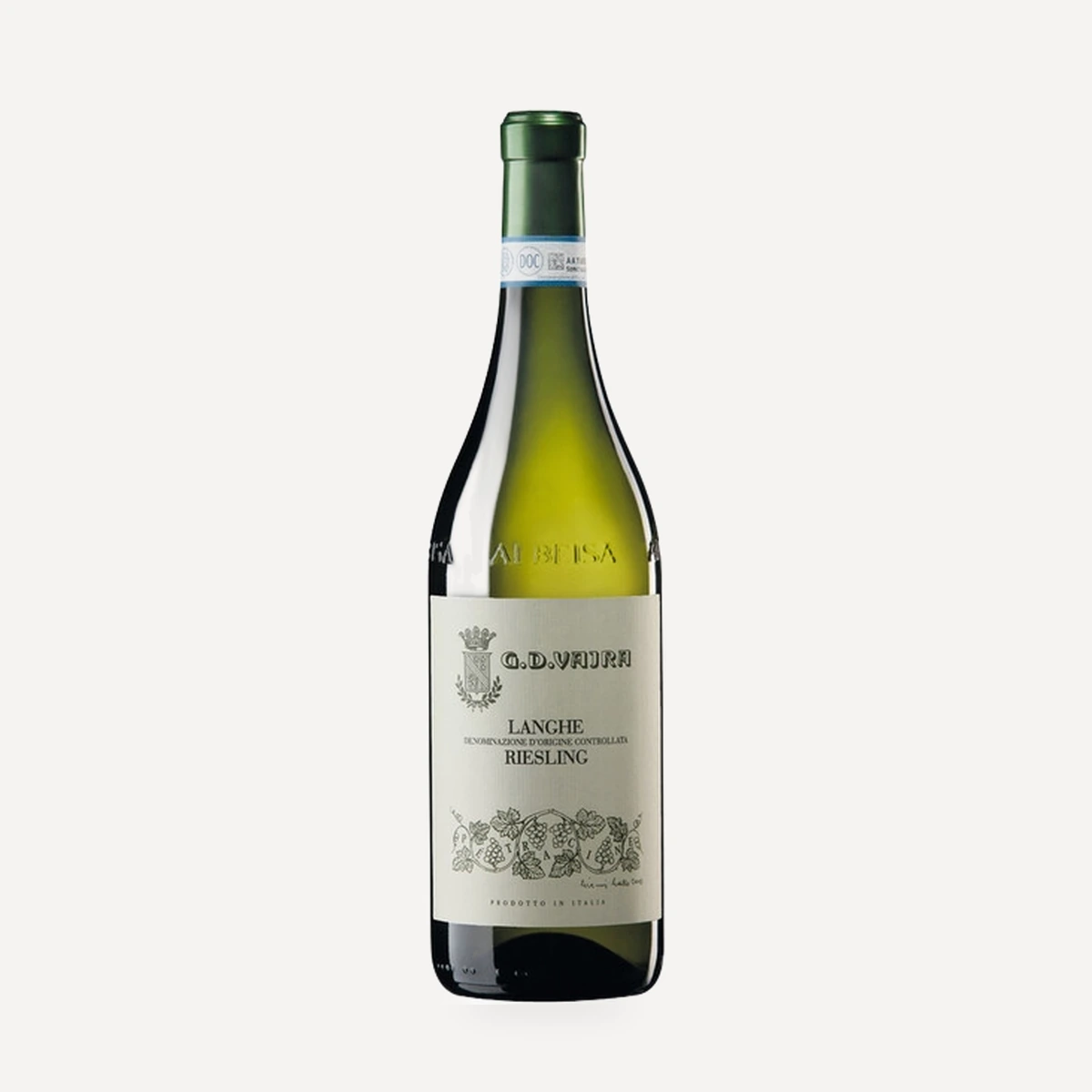
Questo vino
Vineyard and terroir
The fruit comes from Fossati in the commune of Barolo and Bricco Bertone in the commune of Sinio. Some of the vines, planted in 1984–1985, are among the oldest Riesling plantings in Piedmont. Alluvial stones found in Fossati inspired the name Pétracine, derived from an old expression meaning “roots in stone.”
The vine material reflects considerable clonal diversity, with cuttings originating from historic vineyards in the Rhine, Pfalz and Alsace, together with selected material from Geisenheim. The vineyards are certified organic and managed sustainably. Grass and spontaneous cover crops have been used for almost 50 years to nourish and preserve the soils, accompanied by extensive manual work and measures intended to monitor and improve biodiversity throughout the estate’s vineyards, fields and woods.
Grapes
100% Riesling Renano.
Vinification
The 2025 grapes were harvested by hand into small crates between 4 and 9 September. The bunches were pressed delicately as whole clusters. Fermentation proceeded slowly and gently for approximately 25 days in stainless-steel tanks.
Ageing
The wine matured exclusively in stainless steel for approximately five months on its fine lees, which provided natural protection against oxidation. It did not undergo malolactic fermentation. The 2025 vintage was bottled on 19 March 2026.
Technical data
Bottle format: 0.75 L.
Tasting profile
The 2025 opens with a vibrant, precise bouquet led by pear and white peach, interwoven with bright citrus. Lemon peel and a distinct stony mineral note sharpen its aromatic definition. The palate is taut and linear, supported by vivid minerality and pronounced freshness. Citrus, pear and white peach unfold with purity before a long, persistent finish. The overall profile emphasizes energy, precision and finesse.
Vintage notes
The 2025 growing season produced very low yields but grapes of exceptional quality. A moderately cold January was followed by an early spring, marked by premature development of the Nebbiolo shoots. Abundant rain required careful vineyard protection while building water reserves for a very hot June. Several hail events naturally reduced the crop. The estate’s harvest began on 19 August and continued through bright days with wide day-to-night temperature swings, helping preserve freshness and precision. The vintage was small in quantity, with radiant fruit.
Label / history
Aldo Vajra began exploring Riesling at the end of the 1970s, with the project taking concrete form in 1985. The variety’s ability to convey place, bright minerality and capacity for ageing are central to Pétracine’s identity.