Storia
Agricultural origins
Gaia Felix began as a livestock farm rooted in the agricultural traditions of the Caserta area. The family activity extended beyond vines to buffalo husbandry for milk, beekeeping and hazelnut cultivation.
An inherited wine-growing tradition
Raffaele Diana inherited the family's agricultural and wine-growing tradition from his grandparents. Under his direction, six hectares preserve Asprinio di Aversa through the alberata aversana, an old form of vine training that has become increasingly uncommon. In this system, the vines are married to supporting trees and grow into tall green walls.
Conversion of the vineyards
Raffaele initiated a conversion towards organic agriculture and, more specifically, biodynamic methods, intending to bring greater expression to the qualities of Asprinio. Primitivo and Falanghina are also cultivated biodynamically in the Falerno del Massico area.
Development of the Asprinio range
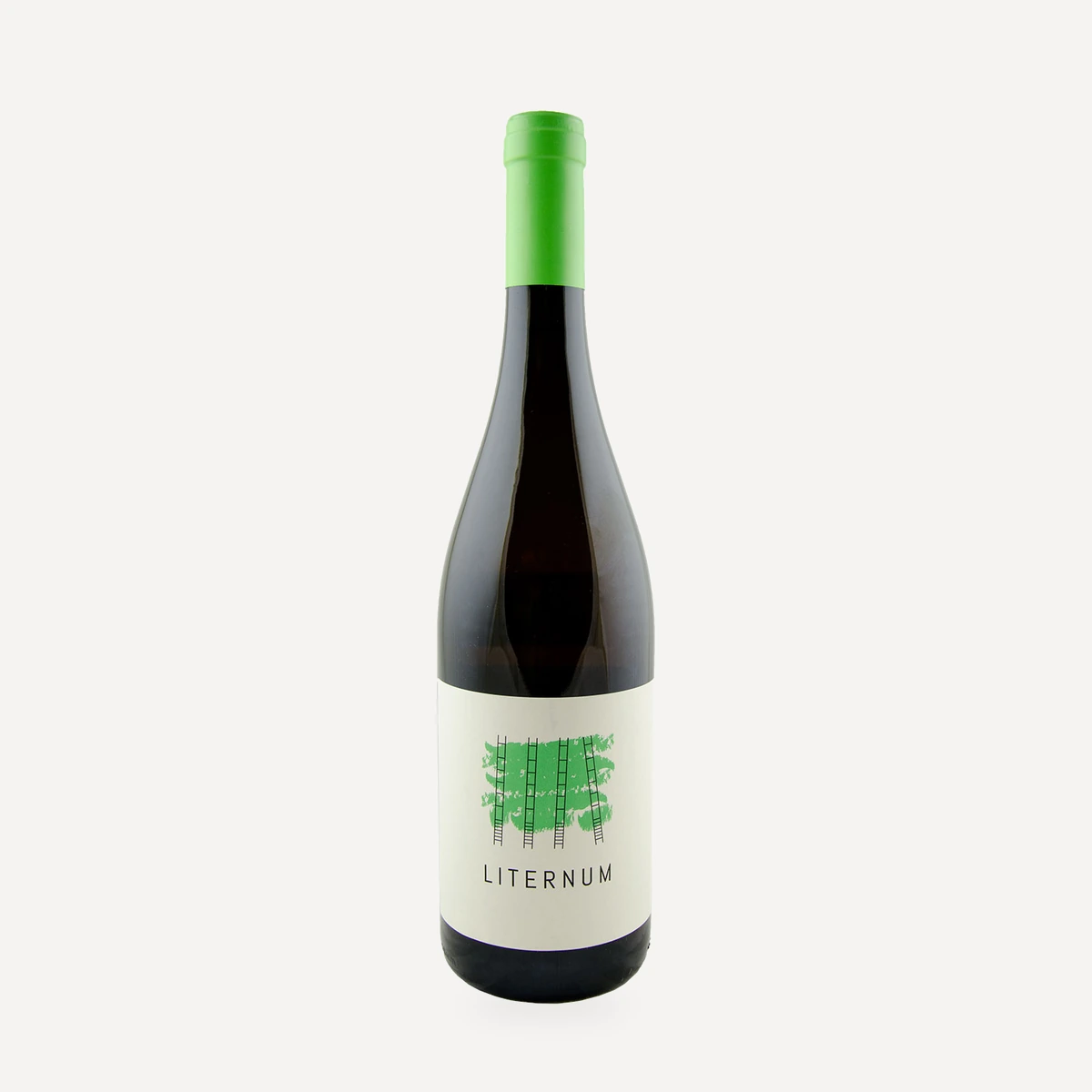
The estate developed three interpretations of Asprinio: the still Liternum, the sparkling Publius and the traditional-method sparkling Divus Caesar. Lucius subsequently joined the named portfolio presented by the estate.
Natural vinification
Consulting oenologist Antonino De Gennaro Aquino works with Raffaele Diana to apply the biodynamic approach professionally and vinify the grapes naturally. Fermentation proceeds without added yeasts, and no processing aids are used. The winery describes its annual cycle as 365 days devoted to the vineyard, 18 days devoted to harvest and 268 days of waiting for the result.
Preservation and hospitality
The project combines the preservation of alberata-trained Asprinio with wine tourism. Visits connect the historic tall vineyards, the tuff cellar and guided tastings, presenting the agricultural landscape and cellar as parts of the same inherited culture.
Terroir
Gaia Felix is based in San Cipriano d’Aversa, in the province of Caserta, within Campania's Agro Aversano. The wider vineyard landscape lies between Caserta and Naples and is defined visually by alberate aversane: immense green walls formed by vines trained high above the ground.
Asprinio is central to this landscape. It is a late-ripening white Campanian grape with elongated bunches, greenish berries and naturally high acidity. Its name is connected to aspro, referring to its tart, fresh character. The variety is suited to both still and sparkling production.
The winery also cultivates Primitivo and Falanghina in the Falerno del Massico area. The cellar environment includes hand-excavated tuff caves where the wines rest.
Vinificazione
Gaia Felix cultivates its agricultural products organically and sustainably and has undertaken a more specific transition towards biodynamic agriculture. The stated aim of this transition is to give greater prominence to the qualities of Asprinio.
The defining vineyard practice is the alberata aversana, also described as vite maritata. Asprinio vines are trained against and “married” to poplar trees, climbing into green walls that may reach 20 metres. The method is associated with a millennia-old tradition attributed to the Etruscans and is now increasingly uncommon. Its continuation preserves both the grape and a body of local agricultural knowledge.
Raffaele Diana personally follows the stages of the annual cycle. The estate characterizes its work as 365 days dedicated to the vineyard and 18 days dedicated to harvest. Primitivo and Falanghina in the Falerno del Massico area are likewise managed with biodynamic methods.
The production programme focuses principally on Asprinio. The grape is made in three forms: Liternum as a still wine, Publius as a sparkling wine and Divus Caesar as a Metodo Classico sparkling wine. Lucius completes the four-label portfolio.
Raffaele Diana works with consulting oenologist Antonino De Gennaro Aquino on a natural approach to vinification. No commercial yeasts are added, and no processing aids are used. The production rhythm is described as including 268 days of waiting after the vineyard and harvest work.
The cellar includes historic tuff walls and hand-excavated caves where the wines rest. Divus Caesar follows the traditional method, while the broader range is intended to retain the freshness, acidity and local identity associated with Asprinio.
Filosofia
Gaia Felix frames its work around the preservation of Asprinio, the alberata aversana landscape and the farming knowledge inherited across generations. Organic and biodynamic methods are intended to make the grape's qualities more expressive while maintaining a close dependence on the surrounding environment.
The estate treats the alberata not simply as a cultivation technique but as a living piece of agricultural architecture and cultural memory. Its approach seeks to connect this inherited system with contemporary natural vinification, including fermentations without added yeasts or processing aids.
Continuous improvement is another stated principle: errors are treated as opportunities to refine the work, while successful results provide the motivation to continue. Patience is presented as essential both in the vineyard and in the tuff caves where the wines rest.
Vini