Storia
Origins in the late 18th century
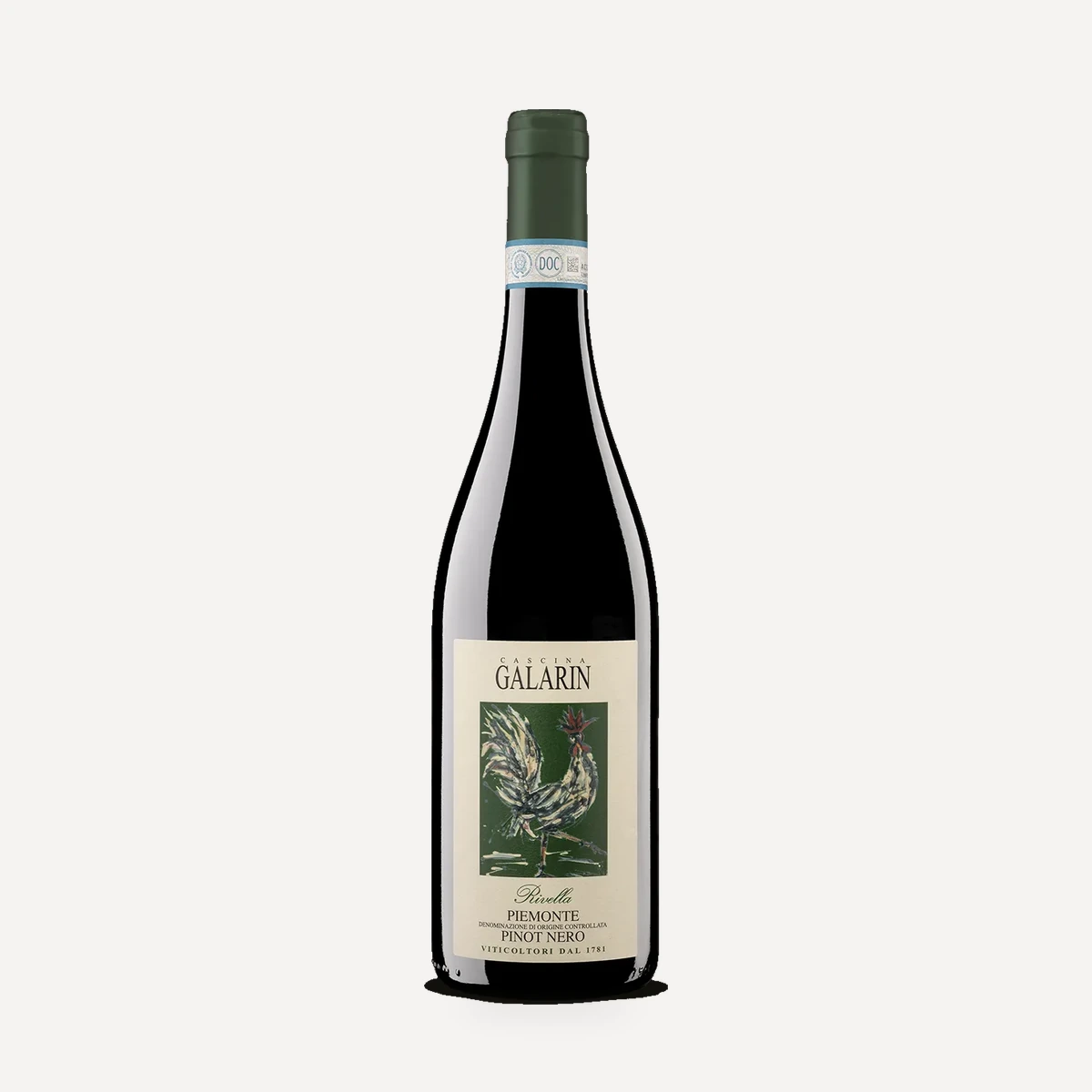
Galarin traces its winegrowing history to 1781. In the late 1700s, the family’s ancestors constructed the property by hand, stone by stone, including part of the underground cellar that remains in use. When building the family home, they fitted it with a solid wooden door carved with a rooster. The door survives, and its rooster supplied the winery’s emblem. The name “Galarin” comes from the family’s longstanding nickname.
Giuseppe Carosso and the transition to estate bottling
Until the late 1980s, the family sold its wine in bulk. Giuseppe Carosso entered the business as an oenologist toward the end of that decade and initiated a significant change in direction. Cascina Galarin began bottling its own wines, introduced more meticulous vineyard management and gave greater attention to the growing cycle. Selection of the best bunches became part of the production approach, while vinification and maturation were reorganized around respect for each grape variety and its terroir.
Hospitality and organic certification
In summer 2006, the property’s former cowshed and hay barn were restored and converted into an agriturismo overlooking the Langhe hills and the Alpine arc, including Monviso.
Galarin obtained organic certification beginning with the 2016 harvest. Its farming approach excludes herbicides and pesticides and encourages diverse spontaneous vegetation between the vine rows.
The family today
Giuseppe now works with his sons Marco and Giovanni Carosso. Together they continue more than two centuries of family activity, tending the family’s land and personally supervising the progression from vineyard work and grape selection through crushing, cellar operations and the packaging of each bottle.
Terroir
Galarin is based in Castagnole delle Lanze, Piemonte, in a landscape described as lying between Langa and Monferrato. Its documented vineyards extend into Monforte d’Alba and Guarene as well as Castagnole delle Lanze.
In Castagnole delle Lanze, vineyard elevations range from approximately 200 to 370 metres above sea level. The prevailing soils are clay-calcareous, although the hilltop Carossi site also contains a significant sandy component. Exposures vary among west, east, southwest and northeast-facing blocks.
The Barolo parcel at Bricco San Pietro occupies the southern part of the Barolo zone in Monforte d’Alba. It lies at approximately 350 metres, faces west to southwest and contains Sant’Agata marls together with areas where Tortonian-age material predominates.
The Arneis vineyards in Guarene stand at approximately 250 metres, face east and have calcareous-sandy soils.
The agriturismo looks across the Langhe hills toward the Alpine arc, with Monviso prominent on the horizon. The family treats variations in soil, weather, solar orientation and topography as factors that shape the behaviour and expression of each vine.
Vinificazione
Galarin has been certified organic since the 2016 harvest. The family does not use herbicides or pesticides in either its vineyards or hazelnut groves.
Spontaneous vegetation is regarded as part of the vineyard ecosystem. In some vineyards, the grass between the vines is not mown, allowing numerous herbaceous species to grow among the rows and coexist with the vines.
Old vines are central to the family’s approach to terroir. Their deep root systems are valued for stability, resistance to disease and weather, and their ability to draw minerals from deeper soil layers. The family normally avoids green harvesting because it considers mature vines capable of reaching their own productive equilibrium. Individual old vines may carry only one bunch in some seasons and may produce no fruit at all in certain years.
Harvest work includes careful manual selection of bunches. The family regards vineyard quality as the foundation of wine quality and treats each vine as an individual whose development must be interpreted and accompanied over time.
Part of the underground cellar built by the family’s ancestors in the late 18th century remains in use. Wines requiring further bottle maturation are held in this old subterranean space.
Giuseppe, Marco and Giovanni Carosso personally follow production from bunch selection and initial crushing through cellar work and final packaging. The winery also bottles its own production.
Cellar equipment documented across the range includes stainless-steel tanks, concrete vessels, small wooden fermenters, French-oak barriques, tonneaux and larger oak casks. Depending on the lot, cellar work may involve destemming or whole-bunch processing, gentle pressing, skin contact, controlled-temperature fermentation, gentle pump-overs, daily punch-downs, submerged- or emerged-cap maceration, malolactic fermentation and maturation on fine lees. Natural settling is used for some wines, and lees ageing may be accompanied by bâtonnage.
Sulfur is kept to the lowest level the family considers possible. Bottling traditionally takes place during the waning moon. Several cellar-aged wines are bottled without filtration, and some also avoid clarification; the resulting wines may develop a natural sediment.
Filosofia
The Carosso family regards every vine as an individual. Differences in soil, weather, sunlight and topography are interpreted at vine level, with vineyard work intended to accompany each plant toward the fullest possible expression of its site.
Nature is allowed a substantial role in determining production. Spontaneous grasses are encouraged, some vineyard floors are left unmown, and mature vines are generally not subjected to green harvesting. The family considers old vines particularly important because their deep roots and established productive balance can express the character of a site more clearly.
This approach continues in the cellar through close family supervision, limited sulfur use and the traditional practice of bottling during the waning moon. The stated objective is to make wine as a direct expression of the land, family labour, ideas and passion while preserving a tradition extending for more than two centuries.
Vini
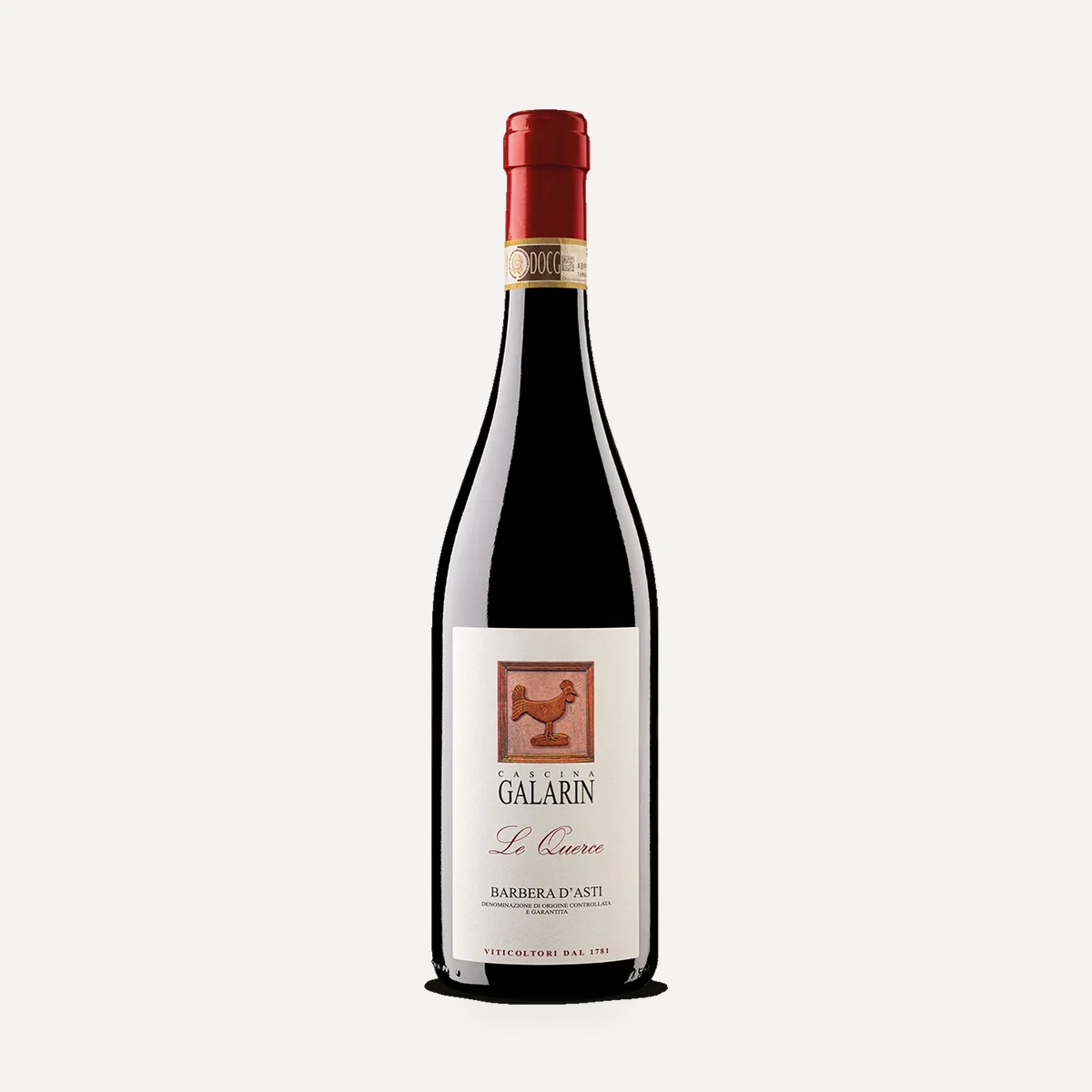
Barbera d'Asti DOCG Le Querce
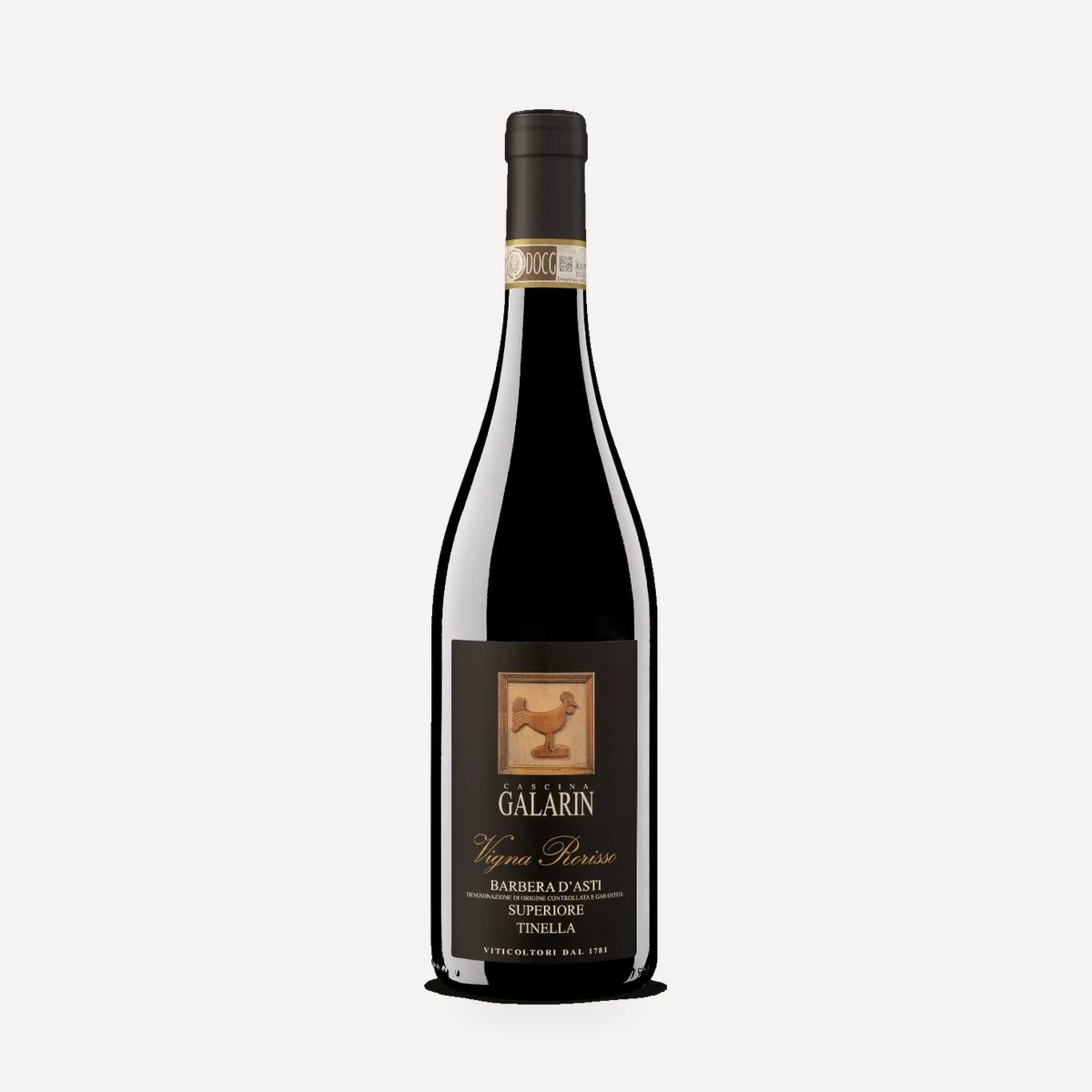
Barbera d'Asti DOCG Superiore Tinella
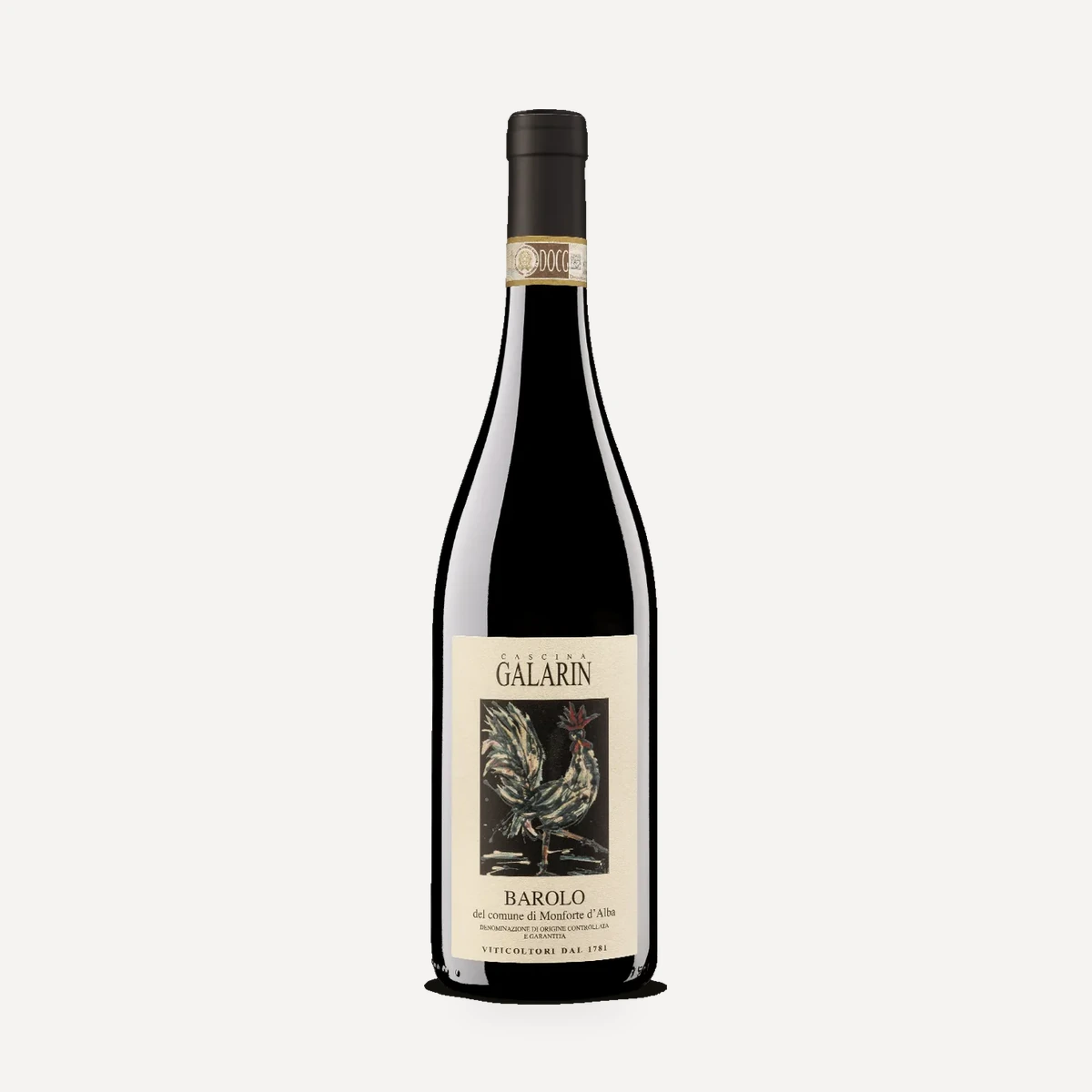
Barolo DOCG del comune di Monforte d’Alba
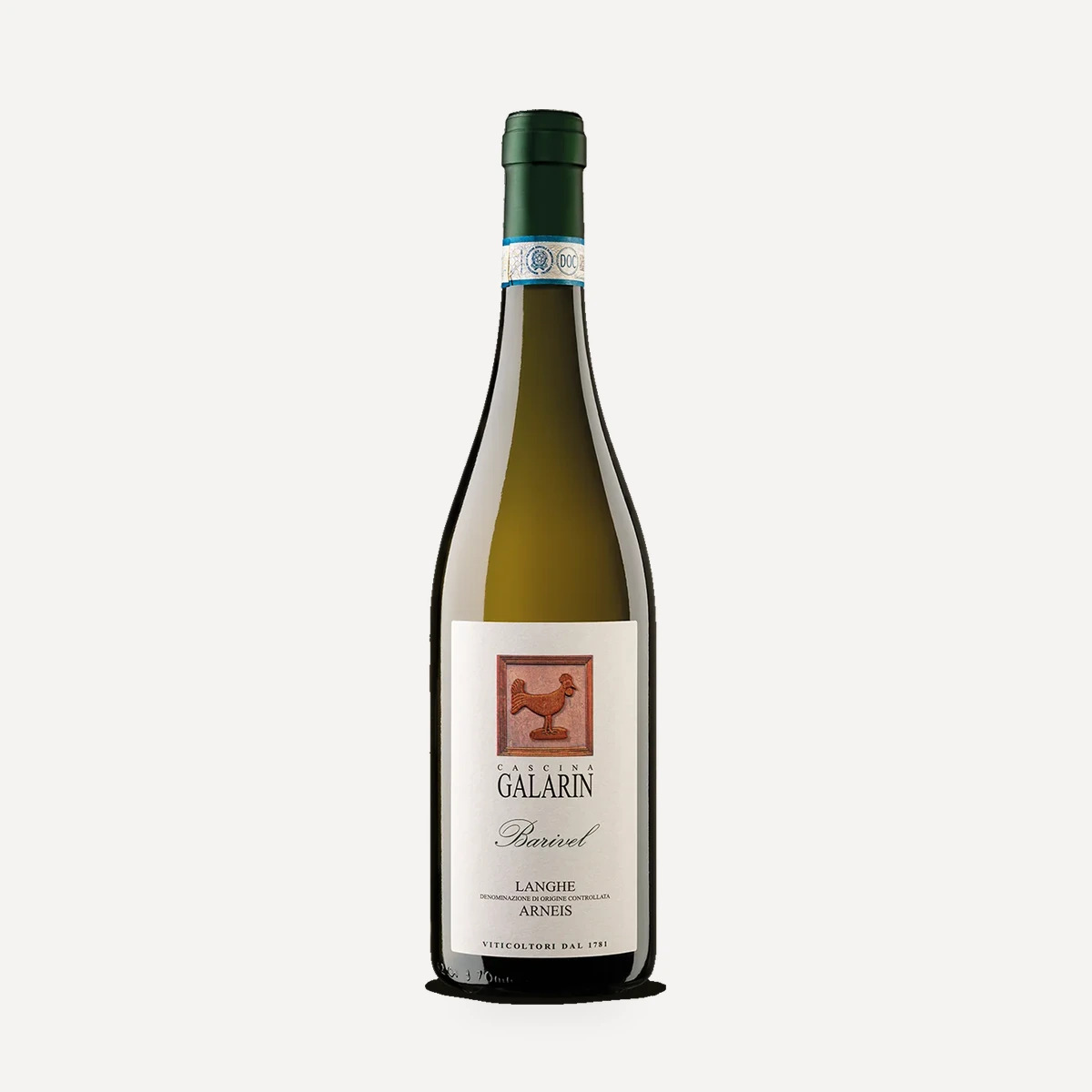
Langhe DOC Arneis Barivel
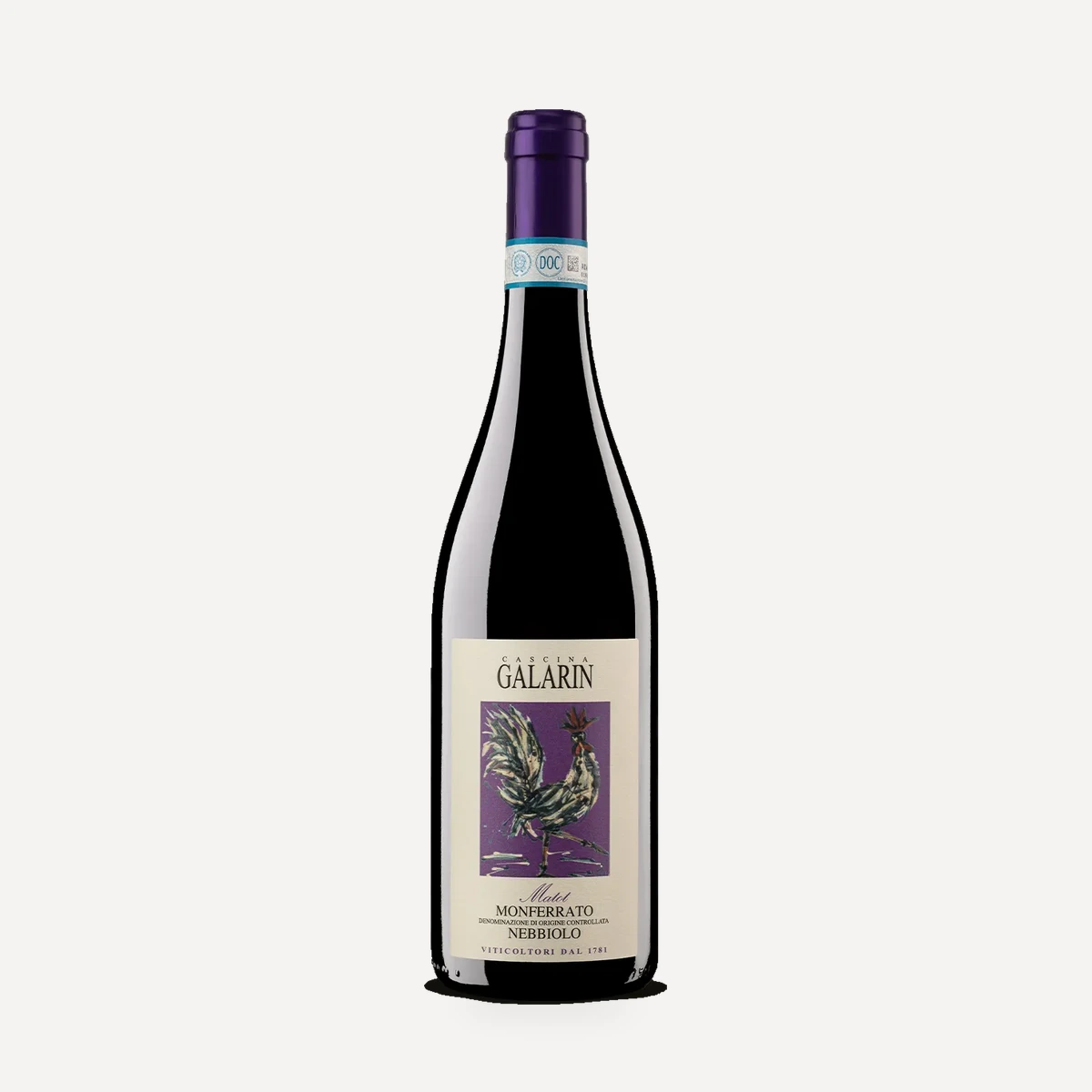
Monferrato DOC Nebbiolo Matot
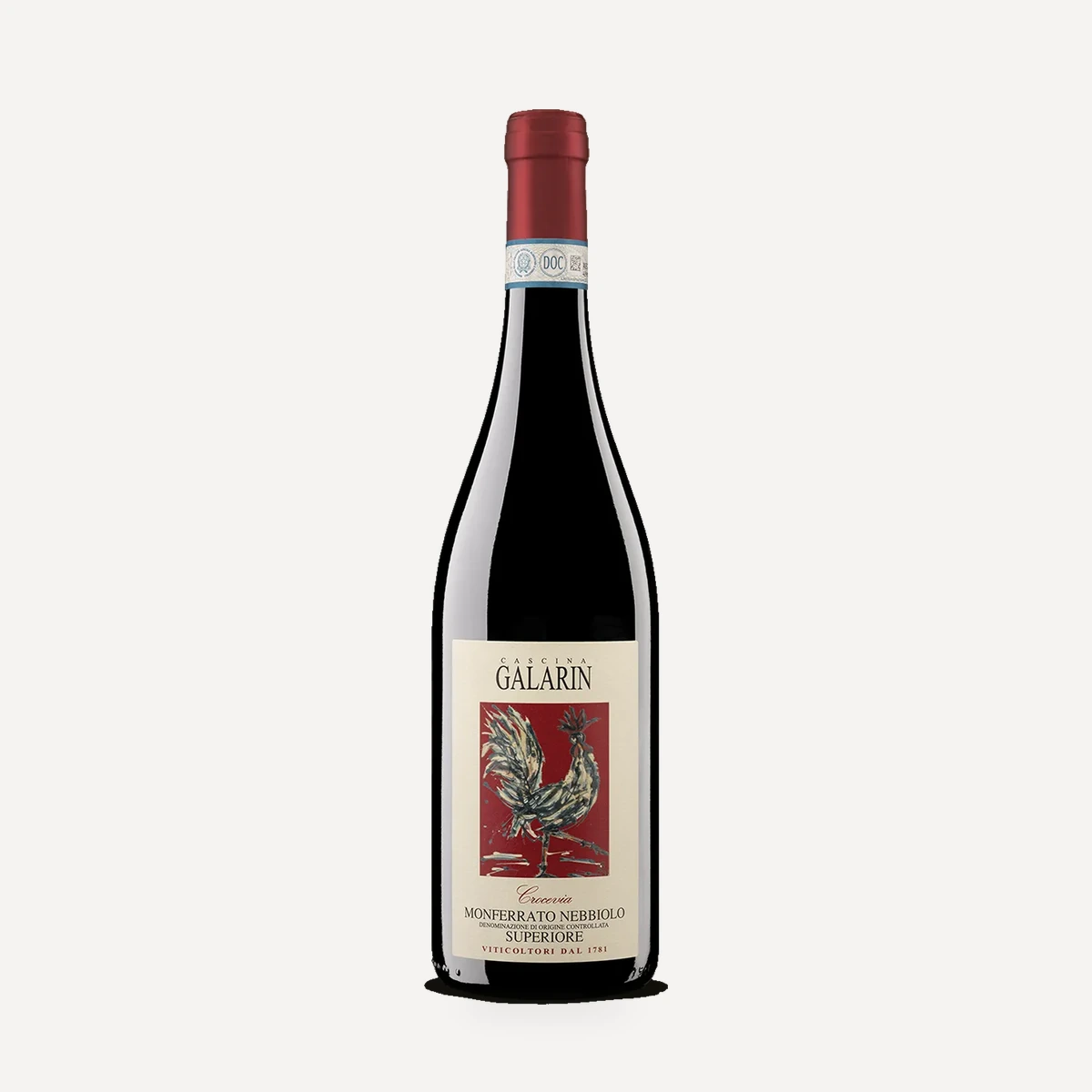
Monferrato DOC Nebbiolo Superiore Crocevia
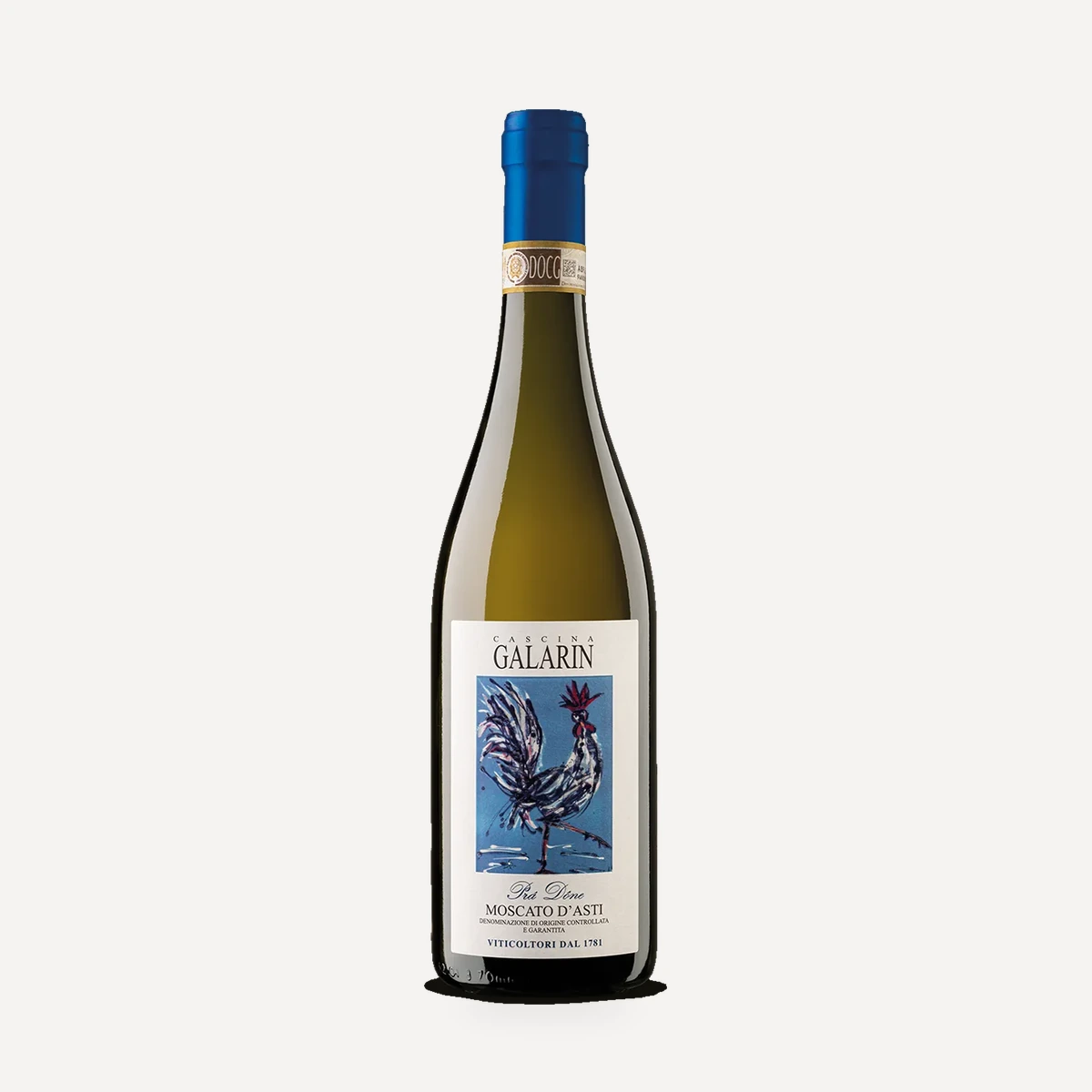
Moscato d'Asti DOCG Prà Dône
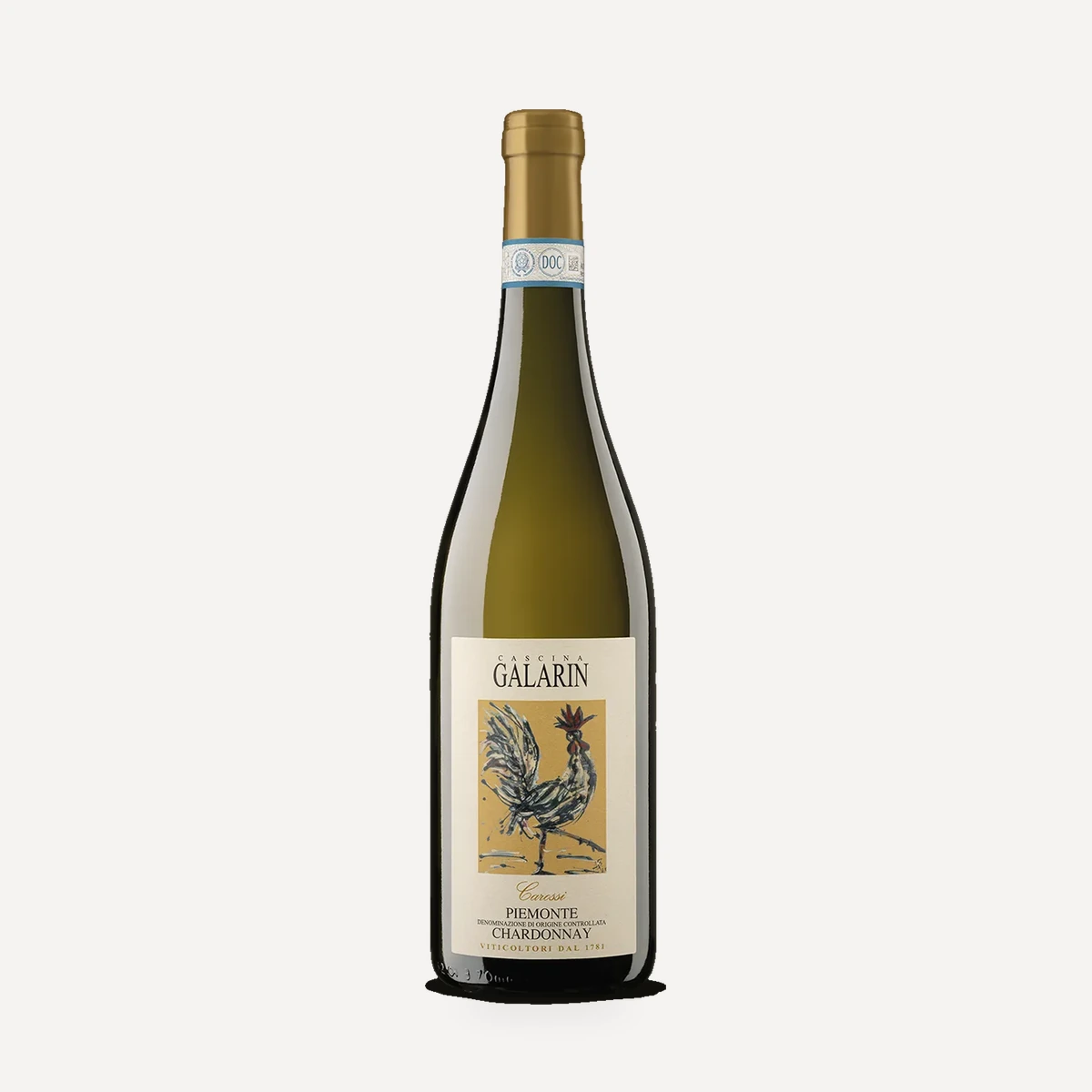
Piemonte DOC Chardonnay Carossi
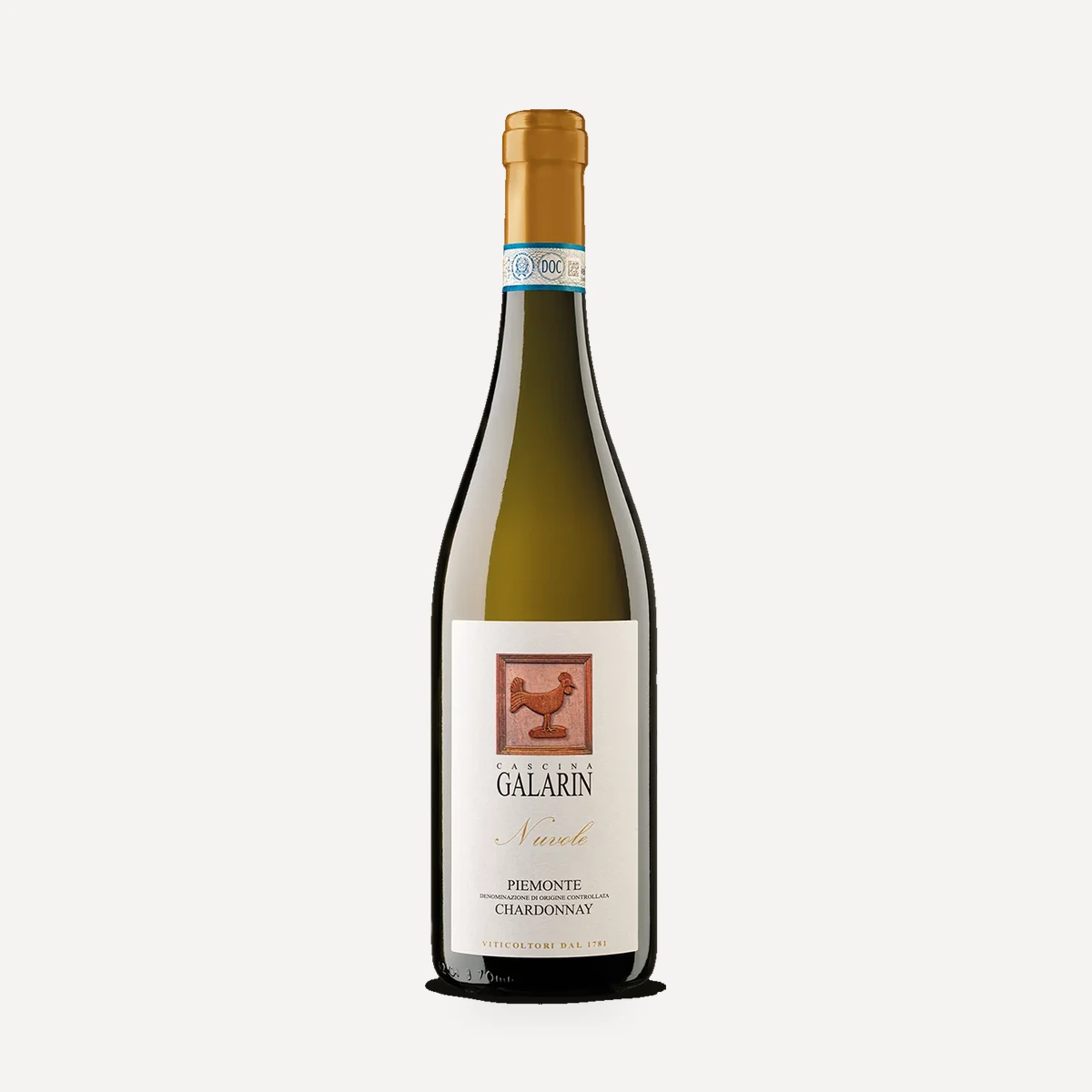
Piemonte DOC Chardonnay Nuvole