Storia
Origins in 1994
Garbole began with an idea formed in 1994 by the brothers Filippo and Ettore Finetto. Both founders entered wine as self-taught outsiders, leaving their previous lives to devote themselves to agriculture and wine production. Their stated ambition was to make wine in an individual, uncompromising way, with personal improvement, creative independence and direct responsibility for every detail at the centre of the project.
The winery took its name from Garbole, a locality in the municipality of Tregnago where its vineyards and original cellar were situated. The founders developed the business as a family agricultural company and described it as a boutique winery rather than a conventional producer.
Recovery of native vines
Over a succession of years, Garbole recovered old native Veronese vines considered at risk of disappearance and replanted them progressively. This work created the varied local-grape base behind Hurlo. One recovered variety remained unidentified despite attempts to establish its identity. Hurlo was subsequently presented as the culmination of two decades of thought and a much longer, 130-year historical inheritance embodied in its raw material and conception; this is not presented as the foundation date of the winery.
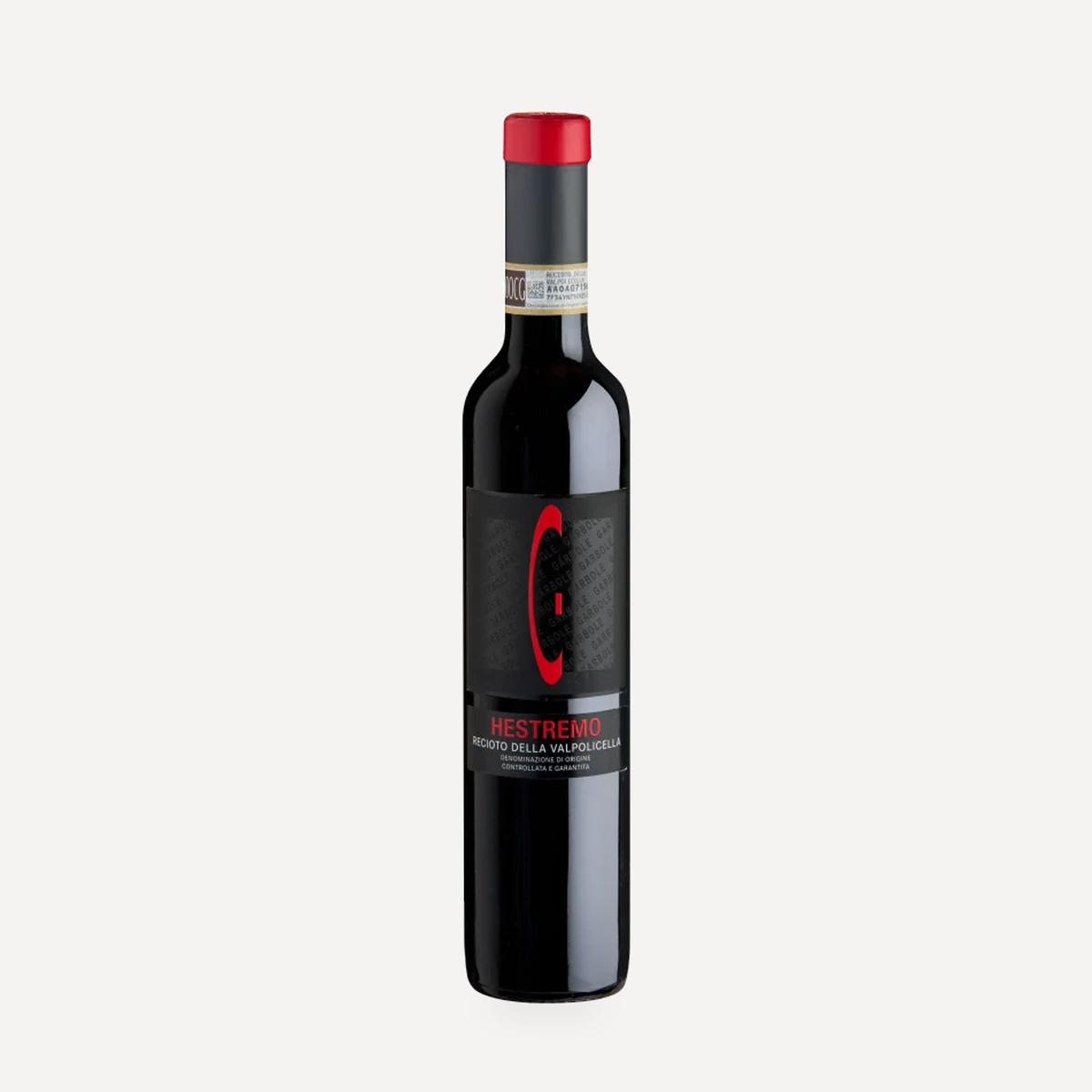
The project expanded into four named expressions: Heletto, Hatteso, Hestremo and Hurlo. Heletto and Hurlo gave the founders room to work under Rosso Veneto I.G.P., outside the constraints they associated with more prescriptive production rules. Hatteso represented Amarone della Valpolicella Riserva, while Hestremo represented Recioto della Valpolicella.
The abandoned 2014 harvest
Garbole rejected the entire 2014 vintage. No Valpolicella, Amarone, Recioto, Heletto or Hurlo carrying the 2014 vintage was produced. The brothers concluded that the season had not provided the minimum conditions required for wines meeting their standards. Although technological and biotechnological intervention could have made production possible, they judged that route inconsistent with their philosophy of authenticity and vineyard-led production.
The decision imposed a substantial economic and financial cost. The founders acknowledged that their skills and work had not been sufficient to overcome an unfamiliar and exceptional season, treated the experience as a lesson and intended to use it to improve their preparedness for future vintages.
Rossofilo and the Garbole community
Alongside wine production, Garbole created Rossofilo as a multicultural programme joining knowledge, taste, art, culture and human relationships. Rossofilo events were conceived as stages in a broader personal journey rather than conventional promotional tastings. The related Garbole Lover community gave supporters access to reserved initiatives, the Garbole Lover LAB and priority for future releases, particularly Hurlo.
Commercial and public developments
Garbole participated for the first time in the Merano Wine Festival on 9–11 November 2019, presenting Heletto 2010, Hatteso 2010, Hestremo 2011 and Hurlo 2009. A dedicated online shop was promoted in 2020, alongside a reservation and waiting-list system for Hurlo.
A later relocation established a new headquarters and direct-sales point at Via Ceriani 31, San Zeno di Colognola ai Colli. Visits, tastings and direct purchases are organised there by appointment.
Agricultural modernisation
A project recorded in January 2025 supports the modernisation of agricultural machinery for precision-farming techniques and innovation in irrigation and water management. The beneficiary is Garbole di Finetto Ettore & Filippo Società Agricola, under Italy’s PNRR M2C1 Investment 2.3 and NextGenerationEU funding framework.
Terroir
Garbole’s vineyards are in the locality of Garbole in the municipality of Tregnago, within Valle d’Illasi in the province of Verona. The estate’s original cellar was also located there. The setting is described as lying between Soave and Valpolicella.
The hillside vineyards represented in the estate’s technical material stand at approximately 300–450 metres above sea level. Their aspects range from south-west to south-east. The documented plantings date from 1969 to 2001.
The identity of the vineyards is closely linked to native Veronese grapes. Garbole recovered and progressively replanted old local vines that were considered at risk of extinction. This work produced a broad field of native material, including one variety that remained unidentified.
Vinificazione
The vineyards use simple Guyot training on trunks approximately 70–80 cm high. Each fruiting cane carries around 8–10 buds, at a documented density of 4,500–5,500 vines per hectare. The stated yield is 60 quintals per hectare, with approximately 1.5 kg of fruit per vine.
Harvesting is entirely manual. It begins around mid-September and continues for approximately 35–40 days. Picking takes place in several passes according to grape maturity, with careful selection of the best bunches.
A defining viticultural project has been the recovery of old native Veronese vines threatened with disappearance. The material was replanted gradually, year after year, increasing the diversity of the estate’s grape base. One recovered variety has remained unidentified.
The agricultural company is also modernising machinery to introduce precision-agriculture techniques and improve irrigation and water management through a project under PNRR M2C1 Investment 2.3 and NextGenerationEU.
Harvested bunches intended for dried-grape production are placed in small wooden crates holding approximately 4–5 kg and transferred to the drying loft. Drying periods documented across the range extend from about 20–30 days to 120–150 days, depending on the intended wine. The longest drying regime produces an approximate 40% loss of grape weight, while another documented regime produces a loss of roughly 50–60% through natural concentration.
After drying, the grapes are destemmed and crushed. Fermentation takes place in stainless-steel tanks under controlled temperatures. The documented maturation protocol uses new wooden barrels for 36 months, followed by at least one additional year in bottle.
Garbole rejects Valpolicella Ripasso as a production technique and no longer makes Valpolicella Superiore. The founders frame production as the consequence of work in the vineyard rather than an exercise in corrective cellar technology. This position led them to abandon the entire 2014 vintage instead of relying on technological or biotechnological intervention to compensate for the season.
Filosofia
Garbole calls its approach the “Winess Philosophy.” The founders present wine not as an end product but as a means of expression: a way to communicate ideas and values, bring people together and recover personal and territorial identity. Agriculture is treated as a discipline for self-improvement, while the cellar is imagined as a setting for holistic experience rather than merely a production building.
The central values are essence, authenticity, individuality, freedom, creative independence and innovation. The brothers describe themselves as self-taught outsiders whose autonomy allows them to follow their own direction and remain responsible for their reputation. Their maxim is not to be better, but to be different.
Tradition forms a foundation rather than a constraint. Garbole aims to combine inherited skills with experimentation and technical progress, using the past as a platform for unexplored forms of expression. The desired aesthetic is restrained and essential, giving priority to substance over appearance and reality over illusion.
People and human relationships take precedence over the product. The philosophy places people before wine, value before price and wine before its label. Ethical values, personal wellbeing and the development of the individual are treated as prerequisites for sustainability and excellence.
Creative freedom also governs the use of appellations and production rules. Garbole seeks room to make wines under its own name without constraints it considers incompatible with the project. It rejects Valpolicella Ripasso, no longer produces Valpolicella Superiore and presents Hurlo as a “meta-wine” that cannot be contained by a conventional technical sheet or prescriptive category.
The refusal to make any 2014 wine is the clearest practical expression of this position. Garbole accepted the economic loss rather than use available technological interventions to manufacture a result that the founders considered inauthentic. Its guiding temporal formula is: learn from the past, live in the present and dream the future.
Vini
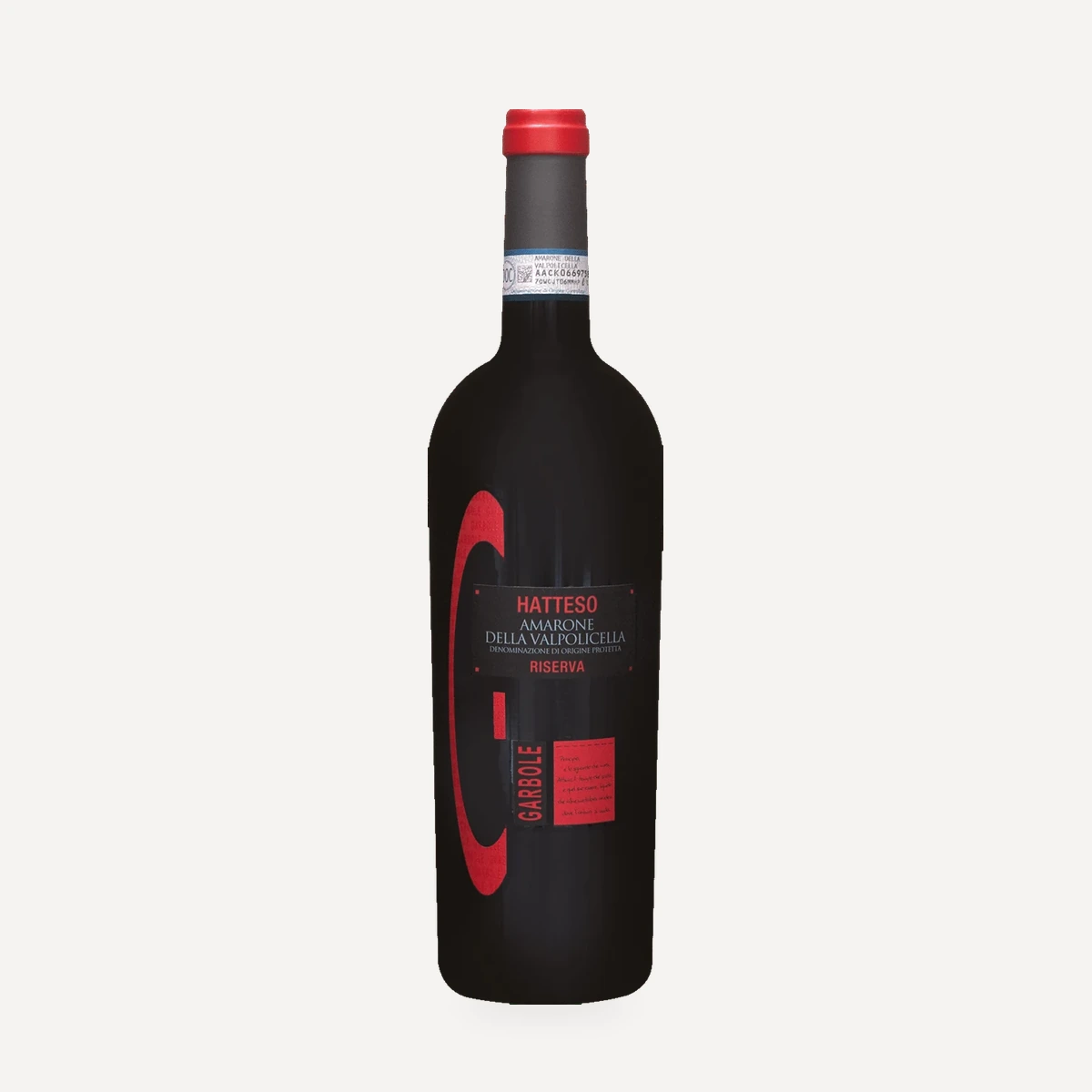
Hatteso Amarone della Valpolicella Riserva D.O.C.G.
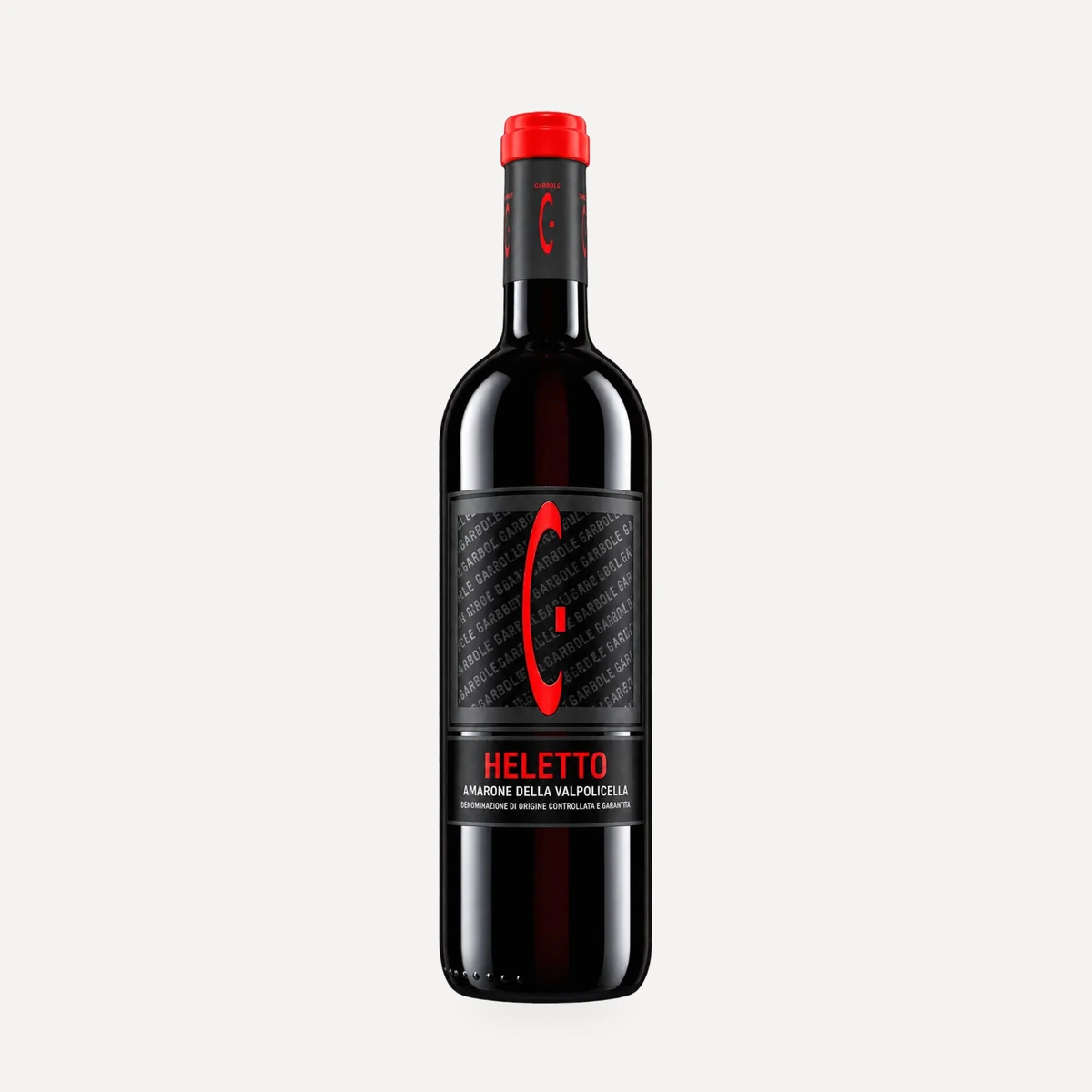
Heletto IGT Rosso Veneto