Storia
Nineteenth-century roots
Generaj takes its name from the old family nickname associated with an ancestor known as the “General.” Born in 1817, he grew up at Borgata Tucci 4 in Montà, the same location occupied by the winery today. Despite the nickname, he was not a military officer. He was an influential figure in the local community and served as a municipal conciliator.
Viticulture was already the family’s principal agricultural activity, accompanied by cereal cultivation and cattle raising. Surviving family records include period account books and notarized documents relating to parcels that remain in the estate. The values associated with this early period—attachment to the land, seriousness, ambition and dedication—became part of the family’s account of its identity.
Giuseppe “Pinòtu” Viglione
Giuseppe Viglione, universally known as Pinòtu, was born in 1923. As a child he divided his time between school and demanding vineyard work, then performed entirely by hand, helping to support a large family.
He was called to military service in 1943, interned in Germany, taken prisoner and assigned to forced labour in a foundry. He returned home in 1946 and resumed work immediately, accompanied by his wife Lucia, known as Lüsiota.
During these years the family vinified local varieties including Nebbiolo, Arneis, Barbera, Brachetto and Bonarda. Most production was sold to wholesale merchants in the spring following harvest, providing the family’s primary income.
A decisive change came in 1947, when the regular merchant did not collect the entire production and left behind a cask of Brachetto. Because the aromatic wine was difficult to pair with the foods customarily served at the time, Pinòtu travelled to Carmagnola. With a cousin’s assistance, he offered it to the proprietor of the Albergo dell’Angelo, who purchased it. The resulting commercial relationship continued for many years. The hotel’s clientele, composed largely of local businessmen and other prosperous patrons, gradually began visiting the farm directly to taste and order wines, which Pinòtu subsequently delivered.
Gian Paolo and the expansion of the vineyards
In 1978 Pinòtu’s son Gian Paolo joined him in managing the estate, with the wider family continuing to participate in its work. Over the following years, vines progressively replaced cereals and wheat on the hillsides. The family also acquired parcels in the areas it considered best suited to viticulture. These developments created the present 22-hectare property, including 12 hectares of vineyards.
Giuseppe “Beppe” Viglione
Gian Paolo’s son Giuseppe, known as Beppe, entered the business during the 1990s after completing military service. He initially worked in the countryside and handled deliveries. In 2010 he became the proprietor of Azienda Agricola Generaj.
Under Beppe, the cellar has continued to develop around authenticity, environmental respect, precision and the preservation of the family’s history. His wife Silvia shares in the family enterprise. Their daughters Alessia and Cecilia represent its eighth generation. Alessia’s studies are in business administration, while Cecilia’s are in viticulture and oenology; both are expected to join the estate after completing their education.
Twenty-first-century developments
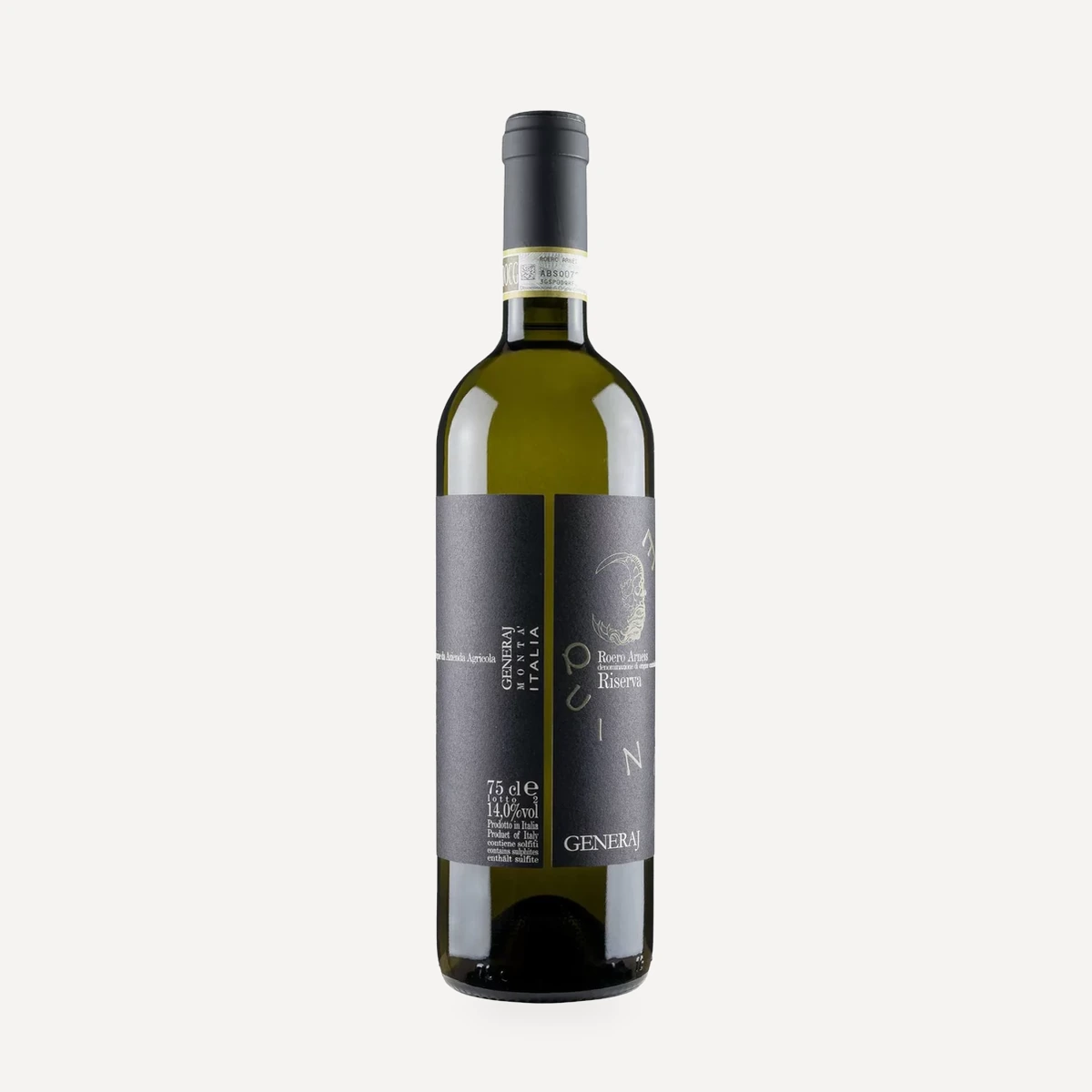
Quindicilune was first produced in 2002. Its name referred to the fifteen lunar phases that originally elapsed between harvest and release.
Generaj joined the Sistema di Qualità Nazionale Produzione Integrata, or SQNPI, in 2023. The estate currently comprises 22 hectares, including 12 hectares of vines, and produces approximately 75,000 bottles under 14 labels, with further labels planned. Half of its production volume is exported.
Terroir
Generaj’s cellar and 12 hectares of vineyards are in Montà, at the northern edge of Roero and north of Alba on the left bank of the Tanaro. Montà is one of the nineteen communes included in the Roero DOCG area.
Roero’s geological formations emerged later than those of the Langhe. Its marl-and-sand soils are sandy and mineral-rich, with varying proportions of clay and limestone. At Montà, the estate encounters a particularly varied mosaic: red sand, limestone clods and, in places, mixed gravelly soils. Individual vineyard descriptions further distinguish sandy-calcareous ground from sandy soils containing small proportions of silt and clay.
The wider landscape is marked by the Rocche, deep clefts whose elevation differences can extend to hundreds of metres. Erosion of the sandy hillsides has formed pinnacles and natural amphitheatres. Altitude and solar exposure are treated as decisive components of each vineyard’s microclimate. The individually documented sites generally lie between 330 and 350 metres above sea level, with several at 350 metres.
Vinificazione
Generaj has discontinued chemical herbicides and follows certified eco-sustainable, environmentally compatible farming. Since 2023 it has participated in SQNPI, the Sistema di Qualità Nazionale Produzione Integrata. This nationally recognized integrated-production discipline combines agricultural and crop-protection methods intended to reduce synthetic chemical inputs and rationalize fertilization while accounting for ecological, economic and toxicological principles.
The vineyards are maintained as living environments rich in flowers, earthworms and other organisms considered important to vine health. Vineyard work is presented as the estate’s principal day-to-day activity and as requiring sustained labour and precision.
Individual sites are generally planted at 5,000 vines per hectare and trained on vertical trellises; Guyot is specified for some selections. Harvesting is manual. Depending on variety and intended style, picking extends from mid-to-late August through mid-October. Bragat Rosa destined for dried-grape production is collected in trays and naturally dried for two months.
Production combines temperature-controlled technology with a range of traditional cellar vessels and techniques.
White and sparkling base wines are softly pressed and undergo alcoholic fermentation in temperature-controlled tanks protected from oxygen. Some Arneis remains in stainless steel with periodic bâtonnage, while other lots combine stainless steel with tonneaux or receive extended stainless-steel and bottle maturation.
Rosé production includes a brief two-to-three-hour skin contact followed by separation from the skins and alcoholic fermentation. Red and mixed-variety wines receive macerations ranging from five to twelve days. Délestage and punch-downs are used frequently during extraction.
Maturation vessels include stainless steel, vitrified cement, barriques and tonneaux. Depending on the intended style, cement ageing ranges from three to twelve months, while selected reds spend 18–30 months in barriques and tonneaux before a further period in stainless steel. Some wines also receive dedicated bottle ageing before release.
Traditional-method sparkling wines are bottled in May for secondary fermentation at 12°C and mature on their lees for at least 30, 36 or 60 months. The lightly sparkling Bonarda undergoes secondary fermentation by the Charmat method in stainless steel. Bragat Rosa is naturally dried for two months before a five-to-six-day maceration and 12 months in stainless steel.
Vermouth production begins with equal proportions of Nebbiolo, Barbera and Arneis. Sugar and alcohol are added, followed by a two-month infusion with herbs, spices, flowers and fruit. Artemisia absinthium is one of the defining botanicals; the complete recipe remains a family secret.
Filosofia
Generaj defines its work through continuity between family, land and cellar. Its central values are authenticity, respect for the environment, seriousness, ambition, dedication and precision. The memory of the ancestor known as the General provides a historical reference point, while each generation is expected to improve the estate rather than treat tradition as static.
Vineyard care is placed at the centre of the enterprise. Altitude, exposure and soil variation are used to match particular sites with particular expressions, and vineyard names appear on labels when a site has been selected for characteristics considered especially suitable.
Environmental responsibility is expressed through the abandonment of chemical herbicides, participation in SQNPI and the preservation of biologically active vineyards. The family also maintains a connection to older local practices, including the mixed planting retained for Lüsiota, while using temperature control, oxygen protection and multiple maturation vessels in the cellar.
The transition toward Alessia and Cecilia is framed as the continuation of a family enterprise handed from parent to child, with business administration, viticulture and oenology providing complementary preparation for the eighth generation.
Vini
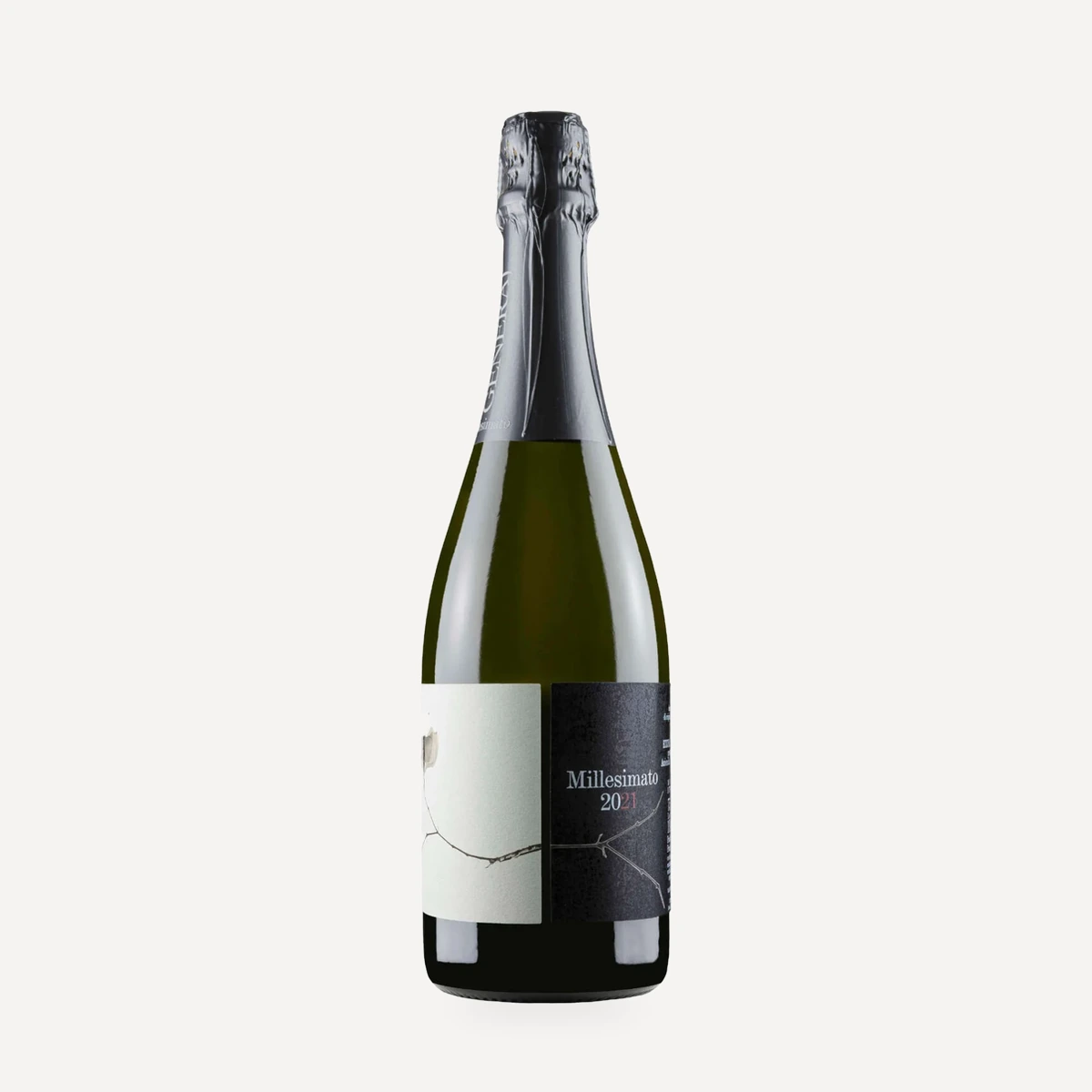
Alta Langa Millesimato Metodo Classico
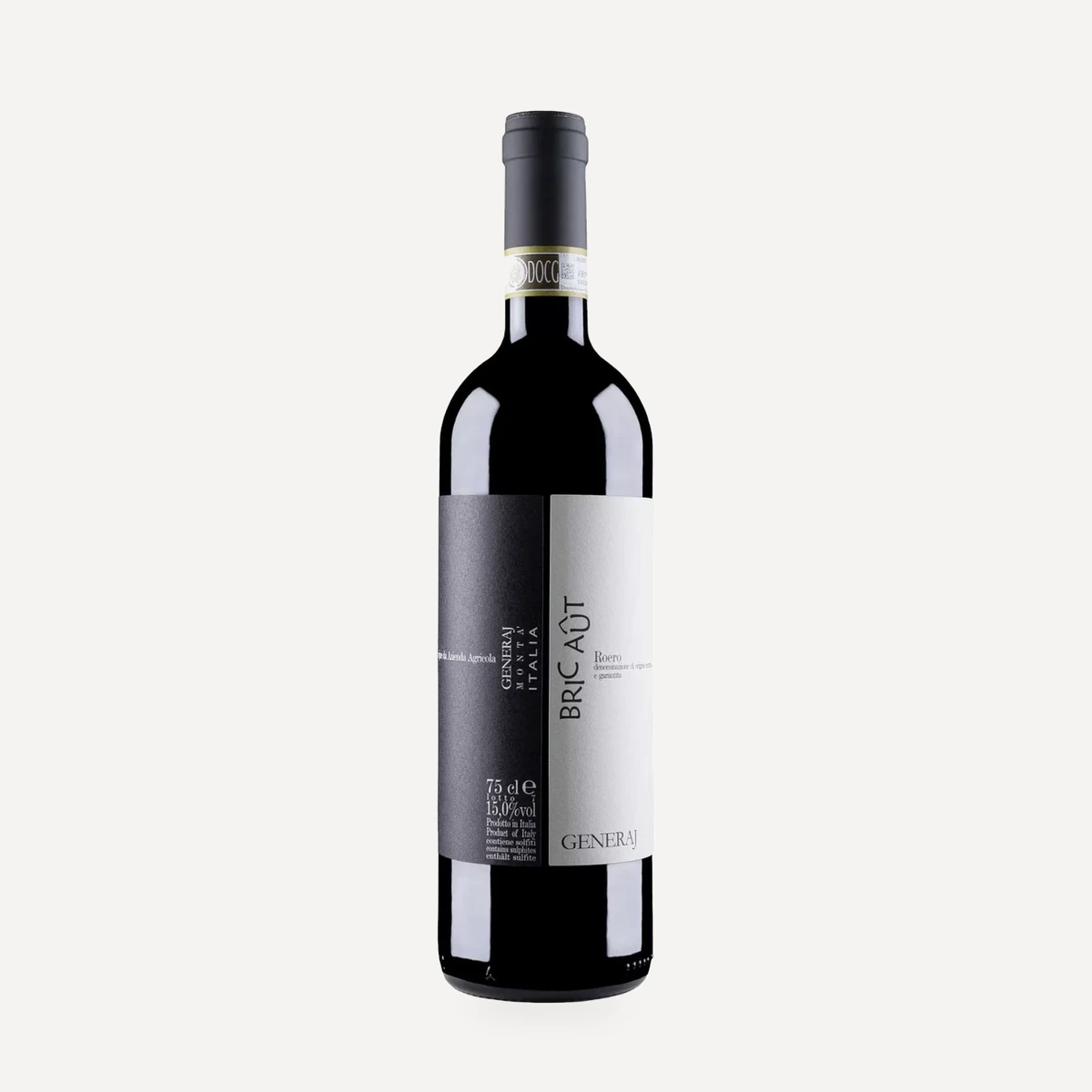
Bric Aût Roero
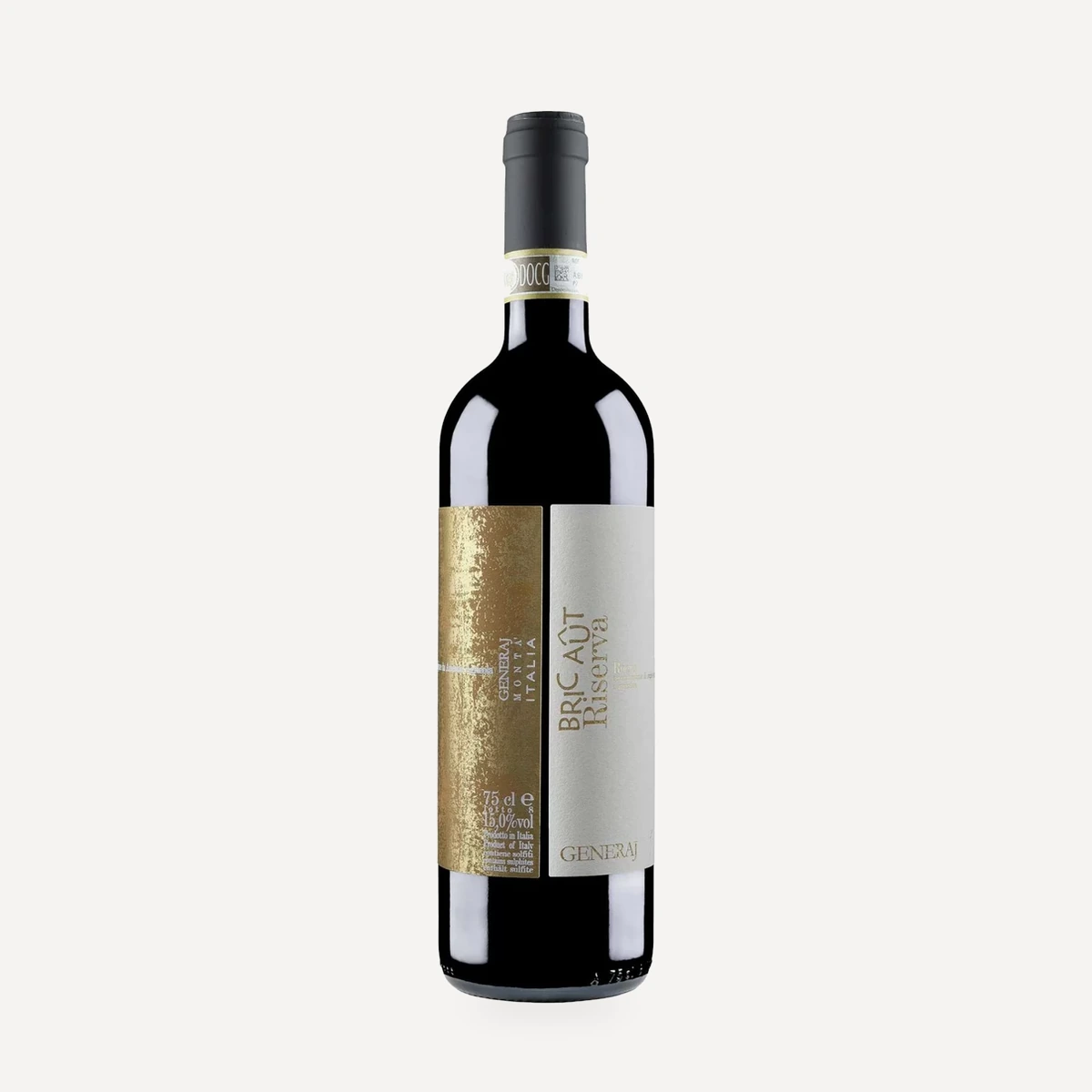
Bric Aût Roero Riserva
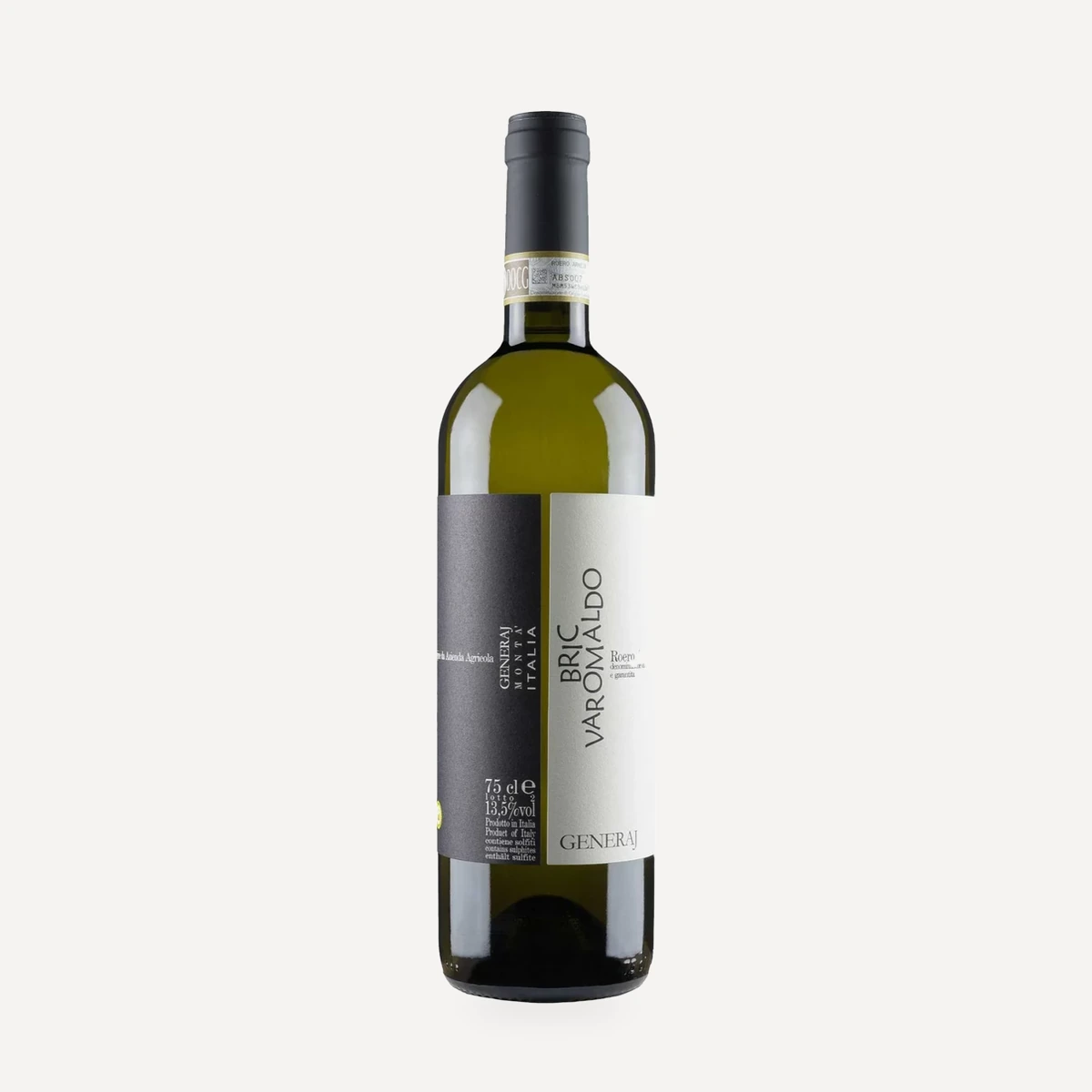
Bric Varomaldo Roero Arneis
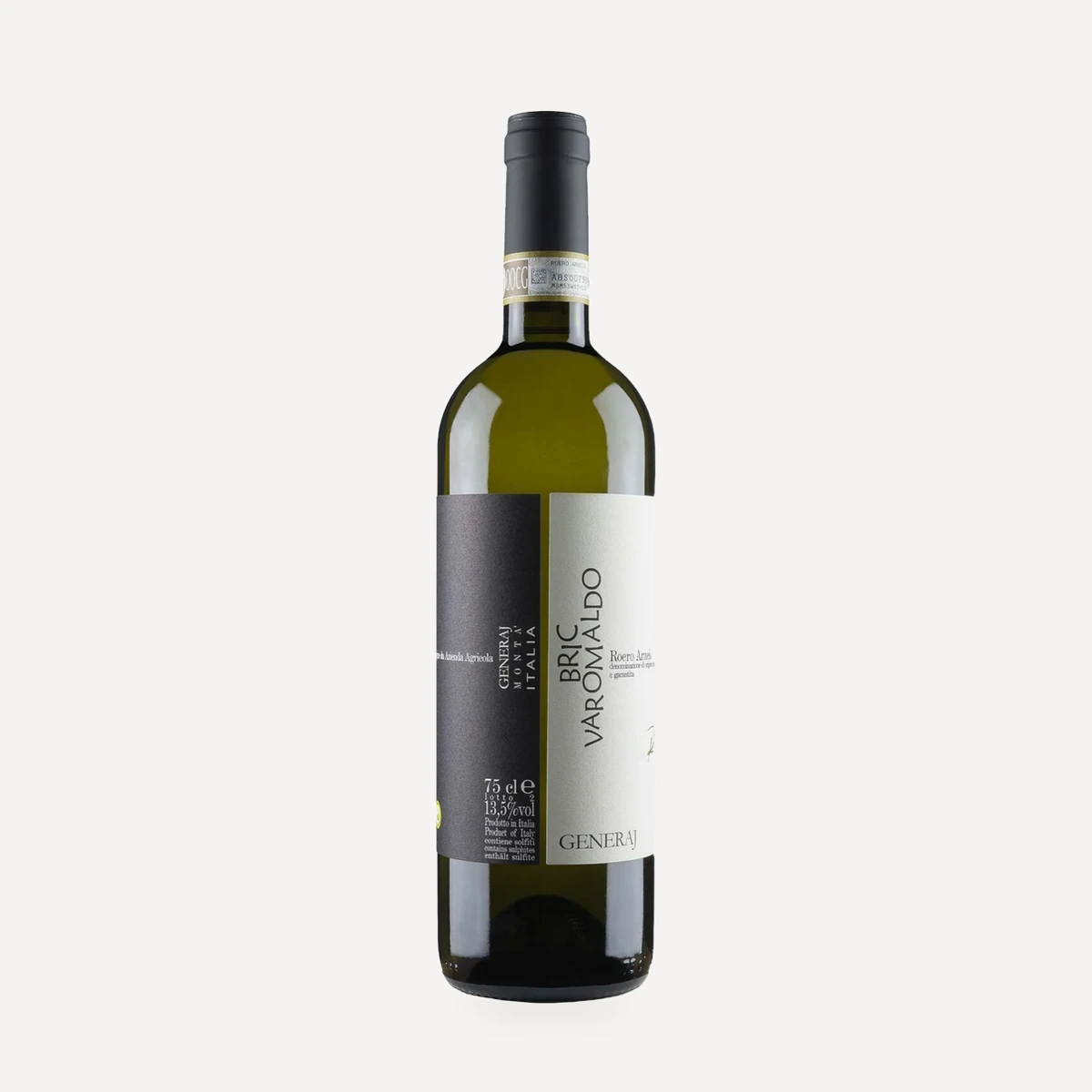
Bric Varomaldo Roero Arneis Riserva
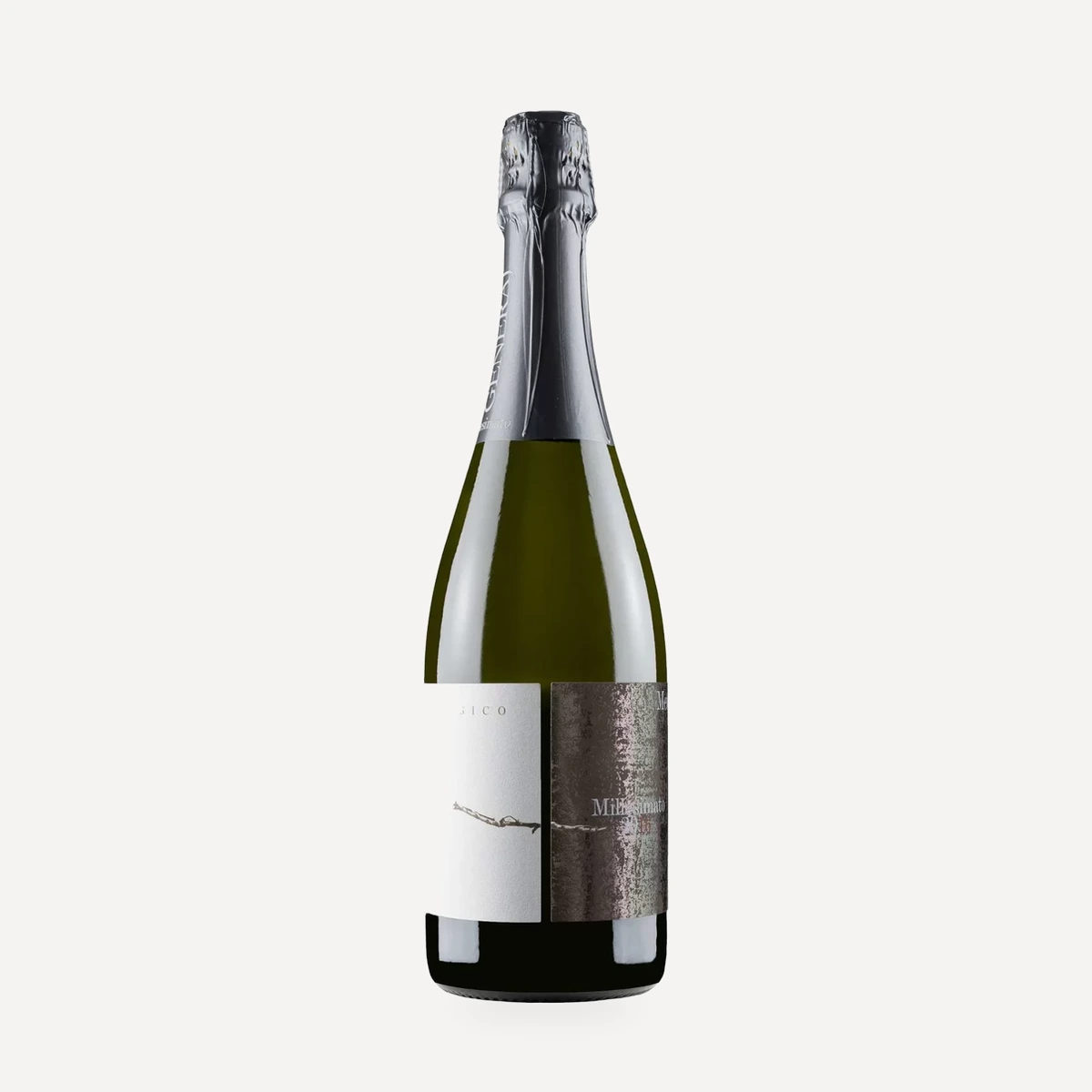
Brut Millesimato Metodo Classico
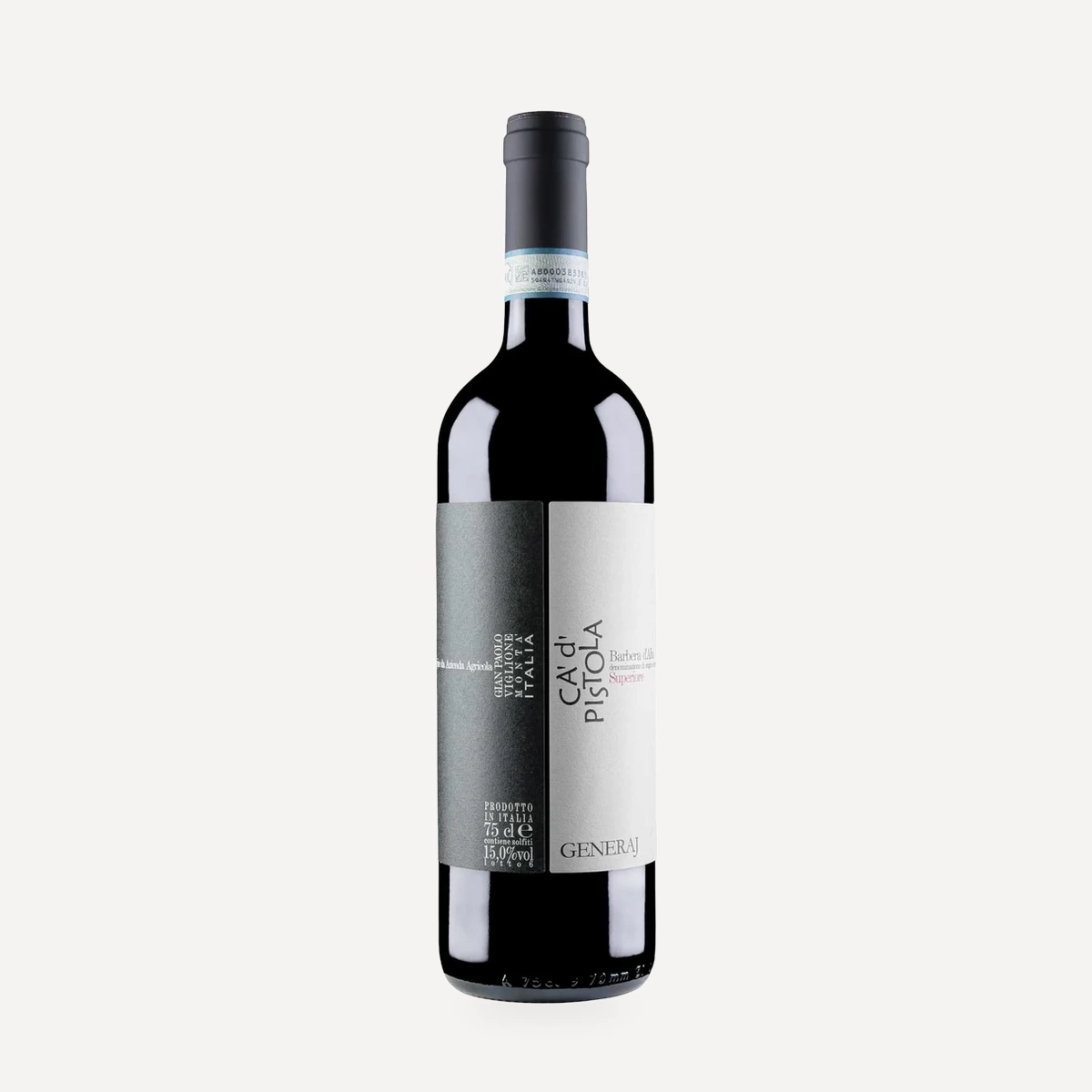
Ca’d’Pistola Barbera d’Alba Superiore
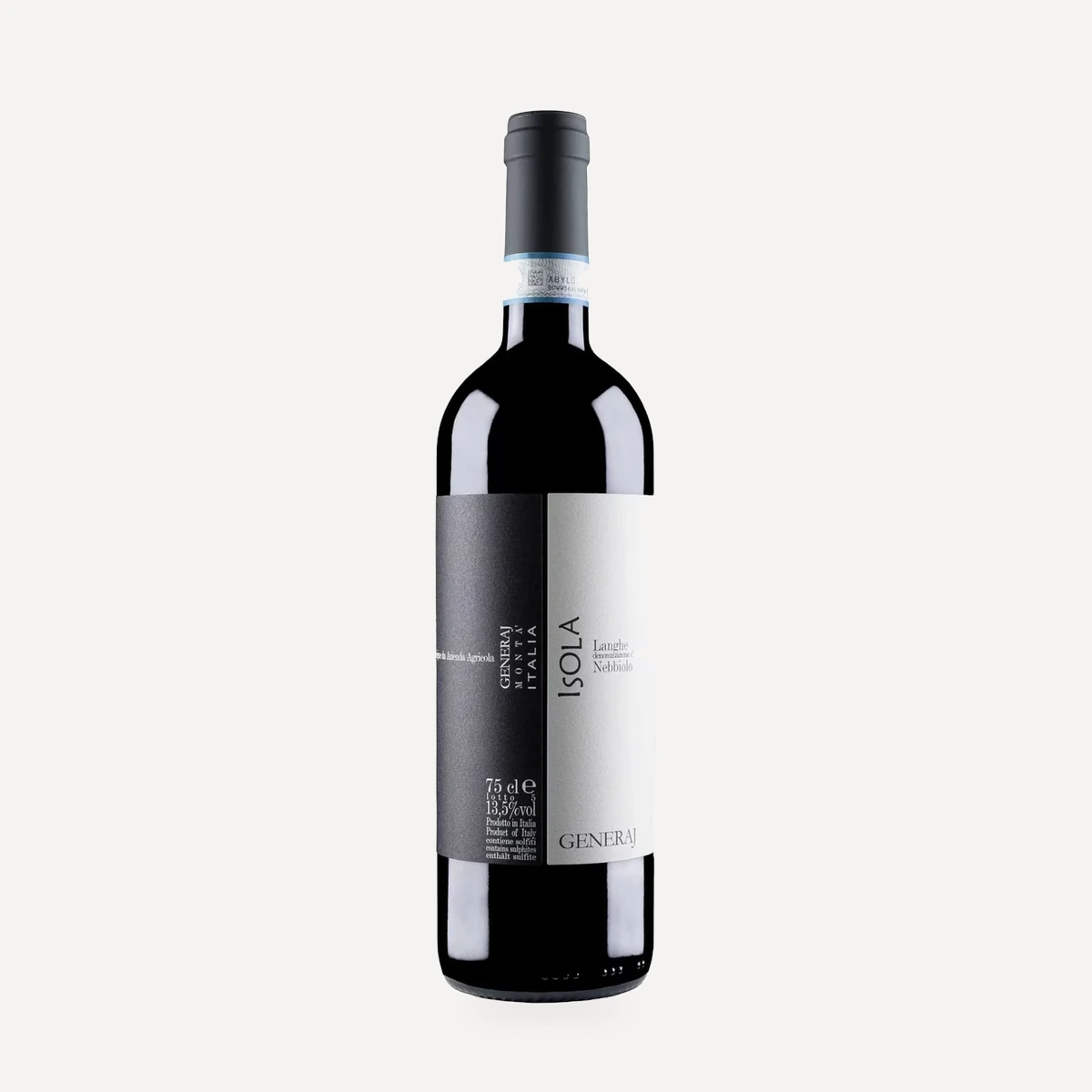
Isola Langhe Nebbiolo
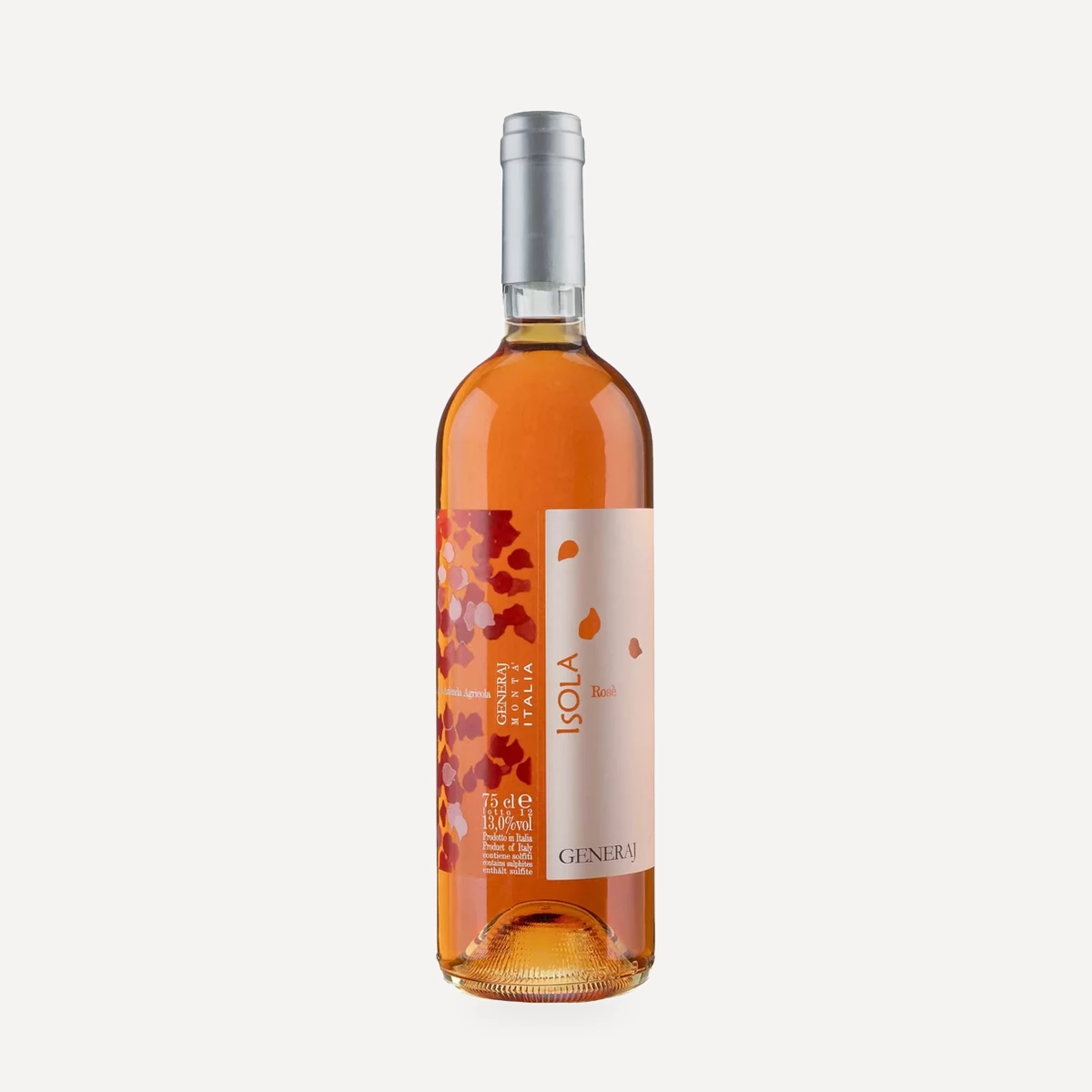
Isola Rosè Vino Rosato
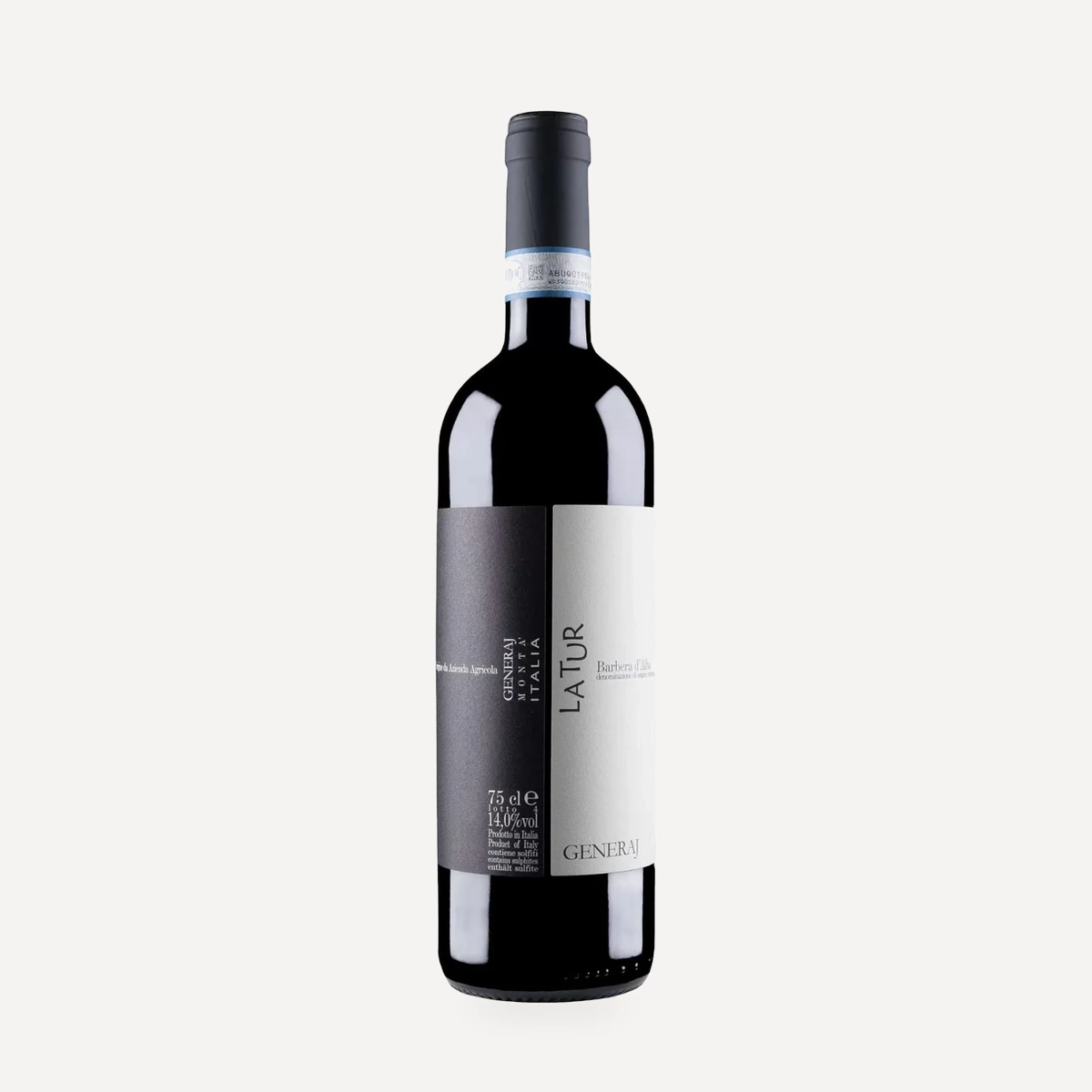
La Tur Barbera d’Alba
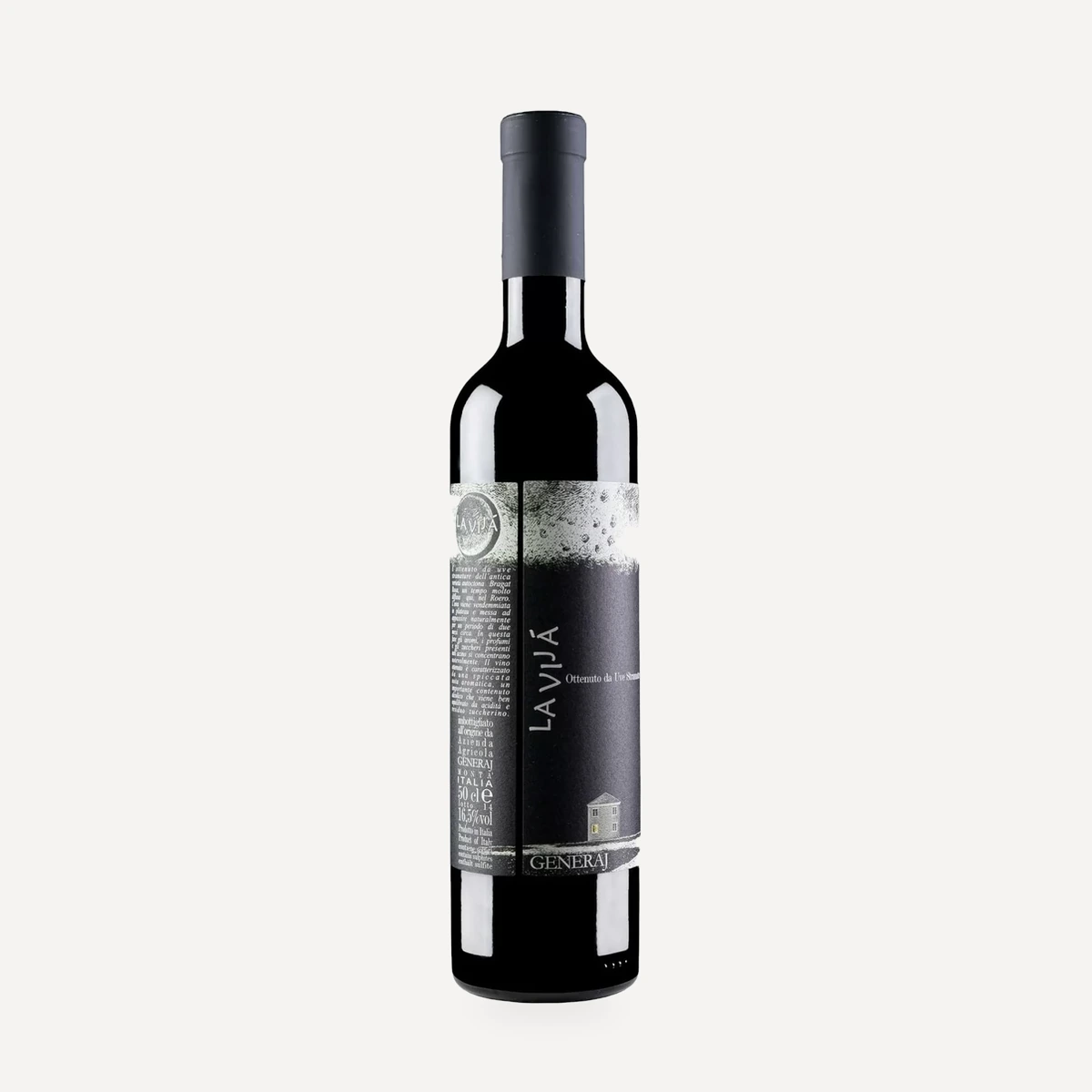
La Vija’ Vino da uve stramature
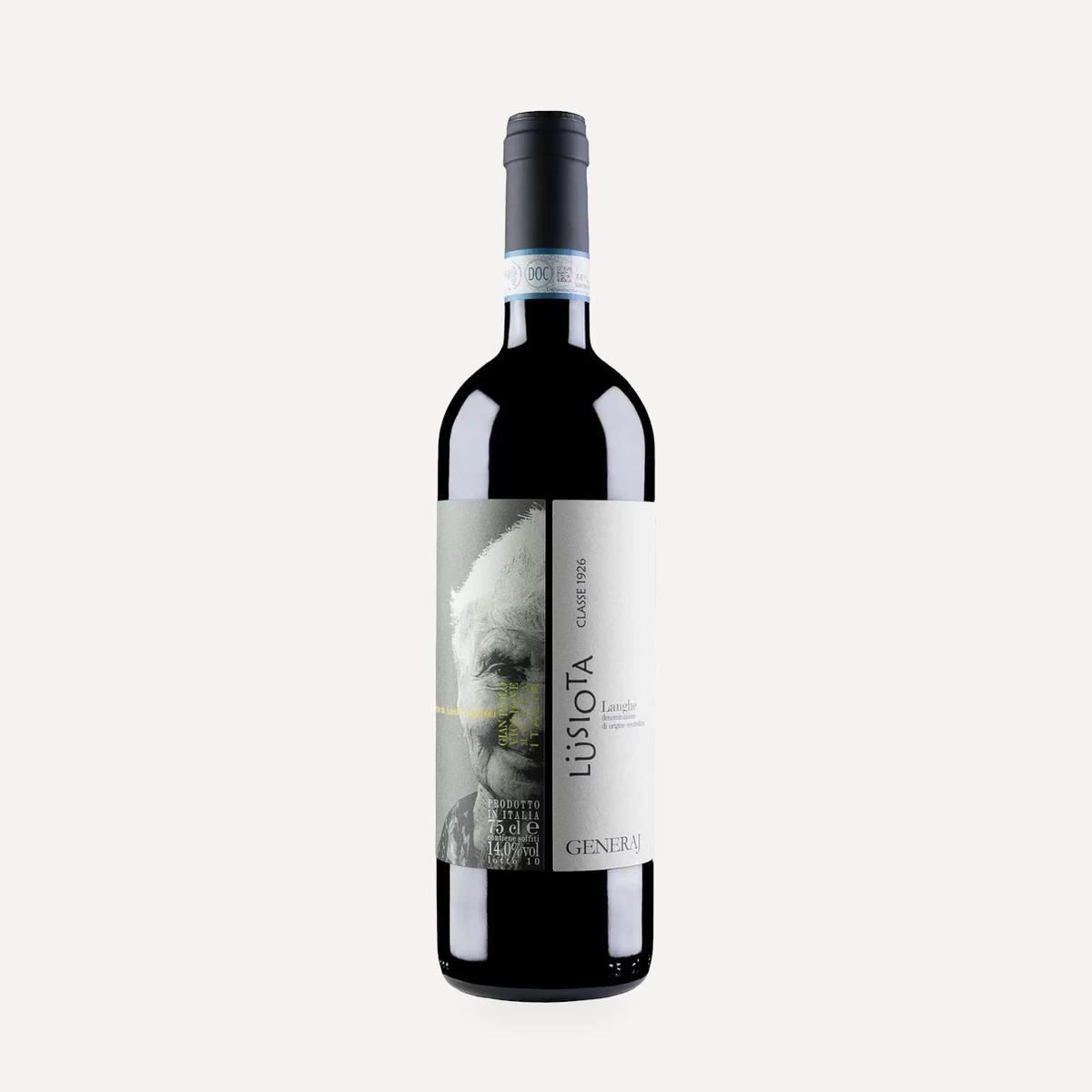
Lüsiota Langhe Rosso
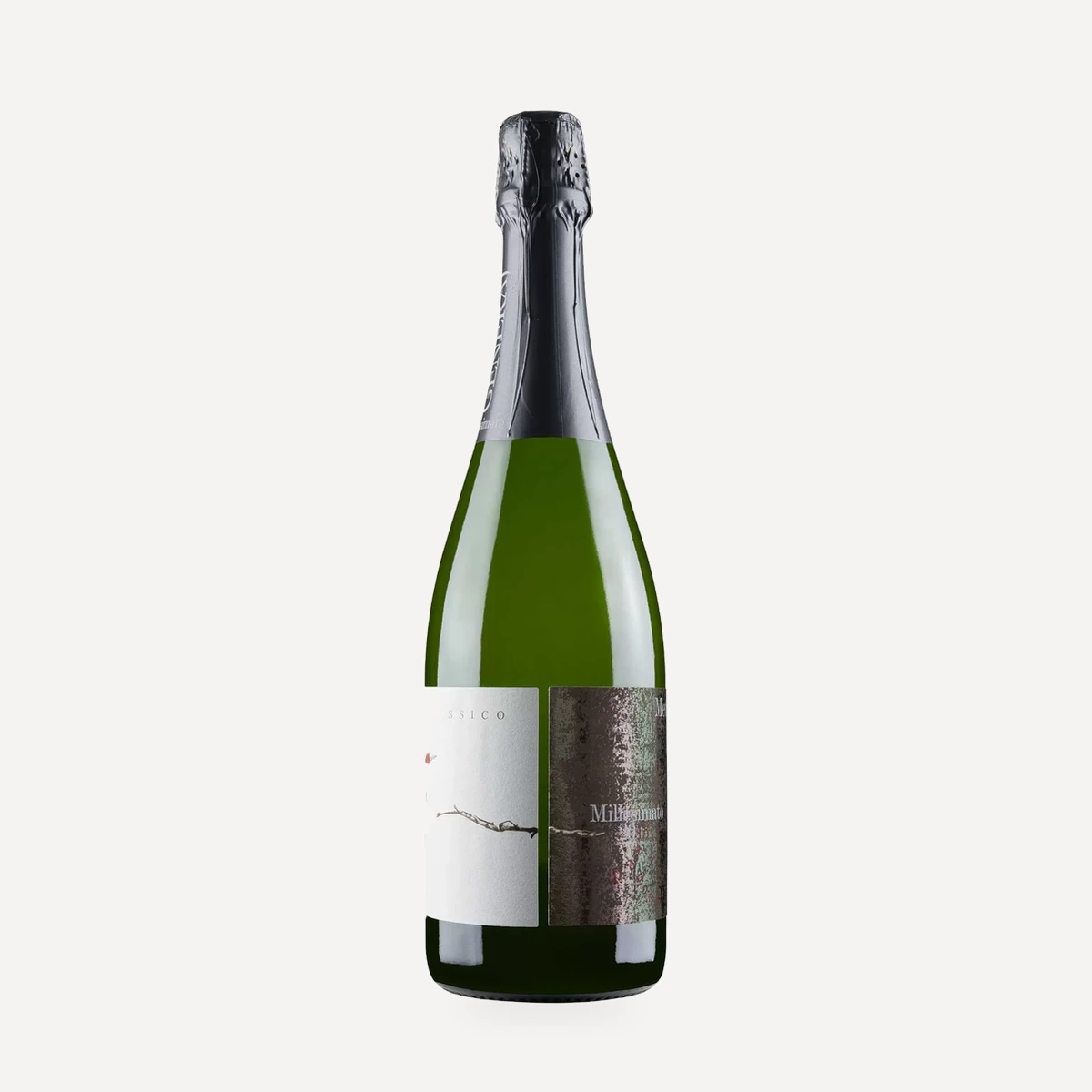
Pas Dosè Millesimato Metodo Classico
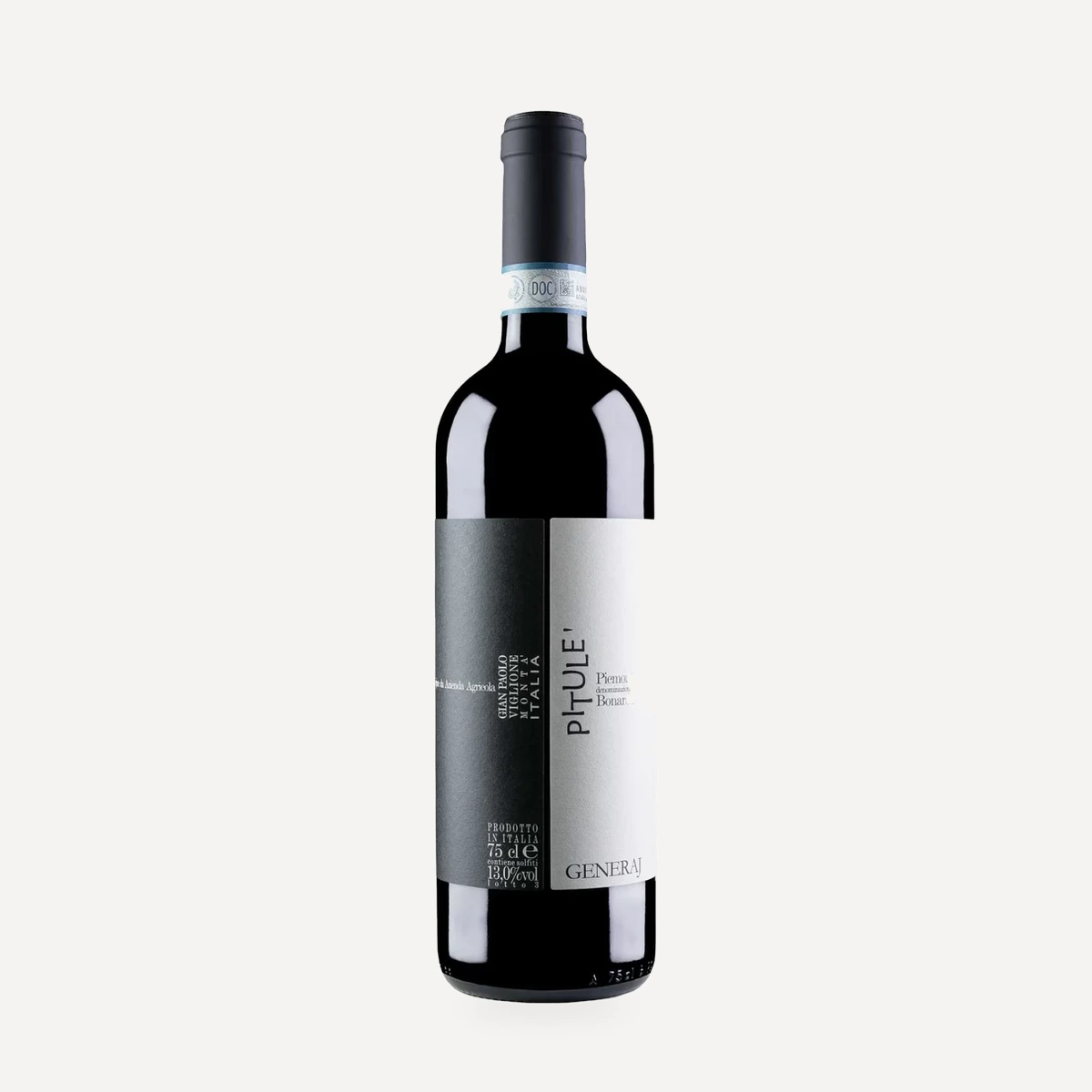
Pitulè Piemonte Bonarda