Storia
The family’s beginnings in Barolo
The family’s documented association with the estate begins in 1930, when Alberto Grimaldi’s great-great-grandfather purchased a farmstead and vineyards in the municipality of Barolo. The property included one hectare in Le Coste, corresponding to one-third of a cru whose total surface is approximately three hectares.
Ernesto Grimaldi subsequently worked as a winegrower. His son Giacomo Grimaldi continued that work while living in the part of the farmstead that he had inherited, together with the hectare of Le Coste. This vineyard would become the estate’s historically central cru.
Early vineyard expansion
In 1980, the family purchased a half-hectare parcel in Ravera, in the municipality of Novello and close to the boundary with Barolo. It became one of the estate’s earliest vineyard holdings beyond its original property.
Ferruccio Grimaldi and the creation of the present winery
A decisive change came in 1996, when Ferruccio Grimaldi began producing and bottling wine. The 1996 harvest from Le Coste marked the transformation of the agricultural holding into a wine-producing estate. Ferruccio created the present Giacomo Grimaldi label in tribute to his father, giving the family business a new identity while retaining the name associated with the preceding generation.
In 1997, Ferruccio purchased the first 0.5 ha in Sottocastello di Novello. Further acquisitions expanded the estate across Barolo, Novello, Vezza d’Alba and Monforte d’Alba, bringing the vineyards to a total of 18 ha and extending its activity across both the Langhe and Roero.
Development of Valmaggiore and Sottocastello
The first harvest from the Valmaggiore holdings in Vezza d’Alba took place in 2000. The estate now owns six hectares distributed among several parts of Valmaggiore, planted to Nebbiolo and Arneis.
A further investment in 2015 increased the Sottocastello di Novello holding from the original 0.5 ha to 4 ha.
New cru designations and the next generation
Beginning with the 2016 vintage, Ravera appeared as a named Barolo DOCG on the label. The same vintage marked a change for Le Coste: its grapes began to be reserved for Barolo Le Coste Riserva, made only in selected years.
Alberto Grimaldi, Ferruccio’s son and Giacomo’s grandson, joined the family business in 2020. Ferruccio and Alberto now work together to continue its development. The family has also completed the acquisition of the entire present farmstead, creating the basis for further investment in the winery.
Terroir
Langhe and Roero
The vineyards extend across the Langhe and Roero in southeastern Piedmont, in the province of Cuneo. The two hilly areas are divided by the Tanaro River and have markedly different geological histories.
Langhe soils date principally from the Miocene, approximately 30–5 million years ago. They are relatively compact and combine clay and fossil marl with varying proportions of limestone, silt and sand. Roero formed much later, approximately 2 million years ago during the Pliocene. Its softer alluvial soils contain sandstone, sand, limestone and abundant minerals.
The Barolo sector
The Langhe began forming roughly 30 million years ago as the Padano Sea—a deep arm of the Mediterranean that extended across the present Po Valley—gradually retreated. The Barolo territory itself took shape approximately 5.4 million years ago and lies near the South-Western Alps.
Three formations illustrate the area’s geological diversity. The Lequio Formation, the oldest, retains features of Upper Langa deposits dating to around 30 million years ago. In Serralunga d’Alba and part of Monforte d’Alba, it alternates compact pale marl with sands that can be cemented into Pietra di Langa. Diano Sandstone, found on higher hills around Monforte d’Alba, consists of erosion-resistant sandy and sometimes cemented layers created by submarine landslides during the early formation of the Langhe. Sant’Agata fossil marl covers more than half of the Barolo area and comprises fine silty and clayey sediments. It occurs in typical fine-textured, laminated clay-rich and sandy forms, produced under less forceful marine currents.
The estate’s Barolo Nebbiolo vineyards lie in Barolo and Novello. In Barolo, grey-blue Sant’Agata marl occurs on the municipality’s lower western slopes, with a fine texture and regular strata; thin laminated layers also occur in the west. Novello is dominated by laminated Sant’Agata marl with a high proportion of clay.
Individual holdings introduce further variation. Le Coste combines limestone and clay with sandy Sant’Agata fossil marl at approximately 300 m. Sottocastello di Novello lies around 400 m on limestone-clay soil with laminated Sant’Agata fossil marl. Ravera has fossil-marl-derived silt and clay. The Monforte holdings range from limestone-rich and limestone-clay soils to the geological formations characteristic of the municipality.
Roero and Valmaggiore
Roero has been separated from the Langhe by the Tanaro for about 2 million years. Sand makes its younger soils soft and relatively impermeable, while sand, clay and limestone combine into marine-origin rocks rich in mineral salts. Continental sand-and-gravel, marine-sand and marine-clay sediments occur along a northwest–southeast axis. Approximately 80% of Roero is characterised by sand-rich, relatively low-limestone soil; other sectors contain more limestone and clay. Near the Tanaro, clay, gypsum banks and Sant’Agata fossil marl signal the transition toward the Langhe.
At Valmaggiore, in Vezza d’Alba, the estate’s Nebbiolo and Arneis grow principally in sand, with a smaller proportion of clay in deeper layers. The holdings occupy several slopes with southern, western and eastern aspects.
Vinificazione
The estate cultivates 18 ha across Barolo, Novello, Vezza d’Alba and Monforte d’Alba. Its varieties are Nebbiolo, Barbera, Dolcetto, Arneis, Sauvignon Blanc and Sauvignon Gris. In Novello and Monforte d’Alba, the placement of different varieties was planned in relation to the varying elevations of the hills.
The most detailed training information concerns the Arneis vines at Valmaggiore: they are Guyot-trained at an average density of 5,000 vines/ha. The Sauvignon vineyard near Frazione San Sebastiano has an average density of 4,000 vines/ha. Vine age varies substantially among sites, from an average of approximately 15 years for Arneis at Valmaggiore to approximately 40 years at Fornaci and 70 years at Le Coste.
Red-wine cellar work
Red grapes undergo temperature-controlled maceration in stainless-steel vats. The declared protocols range from 3 days to 10–12 days, depending on variety and intended style: the shortest maceration is used for Dolcetto, intermediate periods of 5–8 days for Barbera and Nebbiolo d’Alba, and longer periods for the Barolo programs.
Malolactic fermentation takes place either in stainless steel or in barrique. The stainless-steel route is followed by some of the shorter-macerated wines, which subsequently mature for 9 months in steel. The wood-matured programs use French barriques and large casks, sometimes followed by further time in steel. Where specified, the barrique component includes 25% new wood for the Barolo and Fornaci programs; the Valmaggiore Nebbiolo protocol places malolactic fermentation in barriques with 50% new wood before dividing maturation equally between French barriques and large casks for 12 months.
The longest declared sequence combines 12 months in French barriques, 24 months in large cask, 8 months in steel and 20 months in bottle. Other Barolo programs combine 12 months in French barriques, 12 months in large cask and an 8-month blending period in steel.
White-wine cellar work
The white grapes ferment slowly in stainless steel at 10–12 °C. Arneis does not undergo malolactic fermentation and remains in steel for 7 months before bottling; the English technical description specifies maturation on the lees. Sauvignon also matures for 7 months, with the current Italian protocol dividing the wine between 80% stainless steel and 20% large cask.
Filosofia
Family continuity is the central principle of Giacomo Grimaldi. The present identity links the vineyard acquired in 1930, Giacomo’s work as a winegrower, Ferruccio’s decision to begin producing wine in 1996 and Alberto’s arrival in 2020.
The family defines quality as careful work through every stage, from vineyard to cellar. Its development combines respect for earlier generations with continued investment: new holdings have expanded the range of sites across the Langhe and Roero, while the complete acquisition of the present farmstead is intended to support future winery improvements. The Giacomo Grimaldi name itself embodies this approach, having been chosen by Ferruccio in tribute to his father.
Vini
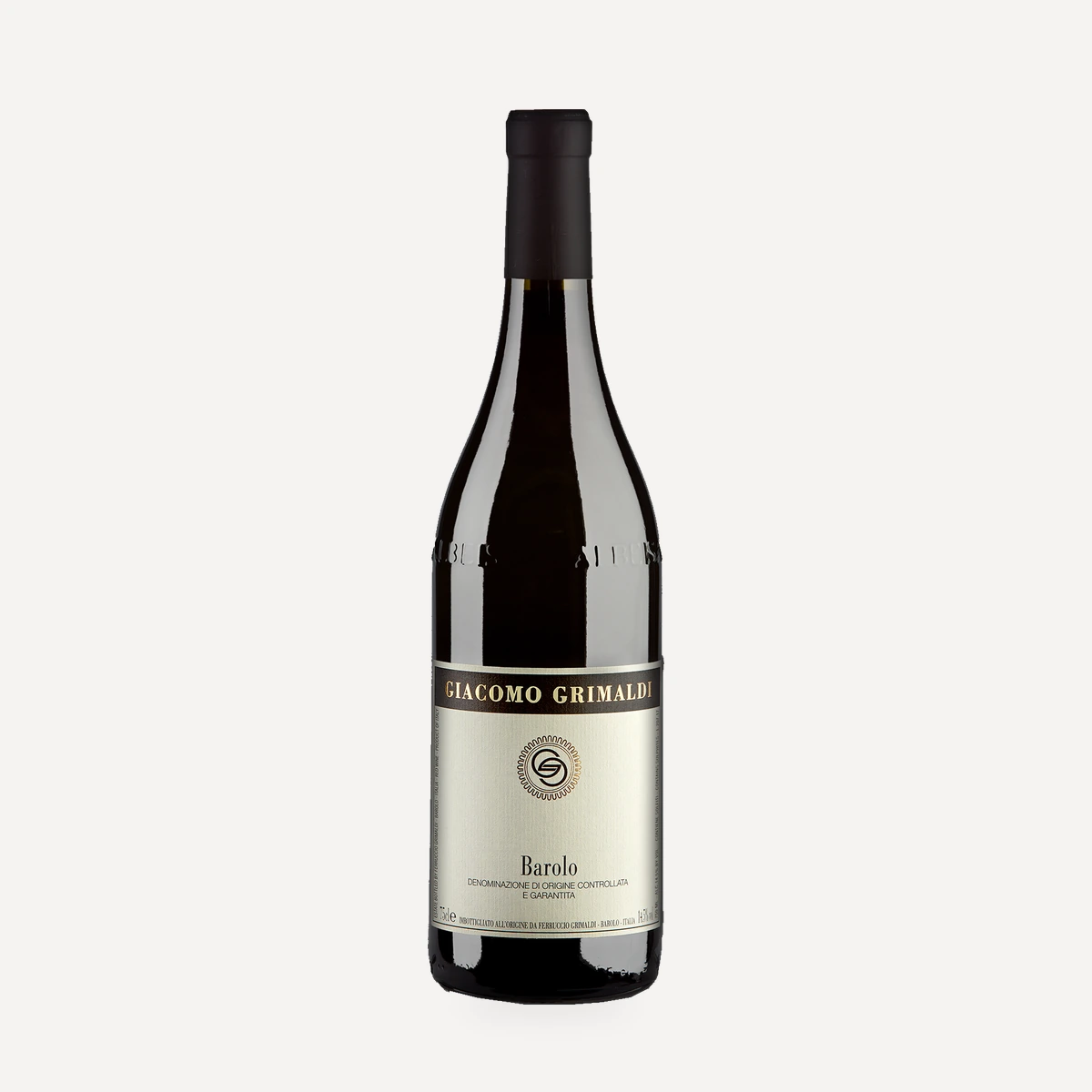
Barolo D.O.C.G.
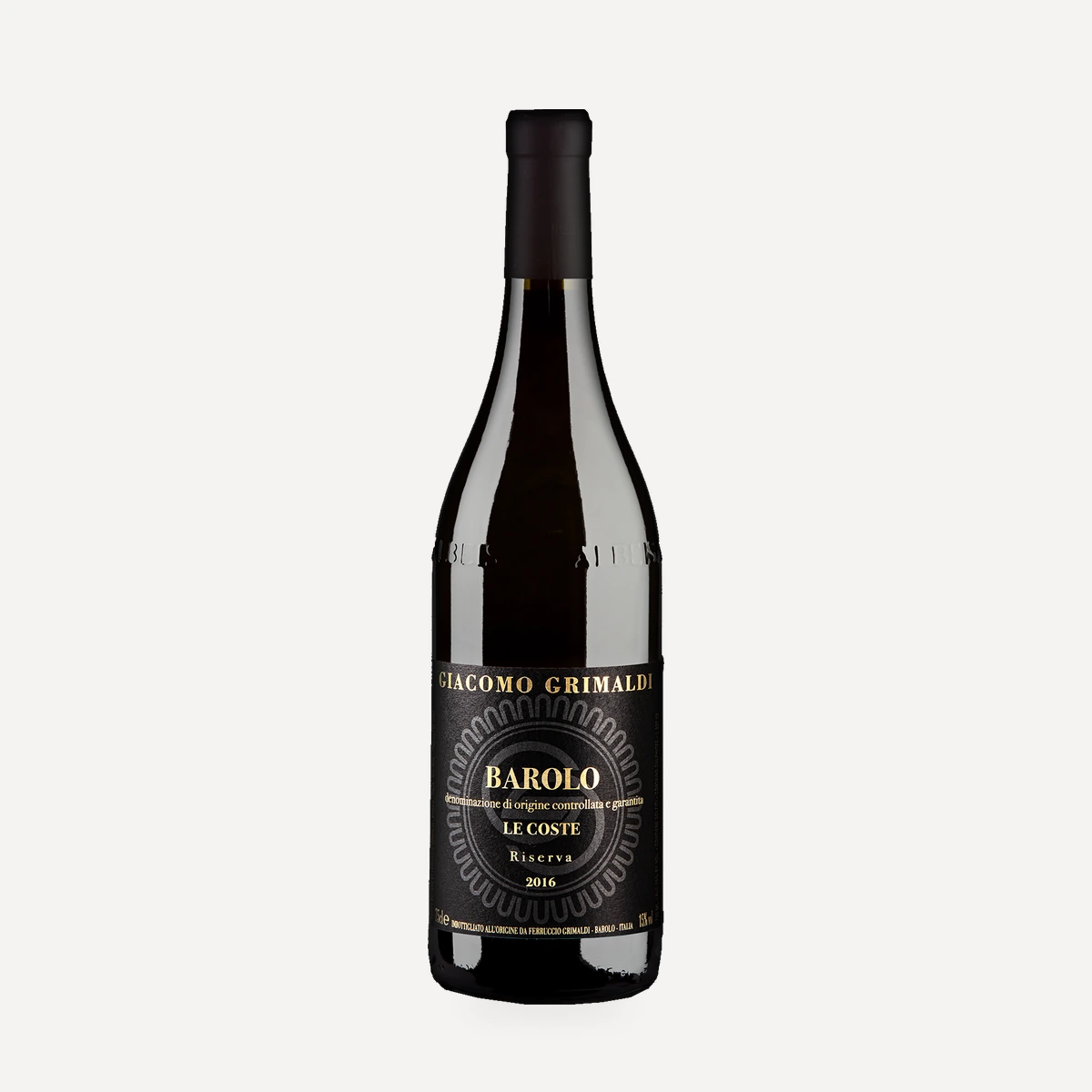
Barolo “Le Coste” Riserva D.O.C.G.
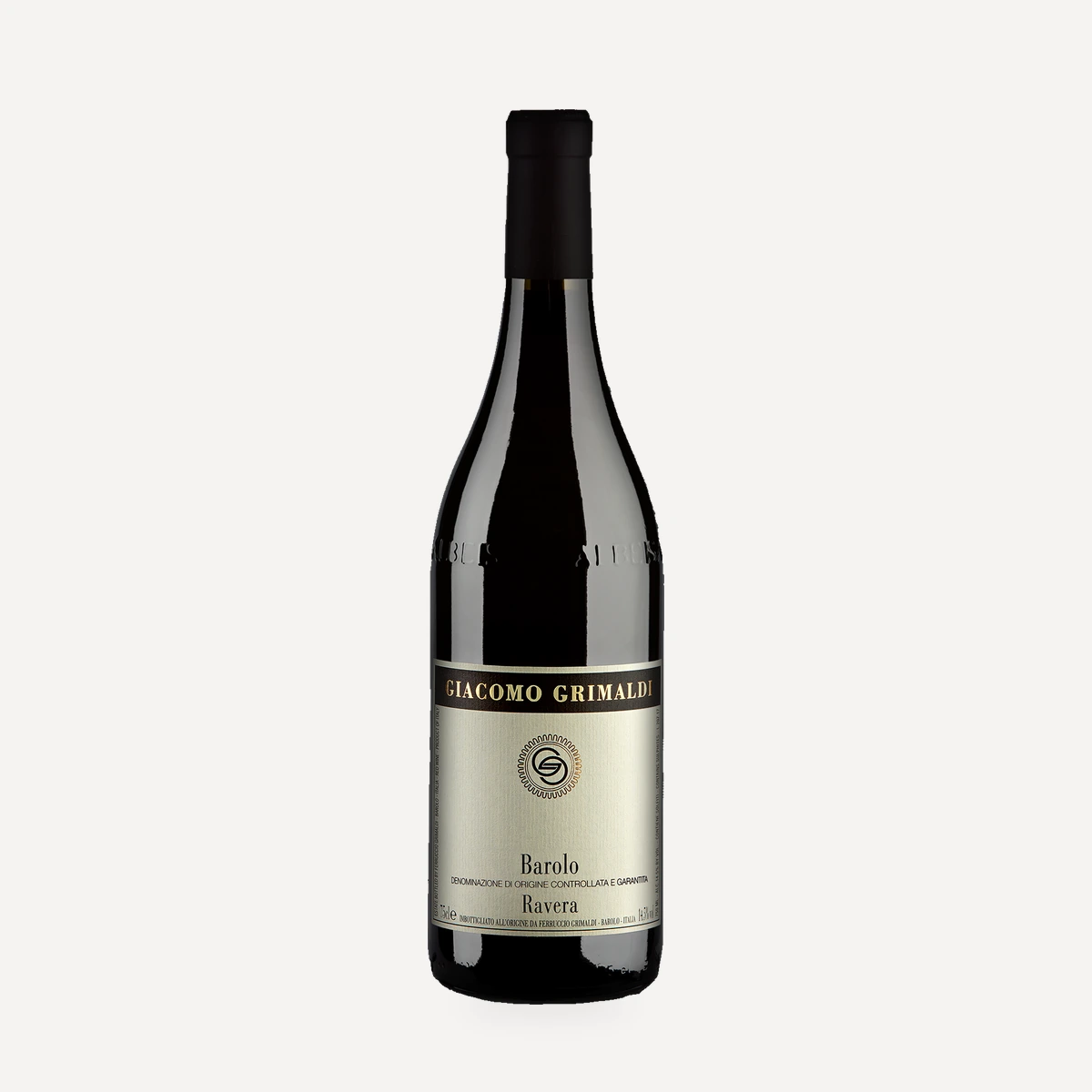
Barolo “Ravera” D.O.C.G.
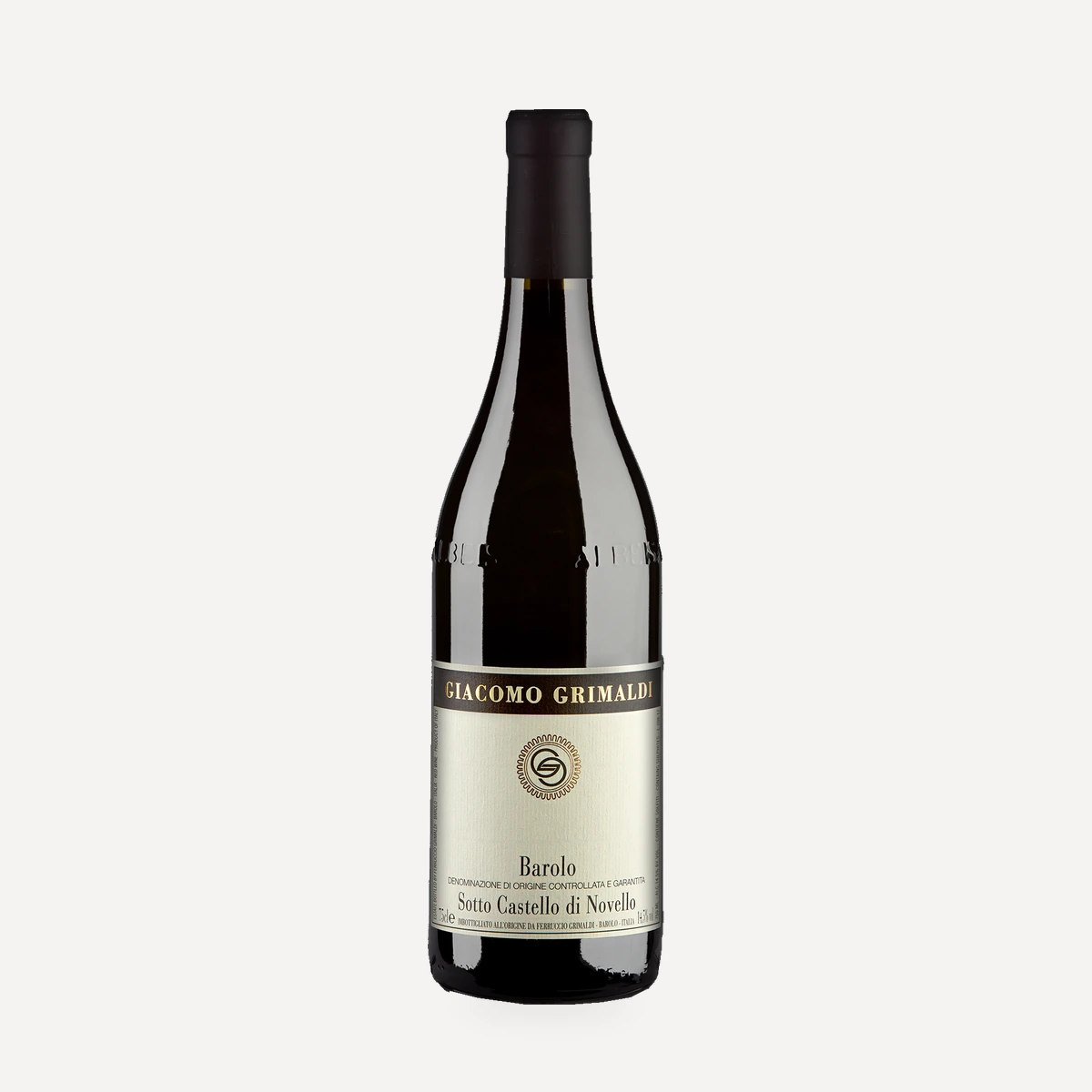
Barolo “Sotto Castello di Novello” D.O.C.G.
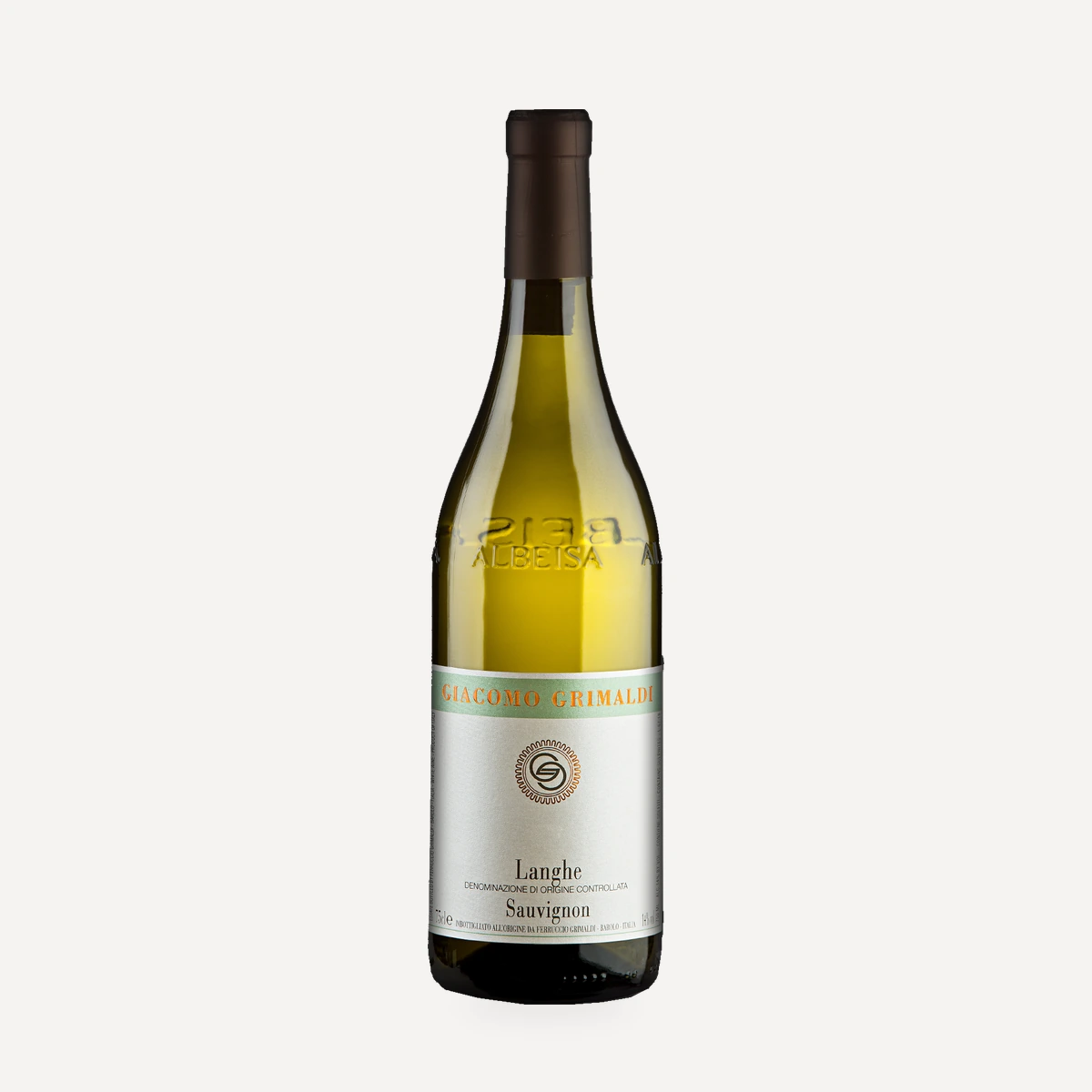
Langhe Sauvignon D.O.C.
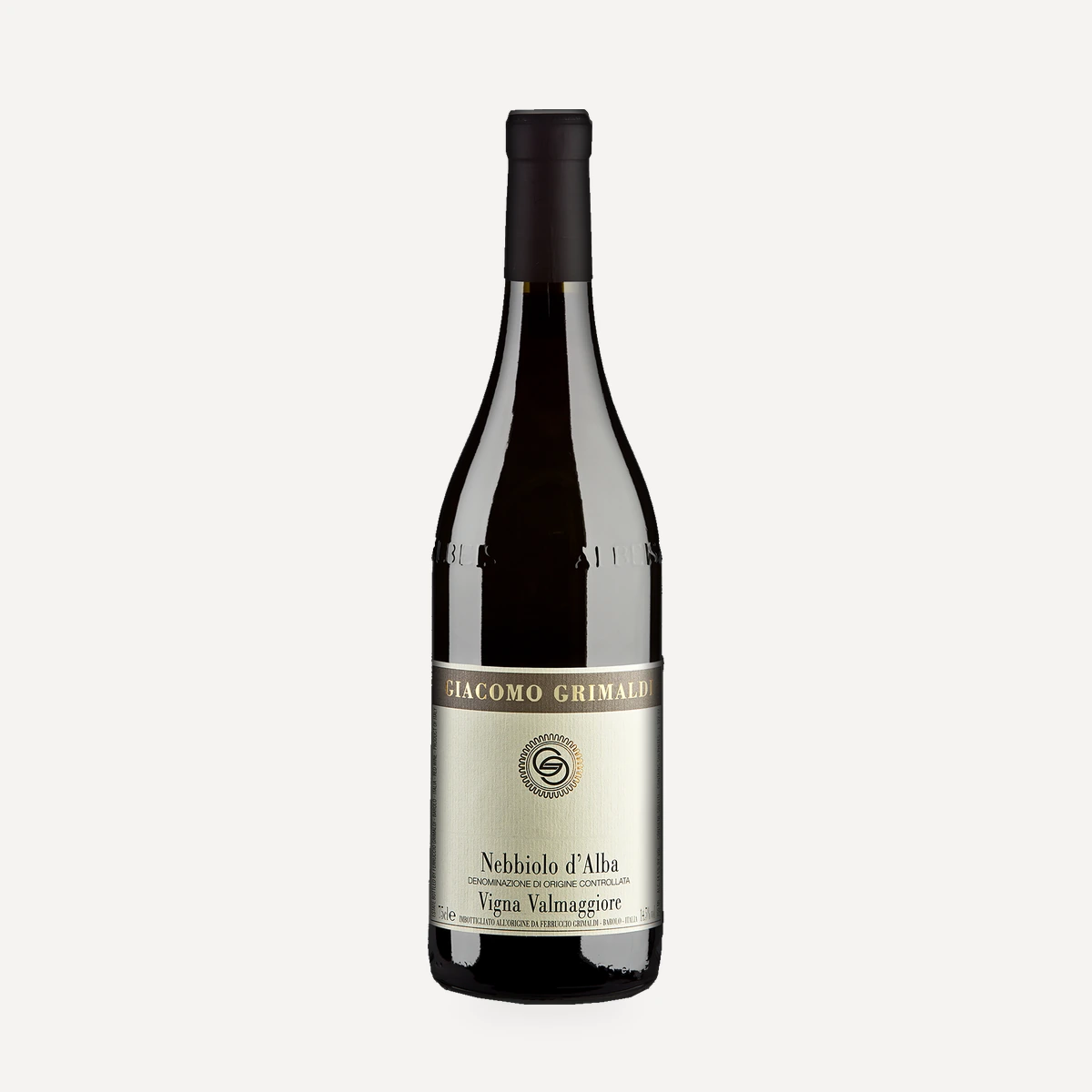
Nebbiolo d’Alba “Valmaggiore” D.O.C.
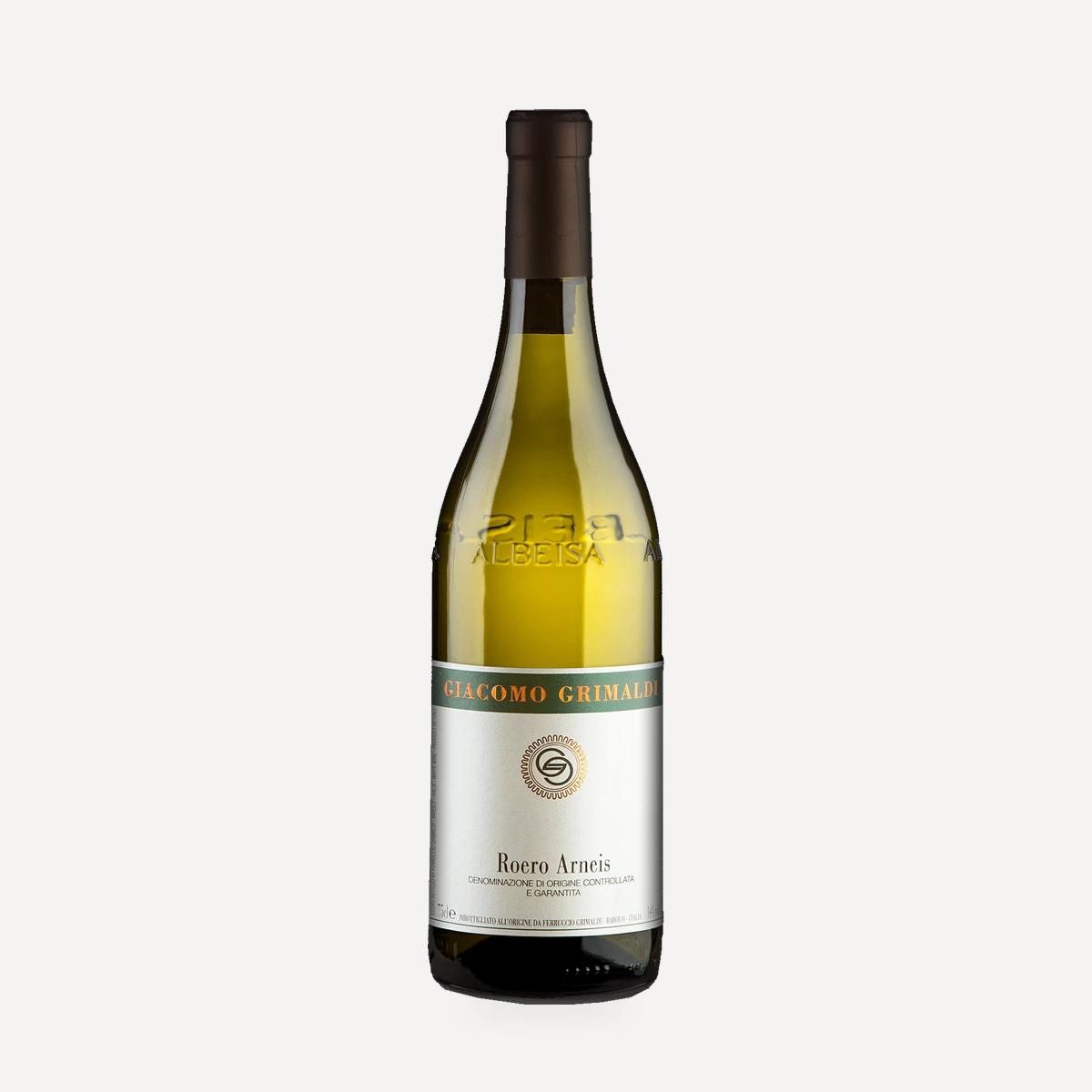
Roero Arneis D.O.C.G.
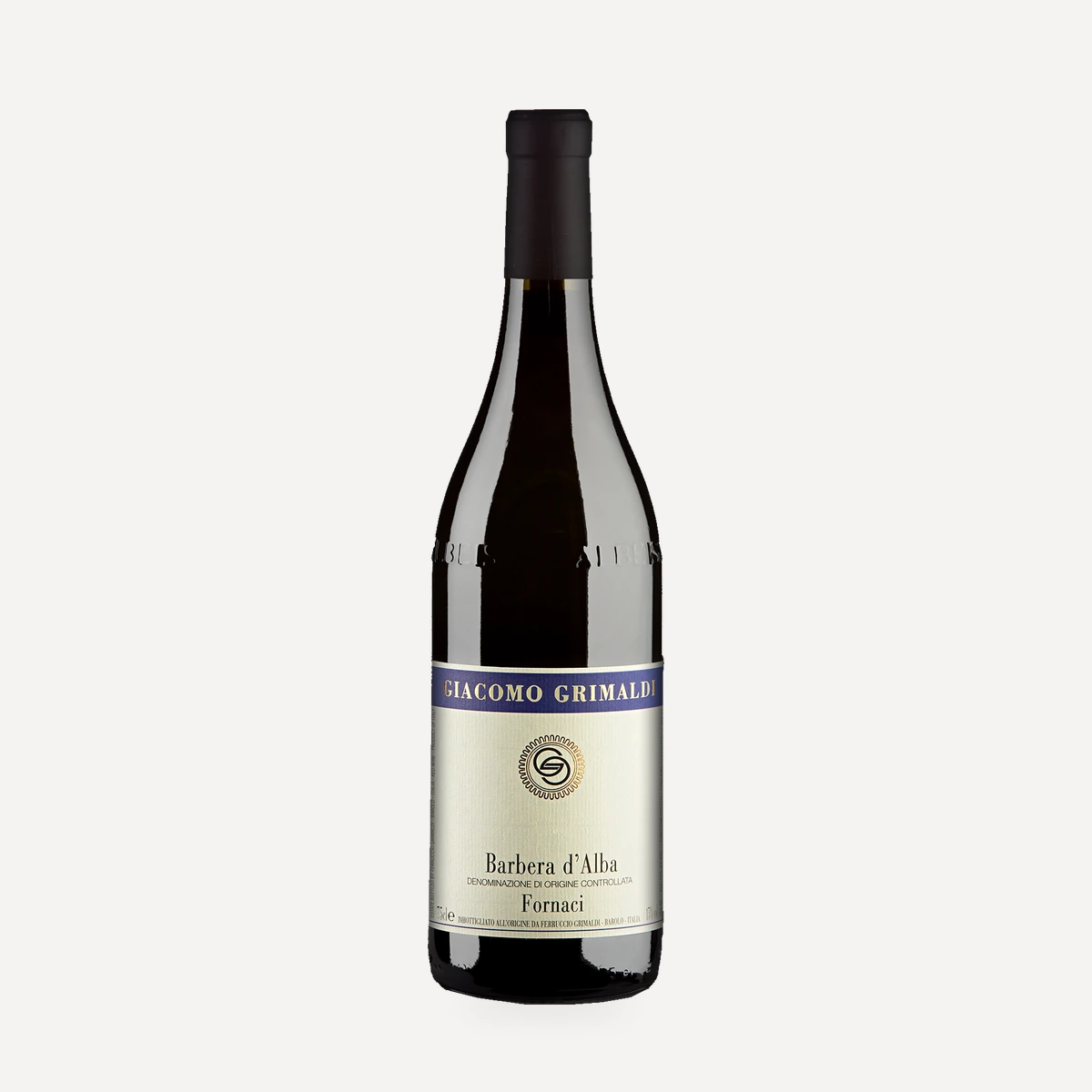
Barbera d’Alba “Fornaci” D.O.C.
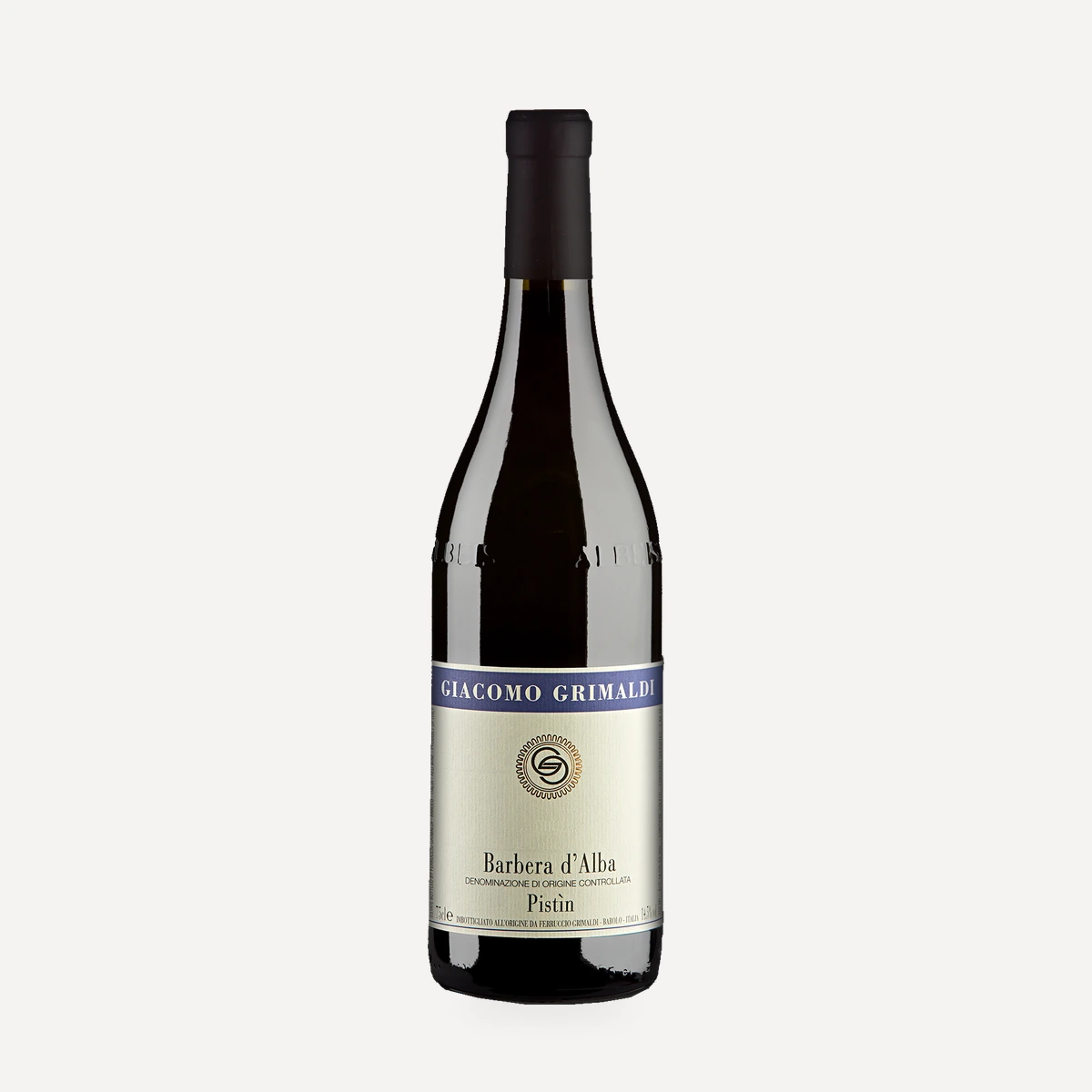
Barbera d’Alba “Pistin” D.O.C.