Storia
The historic estate complex
The estate is centred on a villa whose history reaches back to the 11th century. The surrounding agricultural landscape includes vineyards, olive groves, cypress trees and isolated farmhouses. A panoramic tower dating from the 13th century rises within this complex.
Rufina and the 1716 delimitation
In 1716, Grand Duke of Tuscany Cosimo III de’ Medici defined the boundaries of Rufina’s historic winegrowing area. Those boundaries have remained substantially intact. The delimitation forms the longer regional context for the Grati family’s work in the hills near Rufina.
Six generations of family cultivation
The Grati family has cultivated vines and olive trees and produced wine and olive oil at Rufina for six generations. Earlier generations transported their wine to Florence in carts drawn by large white oxen. Distribution has since expanded internationally, while Florence remains the family’s home city and an enduring point of reference.
Late 1960s: preservation through replanting
At the end of the 1960s, Grato Grati replanted the family vineyards. Rather than abandoning their established vine material, he grafted buds taken from mother plants in the farm’s existing vineyards onto rootstocks. This traditional propagation practice preserved locally adapted viticultural material during the renewal of the vineyards.
2002: the Chianti Rufina germplasm project
In 2002, Grati entered into an agreement with the University of Florence for a project devoted to the recovery, conservation and enhancement of grapevine germplasm in the Chianti Rufina area. Ampelographer Roberto Bandinelli directed the work.
During ten years of research, the project examined more than 30 small farms in the area and identified over 400 vines representing approximately 80 varieties. Its first tangible result was the creation of the Vitiarium, a collection vineyard planted with the recovered vine material.
The present direction
The sixth-generation family business continues to produce wine by combining inherited practices with innovation. Its current identity remains closely tied to Rufina, its vineyards and the responsibility of preserving the territory’s viticultural heritage while distributing its products internationally.
Terroir
Location and landscape
The vineyards lie near Rufina, a few kilometres east of Florence, in the elevated hills of Chianti Rufina. The agricultural setting combines vineyards with olive groves, cypress trees, a historic villa, a medieval panoramic tower and scattered farmhouses.
Elevation and exposure
The vineyard areas described for the current range stand at approximately 250–300 metres above sea level, principally with southern and south-westerly exposures.
Climate and terrain
Conditions become cooler in the hills, and the elevated landscape is described as demanding to cultivate. This cooler upland setting is a defining element of the family vineyards.
Soils
The broader vineyards are associated with fertile clay-bearing and galestro or lime-marl soils. The current technical descriptions further define much of the ground as silt and marl with some clay, fertile and possessing good mineral content.
Some vineyard material used for Canaiolo Nero and Filichete is associated more specifically with clayey soil containing Colombino stone, demonstrating variation within the family holdings.
Vinificazione
Grati’s viticultural approach combines the preservation of inherited vine material with the practical renewal of the vineyards. During the late-1960s replanting, Grato Grati grafted buds from mother plants growing in the farm’s cultivated fields onto rootstocks. This maintained a direct biological link with the pre-existing vineyards.
That preservation work later developed into a broader research initiative. The 2002 agreement with the University of Florence sought to recover, conserve and enhance grapevine germplasm throughout Chianti Rufina. The resulting Vitiarium conserves material selected from over 400 vines representing approximately 80 varieties found during ten years of research.
The vineyards employ Guyot, spurred-cordon and capovolto training systems. Reported yields range between 63 and 75 hl/ha. Harvesting is manual; the principal picking period runs from early or mid-September to mid-October, with timing adjusted to the variety. Merlot is picked around mid-September and Cabernet around mid-October, while the Canaiolo Nero material is harvested from late September into early October.
The range includes a Chianti Bio DOCG, but this designation applies to that wine rather than establishing a documented organic status for the entire estate.
Vinification across the range is centred on stainless-steel tanks, with temperature control used where specified. White grapes are softly pressed before fermentation in temperature-controlled steel. Rosé production uses a brief period of skin contact; the must is then racked away from the skins and continues fermenting in stainless steel at 15°C.
Red-wine production also uses stainless-steel tanks. For one Sangiovese-led cuvée, three pump-overs per day, each lasting one hour, are performed during the first days of fermentation to build aroma and colour. The Canaiolo Nero undergoes malolactic fermentation before maturation.
Maturation varies according to the intended expression. Some wines remain entirely in stainless steel. Others use barriques, oak tonneaux or large oak casks. The Canaiolo Nero is divided after malolactic fermentation, with 70% retained in stainless steel and 30% matured in tonneau for six months. Another red matures for 12 months in oak tonneaux, followed by at least three months in bottle. Chianti Riserva matures for two years in large oak casks, then receives further bottle ageing before release. Cabernet and Merlot material is matured in barriques and tonneaux for six months.
Filosofia
Grati places the origin of quality in the vineyard and olive grove: terroir, grape varieties and olive cultivars come before cellar or mill operations. Its declared direction is to combine tradition with innovation while maintaining a deep connection to the land.
Tradition is treated as an active responsibility rather than a static inheritance. The preservation of mother-vine material during the late-1960s replanting and the later Vitiarium project translate that principle into concrete viticultural work. The family associates its wines with passion, quality and the accumulated history of six generations.
The demanding, cooler hills of Rufina shape both the work and the family’s understanding of winegrowing. The approach accepts the effort required by the elevated landscape and seeks to remain modelled on nature, while using contemporary production tools where appropriate.
Vini
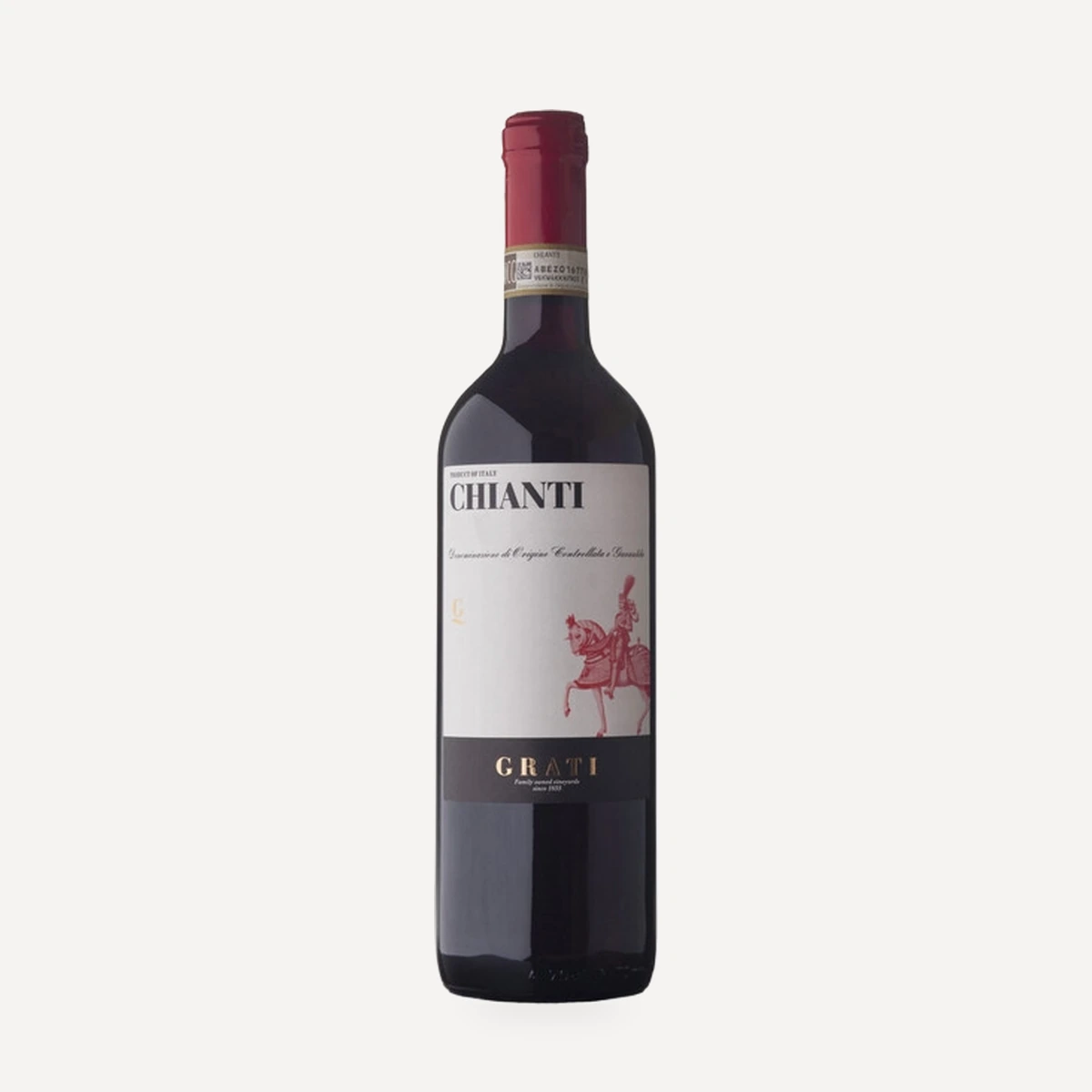
Chianti Grati
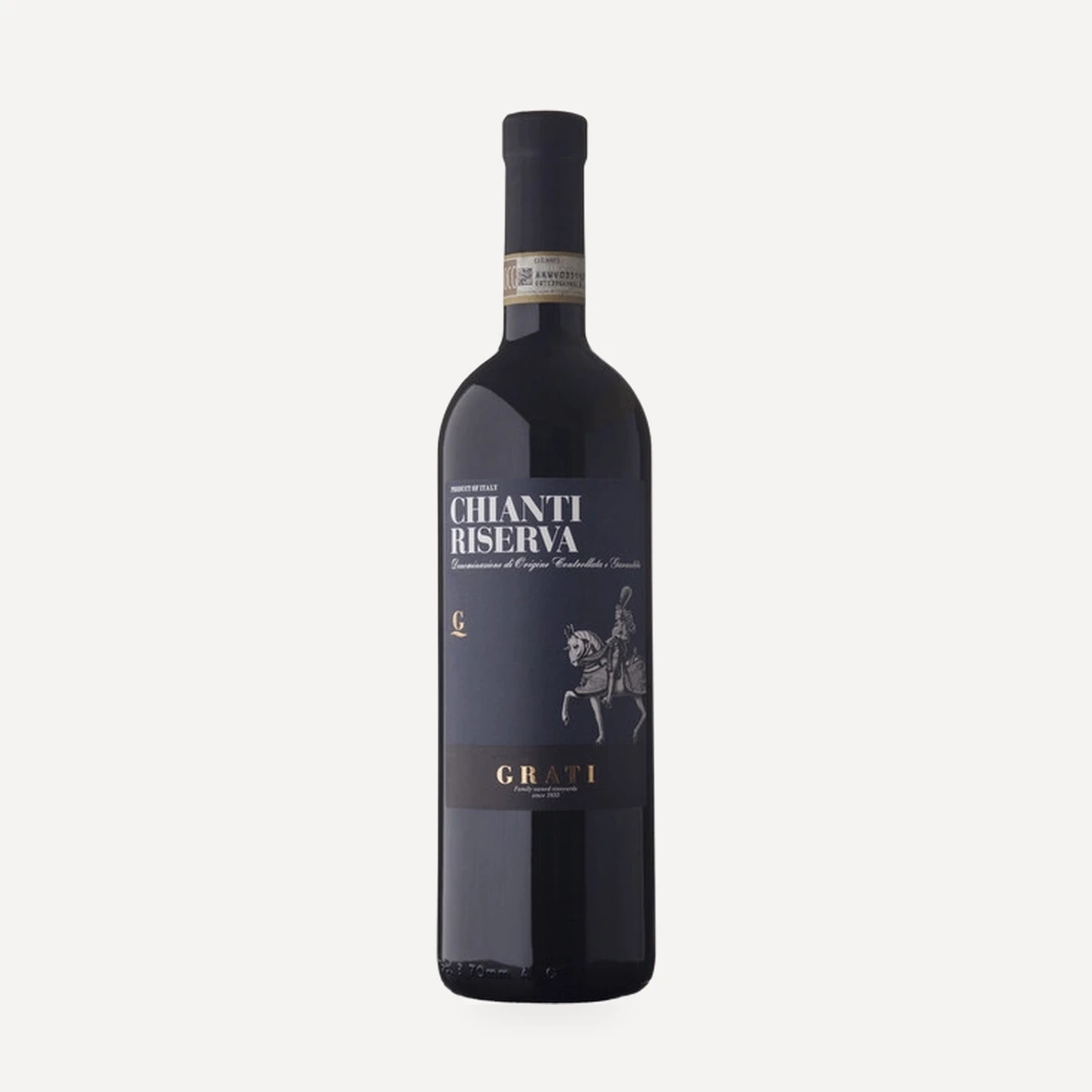
Chianti Riserva Grati
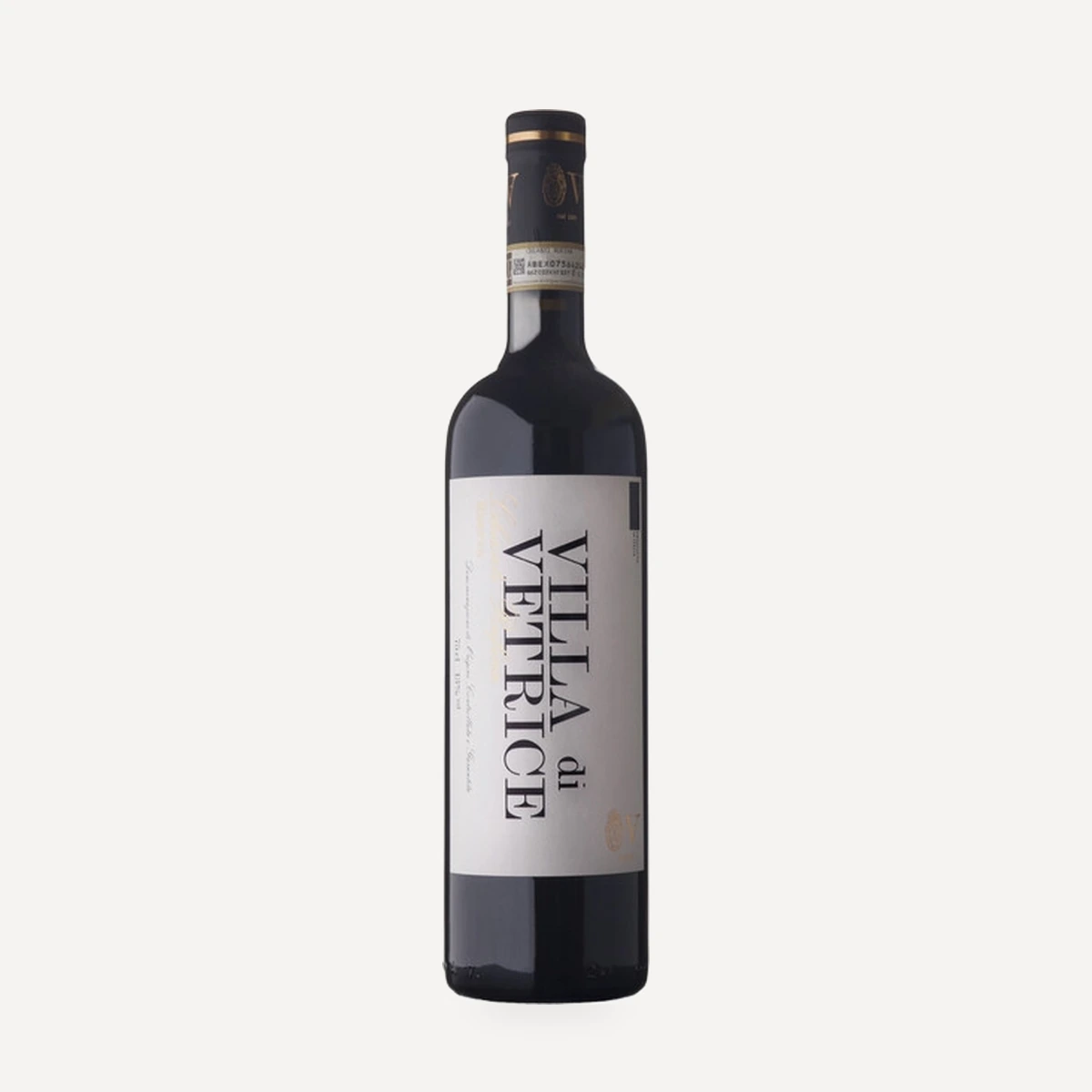
Villa di Vetrice Chianti Rufina Riserva DOCG