Storia
Origins: 1457–1700
The Gregoletto family's connection with the vineyards of Premaor di Miane can be traced through a legal dispute involving a collateral branch of the family and the Abbey of Follina. The surviving record indicates that the vineyards on the Colzanin hillside were already producing white grapes by 1457 and that their fruit was considered superior to grapes grown on the valley floor.
On 9 December 1600, a Gregoletto ancestor signed the first surviving contract with the Abbey of Follina for the cultivation of vineyards and other land. The family continues to work land covered by that agreement. The seventeenth-century structure incorporated into the present cellar provides a further physical link with this period.
The lease was governed by the phrase “Bene e fedelmente”—to work well and faithfully. The expression became an enduring statement of the family's relationship with its land. An eighteenth-century cadastral map of Premaor and Colzanin records terraced vineyards and a more extensive, less intensive form of viticulture than that practised today. The cadastral emblem of a tree and vine also commemorates the family's agricultural activity and its long attachment to the same terrain.
Eighteenth and nineteenth centuries
In 1788, the Abbey of Follina required its tenant farmers to plant Verdiso, documenting the variety's established place in the local viticultural landscape. The 1803 Austrian Kriegskarte, drawn by Baron Von Zach, records the continuing cultivation of vines through changing political and historical conditions.
Continuity and post-war development
In 1934, the family received a Fedeltà alla terra certificate, an honour reserved for families that had cultivated the same holding for more than a century. Family harvests and vinifications were under way by 1940.
After the Second World War, Luigi Gregoletto gave the family's wine activity new momentum. He pursued wines defined by quality, typicity and their place of origin. A surviving Merlot label dates from 1965.
At the beginning of the 1970s, Dr Alvise Orlando offered Luigi a parcel of highly aromatic, sugar-rich Incrocio Manzoni 6.0.13 grapes from Castelletto di Follina. Luigi visited the vineyard, bought the fruit and sold the resulting wine as Riesling del Castelletto. Convinced by the result, he planted Manzoni Bianco on the hills of Premaor. His continued cultivation and vinification helped preserve a low-yielding variety that had otherwise been widely neglected.
Encounters and records, 1976–1991
A 1976 Gregoletto label bears the autograph of actor Marcello Mastroianni, a customer for more than twenty years; it belongs to the private collection of Peter Riegler. On 23 April 1979, Luigi Veronelli signed a dedication in Angelo Serafin's Saggi di cucina veneta ed accostamento ai vini during an educational dinner at Ristorante All'Amelia in Mestre.
A photograph from the close of the 1980 harvest records a celebration accompanied by a spit-roast and the sacred and secular songs of Annibale Perin. In 1983, Rosita and Ottavio Missoni were photographed raising glasses with Luigi Gregoletto and restaurateur Gigetto Bortolini at Ristorante Da Gigetto in Miane.
On 20 May 1985, the Consorzio del Prosecco assessed Gregoletto's still Prosecco DOC from the 1984 vintage for its quality seal. The wine received a score of 100 and the commission's highest compliments. The assessment was signed by Professor Tullio De Rosa, author of Tecnologia dei Vini Spumanti.
The January page of the 1985 Vivai Cooperativi Rauscedo calendar featured the family's Borgo America vineyard near Conegliano and carried a handwritten dedication from Valdobbiadene wine technician Piero Berton. In correspondence postmarked 21 January 1989, Pietro Garinei requested twelve bottles of Verdiso for delivery to his office at Teatro Sistina in Rome, continuing an established purchasing relationship.
In 1991, Il Gazzettino di Treviso recorded Alberto Sordi's enthusiasm for a wine he called “Gregoletto.” That year also saw a personalised bottle of Prosecco DOC di Conegliano e Valdobbiadene prepared for the Thun und Thun collection.
Recognition and documentation, 1996–2016
The 1996 volume Storia regionale della vite e del vino in Italia: Veneto included Gregoletto among the producers that had established an important role in the post-war history of the Valdobbiadene–Pieve di Soligo area. It also singled out Luigi Gregoletto as one of the growers who continued to cultivate and vinify Incrocio Manzoni 6.0.13 during its period of neglect.
In 2000, Bono of U2 dedicated copies of The Million Dollar Hotel and All That You Can't Leave Behind to Giuseppe Gregoletto. In 2001, Luigi Gregoletto participated as a Conegliano–Valdobbiadene representative in the seminar Il Triangolo virtuoso: uomo, vitigno, territorio, held during the 38th Mostra Nazionale degli Spumanti.
The 2010 biography Luigi Manzoni, genetista alla Scuola Enologica di Conegliano documented Luigi Gregoletto's early-1970s adoption of Incrocio Manzoni 6.0.13 and reproduced his account of first encountering and subsequently planting the variety.
In 2012, Camillo Langone drew attention to Gregoletto's rare dry, varietal Verdiso. The 2013 edition of Vini d'Italia also marked the estate's continuing presence in the guide, where its wines had been reviewed since 1989. In 2016, the Federazione Italiana Vignaioli Indipendenti named Luigi Gregoletto Vignaiolo dell'anno.
Terroir
Gregoletto works in the hilly country between Conegliano, Valdobbiadene and Vittorio Veneto. The landscape is divided between two contrasting ridges.
The northern ridge, extending from Valdobbiadene towards Vittorio Veneto, includes steep hills, marl-rich soils and a cooler climate. Premaor, a hamlet of Miane, lies within this sector. The southern ridge runs from the Conegliano hills—including the Feletto and Collalto hills—towards Pieve di Soligo. Its clay and limestone-clay soils experience a warmer climate, and grapes mature more rapidly there.
The estate's vineyards are distributed across Premaor di Miane, Refrontolo and Rua di Feletto. All fruit used by the winery comes from hillsides. The higher, sunnier positions supply Glera for still Prosecco, while medium-to-high slopes allow slower ripening, greater aroma development and the retention of acidity in sparkling-wine fruit. The gentler Conegliano hills have a less severe climate and produce faster-ripening grapes with greater aromatic and flavour development.
Additional grapes come from a small group of growers connected with the family for decades. Their vineyards are in Rolle, a hamlet of Cison di Valmarino, Collalbrigo and Premaor di Miane.
Vinificazione
All grapes are grown on hillsides. The estate vineyards occupy medium and high slopes in Miane, San Pietro di Feletto and Refrontolo, with specific holdings in Premaor and Rua di Feletto.
Herbicides are not applied in any estate parcel. Compost is used only in rare cases and consists exclusively of organic matter. The Verdiso vineyards used for the traditional frizzante are managed without chemical desiccants. Practically all vineyard work is performed by hand.
Harvesting is manual, generally into 20 kg crates. Picking is divided into successive passes so that bunches can be collected at ideal ripeness. Grapes are processed on the day of harvest, while musts remain separated by vineyard, parcel and place of origin.
The Pinot Bianco vineyards in Premaor have a high planting density and vines derived from clonal selection. Glera plantings also include selected clonal material under study. Yield figures differ by parcel and intended wine, ranging from 90 q/ha for several still whites and reds to 120–135 q/ha for different Glera selections.
The cellar occupies a building formed from a seventeenth-century structure. Much of the work in both vineyard and cellar is carried out manually.
Grapes are harvested by hand in successive selections and brought in 20 kg crates. They are processed during the same day, and musts are kept separate according to vineyard, parcel and origin. White grapes may be pressed whole in pneumatic presses. The common white-wine sequence comprises gentle pneumatic pressing, static settling—approximately eight hours for several lots—and temperature-controlled fermentation, generally at 18–20°C. Stainless steel is used for fermentation and maturation, and indigenous yeasts are employed for documented fermentations.
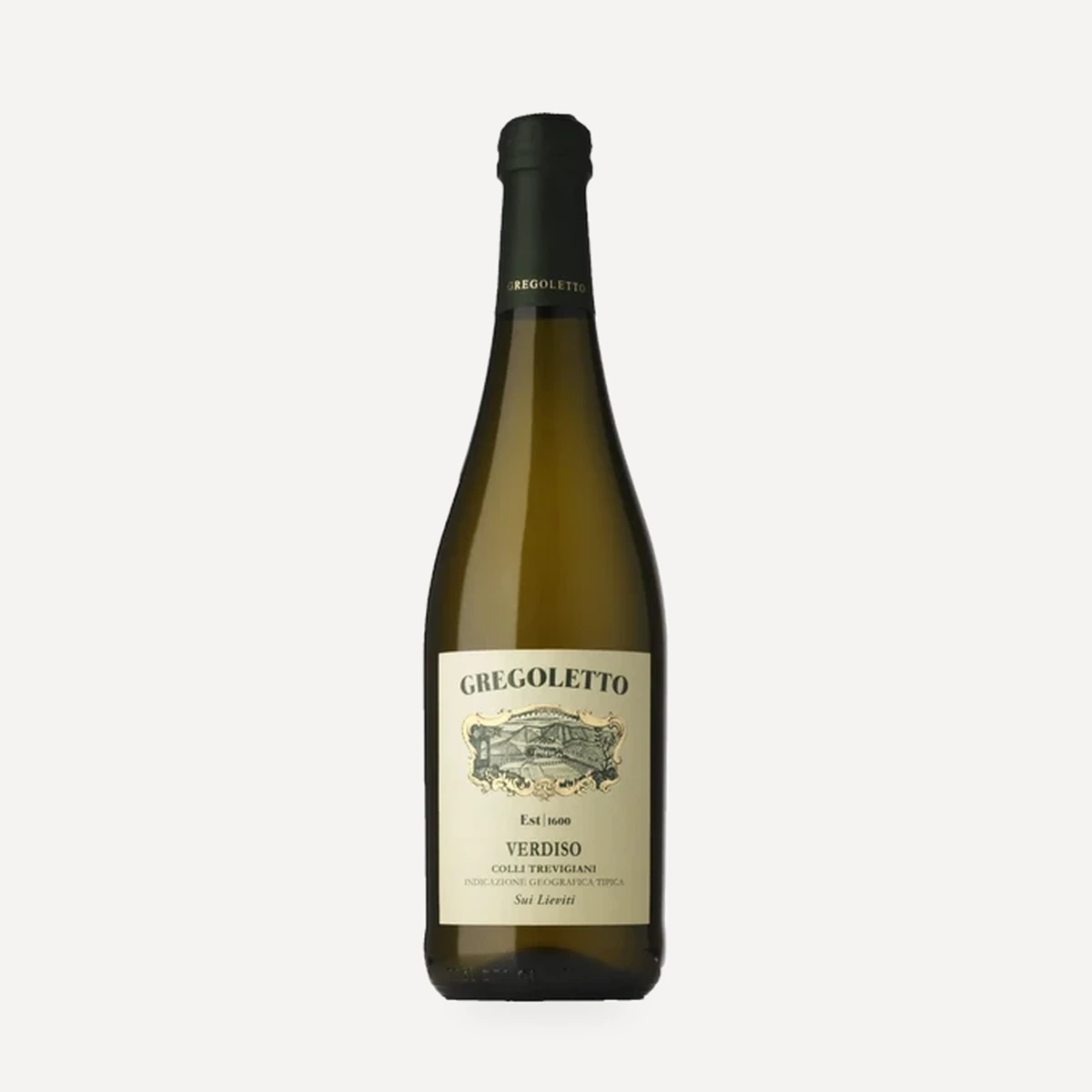
Prosecco is prepared in three principal forms during the spring after harvest: still, sparkling Extra Dry and traditional frizzante. The still expression has long been regarded as the family's emblematic version. Sparkling wines made by the Martinotti/Charmat method undergo secondary fermentation in pressure-resistant stainless-steel tanks and are bottled under pressure.
Traditional frizzante follows a natural bottle-refermentation method. The base wine can rest on fine lees in stainless steel for three months before rising spring temperatures initiate refermentation. The wine remains undisgorged on its lees and is sealed with a crown cap. Bottle-fermented sparkling production also includes long maceration, a first temperature-controlled fermentation in stainless steel with indigenous yeasts, refermentation on the lees and subsequent bottle ageing.
Red wines undergo extended maceration. Cabernet and Merlot mature in large casks, while the Colli di Conegliano red can use both large and small wooden vessels, followed by bottle ageing before release.
Filosofia
The phrase “Bene e fedelmente”—to work well and faithfully—originates in the cultivation obligations imposed on the family's ancestors under their historic lease. It expresses a relationship with land that the family has maintained for more than four centuries.
The post-war direction established by Luigi Gregoletto placed quality, typicity and origin at the centre of production. Parcels and places of origin are preserved through separate vinification, while successive manual harvest passes prioritise ripeness over a single uniform picking date.
The approach combines continuity with selective technical development. Traditional still Prosecco remains the family's “gem”; natural, undisgorged frizzante preserves an older local method; and modern pressure-tank sparkling production is used alongside it. The preservation of Verdiso and Incrocio Manzoni 6.0.13 similarly reflects a commitment to varieties with deep local associations, even when low productivity made them commercially less attractive.
Minimal reliance on inputs is expressed through the absence of herbicides, the rare use of organic-matter compost and the predominance of manual work in both vineyards and cellar.
Vini
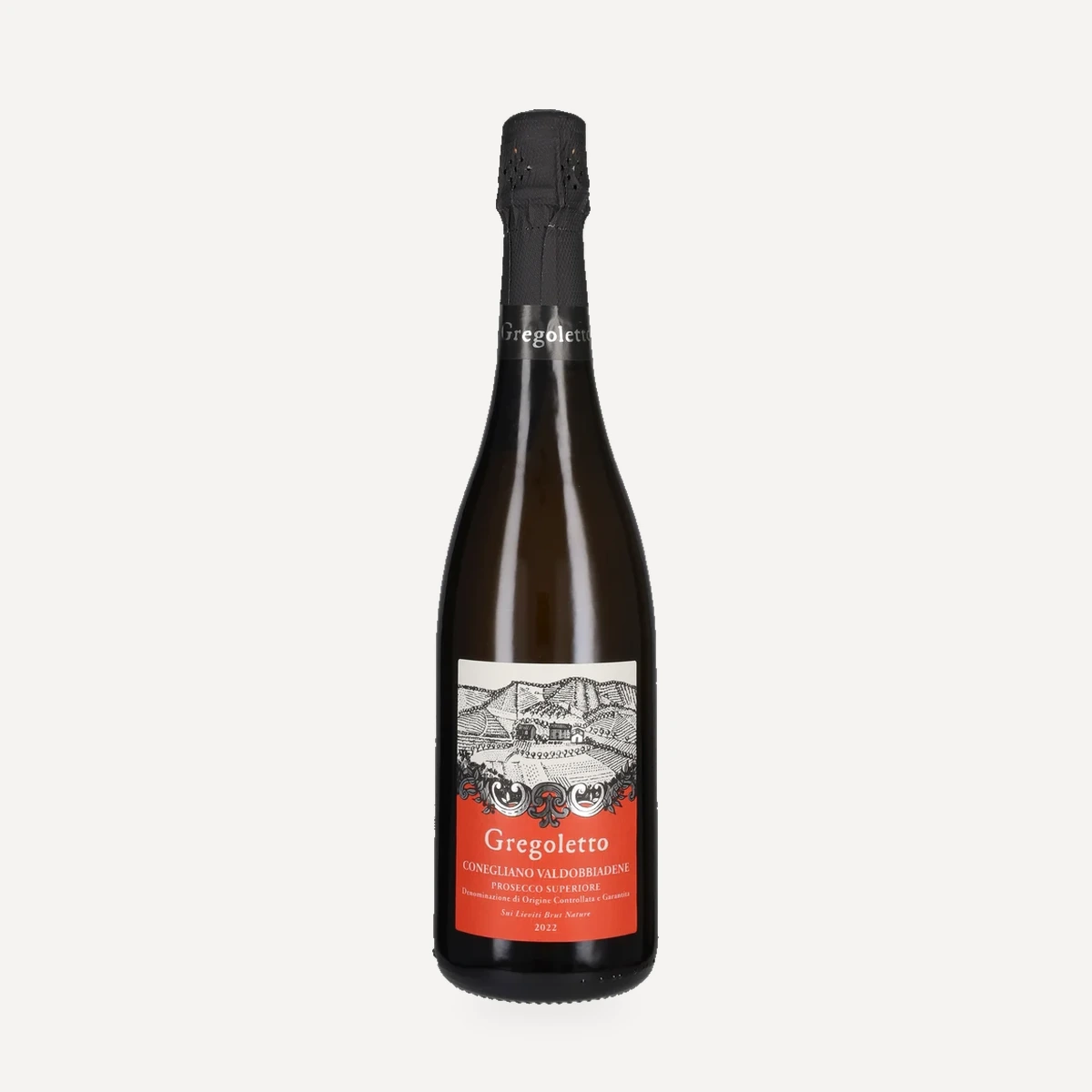
Conegliano Valdobbiadene Prosecco Superiore DOCG Brut Nature sui Lieviti
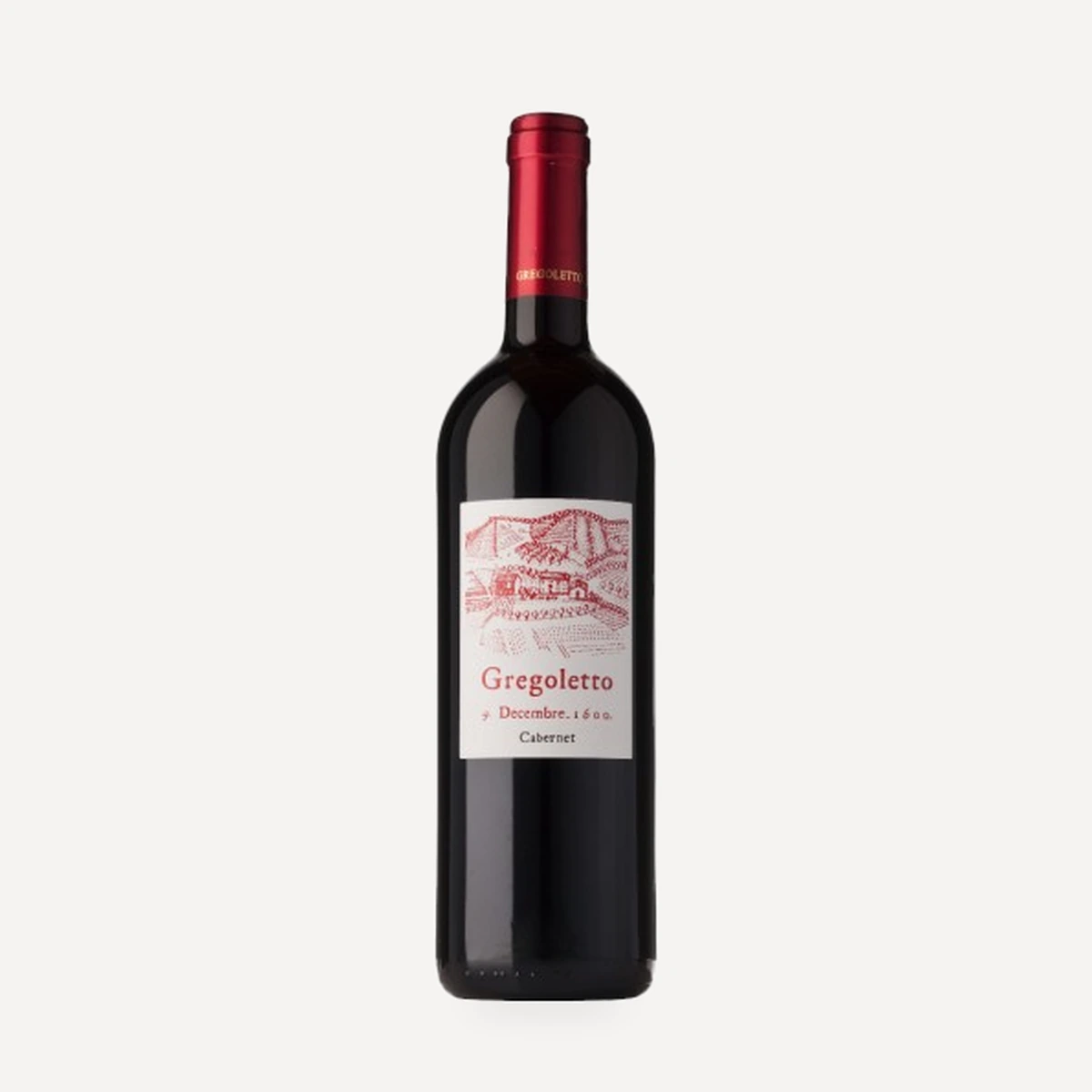
Cabernet dei Colli Trevigiani IGT
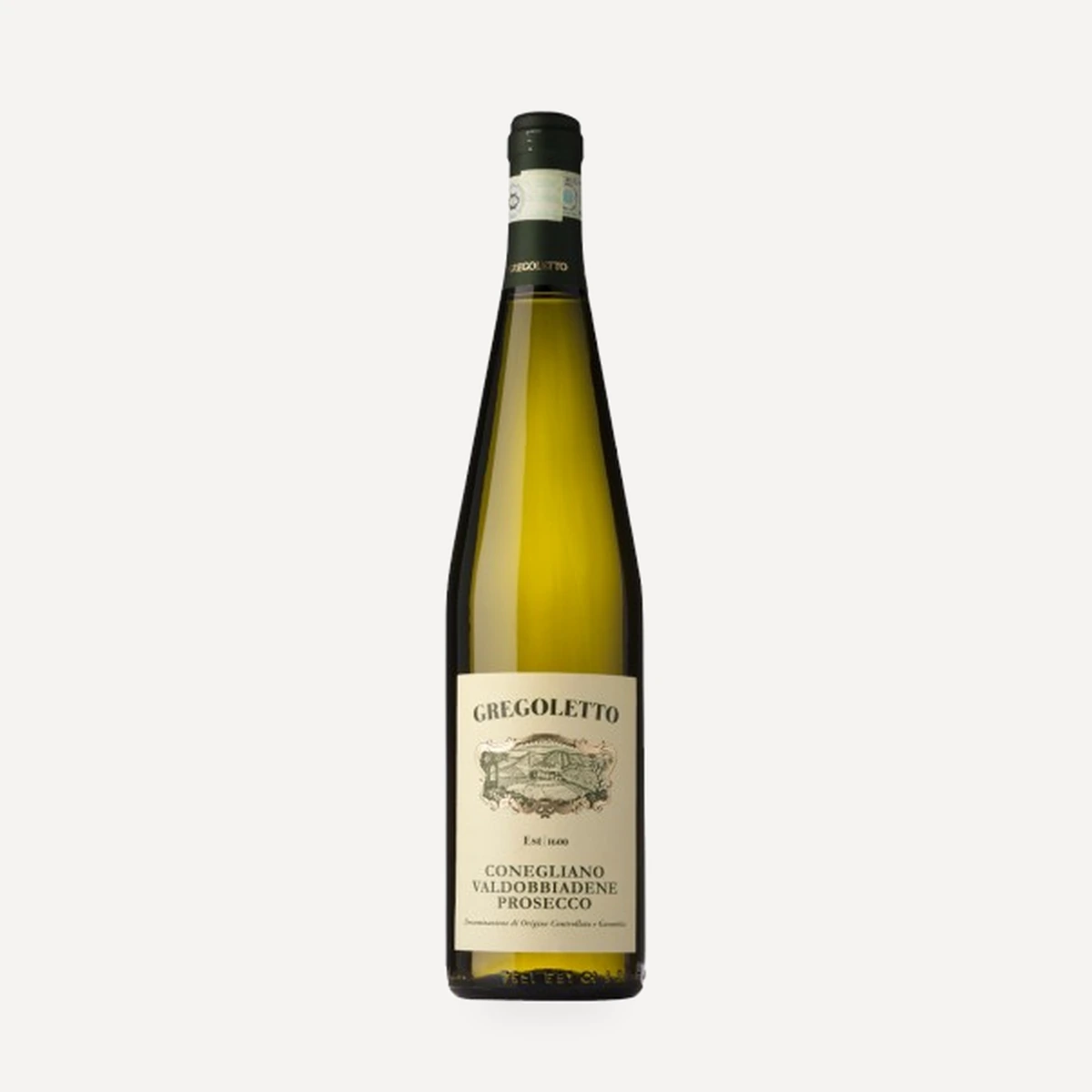
Conegliano Valdobbiadene Prosecco DOCG
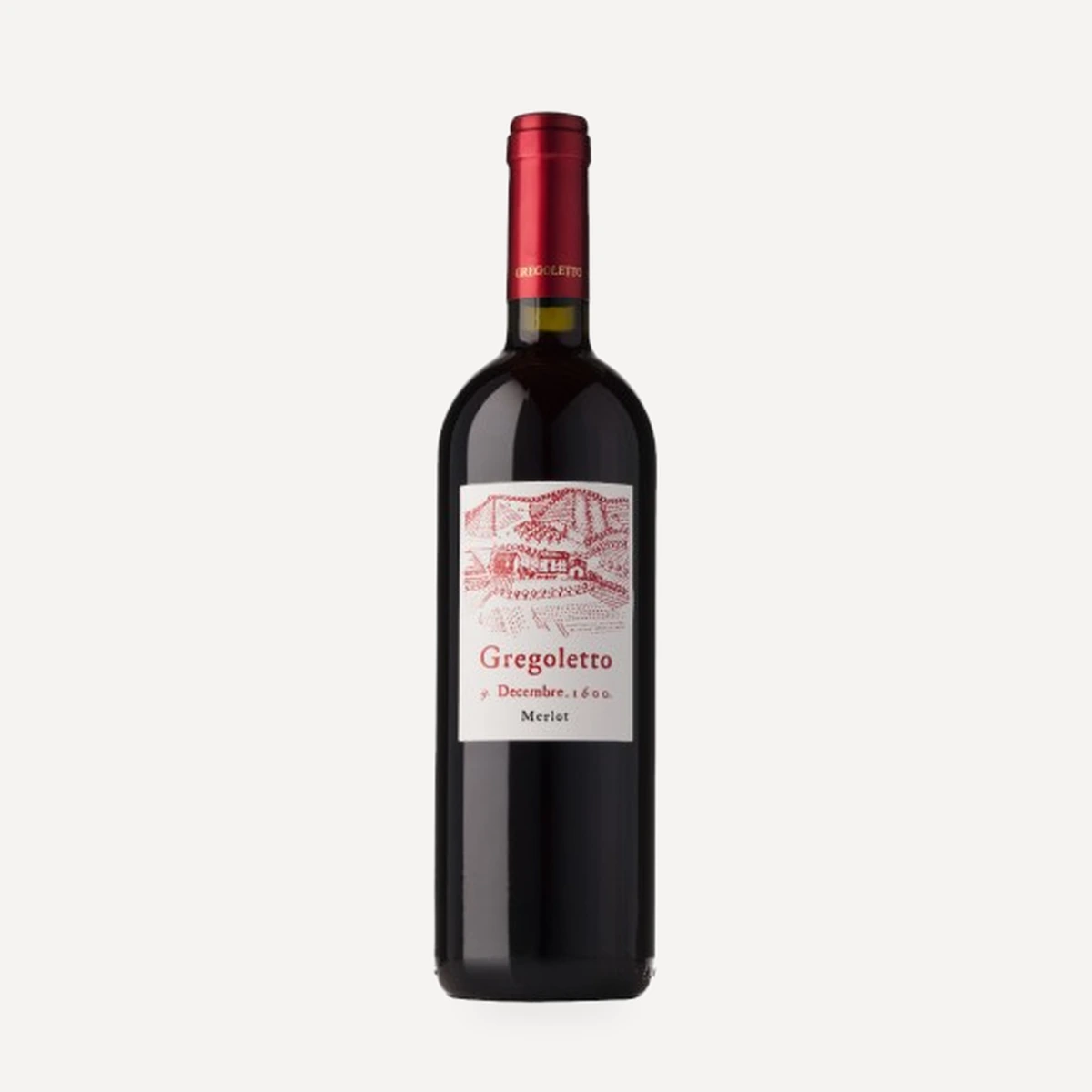
Merlot dei Colli Trevigiani IGT
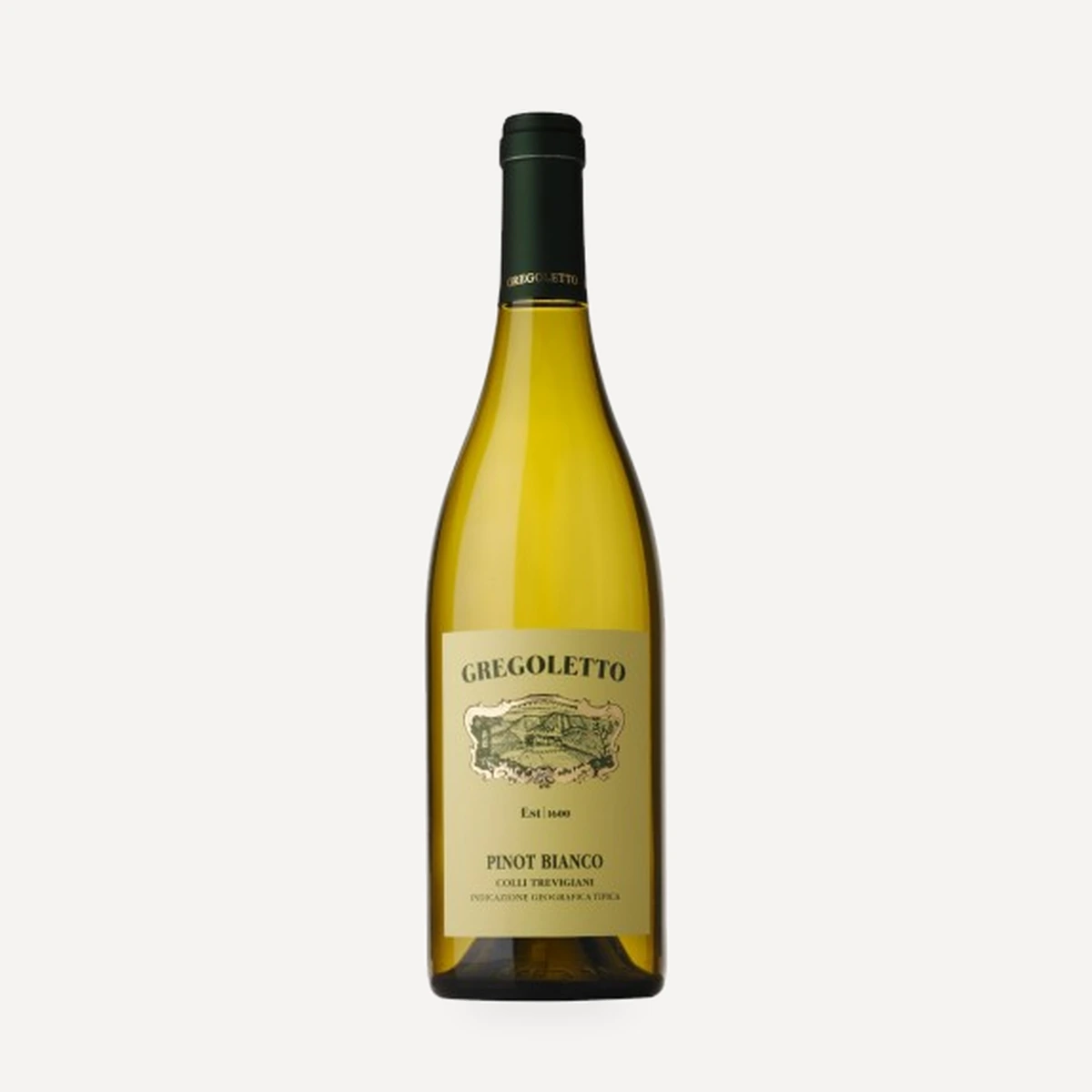
Pinot Bianco dei Colli Trevigiani IGT
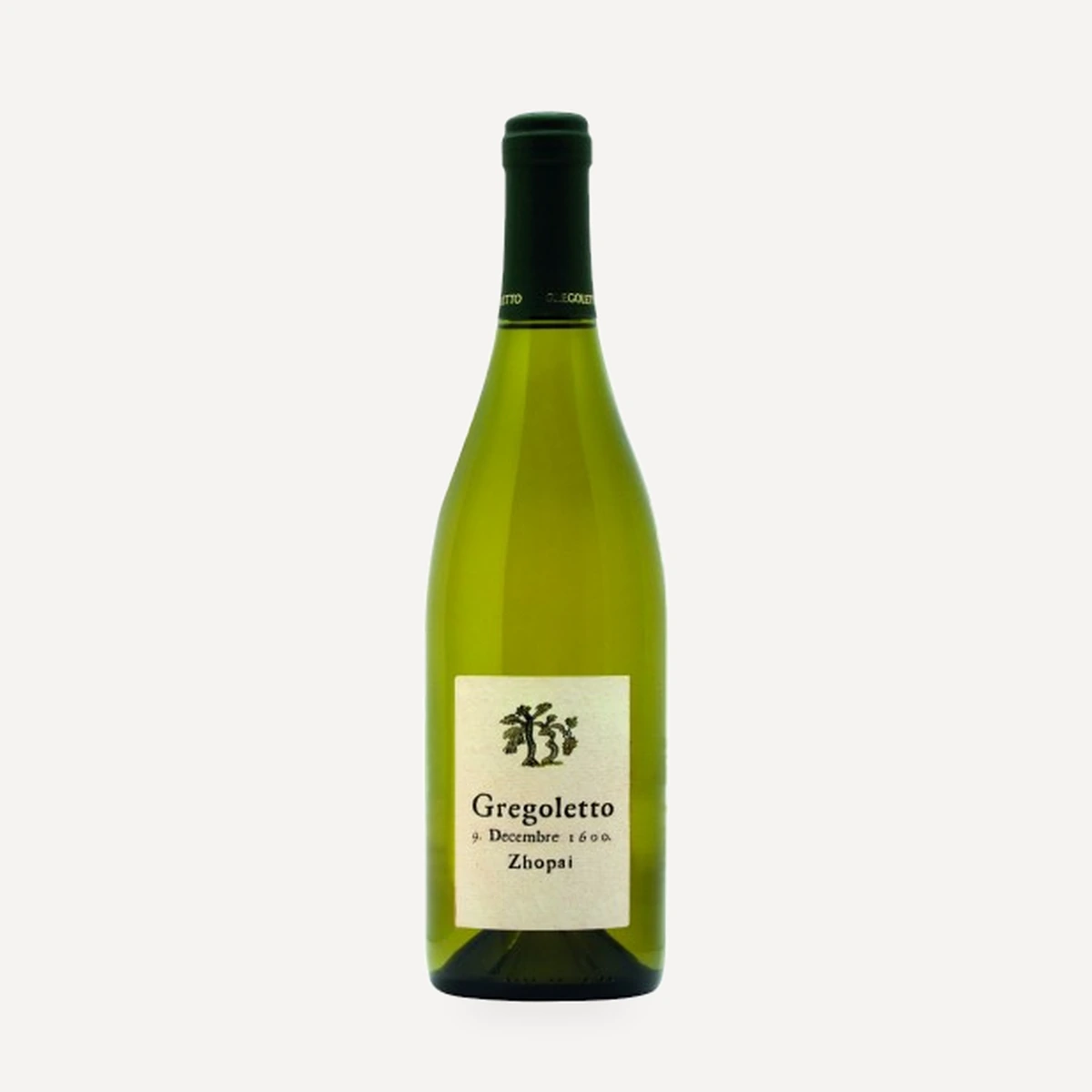
Zhopai Chardonnay dei Colli Trevigiani IGT
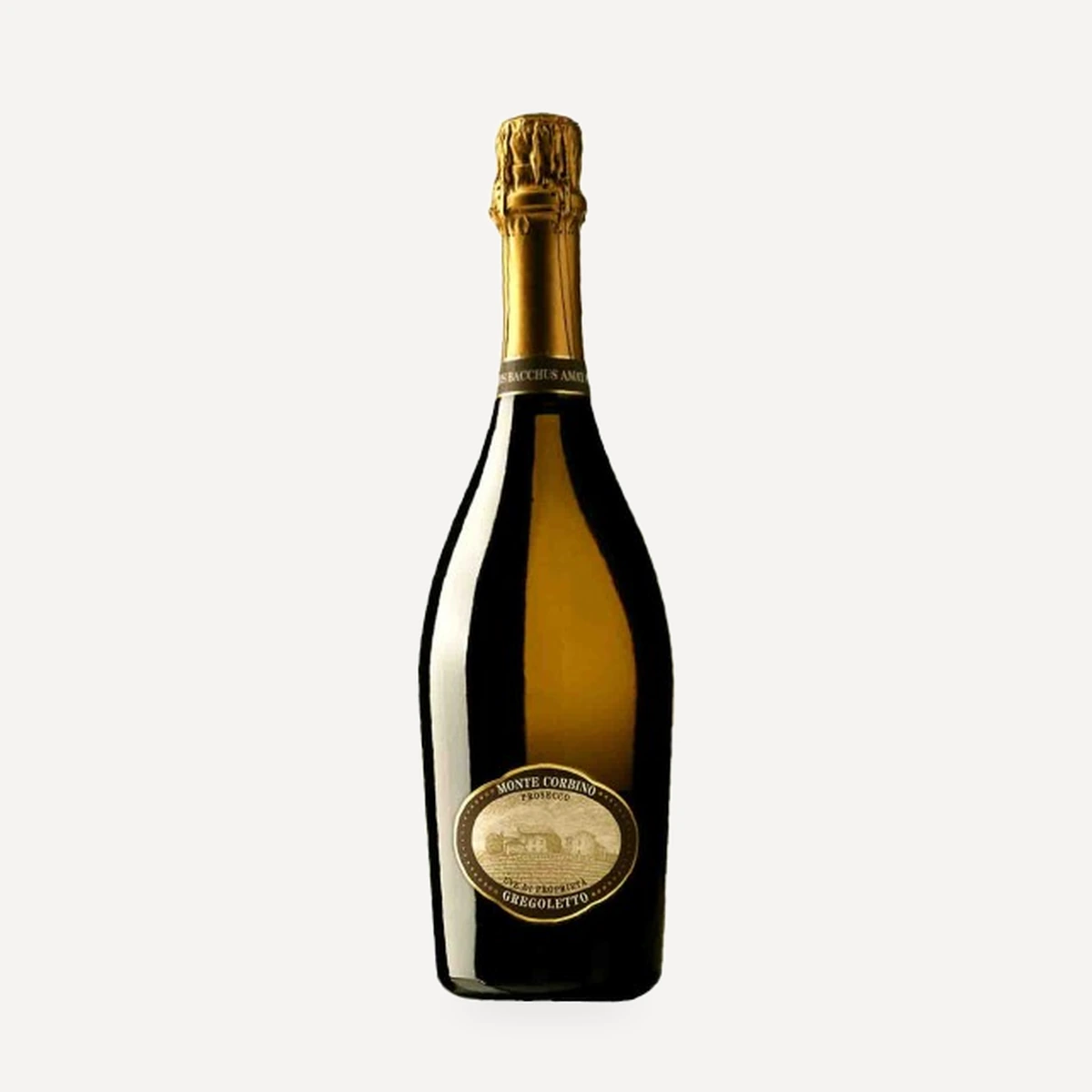
Conegliano Valdobbiadene Prosecco Superiore DOCG Extra Dry Montecorbino
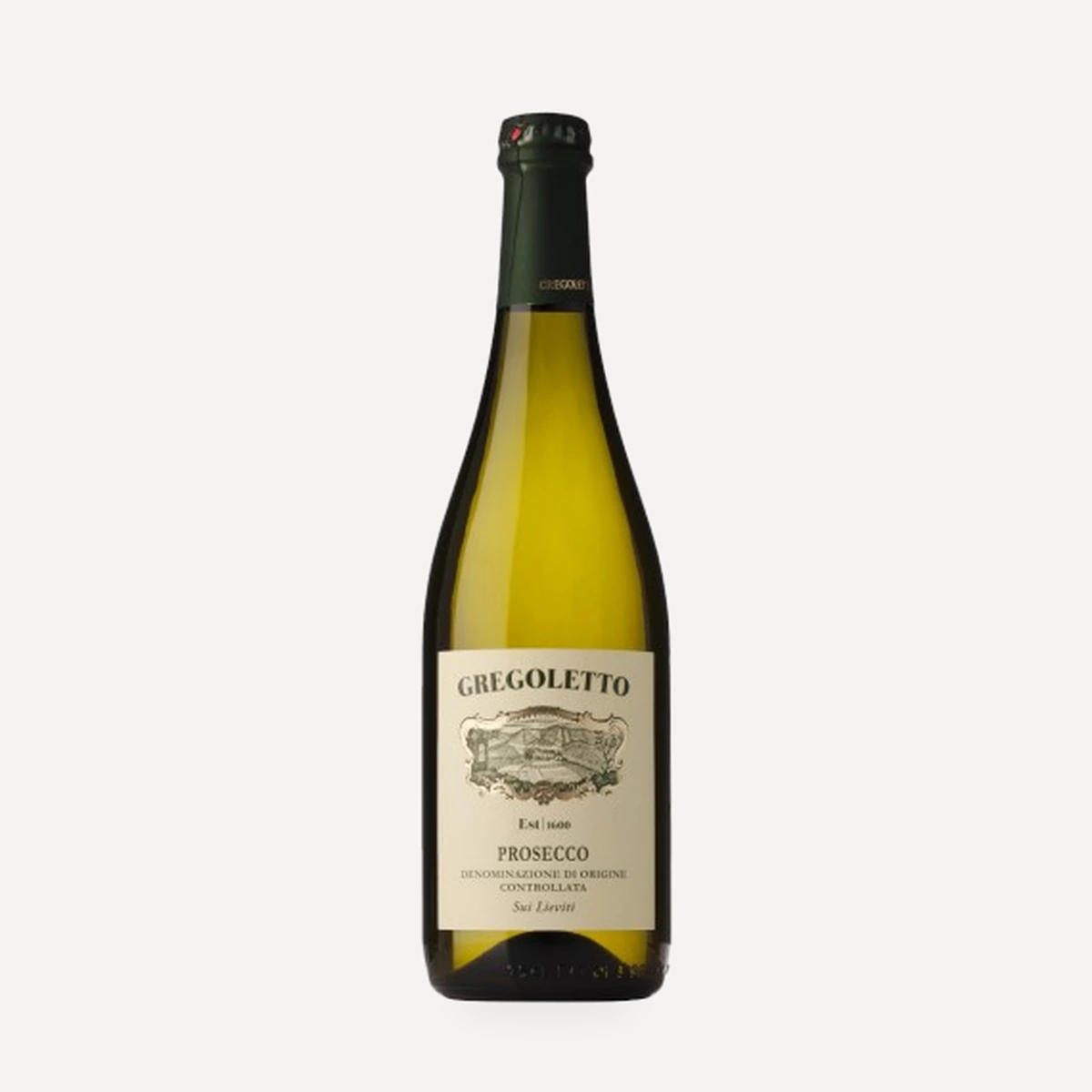
Prosecco Frizzante DOC TV