Storia
The historical Maestranza
The name reaches back to 1435, when the Maestranza dei Vigneri was constituted in Catania. This association of Etnean growers established a professional tradition in which the people producing the grapes were themselves the central practitioners of viticulture and winemaking. The modern I Vigneri deliberately presents itself as the continuation of this guild-like model: not only a winery, but a close group of native Etnean winegrowers.
Palmento Caselle
Palmento Caselle was built around 1840 in Contrada Caselle at Milo, on Etna’s eastern slope. Like traditional Etnean vineyard buildings, it combined a residence with a facility for processing grapes. Constructed in lava stone and organized around gravity-fed channels, it exploited the natural slope instead of mechanical lifting equipment. It remains the Foti family’s home as well as a working vinification and maturation cellar.
Salvo Foti’s formation
Salvo Foti was born in Catania on 4 January 1962 and worked in vineyards and palmenti from childhood. He began his professional career as an oenologist in 1981, collaborating with producers in the provinces of Ragusa and Trapani and, above all, on Etna. He helped establish several Etnean wine enterprises, completed wine-related placements in Italy and France, worked in wine commerce, and participated in scientific research with national institutes and universities.
His activities also extended to teaching tasting and sommelier courses for O.N.A.V., A.I.S. and F.I.S.A.R., teaching oenology in Wine Manager courses at state hospitality institutes, technical and popular writing, and journalism. His publications began with a 1987 university thesis on the commercialization of wine products in the Etna area and continued with works on Sicilian wine history, Pantelleria, Eastern Sicilian polyphenols and aroma precursors, wine tasting, and Etna.
Development of the family estate
I Vigneri has worked on Etna and in eastern Sicily for more than thirty years. During that period, the family selected clearly delimited parcels and planted many of them itself. Each parcel is intended to give rise to one label, and native cultivars are placed at different elevations and on different slopes according to the locations where they were historically selected or introduced.
The estate’s documented planting and production chronology includes the first Vinupetra vintage in 2001; partial replanting of its old VignaCalderara parcel in 2005; the first traditional I Vigneri red in 2005; an initial centenary-vine Vinupetra selection in 2006; planting of VIGNAdiMILO and Palmento Caselle in 2010; the first VIGNAdiMILO production in 2011; the first Aurora production in 2013; additional planting in Vigna dell’Aurora in 2015; the first Palmento Caselle production and renewed production of the centenary-vine selection in 2016. VIGNAdiMILO was not made in 2018.
The next generation
Simone Foti, born in 1994, followed his father through vineyards and cellars from childhood. After high school and a harvest in California, he studied at the wine school in Beaune, graduating in 2018, then gained further experience in Burgundy, the Loire, Champagne and Jura. He returned to Etna and took particular responsibility for the vineyards.
Andrea Foti, born in 1998, studied Viticulture and Oenology at the University of Milan and graduated with highest marks in December 2019. After returning to Etna, he became responsible especially for oenology and quality control. Salvo describes both sons as active, continuing members of the family enterprise.
Brand consolidation and diversification
On 9 May 2024, the family announced that the I Vigneri trademark, always owned by it, would no longer be shared with the companies formerly associated with the now-defunct Consorzio I Vigneri. With the stated exception of Manenti Guglielmo, the mark on bottles became exclusive to the Foti family company. Salvo Foti continued his consulting activity on Etna alongside the family estate.
In 2024, the family also acquired an olive grove of more than 3 ha in Contrada Paraspola at Chiaramonte Gulfi. Its first harvest took place in October of that year, inaugurating separate Centenario and Saraceno olive-oil selections.
Terroir
Etna’s slopes
The estate works across distinct sectors and elevations of Mount Etna. The broader viticultural framework identifies three principal zones: the eastern slope at approximately 400–900 m, the northern slope at 500–800 m, and the southern slope at 600–1,000 m. I Vigneri’s own holdings extend from the northern vineyards around 550–580 m through the eastern vineyards at 750–770 m to high sites in the Bronte area at 1,010–1,300 m.
Etna’s truncated-cone form, altitude, exposure and proximity to the sea create pronounced climatic differences, both from the rest of Sicily and between the volcano’s slopes. Within a few tens of kilometres, natural and agricultural landscapes range from subtropical to mountain conditions. Differences in pedoclimate, exposure, elevation and volcanic substrate can remain significant even inside a single contrada.
Successive lava flows have created strong pedogenetic variability. Soil differences may occur more frequently vertically through the profile than horizontally across the land. The vineyards are generally characterized by volcanic materials, but each site expresses a different balance of sand, lapilli, pumice, tuff, lahar deposits and volcanic stones.
Contrada Caselle, Milo
The eastern holdings at Caselle lie principally at 750 m, approximately 10 km in a straight line from Etna’s central crater and 8 km from the Ionian Sea. Average annual rainfall is about 1,500 mm. The soils are volcanic and sandy, with substantial ripiddu—lapilli and eruptive pumice. The substrate includes an extensive lava plate, fine-grained yellow Upper Tuffs, sometimes stratified and containing plant remains, weakly cemented red-brown lahars, and lava and pyroclastic formations attributed to Mongibello Antico and Mongibello Recente. Readily weathered tuffaceous material has promoted the development of moderately deep soil with relatively little coarse skeleton.
The experimental Caselle vineyard lies at 770 m with an eastern exposure on sandy volcanic soil.
Contrada Porcarìa / Feudo di Mezzo
The northern vineyards are at Passopisciaro, a hamlet of Castiglione di Sicilia. The estate overview places Porcarìa at 550 m, while the detailed VignaCalderara material gives 580 m. The vineyard lies approximately 15 km from the crater and 20 km from the sea, with average annual rainfall of about 800 mm. Its volcanic substrate is an extensive lava body with outcrops of weathered lava and pyroclastic material. Pedogenesis on the relatively level morphology has formed moderately deep soil rich in small and medium volcanic stones, which cover much of the surface.
Contrada Nave and VignaBosco
The northwestern high-altitude holding lies at Bronte, approximately 10 km from the crater and 26 km from the Ionian Sea. VignaBosco occupies about 0.50 ha in a wild, isolated setting surrounded by an extensive holm-oak wood. Average annual rainfall is approximately 1,100 mm. Its volcanic substrate includes an extensive lava plate and weathered lava and pyroclastic outcrops. A slightly depressed, channel-like morphology has produced a soil that is not especially deep and is rich in coarse mineral material.
At least ten red and white cultivars have coexisted there for more than a century. The vineyard’s name and Vinudilice derive from the holm oak: Quercus ilex in Latin and ilice in Sicilian.
Contrada Tartaraci
Vigna Vincenzo is located in Contrada Tartaraci at Bronte at 1,010 m, with a northwestern exposure. It is planted with old Etnean bush vines.
Vinificazione
Alberello Etneo
All estate vineyards are cultivated in the traditional Alberello Etneo system. The vines are arranged in a quincunx on irregular lava-stone terraces, each supported by a chestnut post from Etna. The triangular, equidistant layout gives each plant balanced space and encourages roots to explore deeper soil layers. Planting densities are generally 8,000–10,000 vines/ha, while the traditional red material records an estate-related average of 7,500 vines/ha. The lower crop from each individual plant is balanced by this high density and is intended to achieve full polyphenolic maturity.
Manual work and plant health
Vineyard work is predominantly manual, reaching approximately 200 working days per hectare each year. Harvesting and selection are performed by hand; a mule is also used at the high VignaBosco site. More than 80% of the vineyard labour value is described as returning to the local economy through native Etnean workers. Many of the tools used in the vineyards and palmento are made by local artisans.
Traditional fungal controls are limited to copper and sulphur. The preference is for few or no treatments: workers manually remove leaves around the bunches to improve air circulation and strengthen natural protection from disease. No large, heavy tractors are used because of their soil-compacting effect.
Materials, fertility and water
There are no iron or concrete posts and no training wires in the estate vineyards. Etna chestnut stakes are used exclusively, and vines are tied with organic cords made from natural fibres rather than plastic.
Fertility comes from sheep manure collected directly from local folds after naturally raised sheep have grazed Etnean land. The family collects the manure when it has matured sufficiently for vineyard use; it is neither industrially processed nor transported from outside the area.
The vines are not irrigated. The rationale is to avoid prolonged water use and the accumulation of salts near the soil surface, which is considered harmful to soil vitality.
Terraces and biodiversity
Every vineyard is terraced to conserve the land. The vines remain embedded in natural ecosystems containing oaks, chestnuts and wild aromatic plants such as oregano, thyme, helichrysum and giant valerian. These habitats support bees, butterflies and other insects. Apples, cherries, pears, hazelnuts, plums and strawberries share the vineyard land, reducing the effect of monoculture and increasing biodiversity.
The estate owns its vineyards outright, does not lease vineyard land and does not buy grapes for its estate parcel wines, giving the family direct control over cultivation and grape quality. A separate traditional Etna red perpetuates an older labour custom by combining grape shares given to workers by owners of Etnean vineyards cultivated by I Vigneri.
Gravity and the palmento
Vinification centres on Palmento Caselle, a lava-stone building dating from around 1840. Its channels and changes of level move grapes, must and wine by gravity, without pumps or other lifting equipment. The palmento operates through natural gravity, human labour and manual ingenuity rather than depending on external energy. It remains both a vinification space and an ageing cellar.
The estate rejects plastic tanks, plastic resins and plastic fibres in the cellar. Vessels are made from Etna lava stone, wood or neutral 316 stainless steel. The barrel cellar uses oak, acacia and chestnut. New cellar spaces were constructed with Etna lava stone and handmade terracotta bricks made by local craftspeople; iron fittings were hand forged, and the exposed cellar stone was worked by the family.
Fermentation and élevage principles
Biotechnology is not used in production. Depending on parcel and style, fermentations employ native pied-de-cuve cultures or proceed spontaneously without added yeast. White grapes may be pressed as whole bunches and clarified by static natural settling before fermentation. Red techniques include traditional foot crushing with whole bunches and stems, partial retention of stems, and short semi-carbonic maceration in an old open tonneau. Temperature control and refrigeration are deliberately absent from the traditional palmento method.
Ageing vessels vary by expression and include stainless steel, large wooden casks, 225- and 500-litre barrels, second-use French-oak tonneaux, and buried terracotta jars. The traditional palmento red receives no wood ageing. Natural settling is used for clarification, and filtration is generally confined to bottling or performed as a coarse filtration before bottling. Sulphur is used in small doses before fermentation and at bottling where specified. Racking and bottling for the principal parcel wines follow lunar phases.
The old Etnean workers’ wine is made from grape shares traditionally given by vineyard owners to the people who cultivated their land. The shares are assembled and vinified at Palmento Caselle, reviving a form of household and workers’ winemaking that has nearly disappeared.
Filosofia
I Vigneri defines its work as the production of Vini Umani—Human Wines rather than adopting “natural wine” as a label. The idea combines inherited agricultural practices, Alberello Etneo, palmento vinification, family work and direct relationships with long-standing collaborators. All collaborators are native to Etna, and many have worked with the family for more than twenty-five years.
The family presents wine as a human creation made from nature rather than a product made by nature alone. Technique is not rejected in itself; its value depends on how it is used. The declared position is therefore neither uncontrolled industrial technology nor an uncritical return to every empirical practice of the past. Useful advances in modern oenology are weighed against tradition, with change expected to be gradual, considered and ethically responsible.
Traditional vineyard and cellar work is supported by small innovations and by anthropological, technical and historical research into Etna. Tools and methods are intended to be non-invasive, and the objective is harmony with the environment and the volcano rather than mastery over them. Healthy production, ecological compatibility, honesty and respect for workers are treated as inseparable from quality.
The family’s production maxim is “Human wine made by people for people, with respect for people and the environment.” Salvo Foti also frames human relationships as a prerequisite for viticulture: before making wine or tending vines, one must learn to cultivate people. Each vine and each person should remain rooted in the past, live in the present and retain a view toward the future.
Vini
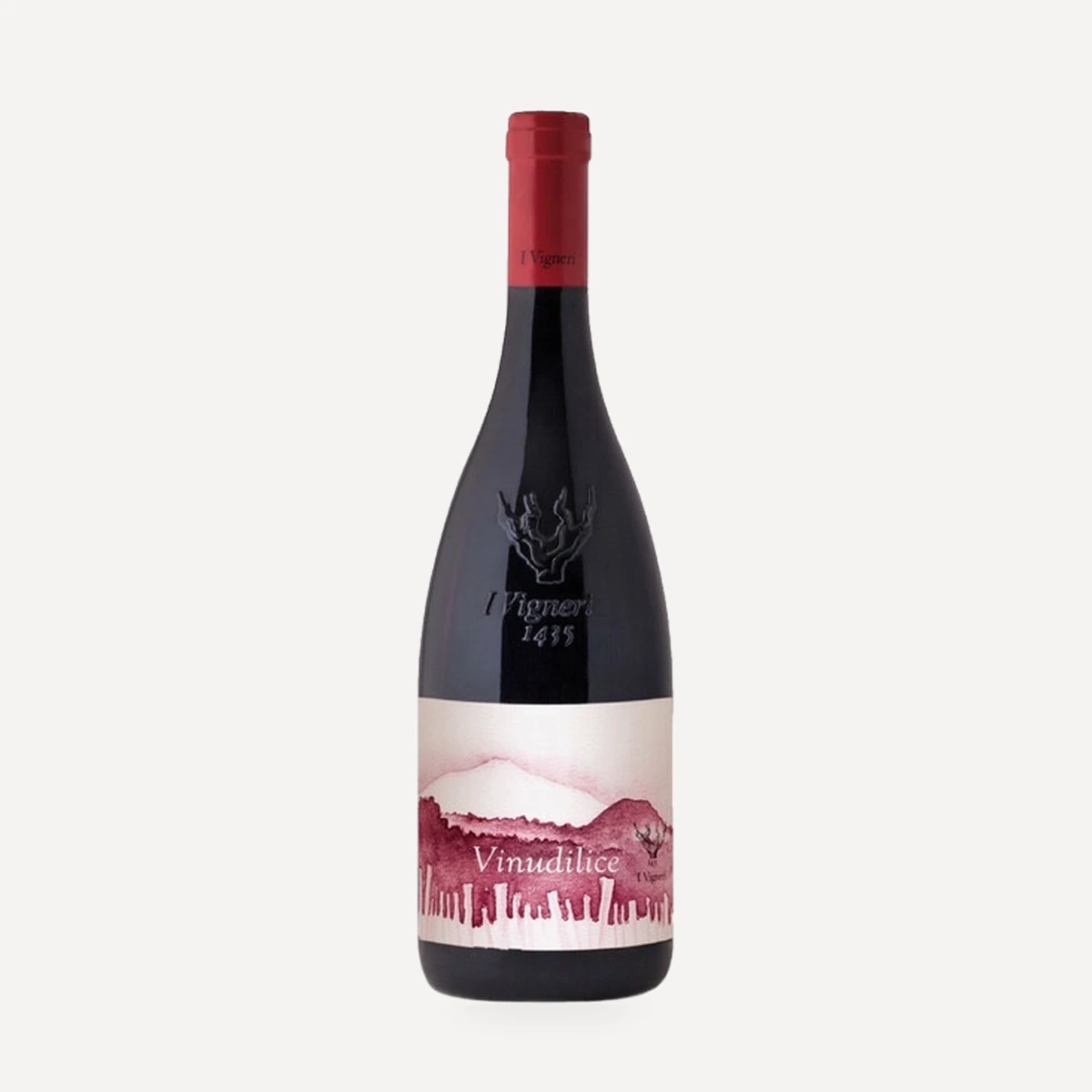
VINUDILICE – Vino Rosato dell’ETNA Nord-Ovest
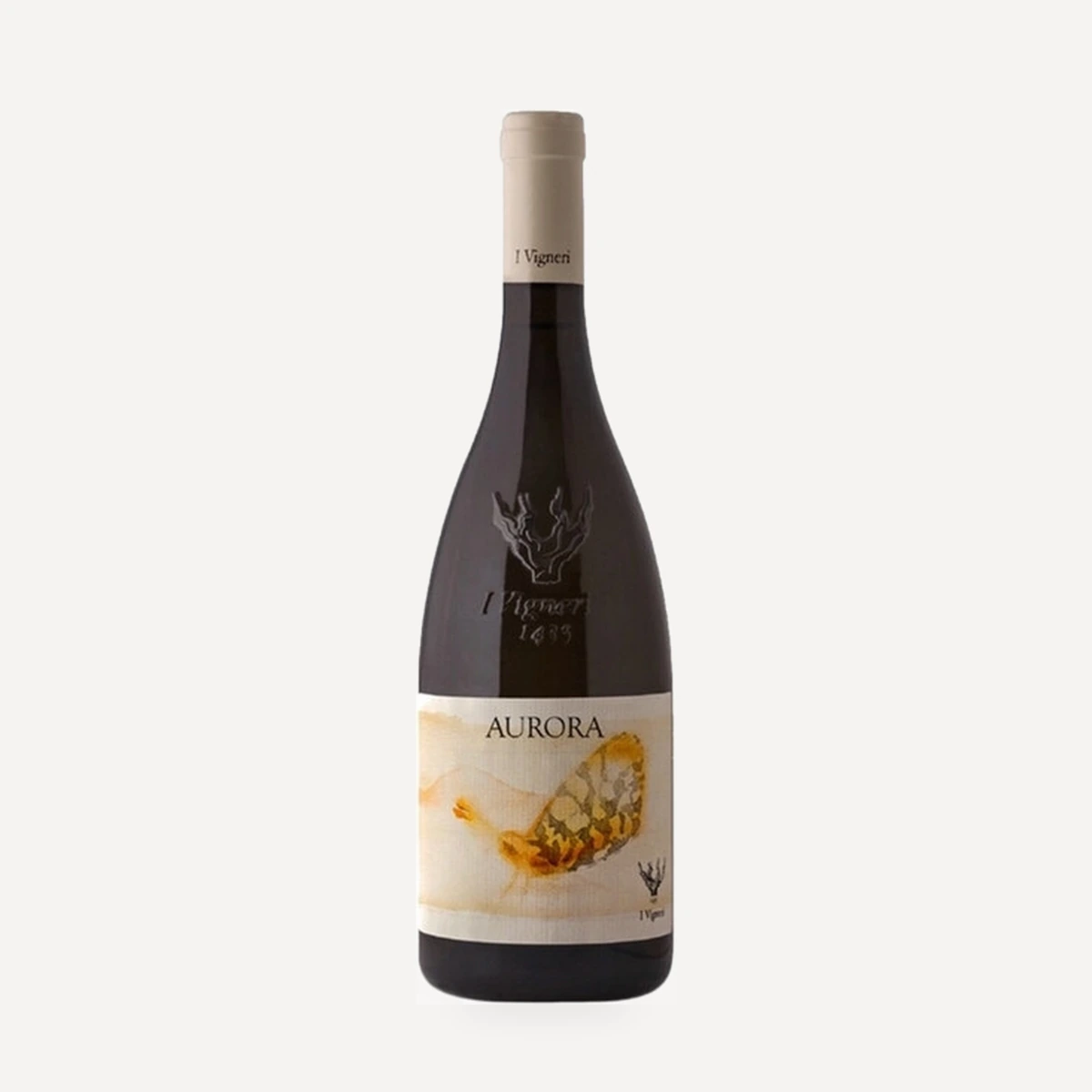
AURORA – Vino Bianco Superiore dell’ETNA
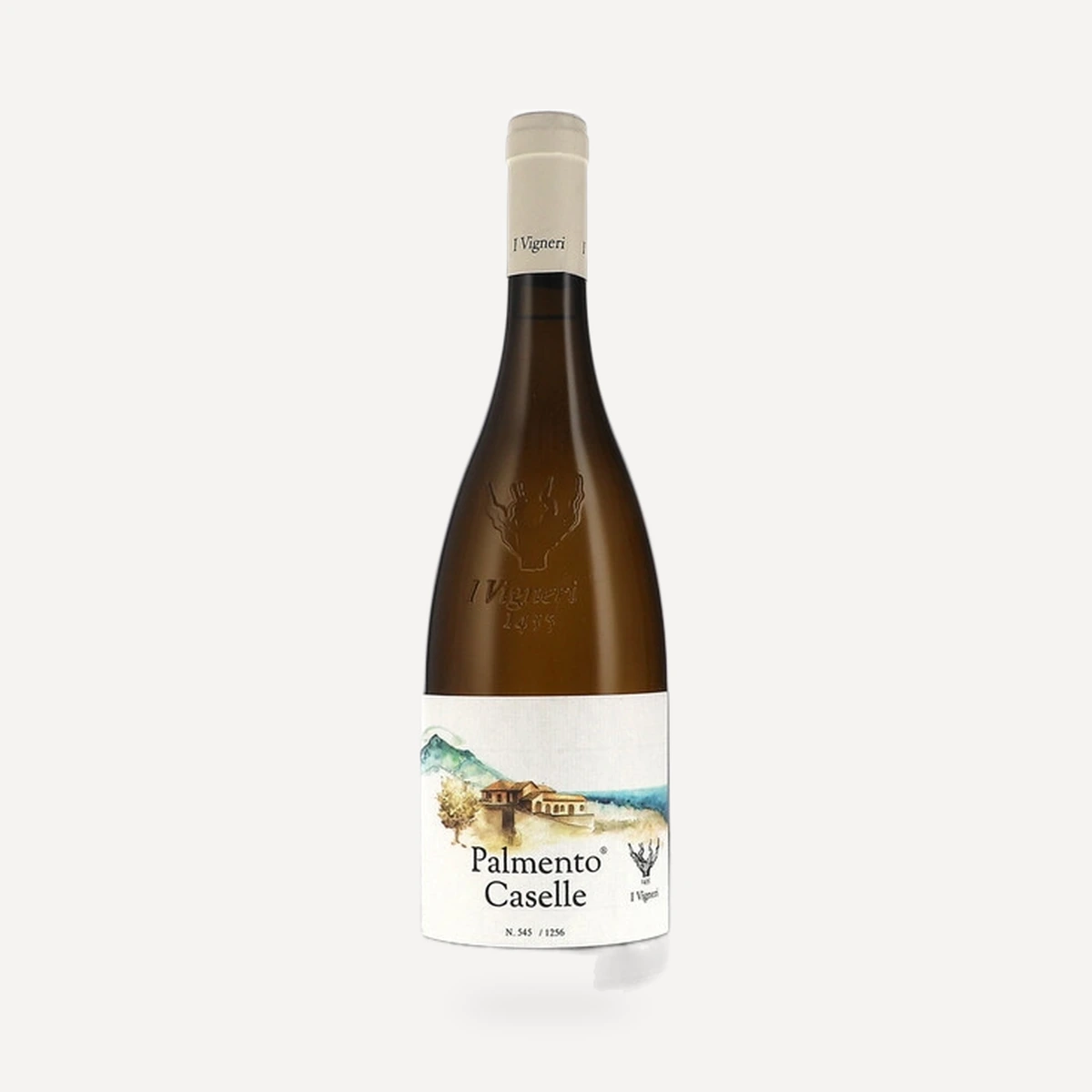
PALMENTO CASELLE – Etna Bianco Superiore DOC
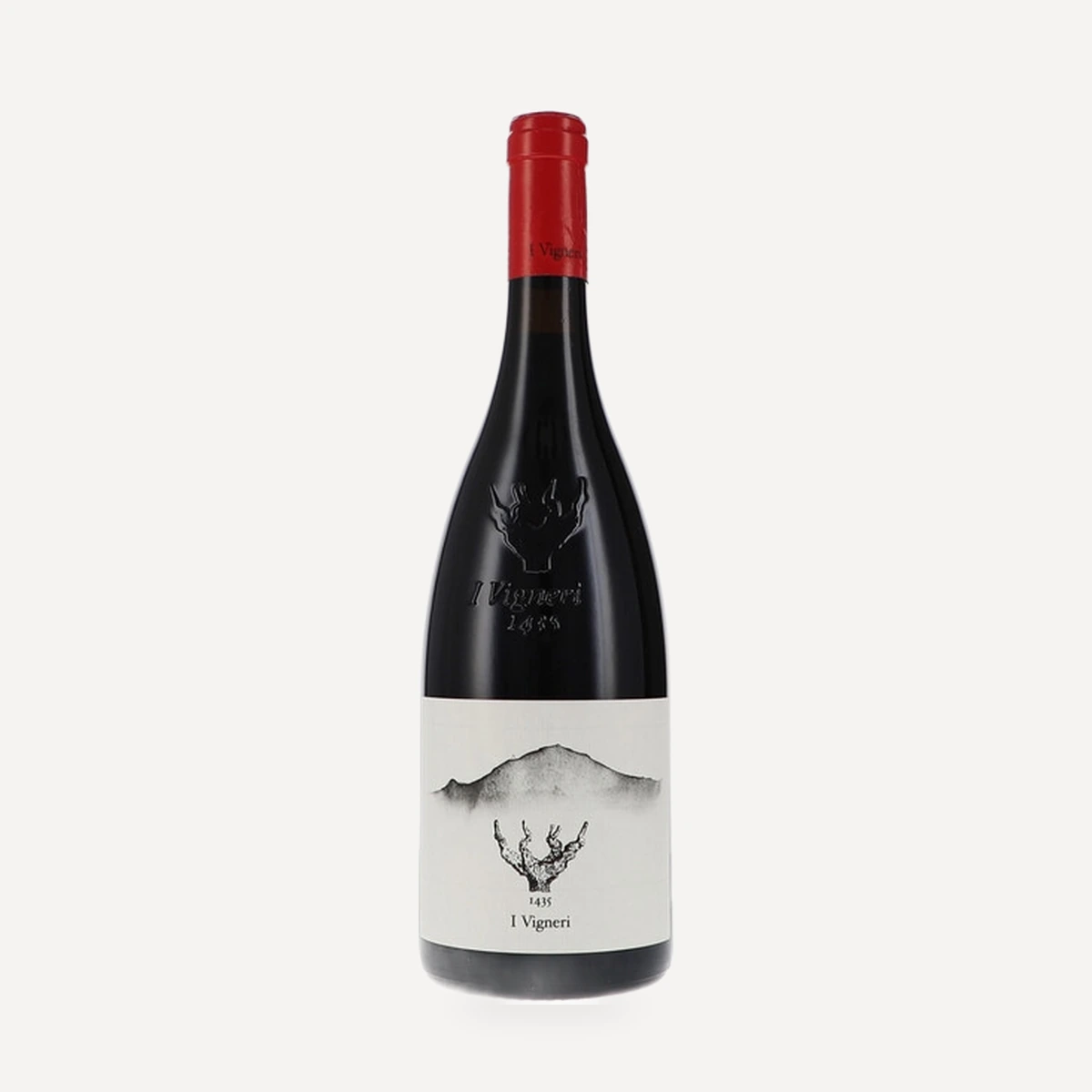
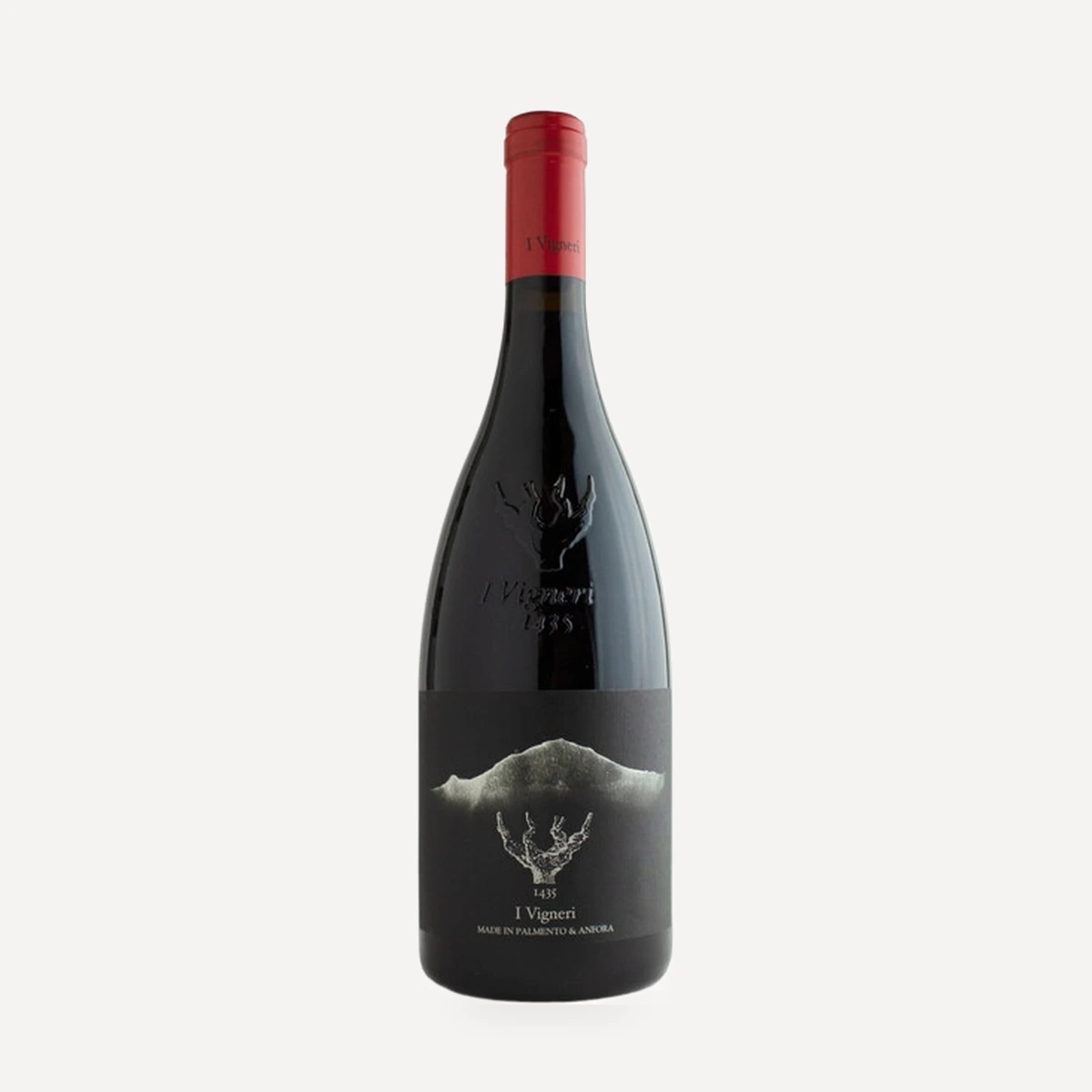
I VIGNERI: il Vino Rosso Tradizionale dell’Etna
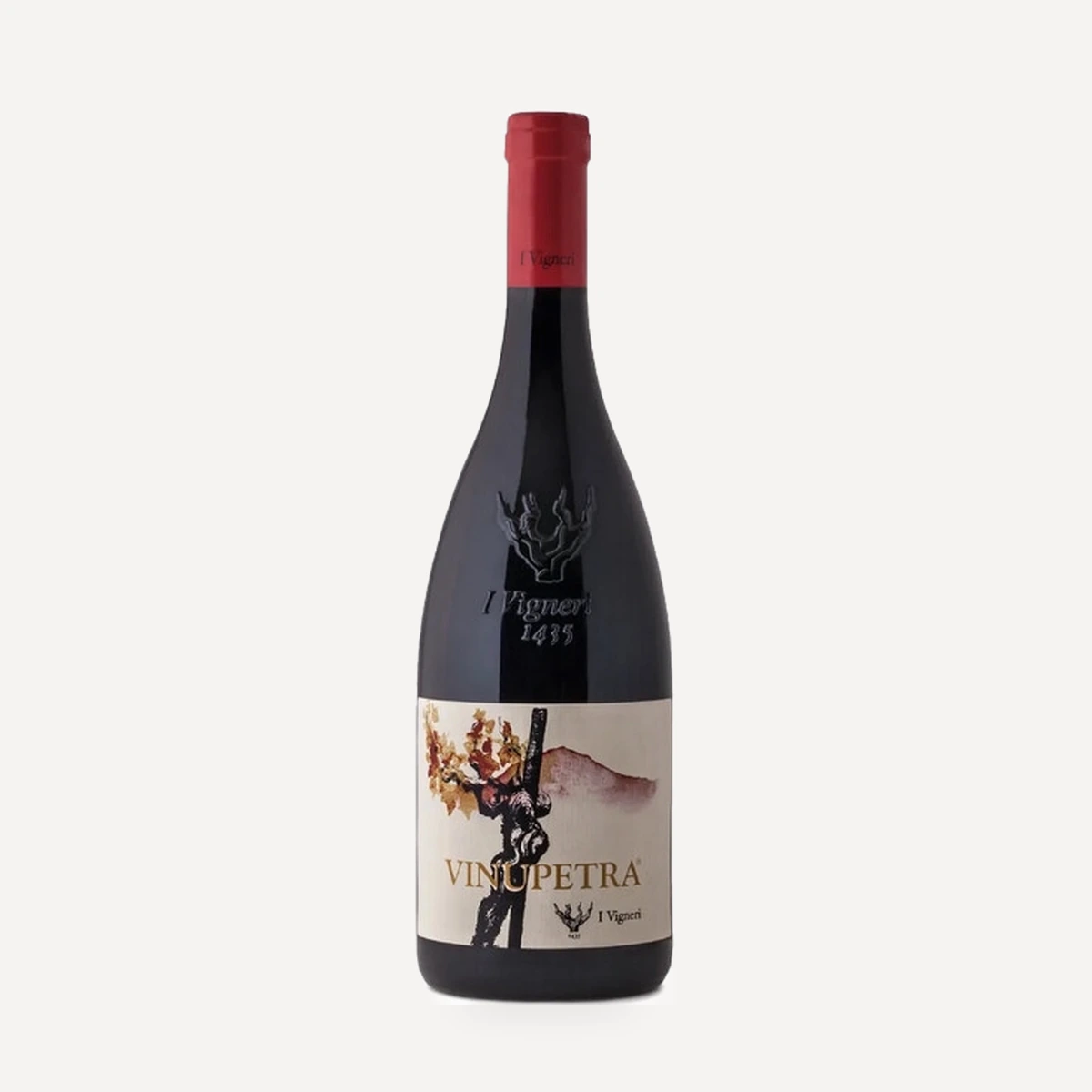
VINUPETRA – Etna Rosso DOC
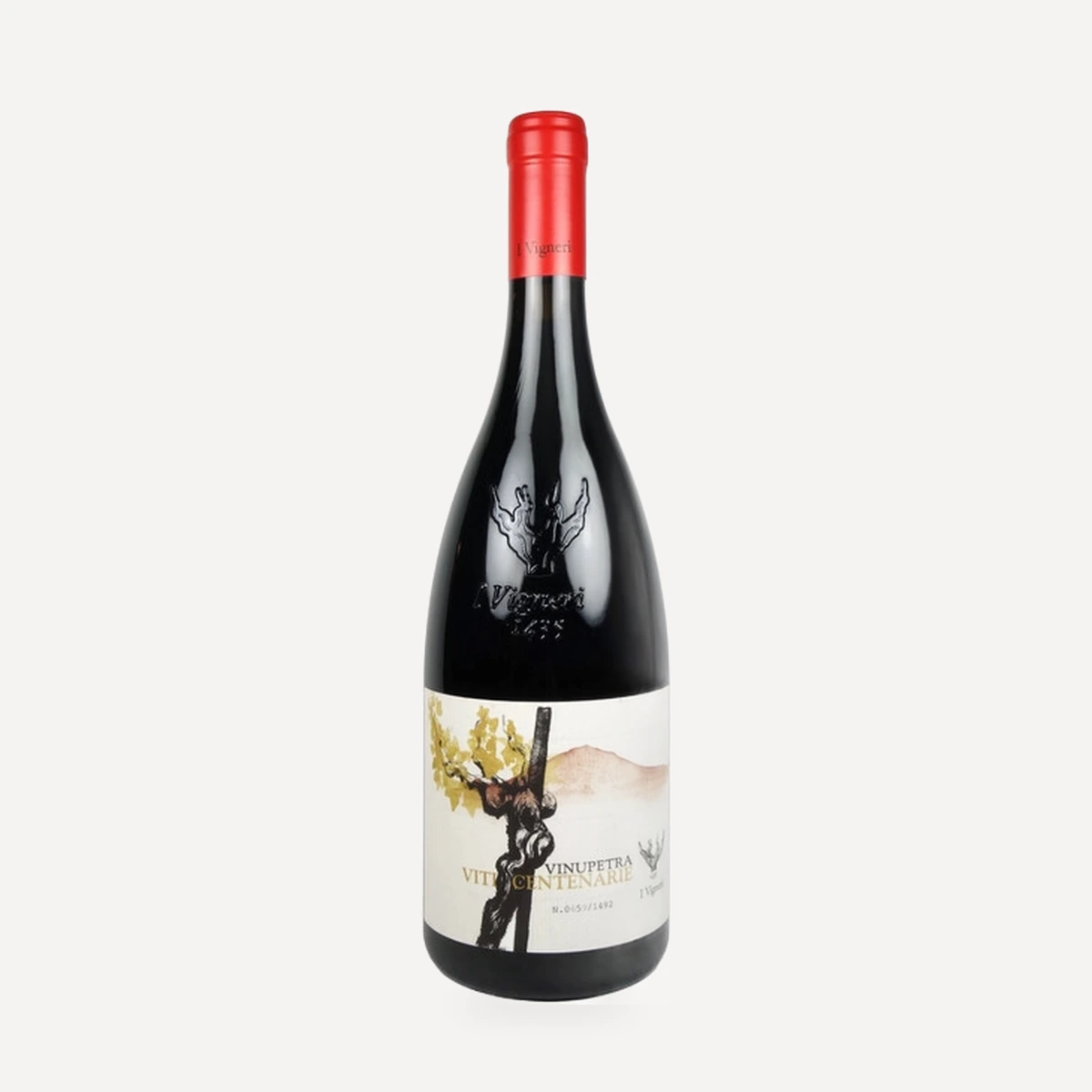
Viti Centenarie del Vinupetra – Etna Rosso